

- Secret Libraries That Preserved American History - September 29, 2026
- These 15 Cult Classic Movies Flopped at the Box Office But Found Immortality - September 29, 2026
- 5 Timeless Classics That Every Thinking Person Should Read - September 29, 2026
American art history holds plenty of treasures that slipped through the cracks of mainstream recognition. Artists working outside established circles often produced work of real depth and originality, yet their contributions stayed in the shadows for decades.
These pieces and creators offer fresh windows into the nation’s cultural story. Their stories deserve another look now that audiences have grown more open to voices once pushed aside.
Joshua Johnson’s Quiet Portraits
Joshua Johnson worked in the late eighteenth and early nineteenth centuries as one of the earliest known African American painters to earn a living from his craft. He created dozens of formal portraits for Baltimore families, using a steady hand and careful attention to clothing and expression. His background as a formerly enslaved man who gained freedom limited his access to training and patronage networks that white artists enjoyed.
Modern viewers can appreciate how Johnson captured the dignity of his sitters without the grand flourishes common in European styles of the time. His paintings reveal a distinct American sensibility rooted in everyday life rather than imported ideals. Reconsidering his output shows how self-taught skill could thrive even under severe social barriers.
Harriet Powers’ Story Quilts
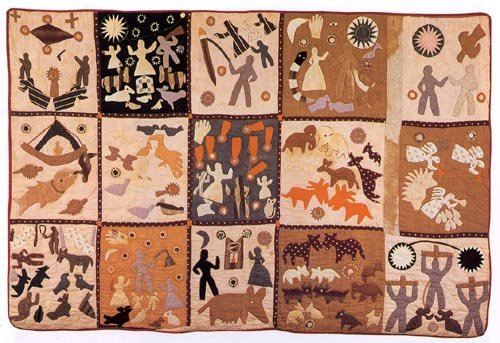
Harriet Powers stitched her narrative quilts in the late nineteenth century on a Georgia farm. She used bold colors and simple shapes to depict biblical scenes mixed with local weather events and folklore. As an African American woman in the rural South, she had little chance to exhibit her work beyond church circles or family gatherings.
Today her surviving pieces stand out for their inventive way of blending personal history with larger spiritual themes. They prefigure later developments in textile art and storytelling through fabric. Looking again at these quilts highlights how everyday materials carried profound cultural weight long before museums took notice.
Clementine Hunter’s Plantation Scenes
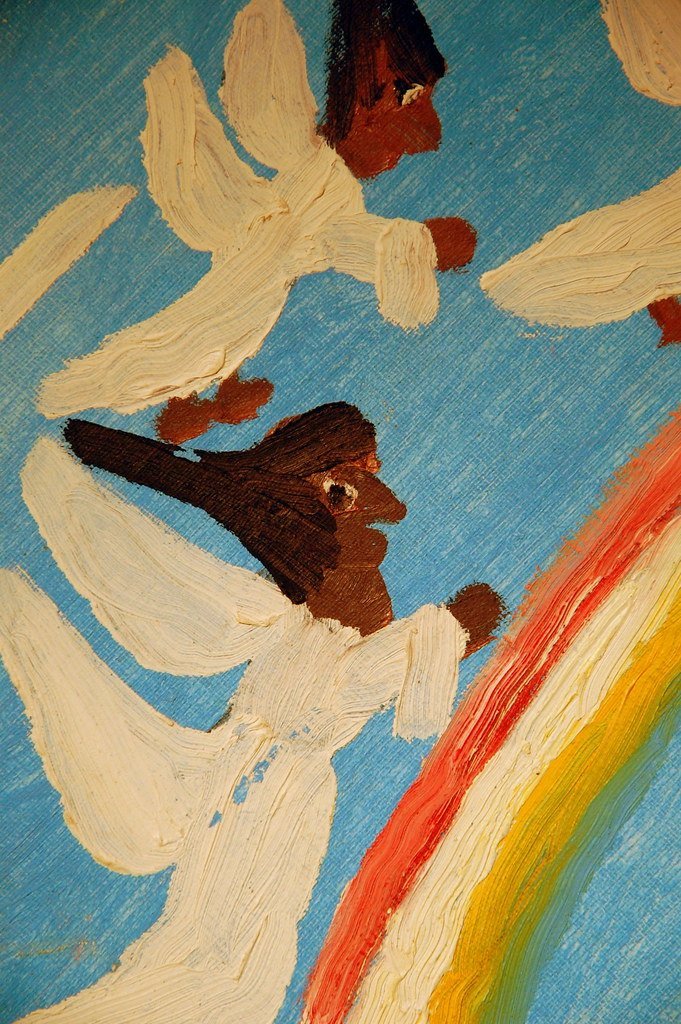
Clementine Hunter painted from the 1940s onward while working at a Louisiana plantation. She recorded daily life among Black workers using bright, flat colors and direct compositions on whatever surfaces came to hand. Limited formal education and isolation from urban art centers kept her name out of major exhibitions for most of her life.
Her canvases now offer unfiltered glimpses of Southern labor and community that textbooks often gloss over. Viewers today find in them a refreshing honesty about race and place that resonates with contemporary interests in lived experience. Reappraising her body of work reveals how regional voices shaped a fuller picture of American identity.
Horace Pippin’s Intimate War Memories
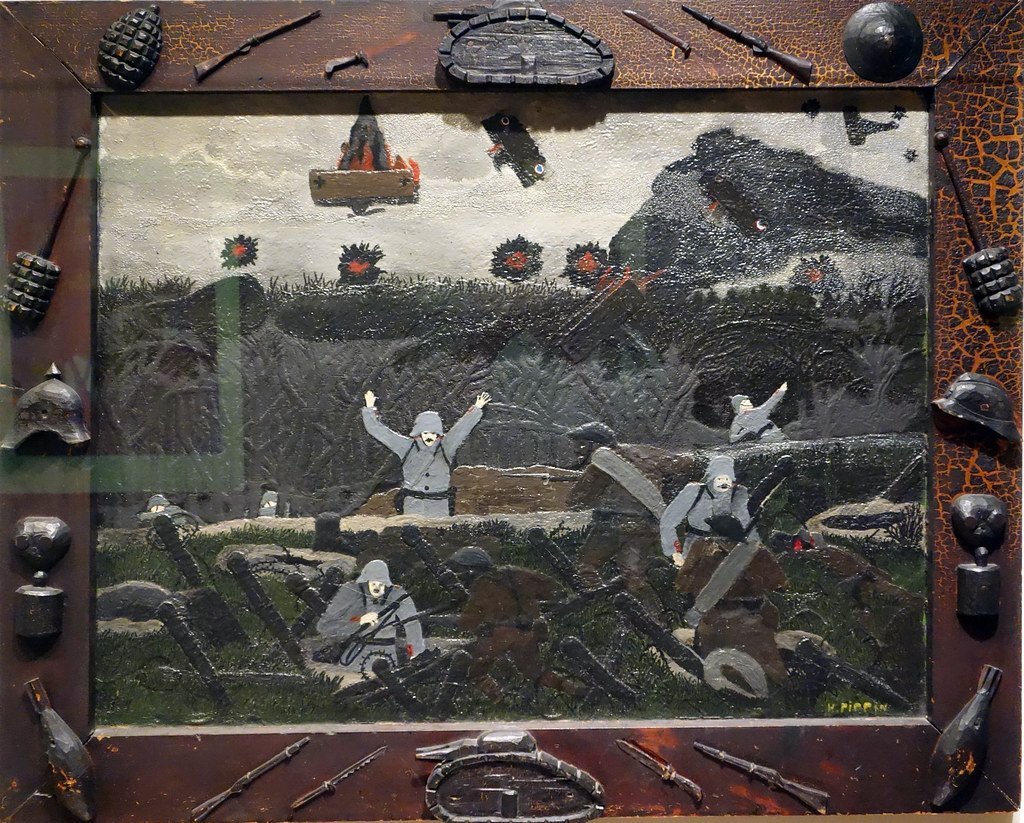
Horace Pippin began painting seriously in the 1930s after serving in World War I. He depicted battle scenes and domestic moments with a direct, almost naive style that avoided dramatic lighting or perspective tricks. Racial prejudice and his working-class background in Pennsylvania meant galleries rarely showed his pieces during his lifetime.
Current audiences value the emotional clarity in his canvases, especially those addressing both combat trauma and quiet family life. His approach influenced later generations interested in personal narrative over polished technique. Revisiting Pippin underscores the power of art made outside academic traditions.
Bill Traylor’s Street Drawings
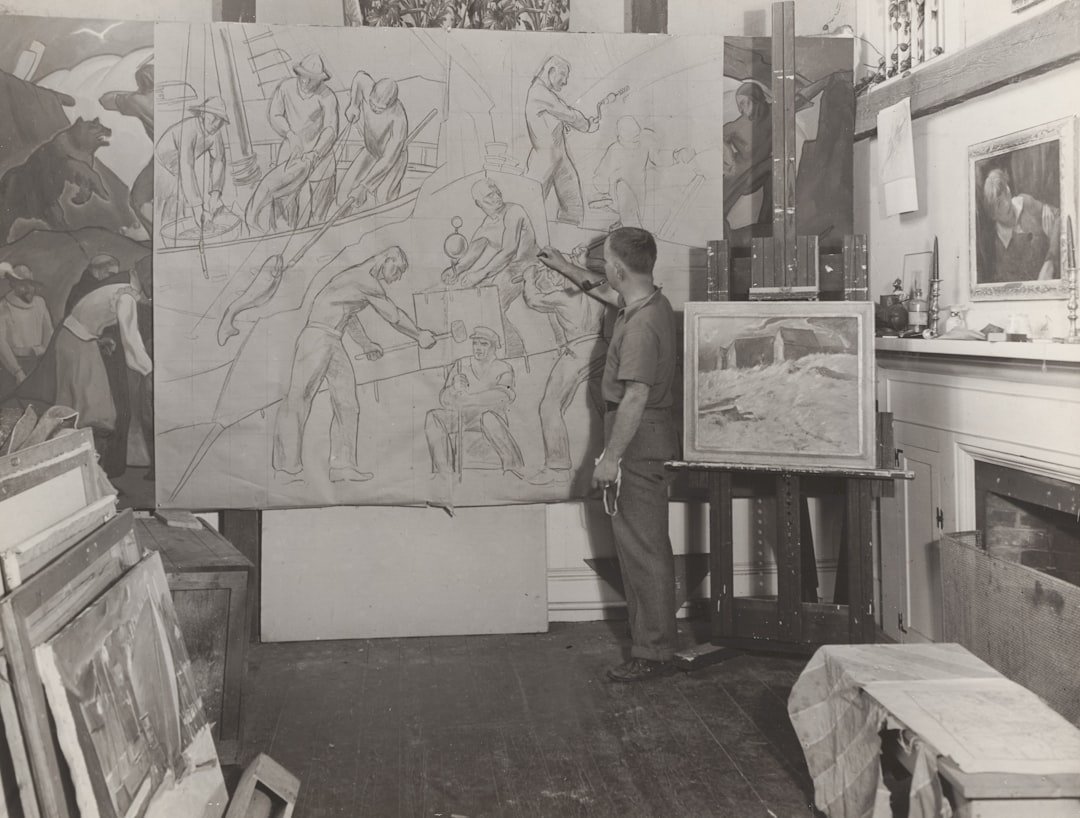
Bill Traylor created thousands of drawings in the 1930s and 1940s while living on the streets of Montgomery, Alabama. He used discarded cardboard and simple lines to portray animals, people, and imagined events from his life. As an elderly Black man with no formal training, he received almost no attention from collectors or institutions at the time.
His work now stands as an early example of raw, expressive mark-making that later abstract artists would explore. Modern eyes see in these images a direct connection to African American oral traditions and resilience. Giving Traylor his due shows how public spaces can become unexpected studios for lasting creativity.
Joseph Yoakum’s Dream Landscapes
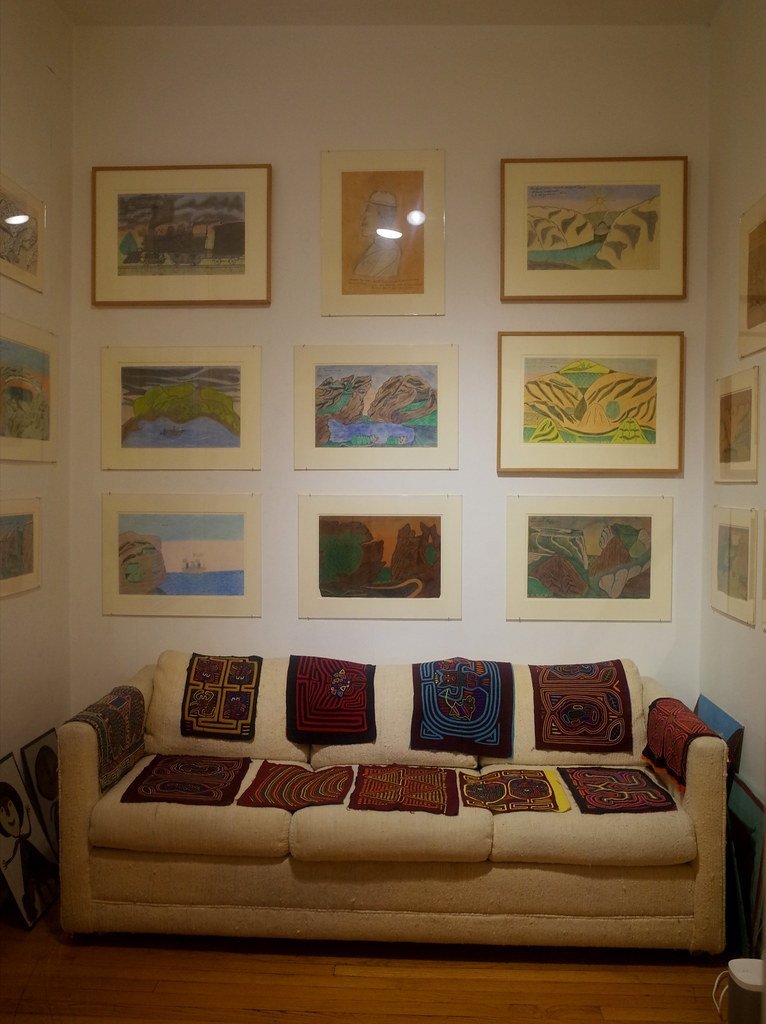
Joseph Yoakum started drawing in the 1960s after a lifetime of odd jobs across the Midwest. He rendered imaginary mountain ranges and valleys in flowing lines and soft colors on paper. His advanced age and lack of connections to Chicago’s art scene kept his output largely unknown until the final years of his life.
Today his landscapes feel ahead of their time in their blend of memory and invention. They invite viewers to consider how personal geography can shape artistic vision without reference to established schools. Reconsidering Yoakum adds depth to the story of midcentury American drawing.
Sister Gertrude Morgan’s Spiritual Visions
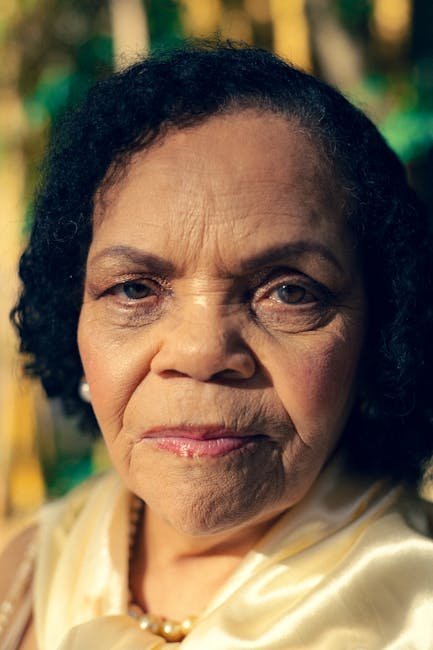
Sister Gertrude Morgan began painting in the 1950s as part of her ministry in New Orleans. She combined text, figures, and bright patterns to express religious messages on found materials. Her role as a street preacher rather than a studio artist meant mainstream galleries paid little attention during her active years.
Her pieces now attract interest for their fearless mixing of word and image in service of faith. Contemporary audiences recognize parallels with later text-based and visionary art movements. Looking back at her work broadens ideas about where meaningful American art can originate.
Thornton Dial’s Assembled Narratives
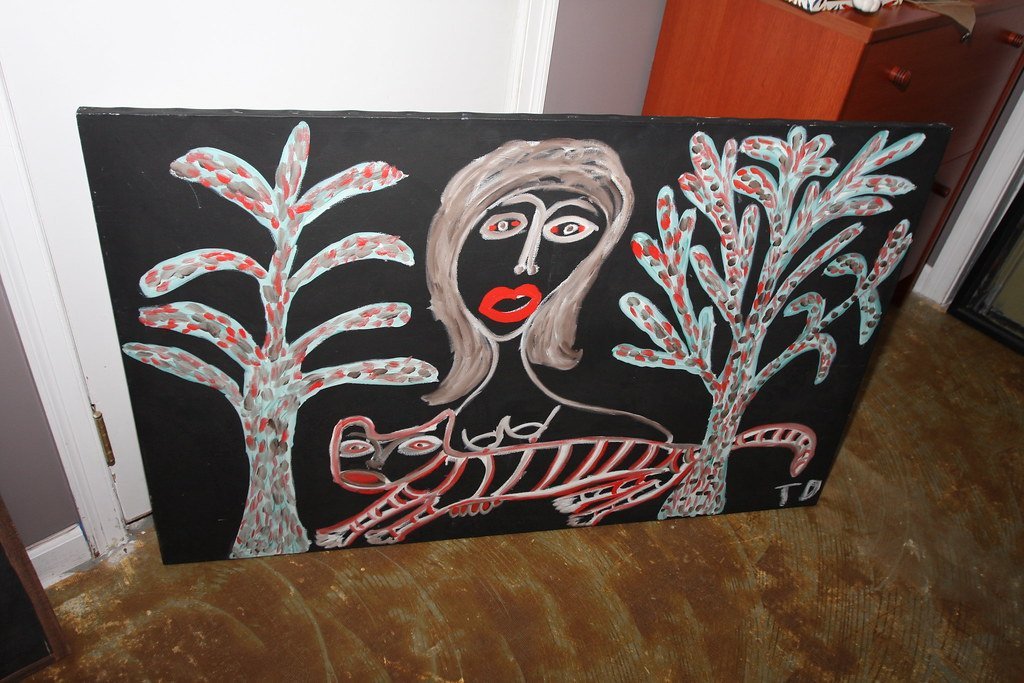
Thornton Dial constructed large-scale works from the 1980s onward using scrap metal, fabric, and paint. He addressed civil rights, labor, and personal history through dense, layered compositions. As a self-taught Black artist in Alabama, he worked outside the commercial gallery system for most of his career.
His constructions reward close viewing with their rich textures and layered meanings that speak to broader American struggles. Recent exhibitions have shown how his methods connect to both folk traditions and contemporary installation practices. Reappraising Dial enriches understanding of late twentieth-century assemblage.
Bessie Harvey’s Root Sculptures
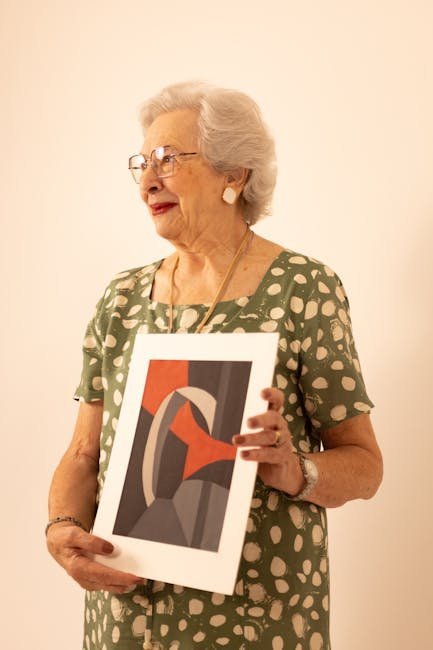
Bessie Harvey shaped found roots and branches into figurative sculptures starting in the 1970s in Tennessee. She drew on dreams and spiritual beliefs to create forms that suggested both human and natural worlds. Limited access to art education and rural isolation kept her creations from wider notice until late in life.
Her sculptures now stand out for their organic quality and emotional directness that echo ancient traditions while remaining distinctly modern. Viewers today appreciate how she transformed everyday debris into objects of contemplation. Revisiting her output highlights the inventive spirit found in many overlooked Southern makers.
Lonnie Holley’s Environmental Installations

Lonnie Holley began assembling large outdoor works in the 1970s near Birmingham, Alabama. He used discarded objects to comment on history, memory, and the environment. His background as a self-taught artist from a working-class family meant early recognition came slowly and mostly from outside traditional channels.
His sites now demonstrate how art can grow from and respond to specific places over time. Modern audiences find relevance in his themes of loss and renewal that align with current environmental concerns. Reconsidering Holley expands ideas about what counts as American sculpture.
Mary T. Smith’s Bold Signs
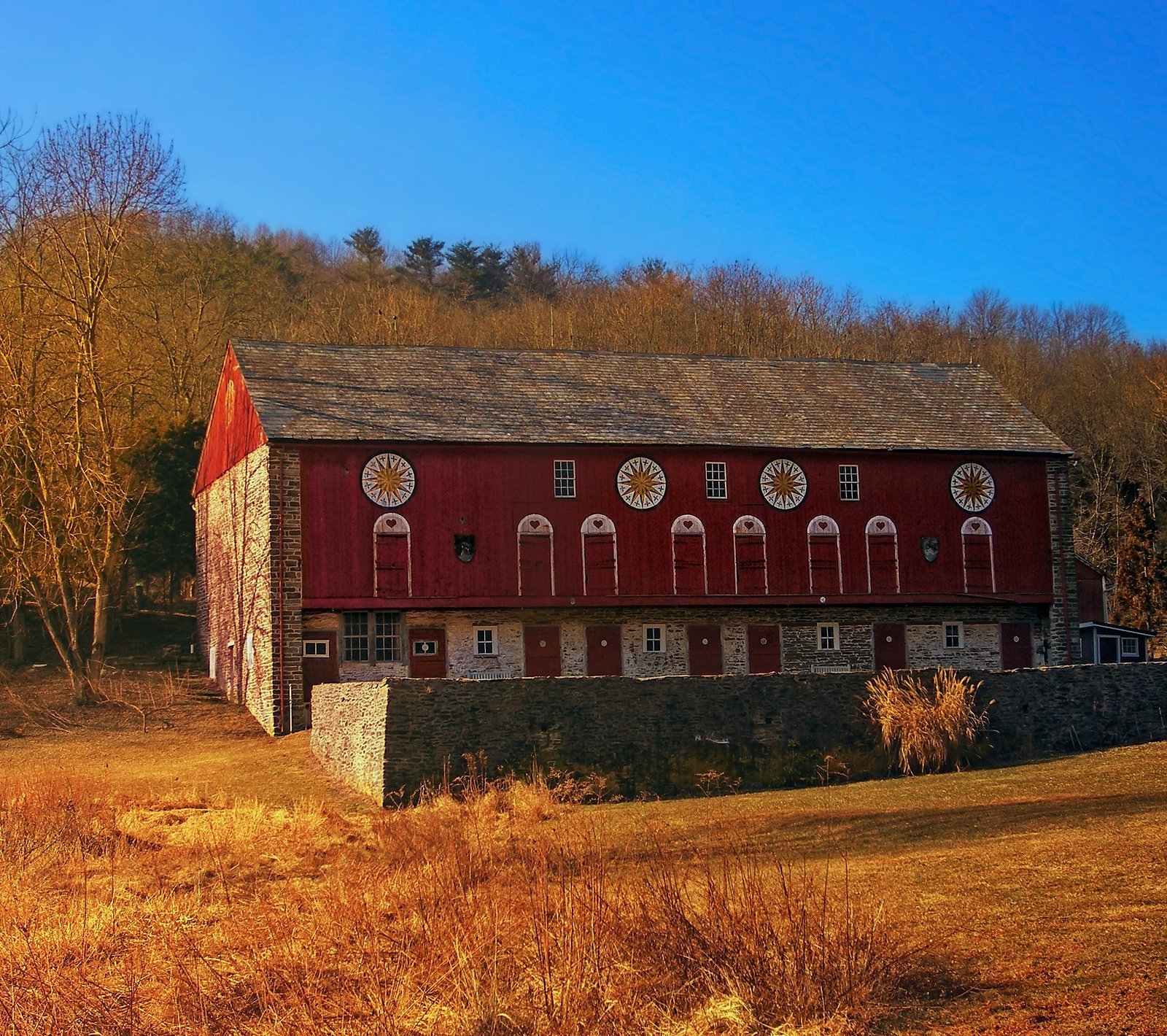
Mary T. Smith painted signs and figures on her Mississippi property from the 1980s onward. She used house paint and simple shapes to create direct messages and portraits that reflected her daily observations. As an elderly Black woman working alone, she received almost no institutional attention during her productive years.
Her paintings now appeal for their unpretentious energy and clear personal voice that cuts through more polished styles. Contemporary viewers see connections to later street art and text-based practices. Giving her work another look adds an important chapter to the record of Southern self-expression.
David Butler’s Metal Yard Art
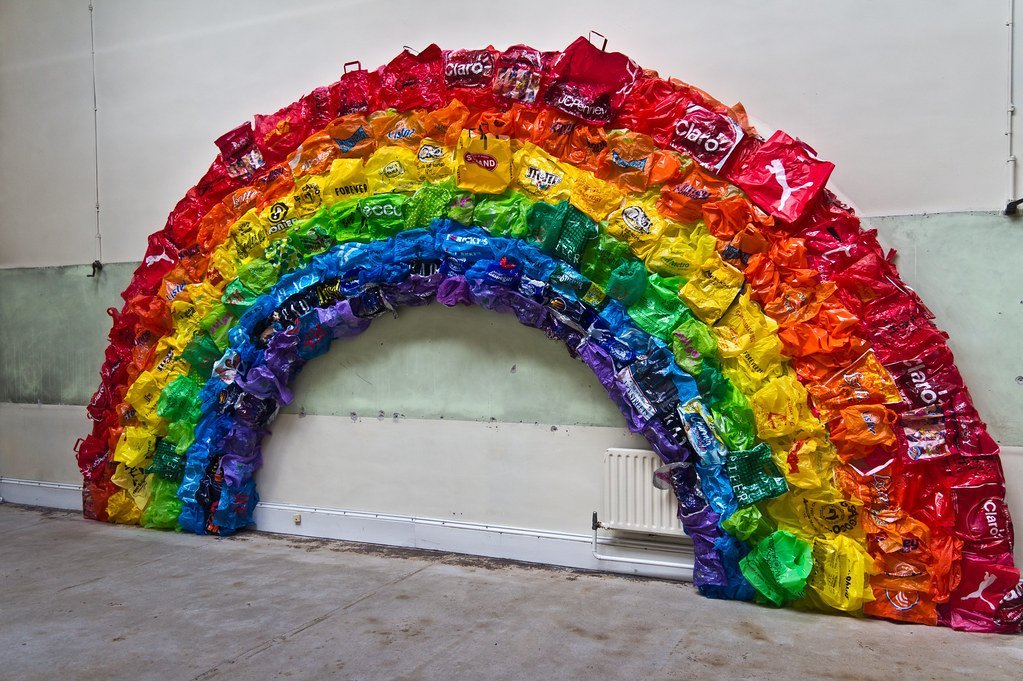
David Butler crafted whirligigs and cut-metal figures in Louisiana starting in the mid-twentieth century. He turned tin and wire into moving sculptures that caught wind and light in his yard. His status as a self-taught Black artist in a rural area kept his creations from galleries or museums for decades.
His pieces now stand as lively examples of how functional objects can carry artistic intent and cultural memory. Modern audiences enjoy their playful motion and inventive forms that predate many kinetic art experiments. Reappraising Butler reminds us that creativity often thrives in unexpected settings.
Rediscovering these artists and their works reminds us that American art has always included more voices than the standard narrative suggests. Each one adds texture and honesty to the larger story. Their persistence offers a quiet lesson in looking past the obvious to find what truly endures.

Besides founding Festivaltopia, Luca is the co founder of trib, an art and fashion collectiv you find on several regional events and online. Also he is part of the management board at HORiZONTE, a group travel provider in Germany.
