

- 10 Forgotten Civilizations Beneath America’s Cities - September 28, 2026
- 16 Rock Albums That Inspired Entire Movements - September 28, 2026
- 11 Hidden Influences Behind the Civil Rights Music - September 28, 2026
Traditional gardening methods have been refined over generations through careful observation and hands on trial. These approaches emphasize working with the natural cycles of soil, plants, and weather rather than depending on synthetic inputs. Many gardeners today rediscover how these time tested practices deliver stronger growth and better harvests with less effort.
Embrace Companion Planting
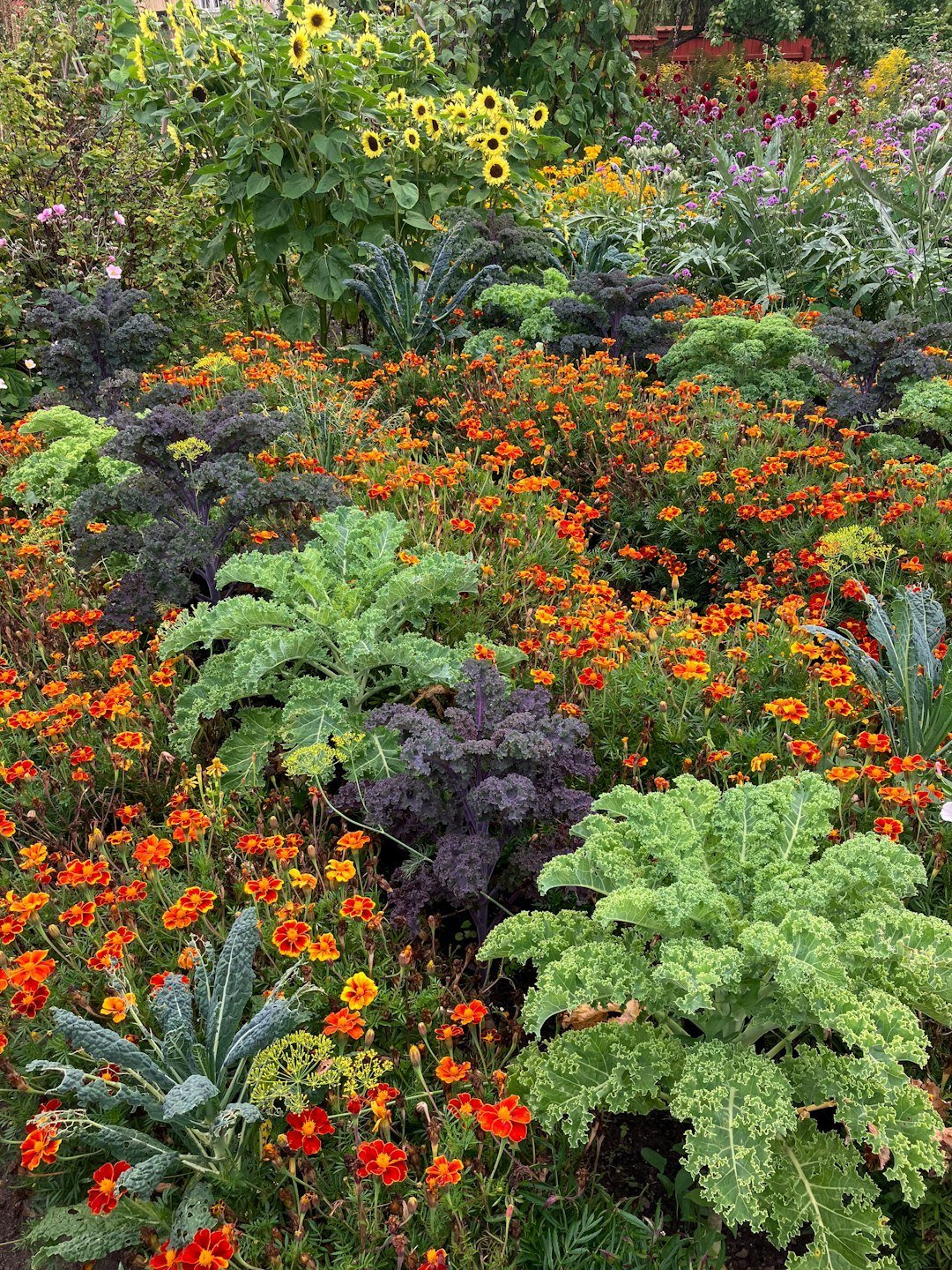
Pairing certain plants together creates natural protection against pests and improves nutrient uptake in the soil. For instance, growing tomatoes near basil helps deter insects while the herbs benefit from the shade provided by taller tomato vines. This method relies on the way different root systems and leaf structures interact to support each other without extra fertilizers.
Modern gardeners find companion planting reduces the need for chemical sprays and leads to more flavorful produce. It also makes efficient use of limited space in small yards or raised beds. The results often include fewer disease issues and higher overall yields compared to isolated plantings.
Build Rich Compost Piles
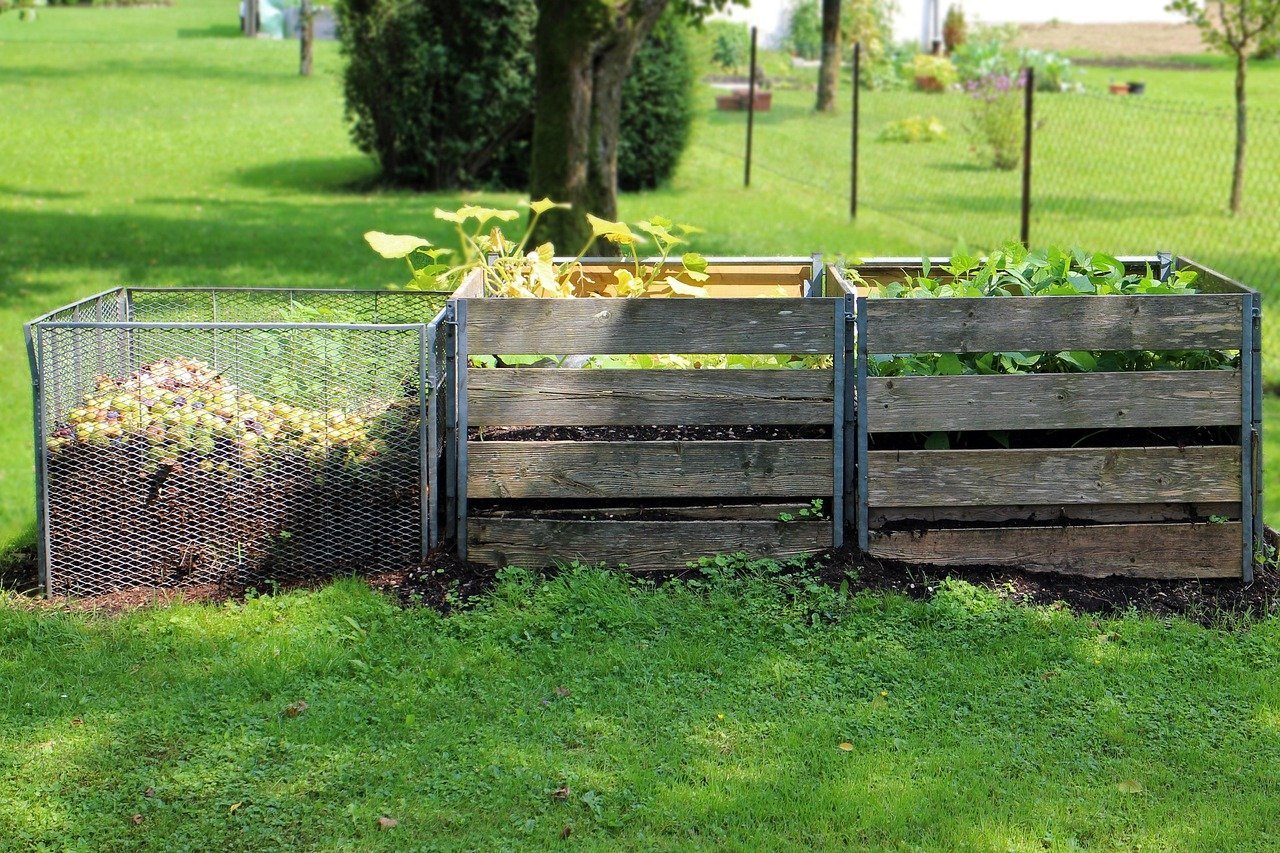
Layering kitchen scraps, yard waste, and leaves in a simple pile allows microbes to break everything down into nutrient dense material. Turning the pile occasionally speeds the process while keeping it aerobic and odor free. Grandparents knew this recycled waste turned into black gold that fed plants far better than store bought options.
Today this practice cuts down on household trash and improves soil structure for better water retention. Gardens using homemade compost show stronger root development and resistance to drought stress. It provides a steady supply of organic matter that supports long term soil health without ongoing purchases.
Practice Crop Rotation

Moving plant families to different spots each season prevents the buildup of specific pests and diseases in the soil. Following heavy feeders like corn with nitrogen fixing legumes restores balance naturally. This simple shift keeps the ground productive year after year without depleting key nutrients.
Current gardeners use rotation to maintain consistent harvests even in the same beds over multiple seasons. It lowers the risk of common problems like tomato blight returning annually. The approach supports sustainable growing that aligns with environmental goals many people hold now.
Apply Organic Mulch Generously
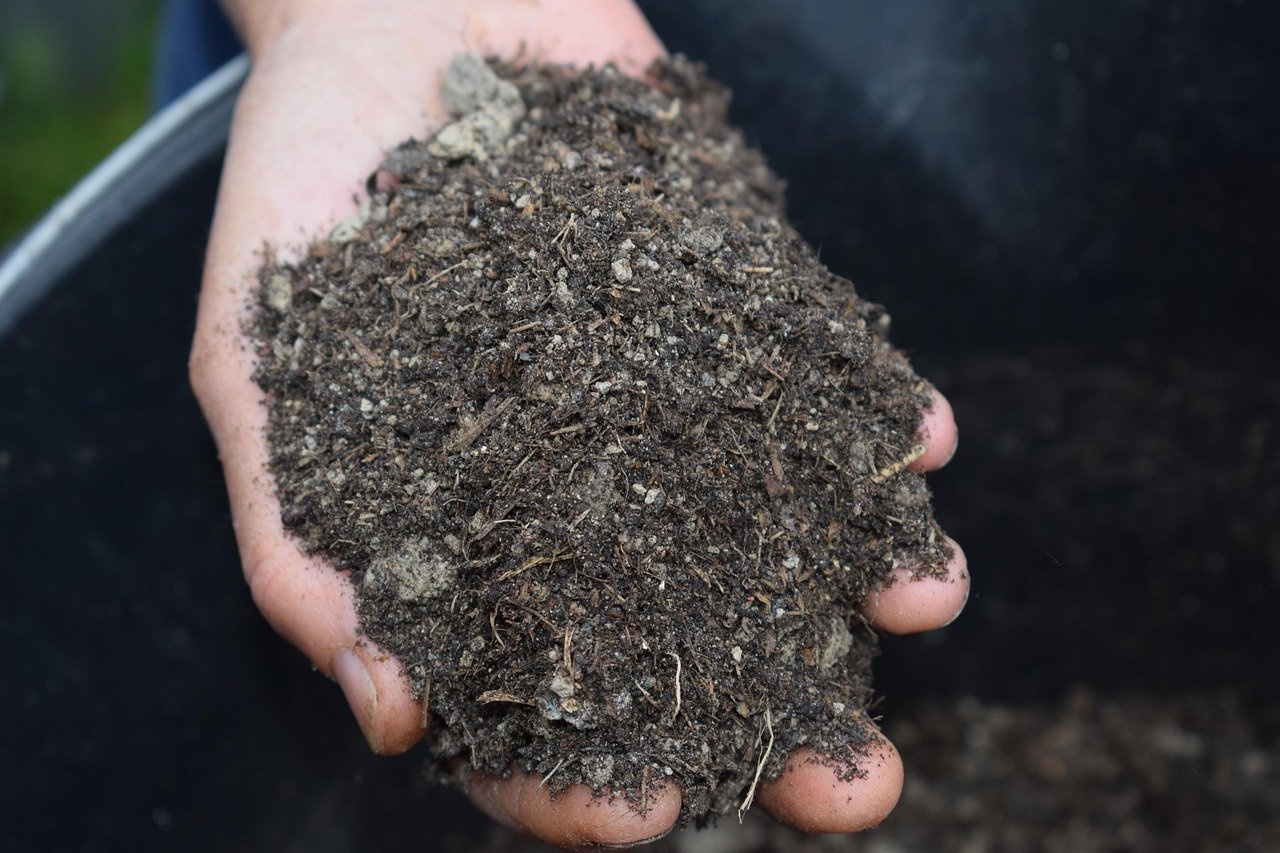
Spreading straw, wood chips, or shredded leaves around plants locks in moisture and blocks weed growth at the surface. The mulch layer also moderates soil temperature during hot spells and cold snaps. Over time it breaks down to add organic matter directly where roots need it most.
This technique saves significant watering time and effort in modern schedules. It creates a living soil environment that encourages beneficial insects and earthworms. Gardens with consistent mulching often produce larger vegetables with less intervention required.
Water Deeply but Infrequently
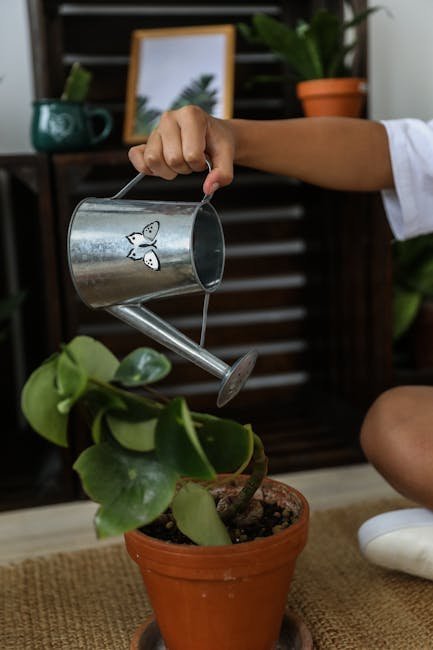
Soaking the soil thoroughly a few times a week encourages roots to grow deeper in search of water. Shallow daily sprinkles keep roots near the surface where they dry out quickly. Grandparents watched the weather and adjusted to avoid waste while ensuring steady plant strength.
Modern benefits include stronger plants that withstand dry periods better and reduced water bills overall. Deep watering also minimizes fungal issues that thrive on constantly damp leaves. The method fits busy lifestyles by cutting down on daily garden chores.
Save Seeds from Strongest Plants
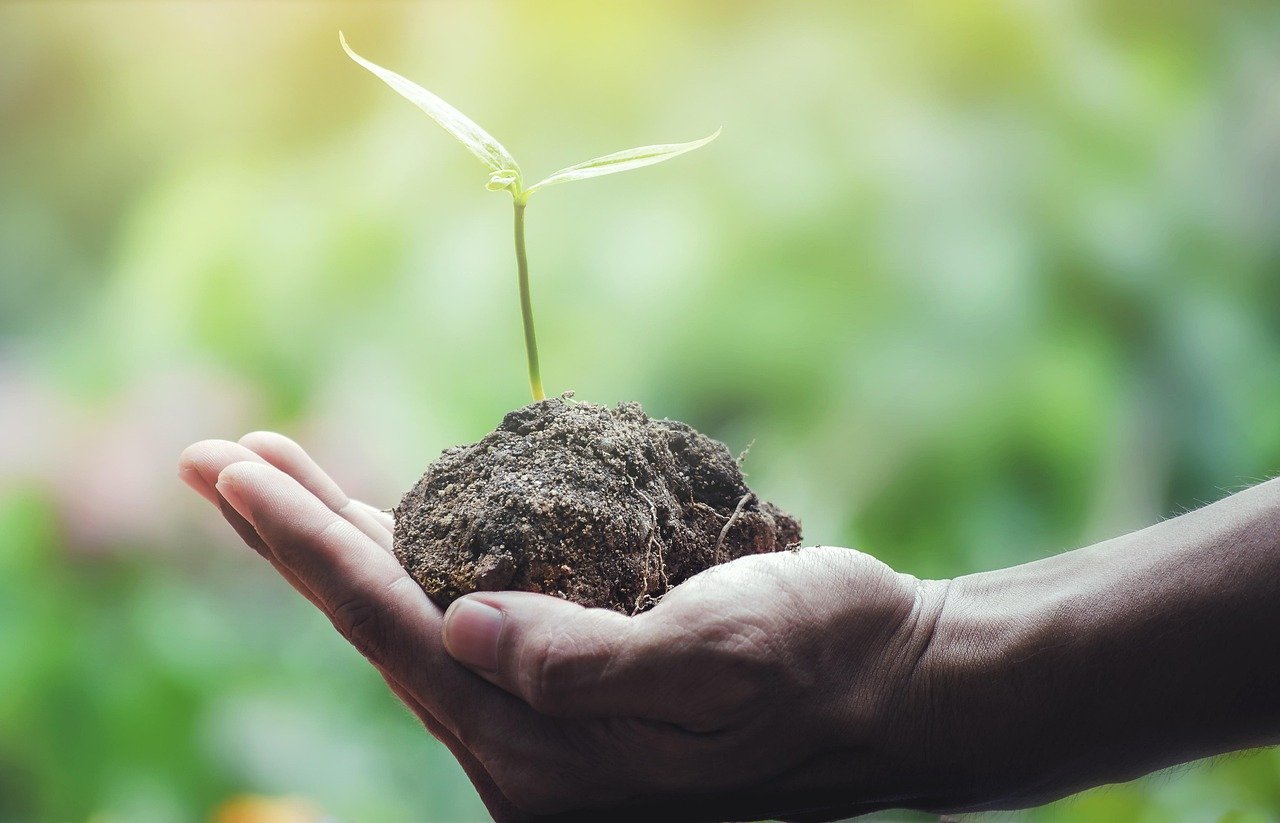
Collecting seeds only from the healthiest and most productive specimens passes on desirable traits to the next generation. Drying and storing them properly maintains viability for the following spring. This habit preserved varieties suited exactly to local conditions over decades.
Today seed saving helps gardeners maintain biodiversity and avoid dependence on commercial suppliers. It often results in plants better adapted to specific microclimates and soil types. Many find the saved seeds produce more reliable results than packaged alternatives year after year.
Use Natural Fertilizers Like Banana Peels

Buried banana peels release potassium gradually as they decompose, supporting flower and fruit development in crops such as peppers and roses. Chopping them first speeds the release without attracting animals. This kitchen waste becomes a targeted boost rather than a broad chemical application.
Gardeners today appreciate the low cost and zero packaging waste of this approach. It delivers steady nutrition that avoids the burn risk of concentrated synthetic products. Results include abundant blooms and fuller harvests with minimal added expense.
Plant Marigolds as Pest Deterrents
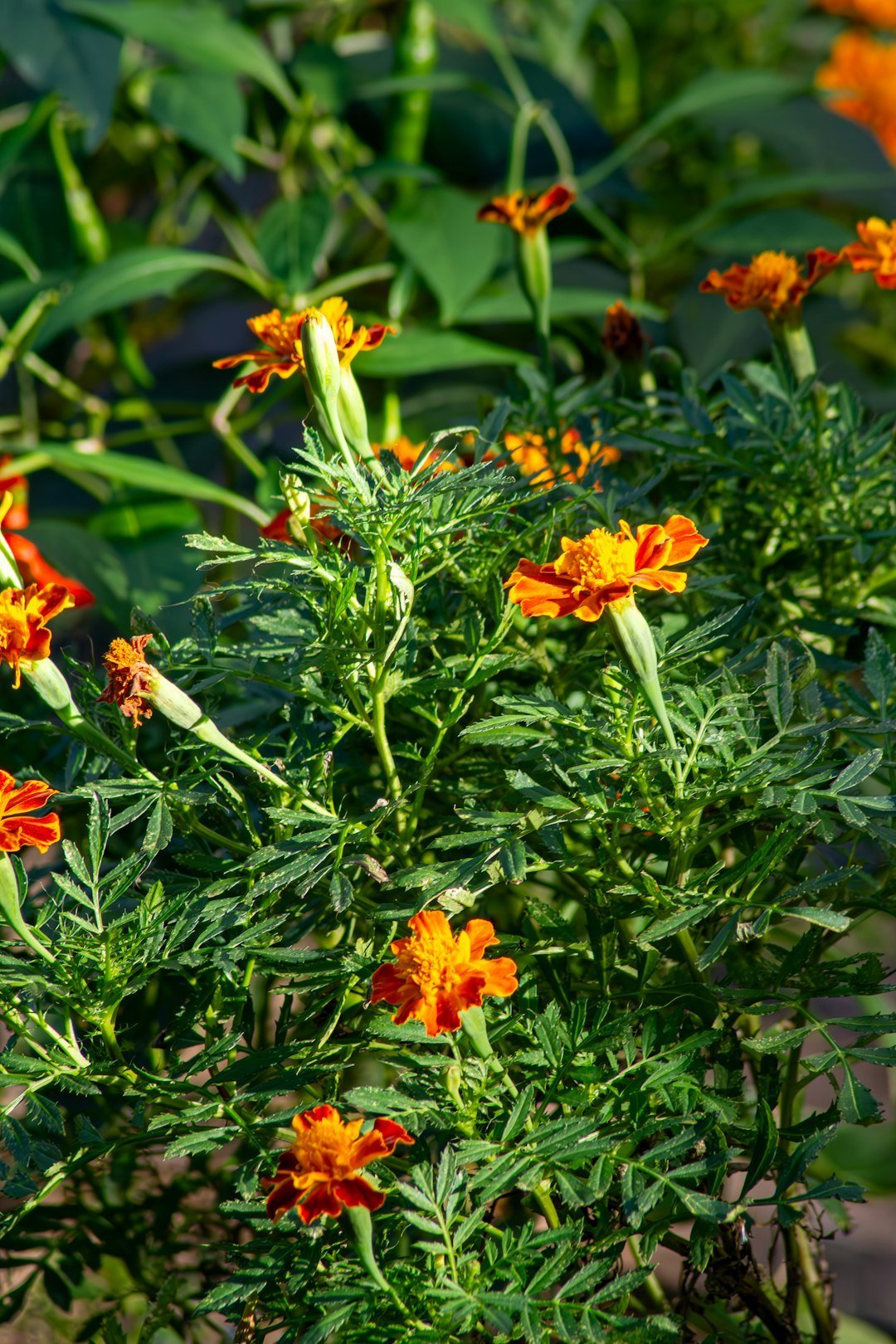
Interspersing marigolds throughout vegetable rows releases compounds that repel nematodes and certain flying insects. Their bright flowers also attract pollinators that improve fruit set on nearby crops. The roots continue working even after the plants finish blooming for the season.
This living barrier reduces pest pressure without sprays that can harm beneficial insects. Modern plots using marigolds often see fewer aphids and better overall plant vigor. The flowers add color and extend the garden’s usefulness into late summer.
Aerate Soil by Hand Regularly
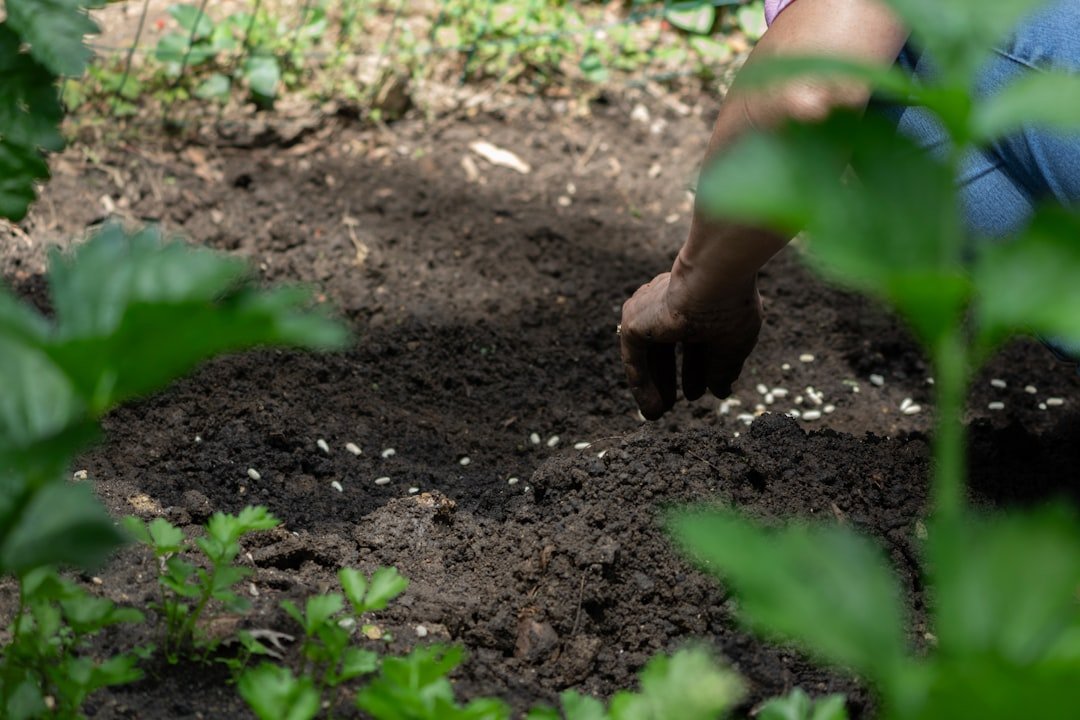
Loosening the top few inches with a fork or trowel improves air flow to roots and speeds water penetration. Breaking up compacted areas prevents water from pooling and roots from suffocating. Grandparents performed this task during routine weeding to keep beds productive.
Current benefits include faster seedling establishment and reduced erosion on sloped areas. Hand aeration avoids the expense of power tools while giving gardeners direct contact with soil conditions. It leads to healthier microbial activity that supports stronger plant growth over time.
Observe Local Weather Patterns Closely

Noting frost dates, rainfall trends, and wind directions helps time plantings for optimal success. Adjusting schedules based on these observations avoids losses from unexpected cold snaps or dry spells. This awareness came from years of living close to the land and its rhythms.
Today such observation supports climate resilient gardening amid shifting conditions. It allows precise decisions on when to start seeds or protect young plants. The practice often yields more consistent results than rigid calendar based planning alone.
The Enduring Value of Generational Wisdom

These methods continue to deliver reliable outcomes because they build on the fundamental needs of soil and plants rather than temporary fixes. They encourage observation and adaptation that strengthens gardens season after season. Many find the reduced reliance on purchased products brings both satisfaction and savings.
Ultimately the real reward lies in the deeper connection to the growing process that these practices foster. Gardens tended this way often become sources of pride and abundance that last for years. The knowledge remains available to anyone willing to try it in their own space.

Besides founding Festivaltopia, Luca is the co founder of trib, an art and fashion collectiv you find on several regional events and online. Also he is part of the management board at HORiZONTE, a group travel provider in Germany.
