

- 27 Rolling Stones Lyrics Fans Have Misunderstood Since the ’70s - September 7, 2026
- 15 Iconic Song Facts That Will Dramatically Change How You Hear Your Favorite Tunes - September 7, 2026
- 10 Festival Fashion Trends From the 60s That Are Dramatically Redefining Style - September 7, 2026
Many Rolling Stones songs from the late 1960s onward carried layers of satire, social commentary, and personal storytelling that went unnoticed at first. Listeners often took surface level readings from radio play or album covers, missing the sharper edges beneath the grooves. Over decades those initial impressions stuck, even as interviews and reissues offered clearer context.
Brown Sugar
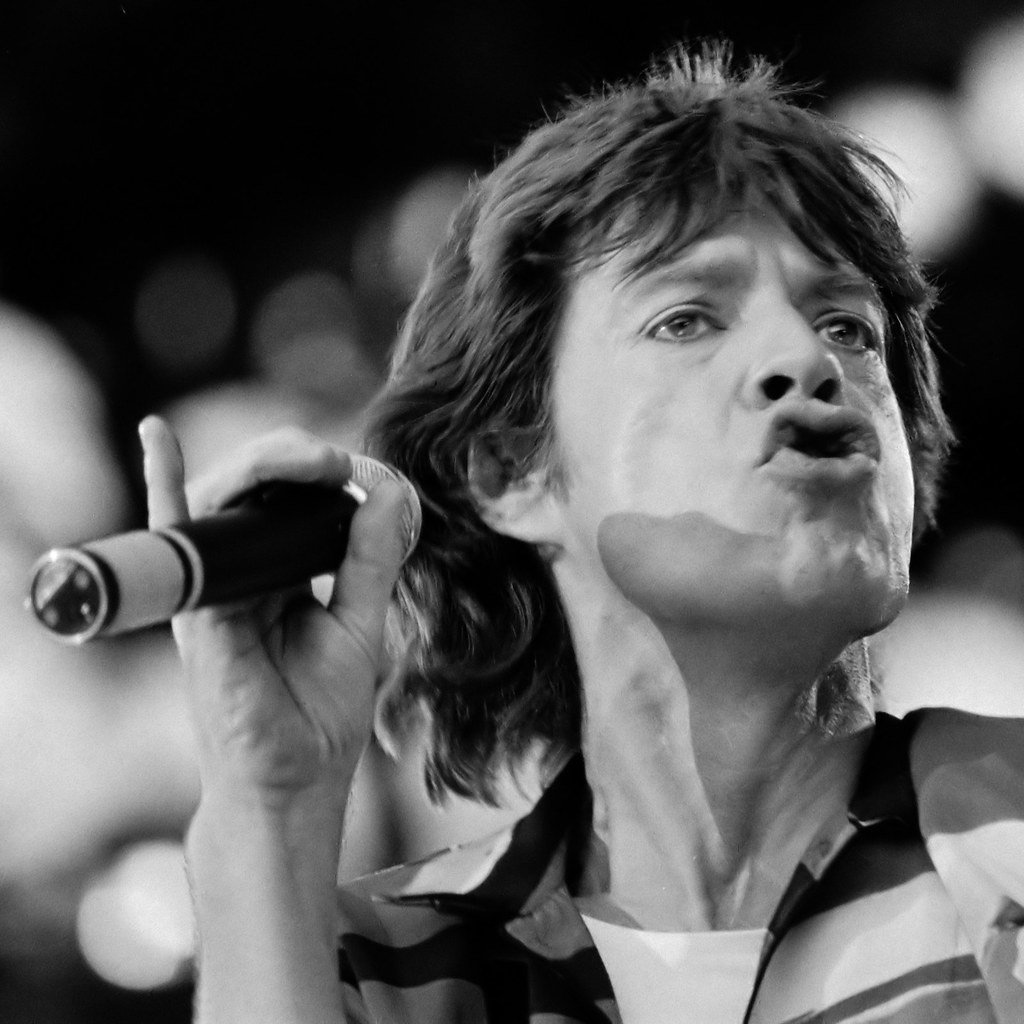
The opening lines about a woman tasting like brown sugar led many to picture a simple upbeat party track full of swagger. Fans in the 1970s heard it as another Stones celebration of excess and romance. In truth the song sketches the brutal history of slavery, the exploitation of Black women, and references to heroin all wrapped in a deceptively catchy riff. Mick Jagger later expressed regret over the content and noted he would never write it today. The track still sparks debate because its infectious energy clashes with the dark subject matter, leaving some listeners unsure whether to dance or reflect.
Live performances have dropped certain verses over time, which only fuels ongoing conversations about intent versus impact. New generations discover the song through classic rock radio and wonder how such themes slipped past censors back then. The contrast between groove and message keeps it relevant in discussions of rock history and cultural sensitivity.
Sympathy for the Devil
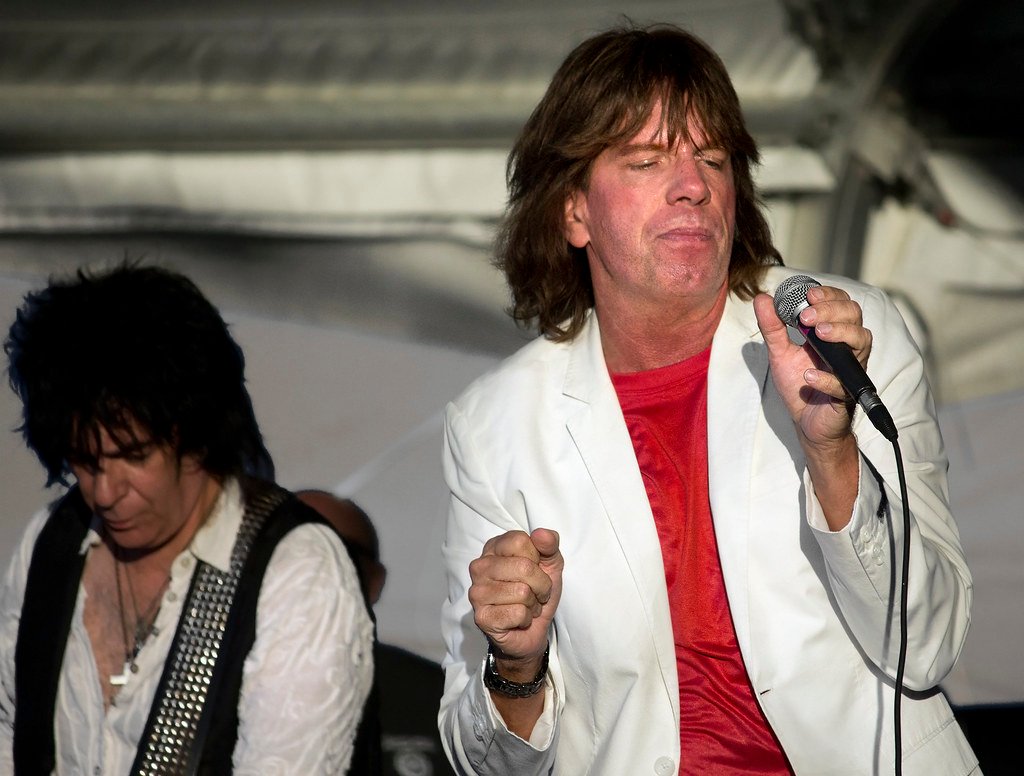
Listeners often assumed the narrator was literally the devil boasting about evil deeds. Religious groups in the 1970s pointed to the song as proof of the band’s supposed occult leanings. The lyrics actually trace human atrocities across history, from the crucifixion to the Russian Revolution, to show how ordinary people commit horrors. Jagger framed it as a commentary on collective responsibility rather than supernatural worship. Today fans still argue over whether the track glorifies darkness or condemns it, especially after its association with the Altamont concert.
The piano driven arrangement and call and response vocals make the story feel almost celebratory at first listen. That surface appeal has preserved the misunderstanding across generations. Reissues and documentaries continue to revisit the song’s origins, keeping the conversation alive.
Under My Thumb
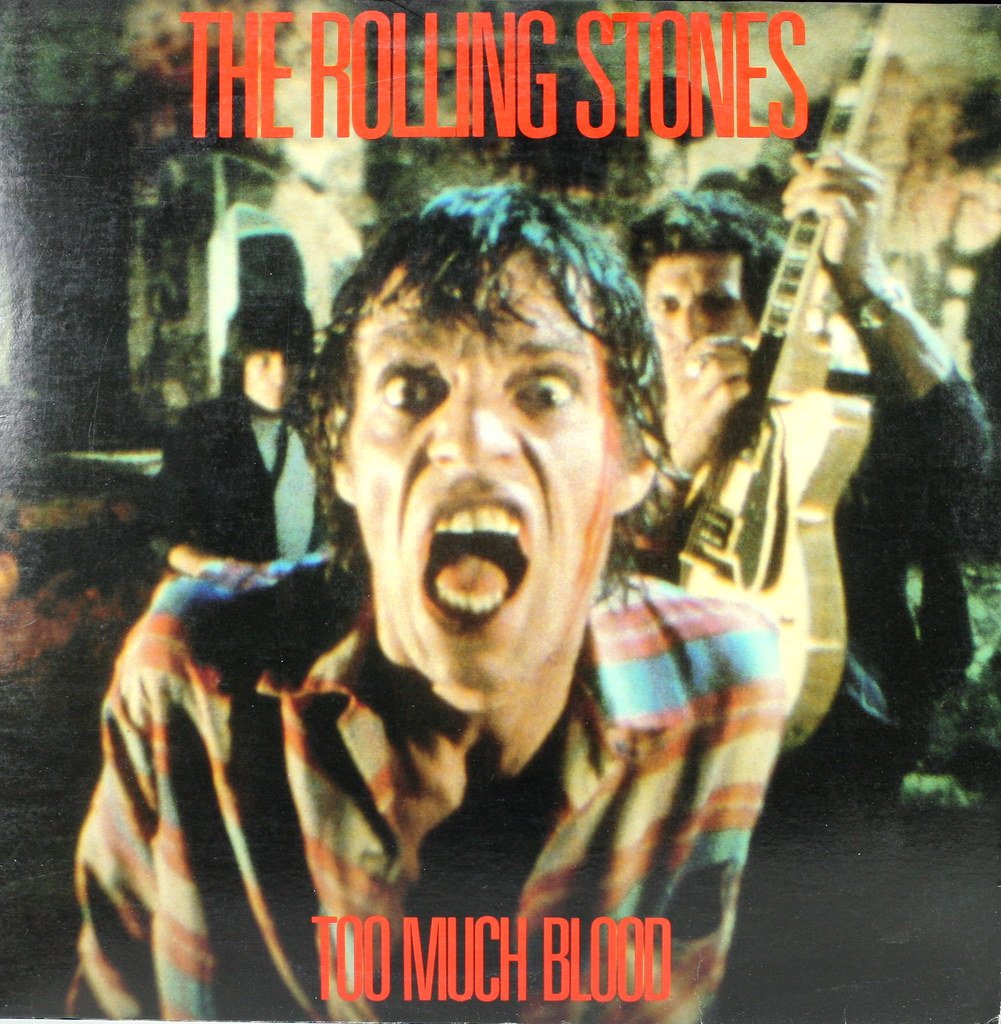
Many heard the title and verses as a straightforward boast about controlling a woman. Critics labeled it misogynistic from the start. Jagger described it instead as a lighthearted response to a pushy partner, more joke than manifesto. The playful tone and bluesy shuffle masked the intent for years. Debate persists because the words can still read as domineering depending on the listener’s perspective.
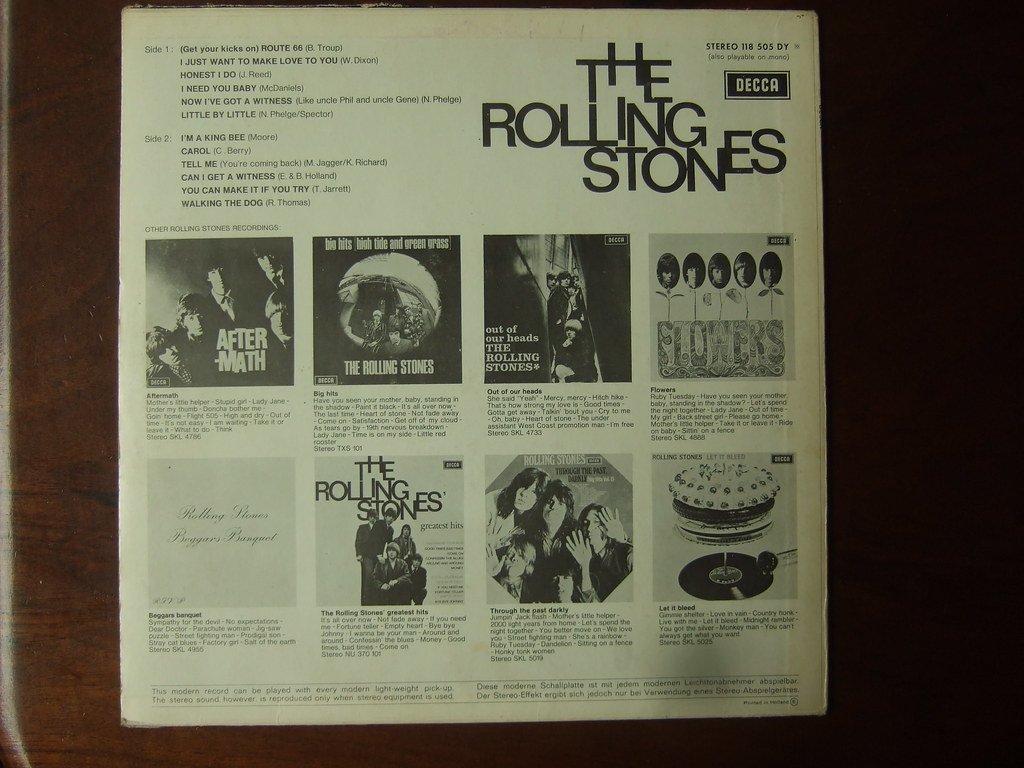
Band members have clarified the song’s origins in interviews, yet the initial impression lingers in playlists and discussions. Its placement on the 1966 album Aftermath keeps it tied to the era’s shifting gender dynamics. New fans encounter it and question how much was satire versus sincerity.
Beast of Burden
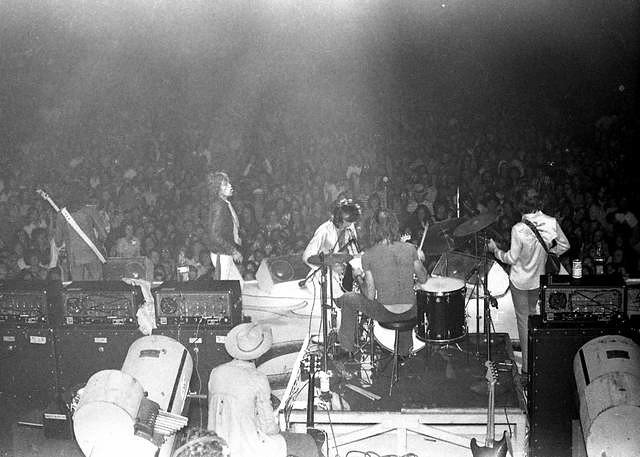
Some listeners misheard the chorus as a promise never to burn someone’s pizza. The actual line pledges never to become a pushover in a relationship. The 1978 track from Some Girls explores emotional labor and mutual respect in love. That domestic twist from the mishearing amused fans for years. The real meaning highlights vulnerability without losing the Stones’ signature edge.
Radio airplay in the late 1970s spread the song widely before streaming made lyrics easier to check. The groove and harmonies still draw people in, even when the words are clear. Ongoing online discussions about classic rock mondegreens keep the pizza version alive as a humorous footnote.
(I Can’t Get No) Satisfaction
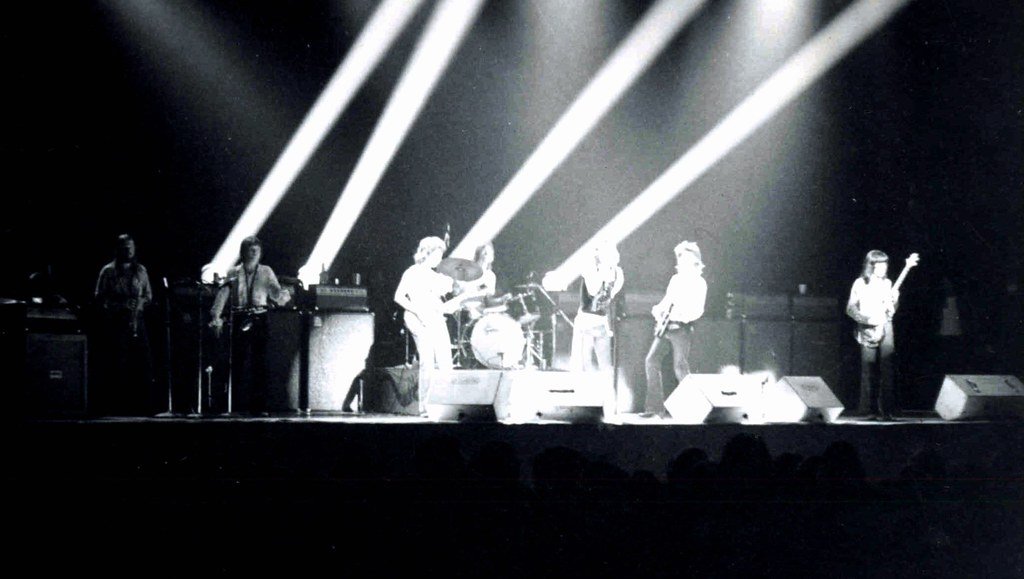
Early audiences focused on the sexual frustration implied in the verses. Radio stations in some cities banned the track over those lines. The song actually captures broader alienation from consumer culture and media hype in the mid 1960s. Jagger has called it a reflection of the times rather than personal complaint. The debate continues because the riff is so iconic that the social critique often gets overshadowed.
Live versions stretch the song into extended jams that emphasize the frustration theme. Fans from different eras project their own dissatisfactions onto it. Its enduring presence on greatest hits collections ensures fresh interpretations keep emerging.
Let’s Spend the Night Together
The title alone prompted many to view the song as an explicit invitation. Television shows forced lyric changes to “Let’s Spend Some Time Together” for broadcast. The track actually blends flirtation with the excitement of a new connection rather than pure seduction. Its upbeat tempo helped it chart despite the controversy. Listeners today still note how the original phrasing pushed boundaries for its era.
The Stones performed the unaltered version in concerts, reinforcing the song’s bold stance. Reissues highlight the contrast between studio and live takes. That history keeps the track relevant in conversations about censorship in rock music.
Gimme Shelter

Some took the urgent chorus as a simple call for protection during stormy weather. The lyrics actually reference the Vietnam War and social unrest of the late 1960s. Merry Clayton’s powerful backing vocals underscore the plea for safety amid chaos. The song’s release in 1969 tied it directly to turbulent events. Fans continue to debate its balance between despair and hope.
Its use in films and documentaries about the period reinforces the historical reading. The layered production invites repeated listens that reveal new details. That depth sustains interest across decades.
Honky Tonk Women
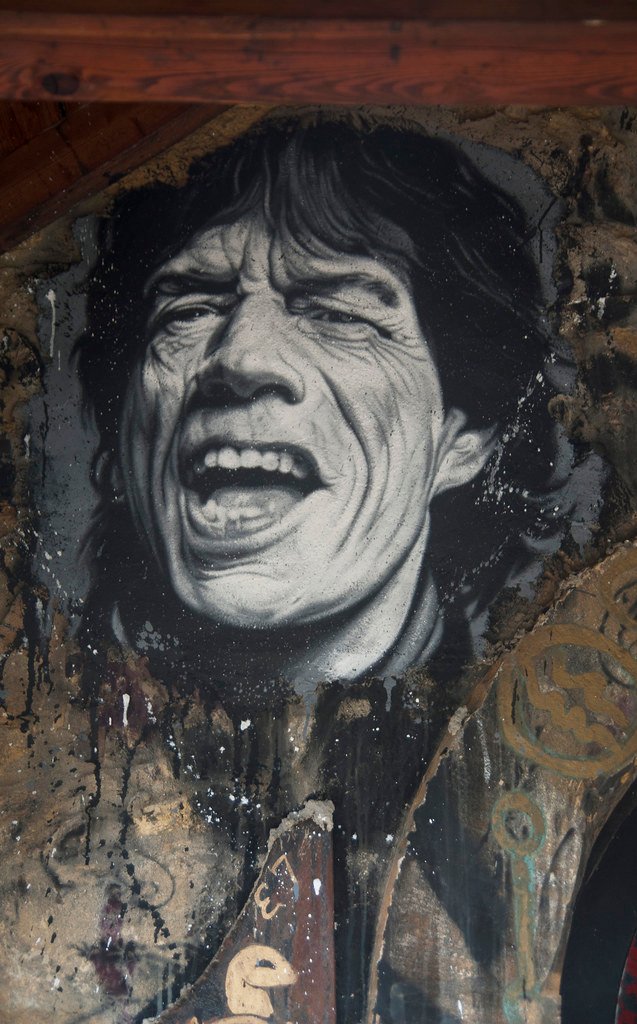
Listeners often pictured a rowdy bar scene with no deeper layer. The song draws from real encounters during a trip to Brazil and mixes country influences with rock. It celebrates fleeting romances without apology. The title itself confused some who expected a literal honky tonk setting. Debate lingers over whether it romanticizes or simply observes those moments.
Its chart success in 1969 cemented its place in the catalog. Later covers and references keep the imagery fresh. Fans appreciate how the track bridges blues roots with contemporary storytelling.
Jumpin’ Jack Flash
Many assumed the title character was a real person or drug reference. Jagger explained it stemmed from a gardener’s comment about gas and a childhood memory. The song captures resilience through tough times with its driving riff. The upbeat delivery masked the personal origin for years. Today it remains a concert staple whose backstory still surprises newcomers.
Its 1968 release came during a period of band turmoil. The simple structure belies the layered inspiration. Ongoing fan forums revisit the anecdote regularly.
Paint It Black
Some interpreted the color imagery as a literal desire to darken everything. The lyrics express grief and depression following a loss. The sitar and minor key amplify the somber mood. Released in 1966, it stood out from the band’s usual fare. Debate persists because the vivid language allows multiple emotional readings.
Its use in films about war and loss reinforces the darker themes. The track’s chart performance introduced it to wide audiences quickly. New listeners often discover the emotional core through covers or playlists.
Ruby Tuesday
Fans sometimes viewed it as a straightforward love song about a free spirited woman. The lyrics actually reflect the band’s experiences with groupies and transient relationships. The melody’s wistful quality adds a layer of melancholy. Released in 1967, it contrasted with harder rocking singles. Discussion continues over whether it celebrates independence or laments instability.
Its placement on Between the Buttons helped it reach diverse listeners. Later reflections from band members clarified the inspiration. That context keeps the song alive in analyses of 1960s rock attitudes.
Wild Horses
Many heard it as a simple declaration of enduring love. The song draws from the strain of touring and personal relationships during the early 1970s. Keith Richards contributed significantly to the writing. Its gentle arrangement belies the underlying tension. Fans still debate the balance between tenderness and resignation.
Live performances often highlight the emotional weight. The track’s inclusion on Sticky Fingers tied it to that album’s raw aesthetic. Ongoing covers by other artists introduce fresh perspectives.
You Can’t Always Get What You Want

Listeners frequently took the chorus as a basic life lesson. The verses reference specific events like a demonstration and personal excess. The choir and orchestration elevate it beyond a simple proverb. Released in 1969, it closed Let It Bleed on a reflective note. Debate centers on how autobiographical the details truly are.
Its use in films and ads keeps the message circulating. The extended structure rewards close attention to the narrative. New generations find relevance in its timeless observation.
Start Me Up
Some assumed the title referred to starting a car or engine. The lyrics actually celebrate sexual energy and momentum in a relationship. The 1981 track from Tattoo You became a massive hit. Its riff driven sound masked the playful innuendo for casual listeners. Debate continues because the words can feel either celebratory or crude depending on context.
Its use in commercials later amplified the opening line. Live versions stretch the energy further. Fans appreciate how it bridged the band’s 1970s sound into the 1980s.
Miss You
Many viewed it as a standard bluesy lament for a lost love. The song incorporates disco influences and references to New York nightlife. Released in 1978, it marked a stylistic shift. The extended version reveals more of the groove. Debate lingers over whether it fits the Stones’ traditional sound or represents experimentation.
Its chart success proved the band could adapt. Later reissues highlight the production choices. New listeners often discover it through dance or funk playlists.
Emotional Rescue
Listeners sometimes saw it as another tale of romantic turmoil. The lyrics mix vulnerability with the band’s signature swagger. The 1980 title track experiments with falsetto and funk elements. Its release came during a period of lineup changes. Fans debate how seriously to take the emotional plea amid the playful delivery.
The song’s length allows for extended grooves. Live performances varied the arrangement over years. That flexibility keeps interpretations open.
She’s a Rainbow
Some took the colorful imagery as pure psychedelic whimsy. The song actually celebrates a vibrant personality with subtle nods to the era’s fashion and freedom. Released in 1967, it stood out on Their Satanic Majesties Request. The orchestral touches add depth. Debate persists because the light tone contrasts with the album’s heavier reputation.
Its use in ads and media keeps the melody familiar. Fans appreciate the contrast to the band’s blues roots. New generations encounter it as an unexpected gem.
19th Nervous Breakdown
Many assumed it described a literal mental health crisis. The lyrics satirize upper class excess and social pressures. Released in 1966, it captured the swinging London scene with bite. The driving rhythm supports the observational tone. Debate continues over how much was personal versus commentary.
Its chart performance introduced it widely. Later reflections tie it to the band’s own experiences. That context sustains interest.
Get Off of My Cloud
Listeners often read it as a simple request for space. The song expresses post fame irritation with constant demands. Released in 1965, it followed Satisfaction quickly. The upbeat feel masks the frustration. Fans still note how it reflects the band’s rapid rise.
Live versions emphasize the escape theme. Its place in early catalog keeps it relevant. New fans discover the backstory through biographies.
The Last Time
Some viewed it as a standard breakup song. The lyrics carry a sense of finality tied to personal and band dynamics. Released in 1965, it marked a transitional period. The riff driven structure gives it weight. Debate lingers over autobiographical elements.
Its use as a single highlighted the band’s evolving sound. Later tours revisited it regularly. That history keeps it in circulation.
As Tears Go By
Many heard it as a gentle ballad about lost youth. The song reflects on aging and watching children play. Written for Marianne Faithfull originally, it gained new resonance with the Stones’ version. The acoustic arrangement supports the reflective mood. Fans debate its place in the harder rocking catalog.
Its 1965 release showed the band’s range. Covers by other artists extend its reach. Ongoing appreciation comes from its quiet wisdom.
Mother’s Little Helper
Listeners sometimes saw it as a light drug reference. The lyrics critique the era’s reliance on prescription pills among housewives. Released in 1966, it offered social commentary. The folk tinged sound supports the narrative. Debate persists because the topic remains relevant today.
Its inclusion on Aftermath tied it to the album’s themes. Later discussions link it to changing attitudes toward medication. That connection keeps it timely.
Have You Seen Your Mother, Baby, Standing in the Shadow?
Some found the title cryptic and assumed drug imagery. The song actually explores fame’s shadow and family dynamics. Released in 1966, it experimented with brass arrangements. The energetic delivery contrasts the darker undertones. Fans continue to unpack the layered title.
Its chart run came during a busy period for the band. Live performances varied the brass elements. That history adds depth for collectors.
Lady Jane
Many viewed it as a courtly love song. The lyrics draw from historical and literary sources with a tongue in cheek edge. Released in 1966, it showcased baroque influences. The harpsichord adds an unexpected texture. Debate lingers over how seriously the medieval imagery should be taken.
Its place on Aftermath highlights the album’s diversity. Later reflections note the playful intent. New listeners appreciate the contrast to rock norms.
Out of Time
Listeners often took it as a simple warning about changing fashions. The song critiques superficial relationships and social climbing. Released in 1966, it fit the era’s shifting values. The driving beat supports the observational tone. Fans debate its autobiographical weight.
Its use in films reinforces the theme. Later covers keep the message circulating. That enduring quality sustains interest.
Something Happened to Me Yesterday
Some assumed it described a specific event. The lyrics actually capture the disorientation of sudden fame and altered perceptions. Released in 1967, it closed Between the Buttons on a reflective note. The gentle arrangement invites close listening. Debate continues because the title invites speculation.
Its position in the catalog marks a transitional moment. Fans appreciate the understated storytelling. New generations discover it through deep cuts playlists.
The Rolling Stones built a catalog rich enough that even their most familiar tracks reward closer attention decades later. Those initial misunderstandings often stem from the same qualities that made the songs enduring. Listeners keep returning because the music invites fresh ears and new questions.

Besides founding Festivaltopia, Luca is the co founder of trib, an art and fashion collectiv you find on several regional events and online. Also he is part of the management board at HORiZONTE, a group travel provider in Germany.
