

For any feedback please reach out to info@festivalinside.com
- How 11 Fiction Changed Public Perception of War - September 28, 2026
- 15 Books That Shocked America’s Moral Conscience - September 28, 2026
- Japan’s History in Short: The Key Moments That Shaped a Global Power - September 28, 2026
Festival traditions in the United States often trace back to moments of upheaval, survival, or resistance rather than simple joy. What looks like lighthearted fun today frequently grew out of events that once carried real stakes for communities facing hardship or change.
These customs took shape through immigration waves, labor conflicts, religious shifts, and political tensions. Over time the original intensity faded, yet the practices remain, carrying quiet reminders of their beginnings.
Labor Day Parades and Picnics
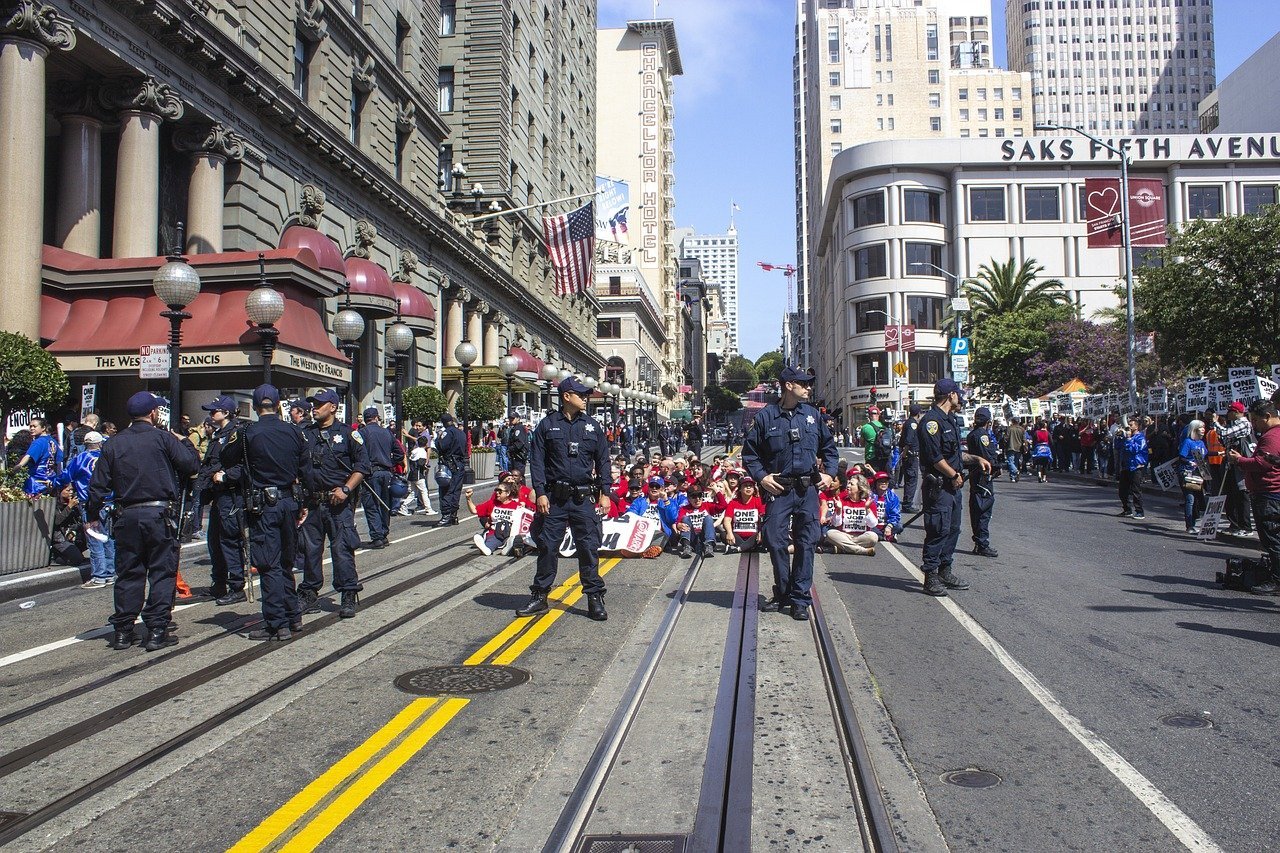
Labor Day celebrations center on parades, barbecues, and a final summer day off in cities across the country. The tradition began in the late nineteenth century amid growing tensions between workers and industrial bosses.
One key spark came after the violent Pullman railroad strike of 1894, which left dozens dead and prompted President Grover Cleveland to create the federal holiday as a way to ease unrest. Today the events honor working people with speeches and family gatherings, though few participants recall the bloodshed that helped establish the day.
Halloween Costumes and Trick-or-Treating
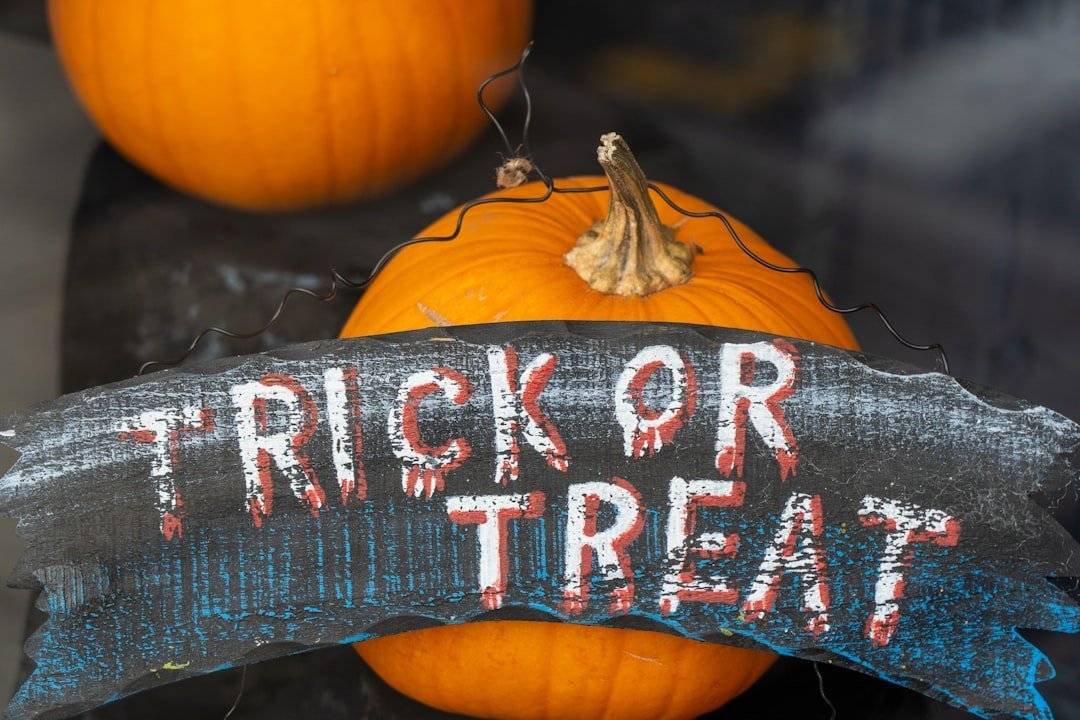
Halloween brings costumes, candy, and neighborhood walks in towns from coast to coast. The custom draws from ancient Celtic observances of Samhain, when people believed spirits walked the earth and needed to be warded off with disguises and fires.
Irish and Scottish immigrants carried these ideas to America in the nineteenth century, where they mixed with local harvest customs and eventually became the playful door-to-door ritual known today. What once served as protection against the supernatural now serves as entertainment for children and adults alike.
Renaissance Faire Performances
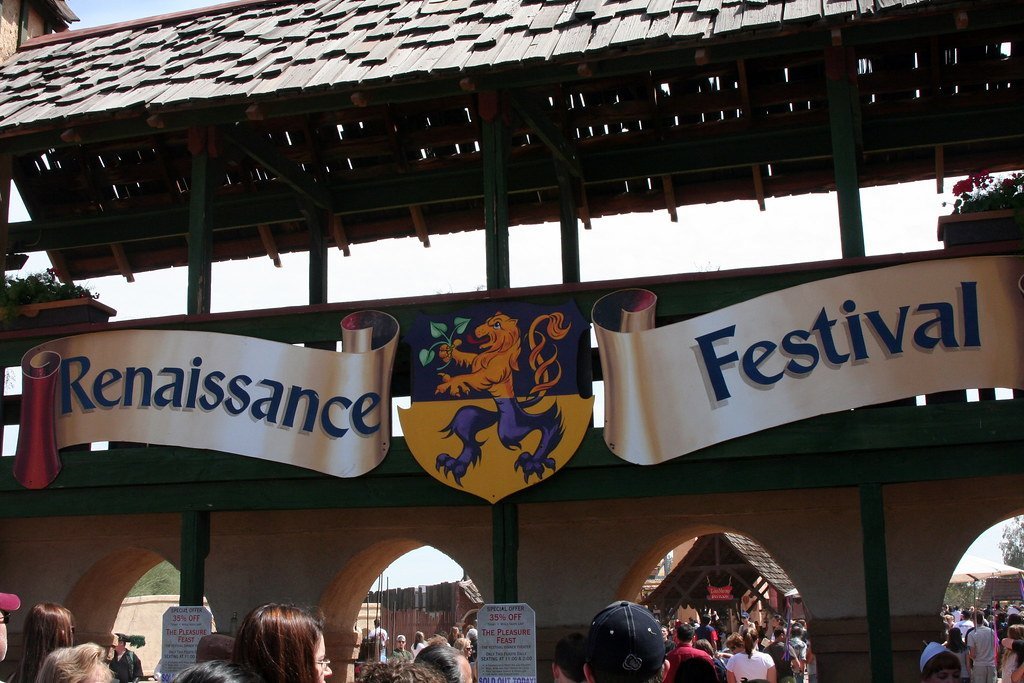
Renaissance fairs feature jousting, crafts, and period costumes at sites scattered through California, Texas, and other states. The modern version started in the early 1960s as a direct response to the Red Scare and loyalty oaths demanded of teachers in California schools.
Founder Phyllis Patterson created the first event partly to protest McCarthy-era pressures, drawing in blacklisted artists and counterculture figures who used the setting to celebrate free expression. Current visitors enjoy the pageantry and food without realizing the fairs once functioned as subtle acts of political defiance.
May Day Folk Dances and Maypoles
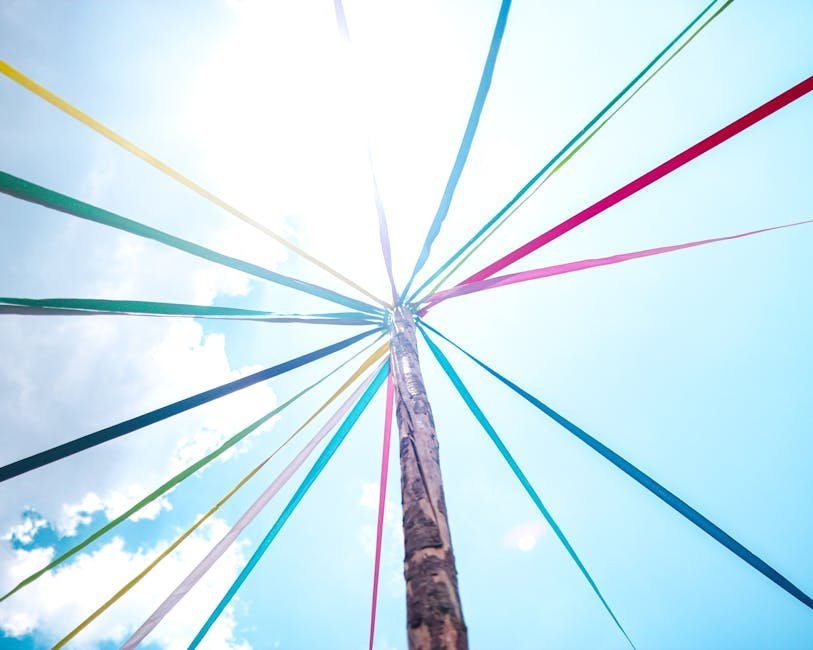
May Day events often include flower crowns, maypole dances, and community gatherings on college campuses and in parks. The practice revived in the late 1800s when reformers sought to improve conditions for industrial workers and urban children.
Women’s colleges and labor activists promoted the dances as wholesome alternatives to the era’s harsh factory life, linking them to older European spring rites. Today the events feel like gentle spring festivals, yet they still echo efforts to bring beauty and solidarity into difficult times.
Cinco de Mayo Parades and Festivals
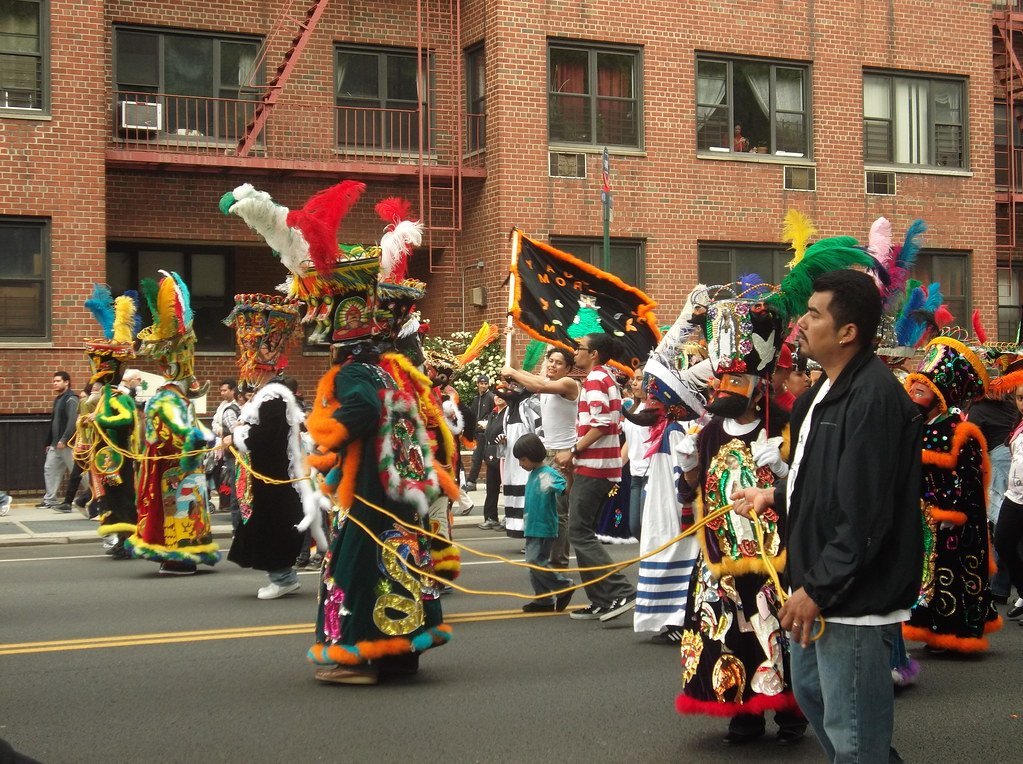
Cinco de Mayo features parades, music, and Mexican food in California, Texas, and other states with large Latino populations. The holiday gained traction in the United States during the Civil War, when Mexican American communities celebrated a Mexican victory over French forces as a symbol of resistance to oppression.
Early organizers in California saw parallels between that battle and their own fight against Confederate expansion in the Southwest. Modern celebrations focus on cultural pride and community, with the original political urgency largely softened into festive gatherings.
Mardi Gras Bead Throws and Parades
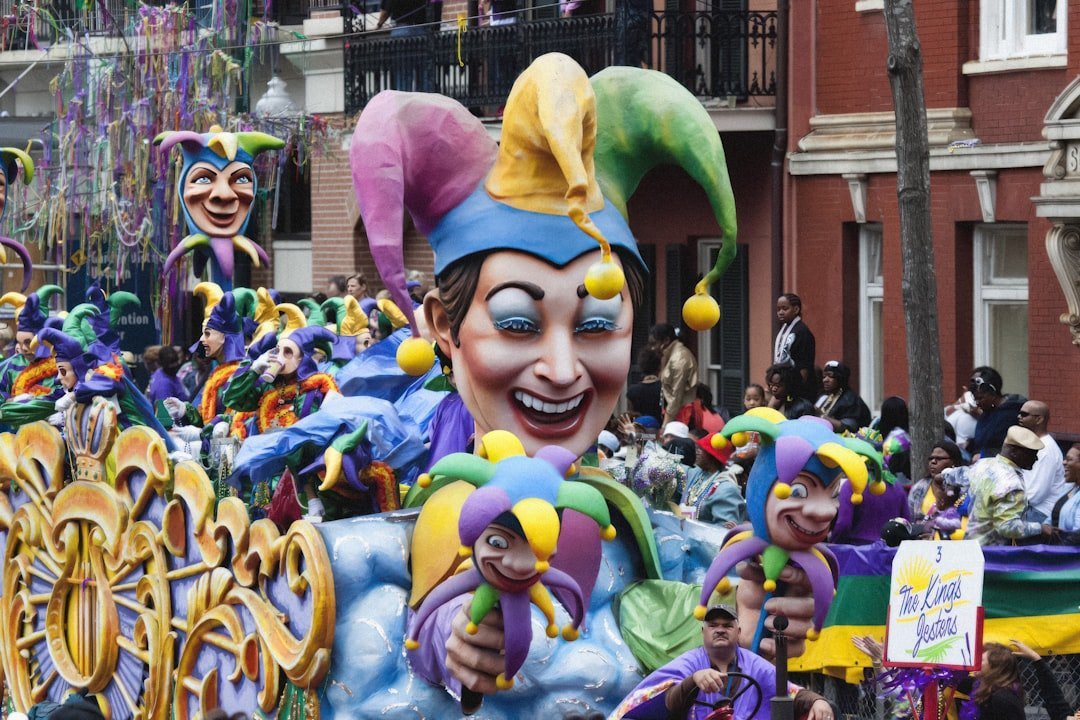
Mardi Gras in New Orleans and Mobile features elaborate floats, masked balls, and the famous bead tosses along city streets. The tradition arrived with French Catholic settlers who marked the last day before Lent with public revelry.
Over centuries the events absorbed African, Caribbean, and local influences, turning into large-scale spectacles that once helped communities navigate strict religious calendars and social hierarchies. Today the parades draw millions for entertainment, though the roots in pre-Lenten release remain visible in the excess and pageantry.
St. Patrick’s Day Parades and Green Attire
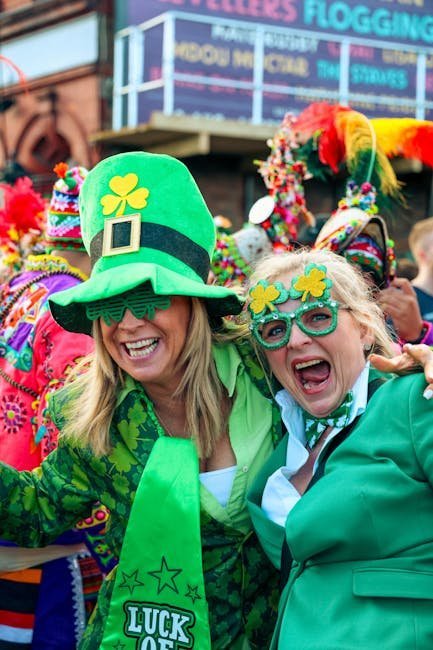
St. Patrick’s Day parades fill streets in New York, Boston, and Chicago with marching bands and green decorations. Irish immigrants fleeing famine and poverty in the mid-nineteenth century brought the custom as a way to maintain identity in a new and often hostile land.
Early parades served both as cultural assertion and mutual aid for newcomers facing discrimination. Contemporary events celebrate Irish heritage with parties and family outings, the original struggles for acceptance now largely transformed into broad public festivity.
Thanksgiving Turkey Dinners and Gatherings
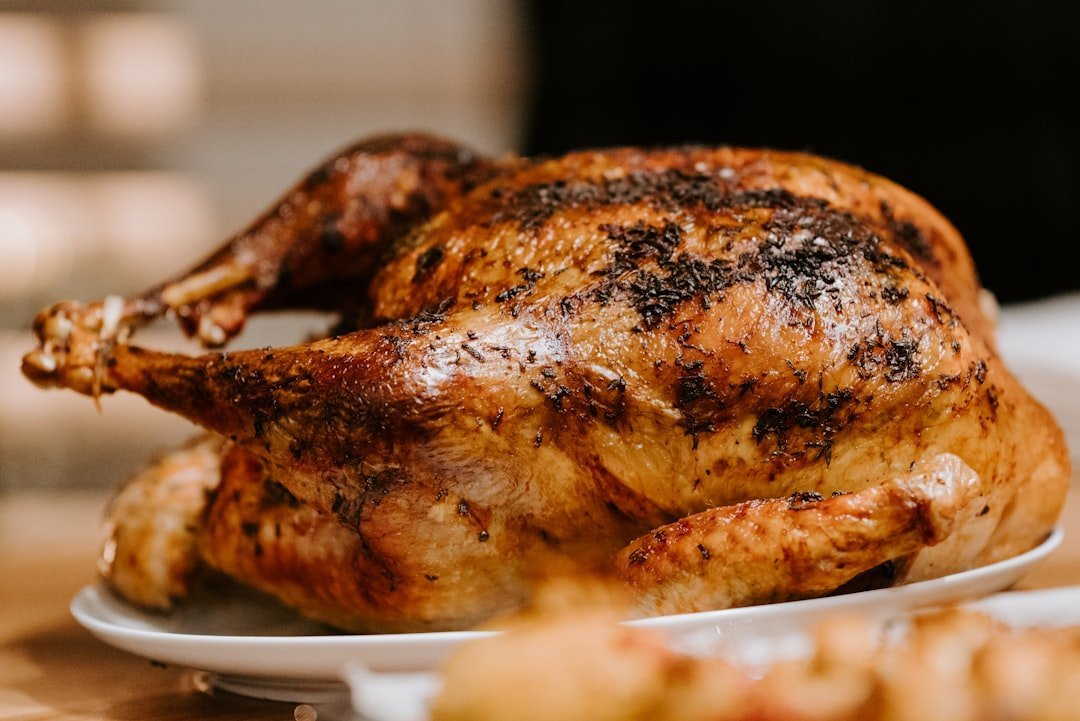
Thanksgiving meals bring families together around turkey and seasonal dishes nationwide. The practice traces to a 1621 harvest feast in Plymouth Colony, where English settlers and Wampanoag people shared food after a brutal first winter that had claimed many lives.
That early gathering reflected both survival and uneasy diplomacy between cultures. Modern dinners emphasize gratitude and togetherness, yet they still sit atop a story of hardship and cross-cultural contact that shaped the nation’s founding years.
Oktoberfest Beer Tents and Polka
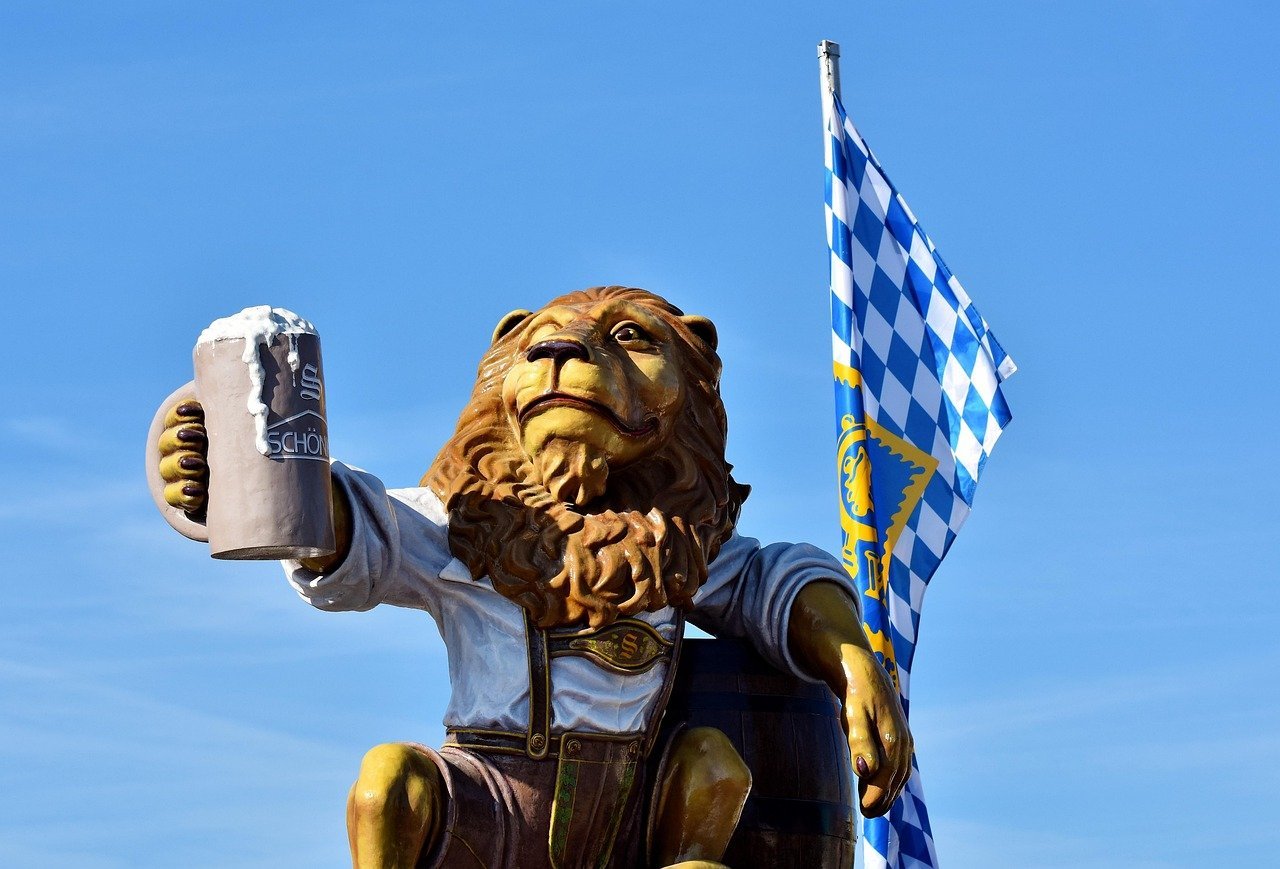
Oktoberfest events in Cincinnati, Milwaukee, and other cities feature beer gardens, polka music, and traditional foods. German immigrants established these celebrations in the nineteenth century to preserve customs from their homeland while building new communities in America.
The festivals helped newcomers maintain language, recipes, and social bonds during periods of rapid industrialization and occasional anti-immigrant sentiment. Current versions attract broad crowds for music and merriment, the original role in cultural preservation now blended into general American fun.
Independence Day Fireworks Displays
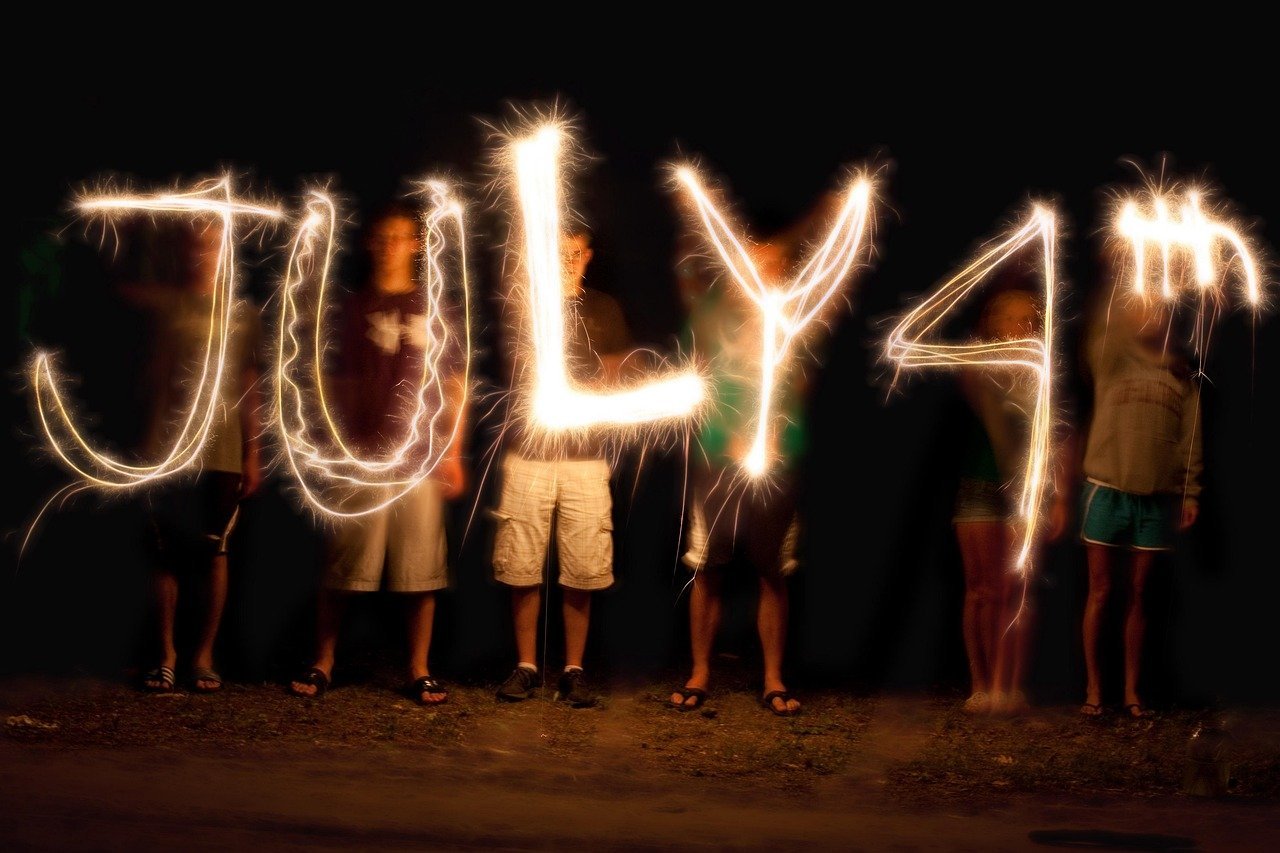
Independence Day fireworks light up skies over towns and cities every July. The displays grew from early commemorations of the Revolutionary War, when communities marked victories and the birth of the nation with gunpowder salutes and public illuminations.
Those first celebrations carried the fresh memory of conflict and the risks of declaring independence. Today the shows serve as patriotic entertainment, the dramatic military origins softened into colorful spectacles enjoyed by families across the country.
History Hidden Inside Celebration
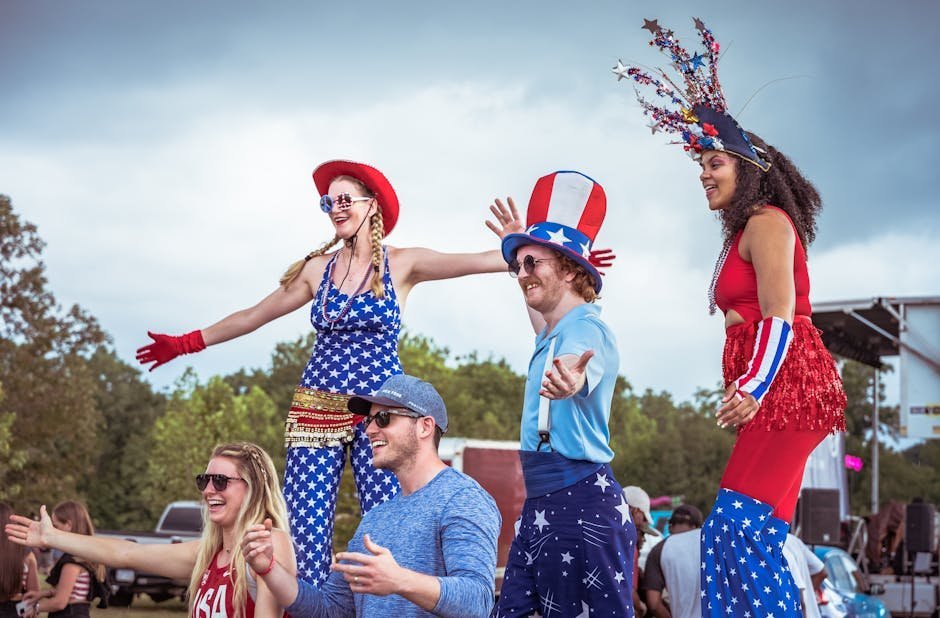
Each of these traditions carries layers that stretch back to moments of real tension or transformation. What feels ordinary now once helped people navigate loss, conflict, or the need to belong.
Recognizing those roots adds depth without diminishing the enjoyment. The festivals continue because they still offer connection, even as their original stakes have receded into the background of shared memory.

Christian Wiedeck, all the way from Germany, loves music festivals, especially in the USA. His articles bring the excitement of these events to readers worldwide.
For any feedback please reach out to info@festivalinside.com
