


For any feedback please reach out to info@festivalinside.com
- How 11 Fiction Changed Public Perception of War - September 28, 2026
- 15 Books That Shocked America’s Moral Conscience - September 28, 2026
- Japan’s History in Short: The Key Moments That Shaped a Global Power - September 28, 2026
Behind many of the biggest songs on the radio sits a quiet truth. Some of the most memorable tracks were not written by the voices that made them famous. Instead, they came from fellow musicians who preferred to stay out of the spotlight for those particular creations.
This practice has shaped pop, rock, and soul for decades. It shows how songwriting often crosses paths in surprising ways, turning one artist’s idea into another’s signature moment.
Prince
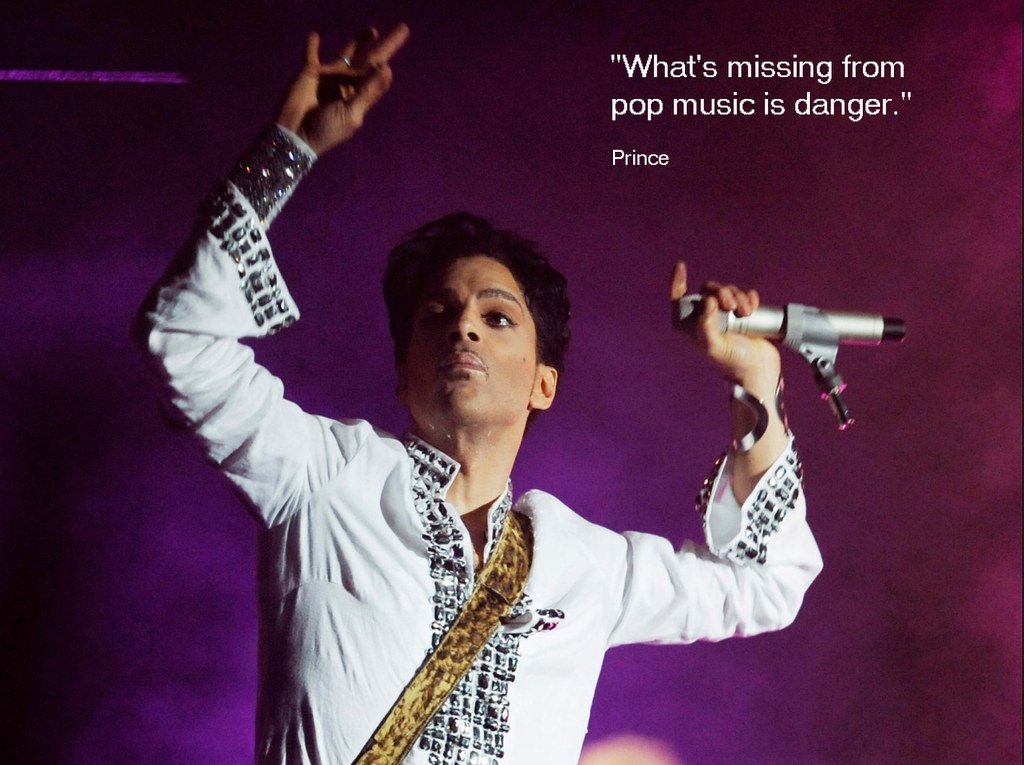
Prince crafted Manic Monday for the Bangles in the mid 1980s. He used the pseudonym Christopher to keep his involvement under wraps at first. The track climbed to number two on the Billboard Hot 100 and became one of the group’s signature songs.
The collaboration highlighted Prince’s range as a writer who could blend pop hooks with clever lyrics. It also gave the Bangles a major boost during their rise. Fans still discover the connection years later and appreciate how one artist’s vision lifted another’s career.
Paul Anka
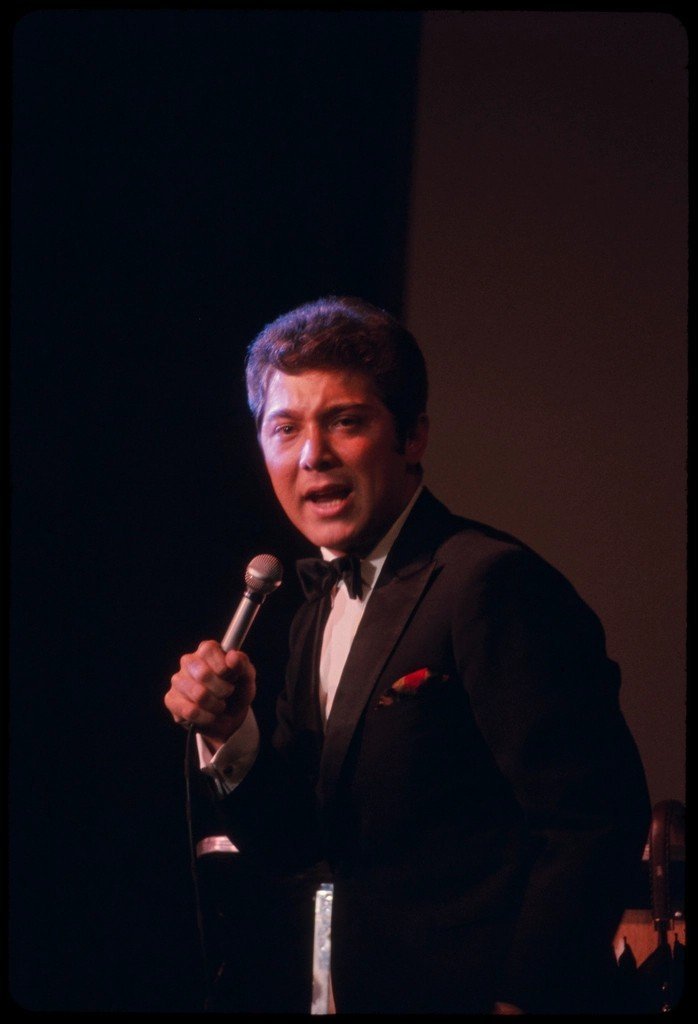
Paul Anka adapted the French song Comme d’habitude into My Way for Frank Sinatra. He supplied the English lyrics that turned the piece into a reflective anthem. Sinatra recorded it in 1969 and it quickly became his defining late career hit.
The song reached number one in several countries and has been covered countless times since. Anka’s contribution showed his skill at reshaping existing melodies for new audiences. It cemented his reputation as a versatile songwriter beyond his own performing days.
Willie Nelson
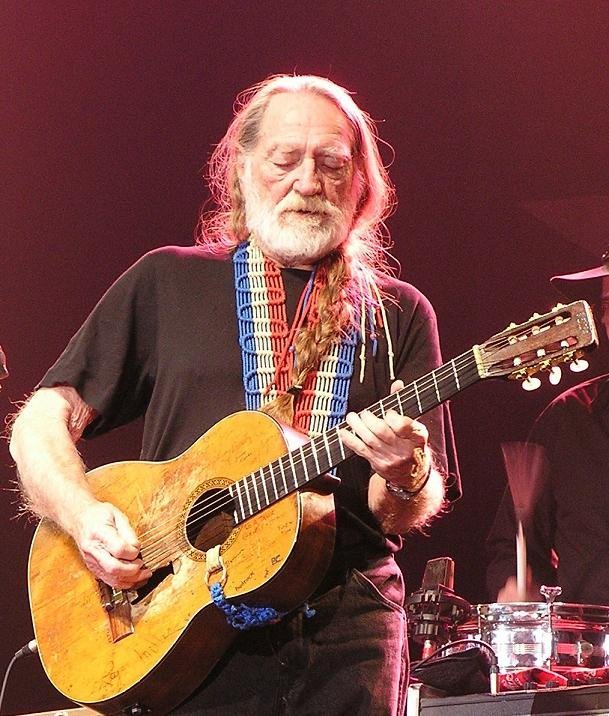
Willie Nelson wrote Crazy long before his own stardom peaked. He offered the ballad to Patsy Cline in 1961. Her version turned it into a country classic that crossed over to pop charts.
The song spent weeks at the top of the country listings and remains one of Cline’s most played recordings. Nelson’s early work as a writer helped launch his later success as a performer. It also proved how a simple, heartfelt tune could endure across generations.
Kris Kristofferson
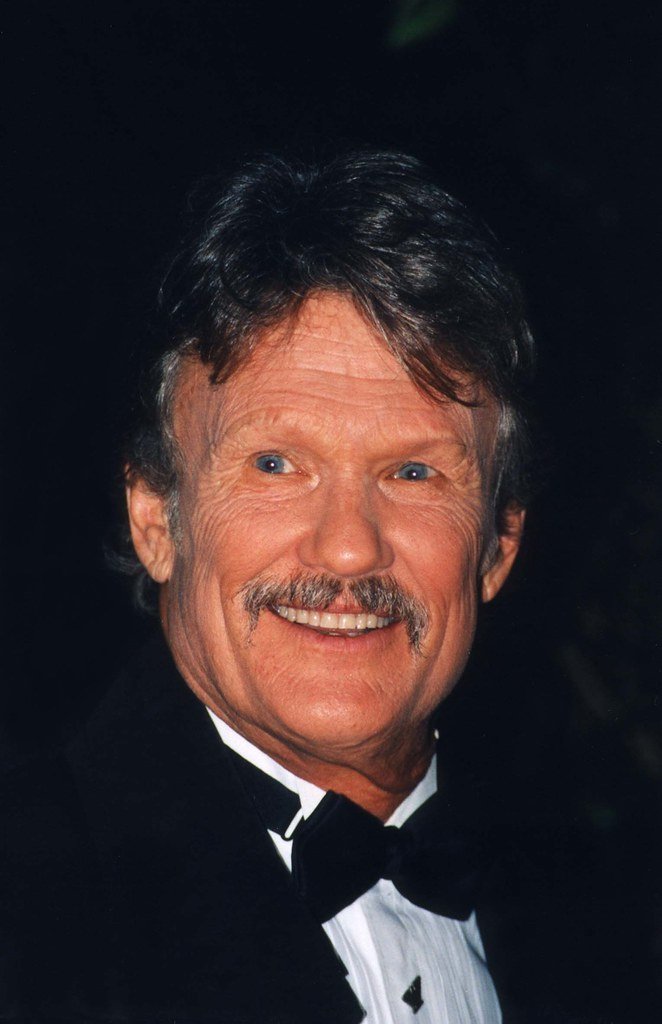
Kris Kristofferson co wrote Me and Bobby McGee with Fred Foster. He first offered it to Roger Miller, but Janis Joplin’s 1971 recording made it famous. The track hit number one on the Billboard Hot 100 after her death.
Joplin’s raw delivery gave the song an emotional weight that connected with listeners worldwide. Kristofferson’s storytelling style added depth to the narrative of freedom and loss. The hit opened doors for him as both a songwriter and a performer in his own right.
Mac Davis
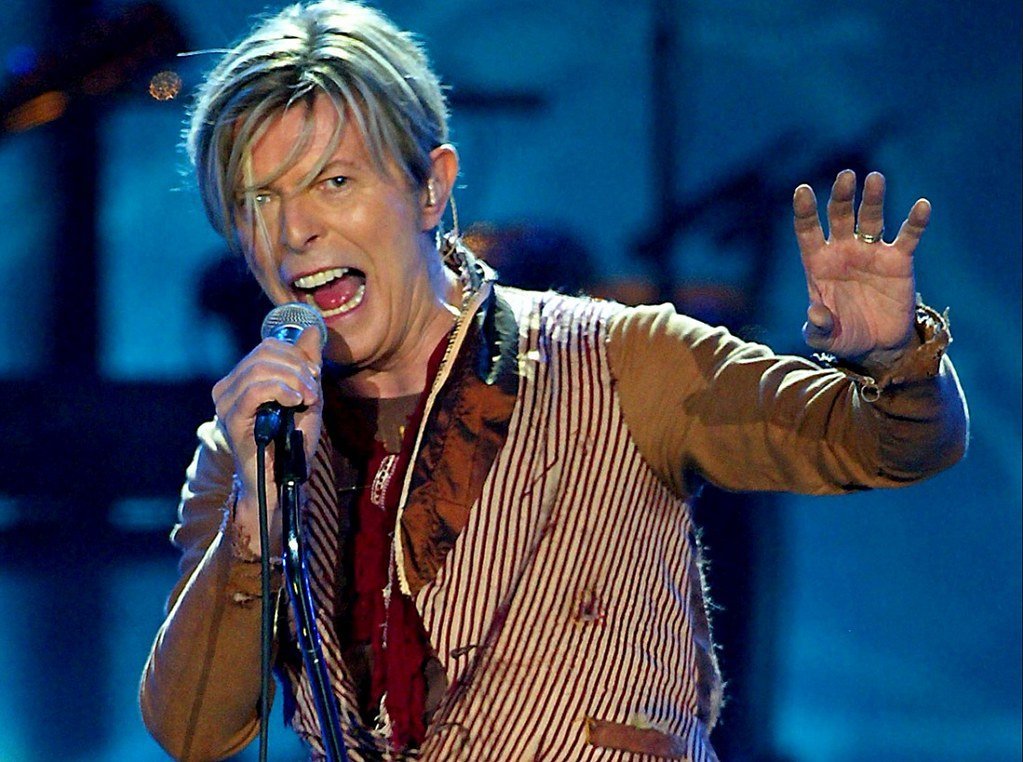
Mac Davis penned In the Ghetto for Elvis Presley in 1969. The song addressed social issues through a personal story. Presley’s version reached the top ten on the Billboard Hot 100 and became a staple of his live shows.
Davis later enjoyed his own string of hits as a singer. His early songwriting credit demonstrated how thoughtful lyrics could find a wide audience when paired with the right voice. The track still resonates in discussions about music and social commentary.
Jessie J

Jessie J co wrote Party in the U.S.A. originally for her own project. She passed it along to Miley Cyrus in 2009. The upbeat track became Cyrus’s breakthrough single and topped charts around the world.
The song captured a carefree spirit that defined late 2000s pop. Jessie J’s involvement showed her knack for crafting anthems that travel well across artists. It helped establish her as a behind the scenes force even before her solo career took off.
Kesha

Kesha contributed to Till the World Ends for Britney Spears in 2011. She helped shape the energetic dance track during a period when Spears was returning to the spotlight. The single climbed high on pop charts and earned strong radio play.
The collaboration blended Kesha’s party vibe with Spears’s established style. It marked an early songwriting credit for Kesha that later informed her own hits. Listeners often note how the track bridged two distinct eras of pop music.
Avril Lavigne

Avril Lavigne co wrote Breakaway for Kelly Clarkson’s 2004 album. The song explored themes of moving forward after setbacks. It became a major hit and earned a Grammy nomination for Best Female Pop Vocal Performance.
Lavigne’s input brought a youthful edge that fit Clarkson’s post Idol journey. The track’s success reinforced Lavigne’s growing influence as a songwriter for others. It also showed how personal experiences could translate into universal anthems.
Pharrell Williams
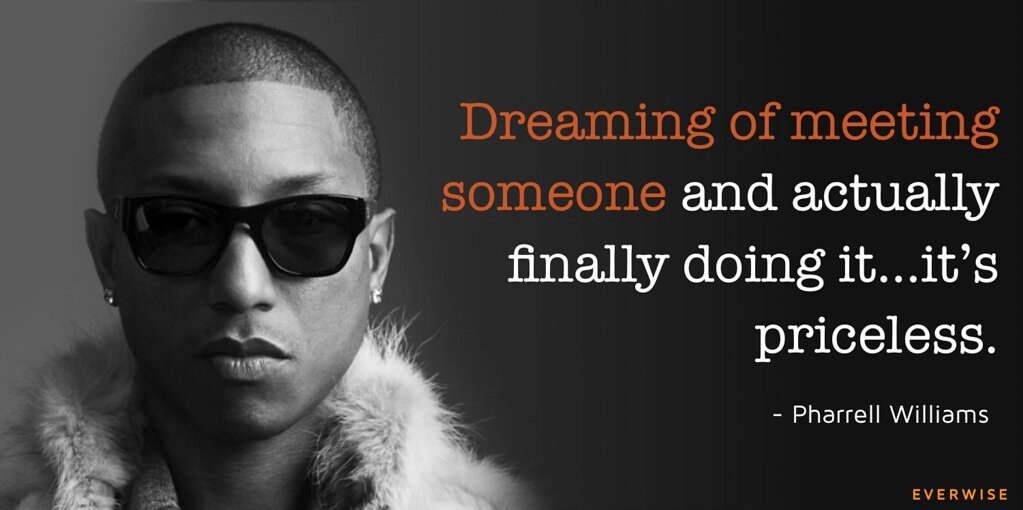
Pharrell Williams produced and co wrote Hot In Herre for Nelly in 2002. The funky track featured his signature production touch. It spent weeks at number one on the Billboard Hot 100 and won a Grammy.
The song helped define early 2000s hip hop and pop crossover. Williams’s behind the scenes work highlighted his ability to create infectious grooves for different voices. It paved the way for his later solo successes and production credits across genres.
John Legend

John Legend co wrote American Boy for Estelle in 2008. The upbeat duet showcased his smooth vocals alongside hers. It reached number one in the United Kingdom and earned multiple Grammy nominations.
Legend’s contribution added warmth and melody that elevated the track. The hit introduced many listeners to Estelle while boosting Legend’s profile as a songwriter. It remains a feel good favorite that blends R and B with pop appeal.
Conclusion
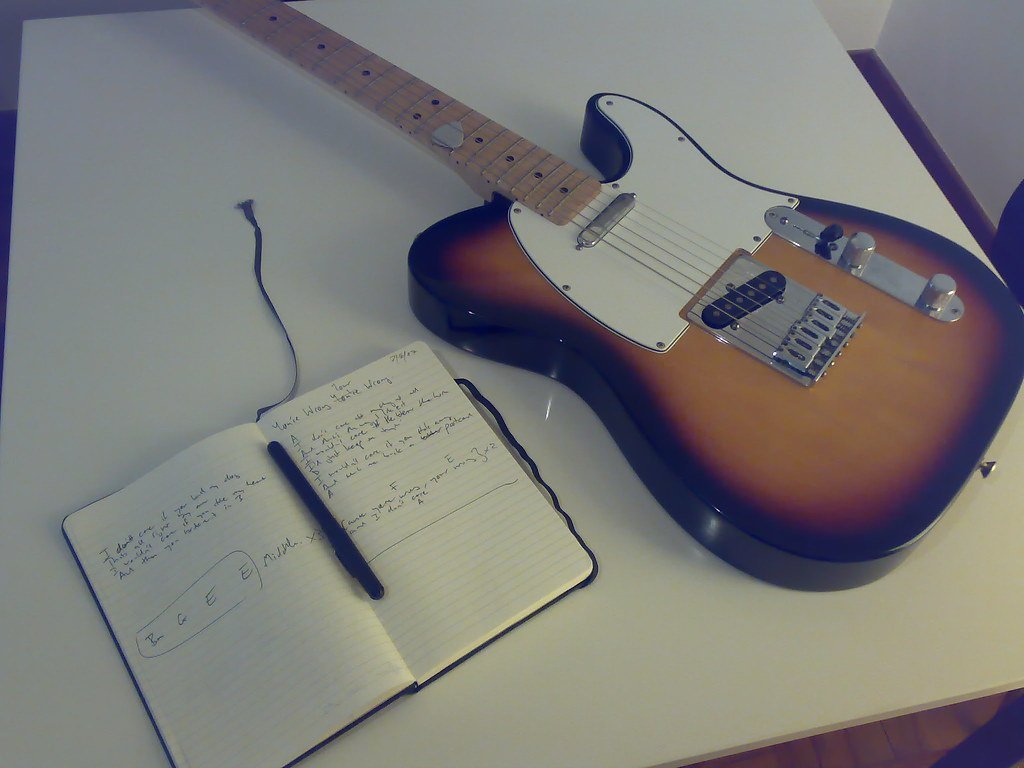
These examples reveal how songwriting often travels quietly between artists. A melody or lyric born in one studio can find its perfect home elsewhere. The results remind listeners that chart success depends on more than the final voice on the recording.
Hidden contributions like these keep the music industry dynamic and full of surprises. They encourage fans to look past the obvious credits and appreciate the broader web of creativity. In the end, great songs endure because talented musicians keep sharing their gifts in unexpected ways.

Christian Wiedeck, all the way from Germany, loves music festivals, especially in the USA. His articles bring the excitement of these events to readers worldwide.
For any feedback please reach out to info@festivalinside.com
