

For any feedback please reach out to info@festivalinside.com
- How 11 Fiction Changed Public Perception of War - September 28, 2026
- 15 Books That Shocked America’s Moral Conscience - September 28, 2026
- Japan’s History in Short: The Key Moments That Shaped a Global Power - September 28, 2026
Philosophical ideas from centuries ago continue to shape how people think about right and wrong, knowledge, and the good life. They offer frameworks that help navigate modern challenges without needing constant updates.
These works stand out because they tackle questions that arise in every era, from personal decisions to societal structures. Their influence shows up in everyday conversations about fairness, self control, and understanding reality.
The Republic by Plato
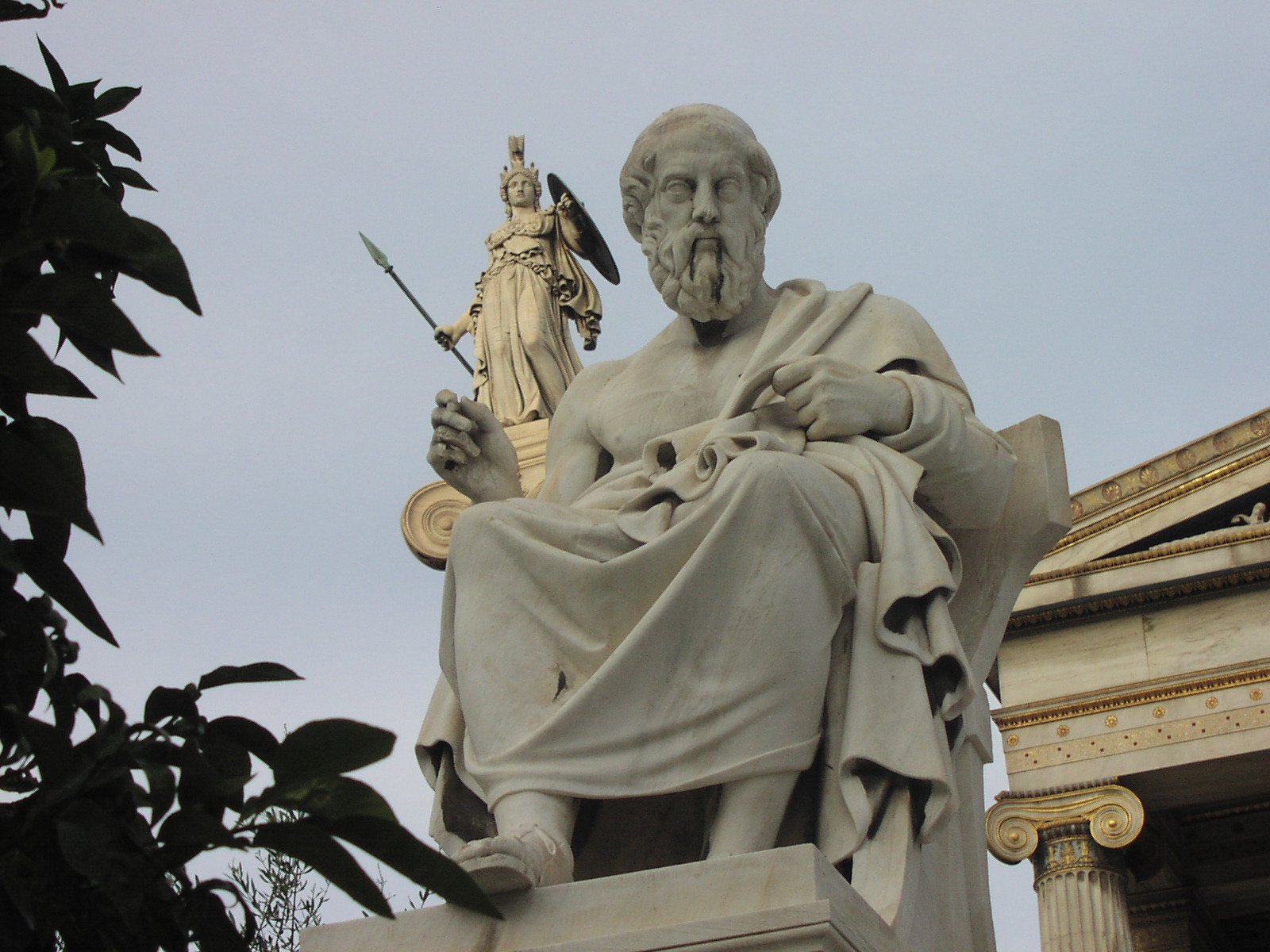
Plato explores the nature of justice through an imagined ideal city state. He argues that a just society requires rulers who prioritize wisdom over personal gain. The famous allegory of the cave illustrates how most people see only shadows of true reality until they seek deeper understanding.
Today this resonates because debates about leadership and education still echo Plato’s concerns. People question whether those in power act for the common good or their own interests. The idea that ignorance keeps individuals trapped remains relevant in discussions about media and critical thinking.
Nicomachean Ethics by Aristotle
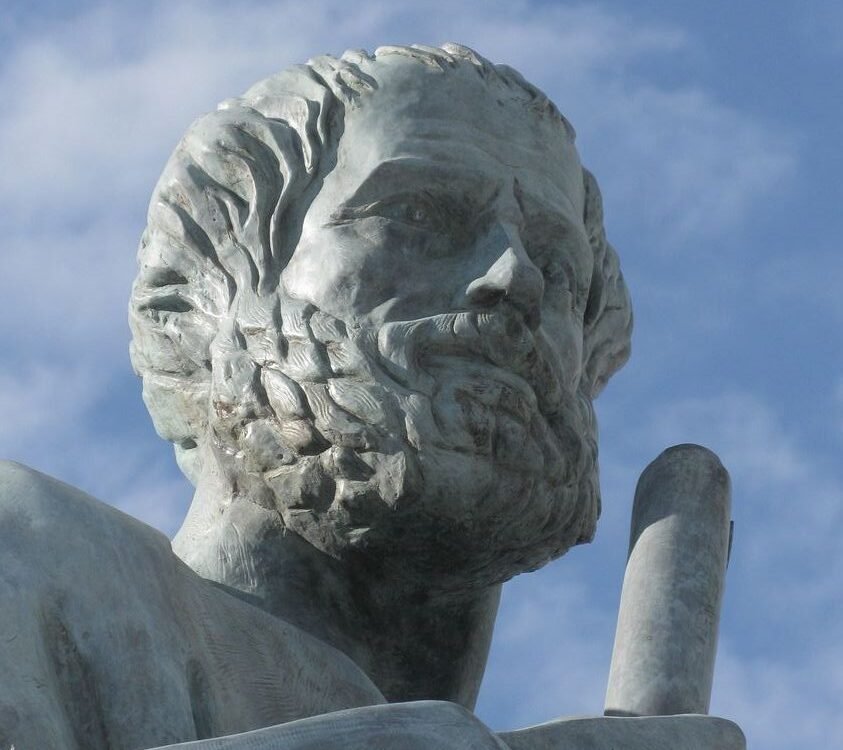
Aristotle presents virtue as a habit developed through repeated practice rather than a fixed trait. He describes the golden mean as the balanced path between extremes, such as courage sitting between cowardice and recklessness. Happiness, or eudaimonia, comes from living in accordance with reason over a complete lifetime.
This framework still guides personal development and ethical choices in workplaces and relationships. Many self improvement approaches draw on the notion that character forms through consistent actions. The emphasis on balance helps counter modern tendencies toward extremes in diet, work, or opinions.
Meditations by Marcus Aurelius
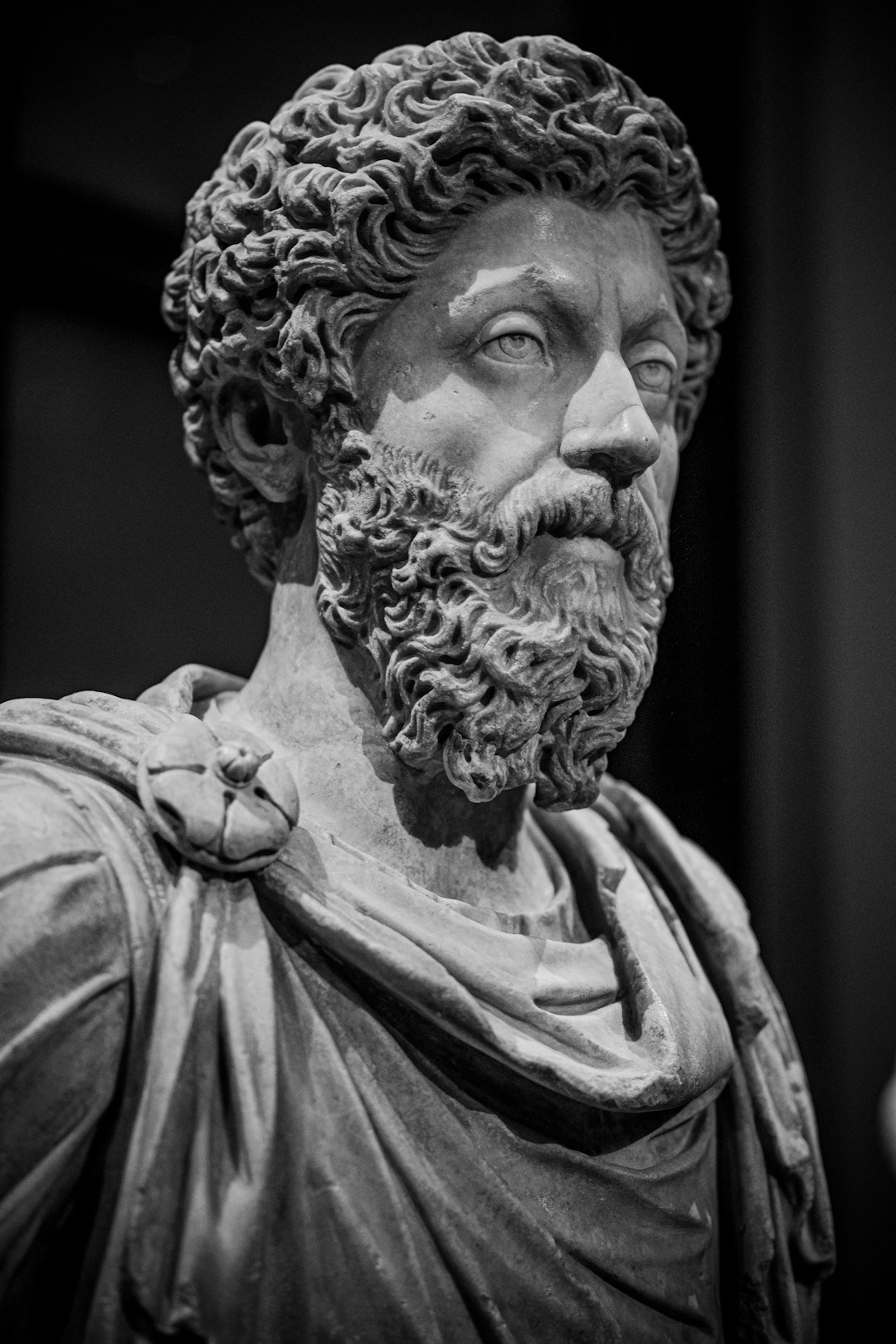
Marcus Aurelius reflects on accepting what lies beyond personal control while focusing effort on one’s own judgments and actions. He stresses the importance of viewing obstacles as opportunities for growth and maintaining inner calm amid external chaos. The text encourages daily self examination to align behavior with reason and virtue.
Readers today find practical tools for handling stress and uncertainty in fast paced environments. The Stoic reminder to focus on responses rather than events appears in mindfulness practices and resilience training. Its direct, personal tone makes ancient advice feel immediate and usable.
Meditations on First Philosophy by René Descartes
![Meditations on First Philosophy by René Descartes (André Hatala [e.a.] (1997) De eeuw van Rembrandt, Bruxelles: Crédit communal de Belgique, ISBN 2-908388-32-4., Public domain)](https://festivaltopia.com/wp-content/uploads/2026/05/1778149764369_1778149619326_frans_hals_-_portret_van_ren-c3-a9_descartes_-28cropped-.jpeg)
Descartes begins by doubting everything that can be doubted to reach certain knowledge. He arrives at the foundational statement that thinking proves existence. From there he rebuilds understanding of the self, God, and the external world through clear and distinct ideas.
This methodical doubt influences scientific inquiry and critical thinking skills taught in schools. People still use similar reasoning when questioning assumptions in news, technology, or personal beliefs. The search for reliable foundations remains central to how knowledge is evaluated in an age of information overload.
Groundwork of the Metaphysics of Morals by Immanuel Kant
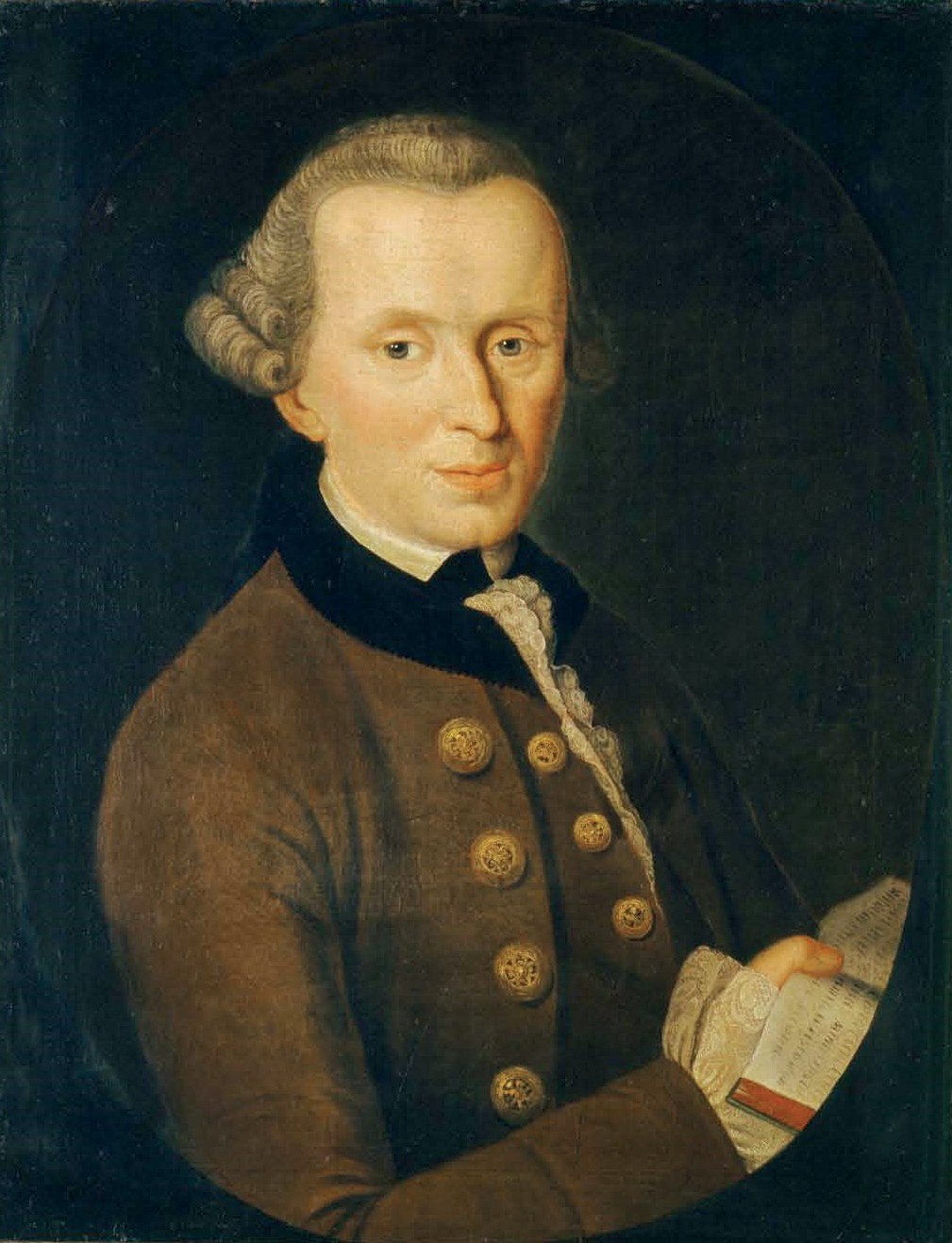
Kant proposes that moral actions stem from duty guided by the categorical imperative, which requires treating people as ends rather than means. He separates morality from consequences, insisting that good will alone determines ethical worth. Reason provides universal rules that apply regardless of personal desires or situations.
These principles appear in contemporary discussions of human rights and professional ethics. The idea that certain actions are wrong in themselves supports arguments against exploitation in business or technology. Kant’s focus on autonomy encourages individuals to think independently about their choices.
Philosophy Shaping Human Thought Across Generations

Each of these works builds on earlier ideas while adding new layers that later thinkers adapt. Their core questions about justice, virtue, knowledge, and duty recur because human circumstances change more slowly than technology or politics. Readers return to them for clarity when facing recurring dilemmas.
Over time these texts have informed laws, education systems, and personal philosophies without losing their original depth. They demonstrate how careful reasoning can endure and offer perspective that feels fresh in any period. The ongoing conversation they sustain shows philosophy’s quiet but steady role in guiding thought.

Christian Wiedeck, all the way from Germany, loves music festivals, especially in the USA. His articles bring the excitement of these events to readers worldwide.
For any feedback please reach out to info@festivalinside.com
