


- 15 Rock Anthems That Defined a Generation and Still Sound Amazing Today - August 11, 2026
- 12 Unforgettable Movie Quotes You Can Still Use in Everyday Conversation. - August 11, 2026
- 10 Music Festivals That Changed the World - August 11, 2026
Rock stardom often arrives like a thunderclap, turning obscure musicians into global icons overnight. Yet that same rush of fame can sow seeds of discord, amplifying egos and exposing fractures that fame’s glare makes impossible to ignore.
The relentless demands of tours, hits, and expectations create a pressure cooker. Internal conflicts that might have simmered in obscurity boil over, leading to breakups or steep declines.[1][2]
The Monkees
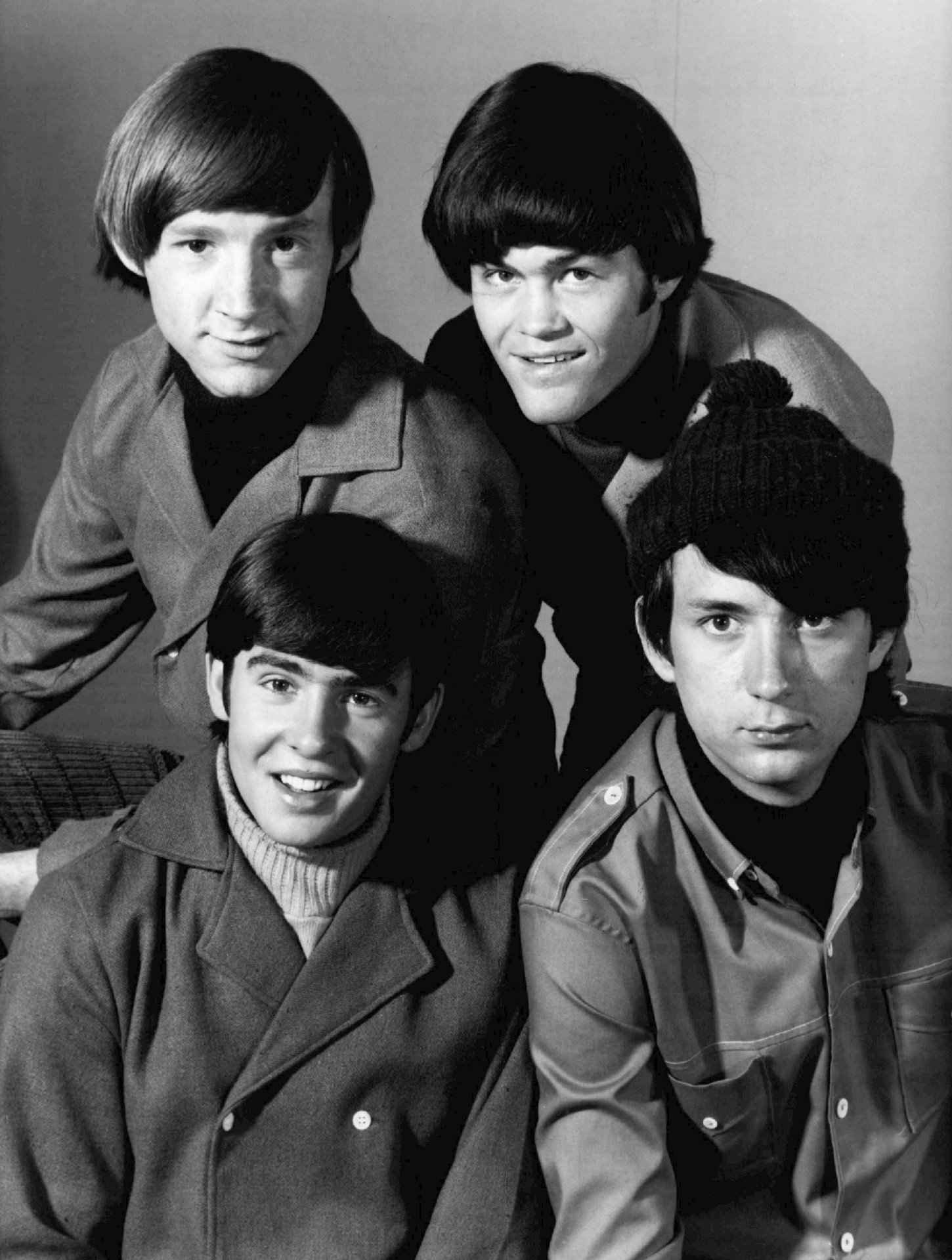
The Monkees hit their stride in the late 1960s as the “Pre-Fab Four,” riding a TV show to massive teen idol status. Their quest for musical autonomy peaked with the 1968 film and soundtrack Head, a bold psychedelic shift.
Success trapped them as manufactured puppets in fans’ eyes. Pushing for creative control alienated their core audience, baffling listeners and triggering commercial collapse. The band splintered soon after, unable to recapture that initial magic.[1]
Free

Free rode high in the early 1970s with “All Right Now” becoming a global rock anthem. The hit defined their raw, bluesy sound and packed venues worldwide.
Yet the song’s explosive popularity forced them into high-energy anthems they no longer craved. Tensions rose as they yearned for darker blues, clashing with expectations. Guitarist Paul Kossoff’s drug issues worsened under the spotlight, fragmenting the group by 1971.[1]
The pressure cooker of fame turned creative differences lethal.
Mungo Jerry

Mungo Jerry’s 1970 single “In the Summertime” exploded as one of the decade’s top-selling tracks. Summer festival crowds embraced their jug-band rock vibe.
Fame pigeonholed them as a sunny novelty act. Insatiable demand for feel-good hits stifled their blues and heavy rock ambitions. Locked in a creative cage, the band faded as members sought broader expression.[1]
The Knack
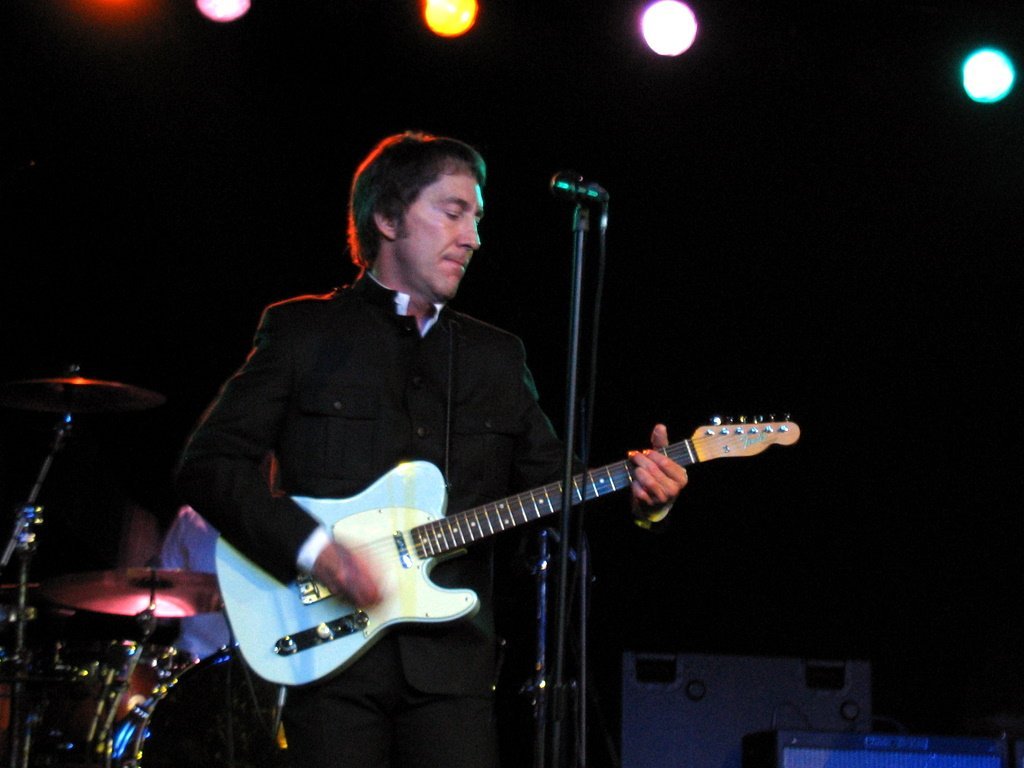
The Knack dominated summer 1979 with “My Sharona,” sparking Beatlemania-level frenzy. Their debut album flew off shelves amid massive hype.
Ubiquity bred backlash, with “Knuke the Knack” campaigns from resentful fans and critics. The manipulative promotion soured their image overnight. One-hit dominance crumbled into career-ending resentment.[1]
Success’s intensity proved too much for their tight power-pop formula.
The Lovin’ Spoonful
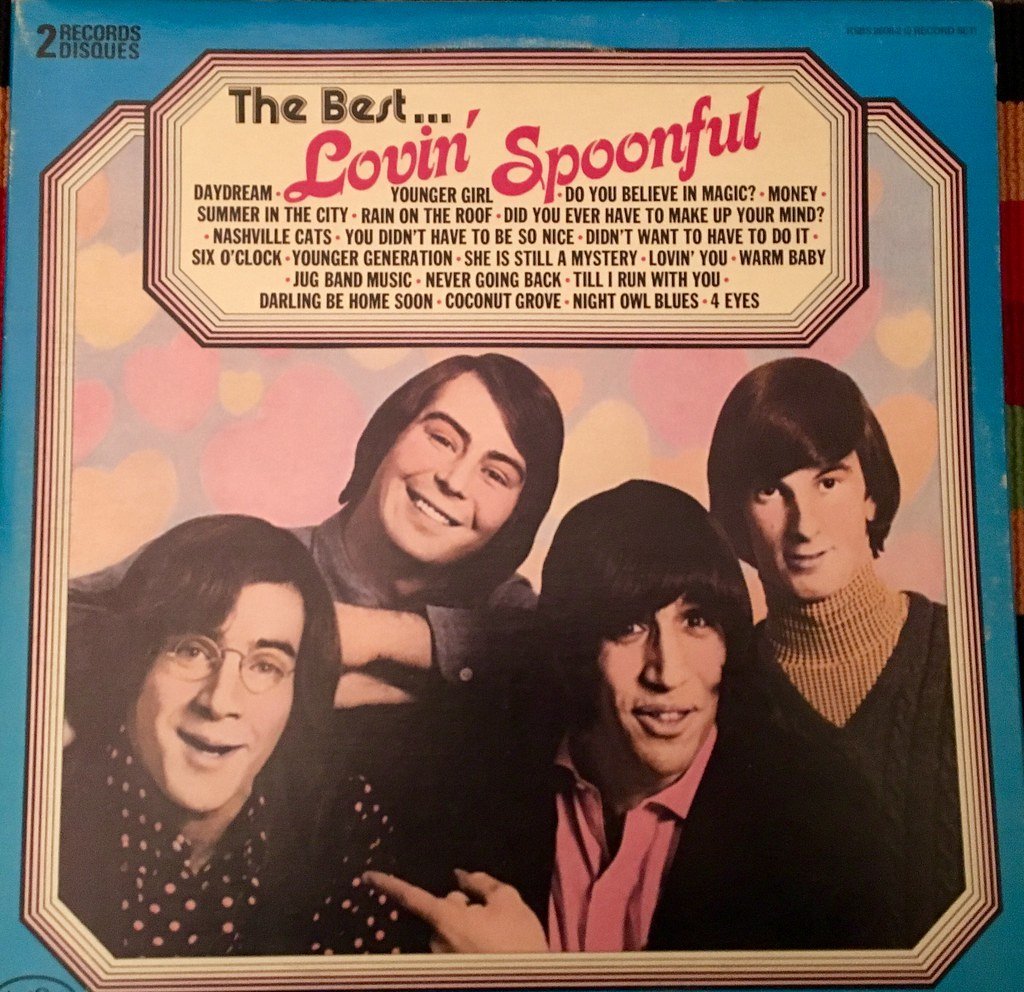
Mid-1960s America crowned The Lovin’ Spoonful as the homegrown Beatles equivalent. A string of top-ten hits fueled their folk-rock rise.
Hit-churning pressure eroded band unity. A 1966 marijuana bust shattered their wholesome facade when members cooperated with police. Betrayal killed brotherhood and public trust alike.[1]
Hootie & the Blowfish

Hootie & the Blowfish peaked in the mid-1990s with Cracked Rear View selling over 21 million copies. Radio saturation made them inescapable.
Overexposure flipped admiration to fatigue, turning them into a cultural punchline. Ubiquity created an unbreakable glass ceiling for future work. Fame’s glare preemptively dismissed their efforts.[1]
Badfinger
Badfinger shone in the early 1970s as Beatles heirs, with hits like “No Matter What” and Day After Day. Apple Records backing boosted their profile.
Success drew predatory managers and financial traps. Millions earned vanished, leaving members broke amid label disputes. Despair culminated in two suicides, ending the band tragically.[1]
Fame’s riches masked a path to ruin.
Mott the Hoople
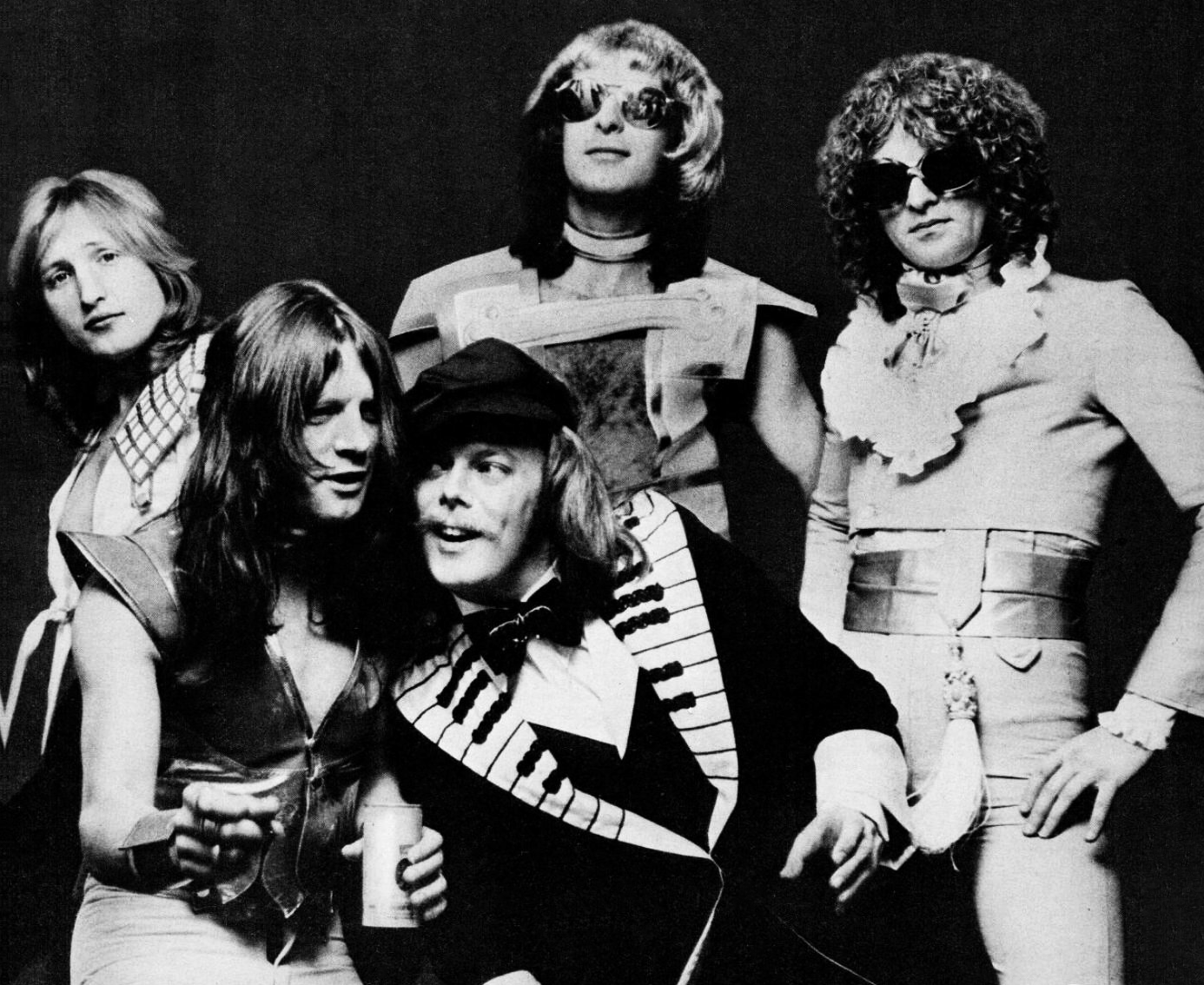
Mott the Hoople revived in 1972 thanks to David Bowie’s “All the Young Dudes,” hitting glam rock heights. The track redefined their gritty image.
Fame swapped roots for unsustainable artifice. Exhaustion set in as they felt like caricatures. Singer Ian Hunter quit in 1974, dissolving the core lineup.[1]
Boston
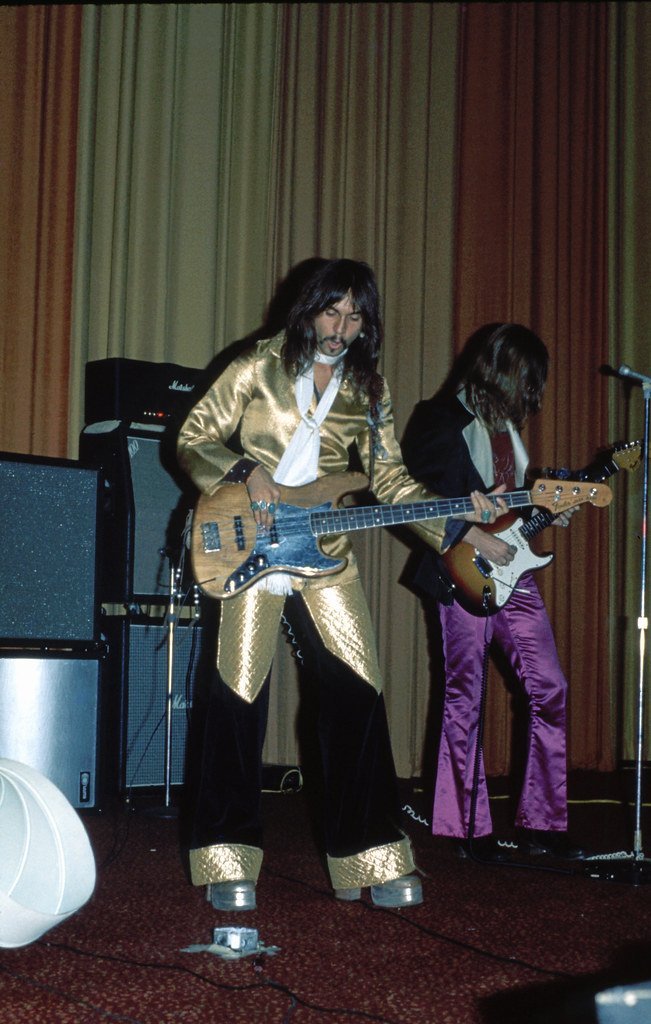
Boston’s 1976 debut became the fastest-selling ever, launching arena-rock supremacy. Perfectionist production wowed millions.
Sequel demands fueled lawsuits and stalled output. Mechanical formulas lost spark amid legal battles. By the time new music emerged, they seemed relics.[1]
Success’s weight crushed their momentum.
Men at Work

Men at Work skyrocketed in 1982 with Business as Usual, Grammy wins, and stadium crowds. New wave hits ruled airwaves.
Rapid fame sparked royalty fights and creative rifts. Burnout from money and pressure hit hard. The band dissolved after their sophomore effort.[1]
The Buggles

The Buggles defined 1979 with “Video Killed the Radio Star,” MTV’s first video. Synth-pop novelty gripped the world.
Touring pressures clashed with studio perfectionism. They joined Yes to escape, killing the project after one album. Fame forced them into hiding within another band.[1]
Vanilla Fudge

Late 1960s Vanilla Fudge psychedelized hits like “You Keep Me Hangin’ On” into heavy anthems. Cover kings packed houses.
Audience and label demands trapped them in the gimmick. Barred from originals, they watched inspired acts pass them by. Success stifled evolution.[1]
Their peak became a prison.
The Verve

The Verve ruled 1997 Britain with “Bittersweet Symphony,” a chart-topping epic. Britpop kings emerged triumphant.
A Rolling Stones sample lawsuit stripped royalties and credit. Tour stress amid legal woes fractured them. Fame’s legal pitfalls proved devastating.[1]
Oasis
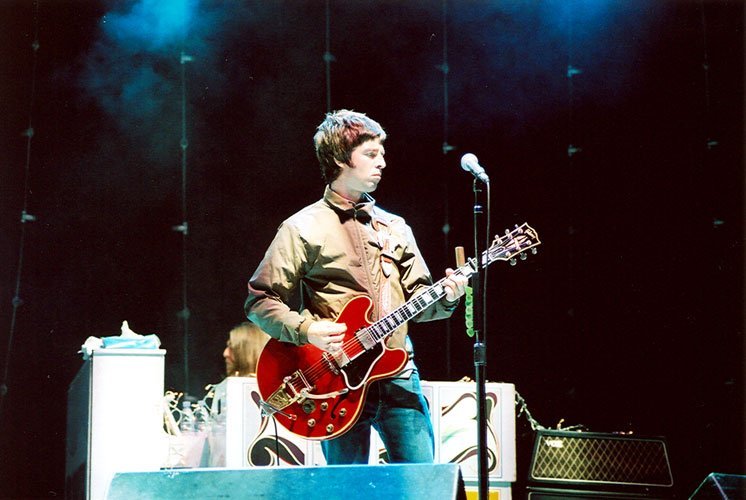
Oasis dominated the 1990s Britpop scene, with Gallagher brothers fueling massive album sales and tours. Kneecap-high success defined an era.
Brotherly egos exploded under fame’s exhaustion. A guitar-swinging backstage brawl after a long tour ended it in 2009. Personal combat proved the final straw.[2]
The Police

The Police crested in the early 1980s with Synchronicity, selling out stadiums worldwide. Sting’s hits made them untouchable.
Sting’s dominance bred resentment over songwriting and direction. Fame’s wealth splintered their chemistry. Hiatus turned permanent as personalities diverged.[2]
The Downside of Massive Fame

Massive fame extracts a steep toll on rock bands, turning triumphs into traps. Egos swell, drugs beckon, and creative visions collide under unrelenting scrutiny.
These stories reveal patterns: hype backlashes, legal snares, burnout. Success rarely sustains without scars, reminding musicians that the brightest lights cast the deepest shadows.[1][2]
CEO-Co-Founder
