
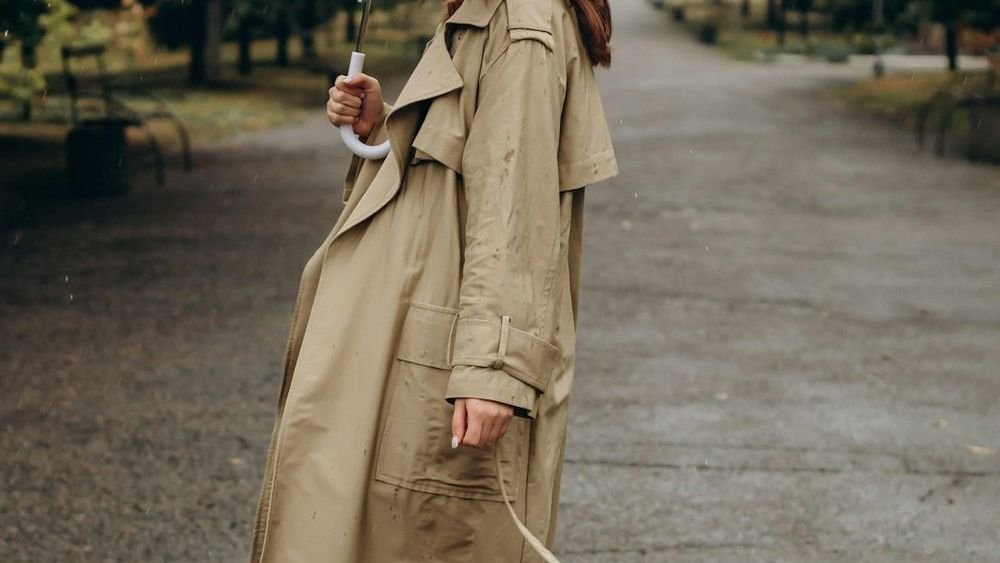
Fashion cycles through trends at a dizzying pace, yet certain pieces endure across generations. These staples owe their staying power to simple designs, superior craftsmanship, and unmatched versatility. They adapt effortlessly to new contexts without losing their essence.
What makes them timeless? Quality materials and clean lines allow endless styling options, from casual to formal. In a world of fast fashion, investing in such items builds a wardrobe that feels fresh year after year.[1][2]
Little Black Dress
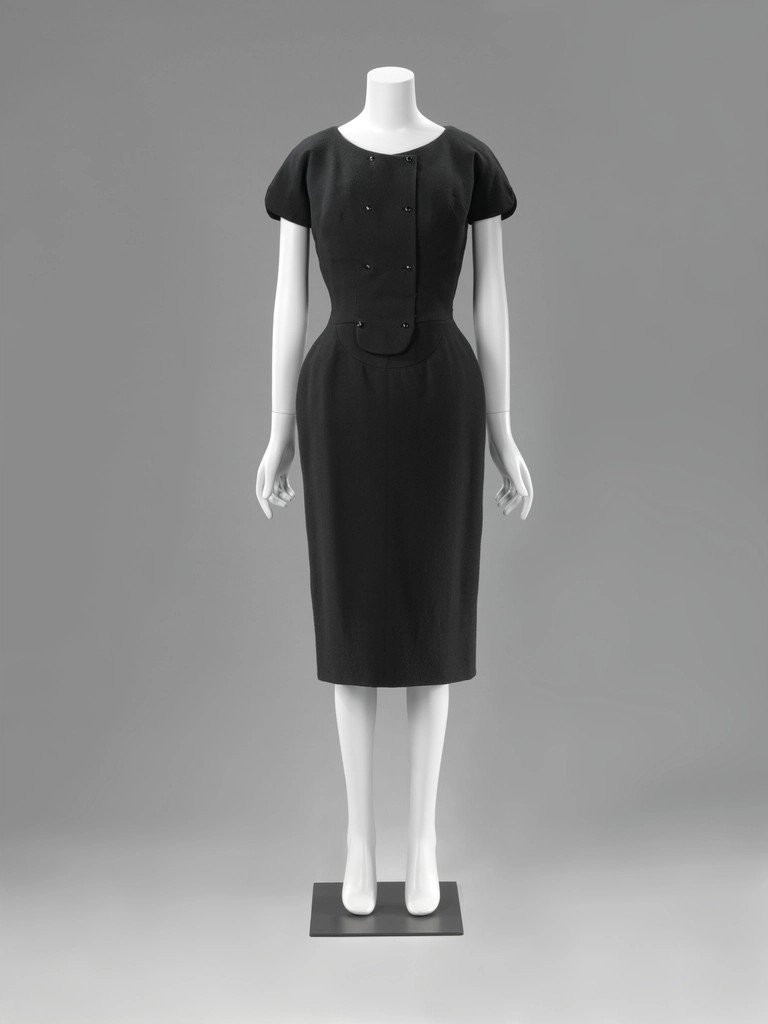
Coco Chanel introduced the little black dress in the 1920s, revolutionizing women’s fashion with its sleek silhouette.[3] Previously associated with mourning, black became a symbol of modern elegance through her simple crepe de chine design featured in Vogue.
It remains popular for its adaptability across occasions, pairing with everything from pearls to sneakers. The LBD flatters most body types and requires minimal accessories. Designers continue to reinterpret it, proving its endless appeal.[4]
Trench Coat
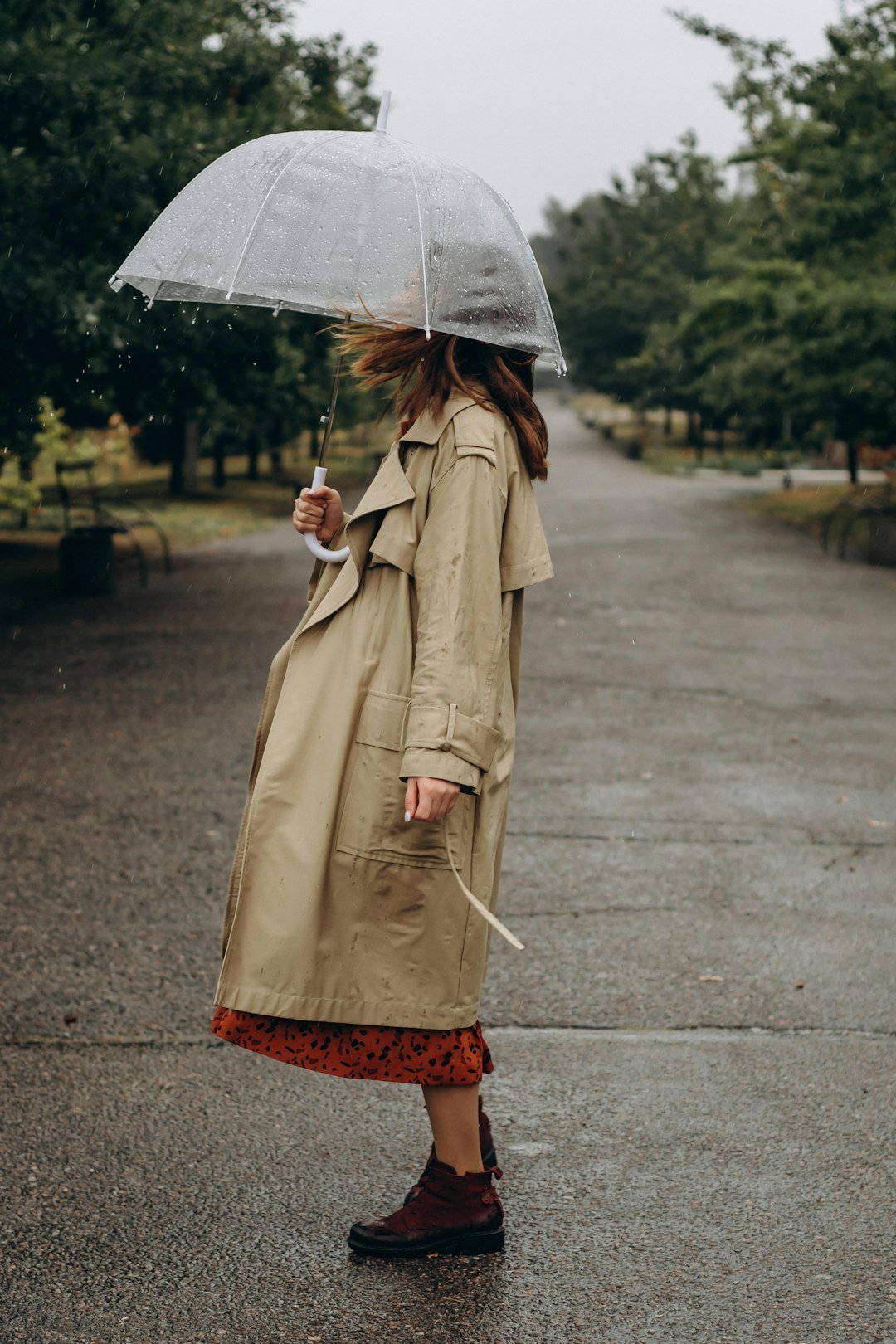
The trench coat emerged during World War I for British Army officers, crafted by Burberry with waterproof gabardine fabric.[5] Its practical features like epaulettes and storm flaps addressed trench warfare needs.
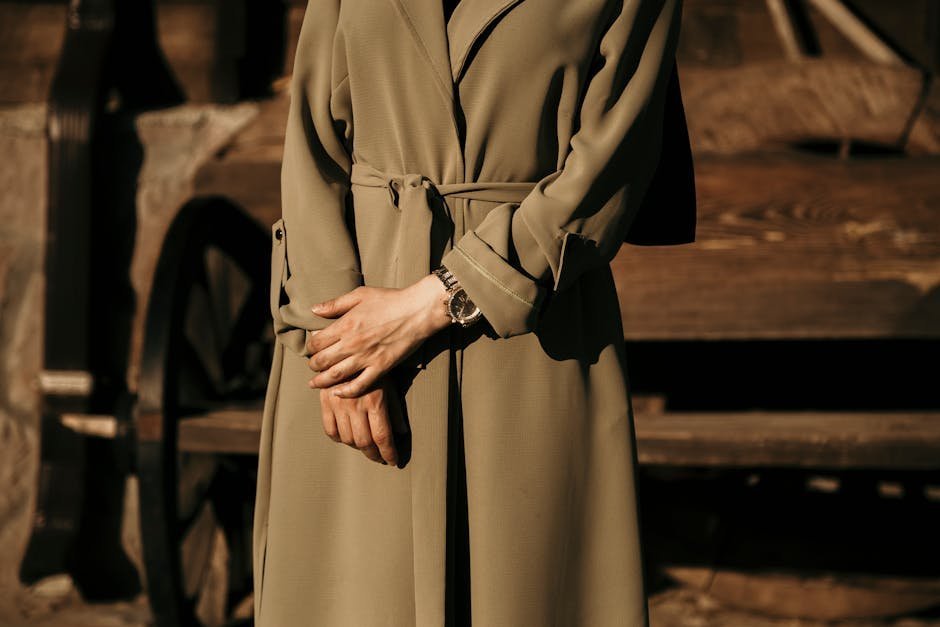
Today, it transcends seasons and outfits, offering protection with polished style. Neutral tones like beige suit any palette, while belted waists define silhouettes. Celebrities and runways keep it relevant season after season.[6]
High-quality versions last decades, making it a smart investment.
White Button-Down Shirt

Roots trace to the 18th century, when Marie Antoinette’s portrait showcased a simple cotton chemise, scandalizing norms.[7] It evolved from menswear into a women’s staple by the 19th century, symbolizing understated luxury.
Versatility drives its popularity: tuck into jeans for casual days or layer under blazers for work. Crisp cotton breathes well and launders easily. Tailored fits enhance any figure, ensuring it never dates.[8]
Straight-Leg Blue Jeans
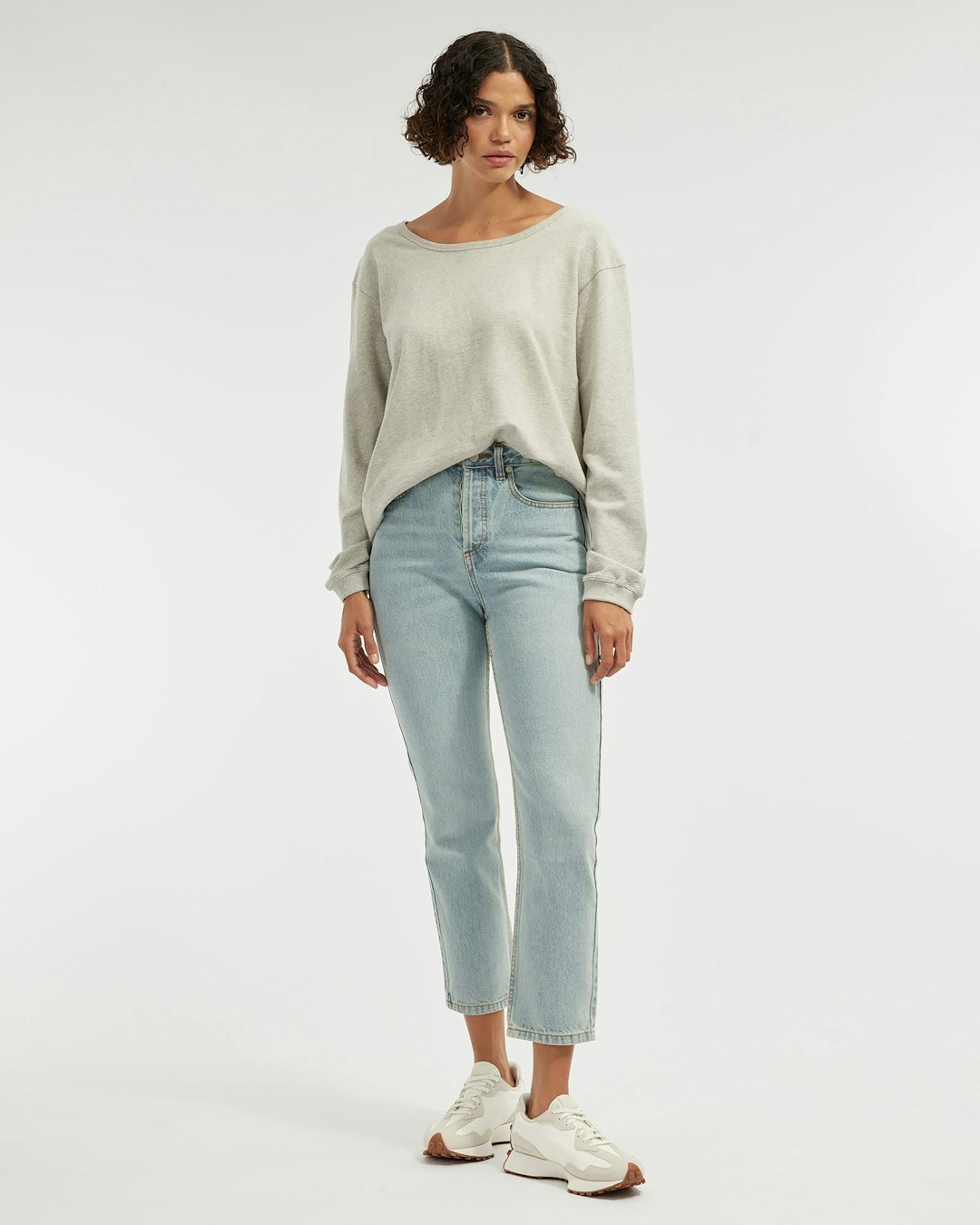
Levi Strauss and Jacob Davis patented riveted denim pants in 1873 for California gold miners, birthing modern jeans.[9] The durable fabric withstood rough labor, evolving into Levi’s 501 style.
They stay iconic for flattering straight legs on most bodies and pairing with boots or heels. Dark washes elevate outfits, while fades add character over time. From runways to streets, jeans anchor wardrobes universally.[10]
Leather Jacket
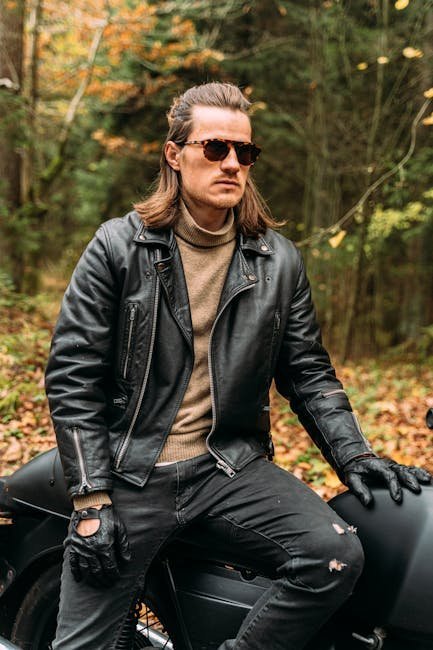
Aviation pilots wore leather jackets in the early 1900s for protection, with Schott’s 1928 Perfecto model defining biker style.[11] Military use in wars cemented its rugged image.
Its edge pairs with dresses for contrast or tees for cool. Quality leather softens beautifully, aging gracefully. Timeless rebellion keeps it in vogue across subcultures.[12]
Neutral shades like black ensure longevity.
Tailored Blazer
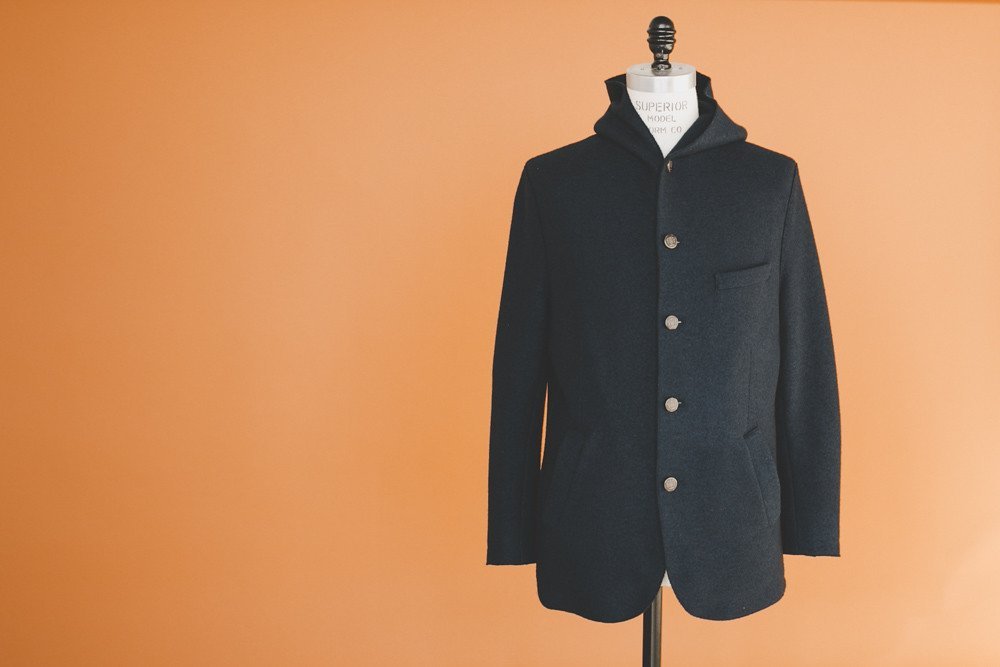
Blazers originated in the 1830s with Cambridge rowing clubs’ bright jackets, later refined for cricket.[13] Brass buttons nod to nautical roots.
Structure adds polish to jeans or skirts, bridging casual and formal. Single-breasted styles flatter broadly. Investments in wool or tweed pay off through seasons.[14]
Breton Stripe Shirt

French Navy adopted the striped shirt in 1858 for easy overboard visibility, with precise 21 white-over-blue stripes.[15] Breton region’s sailors popularized it.
Casual chic shines with its nautical vibe over trousers or under blazers. Cotton breathes for summer ease. Designers like Chanel elevated it to high fashion.[16]
Relaxed fit suits relaxed lifestyles.
Pencil Skirt
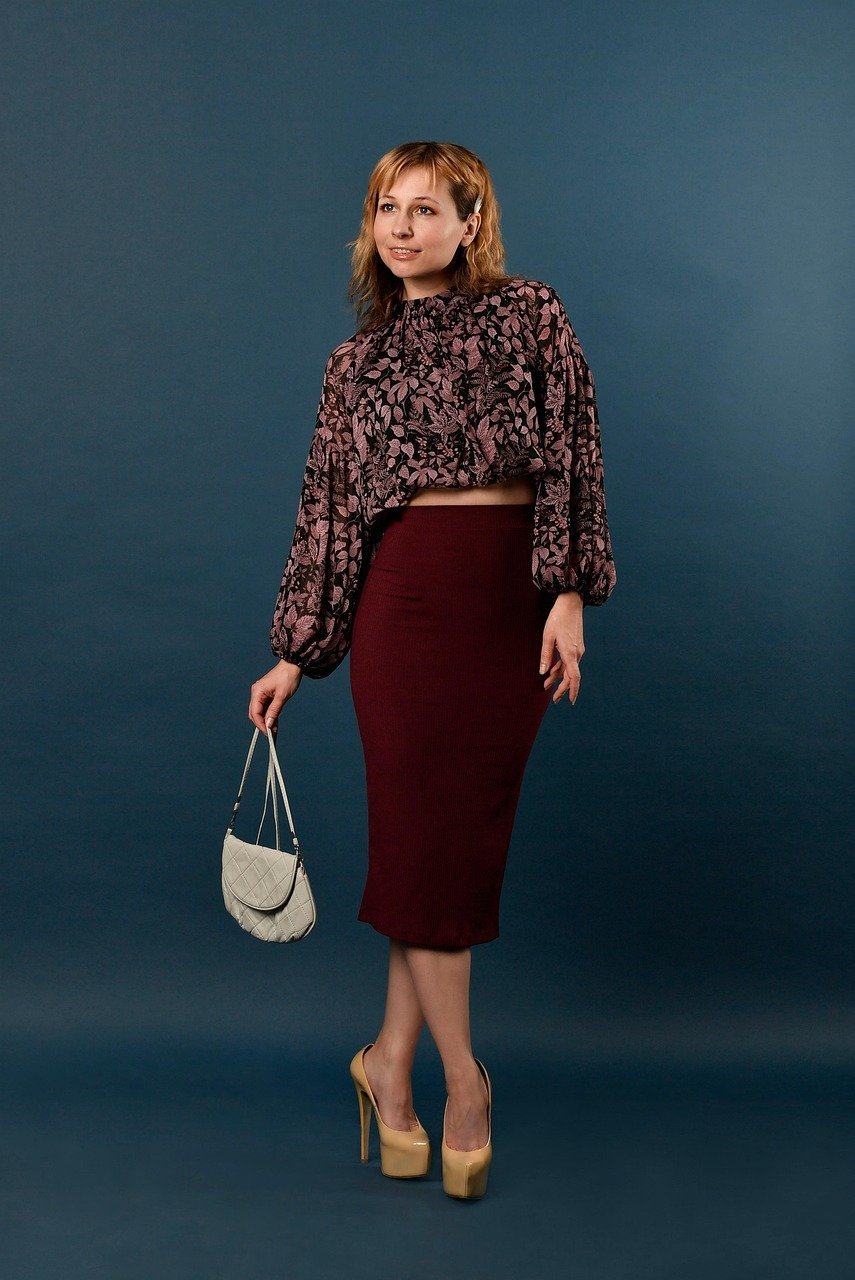
Christian Dior’s 1954 H-line refined the pencil skirt, though practical needs birthed it in 1908 for airplane passenger Edith Berg.[17] Post-war tailoring emphasized femininity.
Hugs curves elegantly, ideal for offices or evenings with heels. Midi lengths balance modesty and allure. Wool blends hold shape through wears.[18]
Ballet Flats
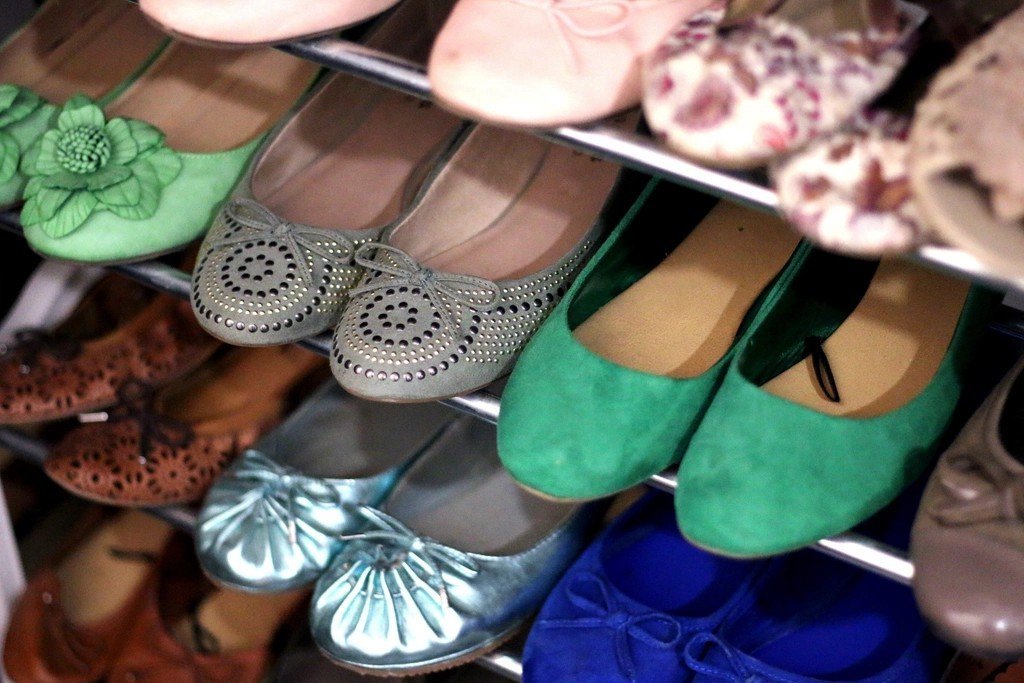
Rose Repetto crafted the first street-ready flats in 1947 for dancer Roland Petit, inspired by pointe shoes.[19] Earlier ballet slippers date to 1700s.
Comfort meets grace, perfect for all-day wear with skirts or pants. Leather soles and supple uppers ensure durability. Nude or black shades match everything.[20]
They whisper sophistication quietly.
Cashmere Sweater
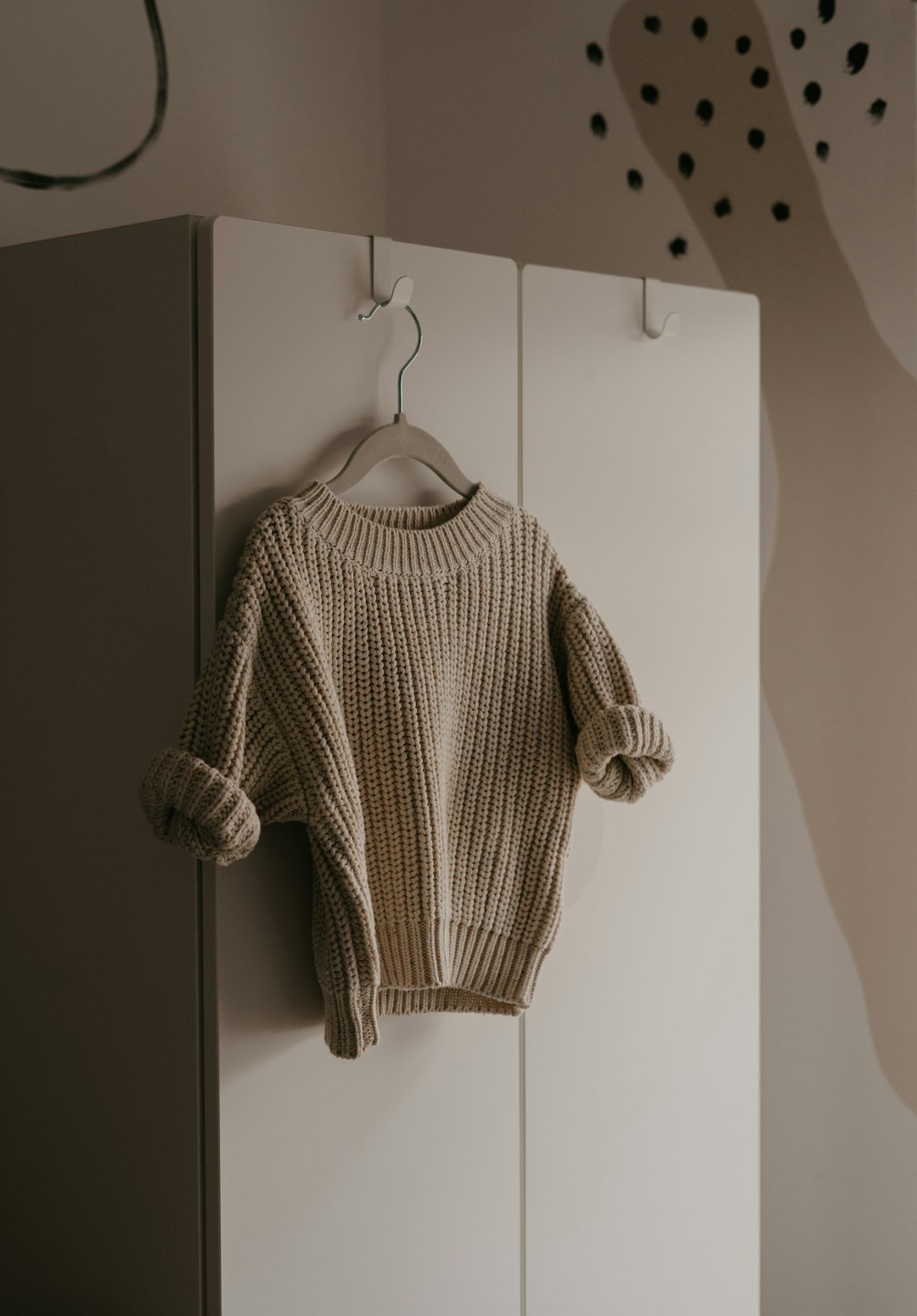
Cashmere hails from Himalayan goats’ undercoat, traded as Kashmir shawls to Europe in the 19th century.[21] Ancient Central Asian nomads first used it.
Unrivaled softness layers beautifully over shirts or solo. Neutral hues like camel layer endlessly. Ethical sources yield heirloom pieces.[22]
Denim Jacket
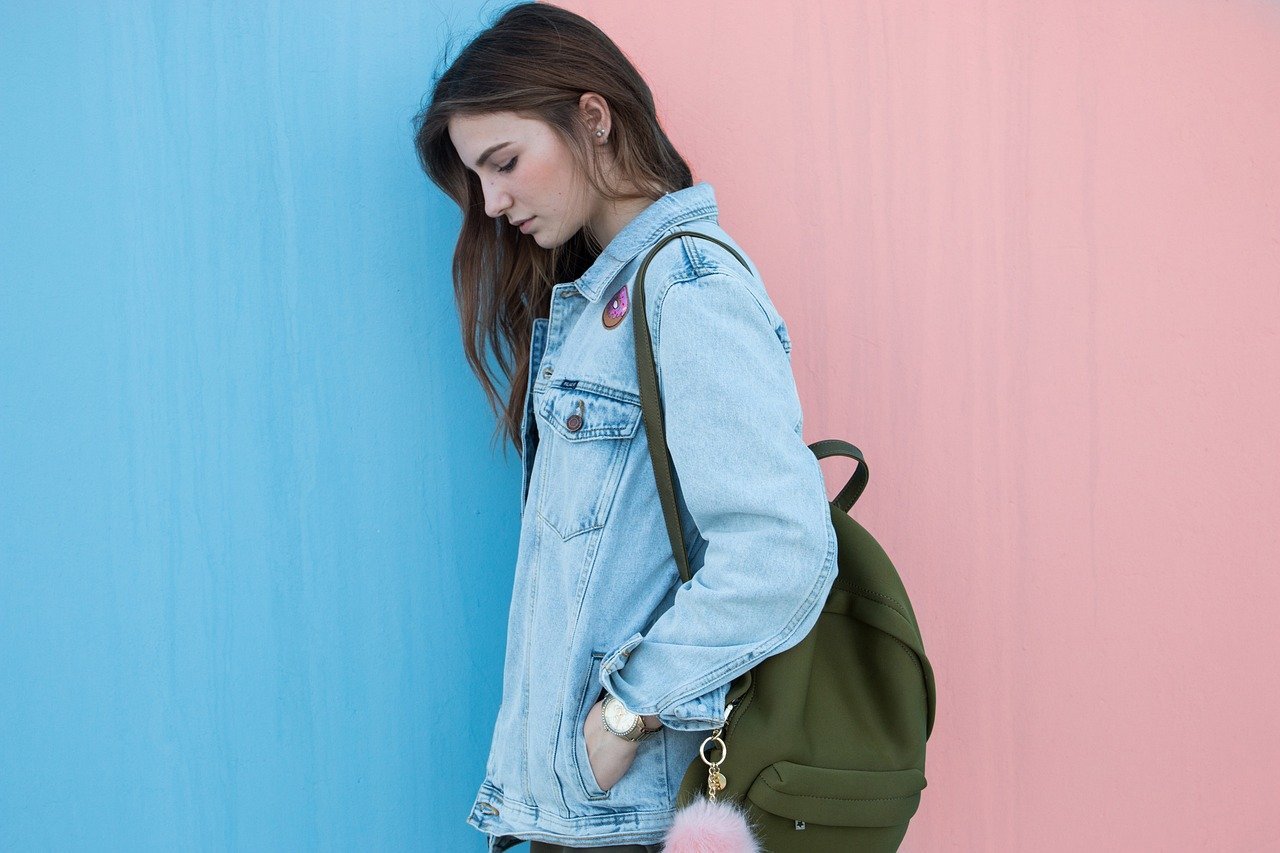
Levi Strauss offered denim jackets alongside pants in the 1880s for laborers, booming in 1950s youth culture.[1] Rivets added toughness.
Throws over dresses or hoodies for instant cool. Fades personalize over time. Versatile blues fit every season.[23]
Sturdy builds last lifetimes.
A-Line Dress
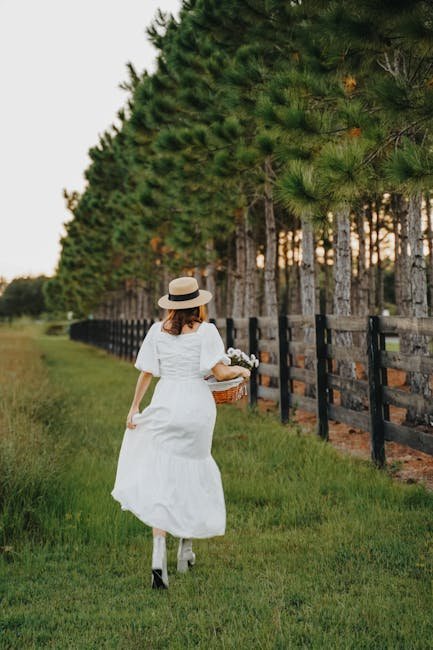
Dior launched the A-line in 1955, flaring from bust to hem like the letter A.[24] It echoed 1950s femininity.
Skims curves without clinging, suiting varied figures. Knee-length versions work day to night. Cotton or wool adapts to weather.[25]
Cable-Knit Sweater
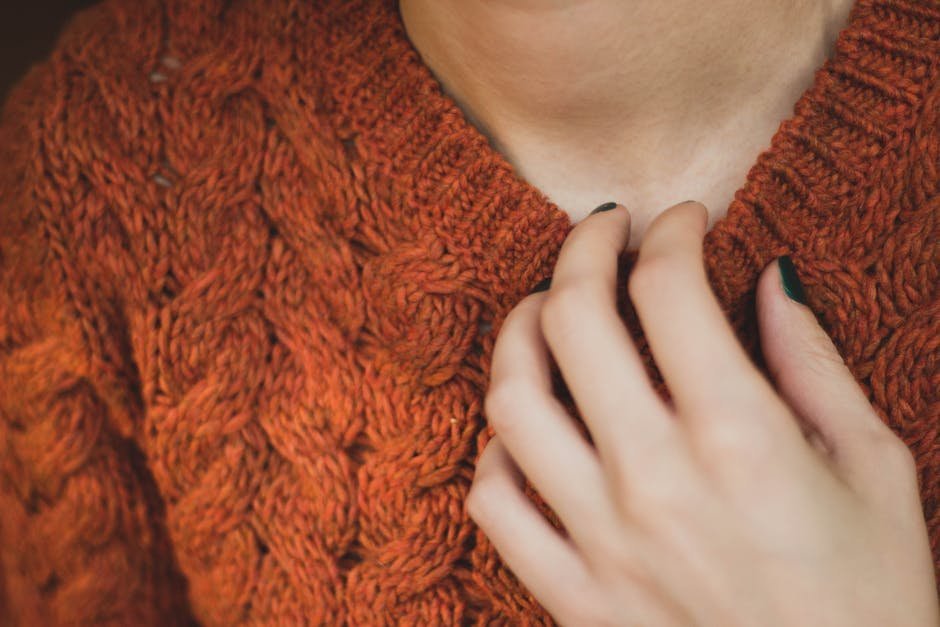
Aran Islanders crafted cable knits in the early 1900s from fishing lore, with intricate patterns for identity.[26] Wool provided warmth.
Textural interest elevates basics, cozy over jeans. Cream or navy evokes seaside charm. Handmade quality endures.[27]
Layers smartly for transitions.
Classic Loafers
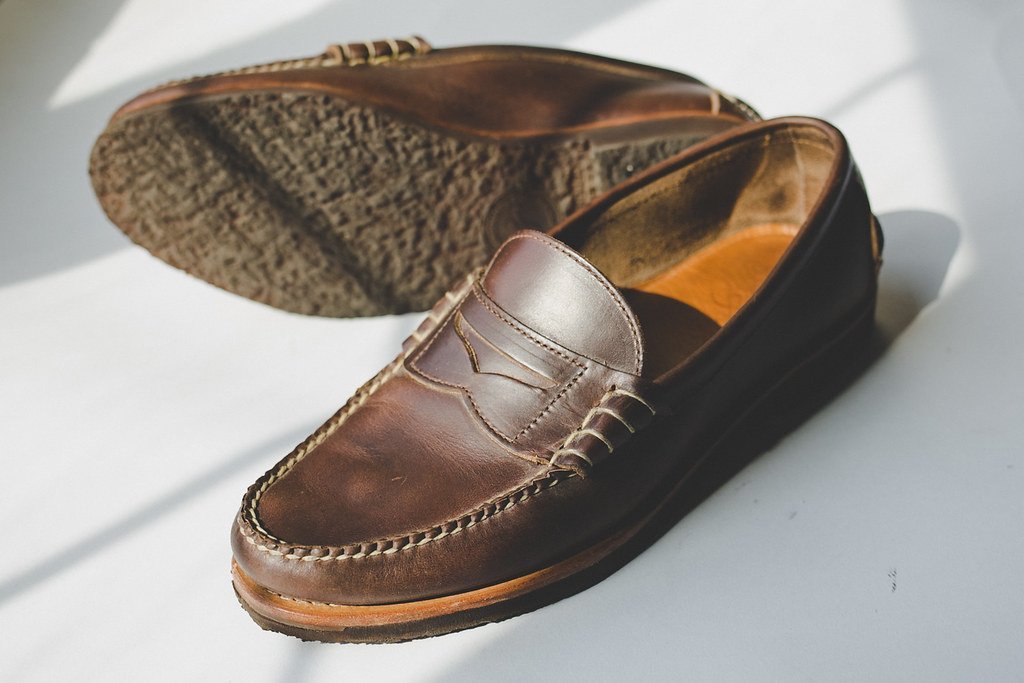
G.H. Bass introduced penny loafers in 1936, inspired by Norwegian moccasins.[28] Ivy League adopted them swiftly.
Slip-on ease pairs with skirts or chinos smartly. Leather patinas handsomely. Tassel or plain styles refresh looks.[29]
Silk Scarf
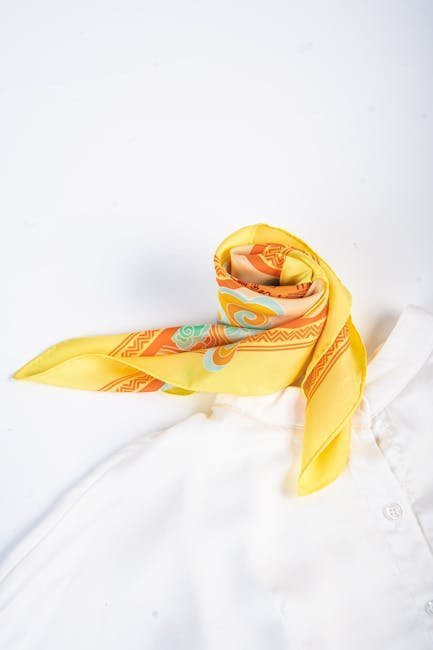
Ancient Chinese wove silk scarves, but Hermes popularized squares in the 1930s.[24] Versatile tying emerged.
Ties hair, bags, or necks for pop. Lightweight folds small for travel. Patterns add personality subtly.[25]
Elevates everyday quietly.
The Lasting Charm of Timeless Pieces
These 15 items prove fashion’s best endures through adaptability and craft. They form wardrobe cores, mixing seamlessly.
Choose quality over quantity for pieces that evolve with you. In 2026’s flux, such staples ground personal style enduringly.

- 12 Classic TV Shows With Shocking Behind-the-Scenes Dramas You Never Knew - September 10, 2026
- 10 Novels That Were Initially Dismissed, Only to Become Timeless Masterpieces - September 10, 2026
- The ’80s Were a Wild Ride of Style and Sound That Changed Everything - September 10, 2026

