

- The 20 Musicians Who Said No to Fame - September 21, 2026
- 20 Novels You’ll Think About Every Time You Travel - September 21, 2026
- 15 Festivals Happening This June You’ll Wish You Knew About Sooner - September 21, 2026
Travel once meant days or weeks on foot or horseback, limited by muscle power and weather. Technological leaps turned that into hours across continents, sparking trade, migration, and cultural exchange. These shifts did more than speed up movement; they redrew maps of human interaction.
From steam engines to jetliners, each breakthrough built on the last. Society adapted, economies boomed, and borders blurred. The story unfolds in clear stages, each with its signature method and lasting ripple effects.[1]
Ancient Foundations: Walking, Animals, and Early Boats
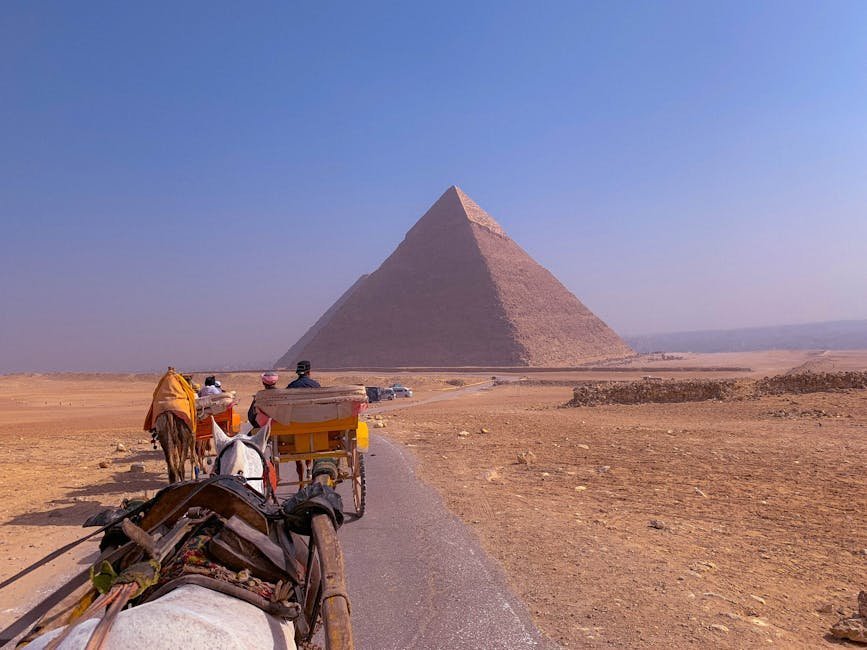
Before machines, humans relied on their feet, pack animals like horses and oxen, and simple rafts or sailing vessels. Journeys covered short distances at a walking pace, often tied to trade routes or migrations. These methods fostered early civilizations along rivers and coasts.
Impacts rippled through society as shared paths built the first networks for goods and ideas. Domesticated animals extended reach, enabling empires like the Romans to span continents. Still, travel stayed local and risky, shaping clustered communities.[2]
Steam Power Unleashed: Railways and Steamships in the 19th Century
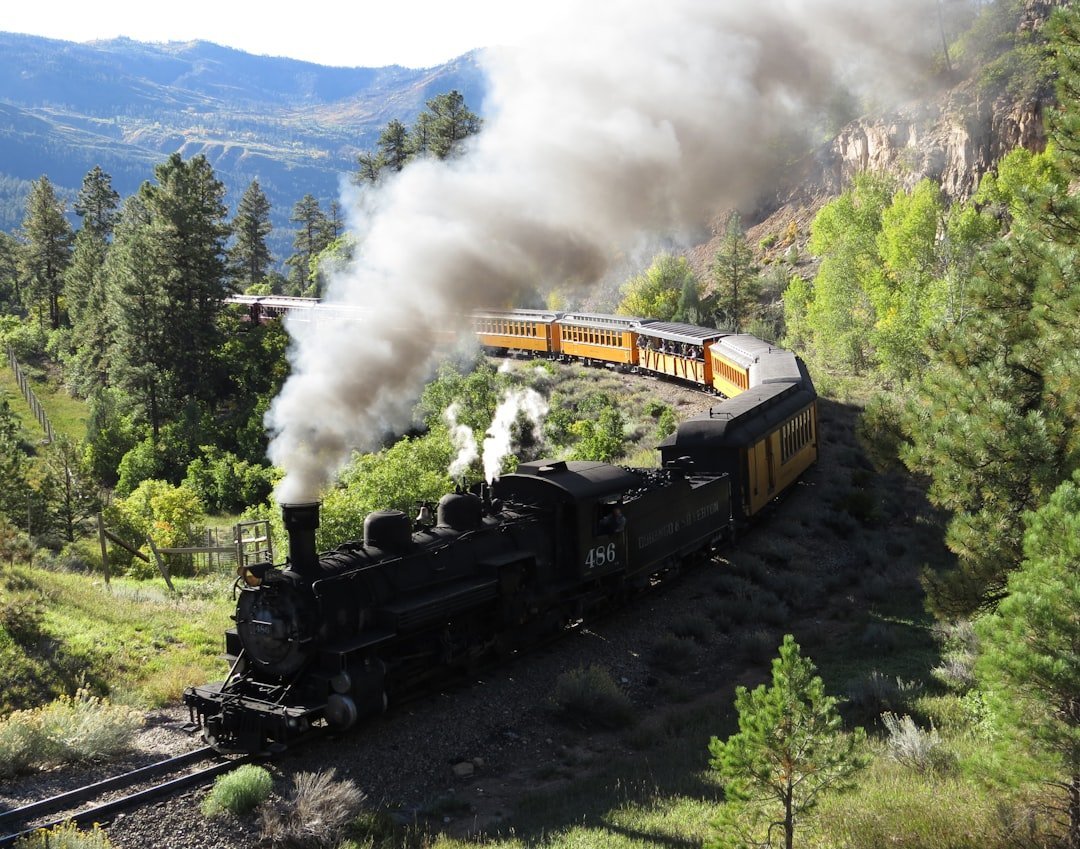
The Industrial Revolution brought steam engines, powering locomotives and ocean-crossing ships from the early 1800s. Railways webbed nations, slashing travel times from weeks to days. Steamships conquered seas, linking Europe to the Americas reliably.
Economies surged as raw materials flowed faster to factories and markets. Urban centers exploded with workers drawn by jobs. This era kickstarted global trade volumes, though it demanded massive infrastructure like canals and tracks.[3]
Socially, it mixed populations, spreading innovations and tensions alike.
Personal Mobility: The Automobile Age Begins
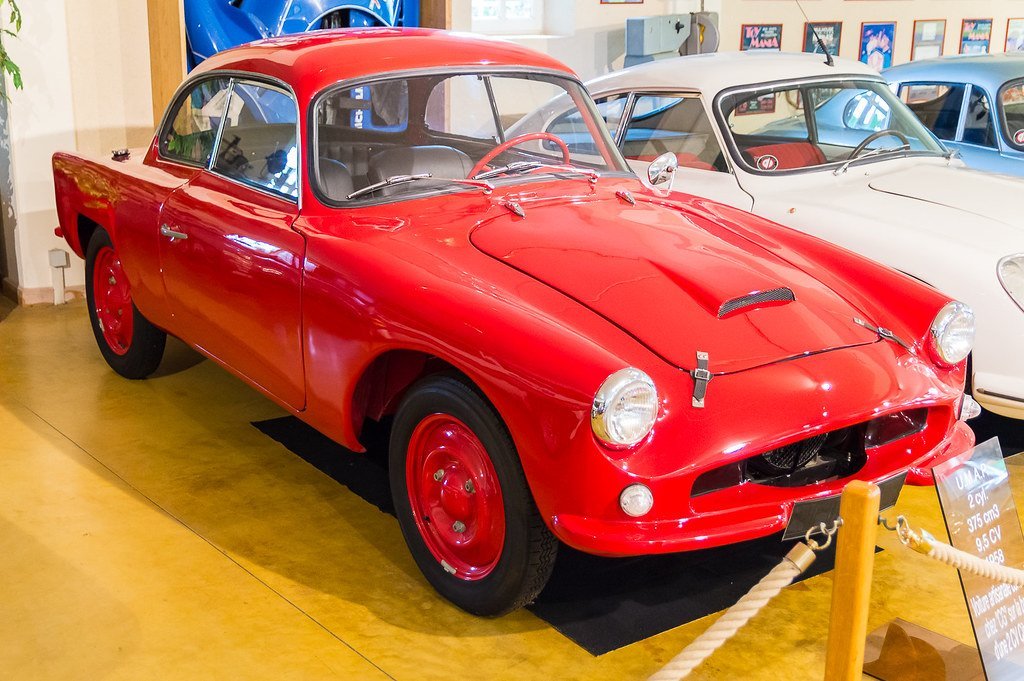
By the early 1900s, gasoline engines birthed affordable cars and trucks. Henry Ford’s assembly line made vehicles commonplace by the 1920s. Roads multiplied, freeing people from fixed rail schedules.
Suburbs sprouted as families drove to work and leisure spots. Road trips defined freedom, boosting tourism and retail. Yet congestion and pollution emerged as side effects of this independence.
Globally, cars unified rural areas with cities, altering land use forever.[4]
Aviation Takes Flight: Early Planes and Propellers
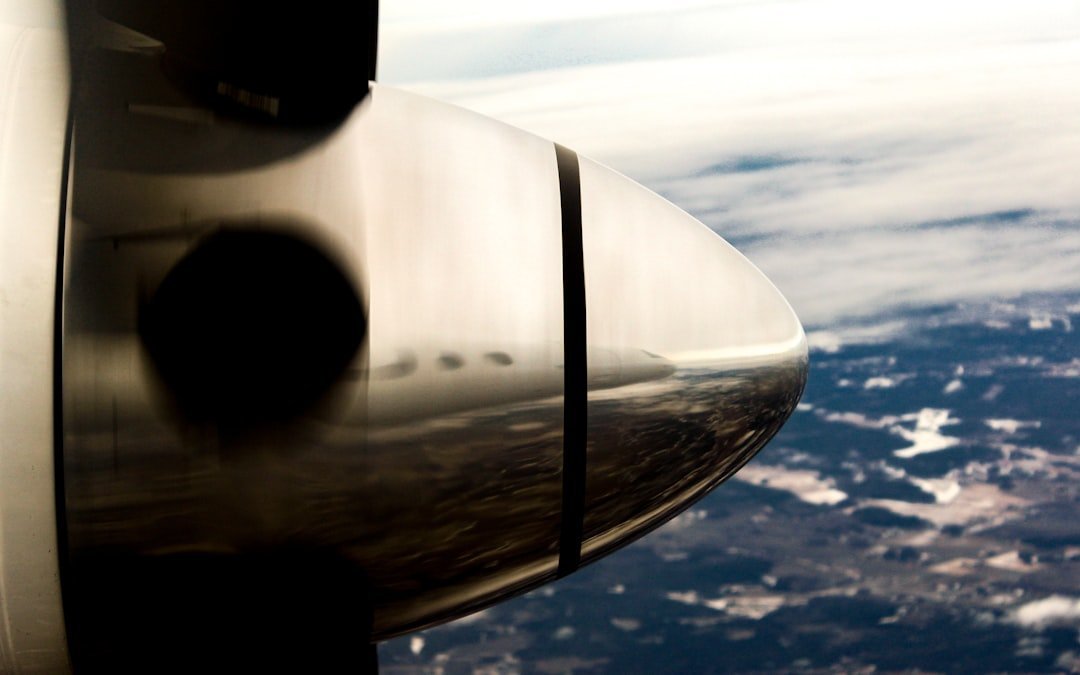
Commercial flights started in the 1920s with propeller planes, mostly for mail and elites. Post-WWII, piston engines carried passengers across regions. Speeds hit hundreds of miles per hour, a leap from cars.
Business travel boomed, knitting companies worldwide. Remote areas gained access, spurring development. Safety improved steadily, though early rides felt bumpy and noisy.
This opened skies to ordinary folk by mid-century, hinting at mass connectivity.[5]
The Jet Era: Democratizing Long-Haul Travel
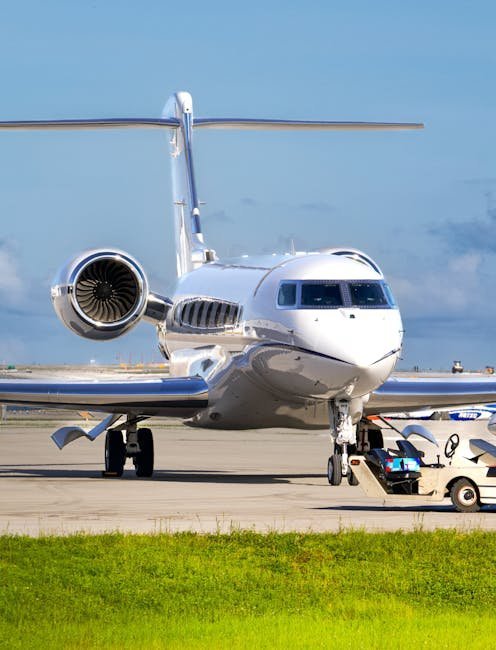
Jets arrived in the 1950s, crossing oceans in hours instead of days. Deregulation in the 1970s slashed fares, filling seats with vacationers. Airlines like Pan Am set the pace for glamourous yet accessible flights.
Tourism exploded, with millions discovering beaches and landmarks yearly. Cultures blended through exchanged visitors and foods. Supply chains tightened, delivering fresh goods worldwide.
By the 1980s, air hubs like Atlanta pulsed as global nerve centers.[6]
Digital Speed and Sustainability: 21st Century Shifts
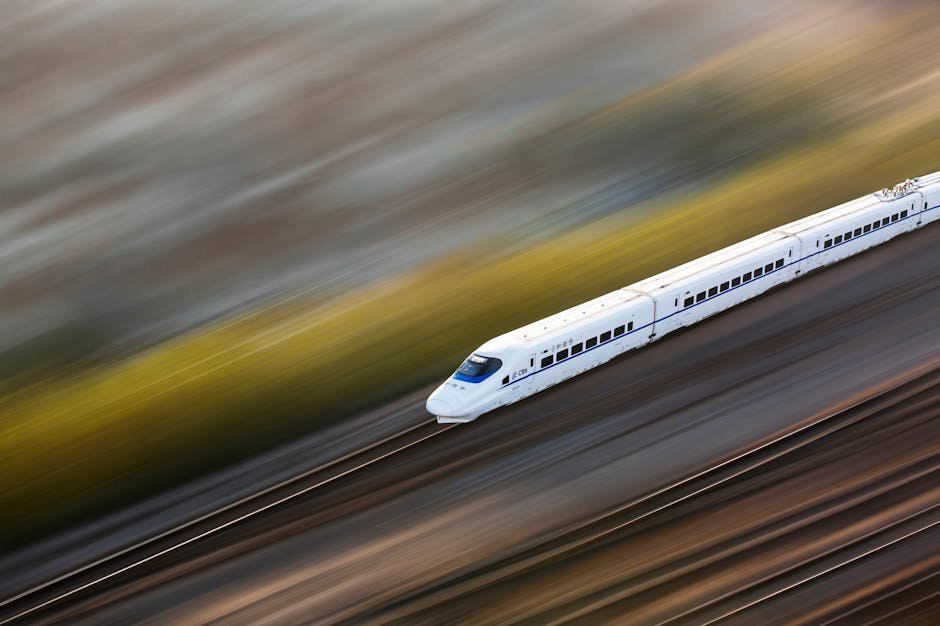
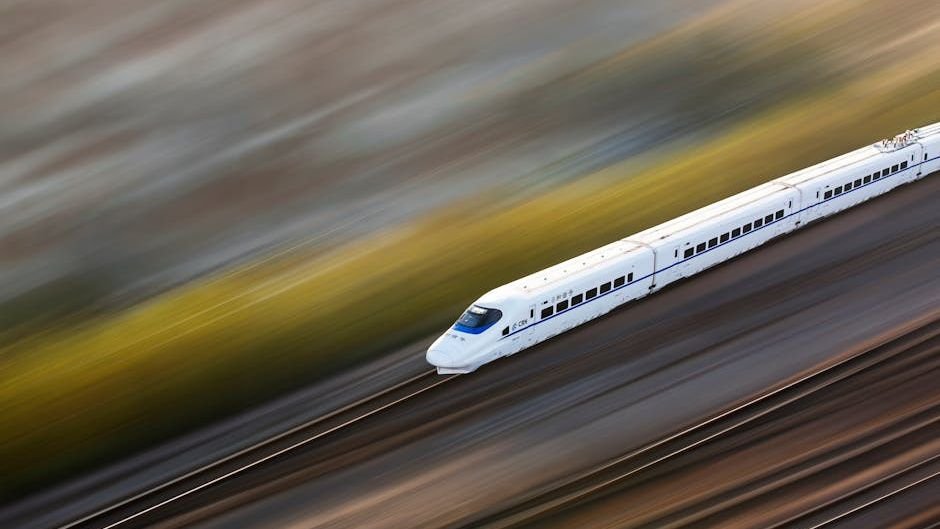
High-speed rails like Japan’s Shinkansen and Europe’s TGV hit 200 mph by the 2000s. Apps and budget carriers made planning instant. Electric vehicles and hyperloops promise greener paths.
Pandemics nudged remote work, but travel rebounded stronger. Ride-shares and cruises cater to niches. Connectivity now blends physical speed with virtual links.
Impacts include overtourism strains, yet deeper cultural empathy grows.[7]
Globalization Forged in Motion
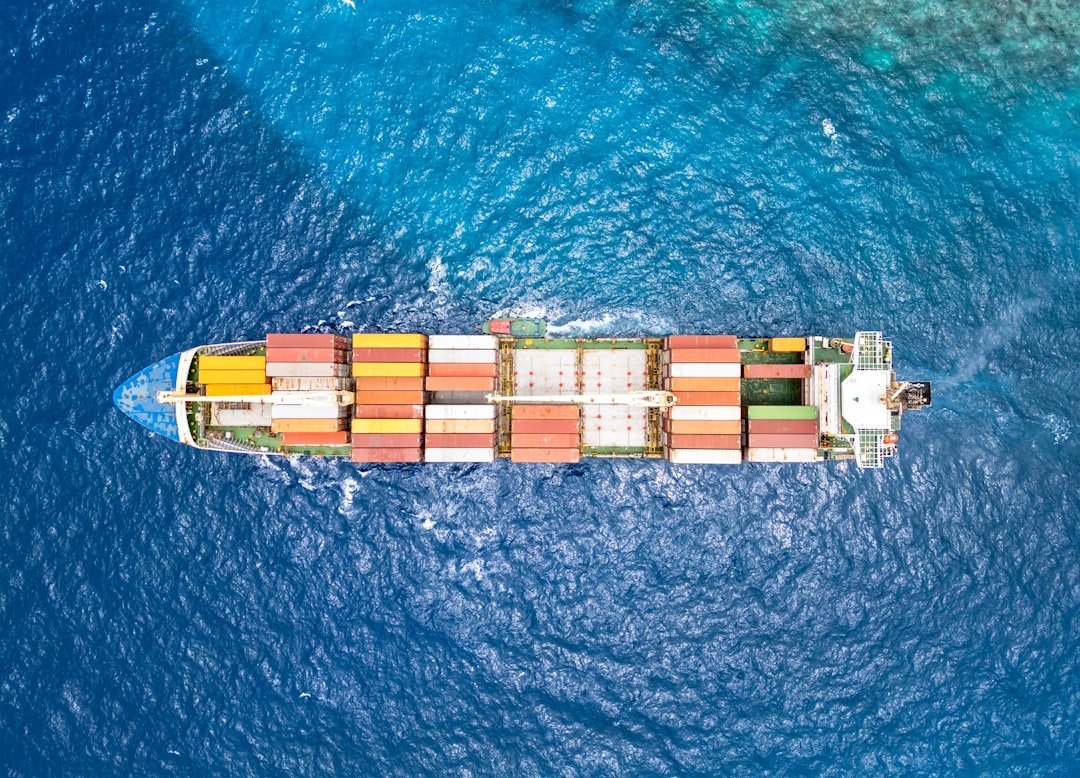
These stages converged to make the world feel smaller, with ideas and goods zipping borders. Trade volumes soared, lifting billions from poverty. Cultures hybridize, from fusion cuisines to shared media.
Challenges like emissions loom, pushing sustainable innovations. Travel’s legacy endures in our intertwined lives. In the end, motion defines connection.
CEO-Co-Founder
