
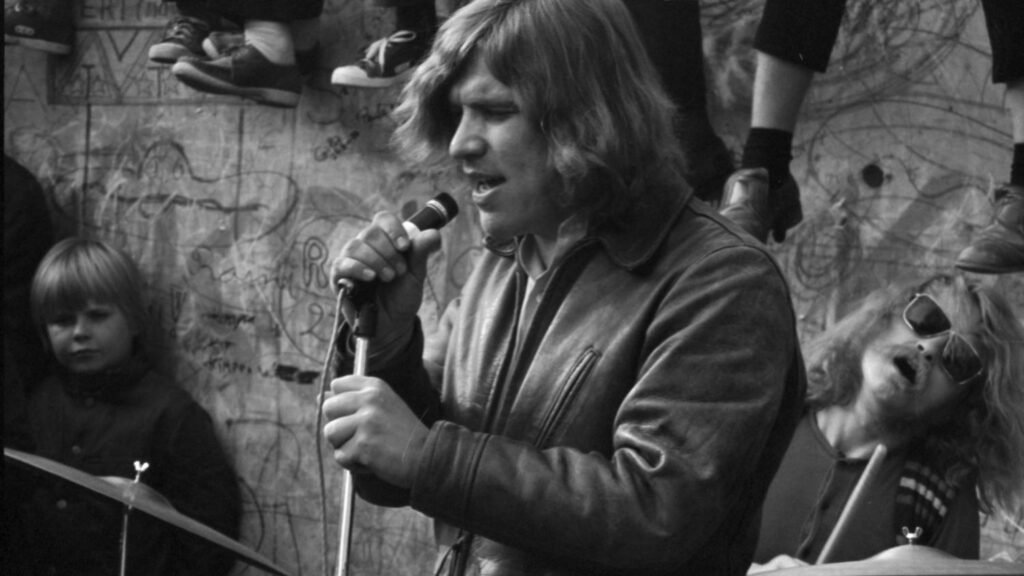
Music festivals started as niche gatherings in the mid-20th century, drawing crowds for jazz and folk acts. Over decades, they exploded into massive, multi-day spectacles blending music, art, and community. Today, millions flock to these events yearly, turning them into economic powerhouses and cultural touchstones.[1][2]
This growth mirrors shifts in society, technology, and music itself. What began as countercultural escapes evolved into polished, global experiences. Festivals now define live entertainment for generations.
The 1960s: Counterculture Takes the Stage
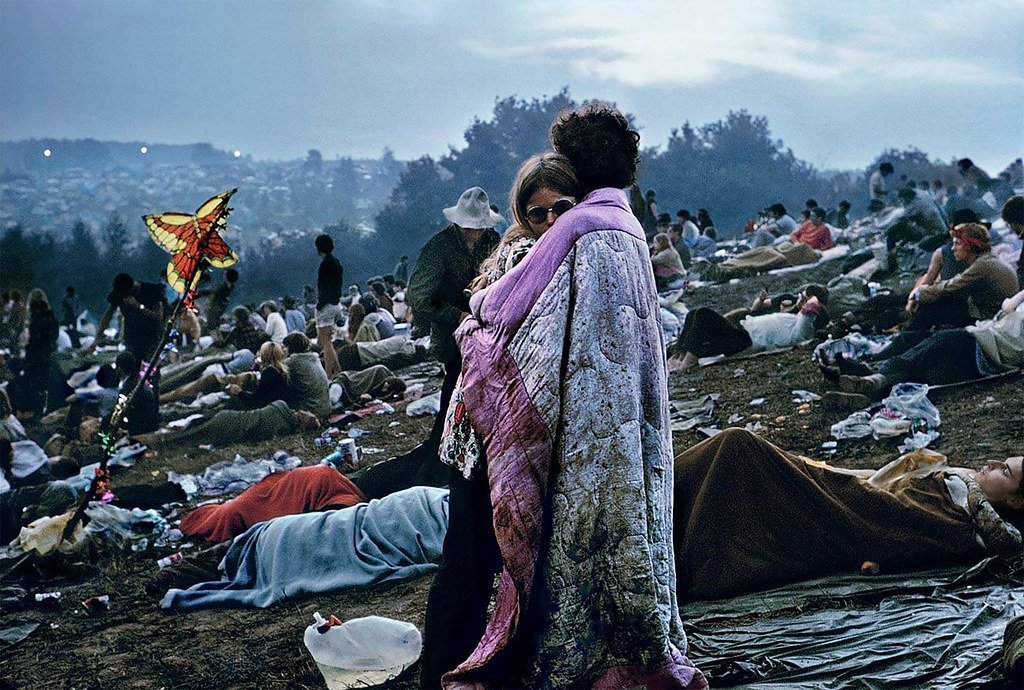
The 1960s marked the birth of modern rock festivals amid a youth-driven rebellion. Monterey International Pop Festival in 1967 showcased Jimi Hendrix and Janis Joplin, drawing huge crowds to California’s coast. Woodstock followed in 1969, swelling to half a million attendees on a New York farm despite chaotic conditions.[2][3]
These events embodied peace, love, and communal living, fueling the hippie movement. Drug use and free expression ran high, setting festivals apart from traditional concerts. Live music became a vessel for social change, reshaping how people connected through sound.[1]
The 1970s: Growth and Growing Pains
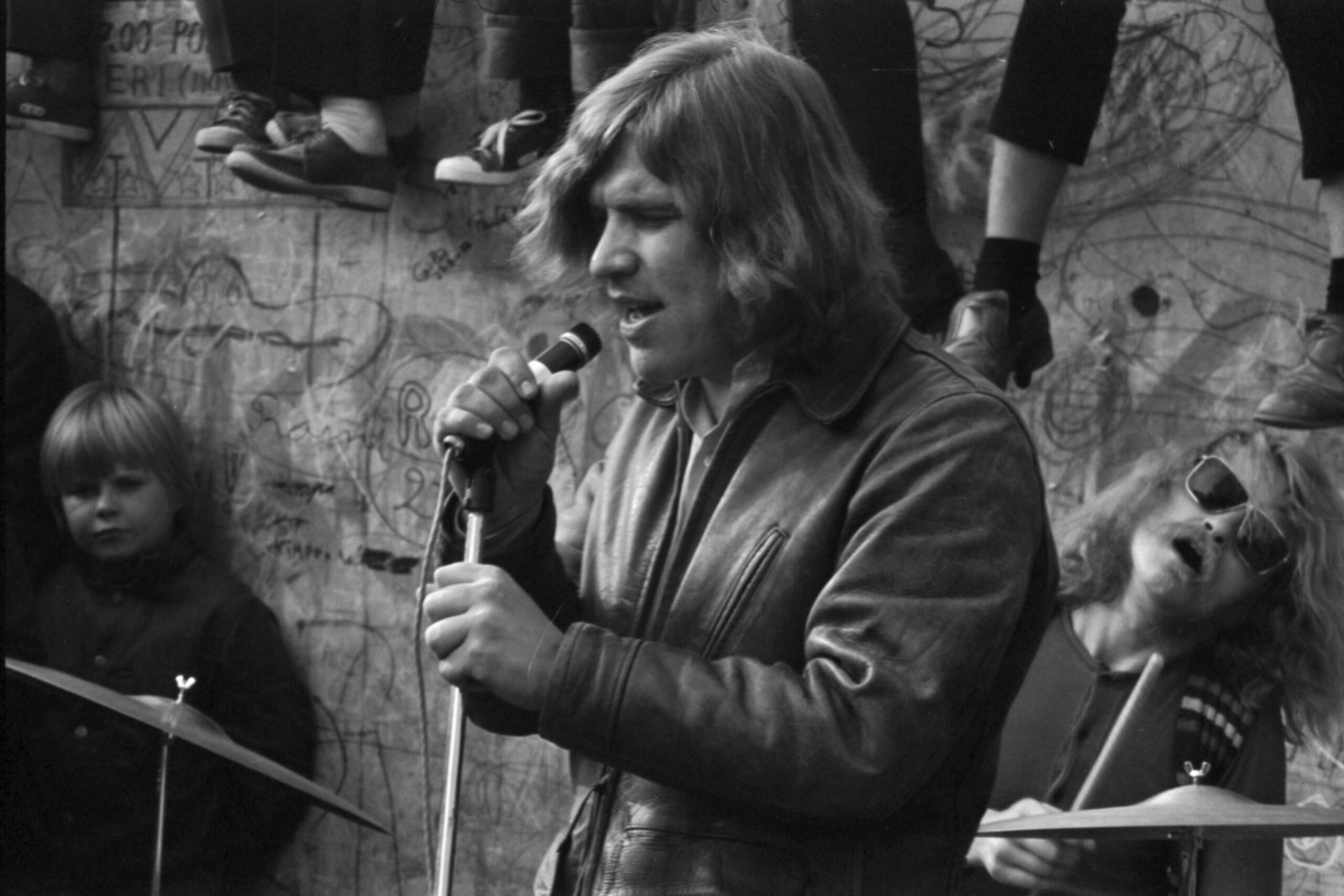
Festivals proliferated in the 1970s, blending rock with emerging genres. Glastonbury began humbly in 1970 on a Somerset farm, offering free milk alongside music. The Summer Jam at Watkins Glen in 1973 drew over 600,000 for Grateful Dead and Allman Brothers sets, outpacing Woodstock’s scale.[2]
New Orleans Jazz & Heritage Festival launched the same year, rooting events in regional traditions. Yet challenges like poor organization and tragedies tempered the boom. Culturally, festivals wove spirituality and activism into the mix, solidifying their role beyond mere performances.[1]
The 1980s and 1990s: Diversification Revives the Scene
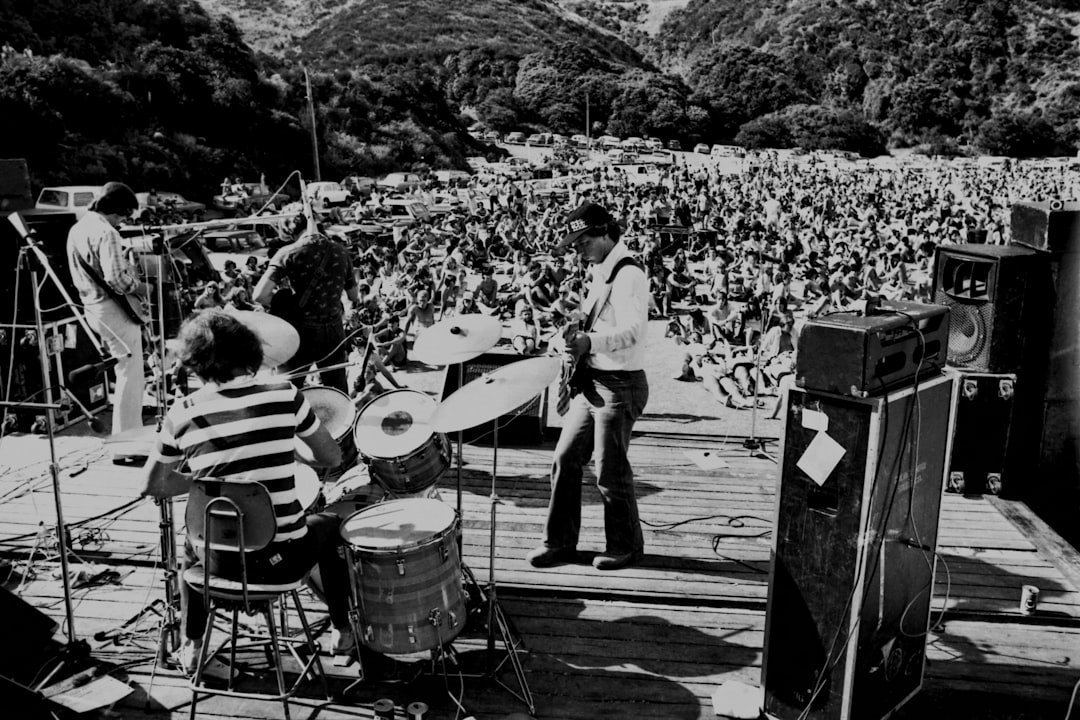
The 1980s saw benefit shows like Farm Aid in 1985 rally stars for causes. Lollapalooza debuted in 1991 as a touring alternative rock caravan, mixing punk, hip-hop, and activism. Coachella emerged in 1999 in the California desert, blending eclectic lineups with art installations.[2]
Glastonbury expanded with themed stages and TV broadcasts by the mid-1990s. These shifts reflected grunge and electronica’s rise, pulling in broader audiences. Festivals matured into institutionalized events, prioritizing safety and variety over raw chaos.[1]
Cultural focus turned to social commentary, with art and vendor areas enhancing immersion.
The 2000s: Commercialization Accelerates
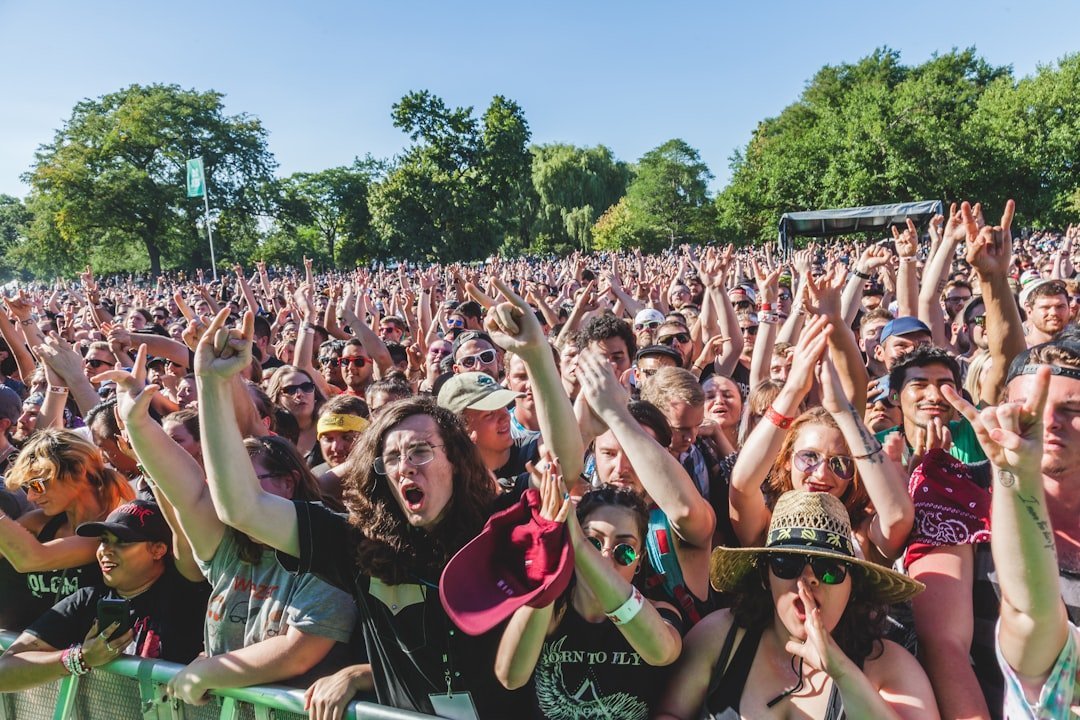
The 2000s brought polished productions and genre explosions. Bonnaroo started in 2002, echoing Woodstock vibes with jam bands and diverse acts. Electric Daisy Carnival rose with EDM, transforming nights into visual spectacles.[1]
Attendance soared, with millions hitting U.S. festivals by decade’s end. Ticket prices climbed, signaling a business shift. Live entertainment leaned into multi-day escapes, fostering temporary communities amid rising production values.[2]
The 2010s: Mega-Festivals Go Global
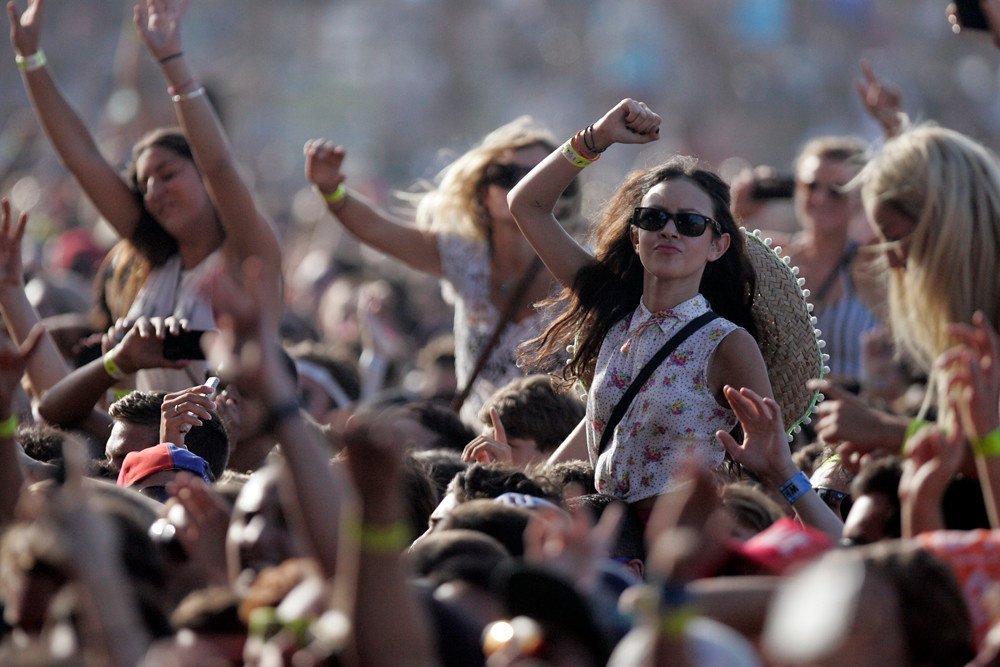
Mega-events dominated the 2010s, like Tomorrowland and Ultra drawing international crowds. Coachella became a fashion and influencer hub, with tickets hitting hundreds. EDC Las Vegas added pyrotechnics and art, peaking artistic ratings among attendees.[1]
Social media amplified hype, turning festivals into cultural exports. Genres diversified further, from hip-hop headliners to EDM anthems. Experiences emphasized sobriety options and wellness, taming earlier excesses while boosting attendance to record levels.[2]
The 2020s: Adaptation and Sustainability
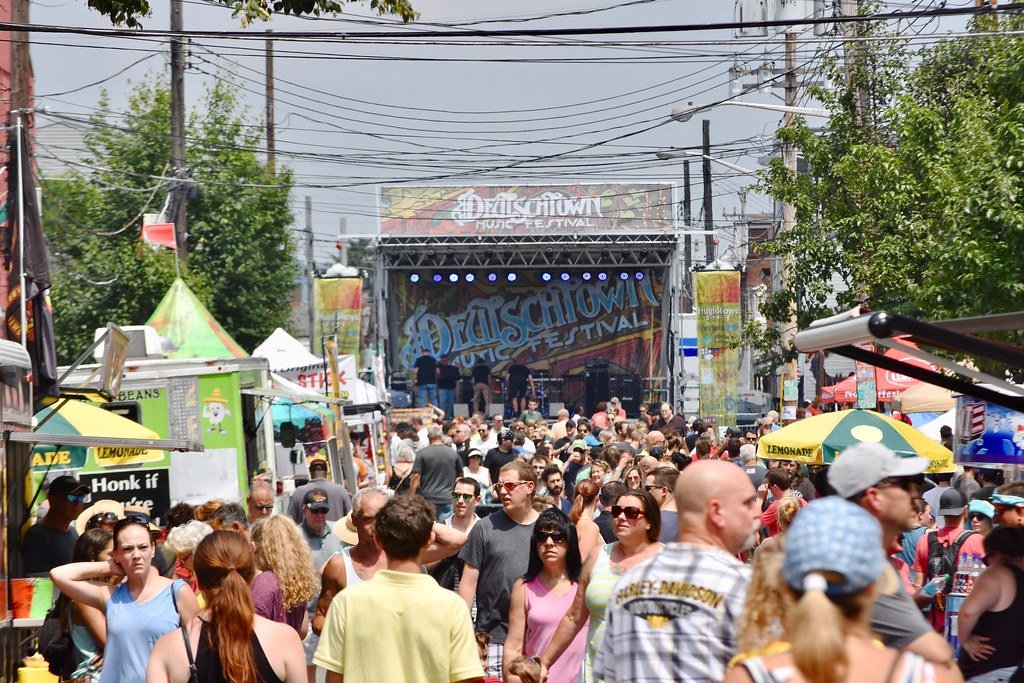
Pandemics tested festivals, yet they rebounded with safety protocols by 2022. Sustainability surged, with Glastonbury banning single-use plastics and others adopting eco-tech. Apps, VR streams, and AI scheduling enhanced access worldwide.[2]
Niche events like Lightning in a Bottle focused on wellness workshops. Economic impacts grew, spurring tourism and jobs. This era cements festivals as resilient hubs blending tradition with innovation.[1]
Festivals Reshape Music Experiences
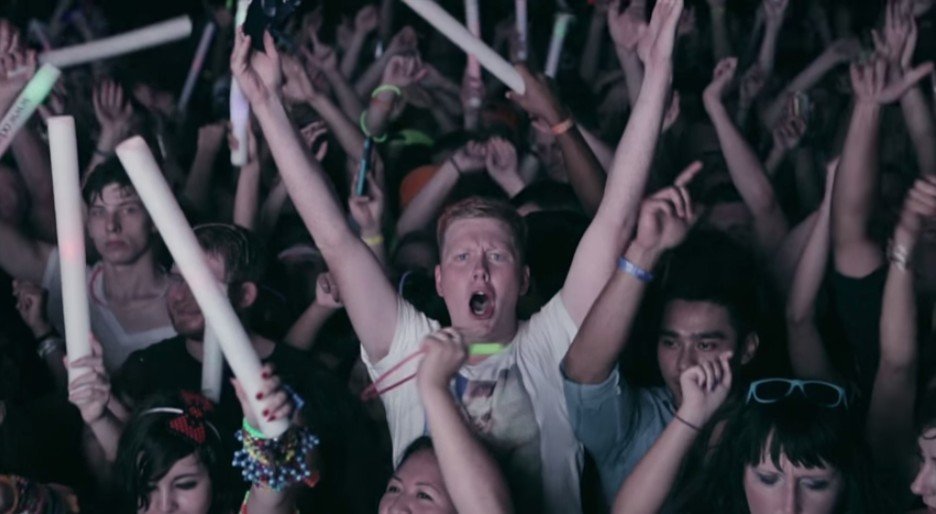
Festivals have evolved from muddy fields to immersive worlds, dictating live music’s future. They unite strangers, spark trends, and launch careers across genres. Amid tech and eco-challenges, their core endures: shared joy through sound.[3]
Live entertainment thrives on this transformation, proving festivals far more than concerts. They mirror our evolving world, one beat at a time.

- 12 Classic TV Shows With Shocking Behind-the-Scenes Dramas You Never Knew - September 10, 2026
- 10 Novels That Were Initially Dismissed, Only to Become Timeless Masterpieces - September 10, 2026
- The ’80s Were a Wild Ride of Style and Sound That Changed Everything - September 10, 2026

