
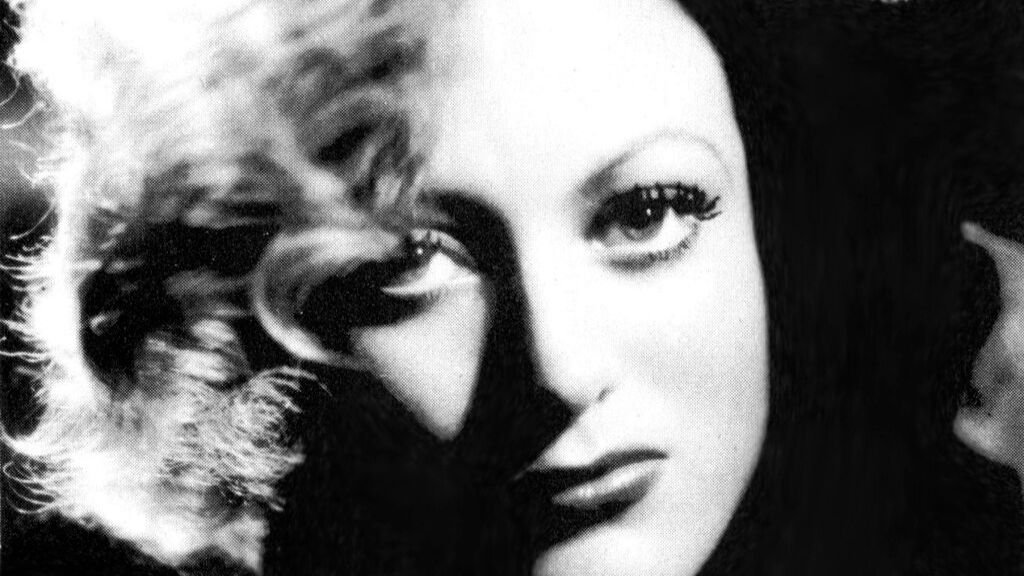
During Hollywood’s Golden Age, from the late 1920s through the 1950s, actresses emerged as central figures in the studio system’s glittering machine. They drove box office success, embodied glamour amid the Great Depression and World War II, and pushed boundaries in roles that ranged from fiery heroines to vulnerable icons. These women shaped cinema by blending raw talent with magnetic screen presence, turning films into cultural touchstones.[1]
Their influence extended beyond the screen. Actresses like those who topped lists from the American Film Institute defined eras of style, emotion, and storytelling that still resonate today.[2]
Greta Garbo
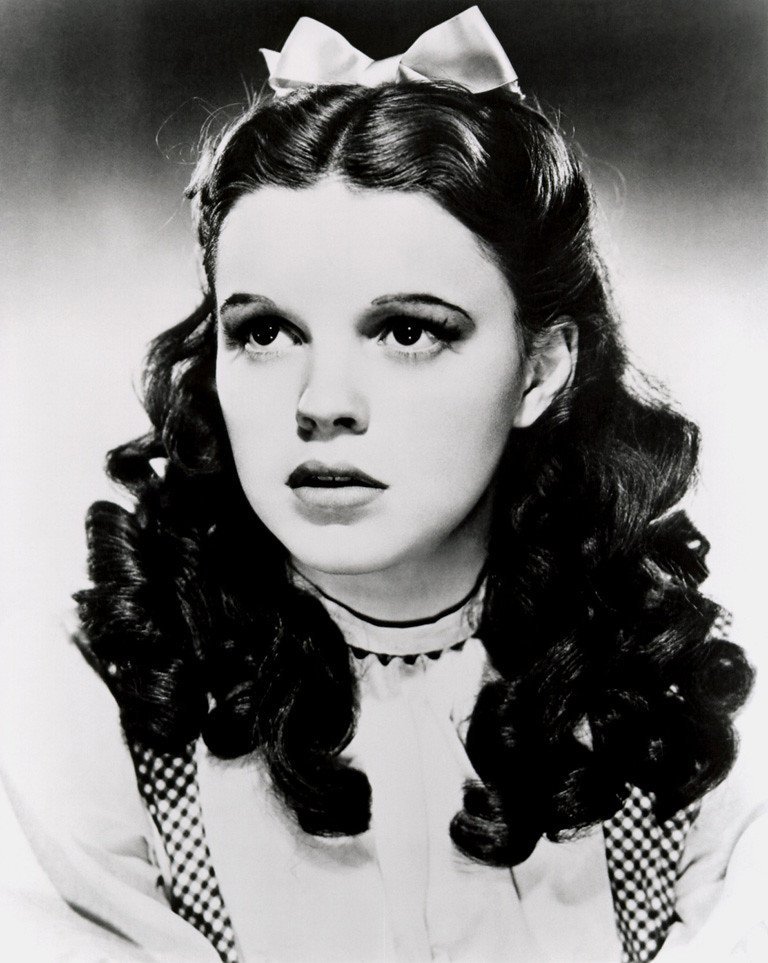
Greta Garbo rose to stardom in the late 1920s and dominated through the 1940s, a Swedish import who brought exotic mystery to MGM’s lineup. Her signature roles included the tragic queen in Queen Christina (1933) and the comedic spy in Ninotchka (1939), showcasing her shift from silent drama to talkies with effortless poise. She captivated audiences with her luminous beauty and emotional depth.
Garbo’s cultural impact lay in her reclusive persona, which fueled endless fascination and cemented her as a symbol of elusive glamour. Ranked fifth among AFI’s greatest female legends, she retired at her peak, leaving a legacy of films that explored love and isolation.[2][1] Her influence lingers in modern portrayals of enigmatic stars.
Joan Crawford
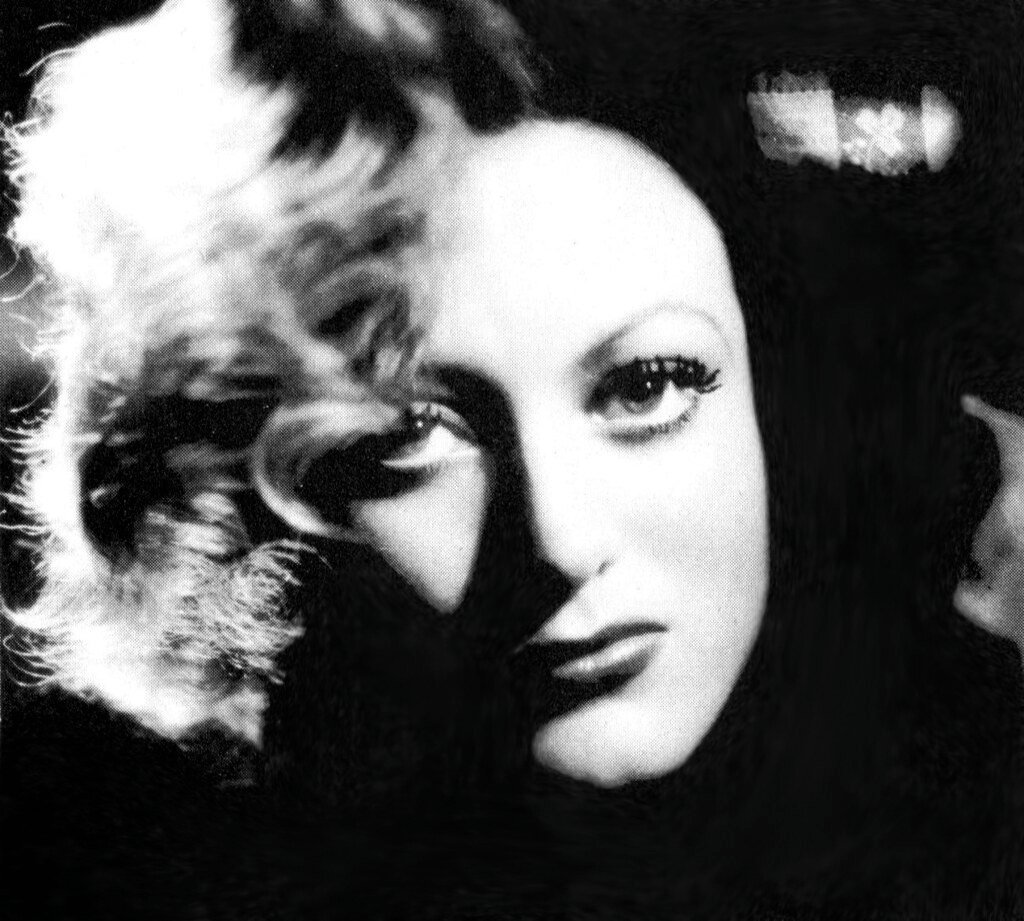
Joan Crawford’s era spanned the 1920s to the 1940s, evolving from flapper dancer to dramatic powerhouse at MGM and Warner Bros. Standout roles featured her as the resilient mother in Mildred Pierce (1945), earning an Oscar, and the ambitious executive in The Women (1939). She thrived in melodramas that highlighted fierce independence.
Crawford embodied the self-made woman’s grit, inspiring fans during tough economic times. As the tenth AFI female legend, her shoulder-pad style and work ethic influenced fashion and career women alike.[2][3] Her story of reinvention remains a blueprint for Hollywood survivors.
Bette Davis
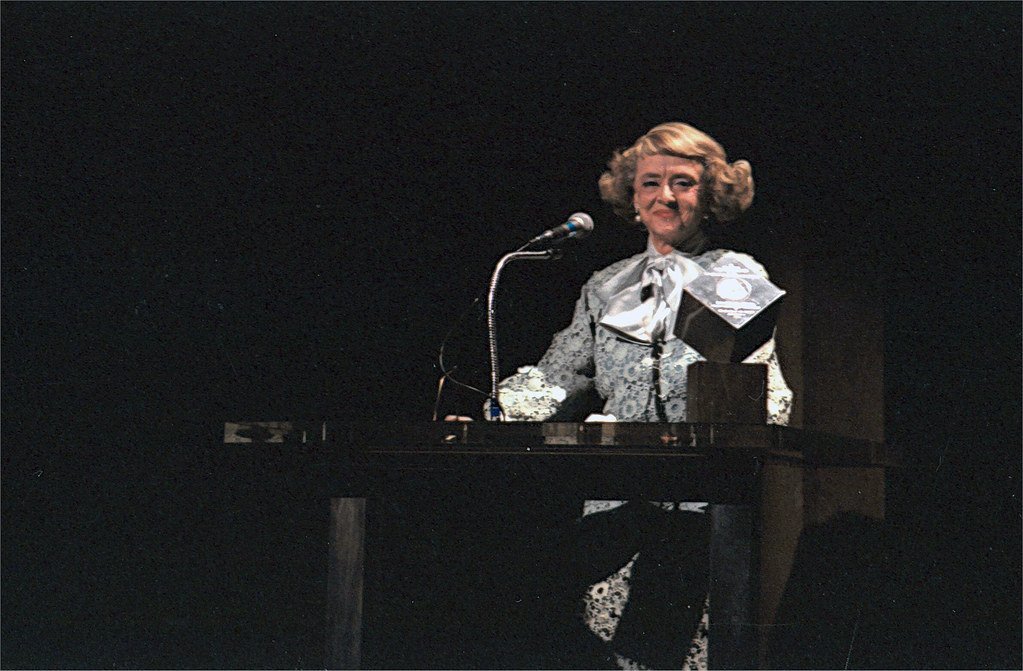
Bette Davis powered through the 1930s and 1940s, known for her bold choices at Warner Bros. that defied studio norms. Iconic turns included the vengeful Southern belle in Jezebel (1938) and the aging actress in All About Eve (1950), both Oscar winners. Her expressive eyes and sharp delivery set her apart in intense dramas.
Ranked second on AFI’s list, Davis broke ground as the first with ten Oscar nominations, championing complex female characters. She symbolized defiance against typecasting, paving the way for nuanced portrayals in cinema.[2][3] Her legacy endures in tributes to unyielding talent.
Katharine Hepburn
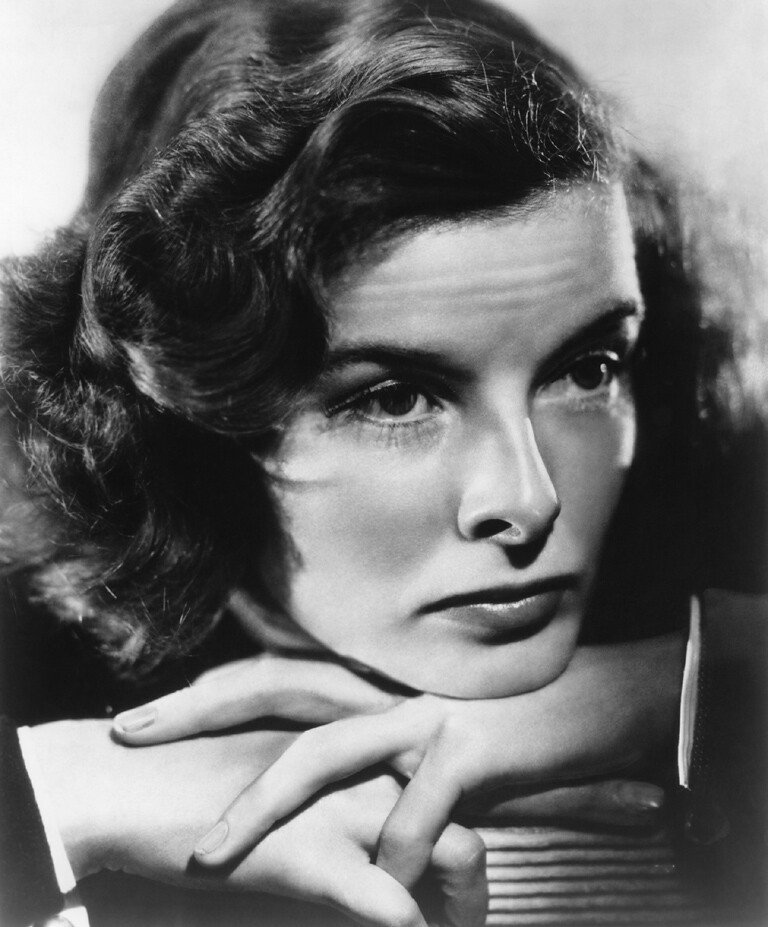
Katharine Hepburn defined the 1930s to 1950s with her patrician style and screwball comedy flair, active across six decades. Signature films like Bringing Up Baby (1938) and The Philadelphia Story (1940) highlighted her witty, trouser-wearing heroines. She won four Oscars, a record unmatched for years.
Topping AFI’s female legends, Hepburn represented the modern, independent woman who demanded equal footing with male stars. Her partnerships with Spencer Tracy and advocacy for creative control reshaped expectations for actresses.[2][4] She proved longevity through authenticity.
Ingrid Bergman
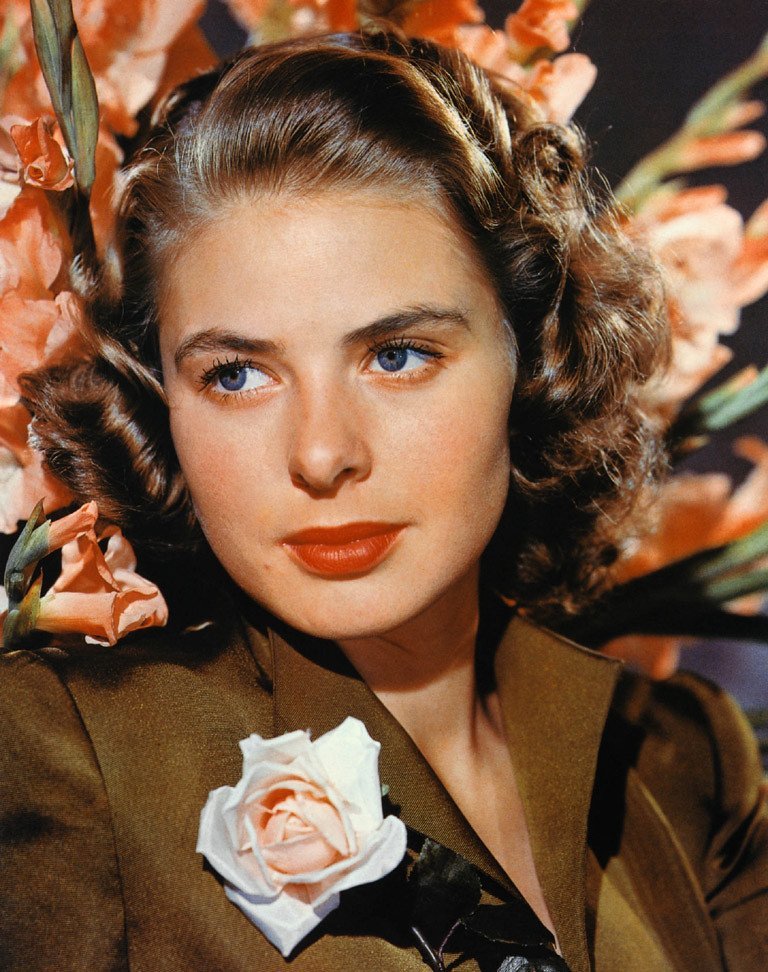
Ingrid Bergman lit up the 1940s with her natural beauty, transitioning from Swedish films to Hollywood stardom. Key roles encompassed Casablanca (1942) as the luminous Ilsa and Gaslight (1944), securing an Oscar. Her warmth shone in Hitchcock thrillers too.
Fourth on AFI’s list, Bergman’s scandalous affair briefly dimmed her career, yet she rebounded stronger. She symbolized wholesome allure amid wartime longing, influencing global views of Scandinavian elegance.[2] Her three Oscars affirm her timeless appeal.
Vivien Leigh
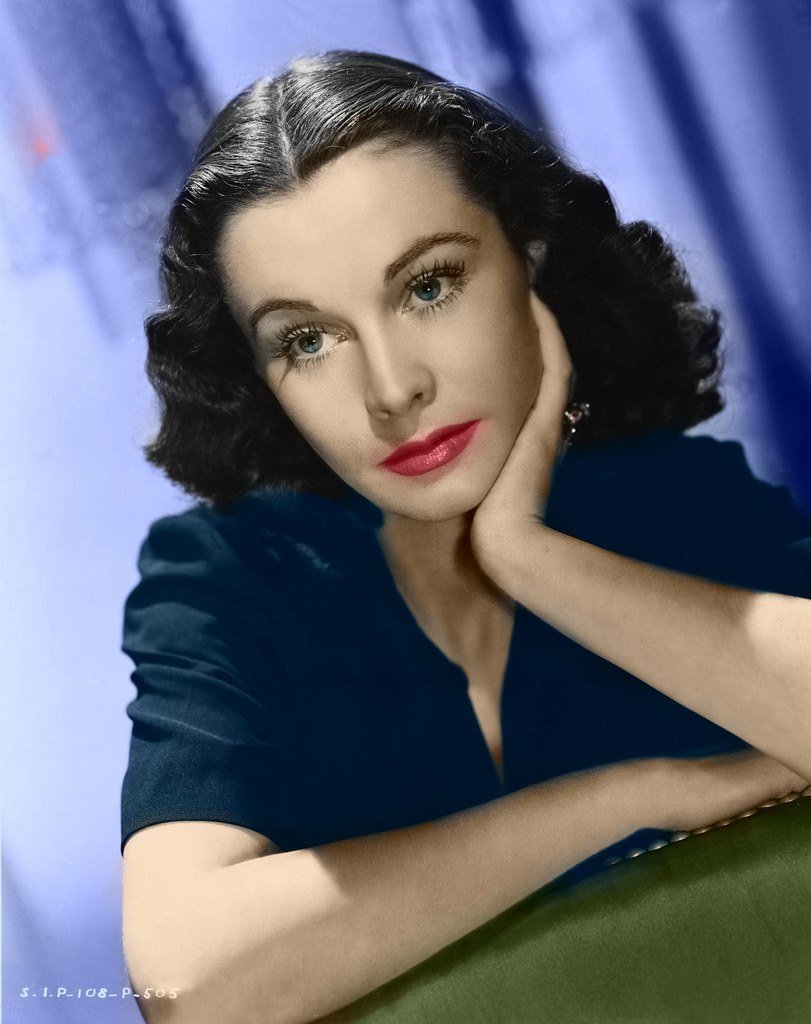
Vivien Leigh peaked in the late 1930s and 1950s, the British star who conquered Hollywood with theatrical prowess. She won Oscars for Scarlett O’Hara in Gone with the Wind (1939) and Blanche DuBois in A Streetcar Named Desire (1951). Her fragility masked fierce determination.
Leigh’s portrayals of tormented Southern belles captured the era’s emotional turbulence. Though health struggles cut her run short, she bridged stage and screen, inspiring dual-career ambitions.[3][4] Her poise remains a benchmark for dramatic intensity.
Rita Hayworth
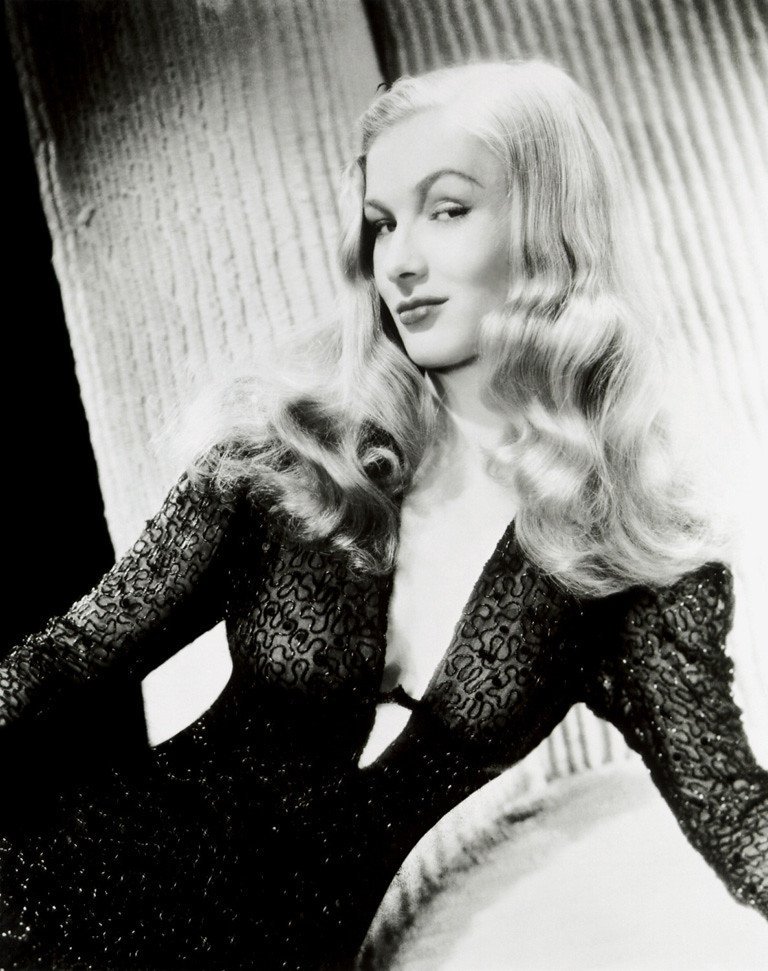
Rita Hayworth ruled the 1940s as Columbia’s “Love Goddess,” dancing into fame from dancehall roots. Films like Gilda (1946) and Only Angels Have Wings (1939) showcased her sultry charisma and athletic grace. She boosted morale as a WWII pin-up.
Hayworth’s red hair and sensuality redefined bombshell allure, appearing in over 60 films. Her openness about Alzheimer’s later funded research galas in her name.[1][4] She blended vulnerability with power enduringly.
Marilyn Monroe
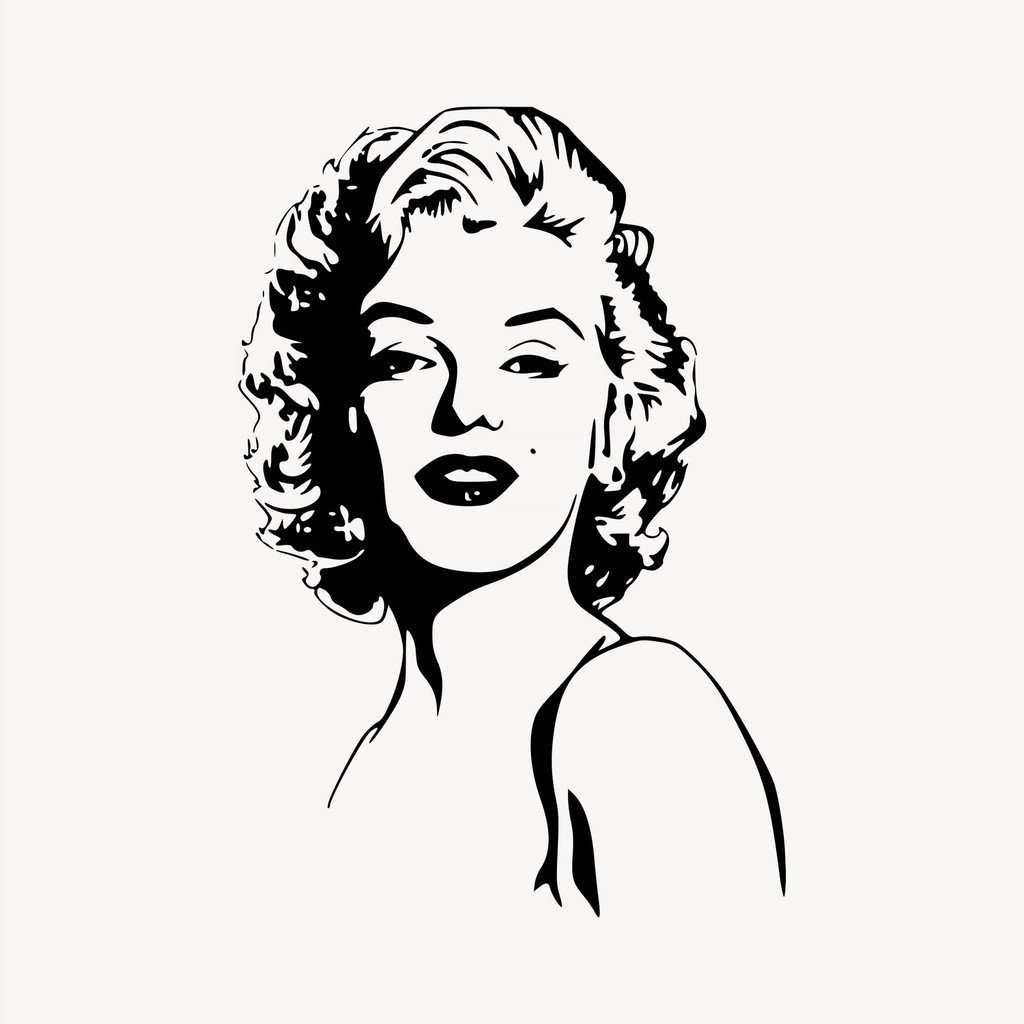
Marilyn Monroe exploded in the early 1950s, the ultimate blonde bombshell from modeling to stardom. Hits included Gentlemen Prefer Blondes (1953) and Some Like It Hot (1959), blending comedy with poignant vulnerability. Her breathy voice and curves mesmerized millions.
Sixth on AFI’s list, Monroe grossed billions adjusted for her films, embodying mid-century fantasy. Posthumously, her image adorns brands, marking pop culture immortality.[2][3] She humanized the sex symbol archetype.
Legacy of Classic Hollywood Stars
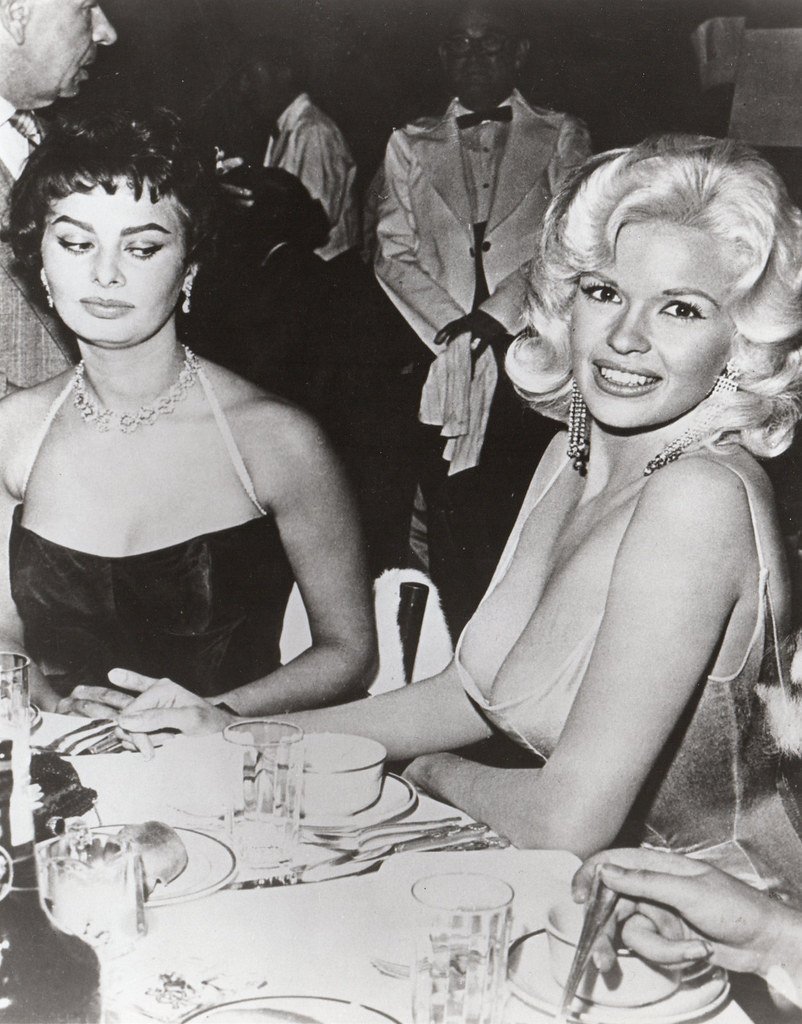
These leading ladies built Hollywood’s golden aura, their films drawing crowds and defining fashion, romance, and resilience. Facing studio contracts and societal limits, they carved paths for future generations, from independent producers to diverse roles.
Their stories remind us how cinema thrives on bold visions. In 2026, restorations and homages keep their spark alive, proving true icons never fade.[1]

- 12 Classic TV Shows With Shocking Behind-the-Scenes Dramas You Never Knew - September 10, 2026
- 10 Novels That Were Initially Dismissed, Only to Become Timeless Masterpieces - September 10, 2026
- The ’80s Were a Wild Ride of Style and Sound That Changed Everything - September 10, 2026

