

- The 20 Musicians Who Said No to Fame - September 21, 2026
- 20 Novels You’ll Think About Every Time You Travel - September 21, 2026
- 15 Festivals Happening This June You’ll Wish You Knew About Sooner - September 21, 2026
History often spotlights a handful of famous figures, leaving countless women in the shadows despite their profound influences. These heroines tackled barriers in science, activism, invention, and exploration, reshaping society in ways that echo today. Their stories reveal how overlooked efforts propelled breakthroughs we now take for granted.
From fossil hunters who unlocked Earth’s ancient past to inventors who laid groundwork for modern tech, these women faced dismissal yet persisted. Their contributions remind us that progress frequently stems from quiet determination rather than fanfare.
Mary Anning
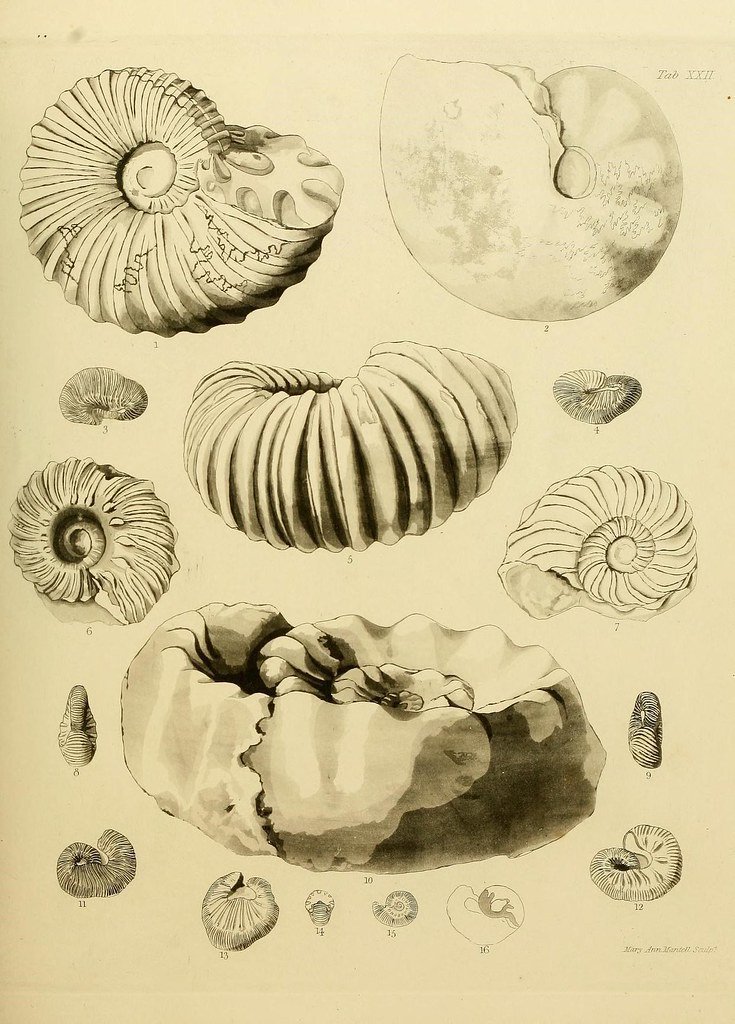
Born in 1799 along England’s Lyme Regis coast, Mary Anning grew up in poverty during the early 19th century. She hunted fossils as a child, selling them to support her family after her father’s early death. Her discoveries included the first complete ichthyosaur and plesiosaur skeletons, challenging prevailing views on extinction.[1]
Though professionals often took credit for her finds, Anning’s work helped establish paleontology as a science. Museums worldwide display her specimens, fueling our understanding of prehistoric life. Her legacy endures in the Jurassic Coast’s fossil record, inspiring generations of scientists.
Henrietta Lacks
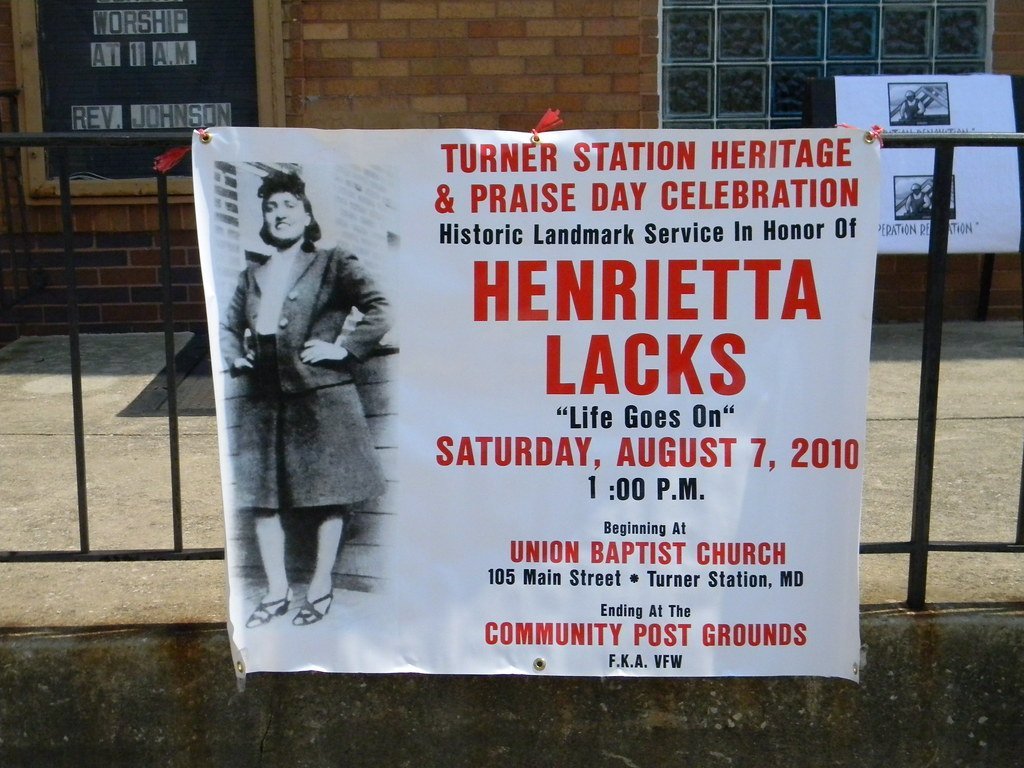
Henrietta Lacks lived in 20th-century America, a Black tobacco farmer from Virginia who moved to Baltimore. In 1951, doctors took cells from her cervical cancer tumor without consent during treatment. These HeLa cells became the first immortal human cell line, thriving indefinitely in labs.[2]
Researchers used HeLa for polio vaccines, cancer studies, and gene mapping, advancing medicine immeasurably. Her family’s later advocacy highlighted ethics in science, leading to consent policies. Today, HeLa cells underpin countless treatments, a testament to her unwitting global impact.
Hedy Lamarr
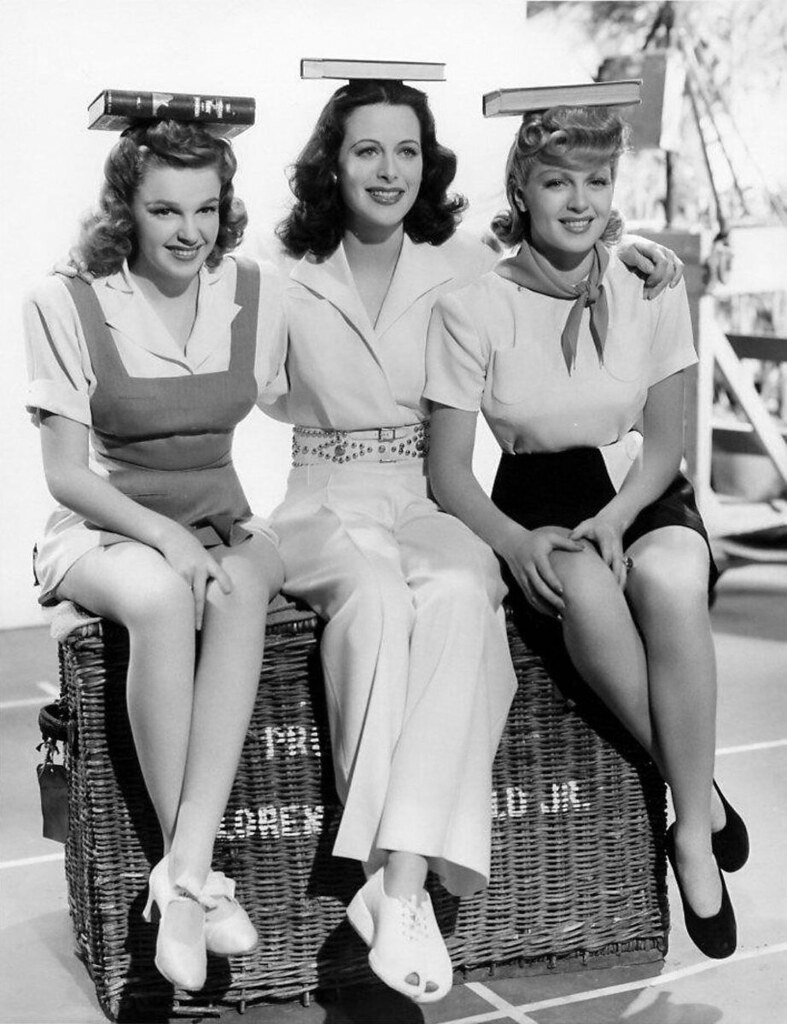
In the mid-20th century, Austrian-born Hedy Lamarr fled to Hollywood as an actress during World War II. Frustrated by war news, she collaborated with composer George Antheil on a frequency-hopping system to secure radio-guided torpedoes. Their 1942 patent mimicked piano keys jumping notes to avoid jamming.[3]
The military ignored it then, but the idea evolved into Wi-Fi, GPS, and Bluetooth technologies. Lamarr’s invention revolutionized wireless communication, powering our connected world. She proved glamour and genius could coexist, challenging stereotypes.
Alice Ball
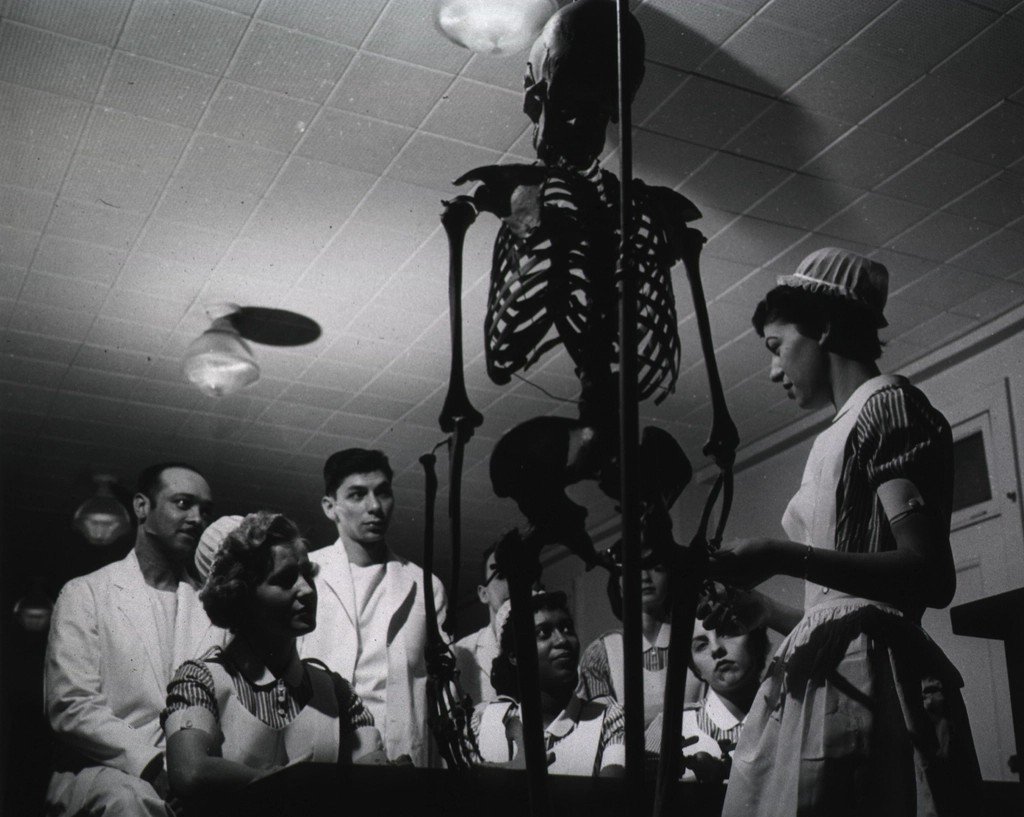
Alice Ball worked in the early 1900s as a chemist at the University of Hawaii. At just 23, she refined chaulmoogra oil into an injectable treatment for leprosy, known as the “Ball Method.” This broke the disease’s isolation stigma by allowing outpatient care.[4]
Her formula treated thousands until antibiotics arrived decades later. Ball died young from chlorine gas exposure, and a colleague claimed credit initially. Restored recognition affirms her role in saving lives and advancing dermatology.
Lise Meitner
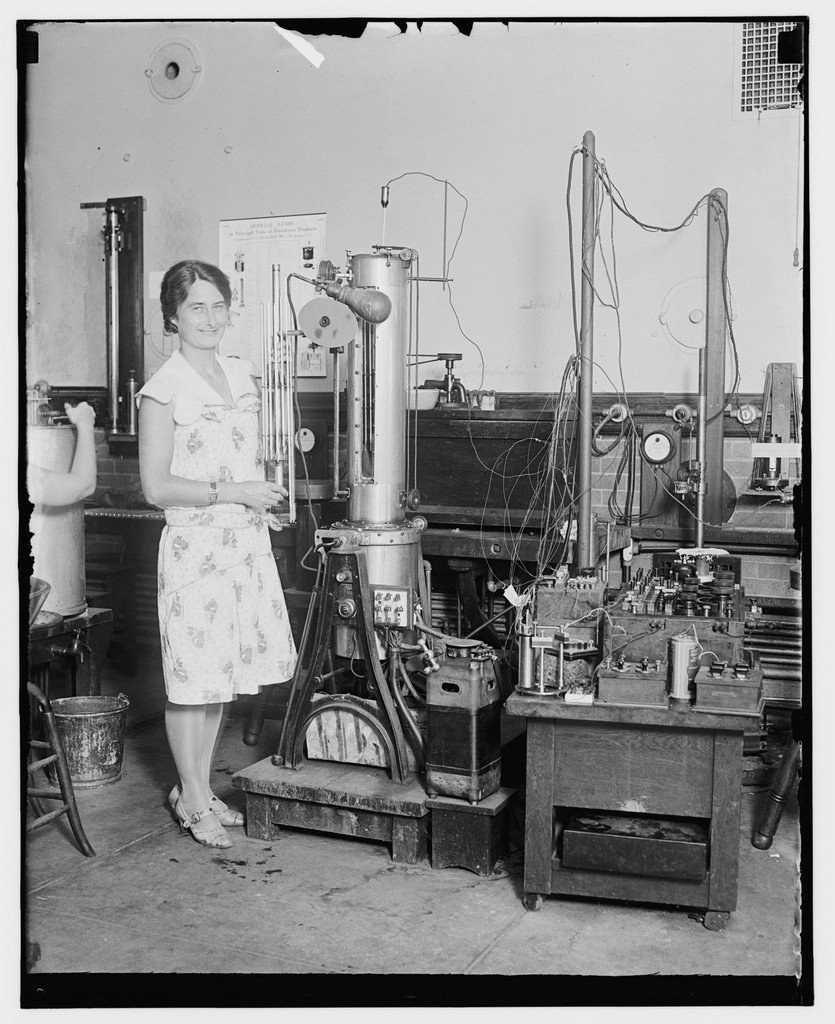
Lise Meitner, an Austrian physicist in the early 20th century, fled Nazi Germany in 1938. With colleagues, she theorized nuclear fission after experiments splitting uranium atoms. Her calculations explained the massive energy release, naming the process.[4]
Though Otto Hahn won the Nobel alone, Meitner’s insight birthed atomic energy and power plants. Element 109, meitnerium, honors her. Her work reshaped physics, fueling both progress and peril in the nuclear age.
Eunice Foote
Eunice Foote experimented in 1856 as an American scientist and women’s rights advocate. She filled glass cylinders with carbon dioxide, heated them in sunlight, and measured temperatures. Her paper showed CO2 trapped heat more than air, describing the greenhouse effect first.[4]
John Tyndall later replicated it, gaining credit. Foote’s insight underpins climate science today, warning of fossil fuel dangers. Her foresight urges ongoing environmental action.
Chien-Shiung Wu
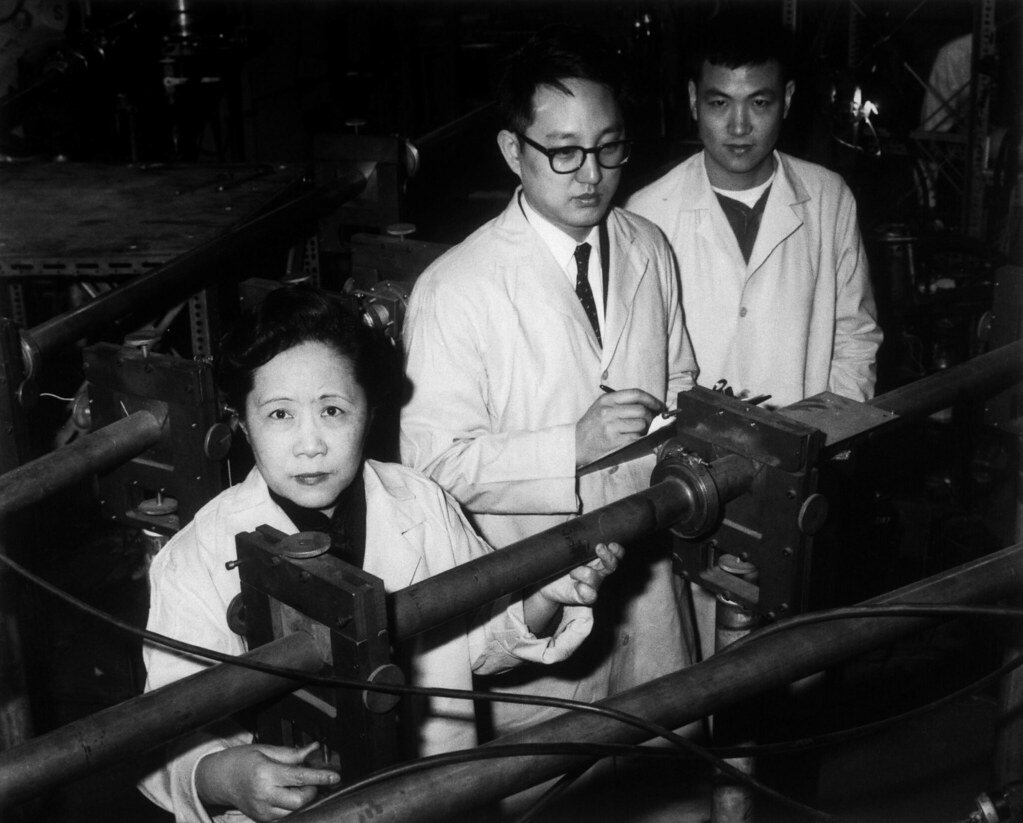
Chien-Shiung Wu, a Chinese-American physicist in the mid-20th century, worked on Manhattan Project uranium enrichment. In 1956, she disproved parity conservation in weak interactions via cobalt-60 beta decay experiments. This overturned a core physics law.[5]
Her male colleagues shared the Nobel, but Wu’s precision made it possible. The discovery advanced particle physics and electroweak theory. Asteroid 21087 Wu honors her enduring influence.
Claudette Colvin
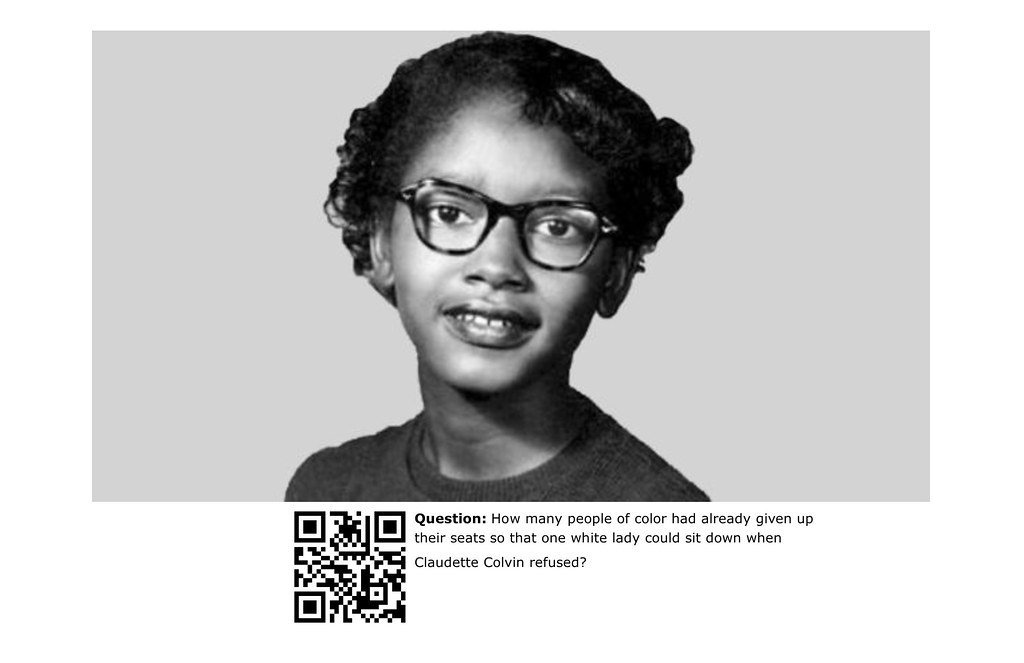
In 1955 Montgomery, Alabama, 15-year-old Claudette Colvin refused to yield her bus seat to a white passenger, nine months before Rosa Parks. Arrested for disorderly conduct, she became a plaintiff in Browder v. Gayle, challenging segregation laws.[6]
The Supreme Court ruling desegregated buses, sparking the Civil Rights Movement. Though sidelined due to pregnancy and class, her courage lit the fuse. Colvin’s stand proved youth could drive change.
Sybil Ludington
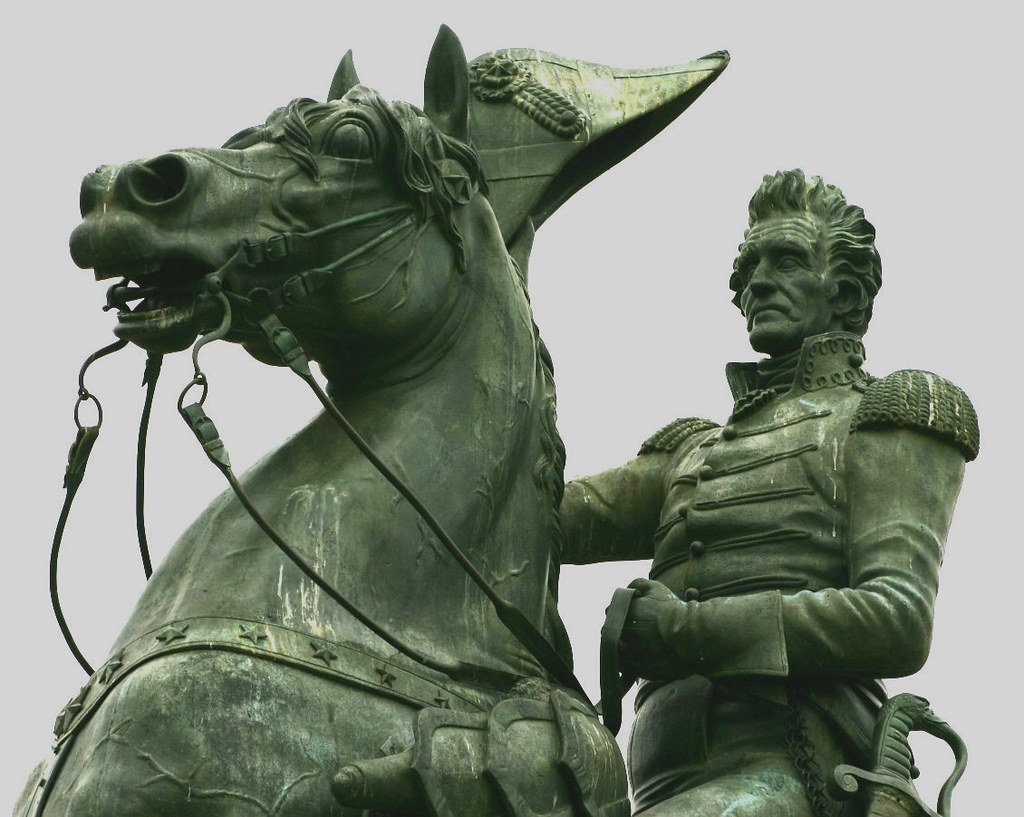
During the American Revolutionary War in 1777, 16-year-old Sybil Ludington rode 40 miles through stormy night in New York. She warned militia of British attacks on Danbury, Connecticut, rallying 400 men. Paul Revere’s ride pales in distance.[7]
Her alert delayed enemy advance, buying time for defenses. Statues and stamps commemorate her now. Ludington embodies teenage valor in founding a nation.
Ching Shih
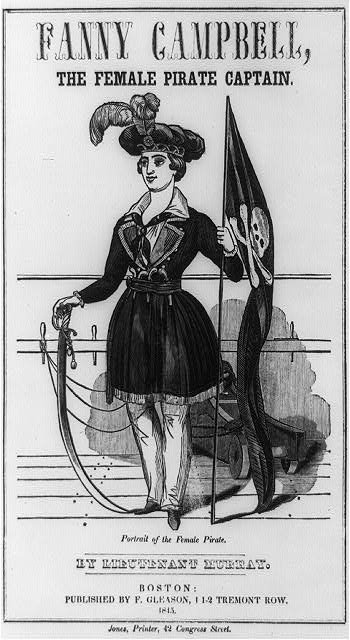
Ching Shih commanded the Red Flag Fleet in early 19th-century China, growing it to 1,800 ships and 80,000 pirates after her husband’s death. Strict codes enforced loyalty, sharing spoils equally, including women. She defeated Qing and British navies.[8]
Negotiating amnesty in 1810, she retired wealthy, running a brothel and gambling house. Her leadership reformed piracy, influencing naval tactics. Ching Shih shattered gender norms in a brutal era.
Annie Jump Cannon
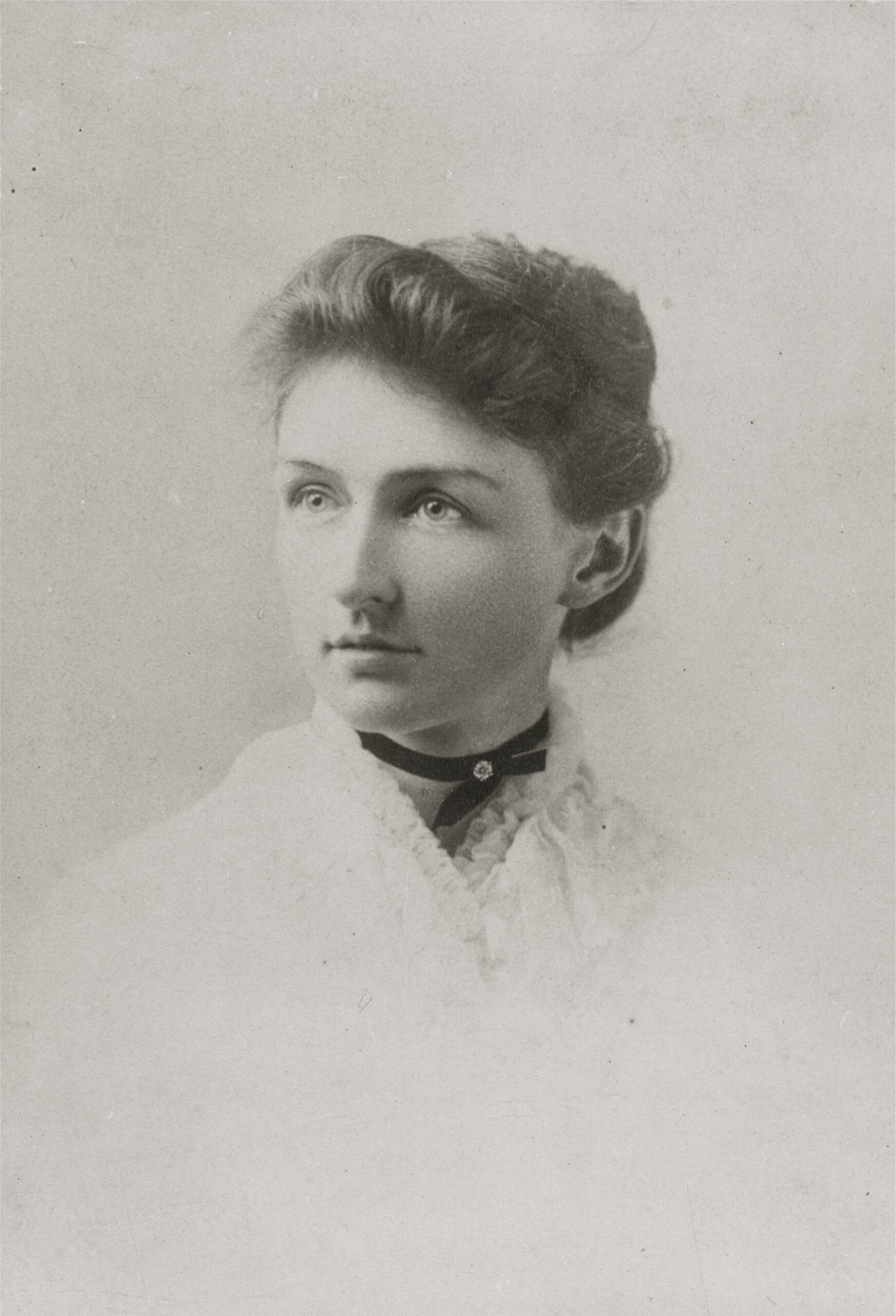
Annie Jump Cannon classified stars in the early 20th century at Harvard Observatory. Deafened by scarlet fever, she devised the Harvard system using spectral lines for temperature sequencing: O, B, A, F, G, K, M. She cataloged over 300,000 stars.[9]
Her system remains astronomy’s standard, enabling galactic mapping. Cannon advanced women in science, mentoring dozens. The Cannon crater on Venus celebrates her stellar legacy.
Josephine Cochrane
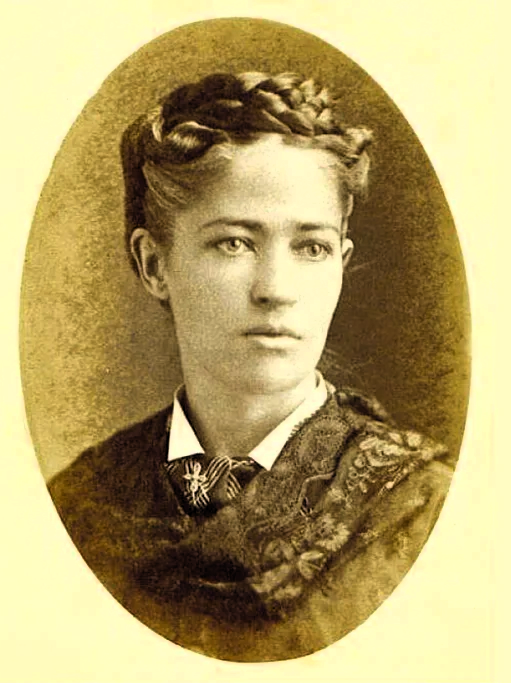
In late 19th-century Illinois, Josephine Cochrane invented the first practical dishwasher amid social frustrations. Patenting in 1886, her machine used water jets on wired trays, targeting hotels first. It evolved into modern appliances.[10]
Her company became KitchenAid, transforming household chores. Cochrane empowered women by freeing time from drudgery. Billions now benefit from her sanitary innovation.
Grace Hopper
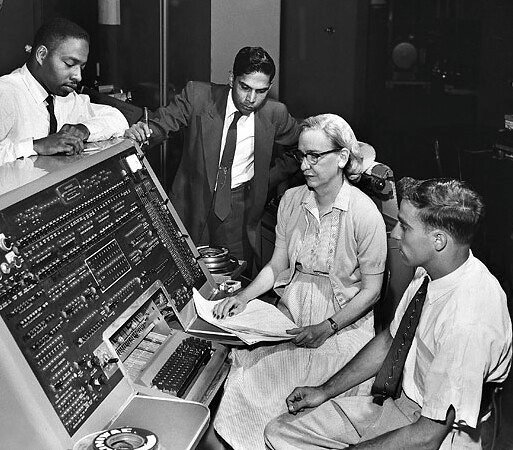
Rear Admiral Grace Hopper pioneered computing from the 1940s through 1980s. She coined “debugging” after removing a moth from Harvard Mark II and developed COBOL, the first English-like business language. It standardized data processing.[11]
COBOL runs banks and governments today. Hopper advocated for programmers, smashing clock demos for nanoseconds. Her legacy powers digital economies.
Kathrine Switzer
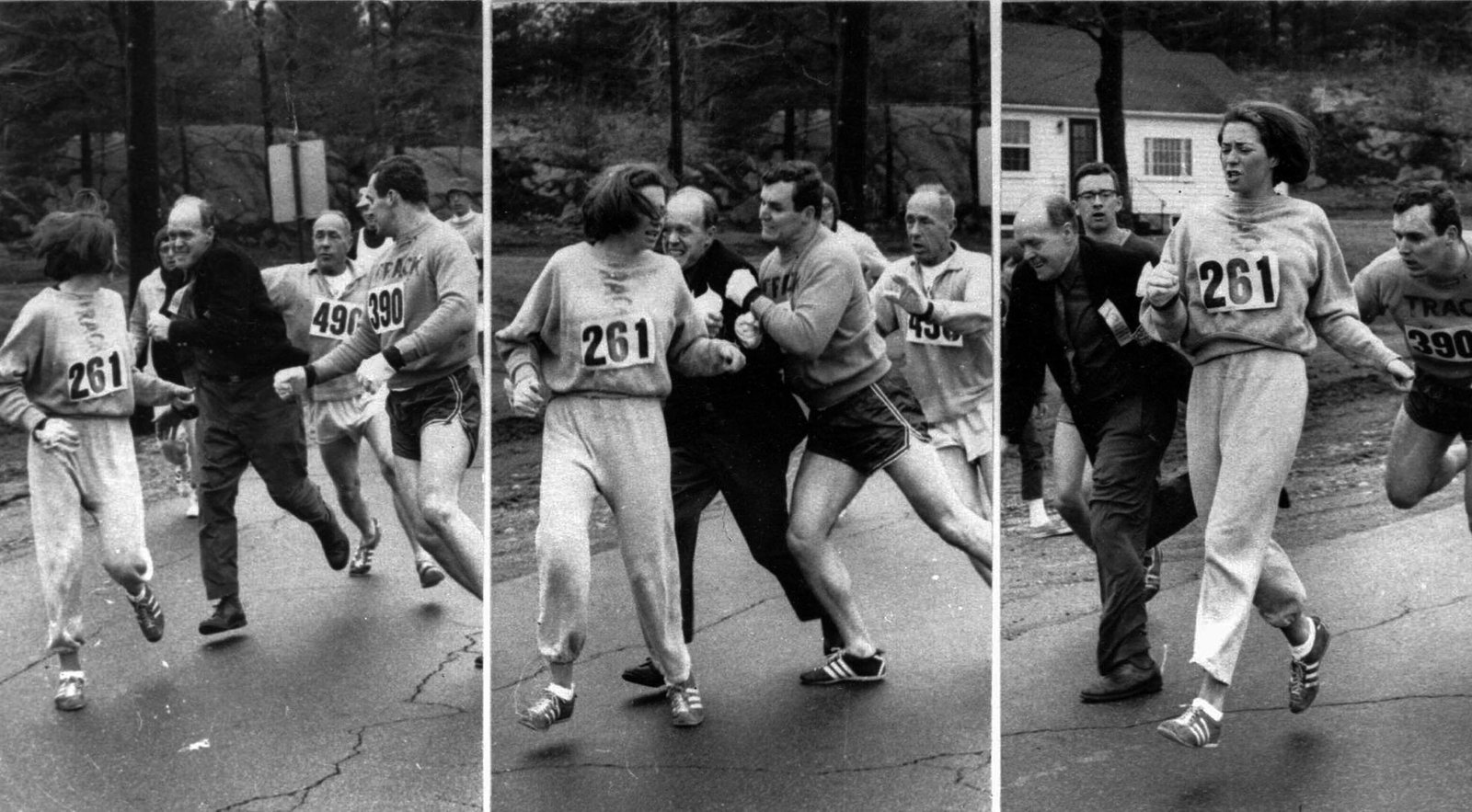
In 1967 Boston, Kathrine Switzer became the first woman to officially run the marathon, number 261 pinned despite officials’ protests. Her photos fueled women’s distance running push. She finished despite assault attempts.[6]
Switzer founded 261 Fearless, promoting fitness globally. Olympics added women’s marathons in 1984 because of such pioneers. She redefined endurance limits.
Rosalind Franklin
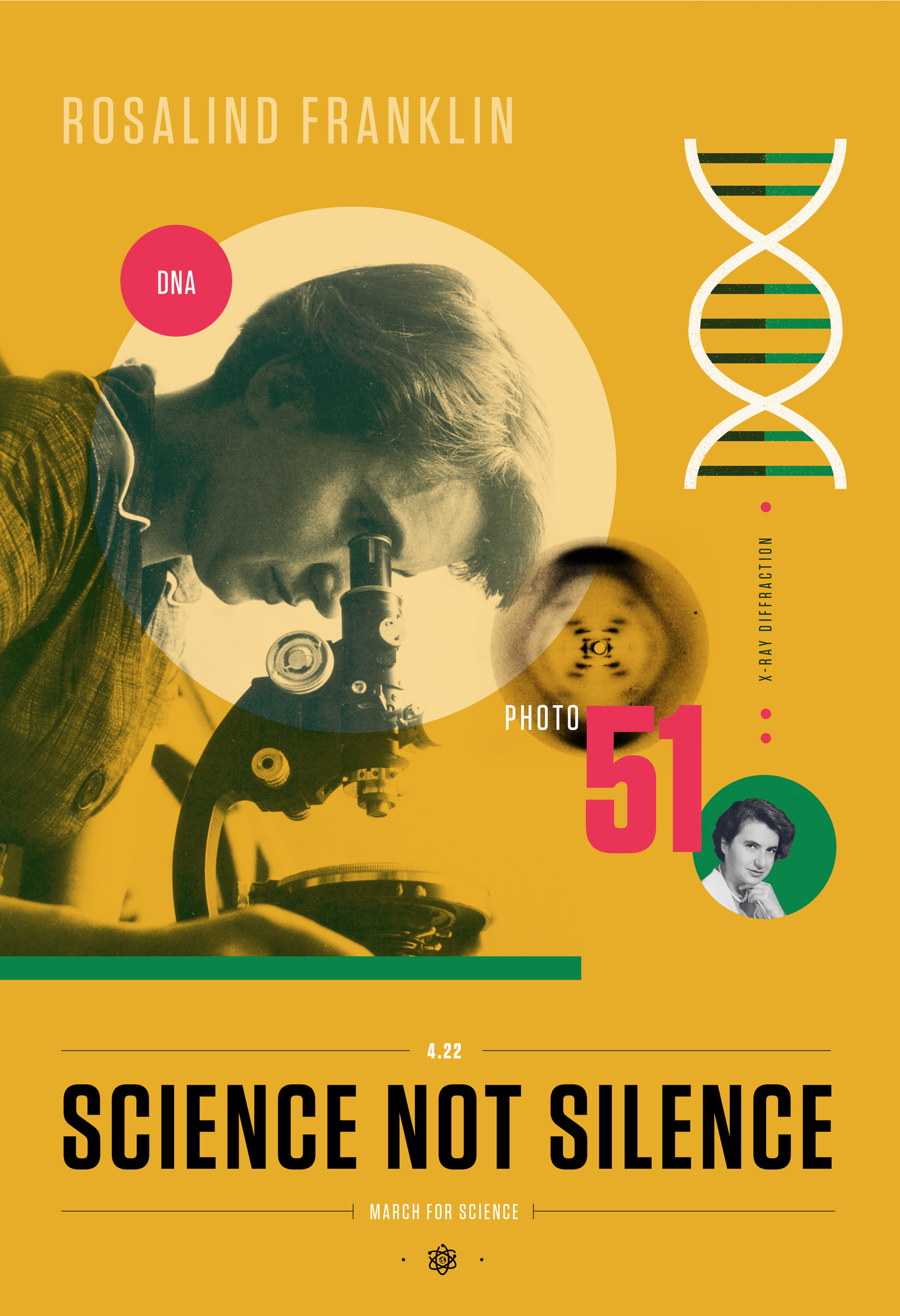
Rosalind Franklin captured DNA’s Photo 51 in 1952 London using X-ray crystallography. Her B-form helix image was key to Watson and Crick’s double helix model. She advanced tobacco mosaic virus studies too.[12]
Though uncredited in the Nobel, her data unlocked genetics. Franklin’s precision birthed biotechnology. Her story highlights collaborative science’s complexities.
Why Recognition Matters
Spotlighting these women corrects history’s imbalances, revealing fuller truths. Their triumphs over exclusion inspire current innovators facing similar hurdles. Societies thrive when all contributions shine.
Acknowledging unsung heroines fosters equity, ensuring future generations see diverse paths to impact. Their legacies prove change often starts small yet ripples vast.
CEO-Co-Founder
