
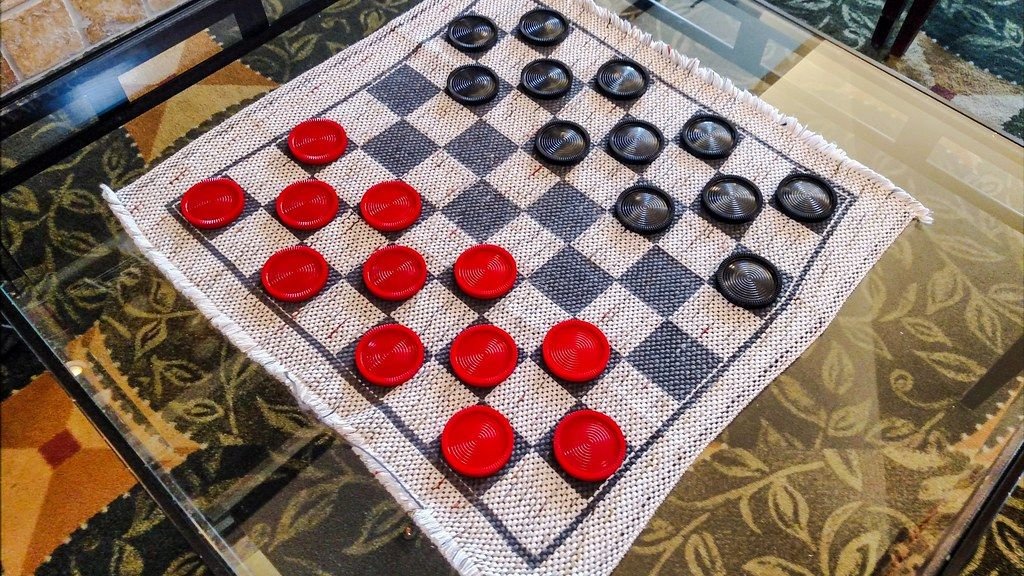
Board games have a way of outlasting trends. While digital entertainment dominates, certain classics pull people back to the table, generation after generation. They spark laughter, rivalries, and memories without needing batteries or updates.
What keeps them alive? Straightforward rules that anyone can grasp quickly. Endless replay value through luck, skill, and player choices. Families dust them off for holidays, and kids discover the same joys their parents did.
Chess
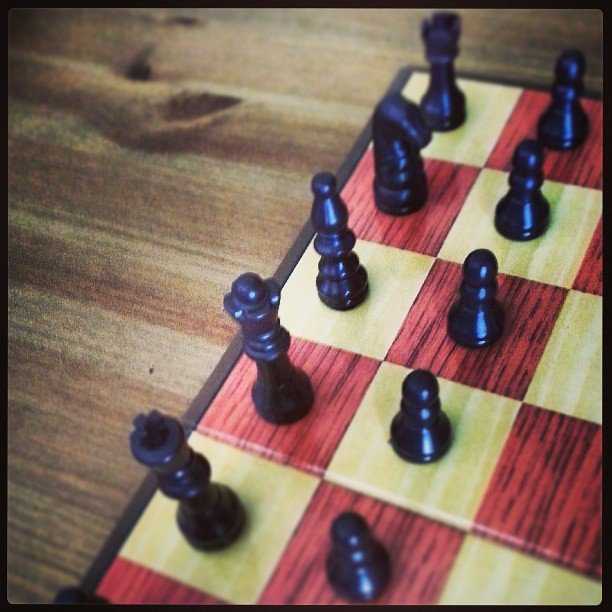
Chess traces back to the sixth century A.D., evolving from an Indian game called chaturanga.[1][2] Its checkered board and carved pieces have stayed mostly the same for centuries. Today, it remains the top-selling board game ever.[3]
The thrill comes from its perfect balance of strategy and foresight. Every match unfolds differently, no matter how many times you play. Grandparents teach it to grandkids, building bonds over calculated risks and clever traps. Its depth rewards practice without overwhelming beginners.
Checkers
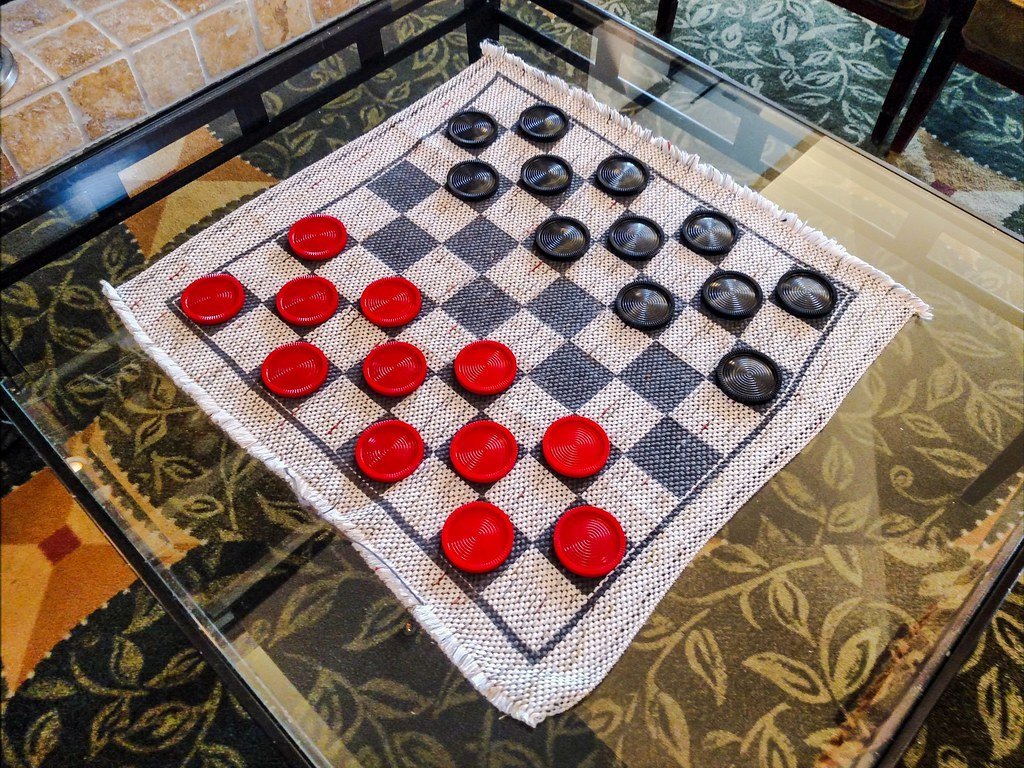
Checkers, or draughts, dates to around 3,000 B.C., with roots in ancient Egypt.[1][3] Simple red and black pieces jump across an 8×8 board. Homer and Plato even mentioned early versions in their writings.
It hooks players with easy rules but tricky king promotions and corner captures. Quick games fit any schedule, perfect for impromptu challenges. Families love its no-frills competition that levels the field between ages. You always want one more round to even the score.
Backgammon

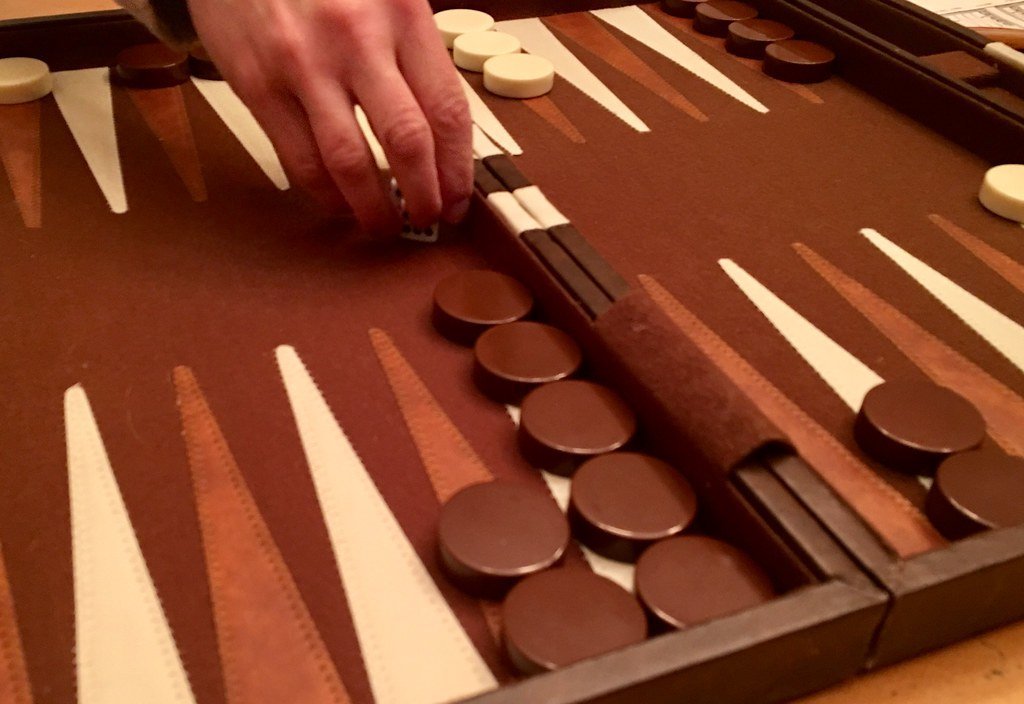
Backgammon emerged around 3,000 B.C. in Mesopotamia, blending dice rolls with piece movement on 24 points.[1][2] It’s a national pastime in many Middle Eastern countries still.
The mix of luck from dice and skill in bearing off pieces keeps it fresh. Hits and blots create tense comebacks every time. Portable sets make it ideal for travel or cafes. Players of all skill levels find excitement in the race to home.
Monopoly
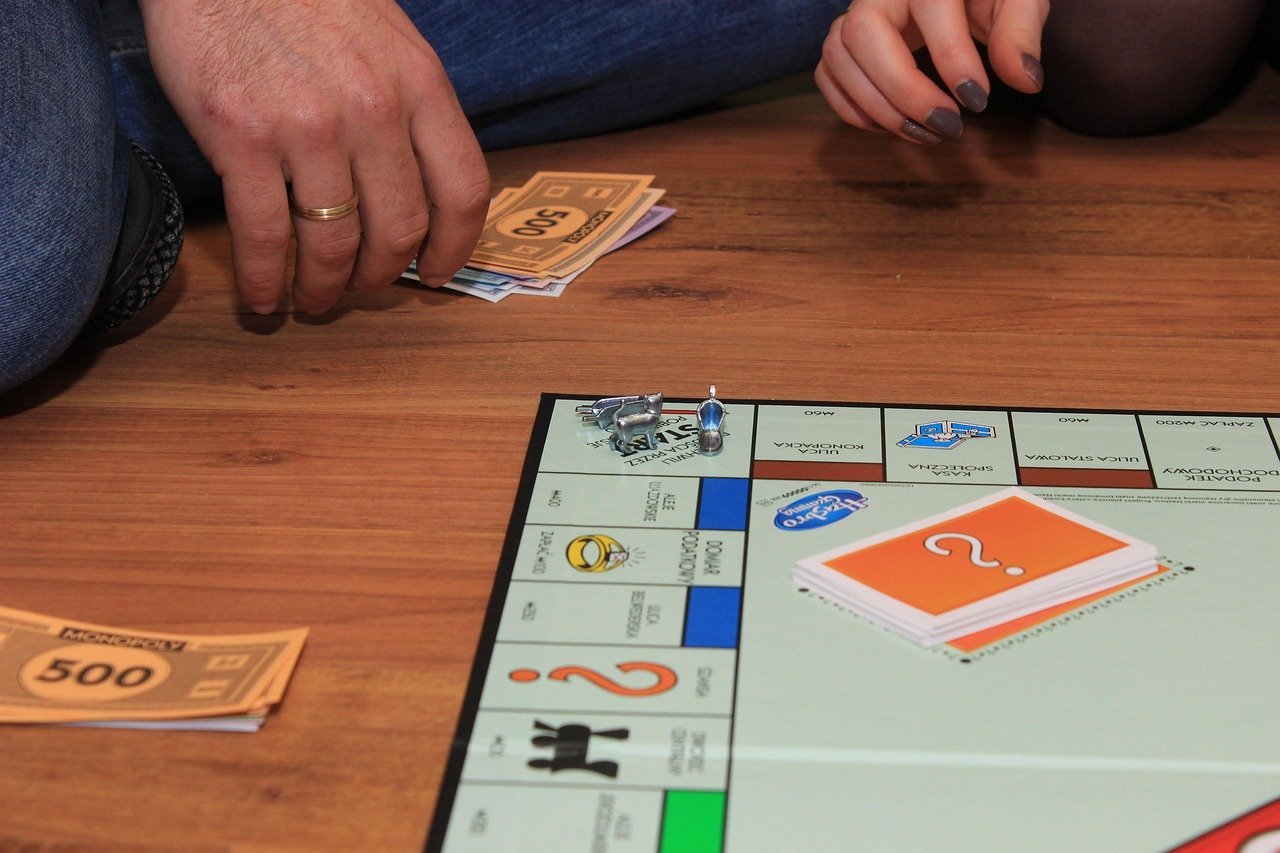
Monopoly hit shelves in 1935, turning property trading into a household obsession.[1][4] Endless themed editions keep the core alive.
Building empires and bankrupting rivals delivers cutthroat fun. House rules add personal twists to every game. It teaches negotiation and money smarts amid the chaos. Long sessions build epic stories families retell for years.
Scrabble
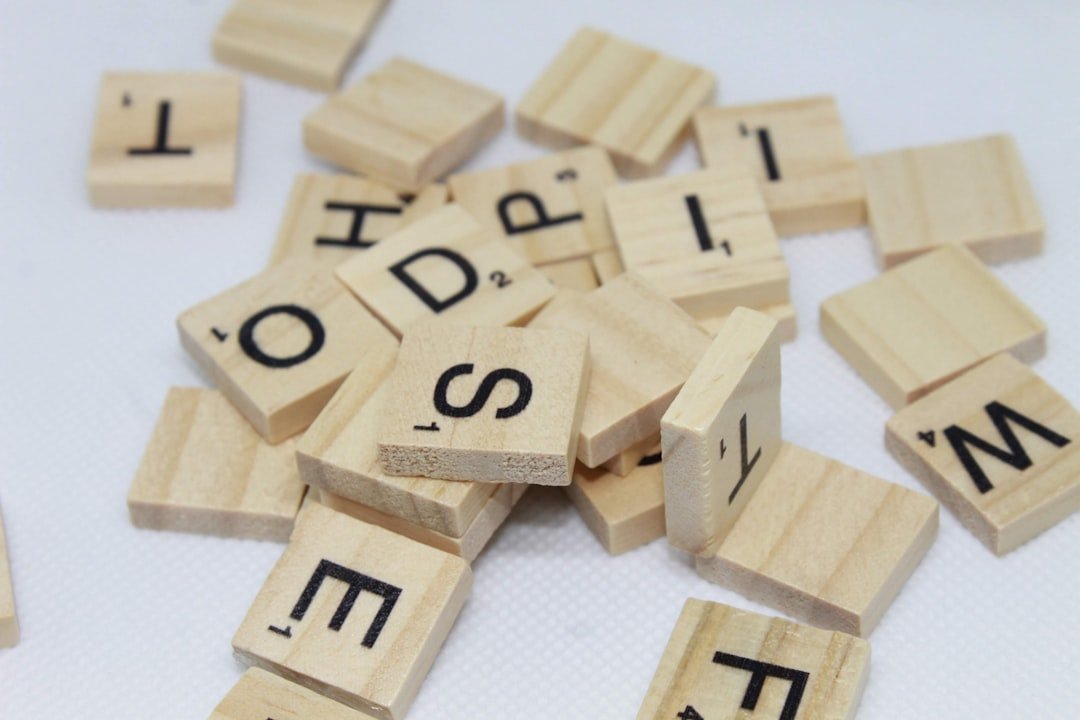
Scrabble debuted in 1948 after years of tinkering, with tiles forming words on a premium-square board.[4] Updated dictionaries now include modern slang.
Word nerds clash in battles of vocabulary and placement. Triple-word scores spark desperate plays. It sharpens minds across ages without feeling like school. Quiet strategy turns into triumphant shouts over a perfect seven-letter score.
Sorry!
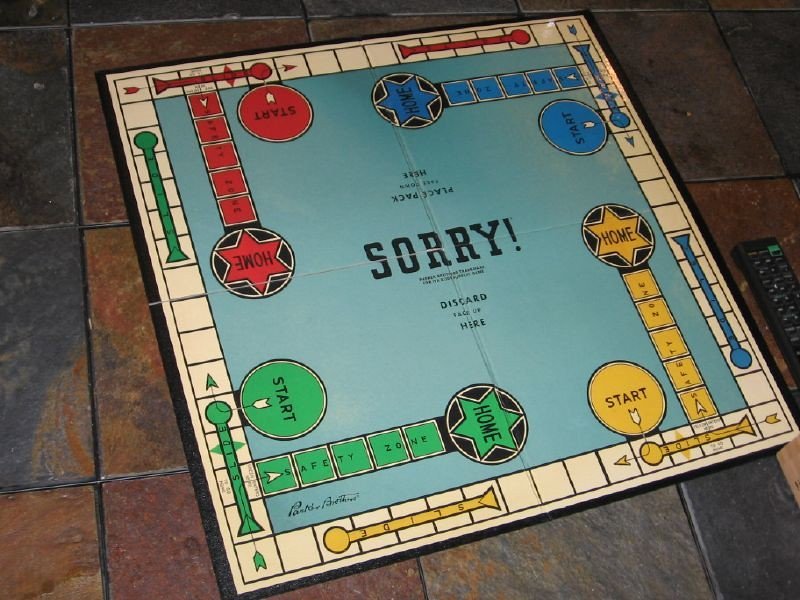
Sorry! arrived in 1934, with pawns racing home while bumping opponents.[1][4] Disney editions refresh the mischief.
Sending rivals back to start delivers gleeful revenge. Simple cards drive the action unpredictably. Kids grasp it fast, adults plot deeper slides. The “sorry” taunt makes victories extra sweet.
Clue
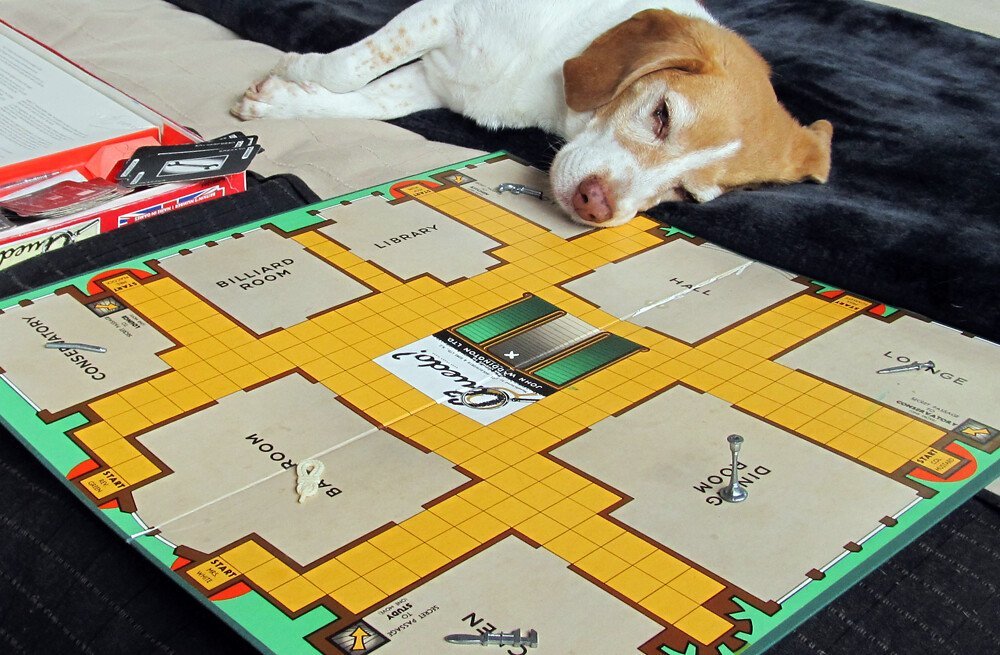
Clue, or Cluedo, launched in 1949 as a murder mystery deduction game.[1][4] Suspects and weapons fill themed versions.
Process of elimination builds suspense in the mansion. Accusations lead to dramatic reveals. It hones logic while spinning whodunit tales. Groups replay to test theories and bluff better.
Candy Land
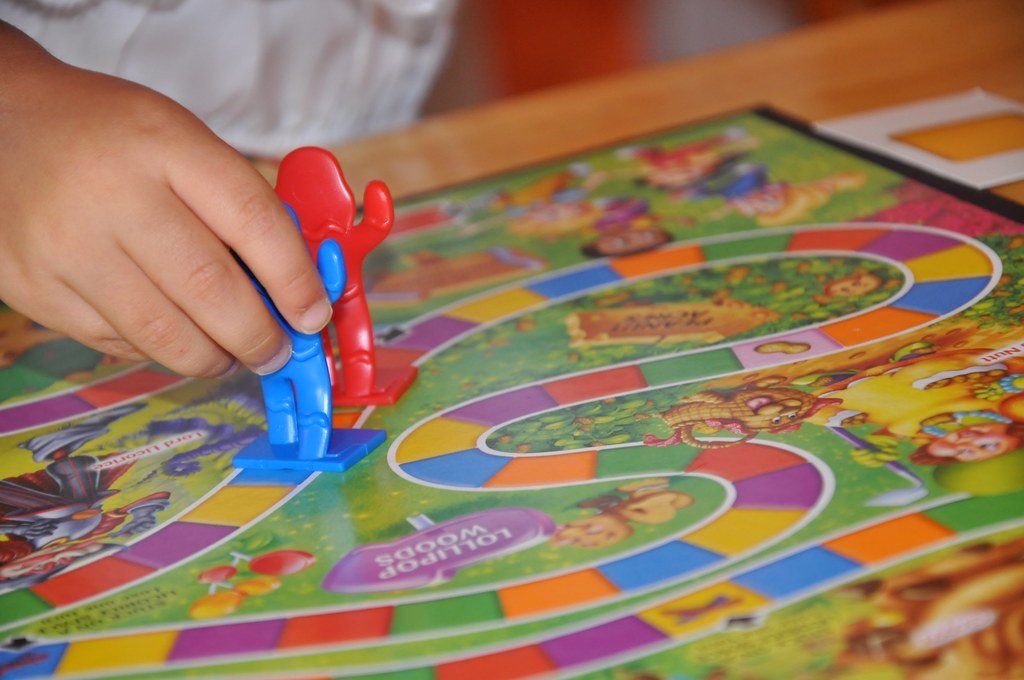
Candy Land came out in 1949 to cheer polio patients, with a gingerbread path.[1][4] No reading or math required.
Toddlers draw cards to race through sweets. Pure luck levels play for little ones. Bright boards draw in the youngest players. It eases everyone into game nights gently.
Chutes and Ladders

Chutes and Ladders appeared in 1943, inspired by ancient Indian snakes and ladders.[4] Spinners send kids up ladders or down chutes.
Moral lessons hide in the ups and downs of play. Quick turns keep short attention spans happy. Families cheer climbs and groan at slides together. It mirrors life’s surprises perfectly.
Risk
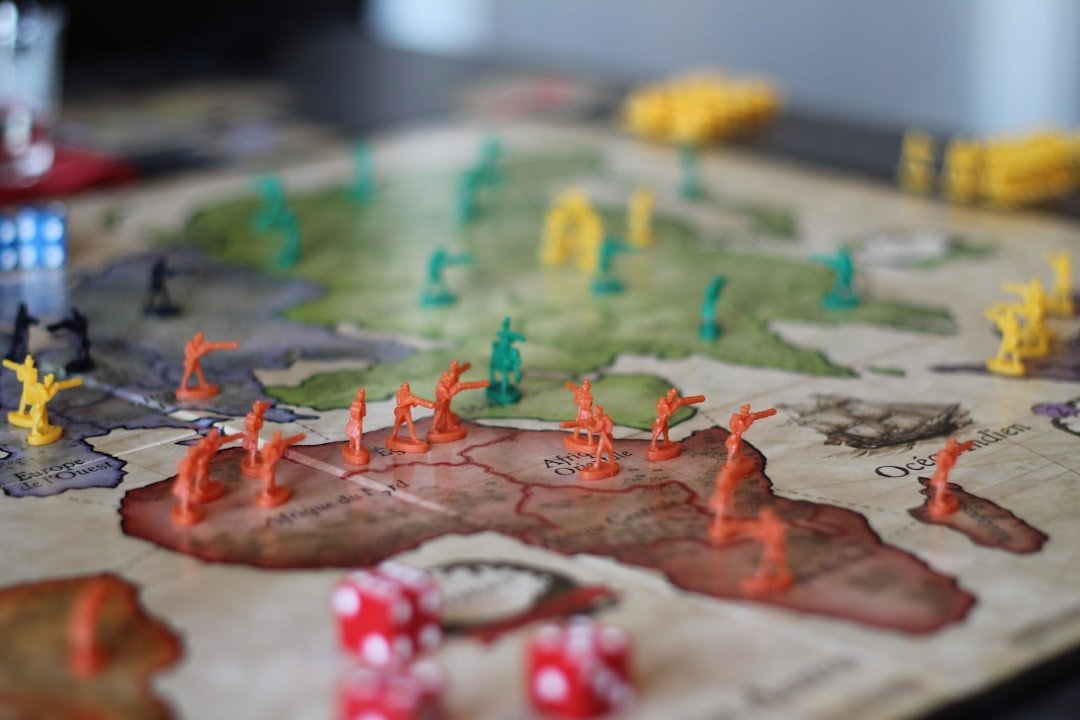
Risk rolled out in 1957 for global conquest with armies and dice.[1][4] Star Wars editions expand the map.
Alliances form and shatter in epic battles. Territory grabs demand bold attacks. Late-night sessions forge lasting rivalries. Strategy fans crave its territorial drama.
The Game of Life
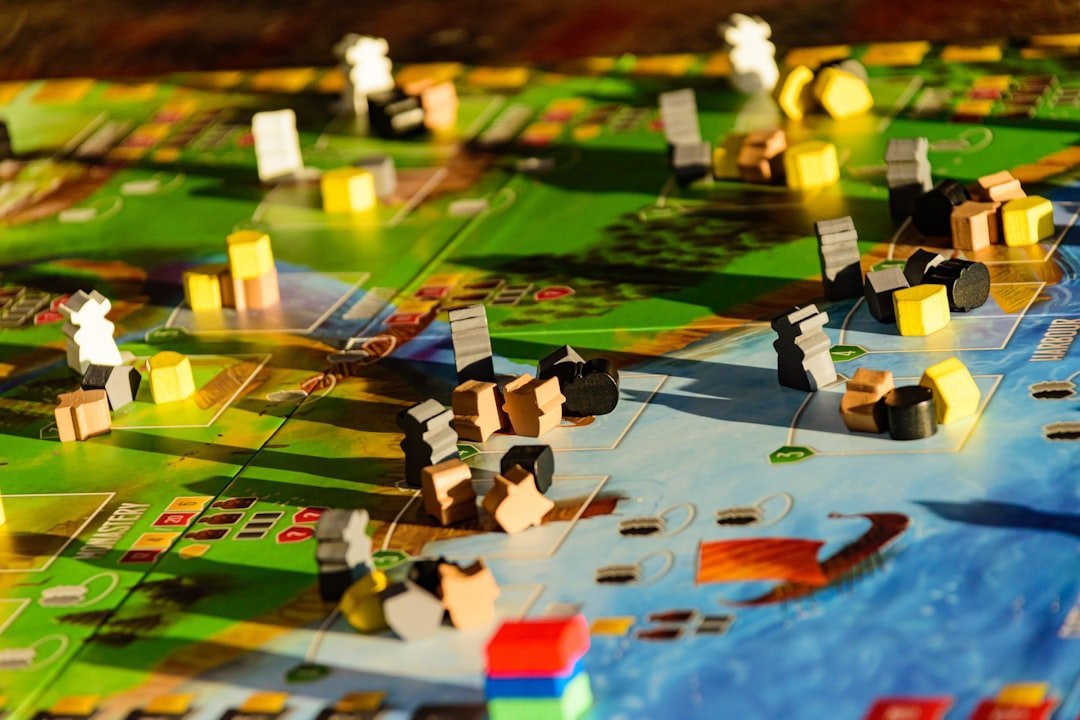
The Game of Life spun to life in 1960, simulating careers and families.[1][3] Spinners guide the twists.
Choices like college or kids spark debates. Millionaire Mountain adds risky thrills. Each path varies wildly for replay. It mirrors real decisions with fun consequences.
Battleship
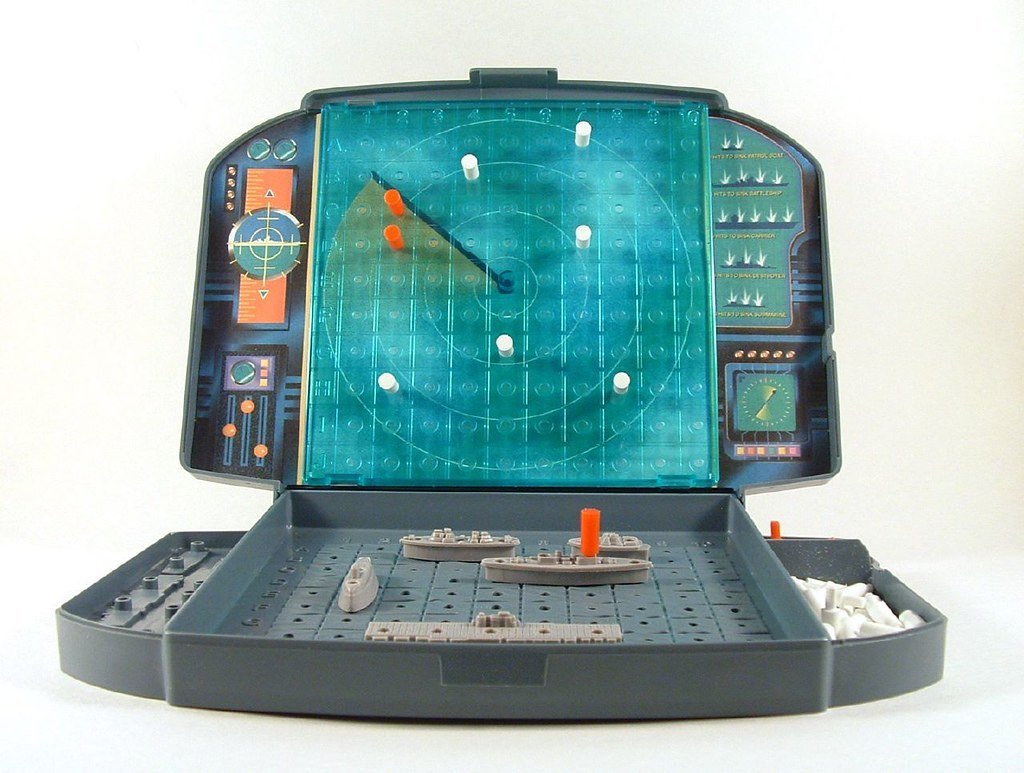
Battleship sank into popularity in 1967, though paper versions predated it.[1] Pegs mark hidden fleets.
Guesses build tension until “you sank my battleship.” Coordinates teach spatial thinking slyly. Two-player duels fit cozy evenings. The hunt never gets old.
Operation

Operation buzzed onto shelves in 1965, extracting ailments with tweezers.[1][3] Steady hands win.
Laughs erupt at failed zaps. Kids build fine motor skills playfully. The patient’s woes amuse endlessly. Family challenges turn it competitive.
Mouse Trap
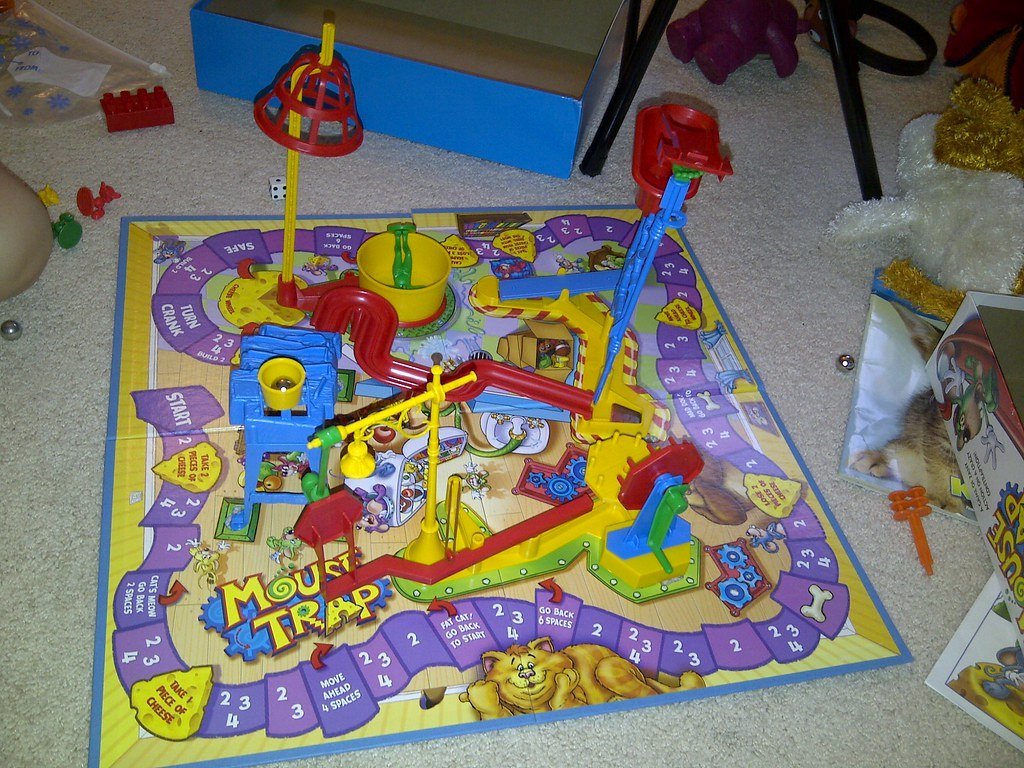
Mouse Trap clicked in 1963, with a Rube Goldberg trap build.[1] Cheese collection leads to chaos.
Assembling the contraption delights every time. Boot kicks and balls roll for slapstick fun. Racing mice add urgency. Setup alone entertains the group.
Connect Four

Connect Four dropped in 1974, stacking discs to line up four.[1][3] Gravity decides the falls.
Simple drops hide deep blocking tactics. Quick games invite rematches. Kids outsmart adults surprisingly often. The vertical board flips expectations.
Simplicity and Replay Value: The Lasting Magic
These games thrive on core mechanics anyone can learn in minutes. No apps or expansions needed; the board holds all the wonder. Luck tempers skill, so everyone gets a shot at glory.
Replay comes free with varied outcomes and house rules. They bridge ages, turning tables into storytellers. Pull one out tonight, and watch generations connect over a roll of the dice.

- 12 Classic TV Shows With Shocking Behind-the-Scenes Dramas You Never Knew - September 10, 2026
- 10 Novels That Were Initially Dismissed, Only to Become Timeless Masterpieces - September 10, 2026
- The ’80s Were a Wild Ride of Style and Sound That Changed Everything - September 10, 2026

