

True music aficionados often spot the difference between mainstream hits and the deeper cuts that shaped entire genres. These 13 bands built devoted followings despite modest sales. Their innovations echo through today’s rock landscape, marking anyone familiar with them as a genuine legend.
They hail from various eras, blending raw energy with forward-thinking sounds. Spotting them reveals a passion for the underground roots that casual listeners overlook.
Big Star
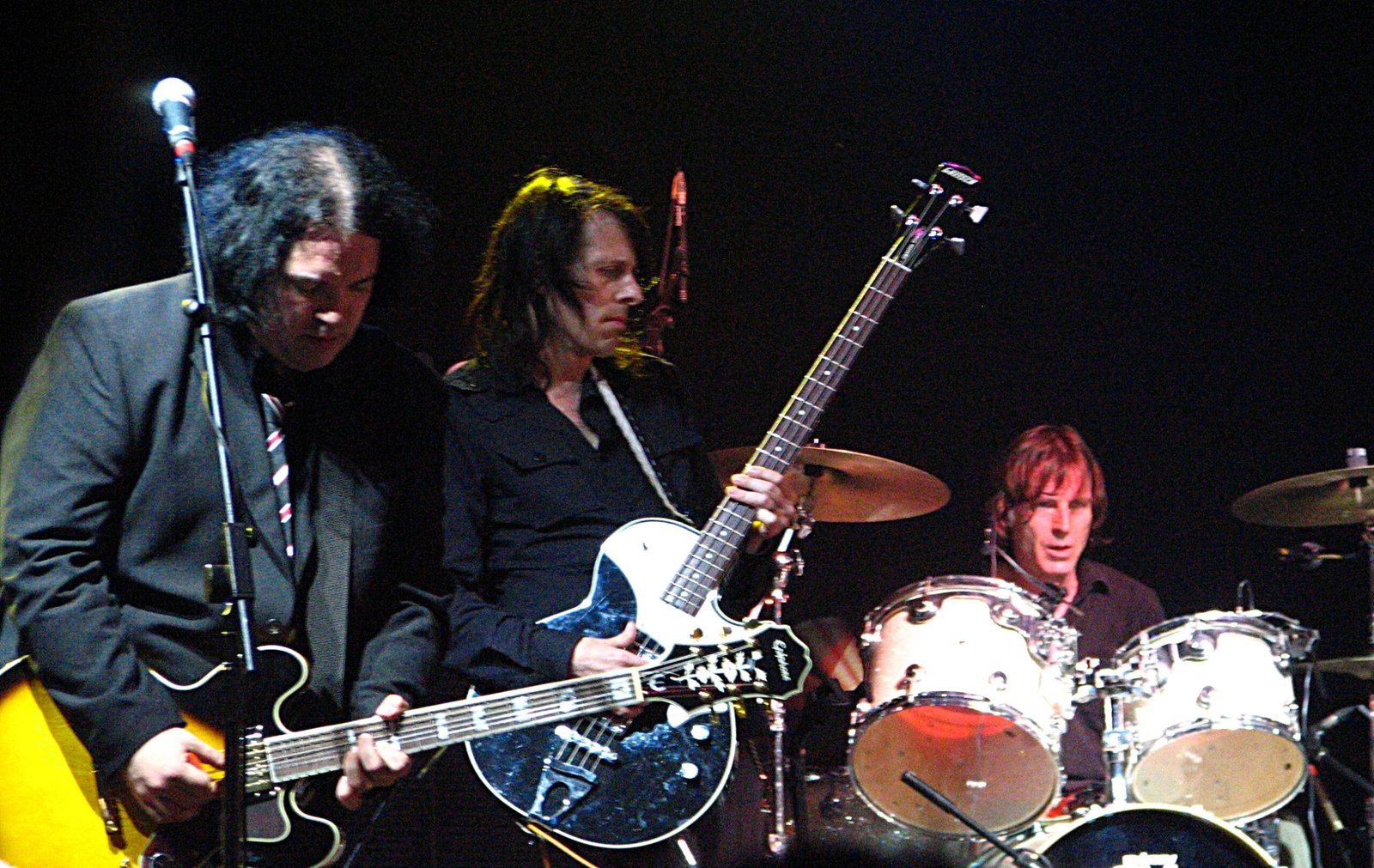
Big Star emerged in Memphis during the early 1970s. The band drew from the Beatles and Byrds, pioneering power pop with bright melodies and jangly guitars.[1][2]
Commercial flops at the time, their albums like #1 Record gained cult status later. They influenced R.E.M., the Replacements, and countless alt-rock acts. This enduring legacy cements their place among true fan favorites.[3]
The Replacements
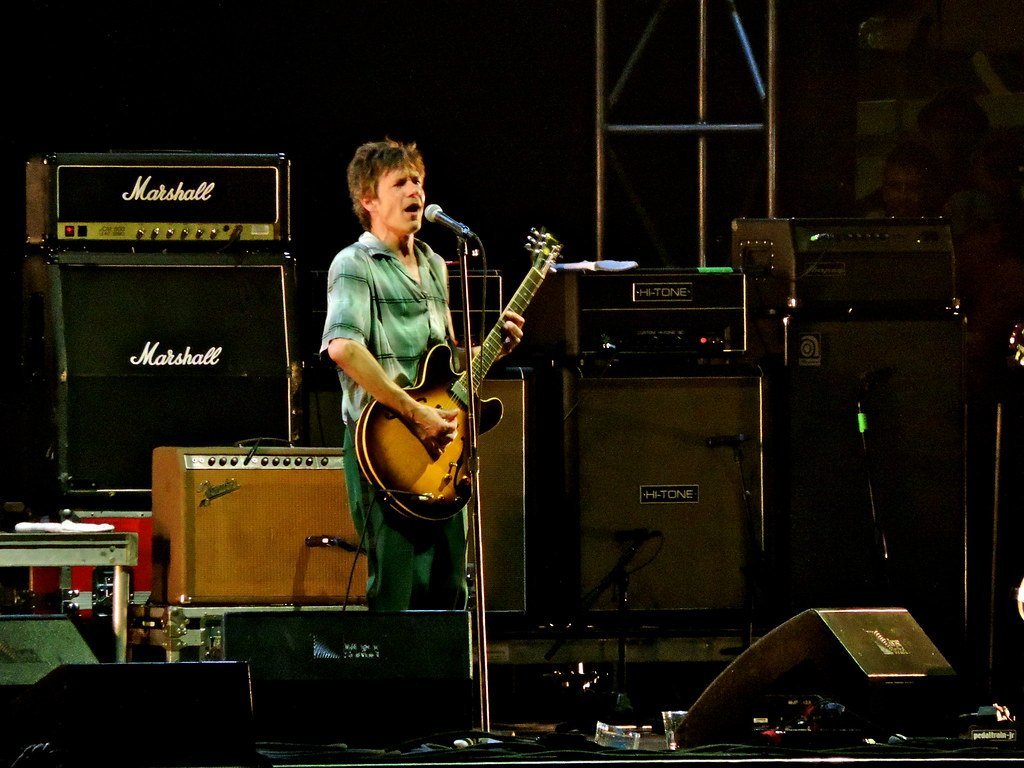
Active through the 1980s, the Replacements embodied the lovable loser ethos of American underground rock. Their ragged, alcohol-fueled sincerity mixed punk rebellion with heartfelt vulnerability.[4]
Too messy for mainstream success, they provided an emotional blueprint for the 1990s alternative explosion. Bands like Nirvana and the Hold Steady drew direct inspiration from their raw style. Albums such as Let It Be remain cult classics today.[5]
Slint

Formed in the early 1990s, Slint hailed from Kentucky and redefined rock with their post-rock invention. Spiderland, their seminal album, featured tense spoken-word narratives and explosive dynamics.[4]
Silence and odd time signatures created cinematic tension, far from verse-chorus norms. They influenced Mogwai and Explosions in the Sky with quiet-to-loud builds. Breaking up soon after release amplified their mythic status.
The Melvins

Founded in 1983, the Melvins pioneered sludge and grunge sounds from Washington state. Buzz Osborne’s vision shaped heavy, experimental riffs that rejected easy categorization.[4]
Every major grunge act cites them as a cornerstone, despite their club-level persistence. Their influence spans sludge metal and beyond, proving impact over fame. Fans cherish their unrelenting innovation.
Can
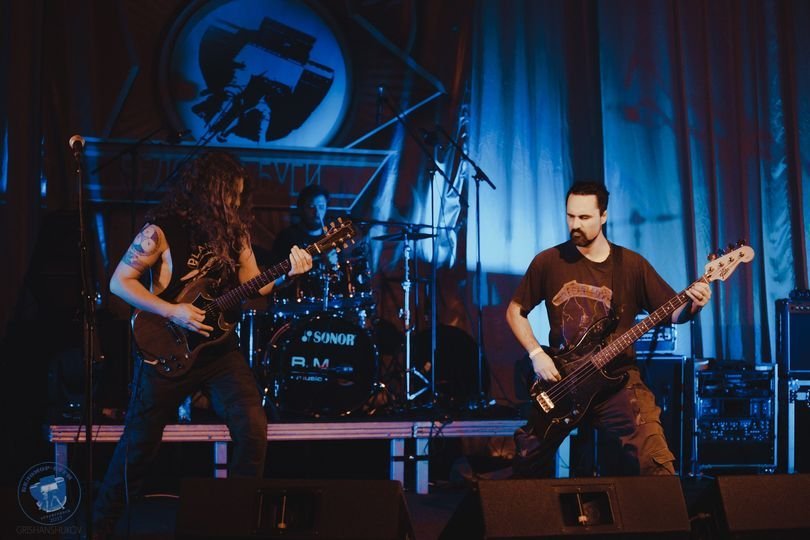
German collective Can thrived in the 1970s krautrock scene. They crafted motorik beats and hypnotic rhythms, turning the studio into a core instrument.[4]
Never charting hits, their ambient textures reshaped rhythm sections worldwide. David Bowie’s Berlin era, Radiohead, and Nine Inch Nails all borrowed their repetitive grooves. Long-form jams blurred organic and mechanical precision.
This undercurrent defines their quiet revolution in rock history.
Death
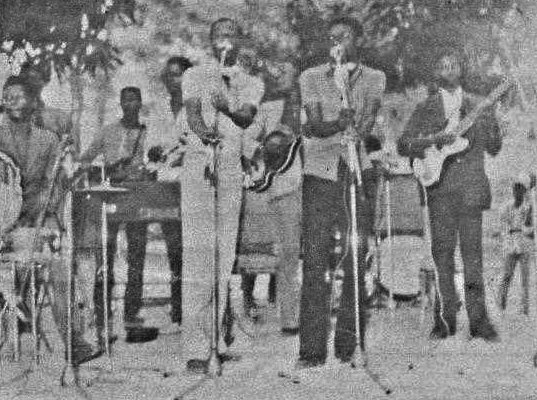
Detroit brothers formed Death in the mid-1970s. As an all-Black proto-punk trio, they delivered blistering speed with technical prowess.[4]
Refusing to alter their name, tapes languished until 2009 rediscovery. Their integrity and velocity inspired punk and metal waves emphasizing social edge. High-velocity riffs outpaced many followers.
Spacemen 3
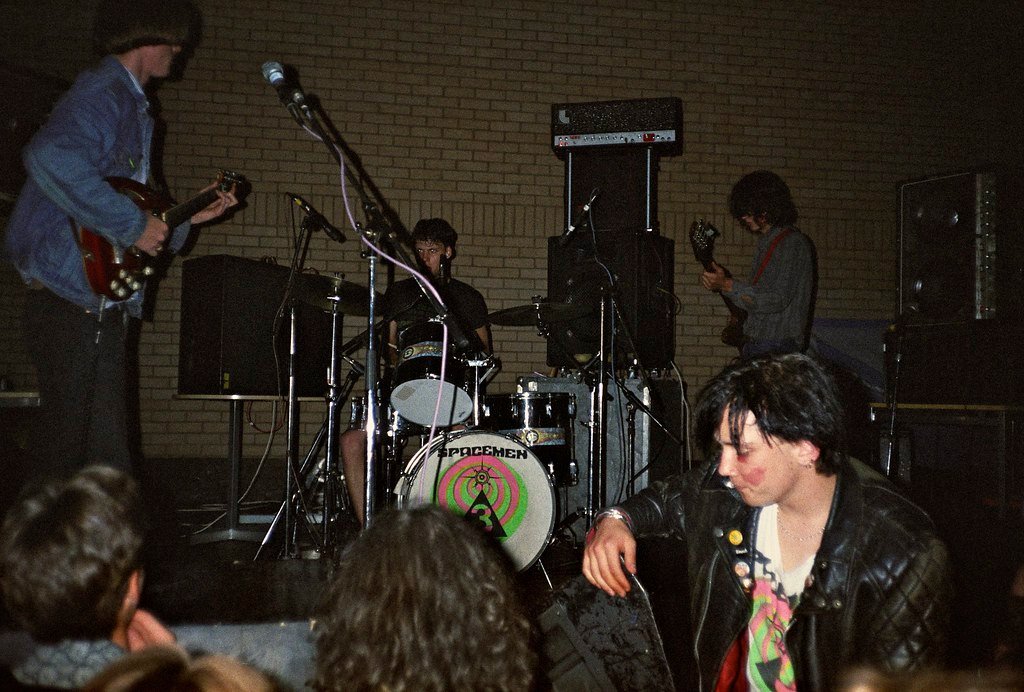
From 1980s Warwickshire, Spacemen 3 rejected synth-pop for droning guitar baths. Minimalist repetition built transcendence through layered chords and feedback.[4]
Laying groundwork for shoegaze and space rock revivals, they influenced My Bloody Valentine and Spiritualized. Their mantra linked drugs to music’s hypnotic pull. Modest sales hid profound ripples.
The Raincoats
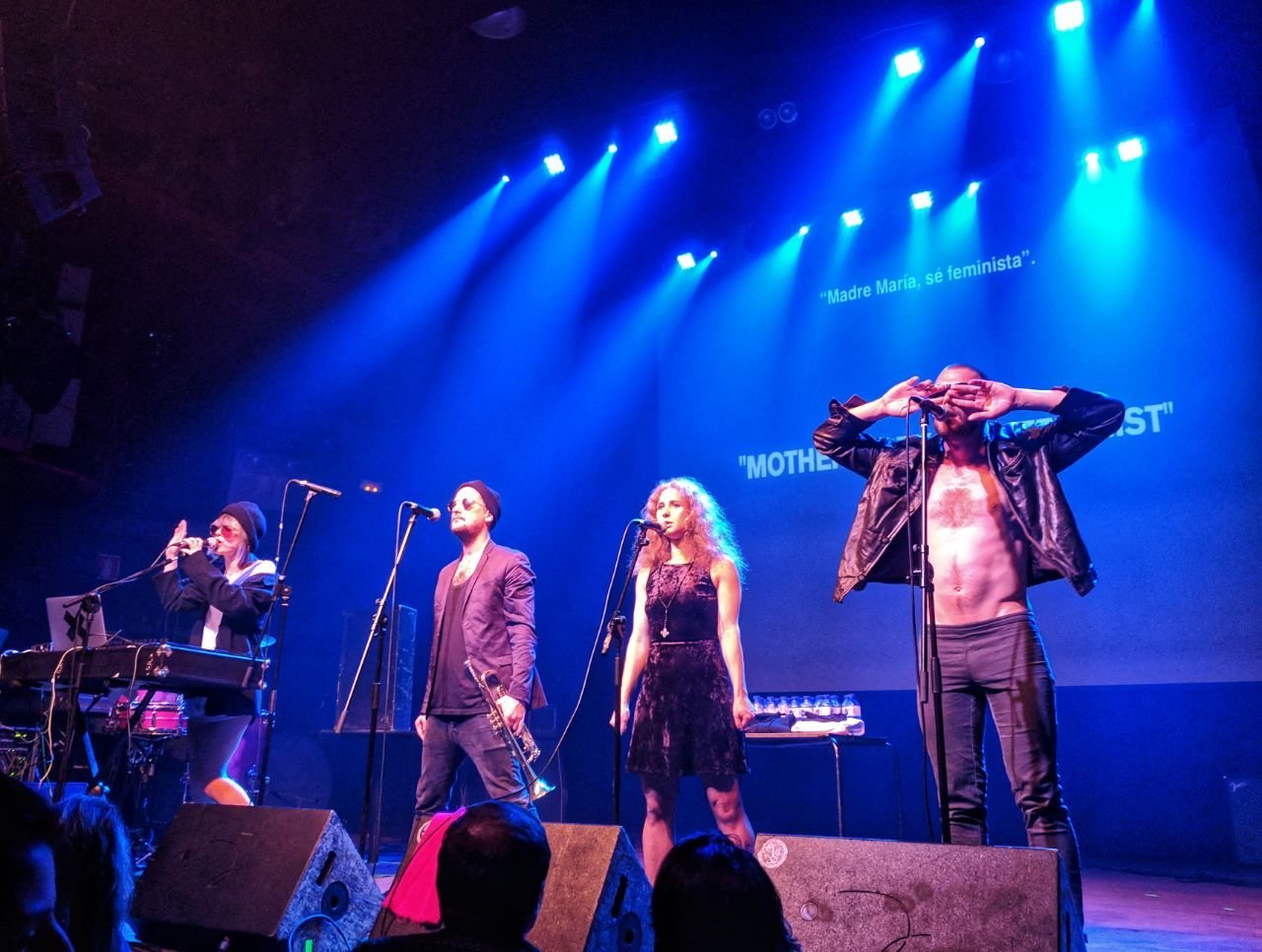
Late 1970s London punks, the Raincoats countered macho norms with shambolic creativity. Violins and unconventional rhythms infused feminist fire into DIY punk.[4]
Rough Trade cornerstones, they sparked Riot Grrrl and lo-fi indie waves. Kurt Cobain championed their deconstructed pop. Fierce imperfection defined their enduring appeal.
Blue Cheer
![Blue Cheer ([1] Dutch National Archives, The Hague, Fotocollectie Algemeen Nederlands Persbureau (ANeFo), 1945-1989, Nummer toegang 2.24.01.05 Bestanddeelnummer 921-7939, CC BY-SA 3.0 nl)](https://festivaltopia.com/wp-content/uploads/2026/05/1777893369382_1777893356981_blue_cheer_1968-scaled-1.jpeg)
1960s San Francisco’s Blue Cheer cranked proto-metal volume to extremes. Vincebus Eruptum brought ground-shaking heaviness, including a savage Summertime Blues cover.[4]
Loudest band of their era, they inspired metallers like Rush. LSD-fueled intensity carried through decades of lineup shifts. Their raw power set heavy rock templates.
The Modern Lovers
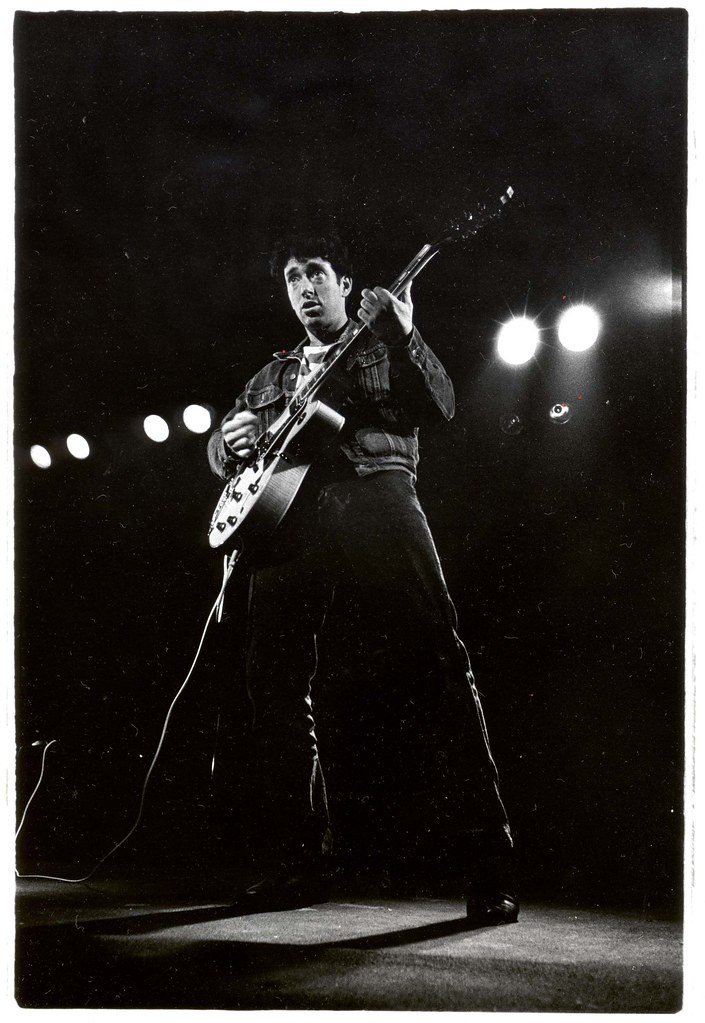
Early 1970s Boston outfit led by Jonathan Richman, the Modern Lovers bridged Velvet Underground to punk. Skeletal riffs and organ drones wrapped naive romanticism.[4]
Awkward-cool aesthetic influenced Weezer and the Cars. Self-titled debut rejected cynicism for velvet heart. Missing link status grew their cult lore.
Sir Lord Baltimore
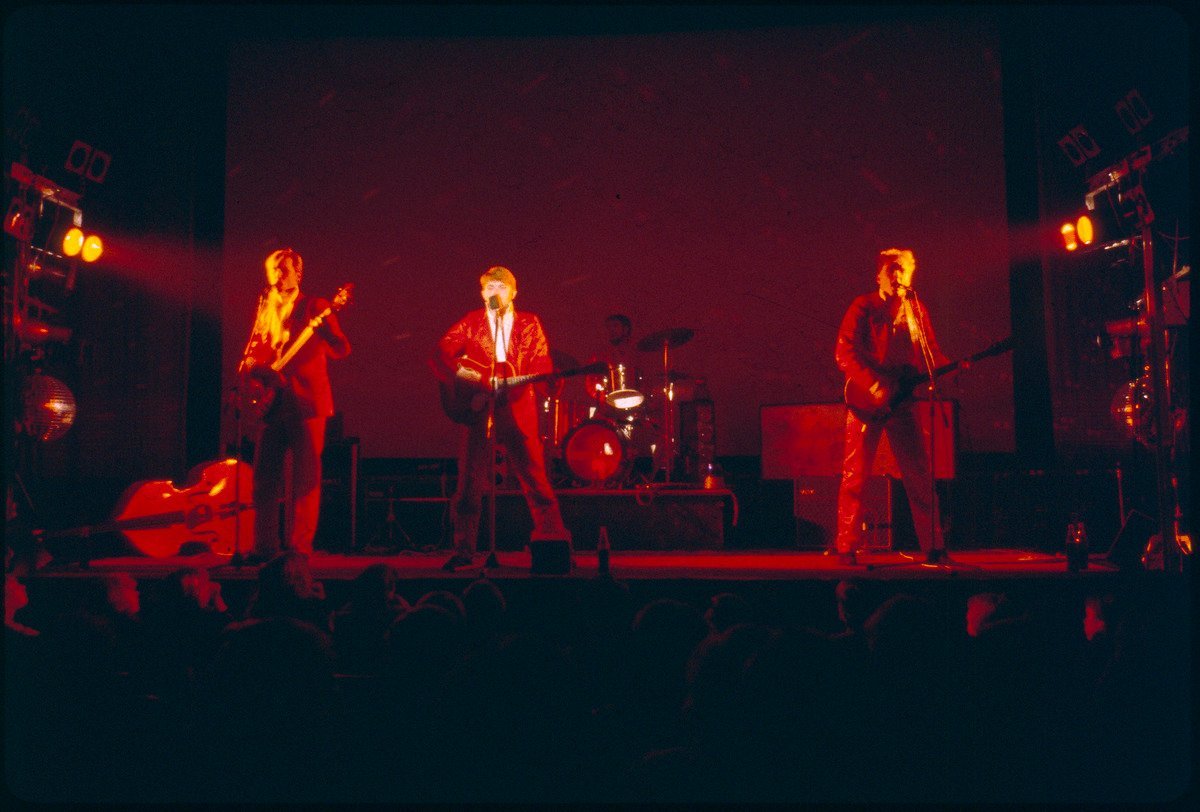
Early 1970s Brooklyn hard rockers Sir Lord Baltimore inspired the heavy metal term via Kingdom Come. Primal riffs defined their short-lived blaze.[4]
Poor charts belied influence on riff worshippers. Christian rock revival followed splits. Guitarist pastoring added quirky afterlife.
Acrimony
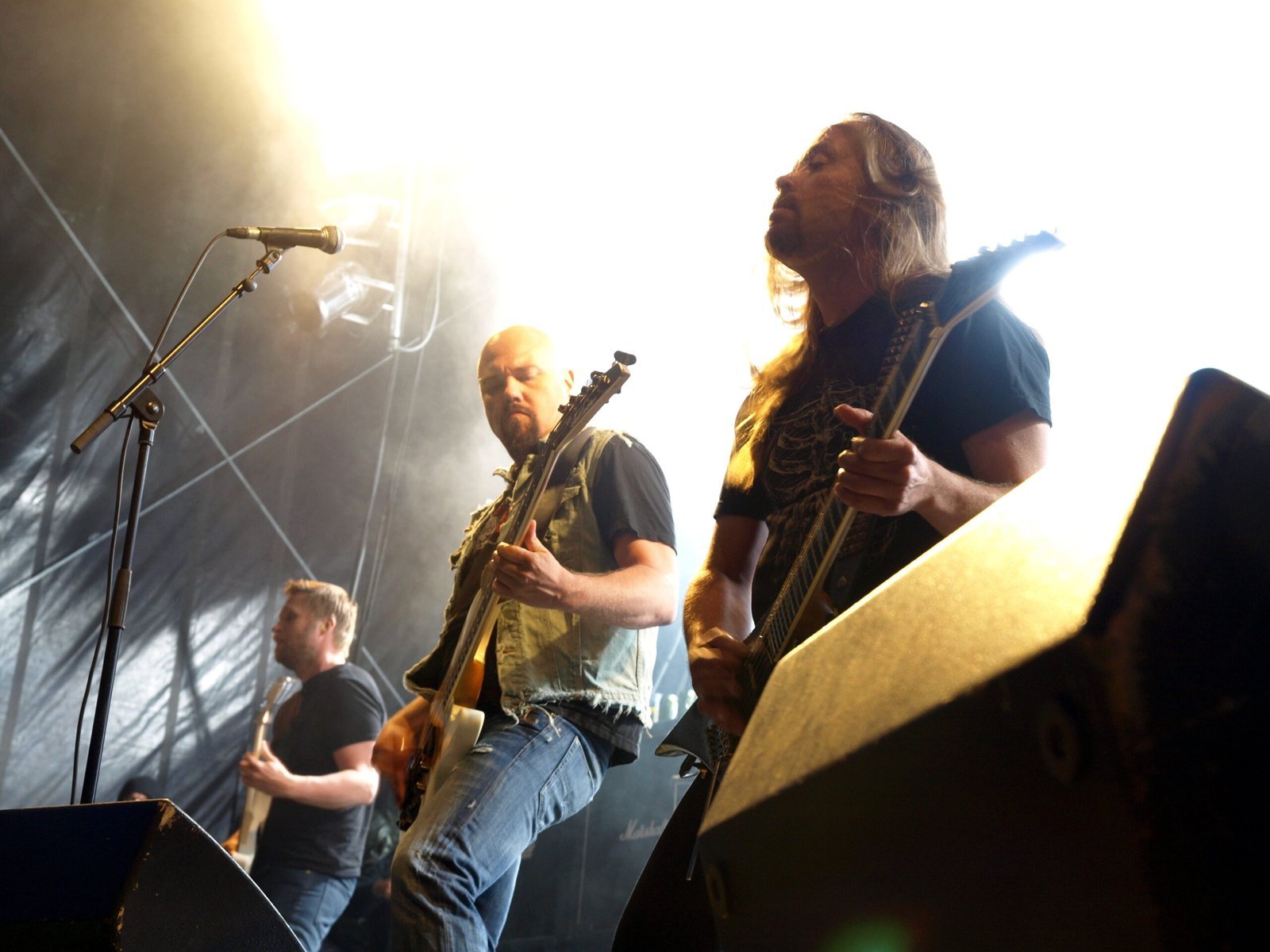
1990s Swansea stoner metal pioneers Acrimony grooved with bong-rattling heft. Albums like Tumuli Shroomaroom preceded the genre’s boom.[4]
Ahead of audiences but revered by insiders, they shaped stoner waves. Neglect couldn’t dim their riff-driven legacy. Fans still seek those heavy hymns.
Masters of Reality

Early 1980s desert rock godfathers Masters of Reality blended blues, hard rock, and prog dashes. Their self-titled debut etched cult grooves.[4]
Aficionados prize their hazy, expansive soundscapes. Influence lingers in stoner and psych revivals. Persistence as underground heroes endures.
Why Deep Cuts Define True Fans
Spotting these bands signals more than trivia knowledge. It reflects an identity forged in the shadows of rock history, where influence trumps sales.
That passion connects generations, turning obscure names into badges of honor. In a sea of hits, these legends remind us music’s real power lies beneath the surface.

- 12 Classic TV Shows With Shocking Behind-the-Scenes Dramas You Never Knew - September 10, 2026
- 10 Novels That Were Initially Dismissed, Only to Become Timeless Masterpieces - September 10, 2026
- The ’80s Were a Wild Ride of Style and Sound That Changed Everything - September 10, 2026

