

For any feedback please reach out to info@festivalinside.com
- The 20 Best Albums to Listen to Alone - September 21, 2026
- The 20 Most Famous Lines in Literature — And Who Almost Wrote Them - September 21, 2026
- How 20 Vinyl Got Its Groove Back - September 21, 2026
Album covers grab attention before a single note plays. They promise mood, mystery, or rebellion in a single image. What many fans overlook, though, are the real-life dramas that birthed these visuals.
Unexpected mishaps, bold risks, and sheer accidents turned ordinary shoots into legends. These tales sometimes eclipse the music they frame.[1][2]
Nirvana’s Nevermind: A Baby’s Underwater Chase
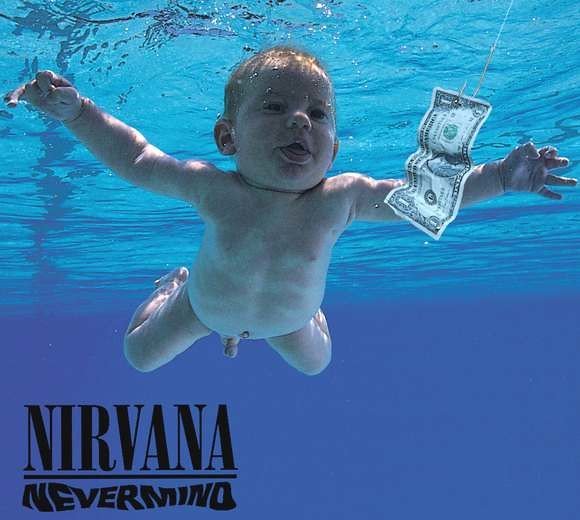
The cover of Nirvana’s 1991 breakthrough shows a naked infant swimming toward a dollar bill on a hook. Spencer Elden, just four months old, starred for a modest fee of about $200. Photographer Kirk Weddle captured the shot underwater in a pool, aiming for an ironic take on consumerism.[1]
Elden grew up embracing his role as grunge’s baby face. He even recreated the image as an adult for anniversaries. Yet in recent years, he pursued legal action against the band, alleging exploitation from the image’s lifelong exposure. The case highlighted tensions between art and consent. Its stark simplicity made it one of rock’s most recognizable symbols, defining an era of angst.[1]
The Beatles’ Yesterday and Today: The Butcher Cover Scandal
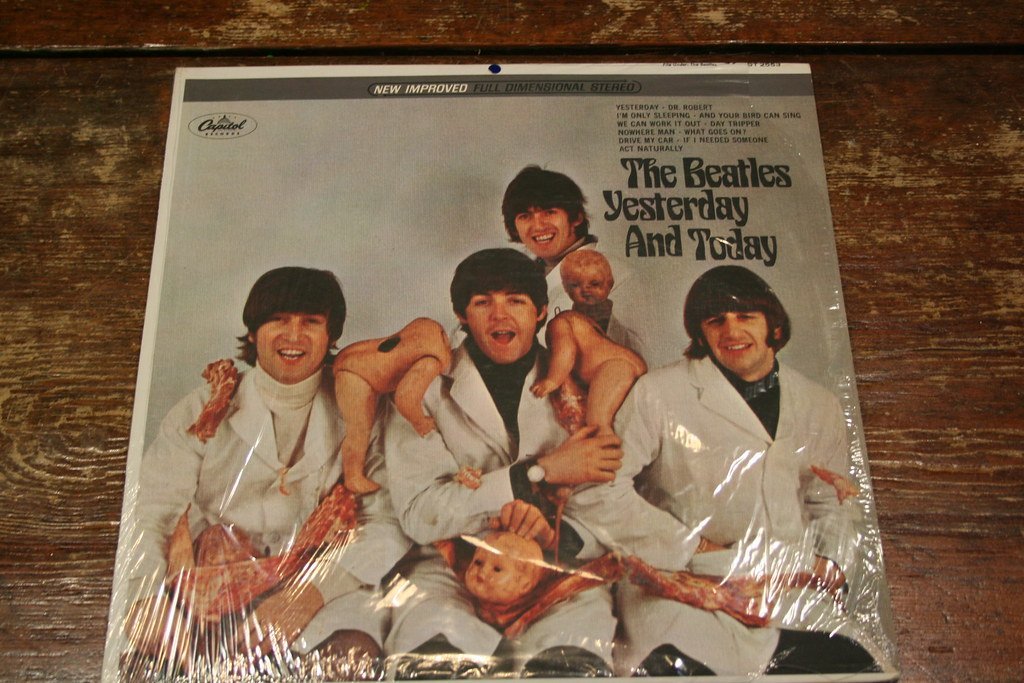
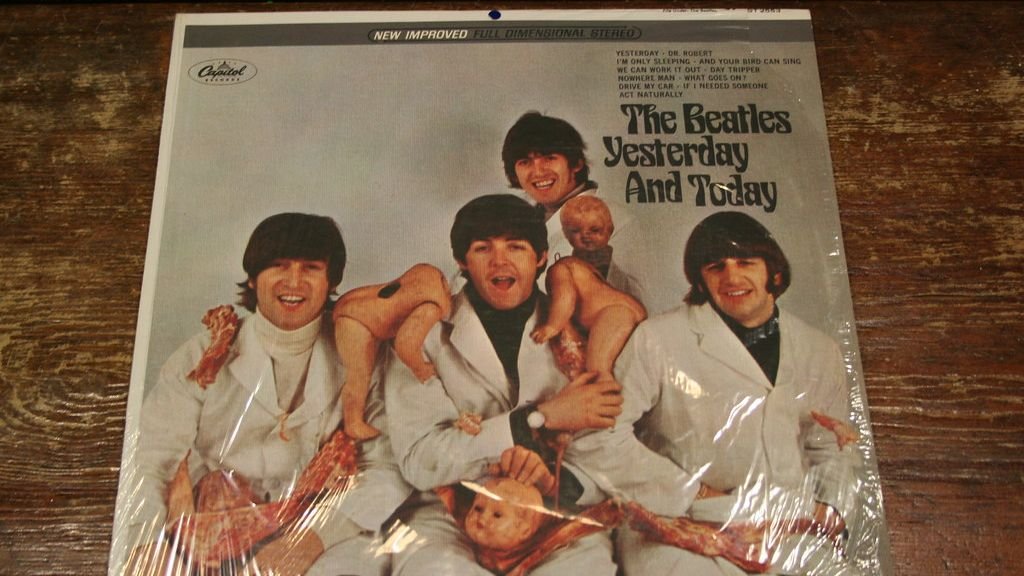
The Beatles’ 1966 U.S. album Yesterday and Today debuted with a shocking “butcher” sleeve. The band posed in white coats amid raw meat and broken dolls, a satirical jab at how Capitol Records “butchered” their albums with compilations. Distributors recoiled, pulling copies within days.[1]
Workers steamed over replacement “trunk” photos, creating rare “peelable” originals prized by collectors. The stunt reflected the band’s growing frustration amid Beatlemania’s pressures. Today, those first editions fetch high prices at auctions. The incident marked an early clash between artistic intent and commercial caution in rock history.[1]
Pink Floyd’s Animals: When the Pig Flew Away

Pink Floyd planned to photograph a massive inflatable pig floating above Battersea Power Station for their 1977 album Animals. The shoot went awry when the pig broke free from its tether. It drifted over London, forcing Heathrow flights to ground.[1]
Officials later found the runaway in a Kent field. Hipgnosis designers used composites to salvage the image. This mishap amplified the album’s critique of society as pig, sheep, and dog. The cover endures as a symbol of rock’s extravagant, unpredictable production tales. It cemented Pink Floyd’s reputation for theatrical visuals matching their sound.[1]
Joy Division’s Unknown Pleasures: Waves from the Stars

Designer Peter Saville pulled the stark white lines on black from a 1977 astronomy textbook. They depicted radio pulses from the first discovered pulsar, CP 1919. Joy Division chose it for their 1979 debut, omitting band name or title for pure enigma.[1]
The minimalist design captured post-punk’s raw edge. It now graces countless t-shirts and tattoos worldwide. Saville later reflected on its accidental poetry linking cosmic signals to human isolation. Few covers so simply defined a genre’s aesthetic. Its ubiquity proves how borrowed science can birth cultural icons.[1]
Supertramp’s Breakfast in America: A Fake New York Skyline
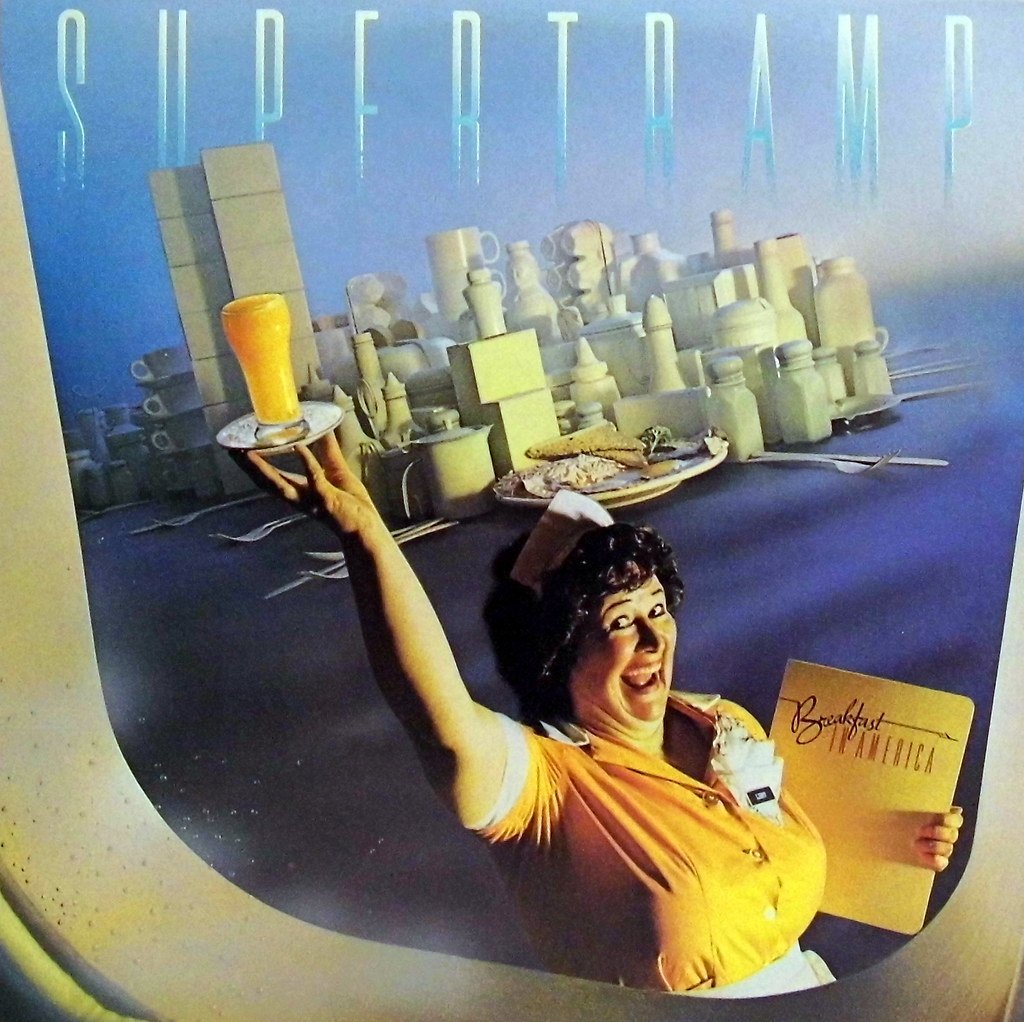
Supertramp’s 1979 smash cover mimics a New York breakfast view from a diner. Cereal boxes form skyscrapers, egg crates the World Trade Center. Actress Kate Murtagh posed as a waitress holding an orange juice tray as the Statue of Liberty.[1]
Mirrored reflections in her tray sparked wild 9/11 conspiracy claims decades later. The constructed scene sold the band’s outsider take on American dreams. It propelled the album to quadruple platinum. Such clever illusions show how staging can outshine reality in album lore.[1]
Led Zeppelin’s Houses of the Holy: Children in the Mist
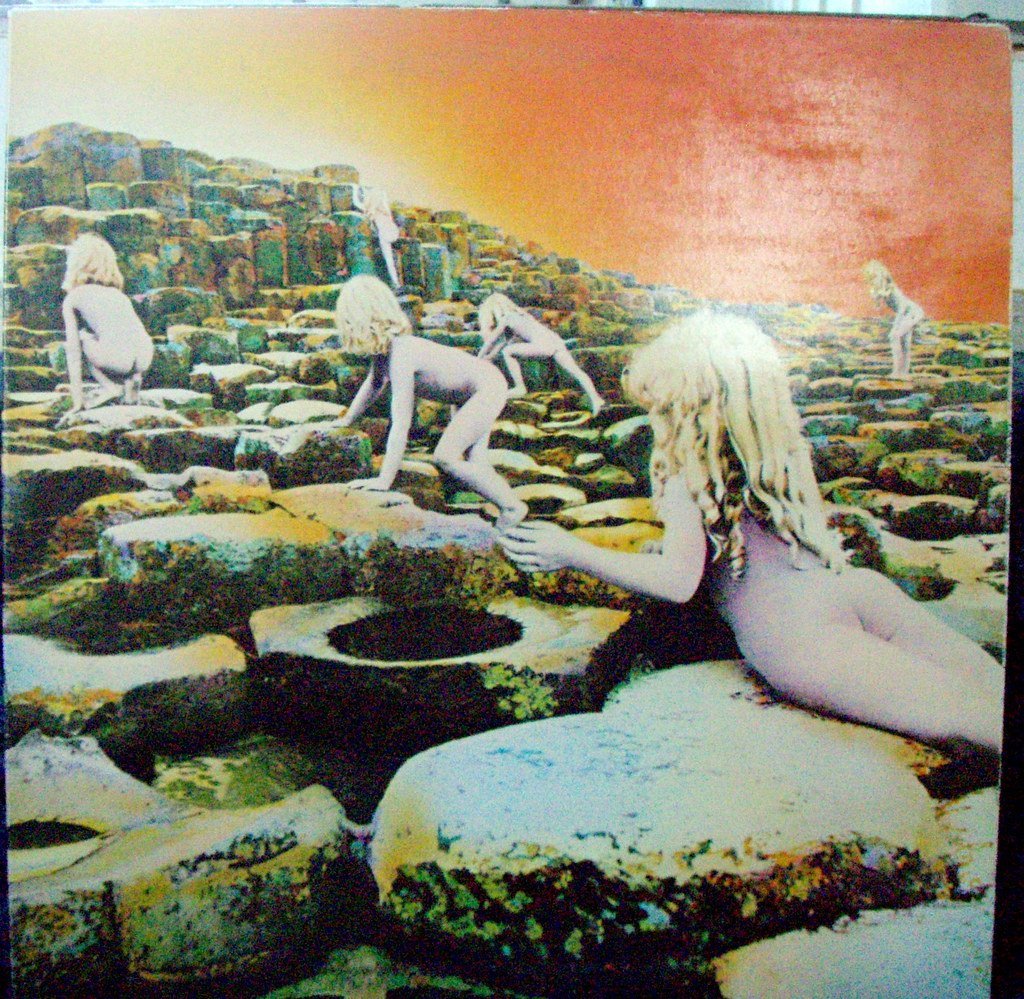
The 1973 cover features nude children climbing Giant’s Causeway in Ireland. Photographer Sam Emerson used multiple exposures at dawn and dusk to catch the right ethereal light. Weather delays turned a simple hike into a grueling all-nighter.[1]
The glowing figures evoke ancient rituals amid basalt columns. It stirred minor controversy over the nudity but became a prog rock staple. The image ties to the album’s mystical themes. Persistence in harsh conditions yielded one of rock’s most haunting sleeves.[1]
The Rolling Stones’ Sticky Fingers: Warhol’s Zipper Trouble
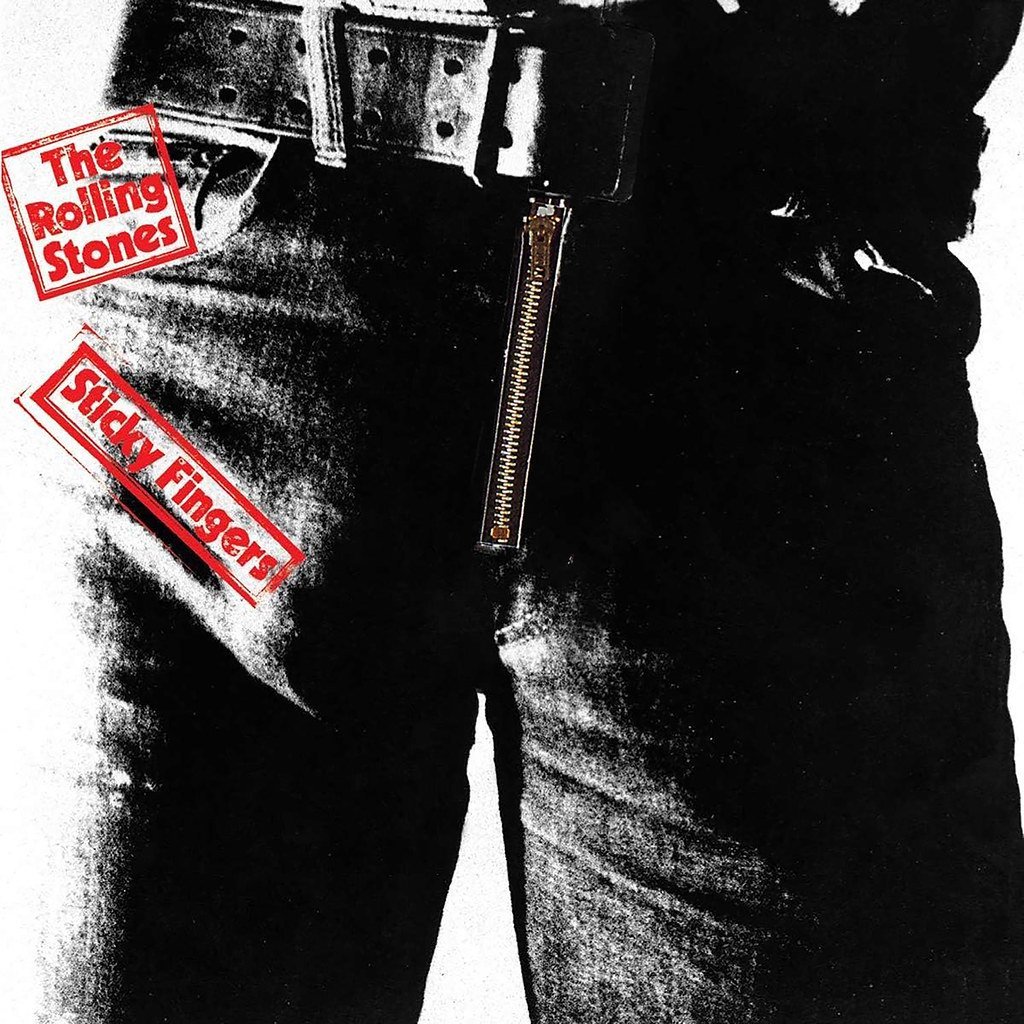
Andy Warhol designed the 1971 cover with a real zipper on jeans modeled by Joe Dallesandro. Mick Jagger pushed for the gimmick, debuting the band’s tongue logo inside. Production woes arose as zippers snagged and warped inner sleeves during pressing.[2][3]
Factories adjusted with careful folding, but the interactivity thrilled fans. Warhol’s ambiguous bulge fueled speculation. It marked a bold fusion of pop art and rock excess. The sleeve’s functionality made it a tactile icon, influencing countless interactive designs.[2]
The Beatles’ Abbey Road: Barefoot Conspiracy Fuel

Iain Macmillan snapped the 1969 cover on a London zebra crossing outside EMI Studios. Paul McCartney walked barefoot, out of step, cigarette in hand, after ditching a grander “Everest” idea. The casual shot ignited “Paul is dead” rumors, with clues like the license plate “28IF”.[1]
That crossing now draws pilgrims daily. It captured the band’s swan song vibe perfectly. Myths aside, the image’s simplicity endures. Few photos so effortlessly defined a cultural finale.[1]
Visuals That Defined Music’s Lasting Identity
These covers prove artwork often steals the spotlight from songs. Mishaps like runaway pigs or butcher pranks became part of the mythos. They shape how we remember bands, turning vinyl into artifacts.[1]
In a streaming age, such images preserve music’s tangible soul. They remind us visuals can outlive hits, etching stories into collective memory.

Christian Wiedeck, all the way from Germany, loves music festivals, especially in the USA. His articles bring the excitement of these events to readers worldwide.
For any feedback please reach out to info@festivalinside.com
