
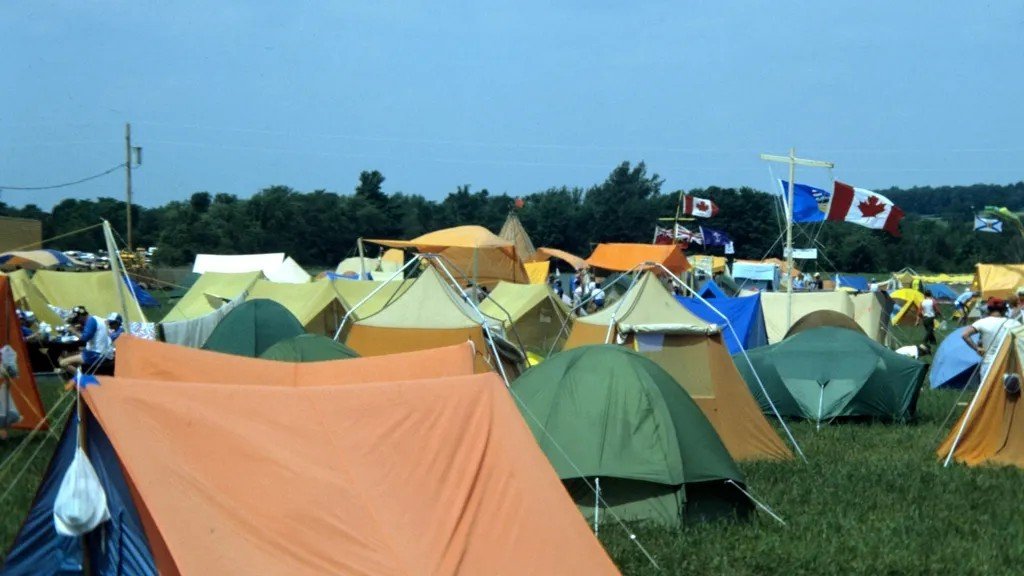
Festival camping started as a raw, communal experience in the late 1960s. Attendees at events like Woodstock in 1969 pitched basic tents on farmland, often sleeping in sleeping bags or under tarps when rain turned fields to mud.[1][2] This setup embodied the counterculture spirit, where comfort took a backseat to shared vibes and endurance.
Over decades, camping evolved with gear improvements and shifting attendee expectations. What began as survival morphed into luxury options that draw crowds seeking ease alongside music.
1960s: Humble Beginnings at Woodstock
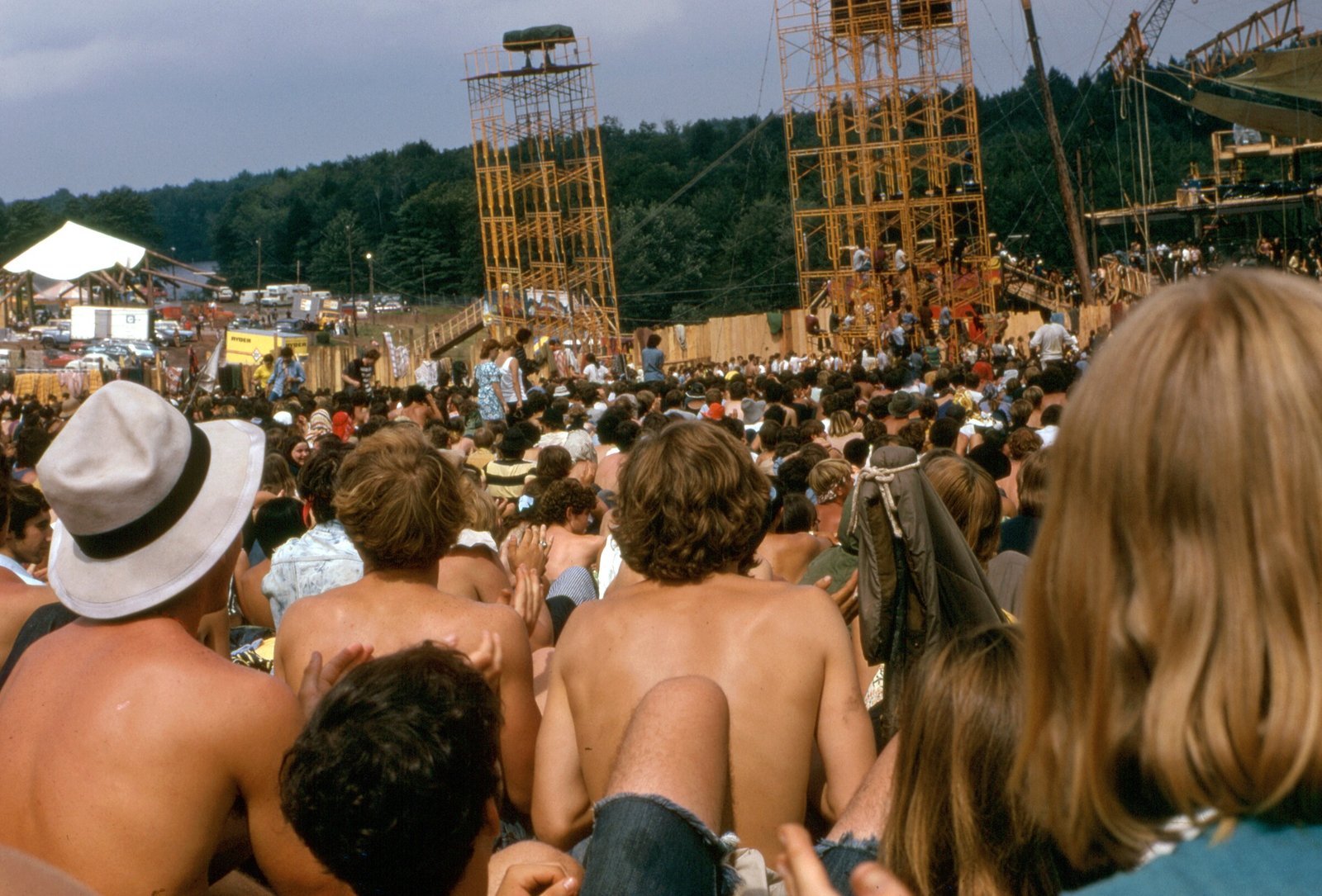
The 1969 Woodstock festival marked the start of modern festival camping. Around 400,000 people arrived with simple tents, many improvising shelters from whatever materials they had.[1] Conditions were chaotic, with heavy rain creating a sea of mud that tested everyone’s resolve. Tents served mainly as basic protection from elements.
This period defined camping style as rugged and egalitarian. No frills meant focusing on the music and community. New features were scarce, though some brought tarps for extra cover.[2] It set a template for future events.
1970s-1980s: The Rise of Standard Tents
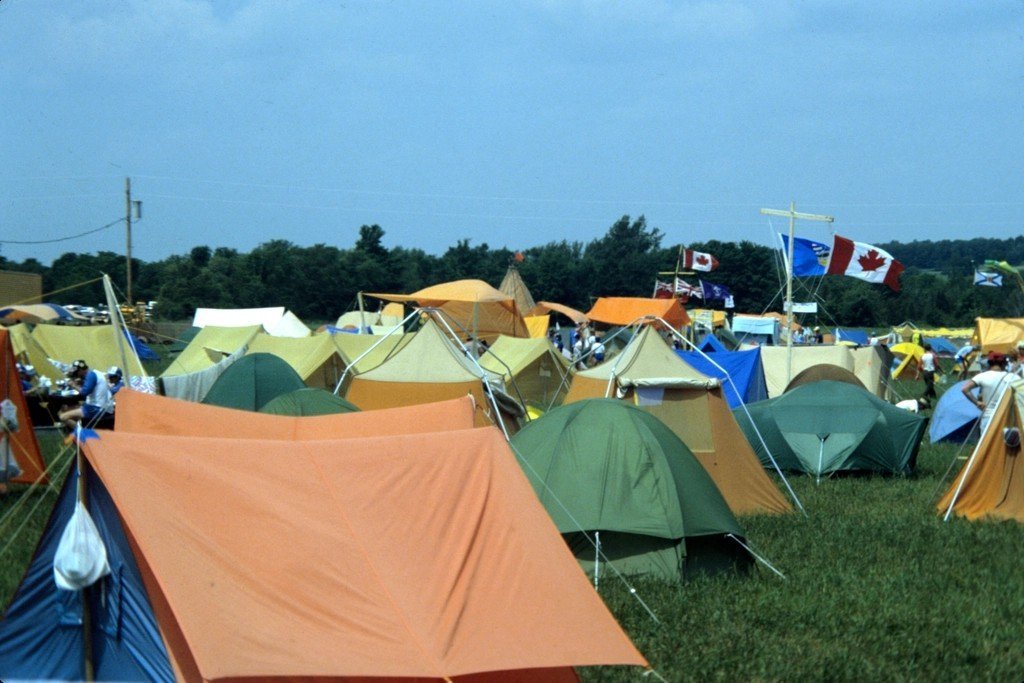
Through the 1970s and 1980s, tent camping became standard at growing festivals. Nylon tents with fiberglass poles offered better waterproofing and quicker setup than earlier canvas versions.[3] Festivals expanded, pulling in diverse crowds who packed sleeping bags and coolers.
Camping style shifted toward organized sites with assigned areas. Air mattresses appeared as a small luxury. Festivals began providing basic facilities like toilets, easing the wilderness feel.
1990s-2000s: RV Integration and Gear Upgrades
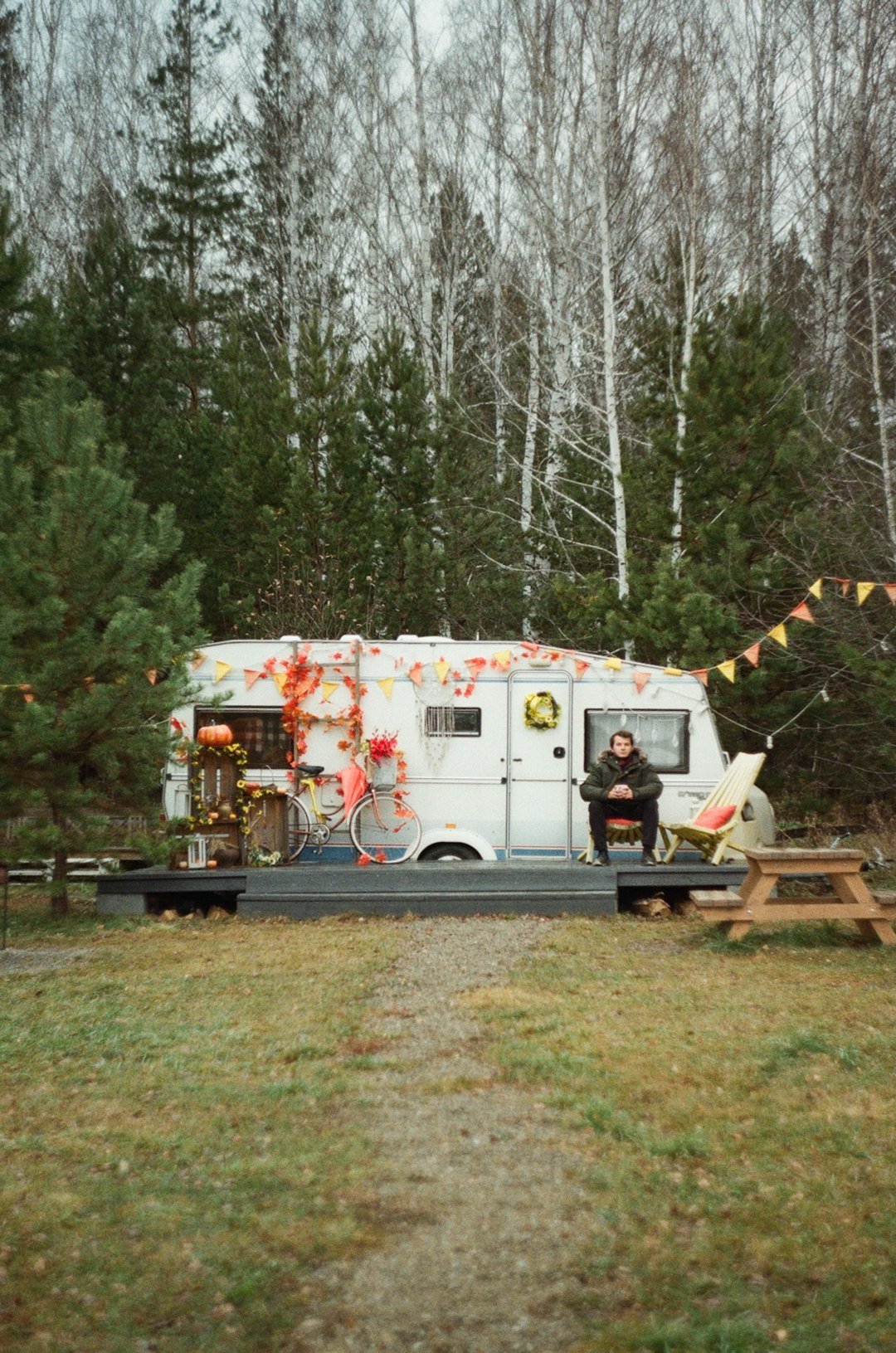
By the 1990s, RVs and caravans joined the mix at larger U.S. and European festivals. These vehicles brought self-contained comfort with beds and kitchens on wheels. Tent tech advanced too, with lightweight, pop-up designs.
This era’s style blended tents and vehicles for varied budgets. Festivals zoned areas for RVs to manage traffic. Portable stoves and battery fans emerged as key new features, improving daily life amid crowds.
Early 2010s: Boutique Tents and Yurts Emerge
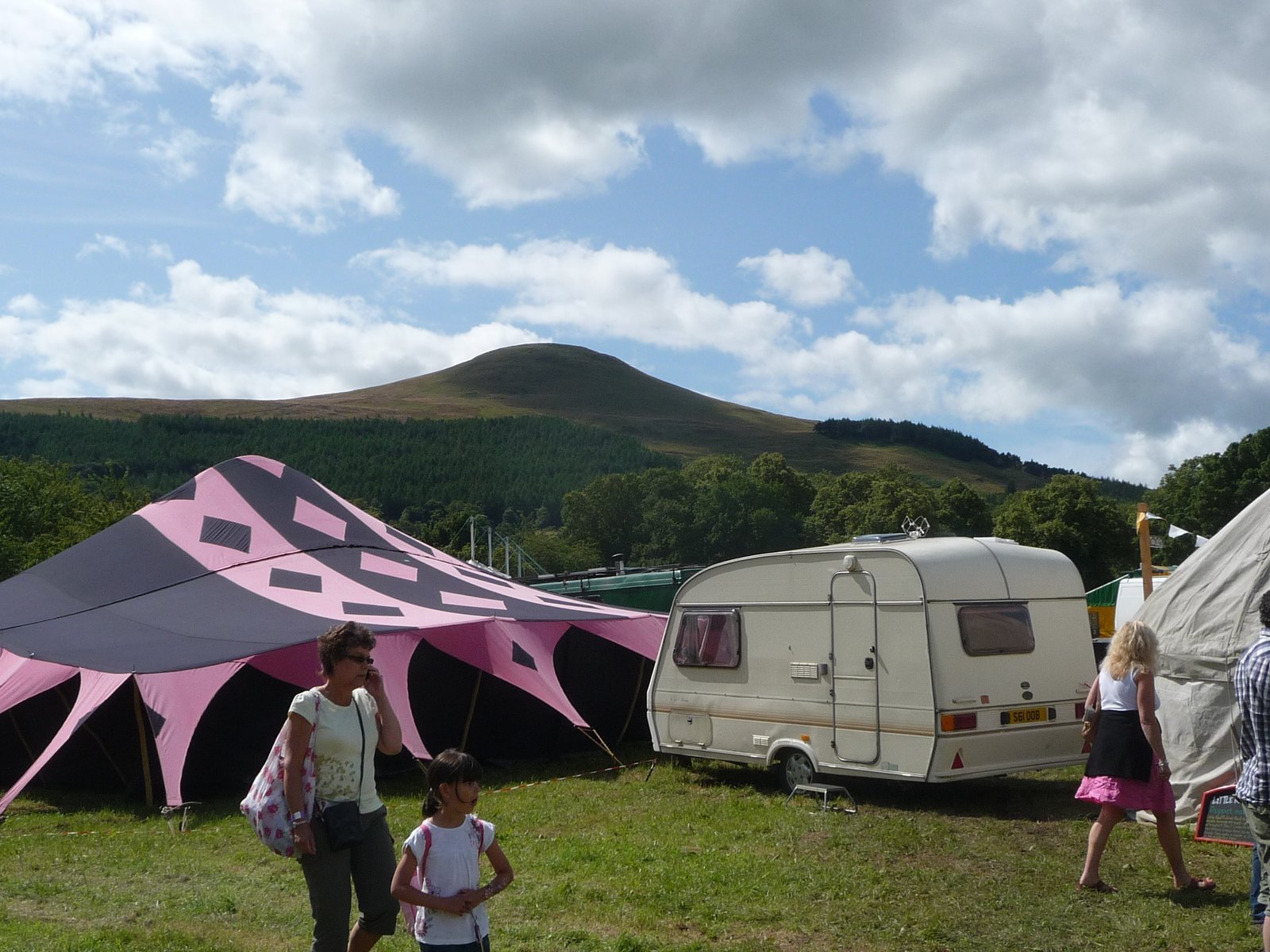
The early 2010s saw boutique options like bell tents and yurts at UK festivals such as Glastonbury. These canvas structures provided more space and style than standard tents. Organizers started renting them out for premium fees.
Camping style grew aspirational, with furnished interiors including rugs and lanterns. Electricity hookups became common in upgraded zones. This introduced comfort without leaving the festival spirit behind.
Mid-2010s to Present: Glamping Takes Over
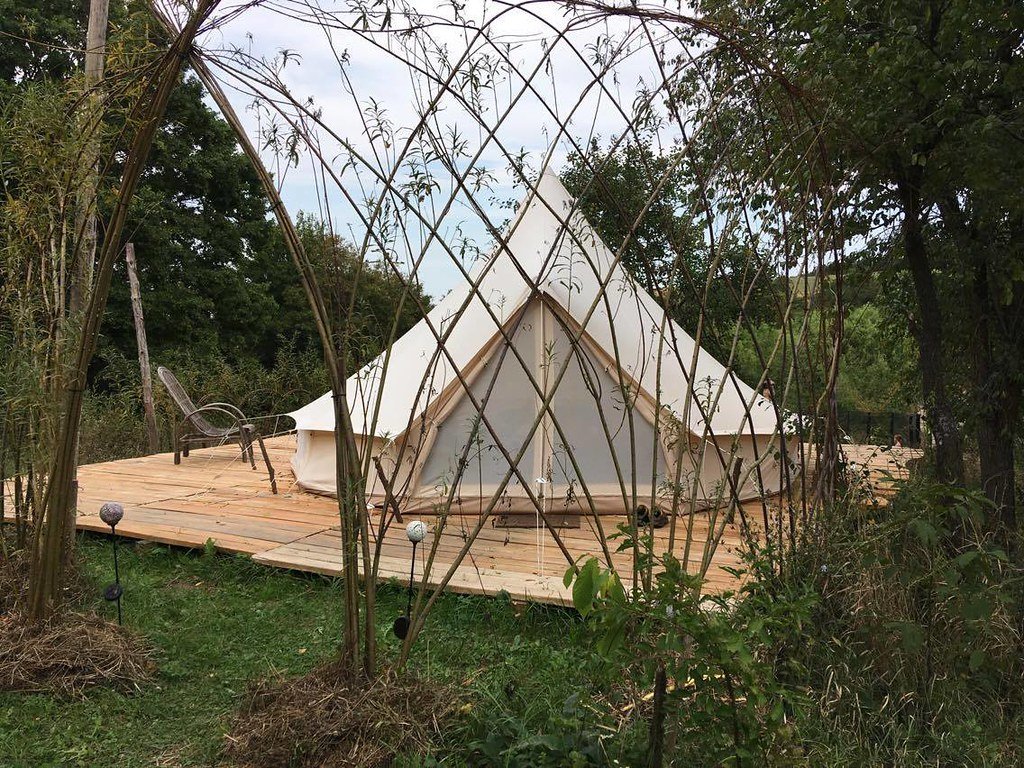
Glamping exploded around 2015, with the term gaining traction since 2007 searches spiked.[4] Festivals now offer safari tents, pods, and domes equipped with real beds, linens, and even Wi-Fi. Sites like Bethel Woods, the original Woodstock location, added glamping in 2024.[5]
Villages feature communal lounges, hot showers, and catering. New features include air conditioning units and private parking. This caters to those prioritizing rest amid long days of music.
Comfort’s Lasting Impact on Festival Culture
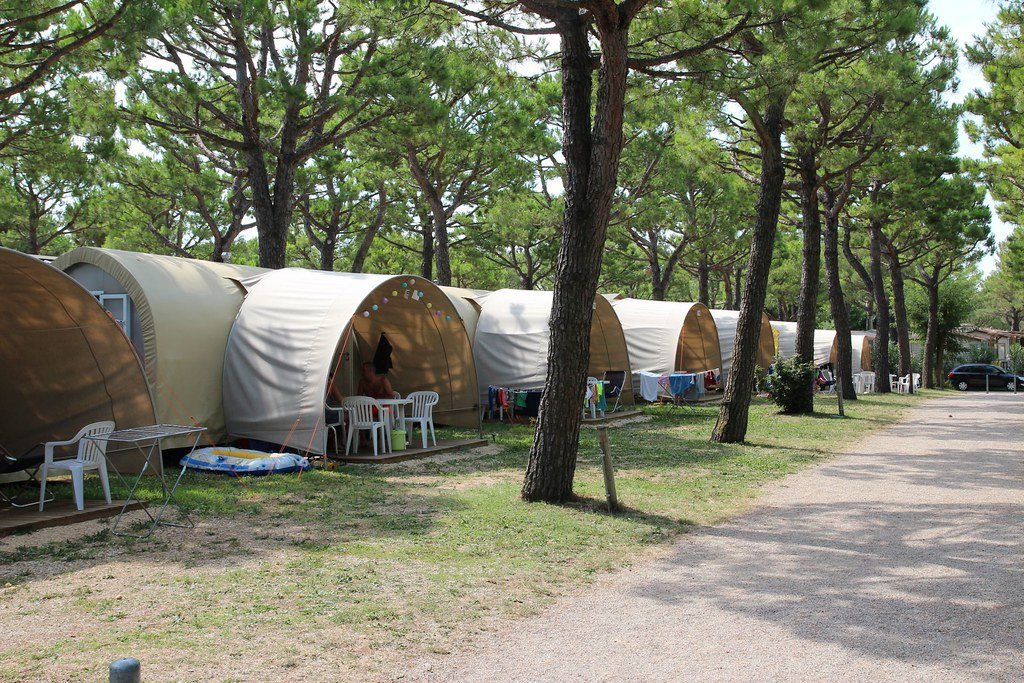
Luxury camping has broadened festival appeal, drawing families and older fans who skip mud for mattresses. Events now balance backpacker zones with glamping empires, sustaining massive attendance.
Yet the core thrill remains: music under stars. Enhanced comfort lets more people join without burnout. Festivals thrive as inclusive escapes, evolved but rooted in those early tent days.

- 12 Classic TV Shows With Shocking Behind-the-Scenes Dramas You Never Knew - September 10, 2026
- 10 Novels That Were Initially Dismissed, Only to Become Timeless Masterpieces - September 10, 2026
- The ’80s Were a Wild Ride of Style and Sound That Changed Everything - September 10, 2026

