
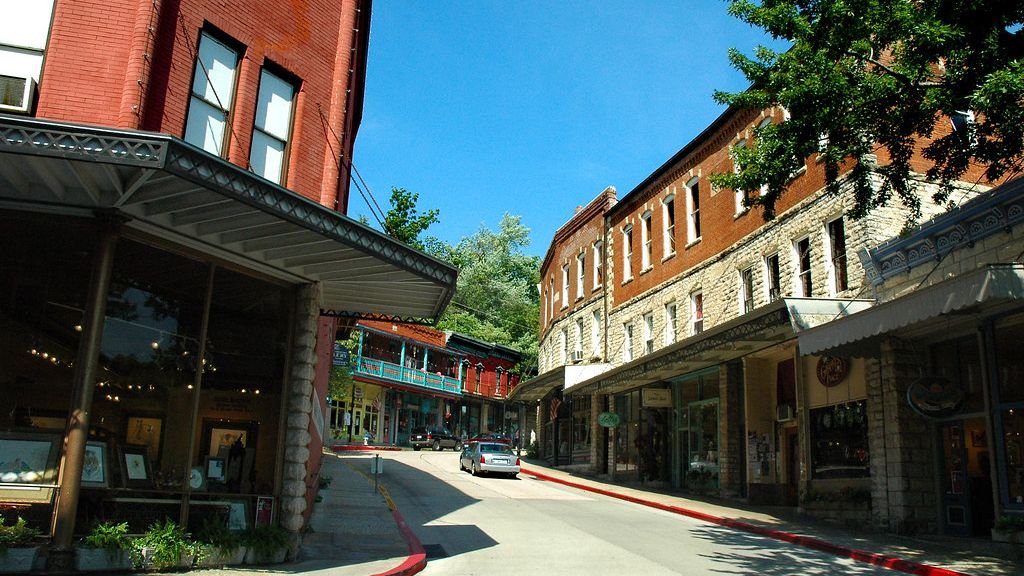
Preserved historic towns offer a quiet escape from the rush of modern life. These places keep their original architecture and street layouts intact, letting visitors wander cobblestone paths or gaze at Victorian facades much as they stood a century ago.
Their appeal lies in that sense of continuity. Daily routines unfold against backdrops unchanged for generations, creating moments where the past feels alive and tangible.[1][2]
1. Galena, Illinois
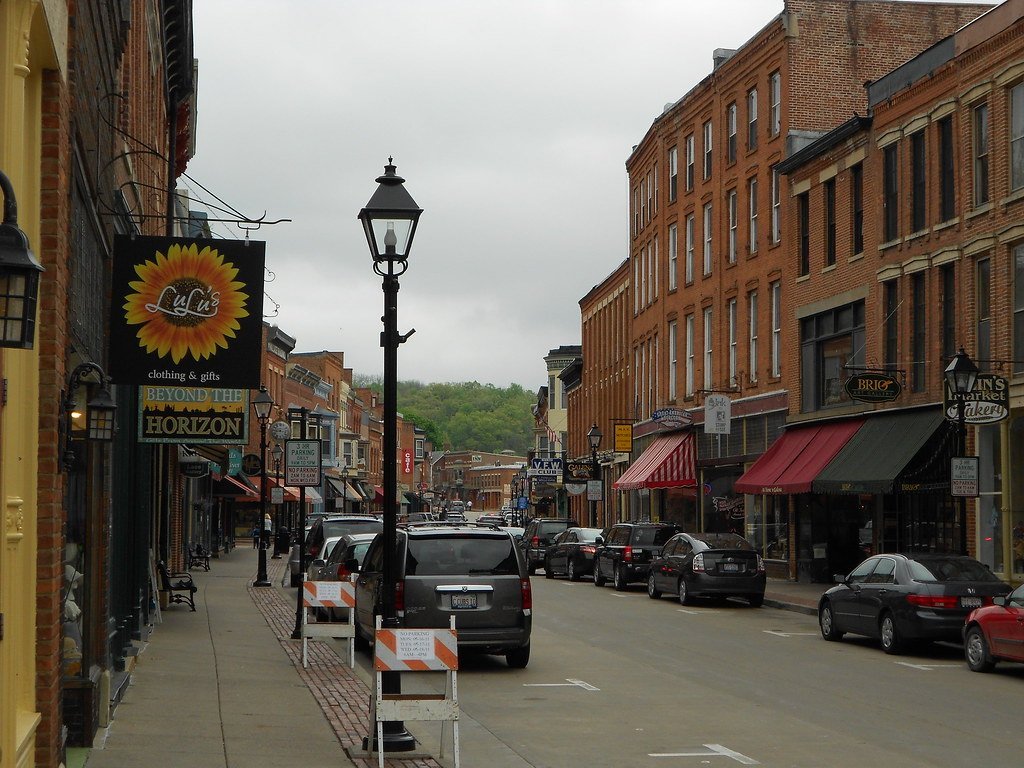
Nestled in northwest Illinois along the Mississippi River, Galena captures the prosperity of its 19th-century lead mining boom. Rows of Federal and Italianate buildings line Main Street, many on the National Register of Historic Places, giving the town a genteel, open-air museum quality. Brick-lined streets and hillside mansions evoke the era’s wealth without modern intrusions.
Antique shops fill restored storefronts, while the Ulysses S. Grant Home provides a personal glimpse into Civil War history. Carriage houses and porches overlook the river valley, enhancing the timeless riverside charm. Visitors often note how the consistent restoration maintains a visual unity that slows the pace naturally.[2][3]
2. Bisbee, Arizona
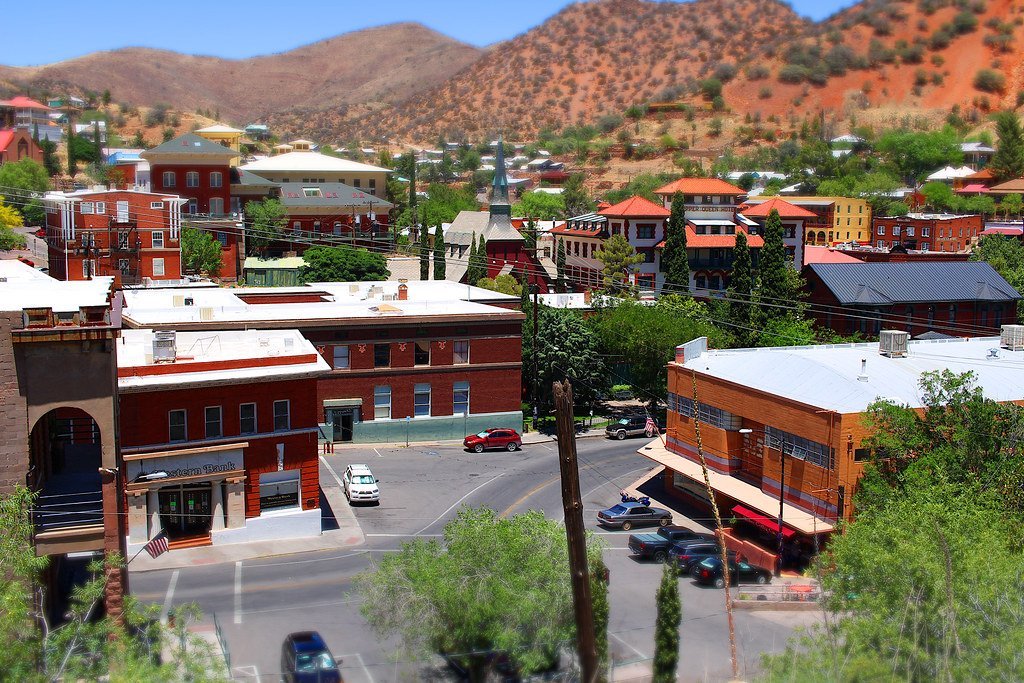
This former copper mining town in southern Arizona clings to steep hillsides, its historic district featuring buildings from 1890 to 1915. Narrow, winding streets and staircases mimic the paths miners once took, fostering a compact, pre-automobile feel. Colorful hillside homes and vintage storefronts blend mining grit with an artsy revival.
Brewery Gulch and alley shortcuts add to the layered, walkable layout. The terrain itself limits sprawl, preserving the early 20th-century company town atmosphere. Art galleries now occupy old saloons, offering a subtle nod to its “Wickedest Town in the West” past.[2][3]
3. Eureka Springs, Arkansas
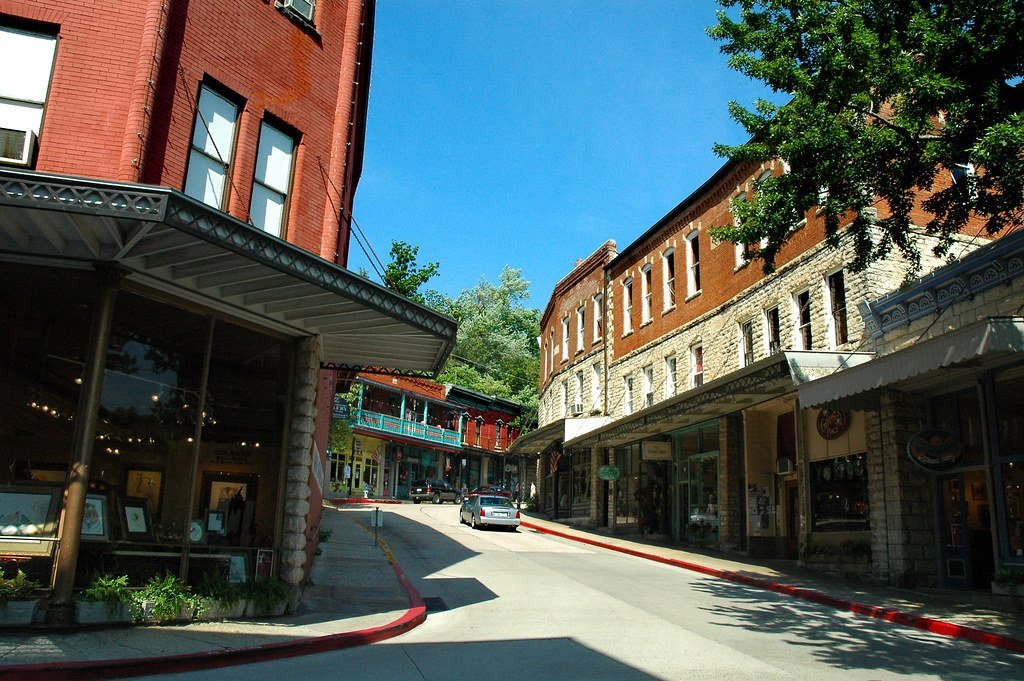
Tucked in the Ozarks of northern Arkansas, Eureka Springs boasts a citywide historic district of Victorian structures rebuilt after 1880s fires. Queen Anne and Second Empire details adorn hotels, shops, and cottages on steep, stone-walled streets. The layout, centered around natural springs, retains its late 19th-century resort vibe.
Hidden staircases connect winding roads, making exploration feel like a puzzle from another era. A historic depot anchors the walkable downtown. No chain hotels disrupt the dense, ironwork-embellished charm that drew health seekers long ago.[2][3]
4. Bardstown, Kentucky
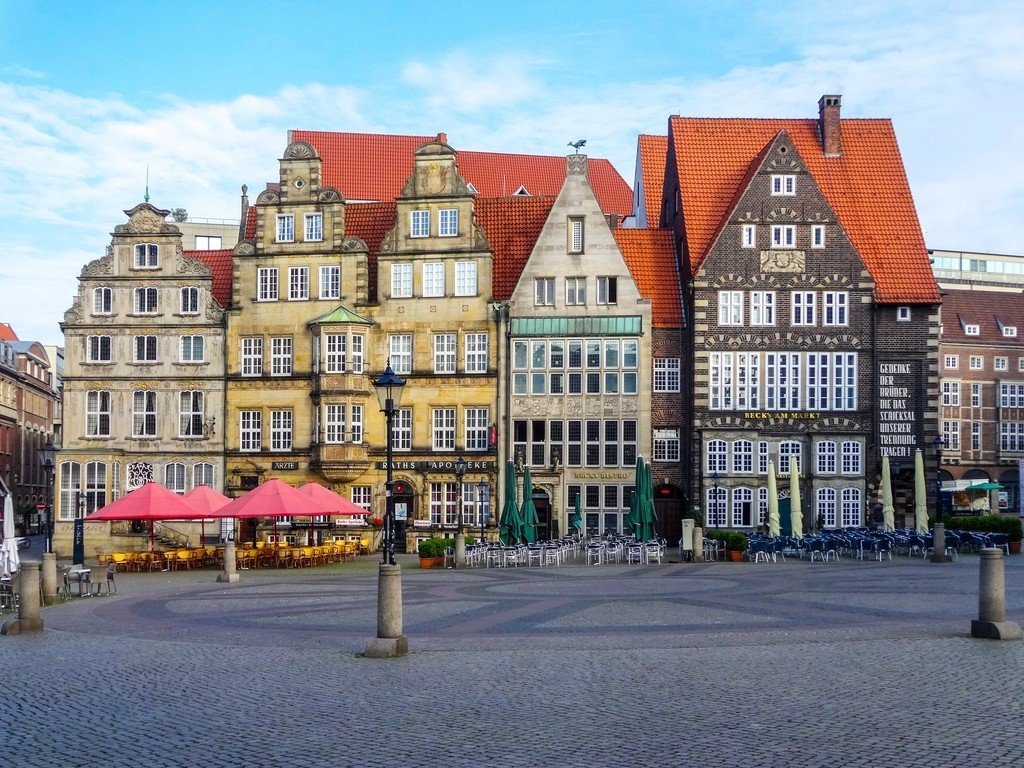
Kentucky’s second-oldest town, in the heart of bourbon country, holds around 200 pre-Civil War buildings on the National Register. Federal-style structures surround a classic town square, blending 18th-century roots with Southern authenticity. Talbott Tavern, a 1779 stagecoach stop, stands as one of the oldest bourbon bars.
Self-guided tours cover 48 historic sites, including My Old Kentucky Home State Park’s 200-year-old mansion. Nearby distilleries invite tastings amid the preserved landscape. The unpolished feel pairs perfectly with family-run eateries.[1][3]
5. Harpers Ferry, West Virginia
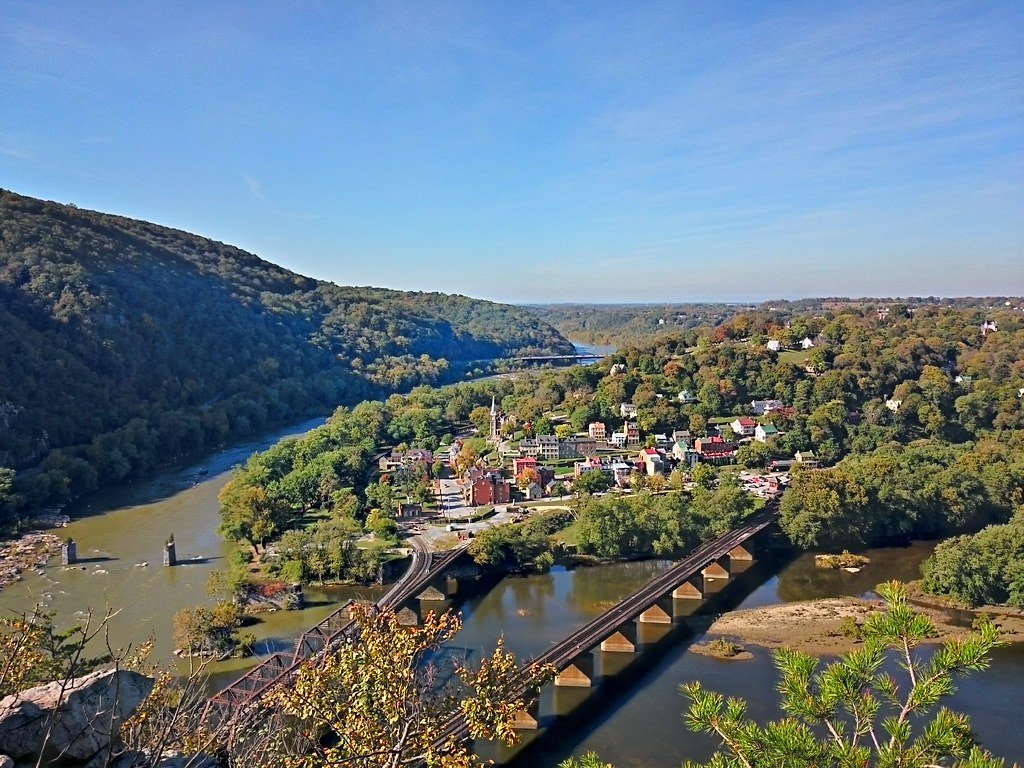
Situated at the confluence of the Potomac and Shenandoah rivers, this West Virginia gem preserves its lower town within a national historical park. Brick storefronts and workshops recall the 19th-century armory era and John Brown’s 1859 raid. Stone steps and narrow alleys keep the industrial streets walker-focused.
John Brown’s Fort anchors exhibits on pivotal events. The Appalachian Trail passes through, drawing hikers to Jefferson Rock. True Treats Historic Candy shop revives retro confections in a fitting setting.[4][2]
6. Georgetown, South Carolina
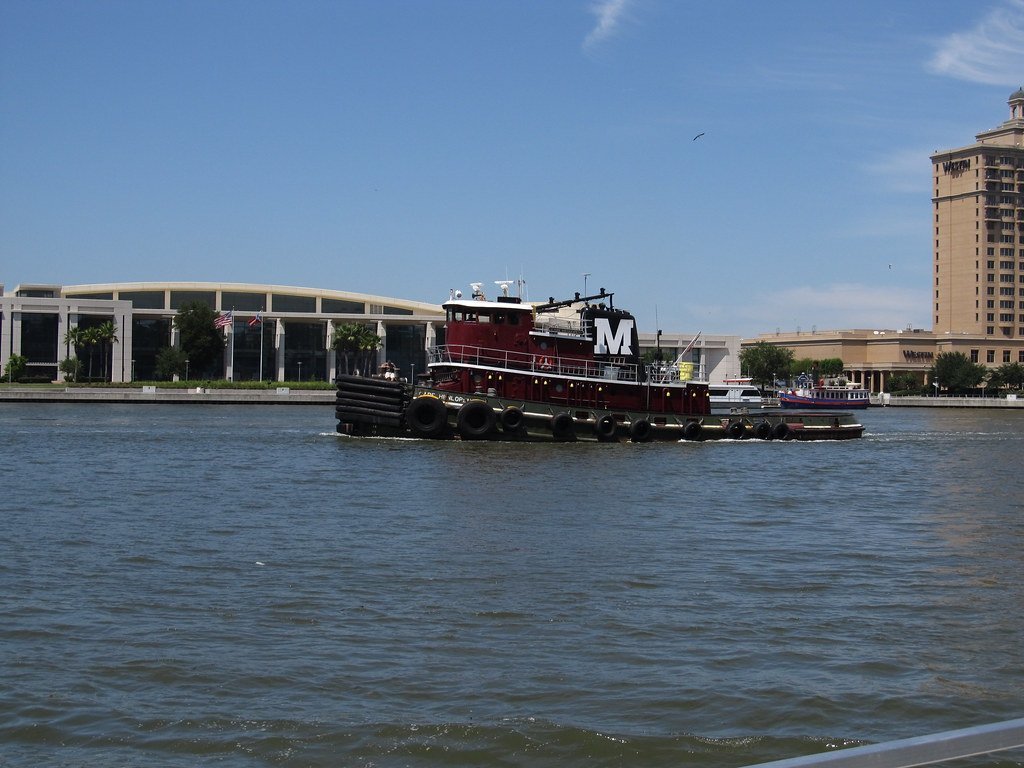
Founding in 1729, South Carolina’s third-oldest city features a waterfront lined with antebellum homes under moss-draped live oaks. The historic district’s canopy-shaded streets earn it the nickname “Little Charleston.” Preservation highlights the port’s role in rice and indigo trade.
Kaminski House Museum offers tours of an 18th-century home. Narrow lanes and picturesque oaks create a serene, unchanging coastal aura. The blend of architecture and nature feels effortlessly preserved.[4]
7. Jonesborough, Tennessee
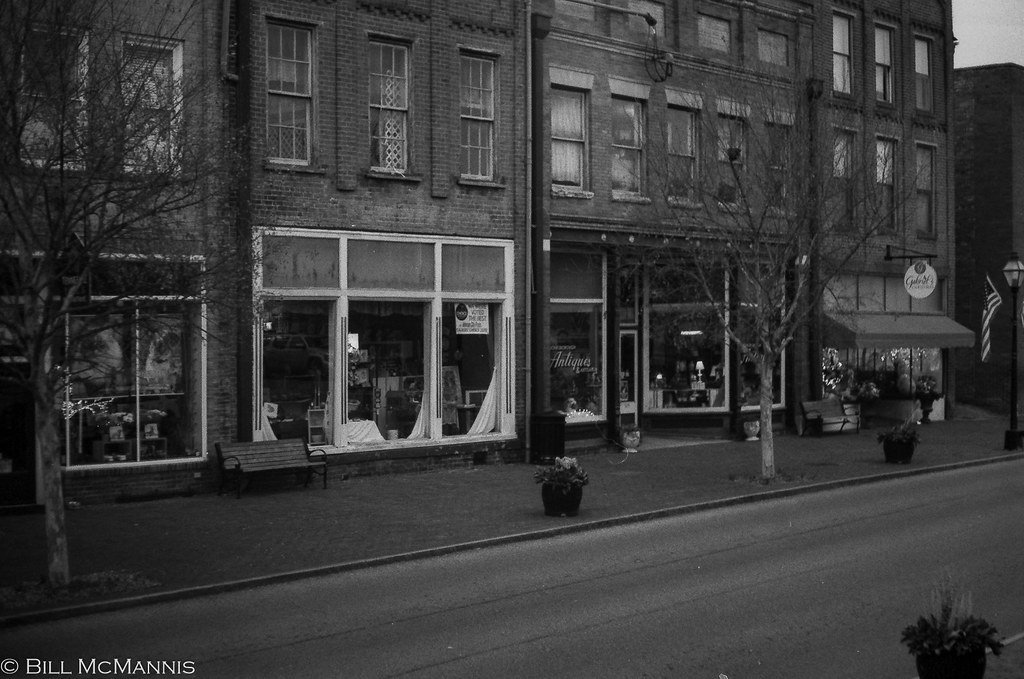
Tennessee’s oldest town, established in 1779, lines brick-paved streets with colorful 18th-century buildings. Known as the Storytelling Capital of the World, it hosted America’s first abolitionist newspaper in 1820. The Emancipator’s legacy adds depth to its charming core.
Chester Inn Museum and the Old Courthouse draw history buffs. The International Storytelling Center keeps oral traditions alive amid the timeworn facades. Walking the streets feels like entering a narrative from the frontier days.[5]
8. Chagrin Falls, Ohio
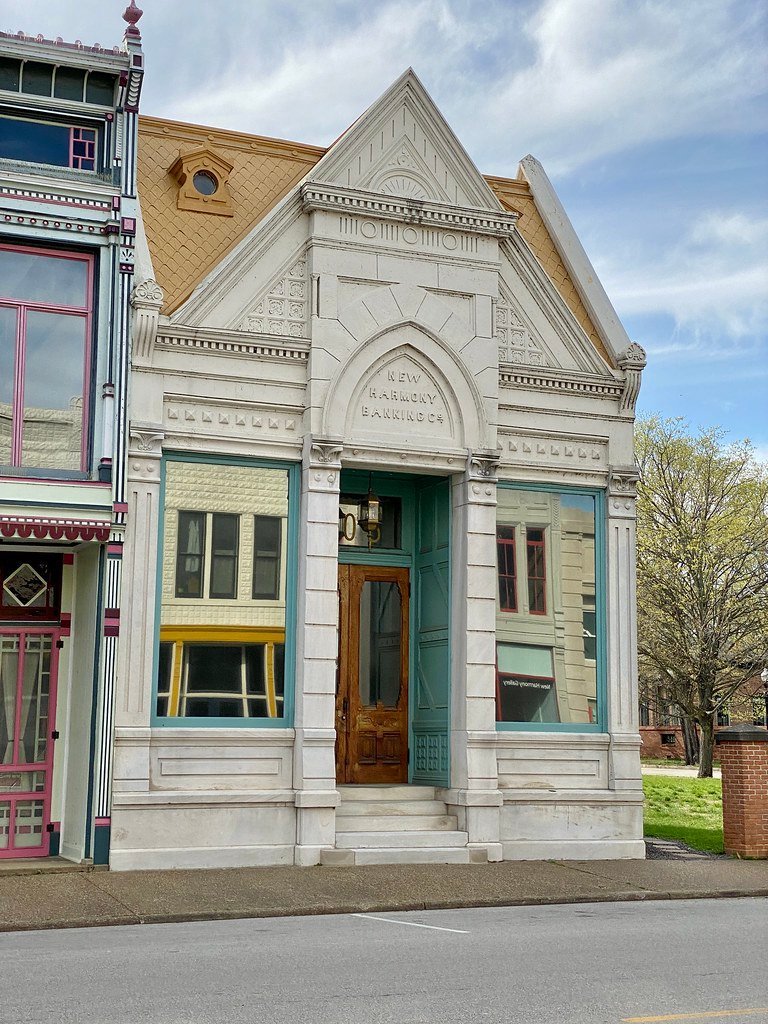
In northeastern Ohio, this village centers on a downtown waterfall ringed by 1800s brick buildings and flower baskets. Sidewalks and Victorian homes form quintessential Americana. The Chagrin Falls Popcorn Shop, with its 1875 facade, has served treats since 1949.
Community events like art festivals fill the preserved square. Brick-paved paths powered early mills, echoing industrial roots. The falls themselves provide a constant, soothing backdrop to the nostalgic scene.[1][5]
9. Jim Thorpe, Pennsylvania
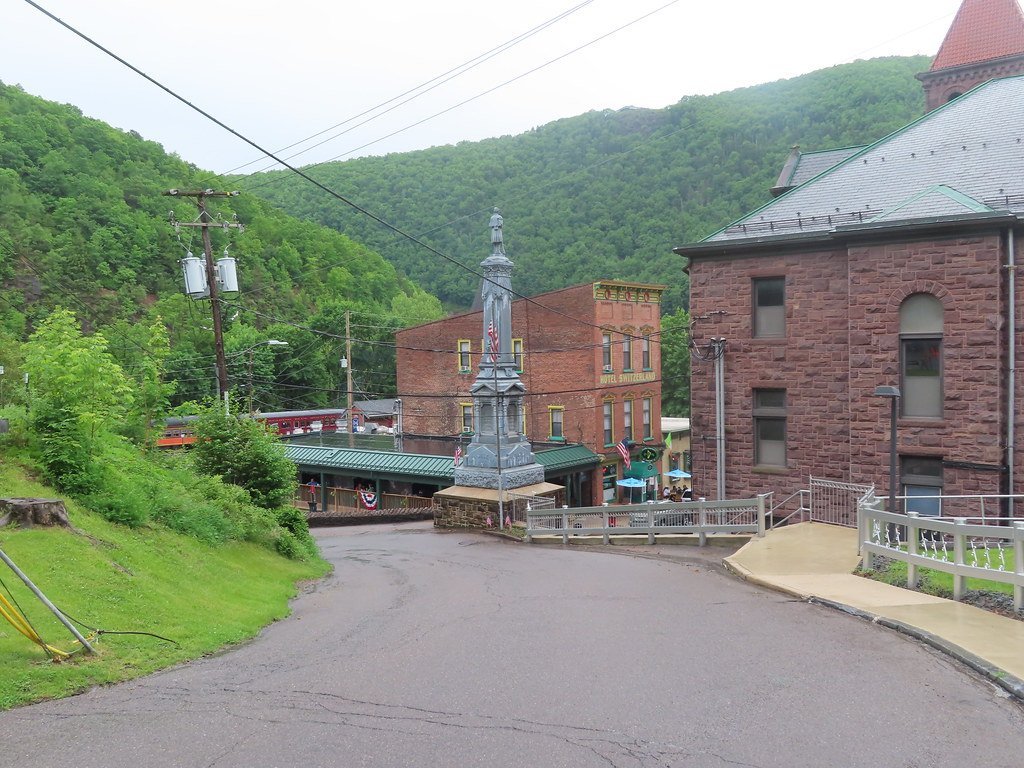
Nestled in the Pocono Mountains, this Pennsylvania borough showcases ornate Victorian architecture from its coal baron past. Scenic railways wind through the hills, enhancing the old-world feel. Fall foliage amplifies the unchanged mountain town charm.
Historic inns and shops occupy restored buildings. The compact layout invites slow strolls. Its distinct pre-automobile rhythm stands out amid the rugged terrain.[3]
10. Bristol, Rhode Island
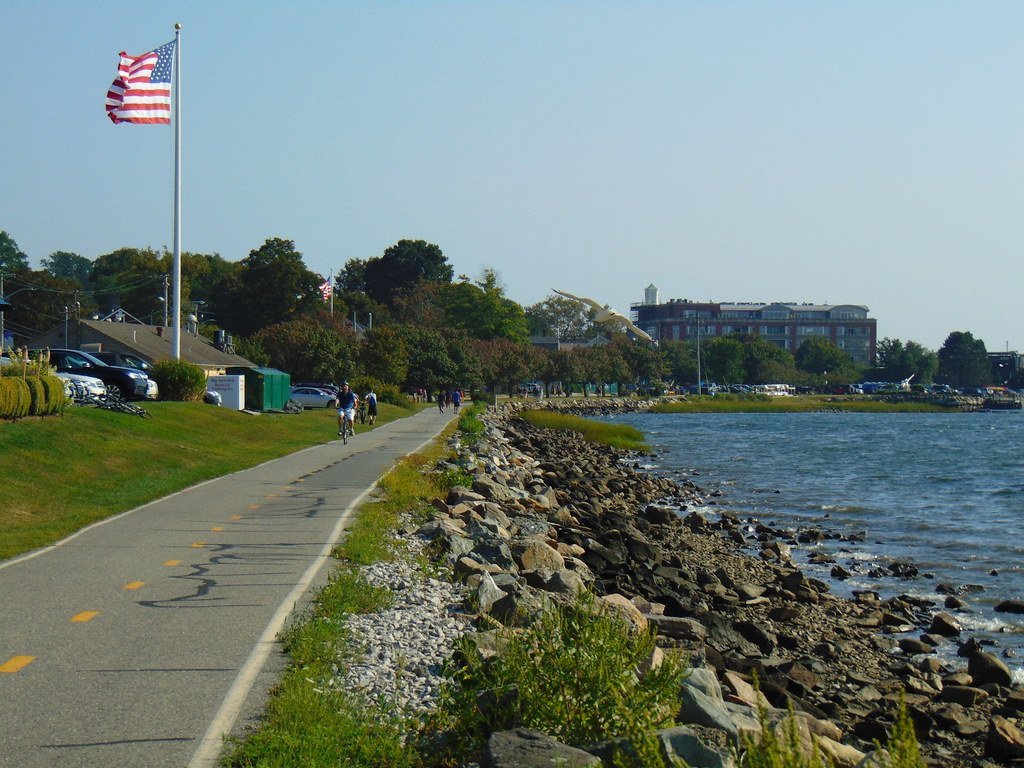
On Narragansett Bay, Bristol revives maritime days with well-preserved 18th and 19th-century homes. It claims the title of America’s most patriotic town via its longstanding Fourth of July parade. Coggeshall Farm museum recreates coastal tenant life.
Blithewold Mansion and gardens add grandeur. The harbor setting ties into its shipbuilding heritage. Streets lined with sea captain homes maintain a rhythmic, tide-like pace.[1]
The Value of Slow Travel Experiences
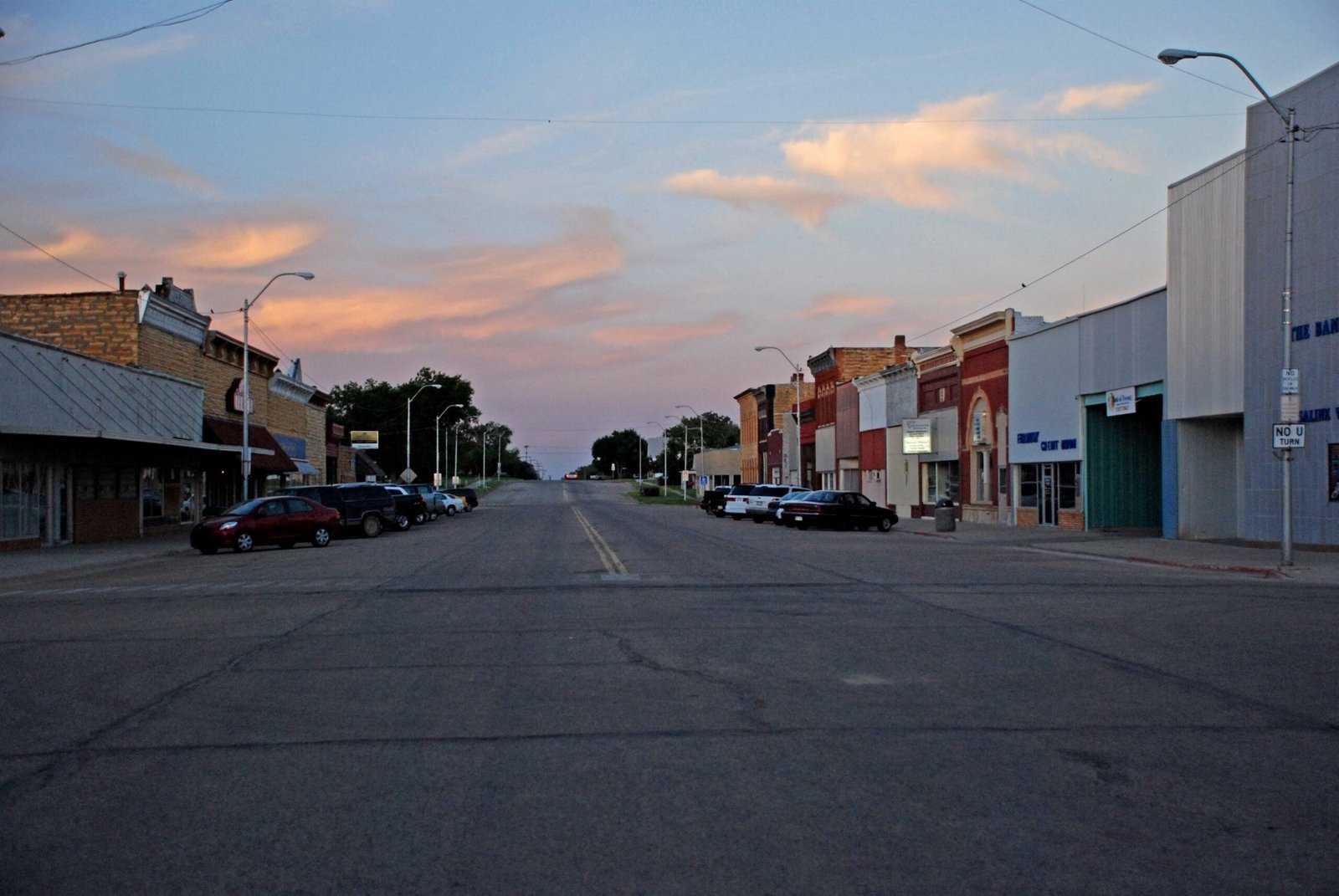
These destinations remind us how slowing down reveals layers overlooked in haste. Wandering preserved streets builds a deeper connection to place, far from crowded checklists. The absence of chains and traffic fosters unhurried discoveries.
Such trips recharge through quiet immersion. They prove that stepping back in time offers forward clarity, one mindful step at a time.

- 12 Classic TV Shows With Shocking Behind-the-Scenes Dramas You Never Knew - September 10, 2026
- 10 Novels That Were Initially Dismissed, Only to Become Timeless Masterpieces - September 10, 2026
- The ’80s Were a Wild Ride of Style and Sound That Changed Everything - September 10, 2026

