

For any feedback please reach out to info@festivalinside.com
- 20 TV Finales That Made Everyone Cry — Even the Cast - September 23, 2026
- Why Some 20 Albums Just Sound Better in Winter - September 23, 2026
- How the 20 Grammys Got It So Wrong — And So Right - September 23, 2026
Early Hollywood buzzed with glamour on screen, yet off it hid a web of excess and tragedy. Stars chased fame amid wild parties and unchecked vices, often clashing with America’s moral guardians. These hidden controversies burst into view through shocking deaths and trials that gripped the nation.[1][2]
Yellow journalism amplified every whisper into a roar. What started as private indiscretions fueled public outrage and reshaped the industry. Few eras matched this raw drama, far outpacing today’s scripted shows.
The Poisoning of Olive Thomas
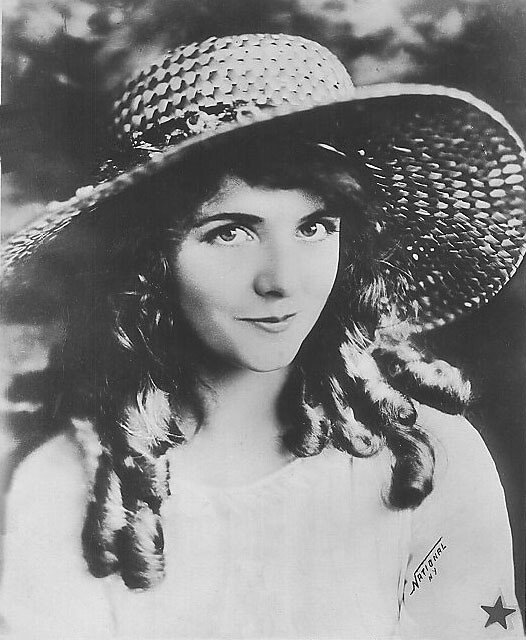
Olive Thomas, a rising star known for her role in The Flapper, became one of Hollywood’s first major scandals in 1920. While vacationing in Paris with husband Jack Pickford, she accidentally drank mercury bichloride solution from a bottle she mistook for water or tonic after a night of partying. She died days later from acute nephritis at age 22.[3]
Press rumors exploded with tales of suicide over Pickford’s infidelities or syphilis, even insurance plots. Her funeral drew massive crowds, highlighting public shock at Tinseltown’s underbelly. The incident marked an early wake-up to stars’ risky lives, stirring moral debates nationwide.[1]
Fatty Arbuckle’s Labor Day Party Nightmare
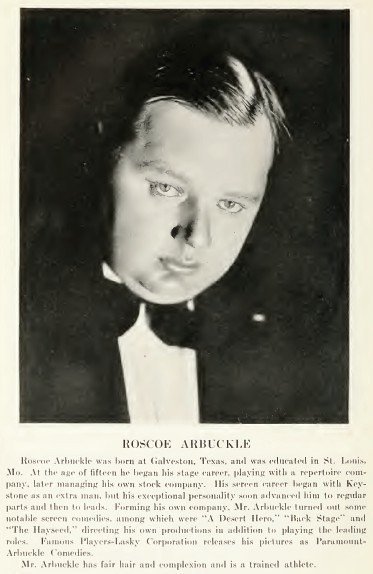
Roscoe “Fatty” Arbuckle, the era’s top-paid comedian with a million-dollar contract, hosted a wild Labor Day bash at San Francisco’s St. Francis Hotel in 1921. Actress Virginia Rappe fell ill there, suffering a ruptured bladder and peritonitis; she died four days later. Arbuckle faced manslaughter charges after Rappe’s friend accused him of rape, though medical exams found no evidence and noted her chronic issues.[4][5]
Hearst newspapers ran lurid front-page stories, branding Arbuckle a predator and outselling even the Lusitania sinking coverage. Three trials ended with acquittal, yet moralists and censors banned his films. Public fury ruined his career, leaving him broke and directing under pseudonyms until his 1933 death.[1]
William Desmond Taylor’s Bungalow Murder
Director William Desmond Taylor turned up shot dead in his Los Angeles bungalow on February 1, 1922. Comedienne Mabel Normand visited him hours earlier, leaving a locket in his pocket; teen star Mary Miles Minter sent love letters found nearby. Suspects ranged from Minter’s mother Charlotte Shelby to valet Henry Peavey and others, but evidence vanished amid sloppy policing.[5]
Media frenzy from Hearst papers spun tales of love triangles, drugs, and cults, boosting sales while slamming Hollywood’s morals. The scandal tanked Normand’s career over cocaine links and Minter’s over the letters. Still unsolved, it fueled calls to censor the industry and added morality clauses to contracts.[1][2]
Valuables left on Taylor pointed away from robbery, yet theories persisted for decades.
Wallace Reid’s Hidden Addiction
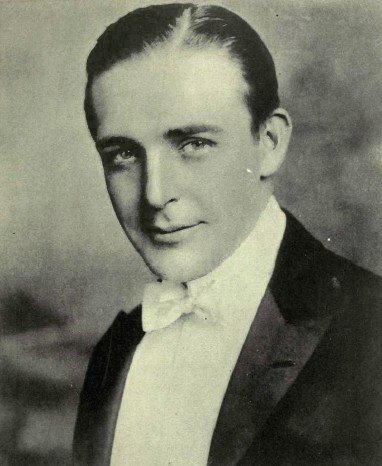
Wallace Reid, the clean-cut all-American hero of silents, hid a morphine habit sparked by a 1919 train wreck injury. Prescribed the drug for pain during filming, his addiction spiraled without treatment options amid grueling schedules. He died in 1923 at 31 from complications in a sanitarium.[6][1]
His widow went public, touring with a film warning of drug dangers. Front-page stories linked it to broader Hollywood excesses, shocking fans who saw Reid as wholesome. The case exposed studios’ cover-ups, intensifying anti-vice pressure on the industry.[2]
Thomas Ince’s Yacht Mystery
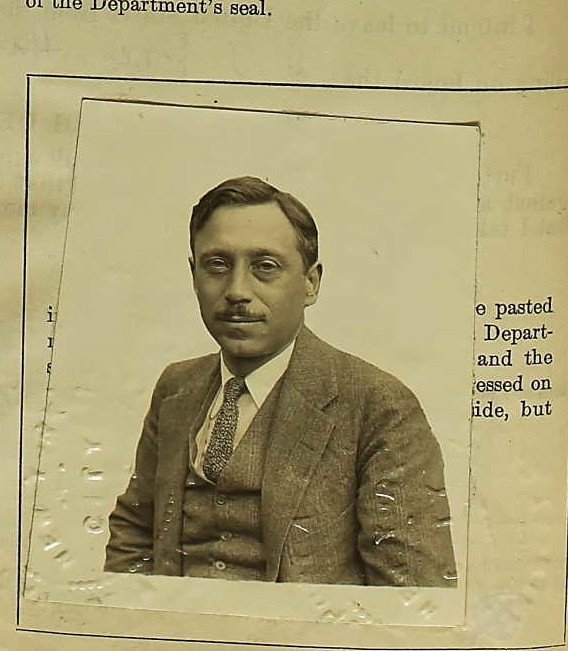
Producer Thomas Ince boarded William Randolph Hearst’s yacht Oneida in 1924 for a party with stars like Charlie Chaplin and Marion Davies. He fell ill during the trip, was rushed ashore, and died of heart failure days later at 42. Rumors claimed Hearst shot him mistaking him for Chaplin amid jealousy over Davies.[1]
Los Angeles papers pushed the shooting tale, though officials blamed bad bootleg alcohol. A quick investigation cleared everyone, but whispers lingered. Public intrigue painted Hollywood elites as dangerously decadent, further eroding the town’s innocent image.
Clara Bow’s Tabloid Torment
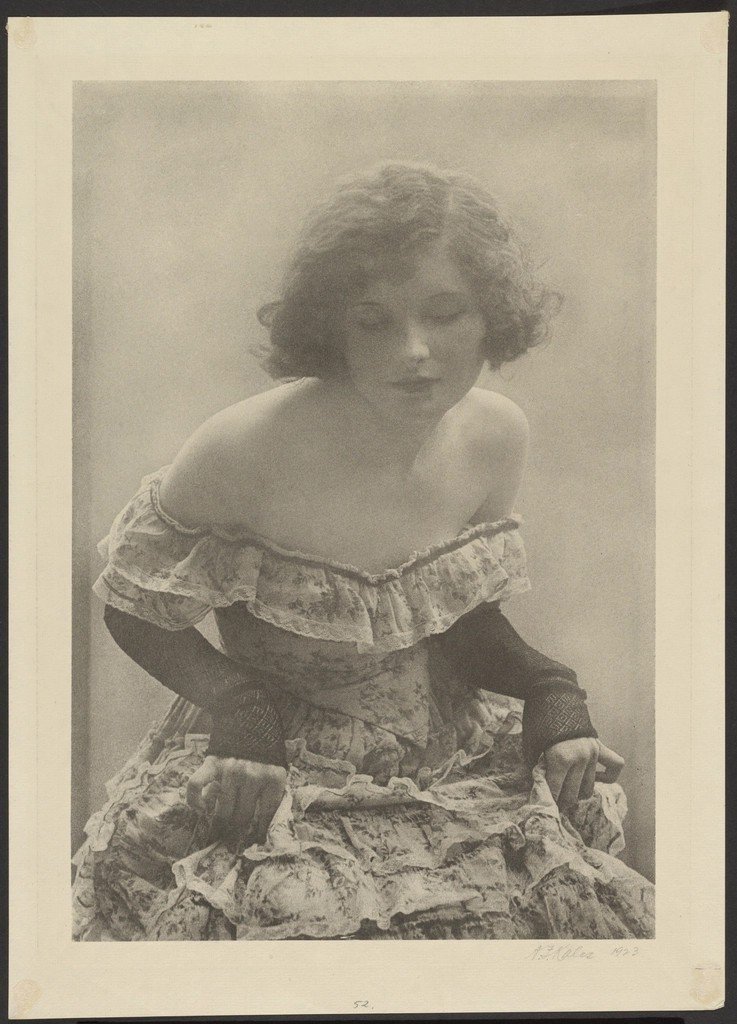
“It Girl” Clara Bow embodied flapper freedom, but her 1930 scandals erupted when secretary Daisy DeVoe stole letters revealing parties and affairs. Tabloids accused her of exhibitionism, incest, and worse in blackmail bids. Paramount trials exposed her bohemian life, hastening a breakdown.[7]
America recoiled at the “Crisis-a-day-Clara” headlines, clashing with her innocent screen persona. She retreated to a ranch post-1933, her career faded by 25. The frenzy underscored how studios and press policed stars’ private chaos.[2]
Myth vs. Reality in Classic Cinema History
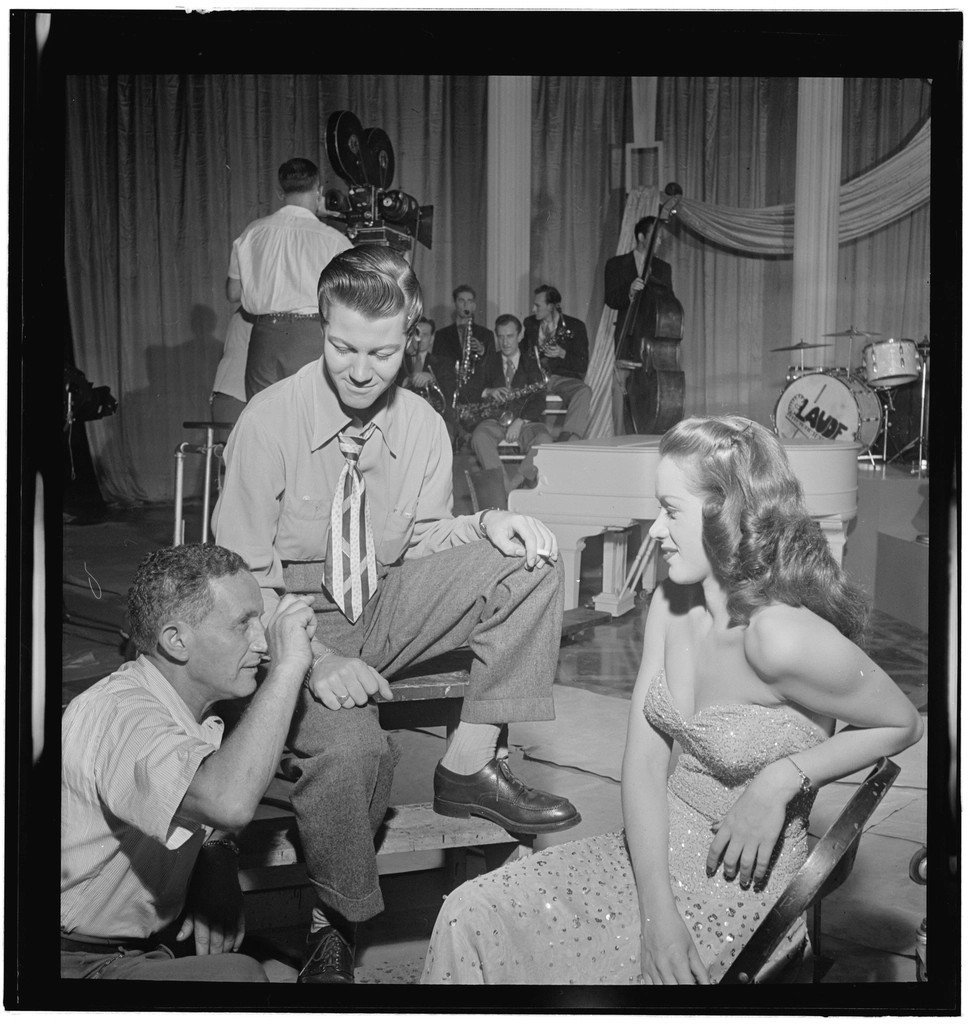
Classic Hollywood’s silver screen myths of perfection crumbled under these real-life storms. Scandals like Arbuckle’s trials and Taylor’s murder birthed the Hays Code, enforcing moral facades. Yet the era’s raw humanity – addictions, passions, mysteries – made stars relatable amid the outrage.[5]
Today’s reality TV pales next to this unfiltered drama, where lives unraveled publicly without filters. The glamour endured, but at a cost etched in history’s unresolved shadows.

Christian Wiedeck, all the way from Germany, loves music festivals, especially in the USA. His articles bring the excitement of these events to readers worldwide.
For any feedback please reach out to info@festivalinside.com
