
Banned books have long stirred debate in the United States. Challenges often stem from fears that certain stories might corrupt young minds or offend community values, leading schools and libraries to pull titles from shelves.
Common targets include works tackling race, sexuality, poverty, and rebellion. Yet these very controversies propelled many to bestseller lists and lasting fame in American letters.[1][2]
The Adventures of Huckleberry Finn by Mark Twain
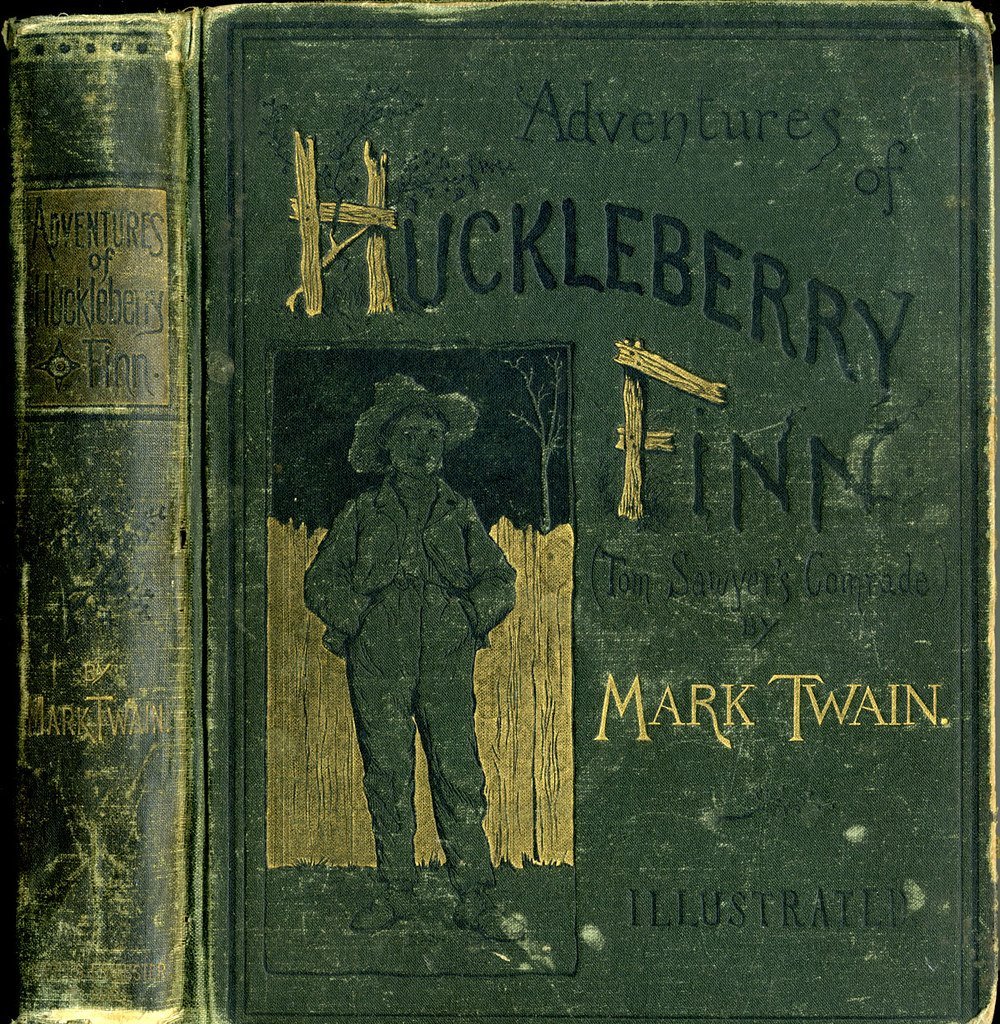
Mark Twain’s 1885 novel faced bans for its use of racial slurs, dialect, and themes of racism and slavery. Schools in places like Burbank, California, and Accomack County, Virginia, removed it from reading lists as recently as 2022, citing offensiveness.[1]
The book sold steadily over decades and became a cornerstone of American realism. It reshaped literature by boldly questioning moral hypocrisy around race, influencing generations of writers on freedom and humanity.[3]
To Kill a Mockingbird by Harper Lee
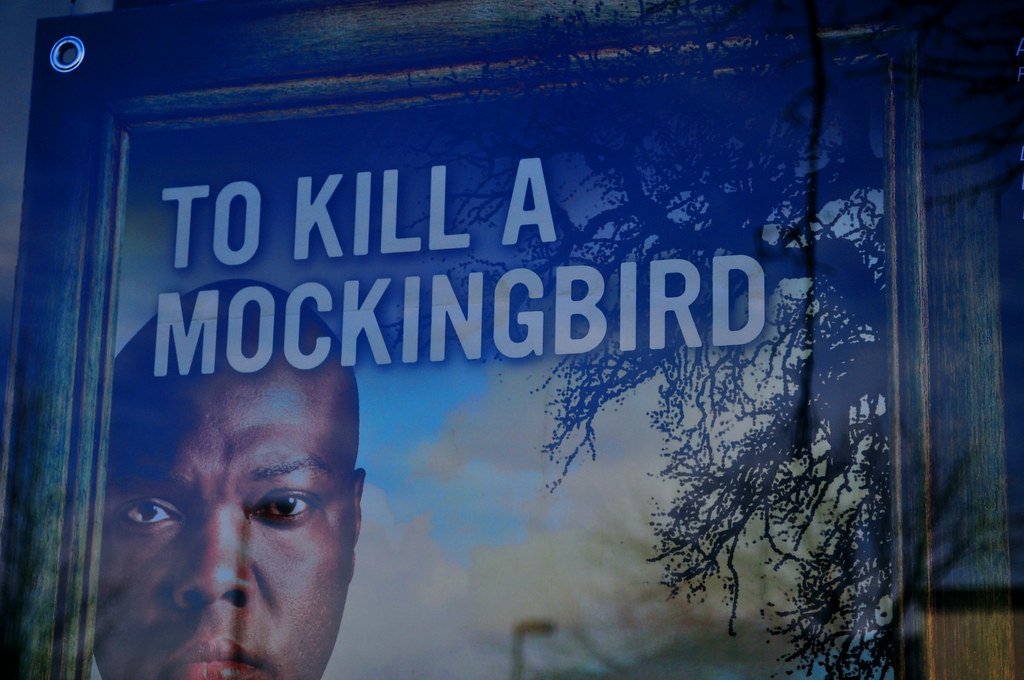
Harper Lee’s 1960 story drew fire for racial slurs, depictions of rape, and a perceived white savior narrative. Districts in California and Mississippi yanked it from curricula in recent years, worried about its impact on students.[1][2]
Pulitzer Prize in hand, it soared to bestseller status and remains a staple in classrooms. The novel transformed discussions on justice and prejudice, cementing its role in shaping empathy through Southern Gothic lenses.
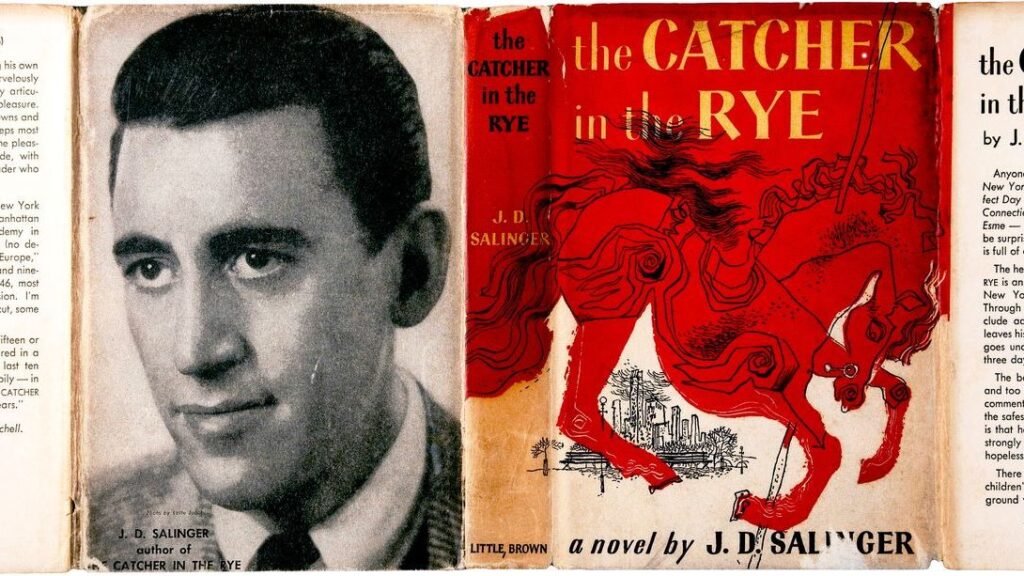
The Catcher in the Rye by J.D. Salinger
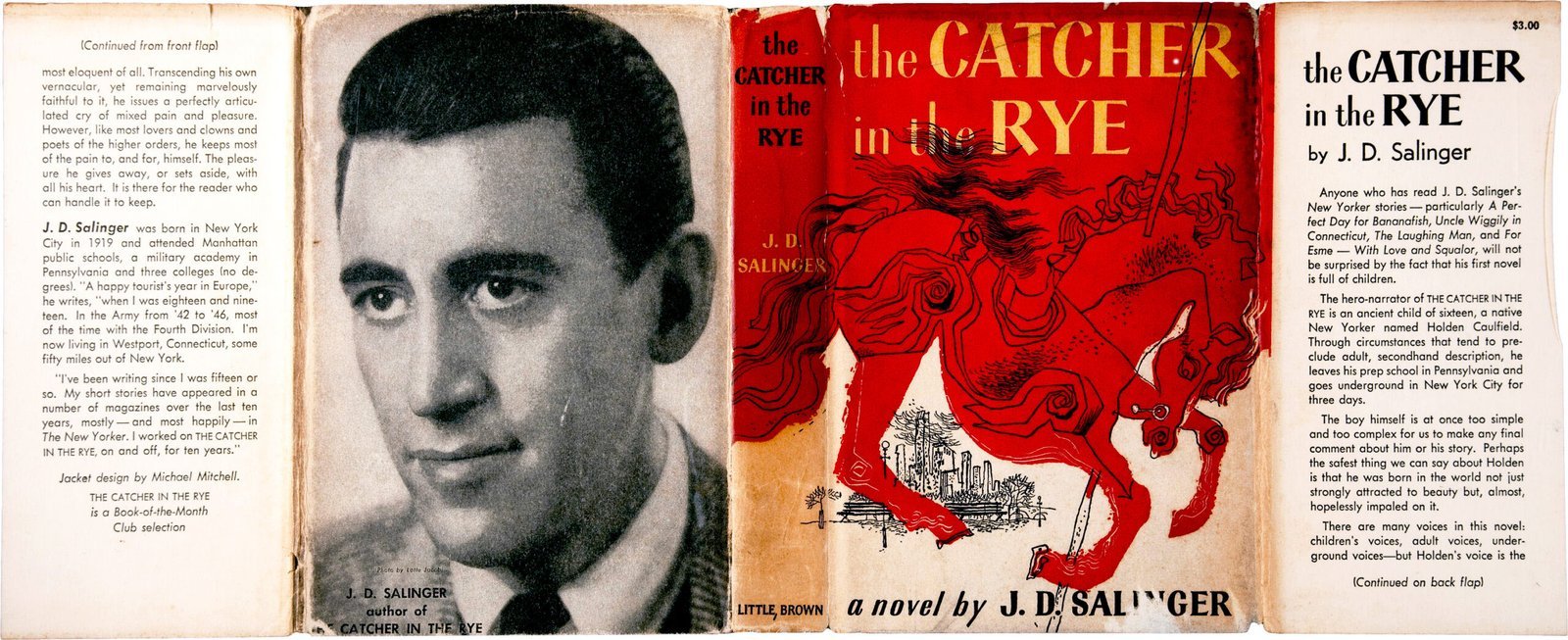
J.D. Salinger’s 1951 coming-of-age tale got banned for profanity, sexual content, and fears it encouraged teen rebellion. Schools in Wyoming, North Dakota, and California sidelined it during the 1980s.[1]
It exploded as a bestseller, capturing postwar youth angst. The voice of Holden Caulfield redefined adolescent literature, influencing countless stories of alienation and authenticity.
Its cultural reach extended far, even linked to real-world events, yet it endures as a vital American classic.[3]
The Grapes of Wrath by John Steinbeck
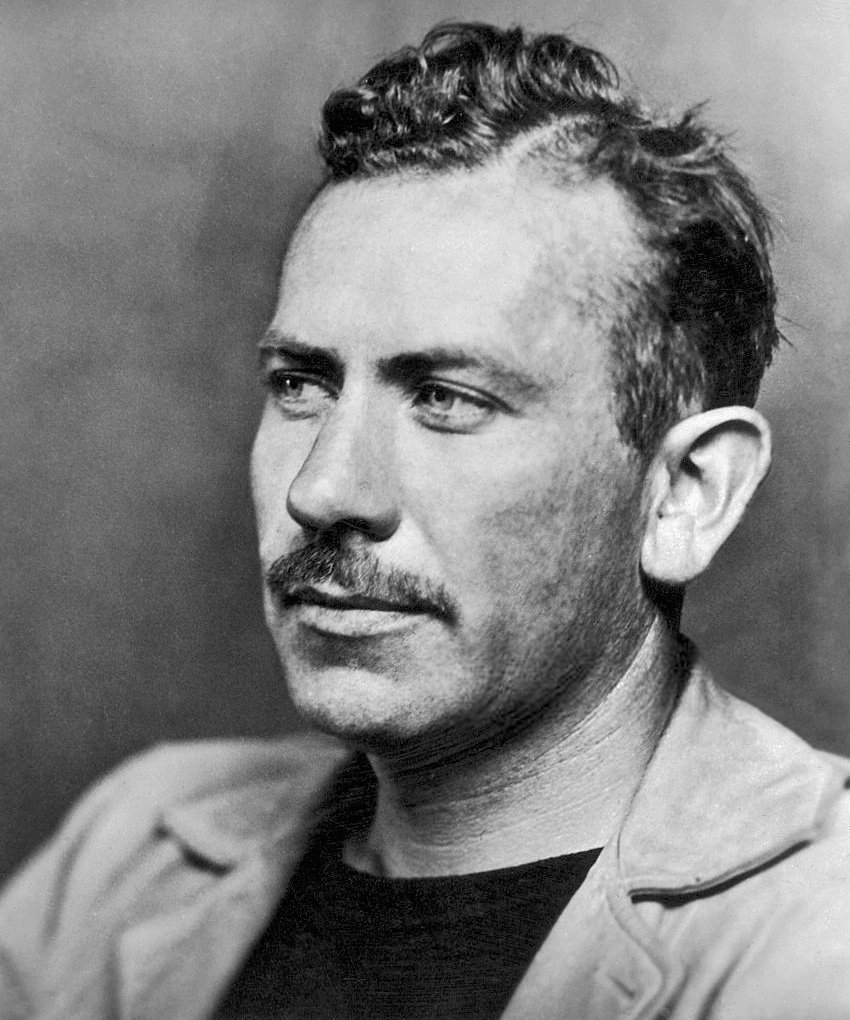
John Steinbeck’s 1939 epic faced backlash for vulgarity, anti-business tones, and gritty poverty portrayals. It got burned in places like Kern County, California, and banned in schools across the South.[2]
A massive bestseller and Pulitzer winner, it spotlighted Dust Bowl migrants. Steinbeck’s social realism reshaped protest literature, urging reforms that echoed in policy and fiction alike.
Of Mice and Men by John Steinbeck
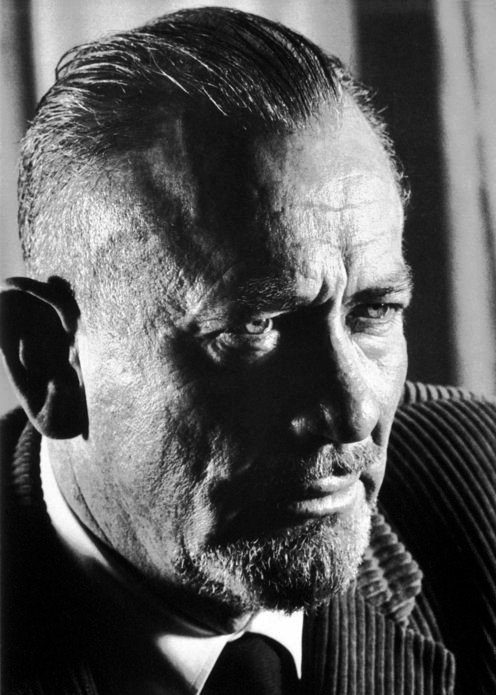
Steinbeck’s 1937 novella drew challenges for profanity, violence, and racial slurs. Numerous schools from Florida to Wisconsin restricted or removed it over decades.[2]
It quickly became a bestseller and stage hit. The tragic bond between George and Lennie illuminated the American Dream’s fragility, influencing depictions of labor and disability.
Its concise power made it a high school fixture, despite ongoing fights.
The Great Gatsby by F. Scott Fitzgerald
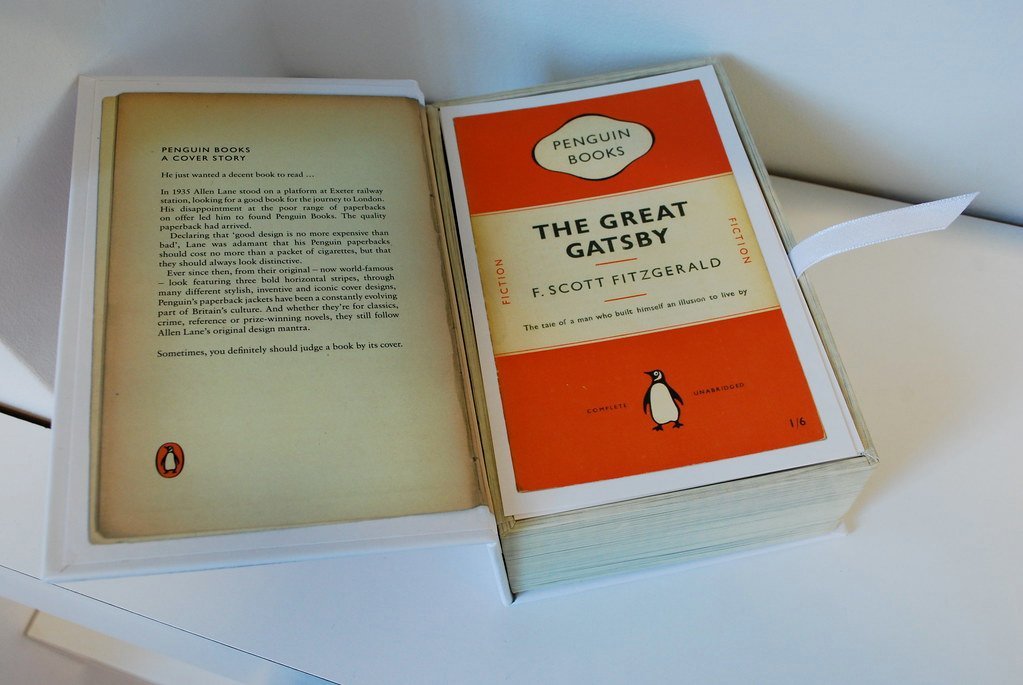
F. Scott Fitzgerald’s 1925 Jazz Age tale was challenged for language and sexual references. Baptist College in South Carolina flagged it in 1987.[2]
Revived in the 1940s, it hit bestseller lists repeatedly. Gatsby’s critique of wealth and illusion defined modernist American fiction, a touchstone for excess and longing.
The Color Purple by Alice Walker
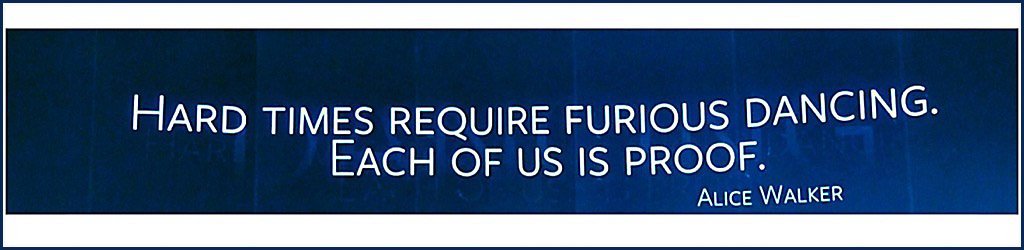
Alice Walker’s 1982 novel offended with explicit sex, profanity, and homosexuality. Schools in California, Michigan, and beyond pulled it amid claims of negative Black male portrayals.[2]
Pulitzer-winning and a bestseller, it fueled feminist discourse. Celie’s journey empowered voices in African American literature, blending epistolary form with raw resilience.[3]
I Know Why the Caged Bird Sings by Maya Angelou
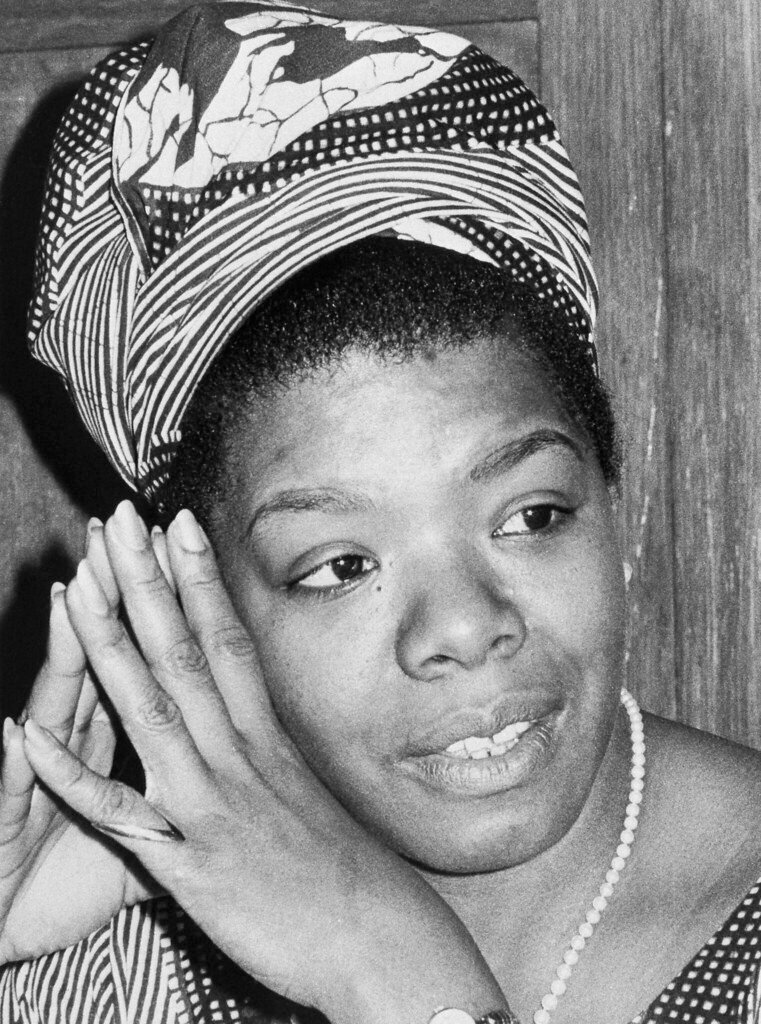
Maya Angelou’s 1969 autobiography shocked with rape themes, race relations, and same-sex elements. Alaska and Washington schools banned it in the 1990s and 2021.[1]
A bestseller that launched her fame, it broke ground in memoir. Angelou’s lyrical honesty reshaped Black women’s narratives, inspiring survival stories worldwide.
The Bluest Eye by Toni Morrison
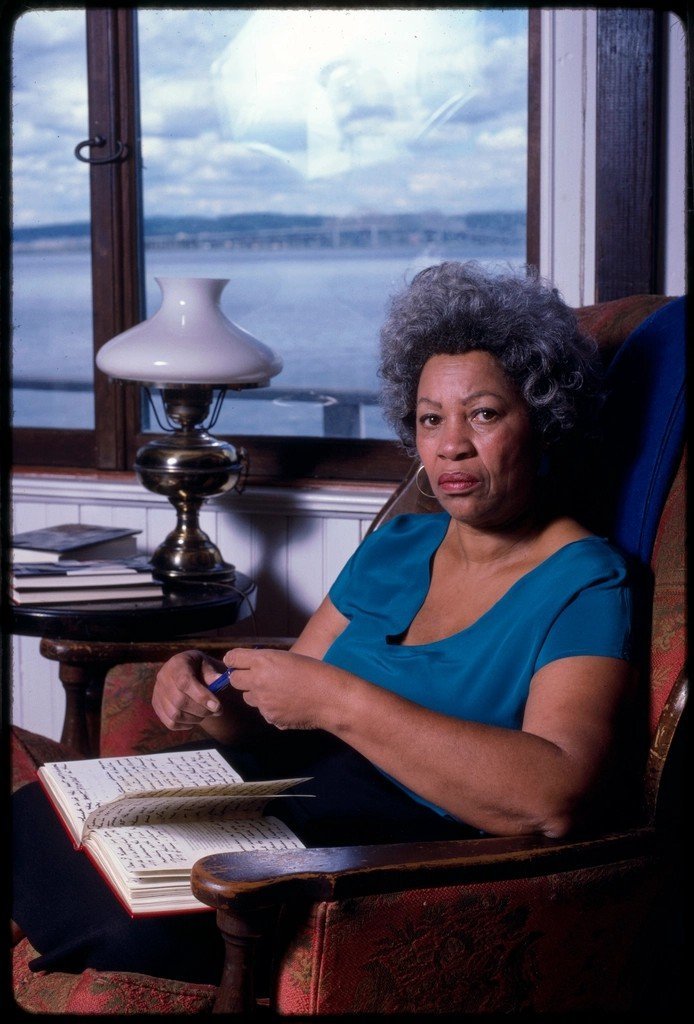
Toni Morrison’s 1970 debut tackled incest, racism, and abuse. Florida districts removed it recently, citing graphic content.[1]
It gained traction as Morrison rose to Nobel status. Pecola’s tragedy exposed beauty standards’ cruelty, elevating Black feminist voices in canon.
Sales surged with her acclaim, solidifying its literary weight.[3]
Their Eyes Were Watching God by Zora Neale Hurston
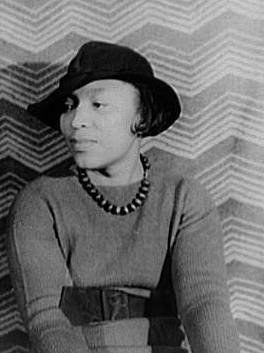
Zora Neale Hurston’s 1937 work faced bans for dialect and sexual explicitness. Virginia schools challenged it in 1997.[2]
Rediscovered in the 1970s, it became a bestseller. Janie’s quest redefined Harlem Renaissance heroines, championing Black female independence.
Slaughterhouse-Five by Kurt Vonnegut
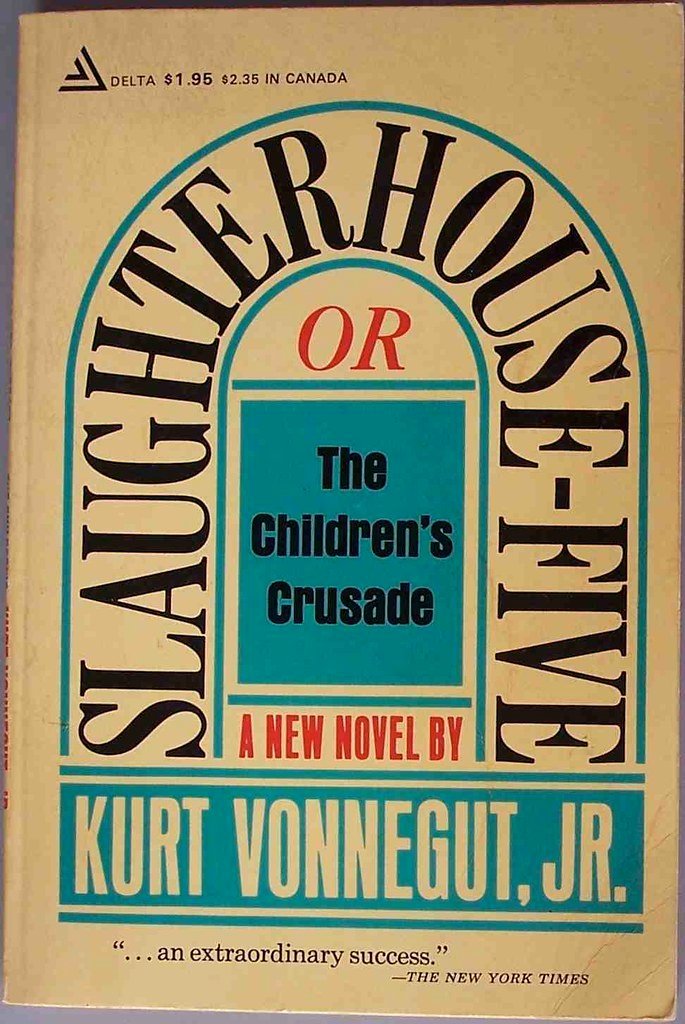
Kurt Vonnegut’s 1969 anti-war novel got burned for sex, violence, and language. Schools nationwide restricted it through the 1980s.[2]
A bestseller blending sci-fi and memoir, it captured Vietnam-era disillusion. Vonnegut’s nonlinear style revolutionized postmodern war tales.
Tropic of Cancer by Henry Miller
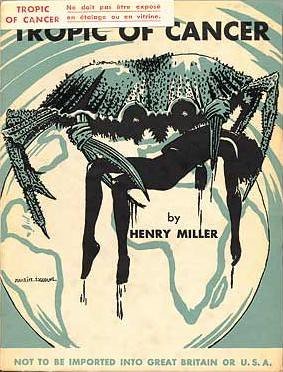
Henry Miller’s 1934 book was deemed obscene for sexual exploits. Brooklyn libraries axed it in 1963, until Supreme Court reversal.[1]
Unleashed in 1961, it sold millions. Miller’s raw stream-of-consciousness freed American prose from taboos, paving confessional paths.
Censorship vs. Legacy
Efforts to ban these books often backfired, driving sales and scrutiny. What censors saw as threats became treasures, embedding them in curricula and culture.[2]
American literature grew richer for it. These works remind us that suppressing stories rarely kills their power; it often amplifies the human truths they carry.

- 12 Classic TV Shows With Shocking Behind-the-Scenes Dramas You Never Knew - September 10, 2026
- 10 Novels That Were Initially Dismissed, Only to Become Timeless Masterpieces - September 10, 2026
- The ’80s Were a Wild Ride of Style and Sound That Changed Everything - September 10, 2026

