

- 15 Rock Anthems That Defined a Generation and Still Sound Amazing Today - August 11, 2026
- 12 Unforgettable Movie Quotes You Can Still Use in Everyday Conversation. - August 11, 2026
- 10 Music Festivals That Changed the World - August 11, 2026
Songwriters tap into emotional honesty when they strip away pretense and lay bare the raw feelings that define human experience. This approach turns ordinary words into something timeless. Listeners feel seen because the vulnerability mirrors their own quiet struggles.
Great lyrics don’t need elaborate metaphors or grand narratives. They thrive on directness, capturing joy, sorrow, or longing in plain language. That simplicity creates a bridge, pulling people in without barriers.
Yesterday by The Beatles
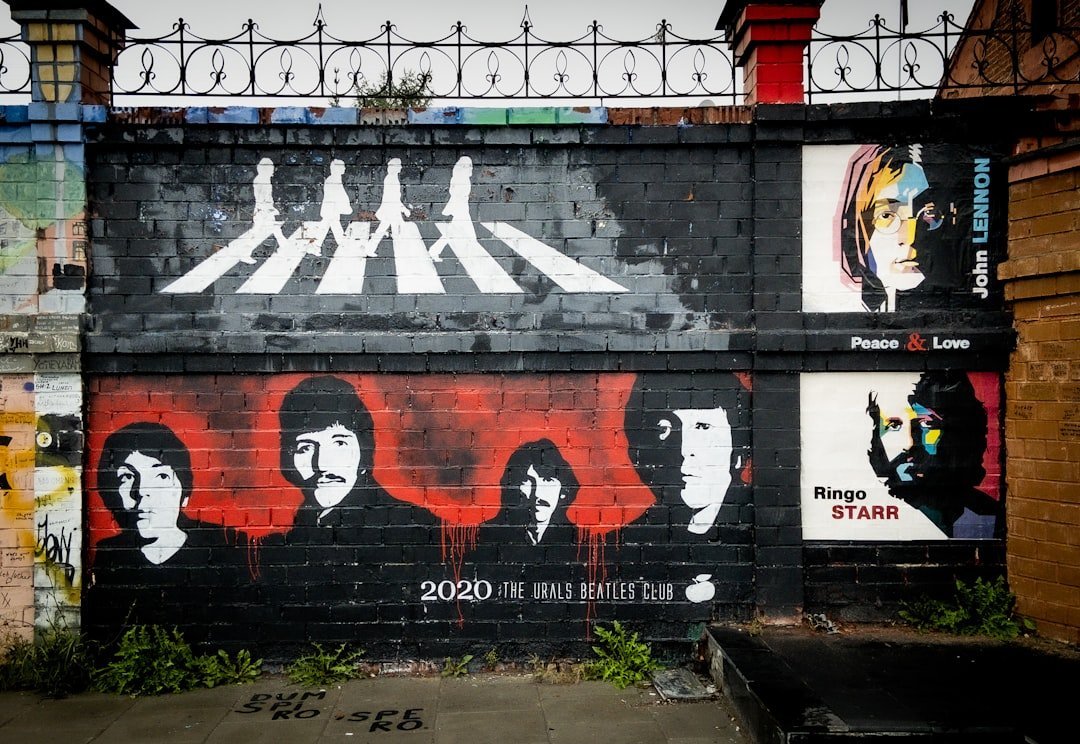
The Beatles’ “Yesterday,” written by Paul McCartney, centers on the ache of sudden loss. The emotional theme revolves around nostalgia and regret for a love that’s slipped away without explanation. Its stark words hit hard because they echo the universal sting of what once was.[1][2]
Key lines like “Yesterday, all my troubles seemed so far away / Now it looks as though they’re here to stay / Oh, I believe in yesterday” capture that shift in plain sight. Listeners connect deeply, often replaying their own “yesterdays” during heartbreak. The song’s sparseness makes the pain feel immediate and shared.
Fast Car by Tracy Chapman
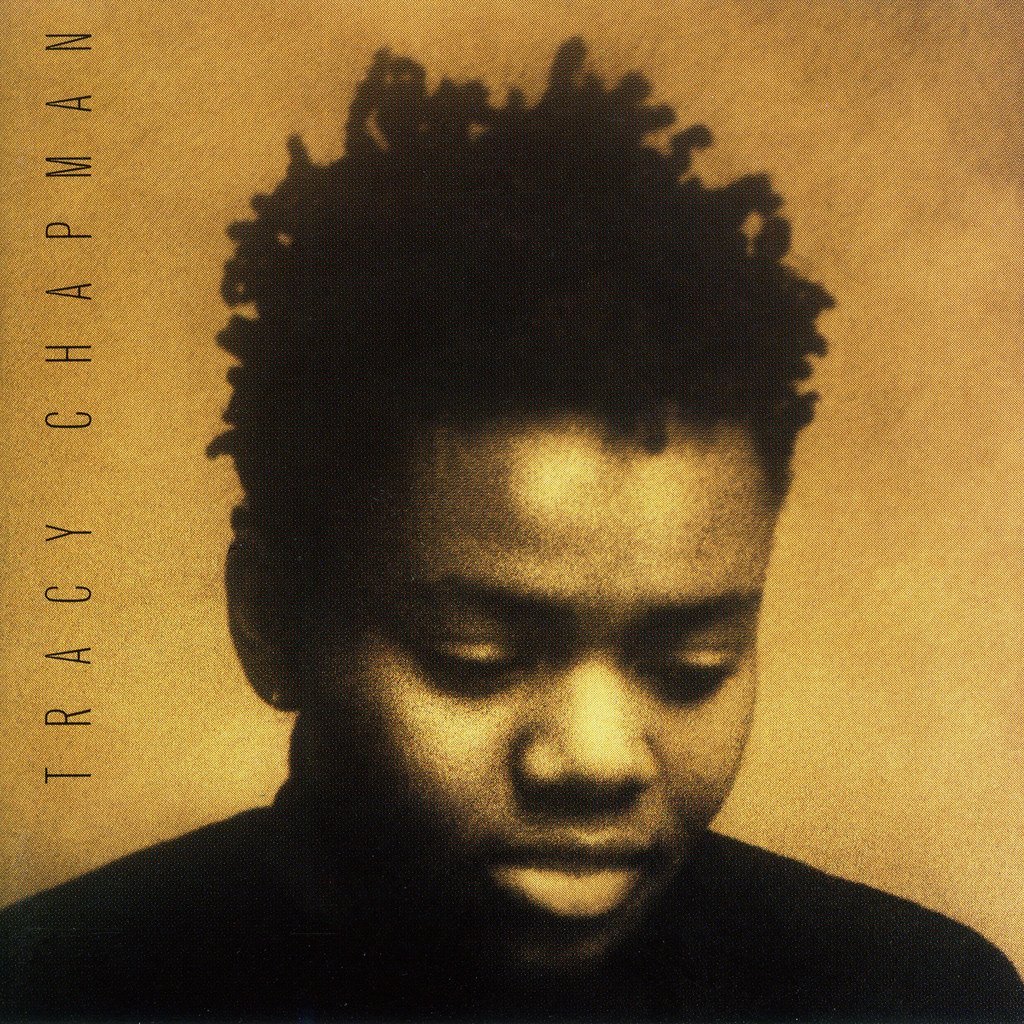
Tracy Chapman’s “Fast Car” paints a picture of desperate hope amid poverty and stagnation. The core emotion is a yearning for escape, wrapped in everyday dreams of a better life. Its honesty lies in admitting how cycles of hardship trap people, yet still clinging to possibility.[3][4]
Lines such as “You got a fast car / I want a ticket to anywhere / Maybe we make a deal, maybe together we can get somewhere” feel like a whispered conversation. Anyone chasing a way out resonates, seeing their own stalled ambitions reflected back. The narrative’s straightforward flow keeps the urgency alive.
Listeners hold onto that faint optimism, even as reality creeps in. Chapman’s voice delivers it without polish, amplifying the truth.
Landslide by Fleetwood Mac
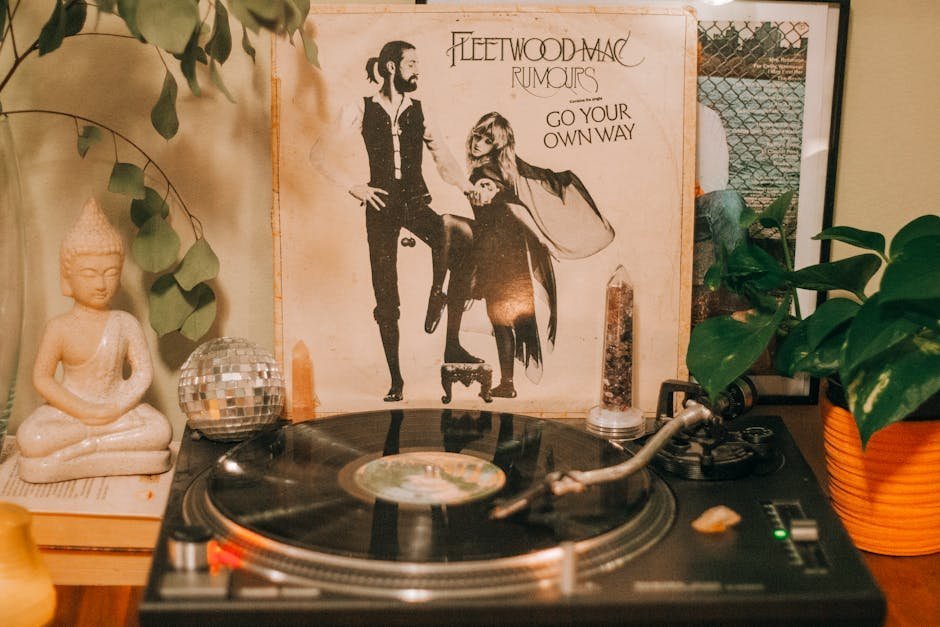
Stevie Nicks penned “Landslide” during a moment of personal uncertainty, exploring fear of change and self-doubt. The theme boils down to confronting time’s relentless march and wondering if inner strength will hold. Simple imagery makes the introspection feel intimate.[5][6]
“I took my love, I took it down / Climbed a mountain and I turned around / And I saw my reflection in the snow-covered hills / ‘Til the landslide brought me down” lays vulnerability bare. People facing life’s pivots find solace here, nodding at their own mirrored doubts. It whispers that growth often starts with admitting fragility.
Hurt by Johnny Cash
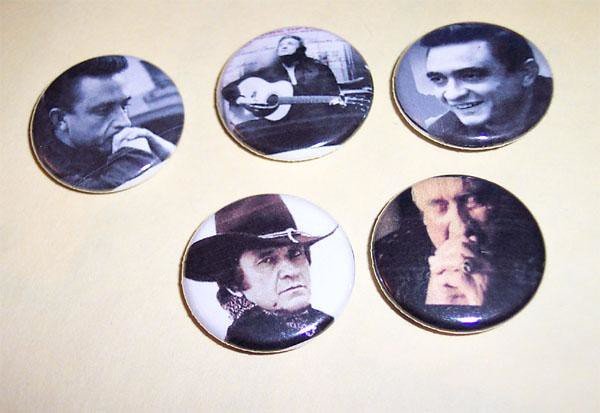
Johnny Cash’s cover of Nine Inch Nails’ “Hurt” delves into profound regret and the numbness of pain. The emotion at its heart is self-inflicted suffering, a late-life reckoning with choices made. Cash’s weathered delivery turns the words into a haunting confession.[7][8]
“I hurt myself today / To see if I still feel / I focus on the pain / The only thing that’s real / The needle tears a hole” cuts straight to isolation’s core. Fans connect through their battles with addiction or loss, feeling less alone in the darkness. Its rawness lingers, prompting quiet reflection long after.
The crown he wears in the video? Just another layer of empire crumbling.
Redemption Song by Bob Marley
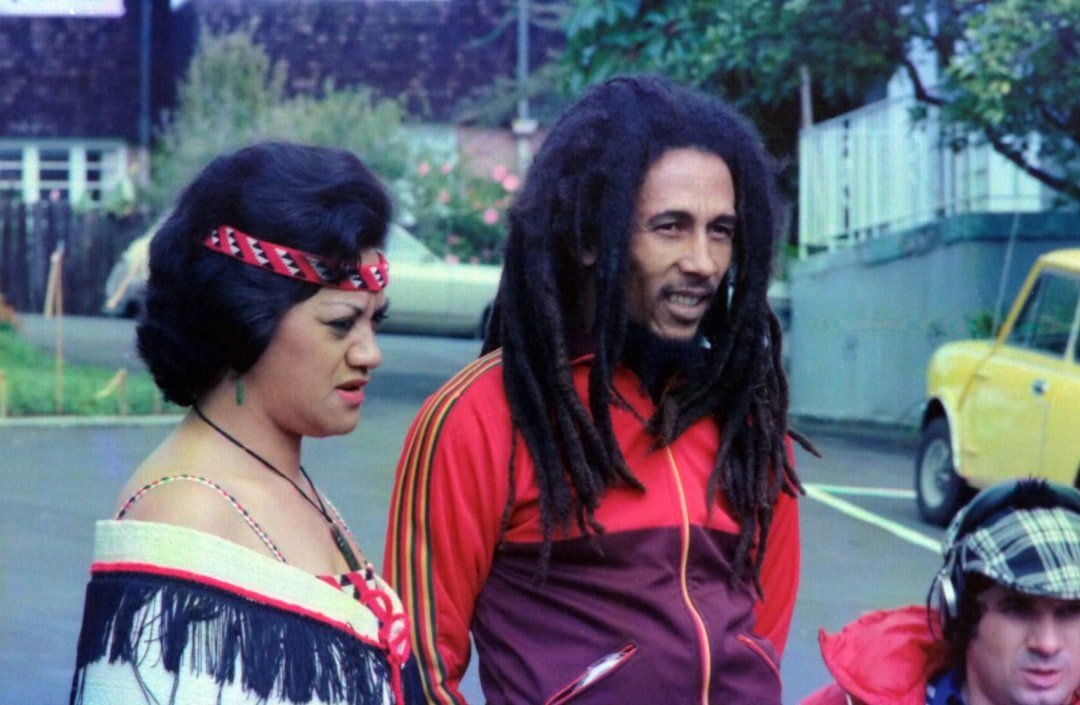
Bob Marley’s “Redemption Song” channels empowerment born from historical oppression. The theme is mental emancipation, urging self-liberation through faith and action. Stripped to acoustic guitar, it feels like a personal rallying cry.[9][10]
“Emancipate yourselves from mental slavery / None but ourselves can free our minds / Have no fear for atomic energy / ‘Cause none of them can stop the time” delivers unfiltered truth. Listeners draw strength from it during personal or societal struggles, reclaiming agency. Marley’s calm insistence makes freedom seem within reach.
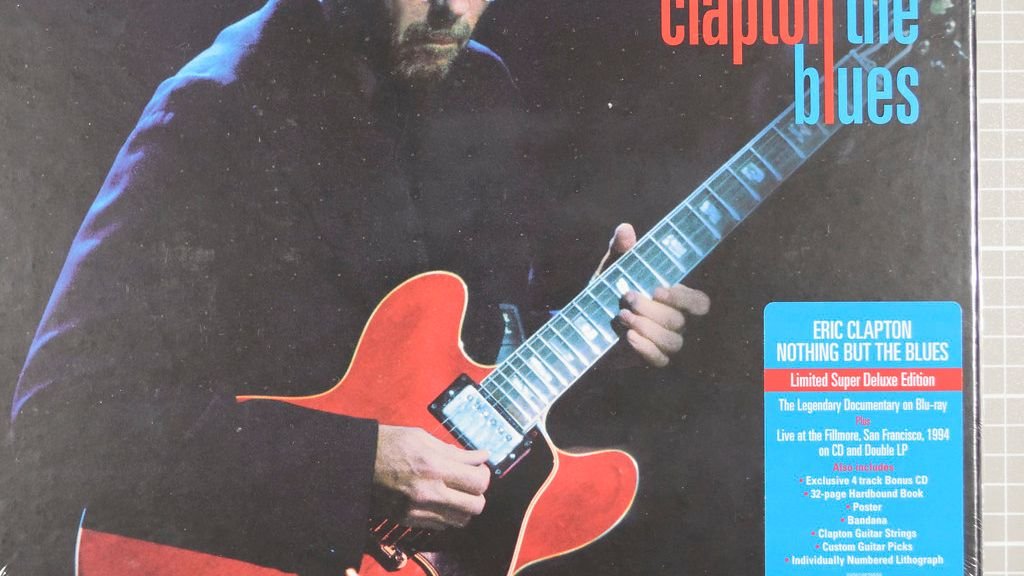
Tears in Heaven by Eric Clapton
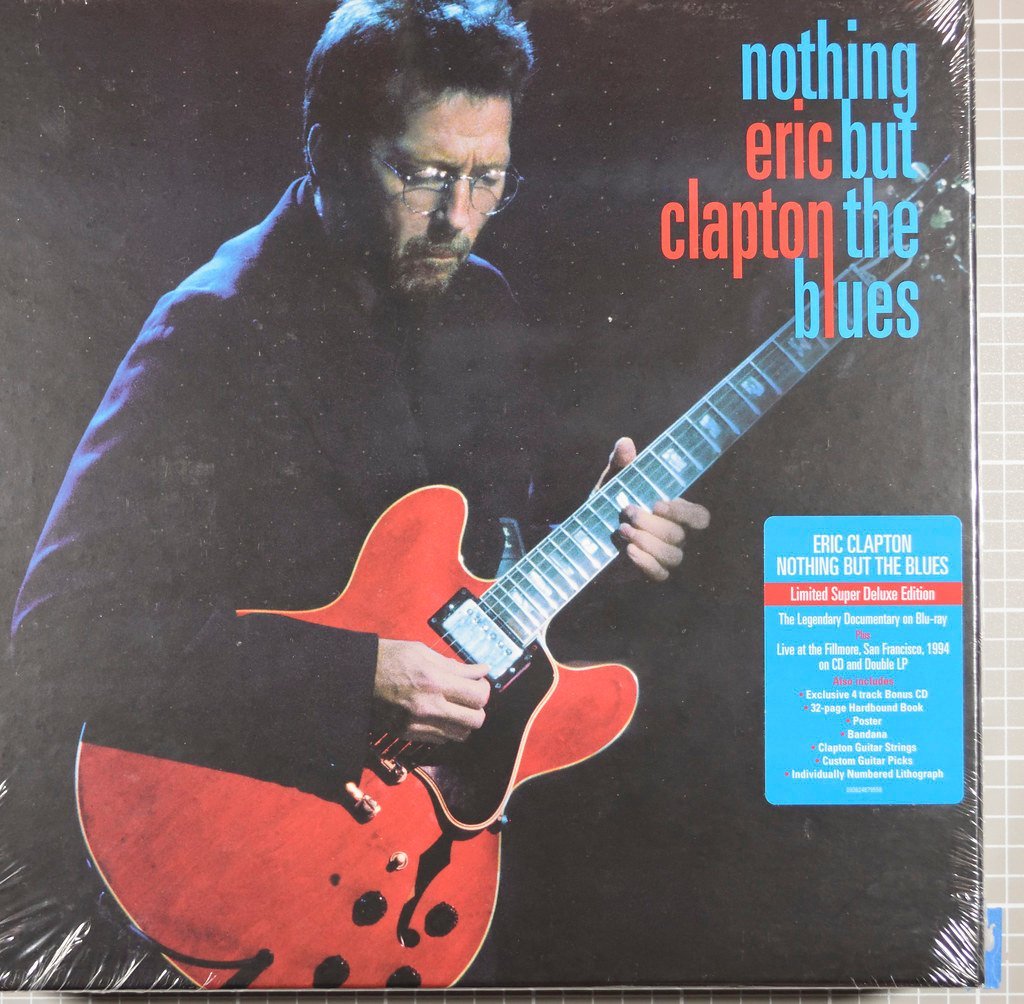
Eric Clapton’s “Tears in Heaven” stems from unimaginable grief after losing his young son. The emotional core is longing for reunion beyond loss, questioning identity in the afterlife. Its tenderness avoids melodrama, letting sorrow breathe.[11][12]
“Would you know my name / If I saw you in heaven? / Would it be the same / If I saw you in heaven?” poses the ache plainly. Bereaved hearts worldwide lean on it, finding voice for unspoken questions. Clapton’s restraint invites shared mourning without overwhelming.
Skinny Love by Bon Iver
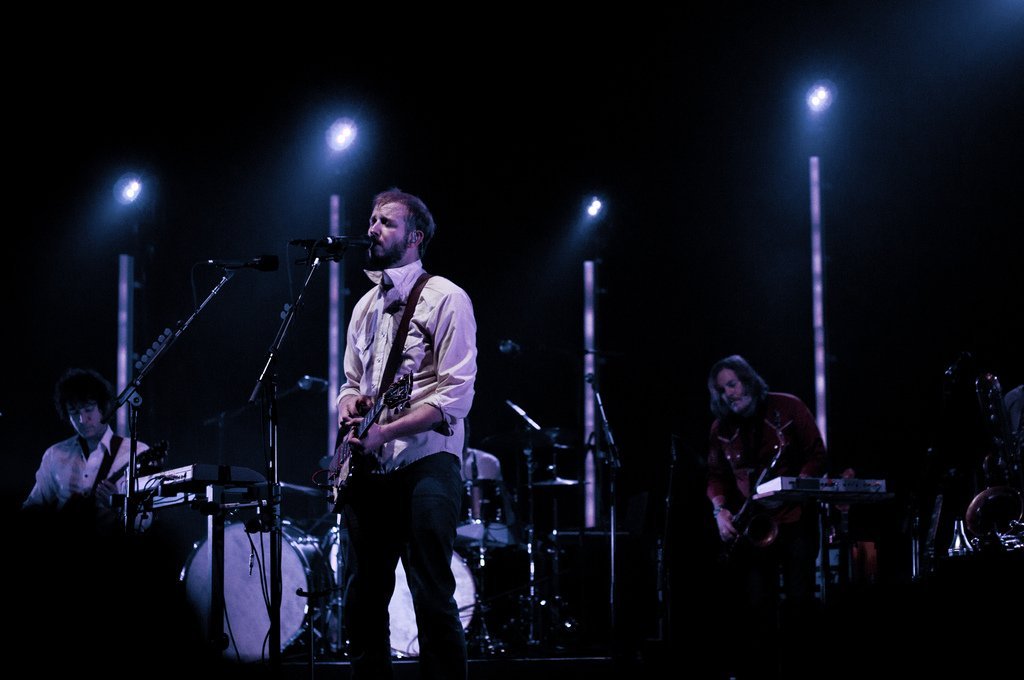
Bon Iver’s “Skinny Love” captures the fragility of a fading romance. The theme is desperate clinging to something threadbare, laced with quiet anger and plea. Justin Vernon’s falsetto rawness amplifies the intimacy.[13]
“Come on skinny love just last the year / Pour a little salt we were never here / Staring at the sink of blood and crushed vermeil” evokes a crumbling bond vividly. Those in uneven relationships hear their pleas echoed, validating the exhaustion. It reminds that even weak ties carry deep weight.
The repetition builds tension, mirroring emotional loops.
Simplicity in Great Songwriting

These tracks prove that profound impact flows from unadorned truth. Songwriters who embrace basic emotions craft connections that endure across generations. Flashy production fades; honest words stick.
Next time a lyric stops you cold, notice its quiet power. Simplicity doesn’t diminish depth. It reveals it.[14]
CEO-Co-Founder
