

For any feedback please reach out to info@festivalinside.com
- 12 Literary Feuds So Intense, They Changed the Course of Literature - August 11, 2026
- 10 Mysterious Disappearances of Famous Figures That Still Puzzle Experts - August 11, 2026
- 10 Foods We Thought Were American But Were Actually Invented Somewhere Else. - August 11, 2026
Classic board games have endured for generations because they deliver pure, unplugged joy. In a world filled with screens and apps, these games pull families together around a table, sparking laughter, strategy, and a bit of friendly rivalry. Their simple components and straightforward rules make them accessible to kids and adults alike, no batteries required.
They stand the test of time by balancing luck and skill in ways that keep every playthrough fresh. Whether teaching patience or quick thinking, these titles foster connections that digital games often can’t match. People keep coming back for that irreplaceable face-to-face interaction.
Monopoly
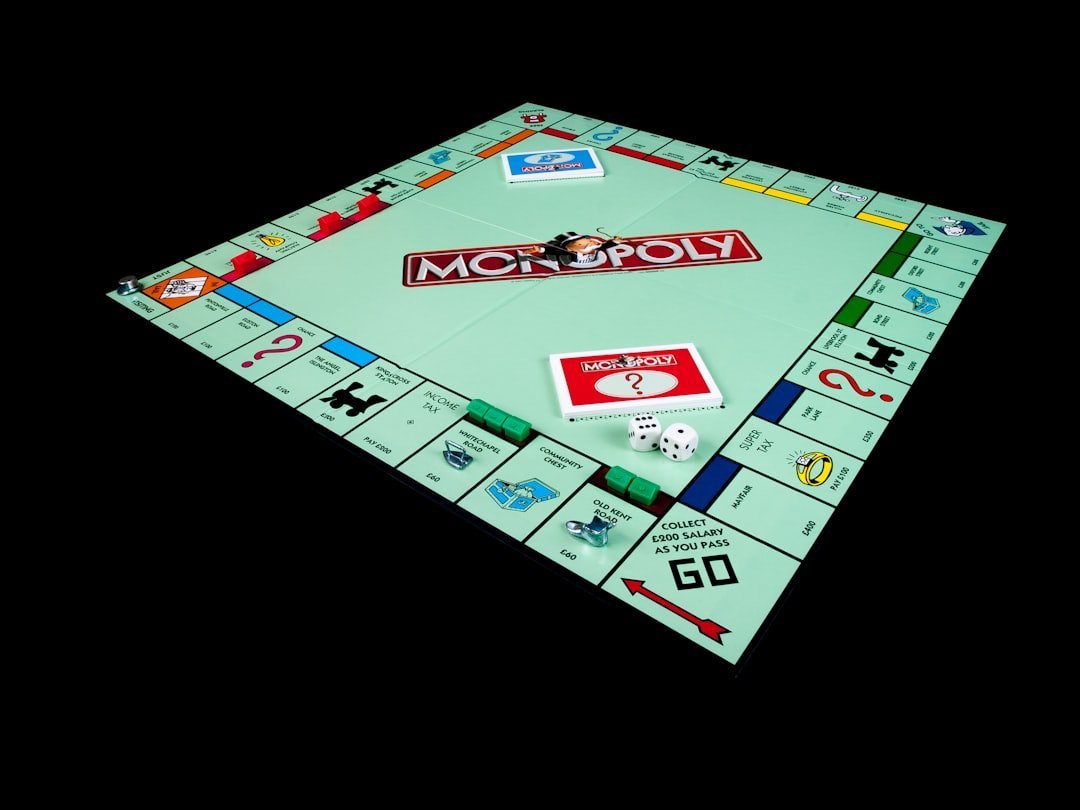
Released in the 1930s, Monopoly captured the imagination during the Great Depression with its property trading theme.[1][2] Families still gather for marathon sessions where fortunes rise and fall on dice rolls and shrewd deals.
The game’s replayability comes from endless house rules and varying player strategies, ensuring no two games feel the same. It teaches basic economics and negotiation without feeling like a lesson. Even today, the thrill of bankrupting opponents keeps everyone hooked across all ages.
Scrabble
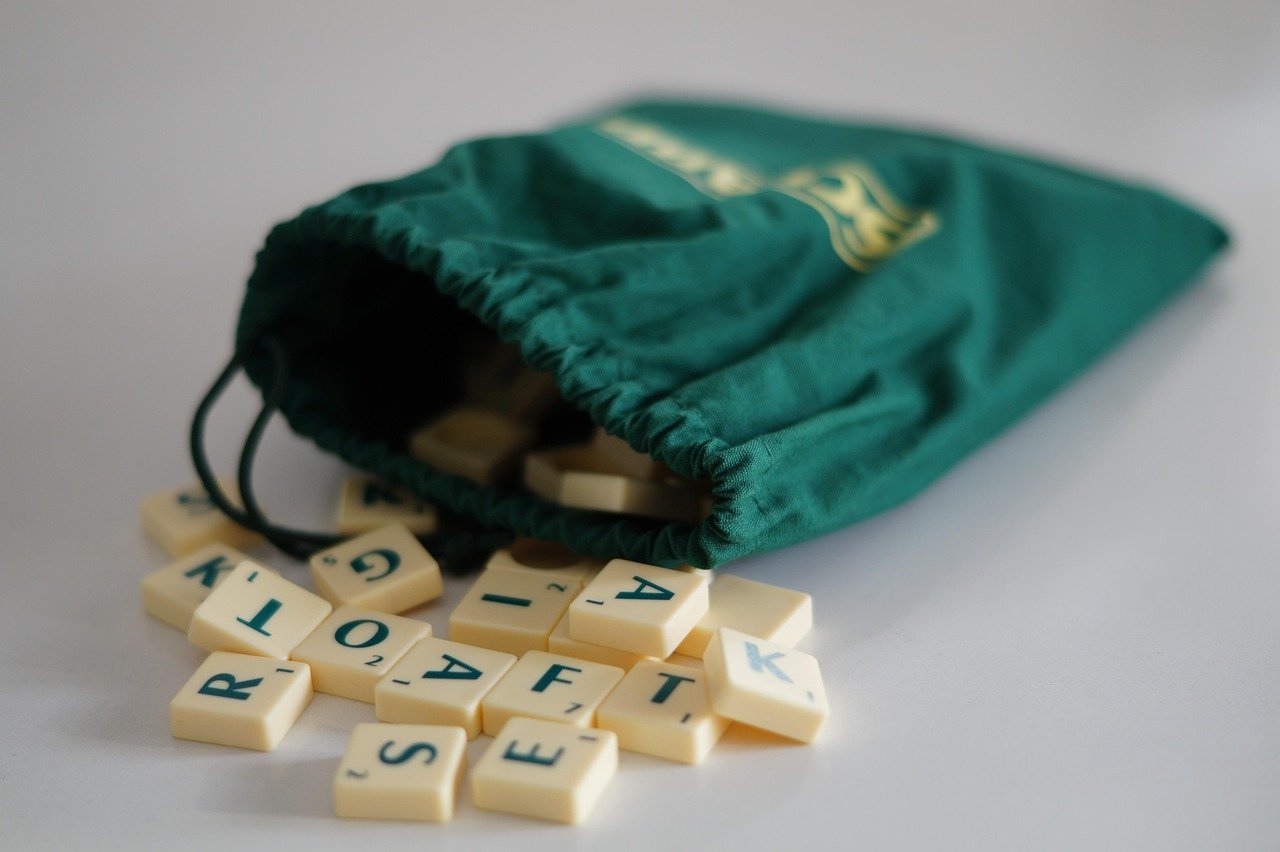
This word-building favorite hit shelves in the late 1940s, turning vocabulary into a competitive sport.[1] Players arrange letter tiles on a grid, racing to form high-scoring words while blocking rivals.
Its appeal endures because it sharpens language skills subtly, challenging adults and educating kids simultaneously. The triple-word scores create dramatic comebacks that keep tension high. Limited tiles force clever plays, making every turn a puzzle everyone can enjoy.
Families bond over debates on obscure words, pulling out dictionaries for fairness. That mix of knowledge and luck levels the field nicely.
Clue
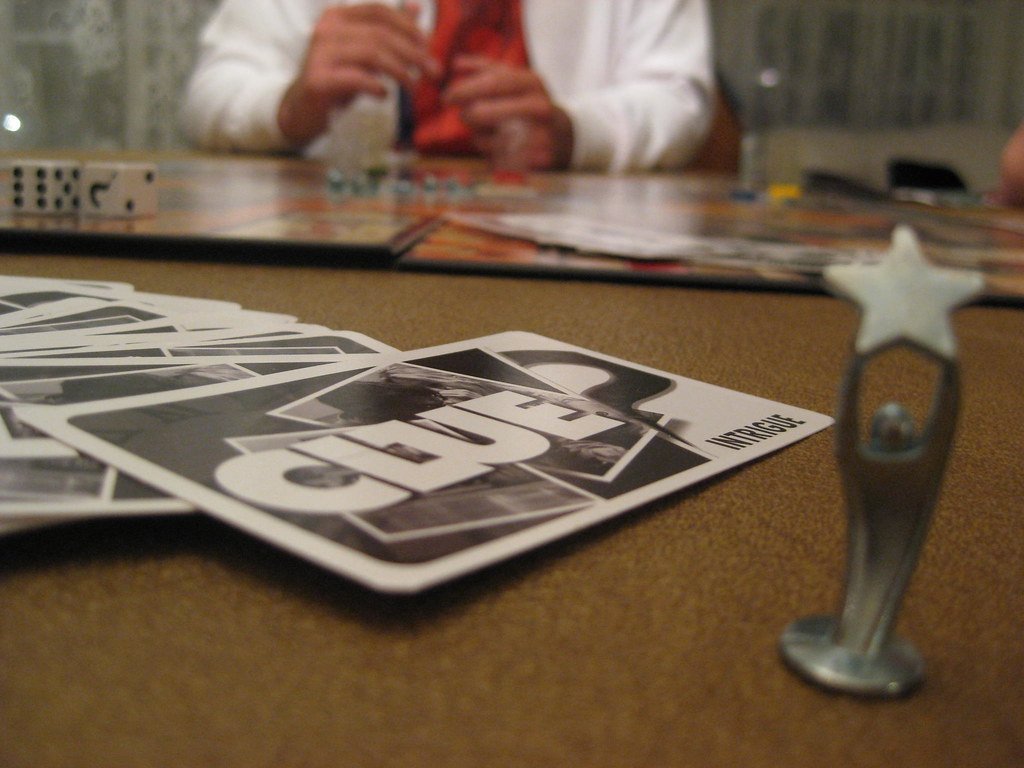
Debuting in 1949, Clue invites players to solve a mansion murder mystery through deduction.[1] Suspects, weapons, and rooms combine in secret, revealed only through shrewd questioning.
The game’s genius lies in its elimination process, where partial info builds suspense until the final accusation. Kids learn logic while adults relish outsmarting friends. Short games fit busy evenings, yet depth rewards repeated plays.
Colorful characters and dramatic reveals add theater without complexity. It remains a staple for cozy nights in.
Candy Land
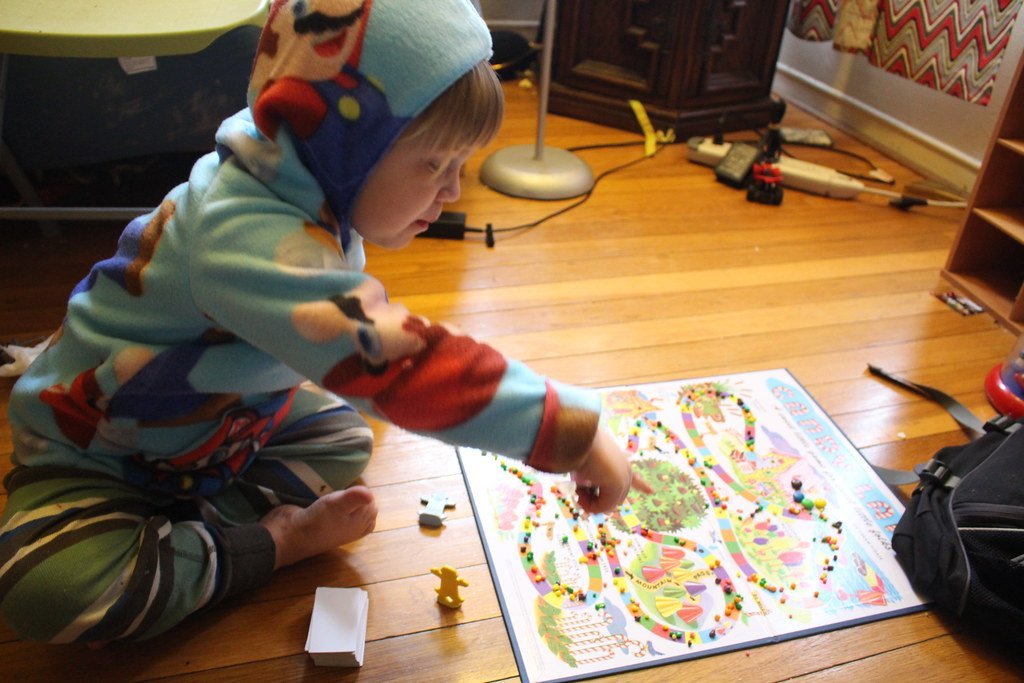
Launched in 1949, this sweets-themed adventure designed for young children uses a colorful path and card draws.[1][3] No reading required, just matching gingerbread men to board spots.
It works today by introducing toddlers to turn-taking and basic rules in a pressure-free way. Bright artwork captivates little ones, while parents appreciate the quick setup and minimal mess. Pure luck keeps everyone competitive without frustration.
Grown-ups often join for nostalgia, sharing stories from their own childhoods. That gentle pace builds confidence in new gamers.
Chutes and Ladders
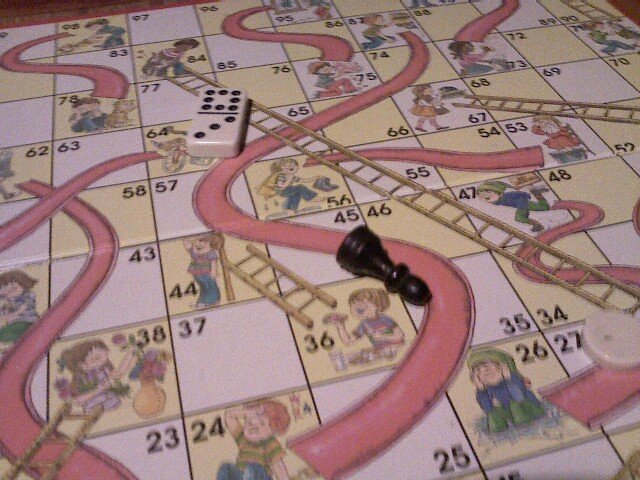
Originally released in the 1940s, Chutes and Ladders teaches consequences through ladders up and chutes down.[1] Spinners determine movement on a moral lesson board from vice to virtue.
The random spins create hilarious upsets, perfect for teaching resilience to kids. Families cheer climbs and groan at slides together. Simple morals sneak in lessons on good choices amid the fun.
Its board size suits small tables, and games wrap up fast. Universality draws in grandparents too.
Sorry!
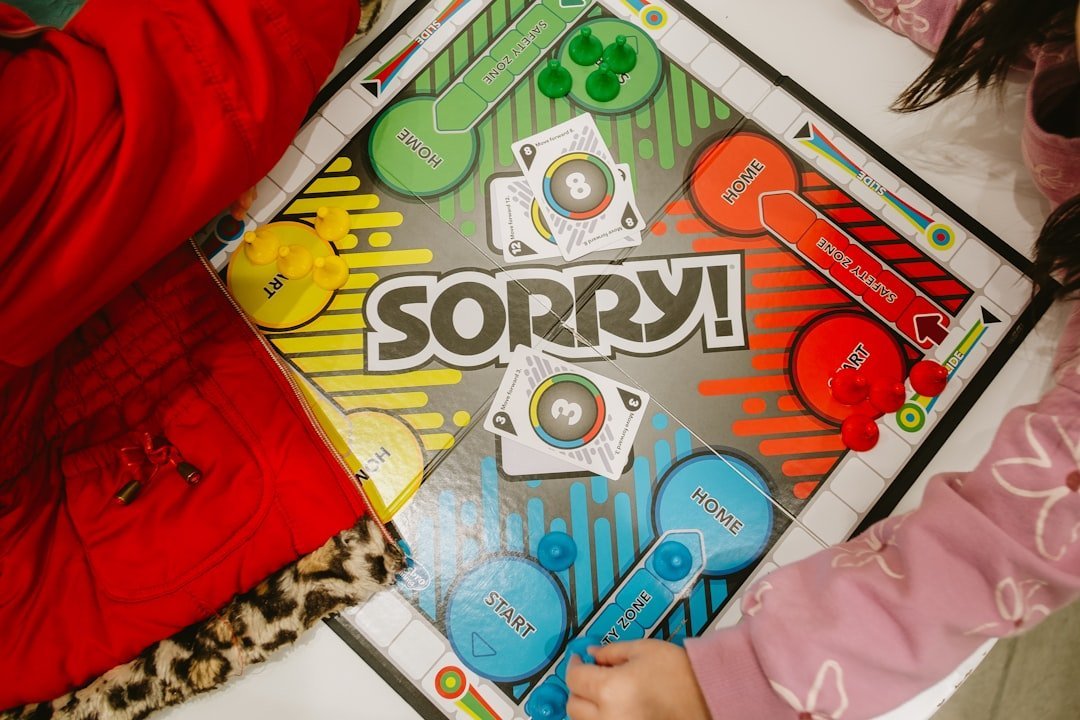
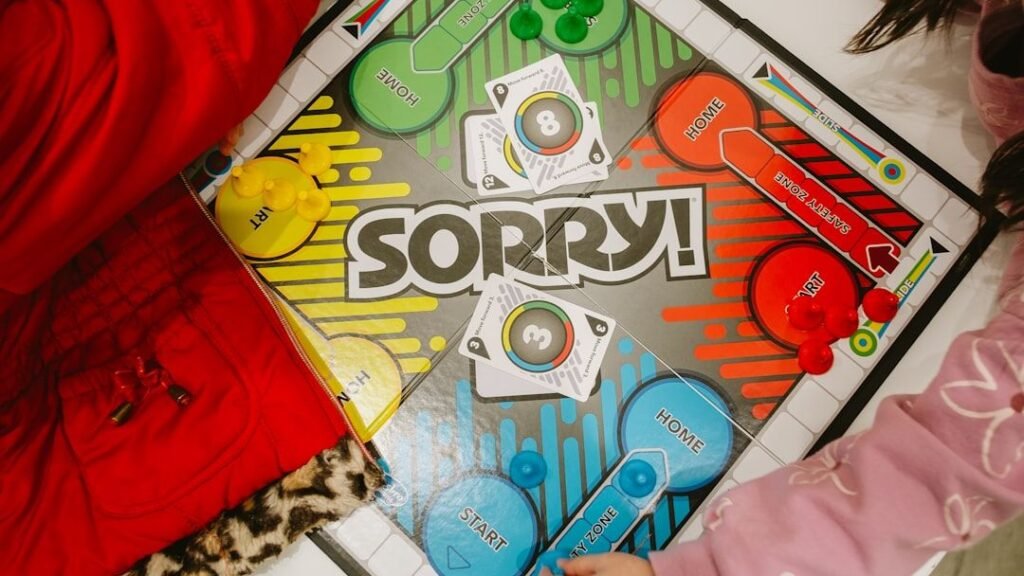
This 1930s Parcheesi-inspired game emphasizes bumping opponents back home.[4] Cards dictate moves, blending luck with positioning savvy.
It thrives on gleeful sabotage that amps up rivalries without meanness. Strategic pawns require planning, engaging older players. Quick rounds encourage rematches.
Color-coded pieces make it inclusive for color-blind folks with tweaks. Laughter from “sorry” calls seals its charm.
Risk
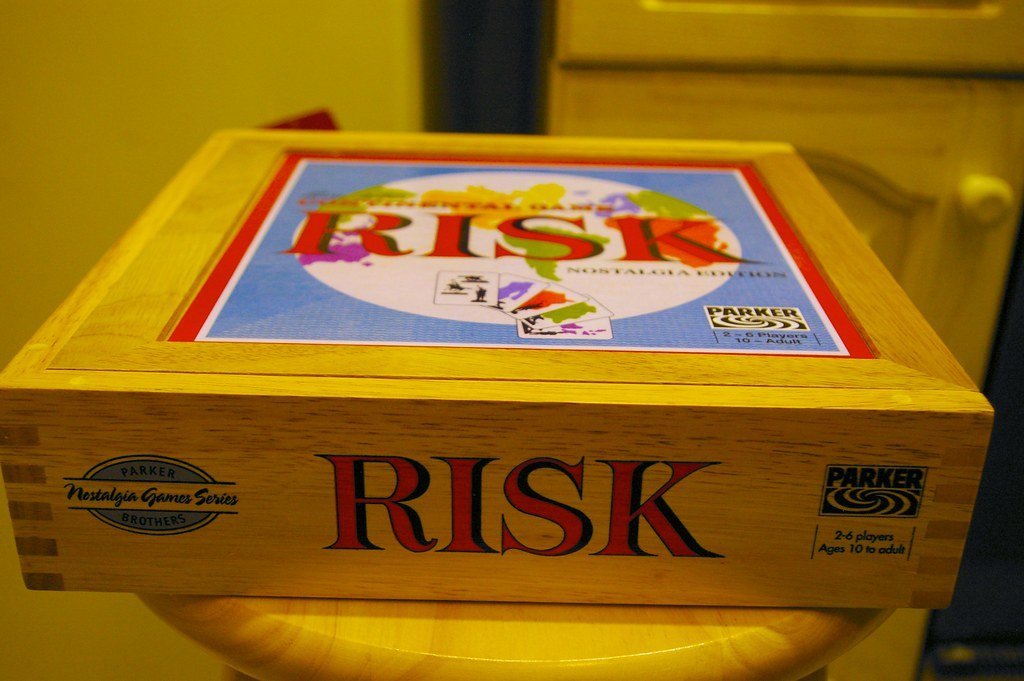
Introduced in the 1950s, Risk turns global conquest into dice-fueled battles.[5] Armies clash across continents, with alliances forming and breaking.
Deep strategy in territory control hooks history buffs and tacticians. Variable maps and betrayals ensure fresh wars each time. Epic sessions build lasting memories.
Scales well for 2 to 6, adapting to group sizes. Teaches risk assessment naturally.
Battleship

Emerging in the early 20th century and popularized mid-century, Battleship deploys fleets on grids for hidden strikes.[6] Calls of “hit” or “miss” build naval tension.
Guessing mechanics sharpen spatial reasoning for all ages. Compact pegboards travel easily for vacations. One-on-one focus intensifies duels.
Variations like salvos add replay value. Satisfaction of sinking carriers never fades.
Checkers
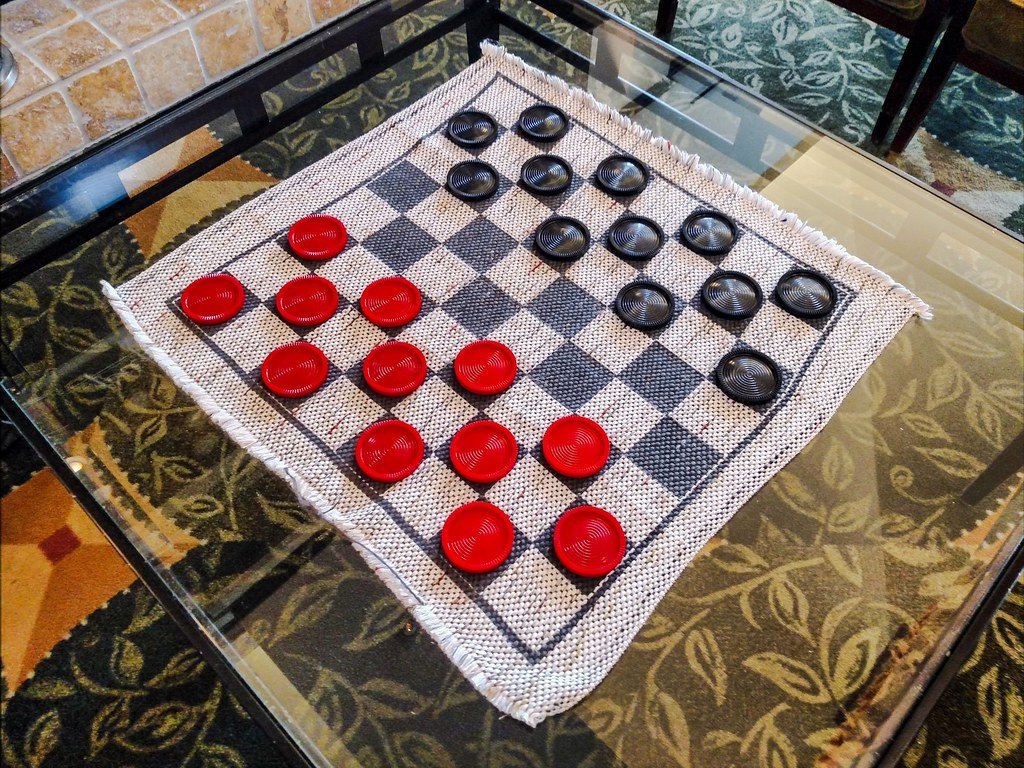
Dating back centuries but standardized in the 19th century, Checkers offers jumping captures on an 8×8 board.
Its minimal setup – just a board and pieces – makes it instantly playable anywhere. Jumping chains demand foresight, challenging minds subtly. Free apps reinforce its timeless rules.
Kings introduce power shifts for excitement. Tournaments prove its competitive edge still.
Chess

Originating in the 15th century in Europe from ancient roots, Chess deploys pieces with unique moves for checkmate.
Boundless depth rewards novices and grandmasters equally. Openings vary infinitely, preventing boredom. Teaches patience and planning profoundly.
Portable sets fit pockets for impromptu games. Global culture elevates it beyond play.
The Timeless Appeal of Simple Gameplay
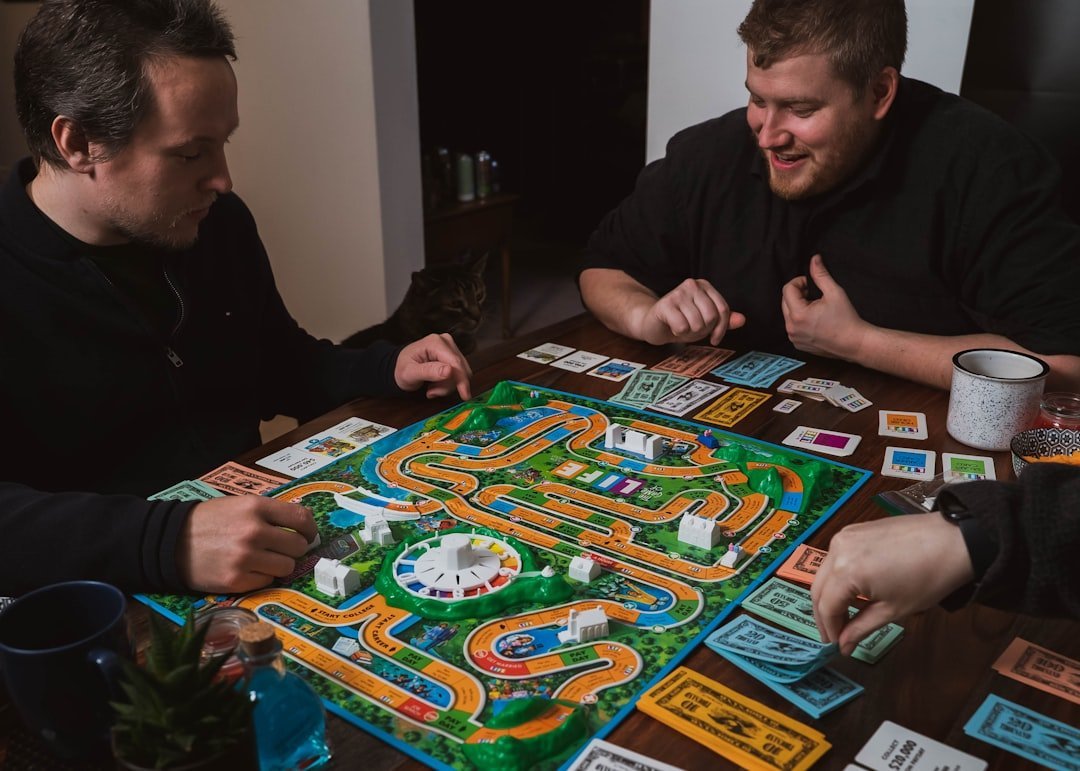
These games prove that straightforward mechanics outlast flashy trends. No updates or subscriptions needed – just open the box and start. They nurture skills like strategy and social cues organically.
In 2026, amid digital overload, their analog charm reconnects us. Simple rules invite creativity, from house variants to epic tales. That enduring fun reminds us why gathering matters most.

Christian Wiedeck, all the way from Germany, loves music festivals, especially in the USA. His articles bring the excitement of these events to readers worldwide.
For any feedback please reach out to info@festivalinside.com
