

For any feedback please reach out to info@festivalinside.com
Artistic triumph often conjures images of youthful prodigies bursting onto the scene. Reality proves more varied. Plenty of creators honed their craft quietly for years before the world took notice, their maturity lending depth to their output.[1][2]
These late arrivals remind us that timing defies expectation in creative fields. Life’s long road can refine raw talent into something timeless.
Grandma Moses
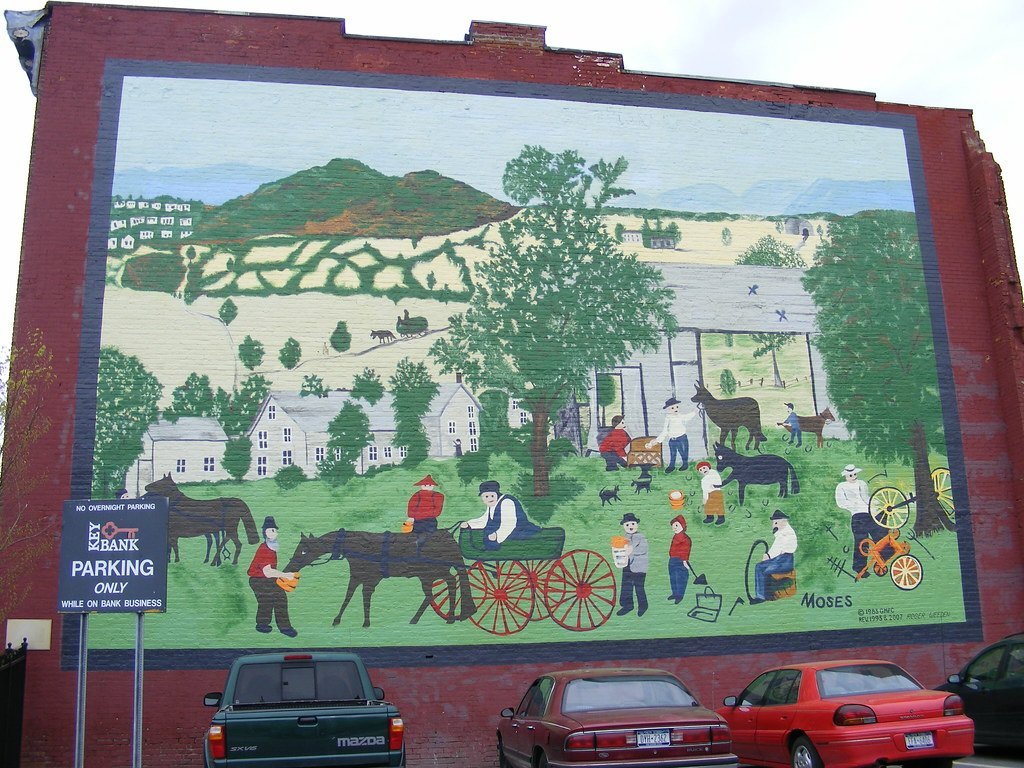
Anna Mary Robertson Moses, known as Grandma Moses, entered painting in her late seventies after arthritis ended her embroidery days. Field: folk painting. Her breakthrough came at age 80 when an art collector spotted her works in a drugstore window.[1][2]
Key work: scenes like “Out for the Christmas Tree” captured rural American life with primitive charm. Museums soon displayed her over 1,500 paintings. She painted until 101, proving age no barrier to vivid storytelling. Her folk art endures as a testament to simple joys rendered late.
Bill Traylor
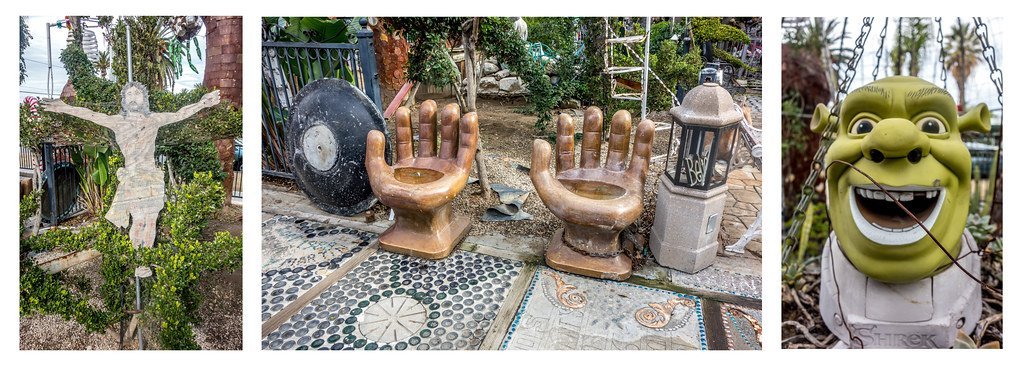
Bill Traylor began drawing at 85, homeless on Montgomery streets after a life of farm labor. Field: drawing and folk art. Charles Shannon supplied materials after noticing his cardboard pieces, marking his breakthrough.[3]
Key work: raw figures and animals from memory. He produced over 1,000 works in three years. Today, they grace major collections. Traylor’s stark visions emerged from hardship, gaining acclaim decades later.
Carmen Herrera
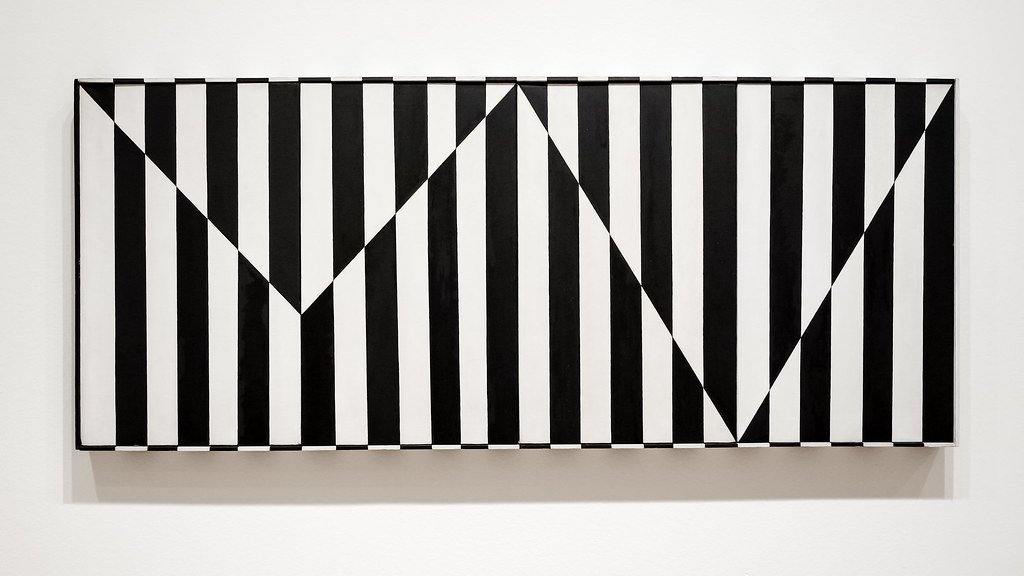
Cuban-American Carmen Herrera sold her first painting at 89, after painting in obscurity for decades. Field: abstract painting. Galleries finally embraced her geometric works, leading to Whitney retrospectives.[1][2]
Key work: Estructura series with bold colors and lines. Her persistence paid off in her nineties. Herrera’s clean abstractions now fetch high prices. Late validation highlighted her unwavering vision.
Louise Bourgeois
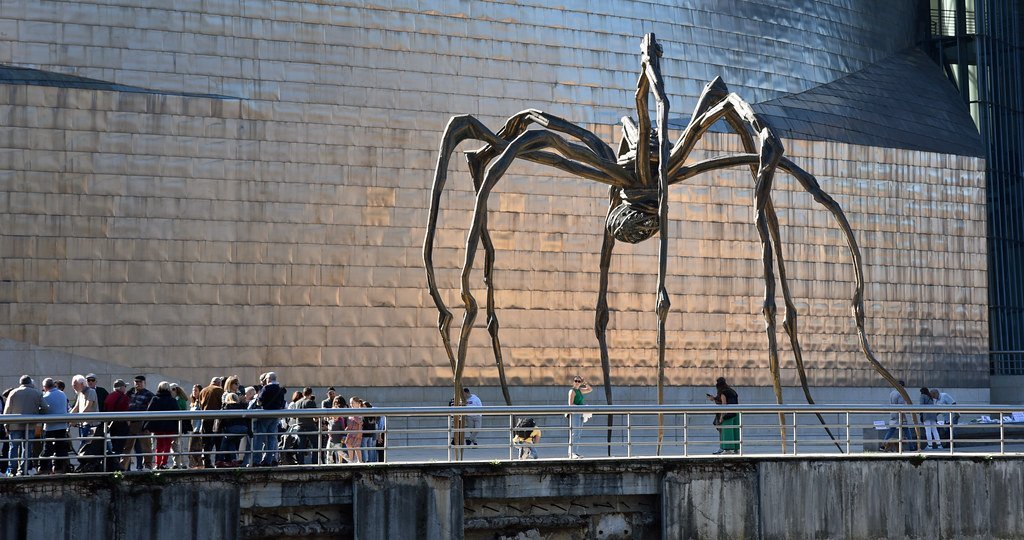
Louise Bourgeois achieved peak recognition in her seventies and eighties. Field: sculpture. At 88, she unveiled the massive spider Maman for Tate Modern.[1][2]
Key work: Maman, symbolizing motherhood’s complexity. Earlier pieces gained traction later too. Her confessional style drew from personal turmoil. Bourgeois redefined sculpture through mature introspection.
Mary Delany
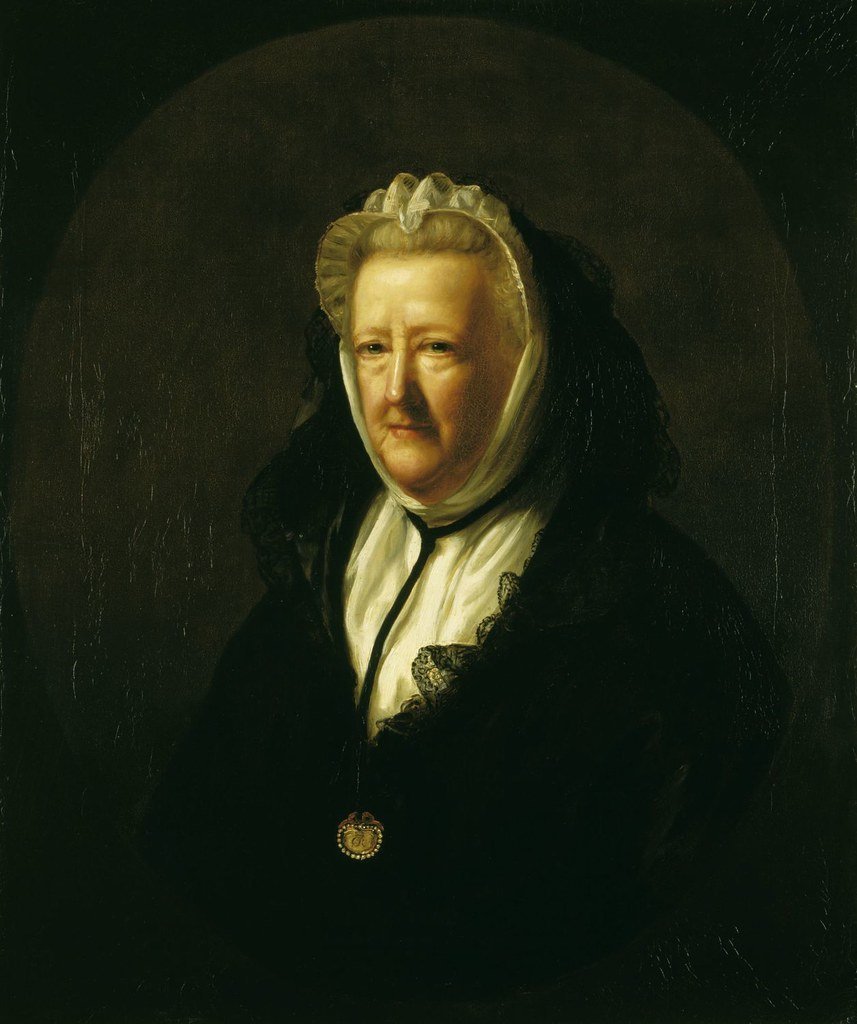
Mary Delany turned to paper collage at 72, widowed twice. Field: decoupage and botanical art. She crafted intricate “paper mosaiks” of flora until 88.[3][4]
Key work: over 1,700 plant portraits in the British Museum. Friends marveled at her precision. Delany’s grief-fueled hobby became artistic legacy. Her layered collages blended craft and nature seamlessly.
Alfred Wallis
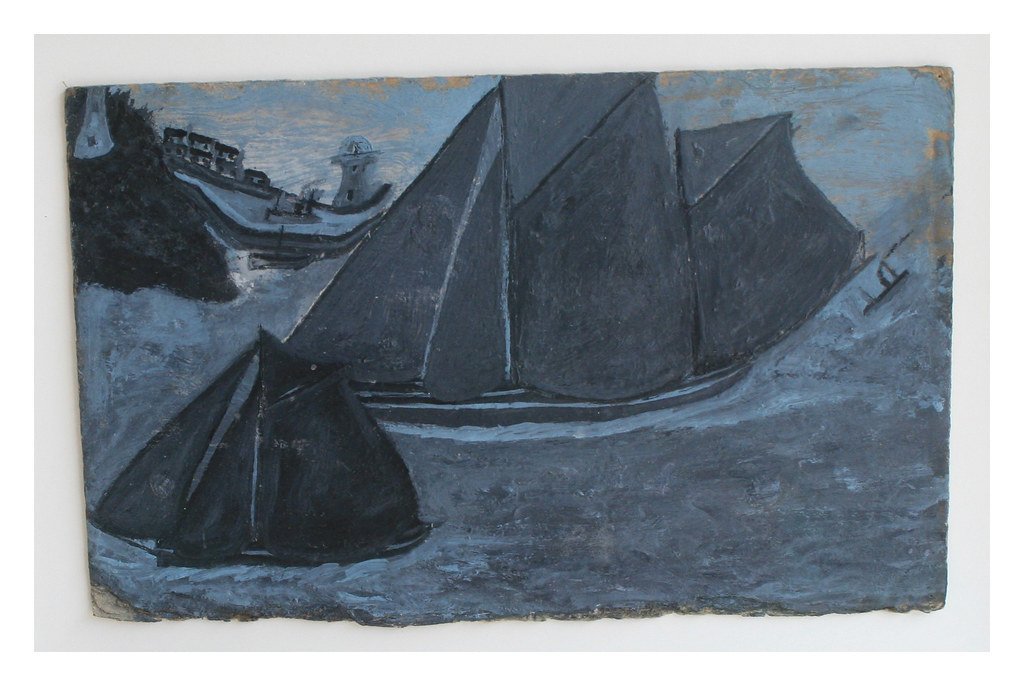
Alfred Wallis started painting at 70, after his wife’s death and decades as a mariner. Field: naïve painting. Young modernists like Ben Nicholson discovered his primitive ship scenes.[5][4]
Key work: seascapes on cardboard with house paint. No formal training shaped his raw style. Wallis influenced British modernism. His late output evoked Cornwall’s rugged coasts vividly.
Laura Ingalls Wilder
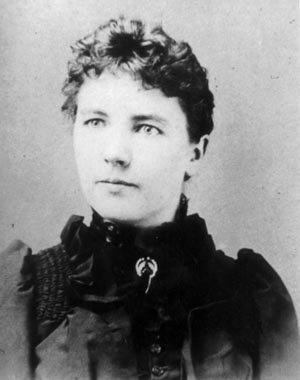
Laura Ingalls Wilder published her first Little House book at 65. Field: writing. Little House in the Big Woods drew from pioneer childhood memories.[2][4]
Key work: the series that enchanted generations. Earlier columns honed her voice. Fame came after farm life and journalism. Wilder’s tales preserve frontier spirit enduringly.
Frank McCourt
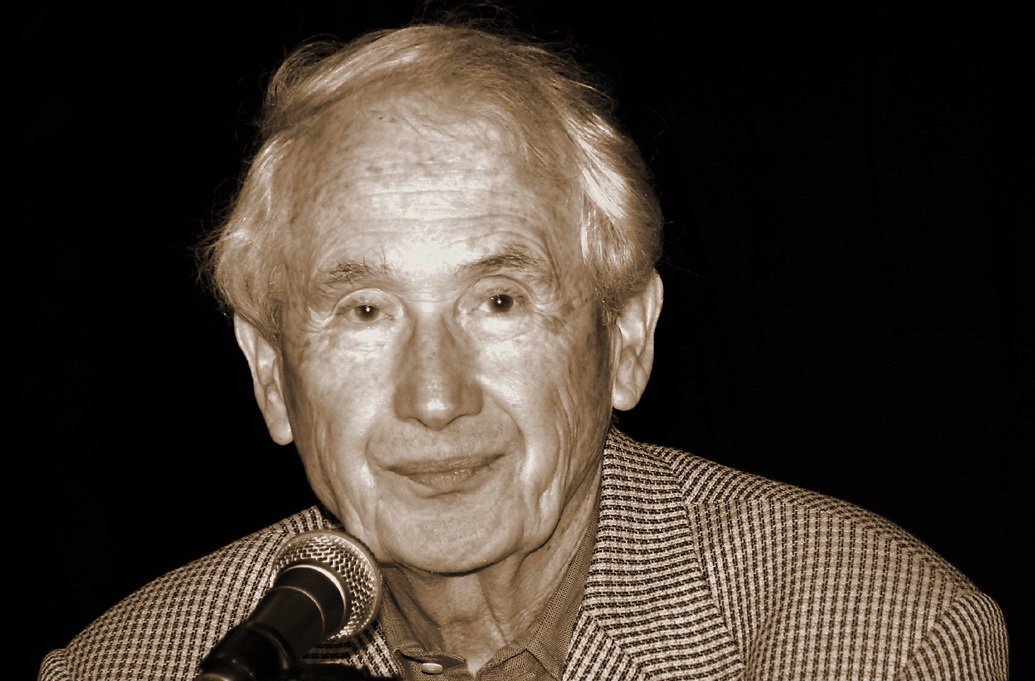
Frank McCourt broke through at 66 with his memoir. Field: writing. Angela’s Ashes detailed Irish immigrant struggles.[2][4]
Key work: Pulitzer winner evoking poverty and resilience. Teaching funded his writing. McCourt’s raw prose resonated widely. Late debut transformed personal pain into universal story.
Norman Maclean
Norman Maclean published his debut novel at 74. Field: writing. A River Runs Through It blended fly-fishing and family.[2][4]
Key work: poetic Montana reflections. Academia preceded his fiction. Film adaptation boosted fame. Maclean’s spare prose captured life’s quiet rhythms masterfully.
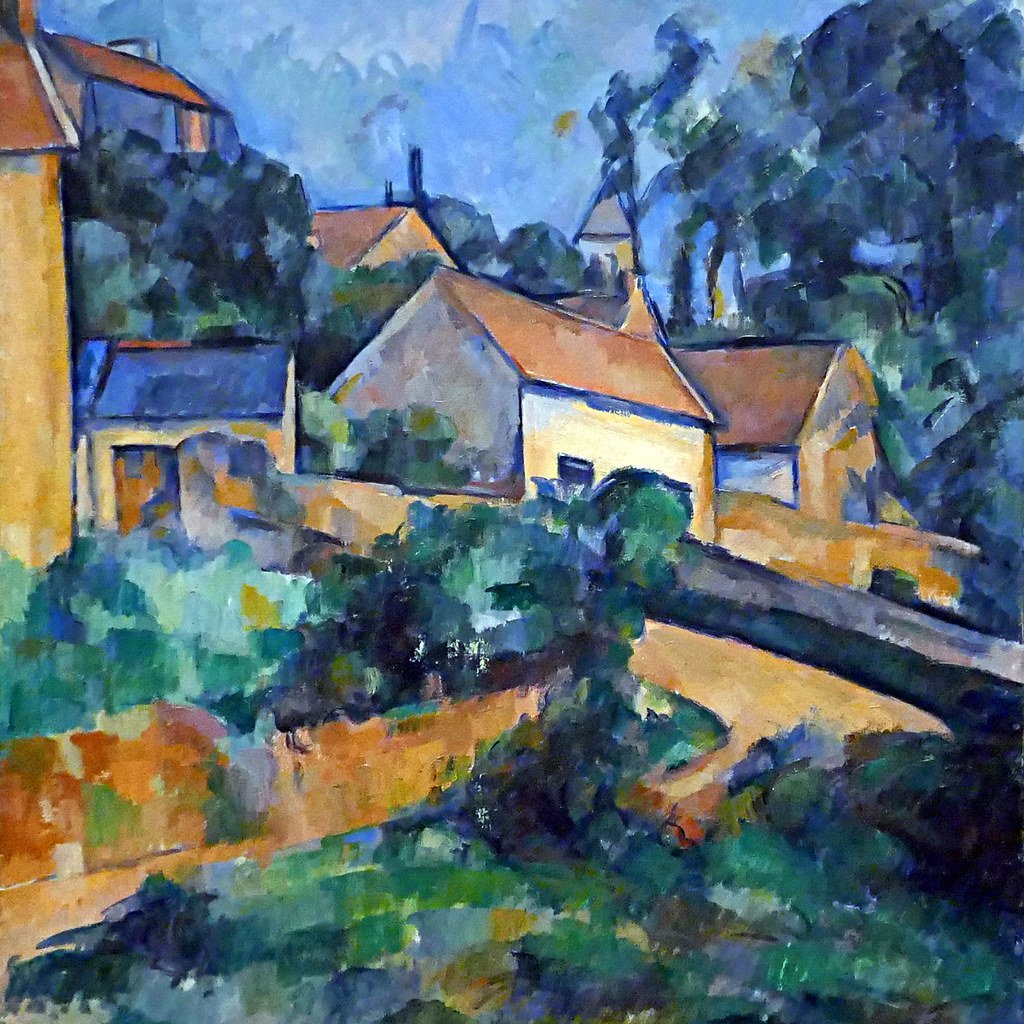
Paul Cézanne
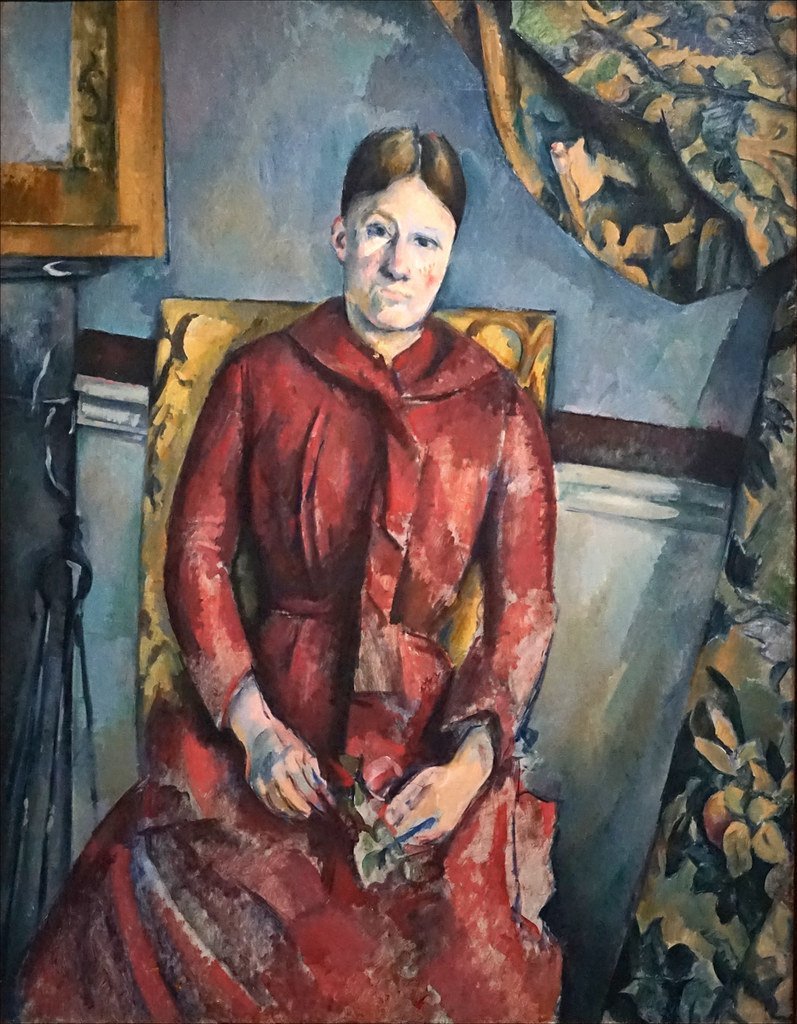
Paul Cézanne held his first solo show at 56. Field: painting. Mont Sainte-Victoire series marked mature phase.[1][5]
Key work: landscapes bridging Impressionism and Cubism. Earlier struggles yielded innovation. Peers dismissed him until late. Cézanne’s methodical builds reshaped modern art.
Henri Rousseau
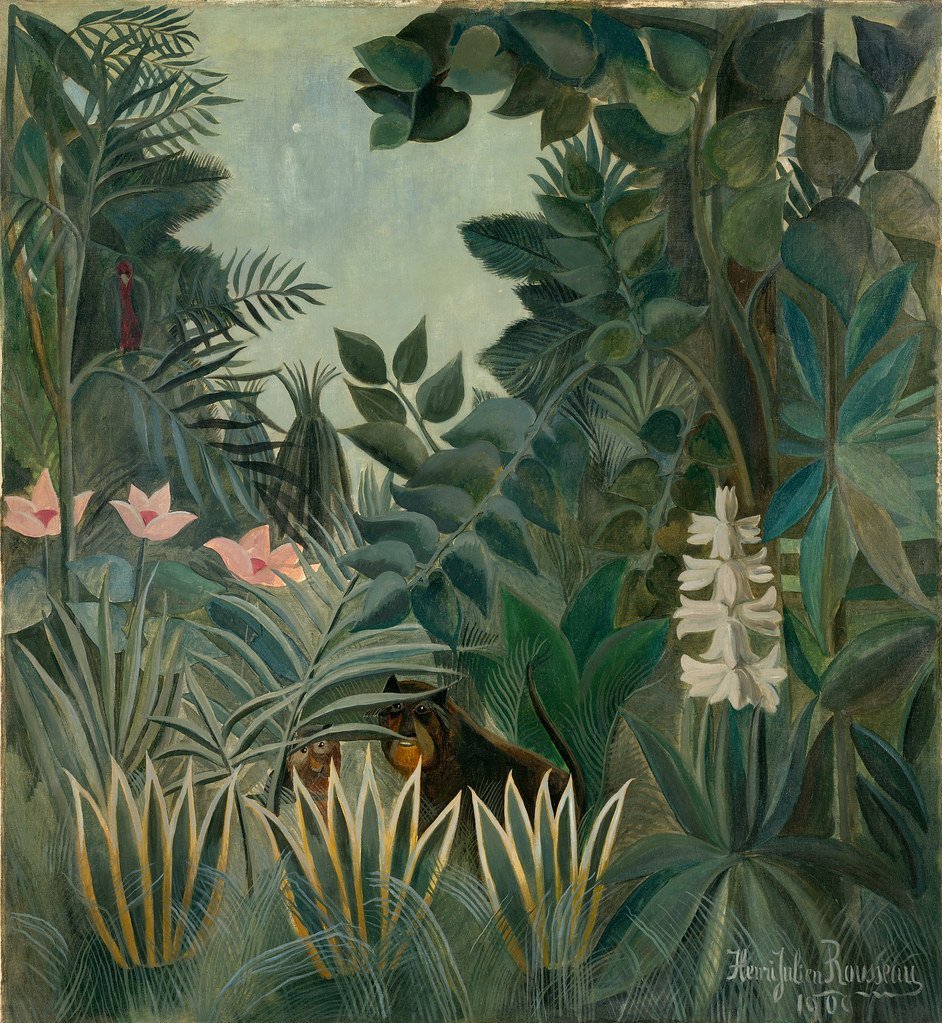
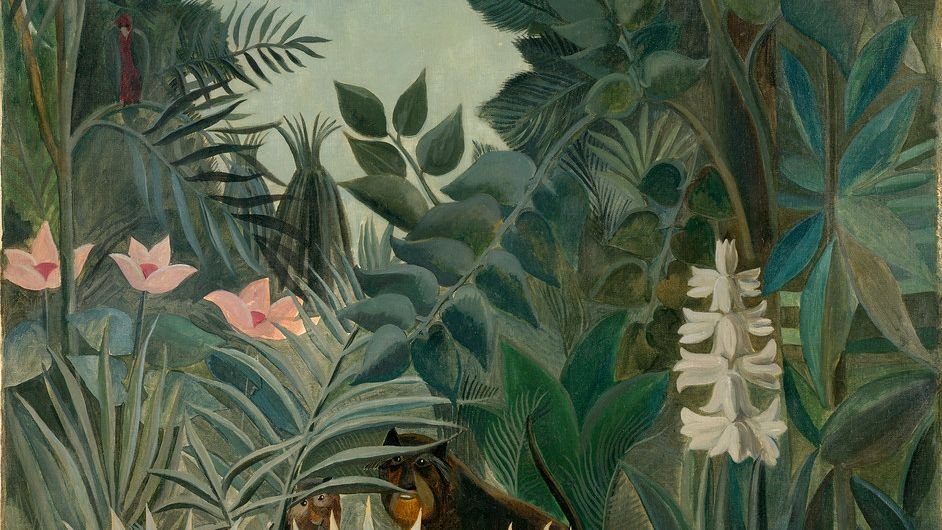
Henri Rousseau painted seriously from his forties as a toll collector. Field: painting. The Sleeping Gypsy gained notice around 50.[5]
Key work: dreamlike jungle fantasies from imagination. Self-taught style charmed avant-garde. Critics mocked then praised. Rousseau’s exotic visions bloomed unexpectedly late.
His botanical visits fueled vivid scenes. Breakthrough affirmed outsider genius.
Laura Wheeler Waring
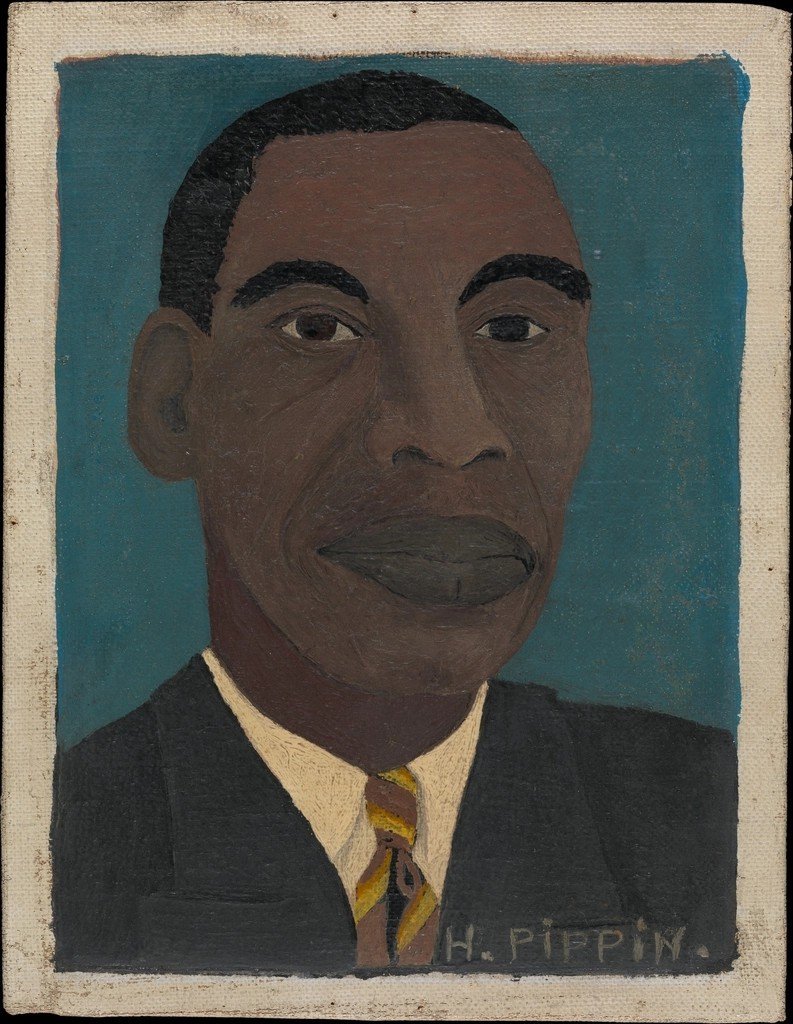
Laura Wheeler Waring refined portraits in her forties and fifties. Field: painting. Breakthrough honored African American dignity.[5]
Key work: sensitive Harlem Renaissance figures. Teaching complemented her art. Recognition grew steadily late. Waring’s brushwork elevated overlooked lives gracefully.
The Reward of Persistence
These twelve icons spanned painting, sculpture, collage, and writing. Fame arrived after 50, 70, even 80 for some. Their stories underscore how patience forges greatness.[4]
Creative paths twist unpredictably. Late blooms often shine brightest, enriched by time’s quiet lessons. Keep creating, regardless of the calendar.

Christian Wiedeck, all the way from Germany, loves music festivals, especially in the USA. His articles bring the excitement of these events to readers worldwide.
For any feedback please reach out to info@festivalinside.com
