

For any feedback please reach out to info@festivalinside.com
Soundtracks possess a rare cultural alchemy. They fuse a film’s narrative with the pulse of contemporary music, often propelling both into legend. Certain albums transcend their movies, becoming anthems that mirror and mold the zeitgeist of their time.
From disco fever to grunge rebellion, these selections showcase how melodies and rhythms captured entire epochs, influencing generations long after the credits rolled.
Saturday Night Fever (1977)
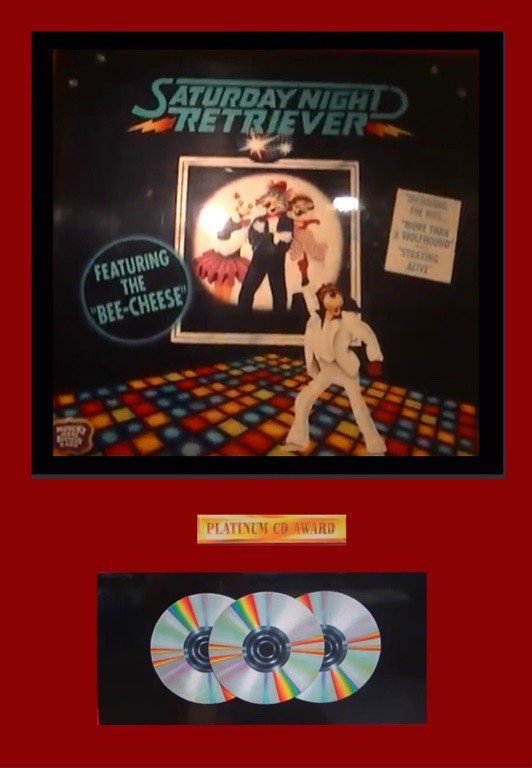
The Bee Gees dominated with “Stayin’ Alive,” “Night Fever,” and “How Deep Is Your Love,” joined by Yvonne Elliman and The Trammps on “Disco Inferno.”[1]
This soundtrack sold over 40 million copies worldwide and topped charts for months. It ignited the late 1970s disco explosion, transforming dance floors and fashion into symbols of liberation and excess. Nightclubs worldwide echoed its beats, marking disco as the sound of urban nightlife.[2]
Even today, its infectious grooves evoke polyester suits and mirrored balls, a testament to its era-defining grip on pop culture.
Flashdance (1983)
Irene Cara’s “What a Feeling” soared alongside Michael Sembello’s “Maniac” and Shandi’s “He’s a Dream.”
The album embodied the early 1980s fitness craze, fueling aerobics classes and dreams of breakout stardom. It spent weeks in the top charts and won an Oscar for its title track. Women everywhere blasted these empowering anthems, syncing sweat and ambition to synth-driven rhythms.[1]
This soundtrack welded pop with physicality, turning leg warmers and leotards into icons of self-made success.
Footloose (1984)
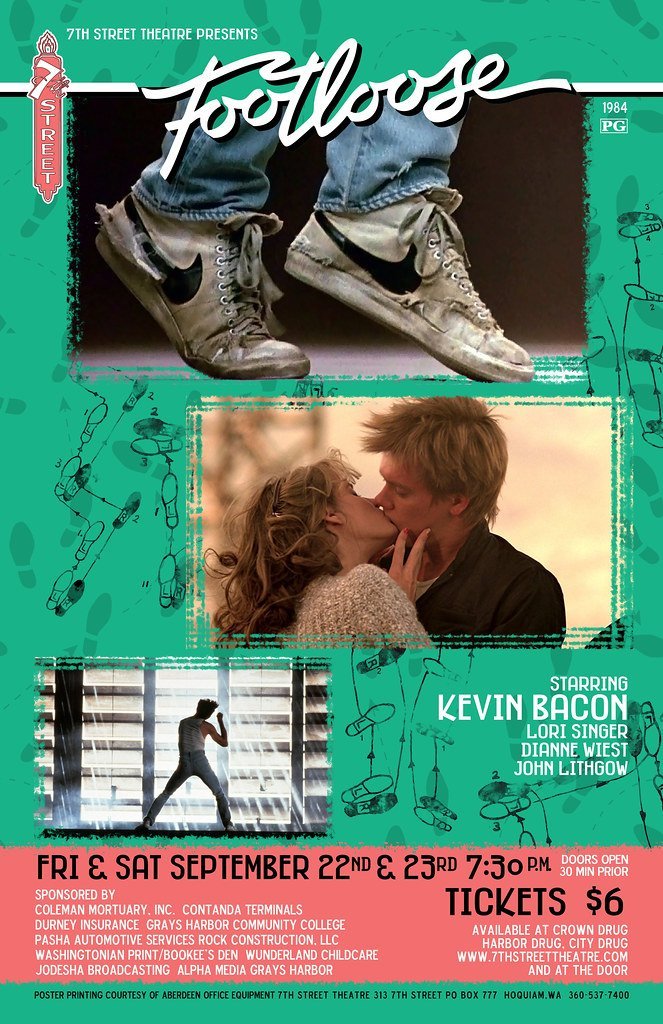
Kenny Loggins delivered the title track, with Bonnie Tyler’s “Holding Out for a Hero” and Deniece Williams’ “Let’s Hear It for the Boy” rounding out the hits.
Sold over 17 million copies, it captured mid-1980s teen defiance against conservative norms. Dance bans symbolized broader generational clashes, and the music rallied youth with high-energy rock. Every track felt like a chart smash, pulsing through sock hops and rebellious hearts.[1]
The album set the blueprint for feel-good movie musicals, where rhythm overthrew restriction.
Purple Rain (1984)
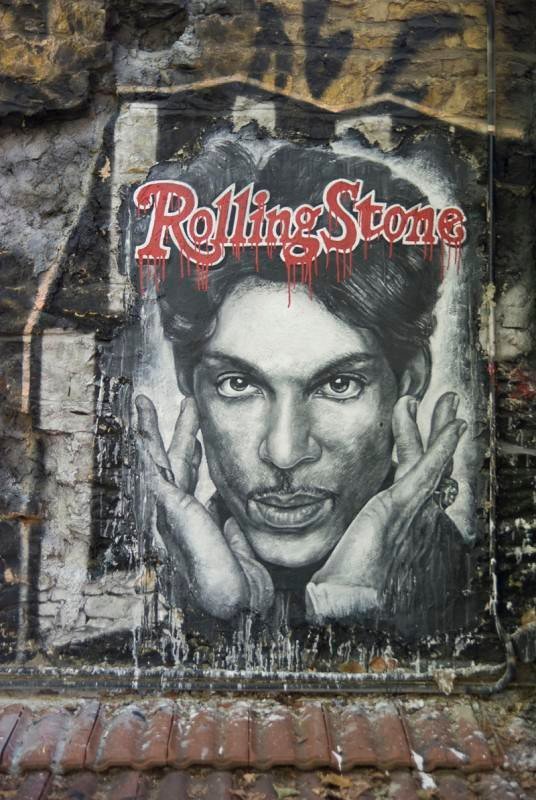
Prince and the Revolution shone with “When Doves Cry,” “Let’s Go Crazy,” and the epic title track.
This opus blended funk, rock, and pop-funk, dominating the 1980s Minneapolis sound. It propelled Prince to superstardom and fused sensuality with guitar wizardry. The soundtrack’s raw vulnerability resonated amid MTV’s rise, defining bold artistic expression.[3]
Fans devoured its purple haze, making it a cornerstone of 80s musical innovation.
Top Gun (1986)
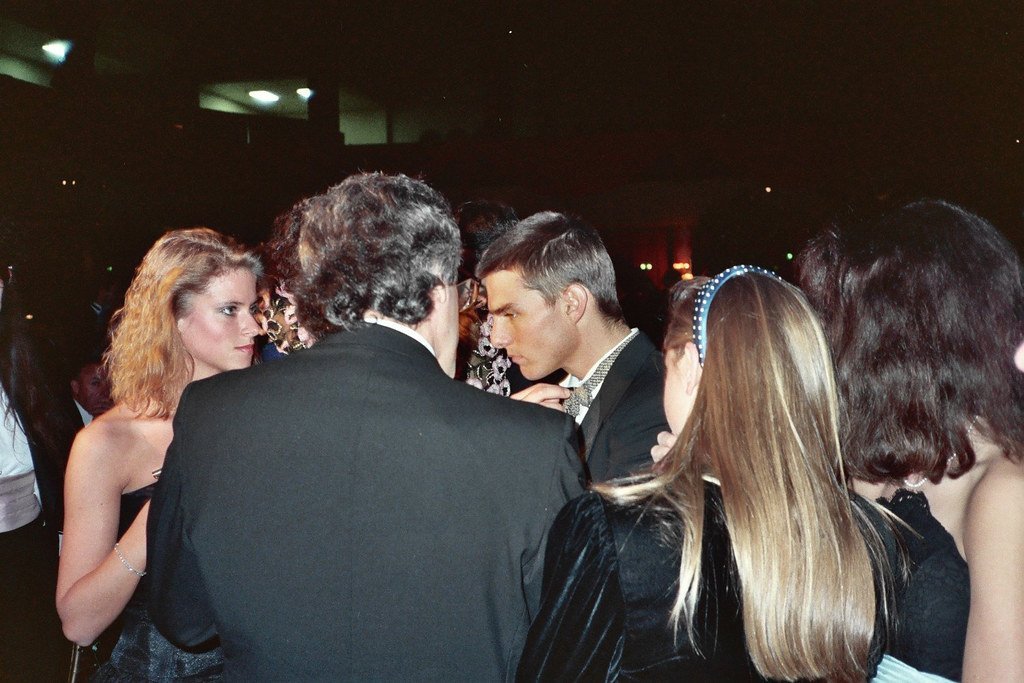
Berlin’s “Take My Breath Away” won an Oscar, backed by Kenny Loggins’ “Danger Zone” and Toto tracks.
The album topped charts for weeks, embodying 1980s high-flying machismo and synth romance. Fighter jet thrills synced perfectly with power ballads, fueling a generation’s adrenaline rush. It bridged action cinema and arena rock, with music videos amplifying the hype.[1]
Aviator shades and leather jackets owe much to its soaring spirit.
Dirty Dancing (1987)
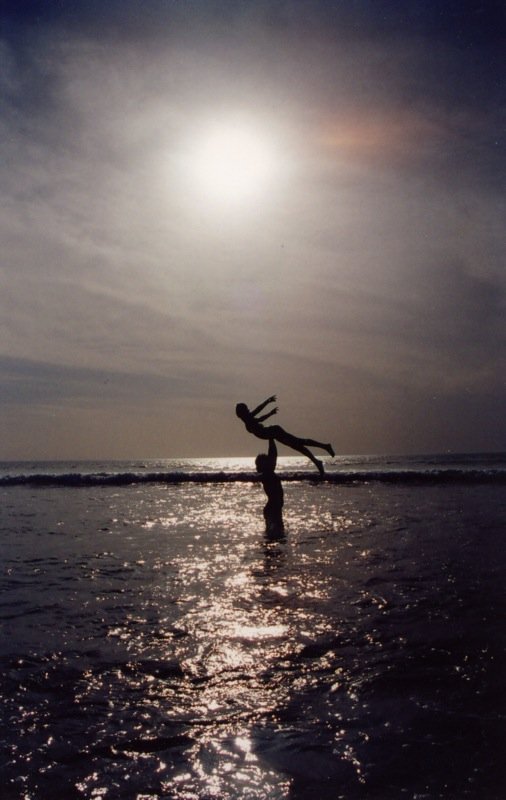
Bill Medley and Jennifer Warnes’ “(I’ve Had) The Time of My Life” anchored the mix, with Eric Carmen’s “Hungry Eyes” and The Ronettes’ “Be My Baby.”
Selling over 42 million, it blended oldies with fresh romance, winning Oscars and Grammys. Late 1980s audiences swooned to its mix of nostalgia and passion, inspiring dance crazes everywhere. The finale lift became as iconic as the songs themselves.[1]
It proved timeless tunes could reignite summer flings across decades.
The Bodyguard (1992)
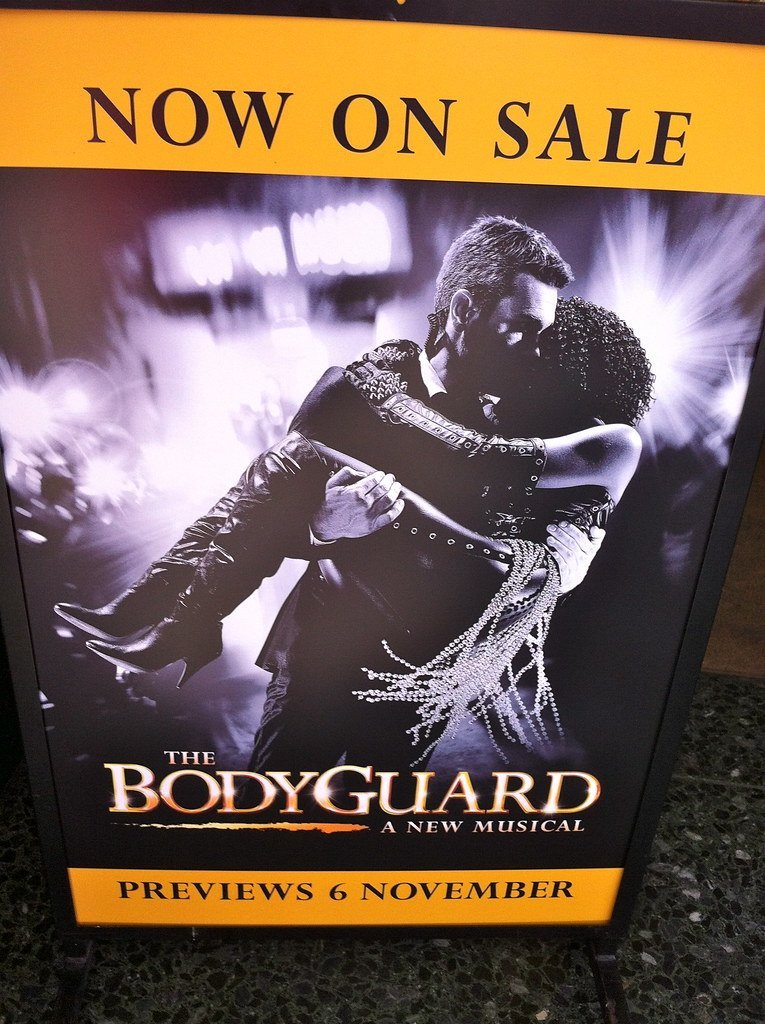
Whitney Houston’s “I Will Always Love You” led, with “I’m Every Woman” and “I Have Nothing.”
The best-selling soundtrack ever at over 45 million copies, it ruled early 1990s airwaves. Houston’s powerhouse vocals turned a country cover into a global lament, dominating for weeks. Romance and tragedy intertwined, mirroring blockbuster emotions.[1]
Its key change remains a vocal benchmark, echoing eternal love.
Pulp Fiction (1994)
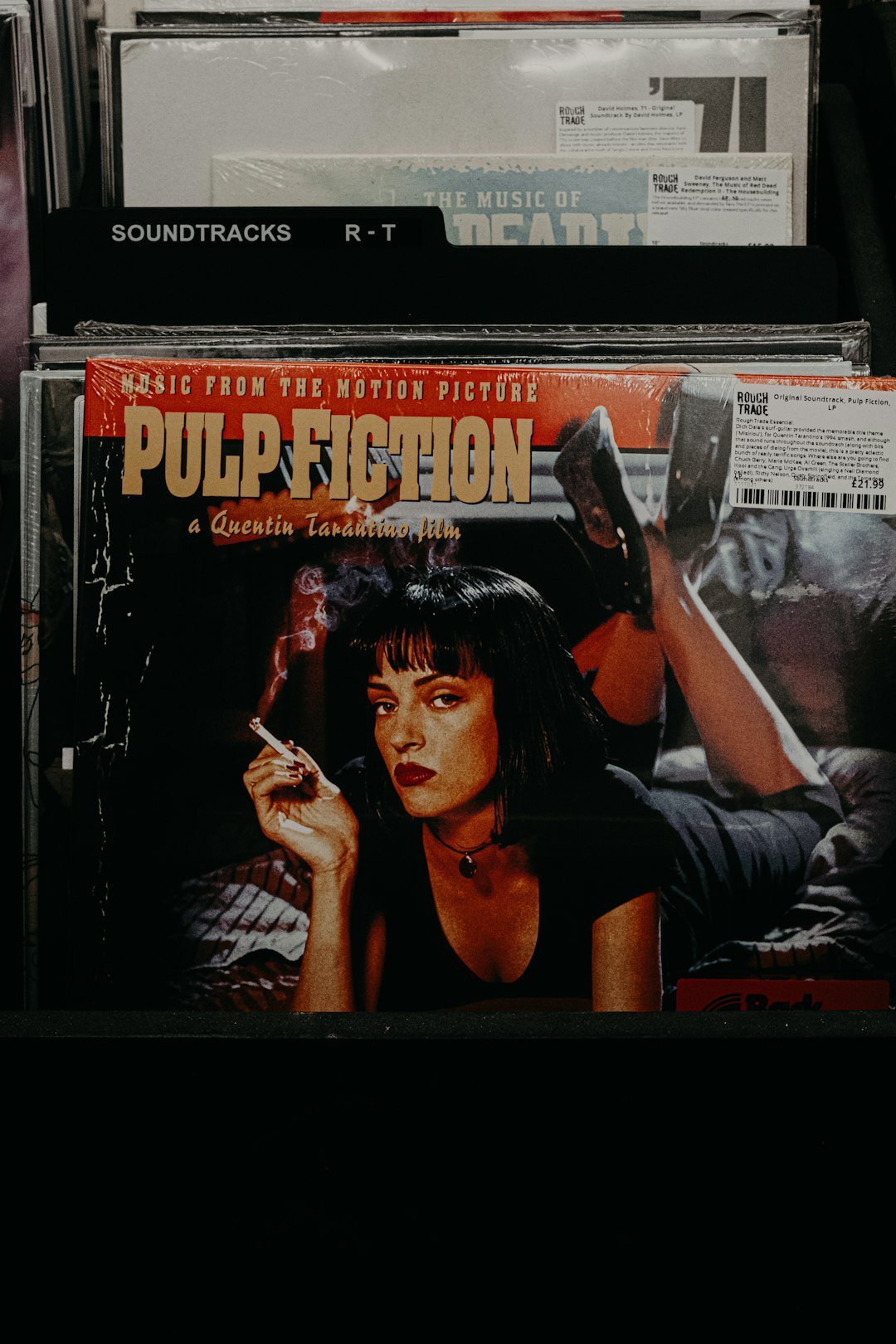
Dick Dale’s “Misirlou,” Urge Overkill’s “Girl, You’ll Be a Woman Soon,” and Chuck Berry’s “You Never Can Tell” stood out.
This eclectic surf-rock revival topped charts and redefined 1990s cool. Tarantino’s curation unearthed forgotten gems, blending eras into nonlinear cool. It sparked a soundtrack renaissance, proving vinyl digs could outshine originals.[1]
Twists and dances alike pulsed to its retro heartbeat.
Forrest Gump (1994)
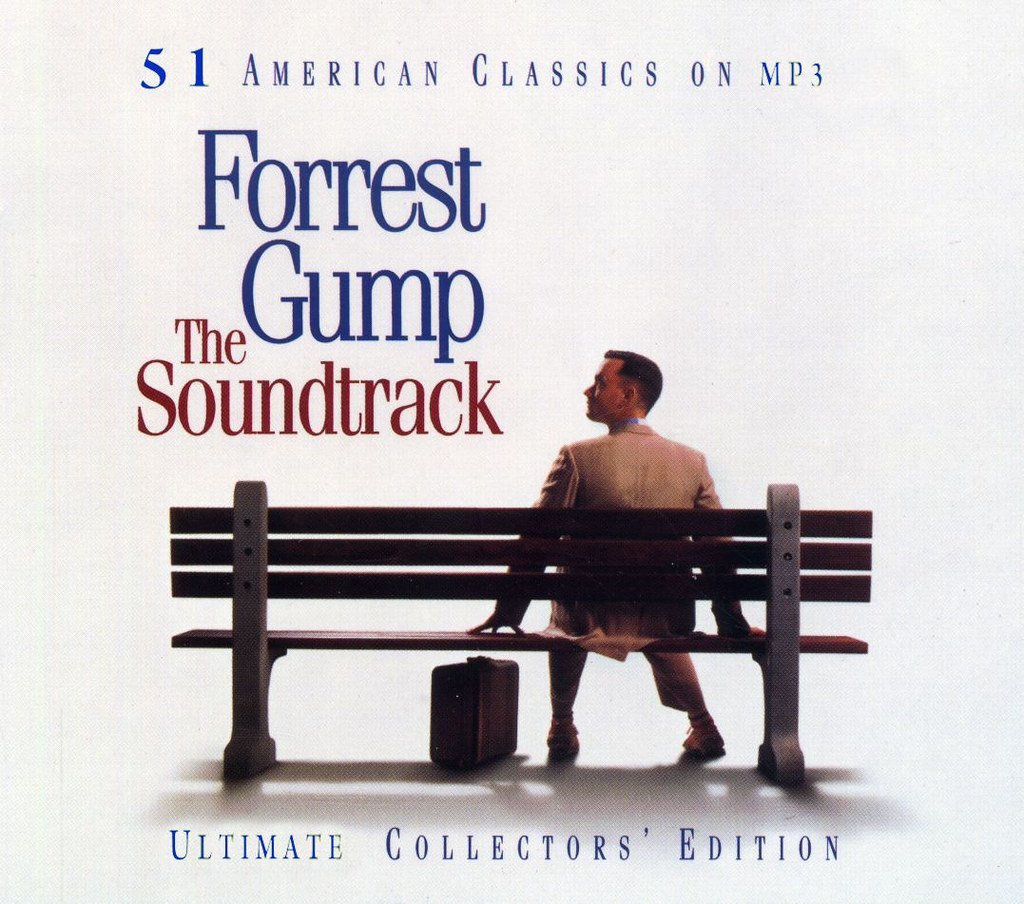
A tapestry of hits from The Supremes’ “Stoned Love” to Bob Dylan’s “For What It’s Worth,” spanning decades.
It captured 1990s nostalgia for mid-century America, charting high with box-set appeal. Each song marked life’s milestones, from Vietnam to Watergate. The mix evoked innocence amid chaos, resonating deeply.[4]
Life’s box of chocolates came scored perfectly.
Trainspotting (1996)
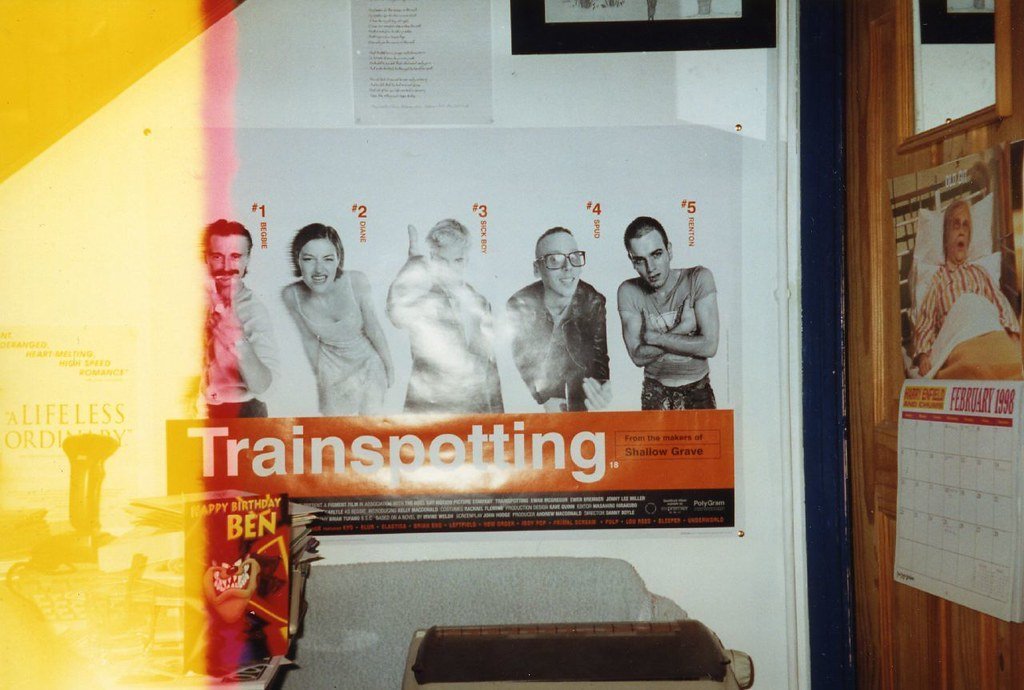
Iggy Pop’s “Lust for Life,” Underworld’s “Born Slippy.NUXX,” and Blur’s “Sing” fueled the frenzy.
Britpop met rave in this 1990s youth anthem, colliding highs and lows. It defined club culture’s edge, with tracks blasting from Edinburgh to global raves. Addiction’s rush found sound in its beats.[1]
The sequel volume extended its rebellious legacy.
Romeo + Juliet (1996)
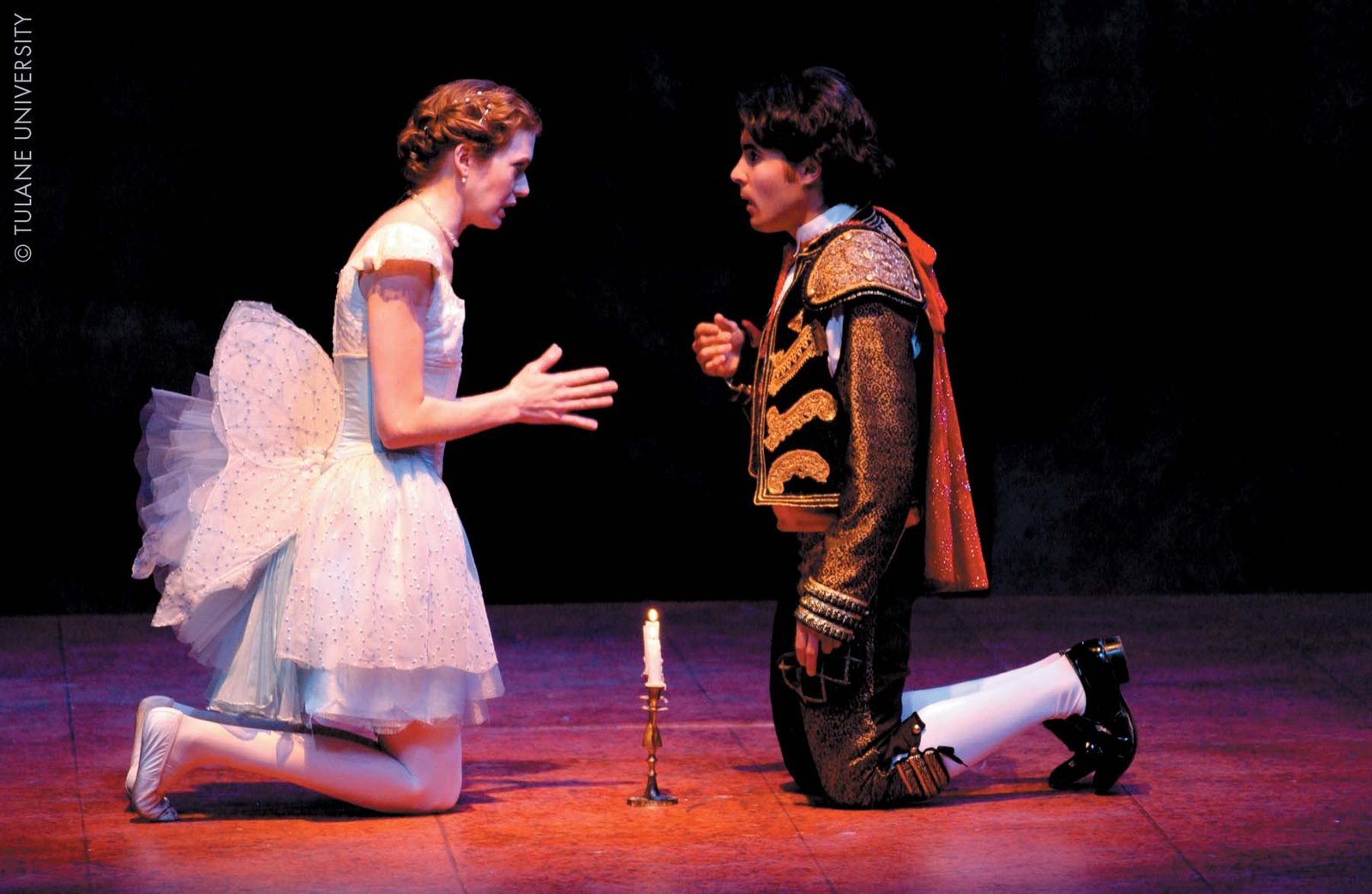
Garbage’s “#1 Crush,” The Cardigans’ “Lovefool,” and Radiohead’s “Talk Show Host.”
Mid-1990s alt-rock met Shakespeare, achieving platinum status. Luhrmann’s vision fused pop urgency with tragedy, bridging indie and mainstream. Videos amplified the kinetic drama.[5]
Young love’s chaos sang through every riff.
Almost Famous (2000)
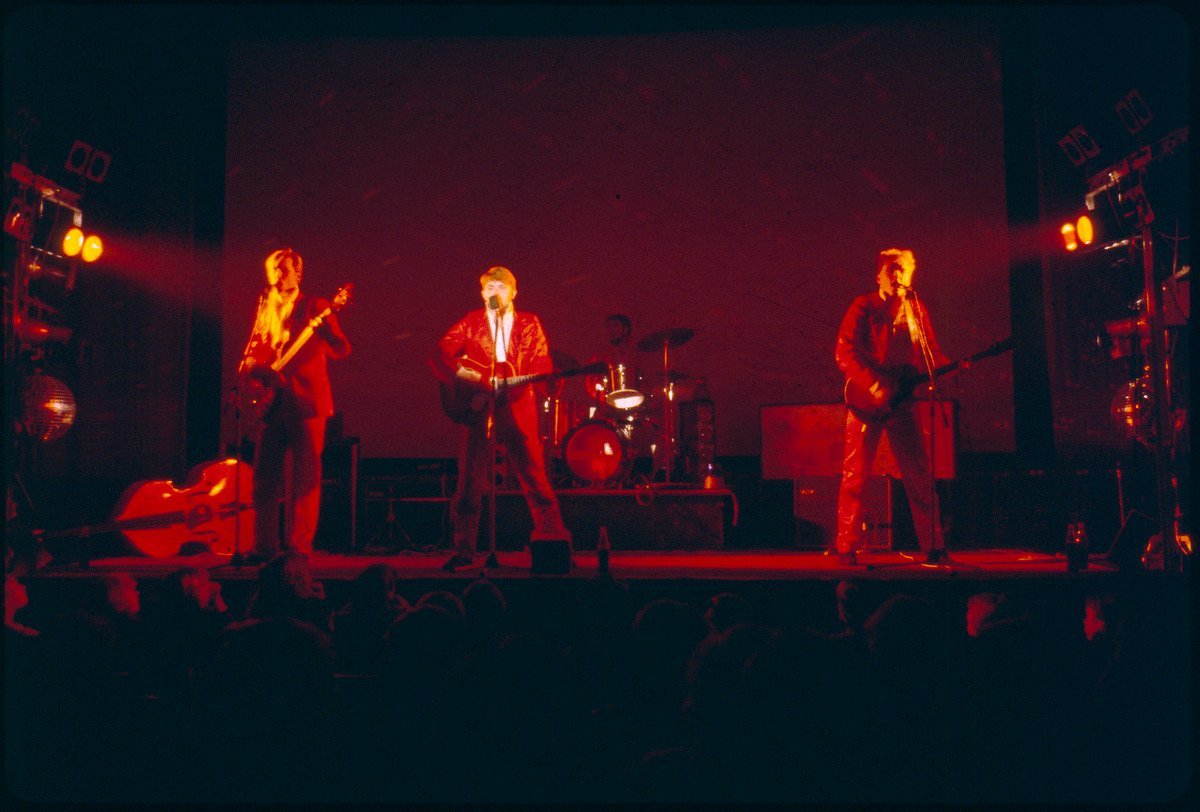
The Who’s “Eminence Front,” Cat Stevens’ “The Wind,” and Stillwater originals.
It revived 1970s rock glory amid 2000s introspection. Road trips and groupie tales rocked with authenticity, earning Grammy nods. Music bonded the band’s fragile family.[5]
Tiny Dancer moments linger eternally.
O Brother, Where Art Thou? (2000)
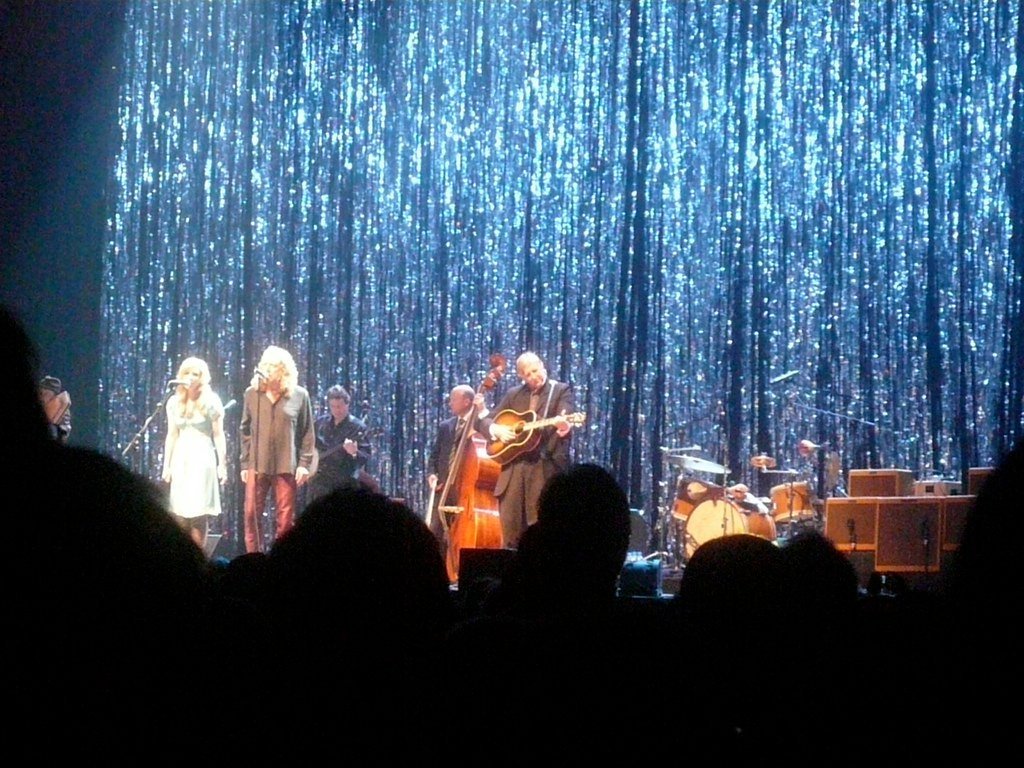
Alison Krauss’ “Down to the River to Pray” and “Man of Constant Sorrow.”
This sparked a folk and bluegrass renaissance, winning Album of the Year Grammy. Depression-era tunes connected post-millennial souls. Sold millions, influencing indie folk waves.[1]
Roots music found new rivers to run.
Guardians of the Galaxy (2014)
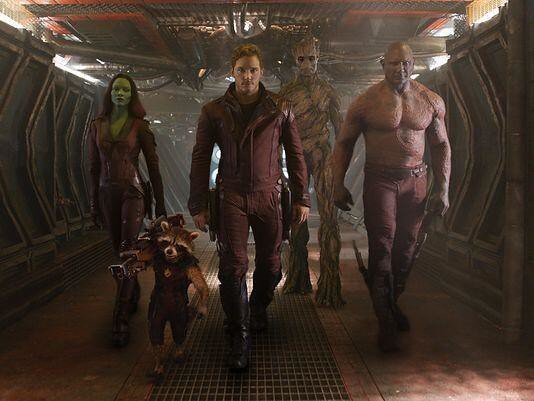
Blue Swede’s “Hooked on a Feeling,” Marvin Gaye’s “Come and Get Your Love,” and The Jackson 5.
1970s mixtape revived in space opera, topping charts. Nostalgia hit amid superhero saturation, with Walkman sentiment core to plot. It proved retro could rule modern blockbusters.[2]
Awesome mixes conquered galaxies.
Baby Driver (2017)
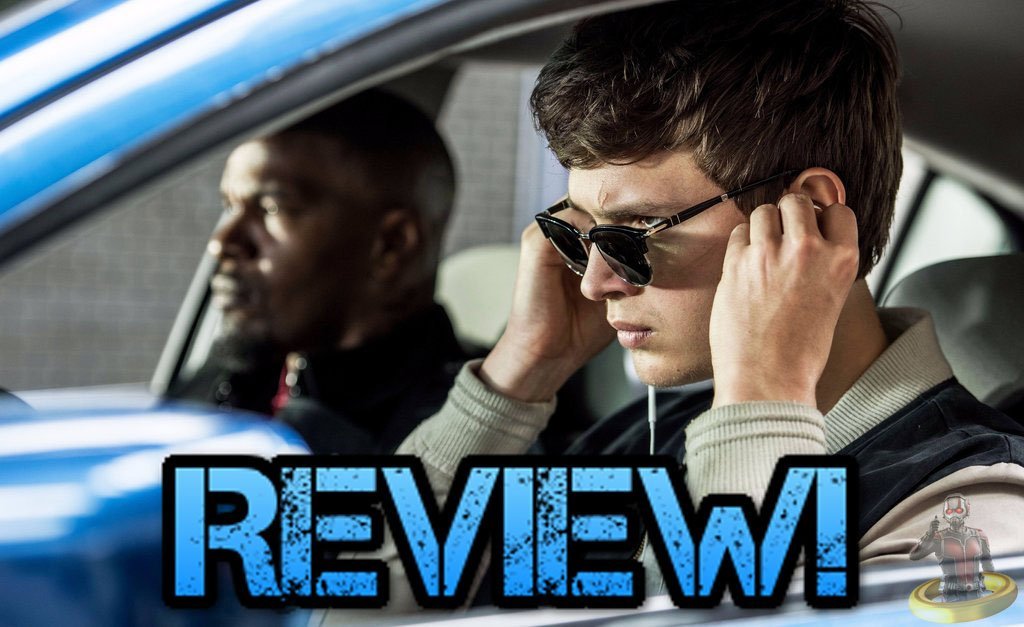
The Commodores’ “Easy,” Beck’s “Debra,” and Queen’s “Tequila.”
Eclectic curation drove heist chases, elevating 2010s syncopation. Songs scripted first, beats matched tires. It blended genres into rhythmic getaway bliss.[4]
Every getaway hummed with precision.
Conclusion
Music forges film’s deepest identities, turning fleeting scenes into cultural touchstones. These soundtracks remind us how melodies etch eras into memory, long outpacing the screen.
In 2026, their echoes still shape what we hear and feel in stories.

Christian Wiedeck, all the way from Germany, loves music festivals, especially in the USA. His articles bring the excitement of these events to readers worldwide.
For any feedback please reach out to info@festivalinside.com
