

- 8 Gardening Hacks That Will Make Your Roses Bloom Like Never Before - August 11, 2026
- 8 Incredible Beaches Around the World You Won’t Believe Are Real - August 11, 2026
- 10 Classical Music Masterpieces That Will Transport You Through Time - August 11, 2026
Musicians who stick to one style risk fading into obscurity as tastes shift. Stylistic reinvention keeps them relevant, allowing fresh connections with new audiences while honoring their roots. This adaptability has defined careers that span decades.
These artists, all with platinum-certified albums, prove change can fuel enduring success. Their bold shifts often sparked controversy at first, yet led to some of their biggest triumphs.
David Bowie
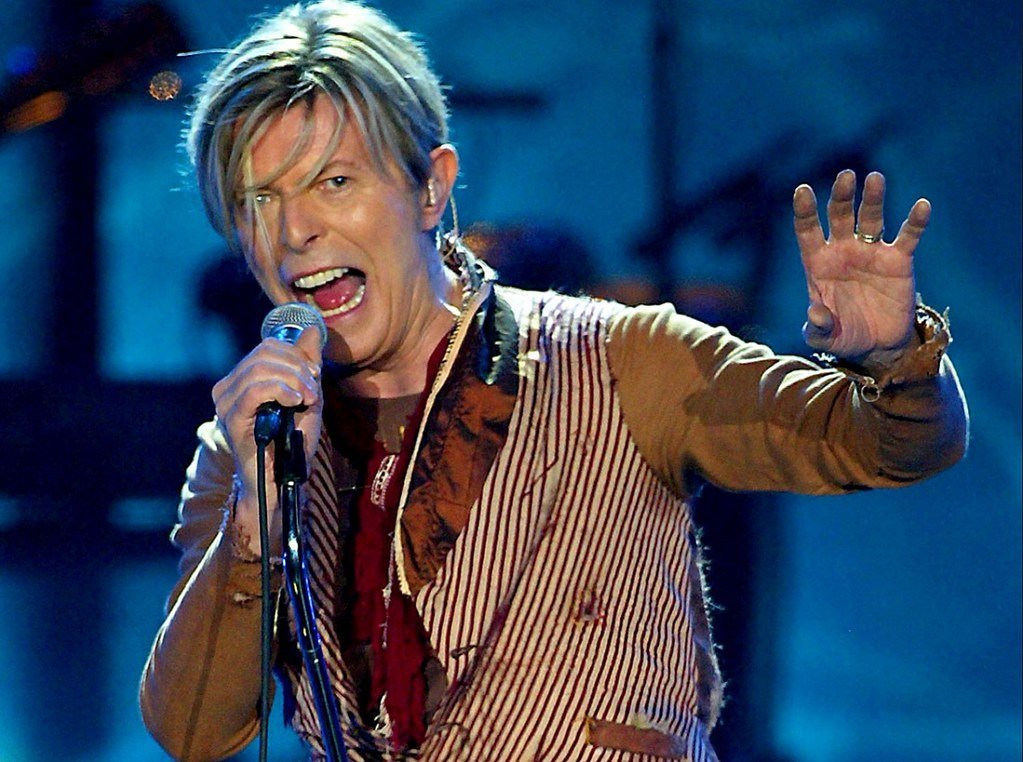
David Bowie burst onto the scene with glam rock anthems like those on Ziggy Stardust, blending theatricality with raw energy. He soon pivoted to soulful grooves on Young Americans, embracing Philly sound influences. Later, the Berlin Trilogy with Brian Eno took him into experimental art rock territory.
By the 1980s, Bowie embraced stadium pop with Let’s Dance, produced by Nile Rodgers. He explored industrial noise on Outside and electronica in the 1990s. Each phase showcased his chameleon-like ability to absorb and transform genres.
Madonna
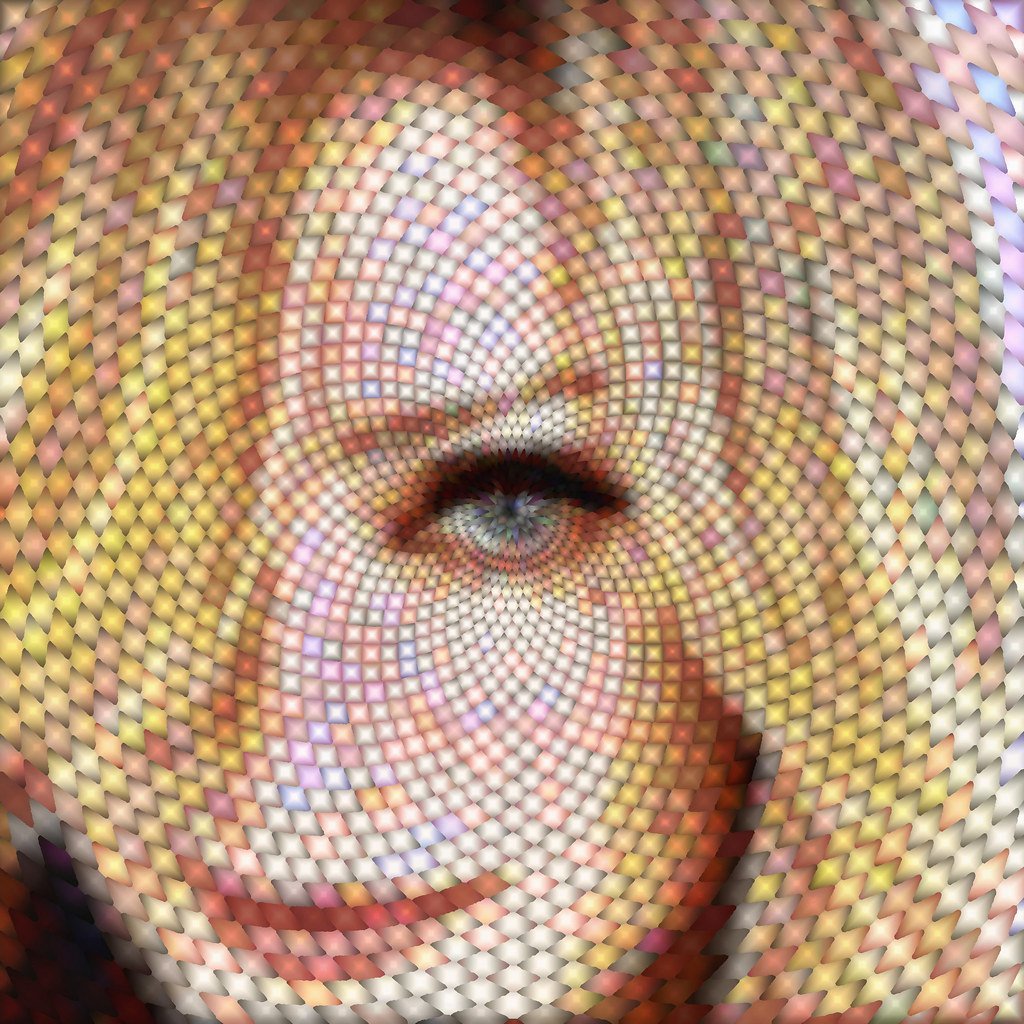
Madonna started with dance-pop hits on her self-titled debut and Like a Virgin, defining 1980s MTV culture. True Blue added mature ballads, but Erotica dove into hip-hop and new jack swing amid personal reinvention. Ray of Light marked a spiritual electronica turn with William Orbit.
American Life brought folktronica elements, while Confessions on a Dance Floor revived pure house music. MDNA experimented with dubstep, and Madame X fused world music and trap. Her shifts mirrored cultural waves, keeping her at pop’s forefront.
Taylor Swift
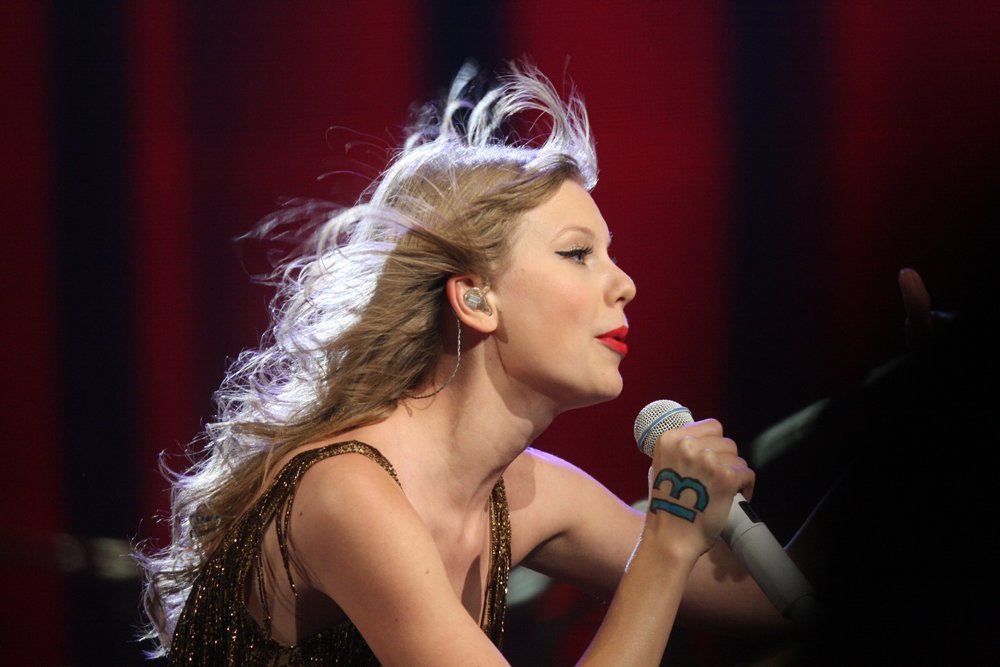
Taylor Swift launched as a country storyteller with her debut and Fearless, earning crossover appeal. Speak Now and Red mixed country with pop experimentation. 1989 fully embraced synth-pop, abandoning Nashville altogether.
Folklore and Evermore shifted to indie folk during pandemic isolation. Midnights returned to 1980s-inspired synthwave, while The Tortured Poets Department layered confessional rock. These evolutions expanded her fanbase across genres.
Prince
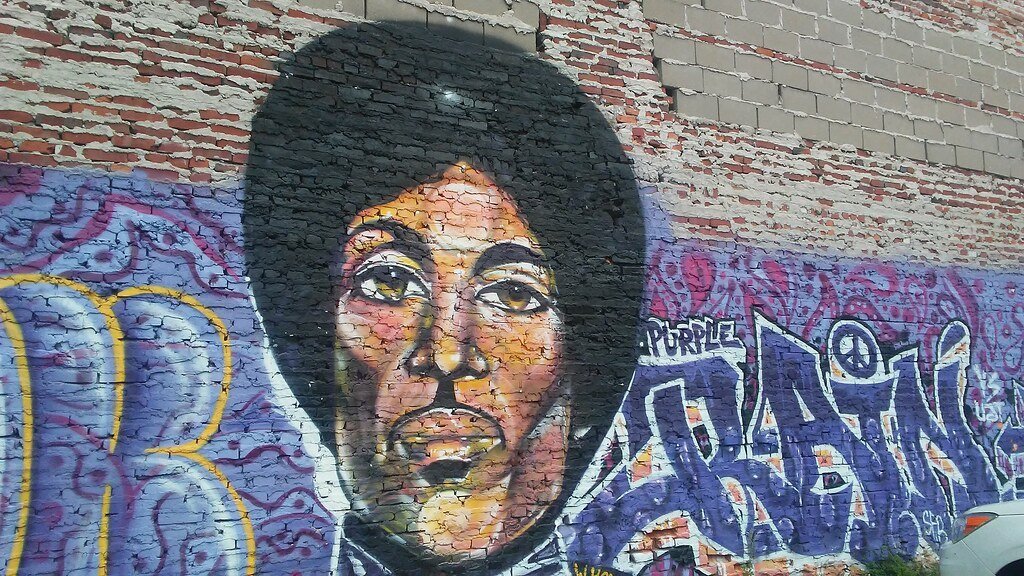
Prince defined Minneapolis sound with funky rock on For You and Prince, blending R&B and psychedelia. Dirty Mind introduced explicit new wave punk-funk. 1999 expanded into synth-heavy electro-funk.
Purple Rain fused rock opera with gospel soul, becoming iconic. Parade added orchestral jazz-funk, and Sign o’ the Times layered eclectic styles. Later works like Emancipation embraced pure R&B gospel. His versatility defied categorization.
Bee Gees
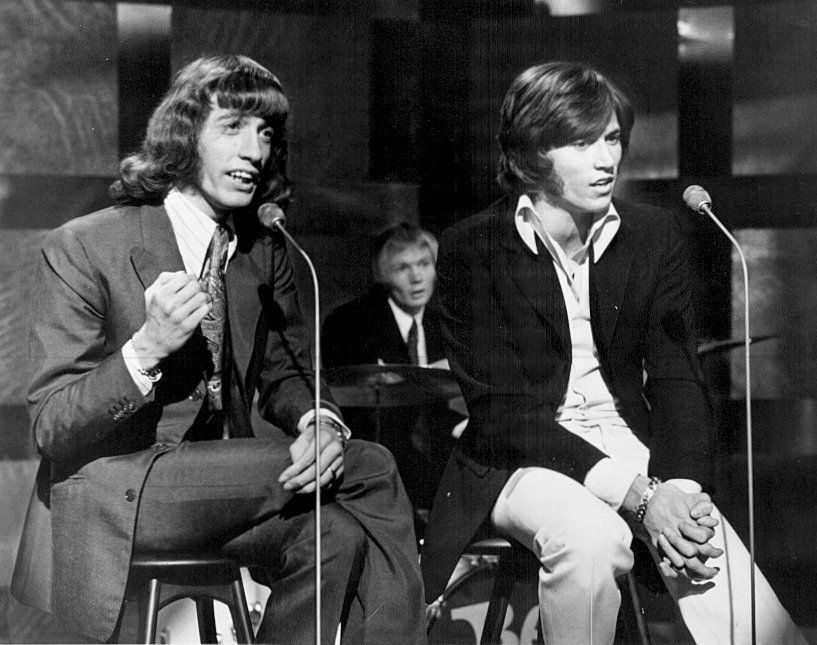
The Bee Gees began with lush harmonies on folk-pop like New York Mining Disaster. They shifted to blue-eyed soul on albums like Odessa. By the 1970s, Trafalgar and To Whom It May Concern explored progressive rock.
Saturday Night Fever transformed them into disco kings with falsetto-driven beats. Post-disco, they returned to adult contemporary ballads on Spirits Having Flown. E.S.P. in the 1980s added rock edges. Their pivots mirrored disco’s rise and fall.
Fleetwood Mac
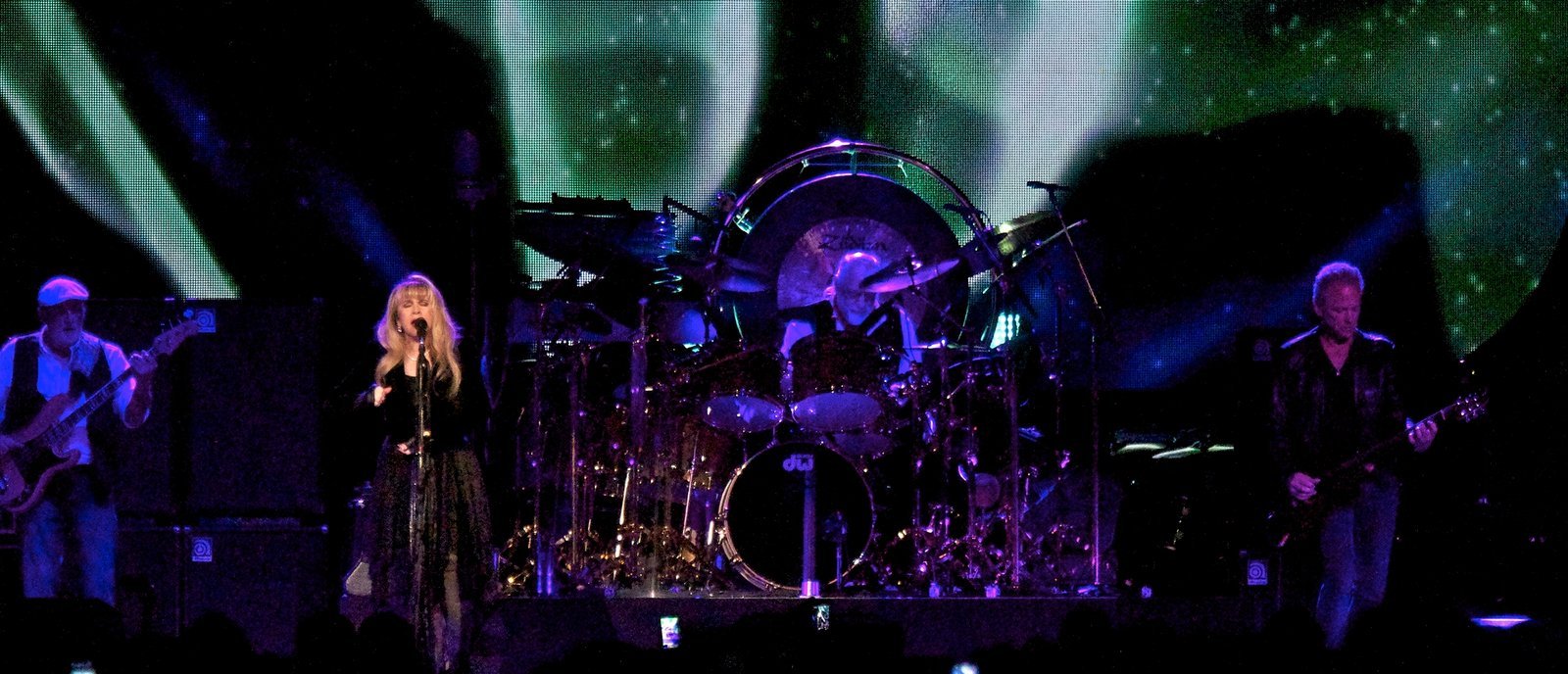
Fleetwood Mac originated as British blues rock with Peter Green. Kiln House softened into country rock. The white album era brought California soft rock with Buckingham and Nicks.
Rumours perfected yacht rock polish amid personal turmoil. Tango in the Night leaned synth-pop. Behind the Mask went further electronic before returning to roots on Say You Will. Internal changes drove their sound evolution.
Radiohead
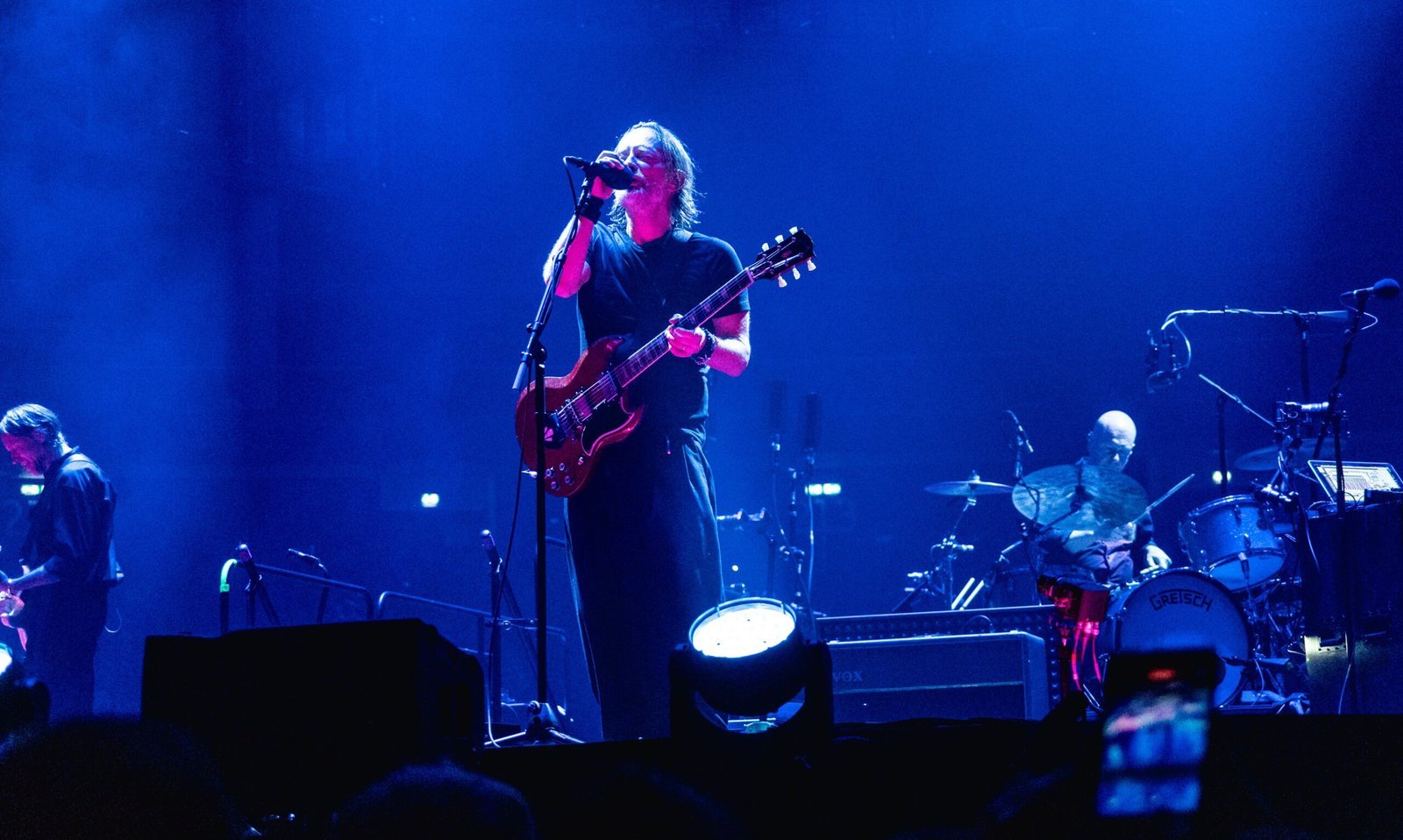
Radiohead debuted with grunge-tinged alt-rock on Pablo Honey. The Bends refined guitar anthems. OK Computer ushered in orchestral art rock with electronic hints.
Kid A and Amnesiac abandoned guitars for IDM and jazz. Hail to the Thief mixed hip-hop beats with rock. Later albums like A Moon Shaped Pool blended ambient classical. They continually pushed electronic boundaries.
Katy Perry
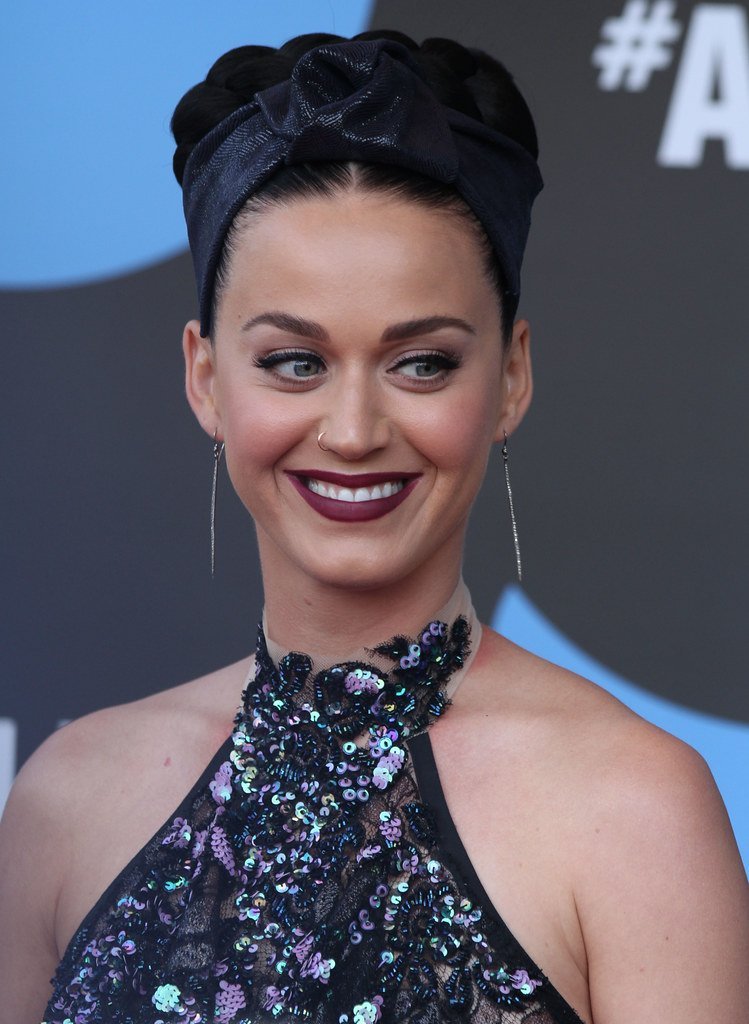
Katy Perry started as gospel artist Katy Hudson. One of the Boys exploded with pop-rock like I Kissed a Girl. Teenage Dream perfected bubblegum electropop.
Prism added tropical house and EDM drops. Witness experimented with disco and hip-hop. Smile revived 1980s synthwave nostalgia. Her pop shifts chased chart trends successfully.
Lady Gaga
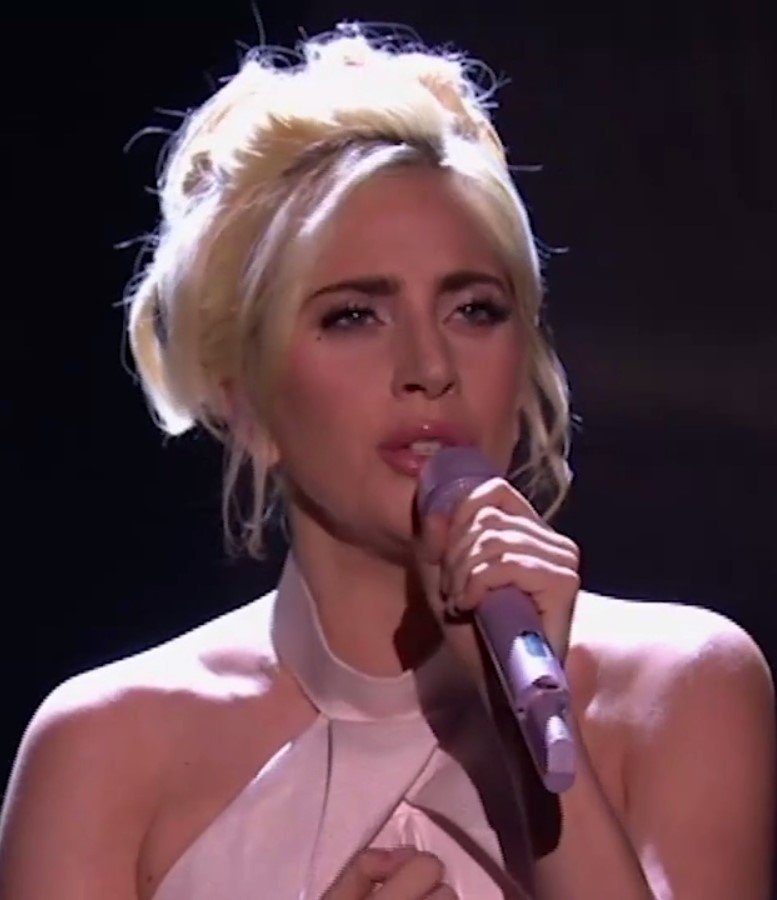
Lady Gaga debuted with electro-glam pop on The Fame. Born This Way amped house and dubstep. Artpop delved into experimental EDM.
Joanne stripped back to country rock. Chromatica revived 1990s house. Love for Sale swung into jazz standards with Tony Bennett. Her theatrical range spanned dance to roots.
Miley Cyrus
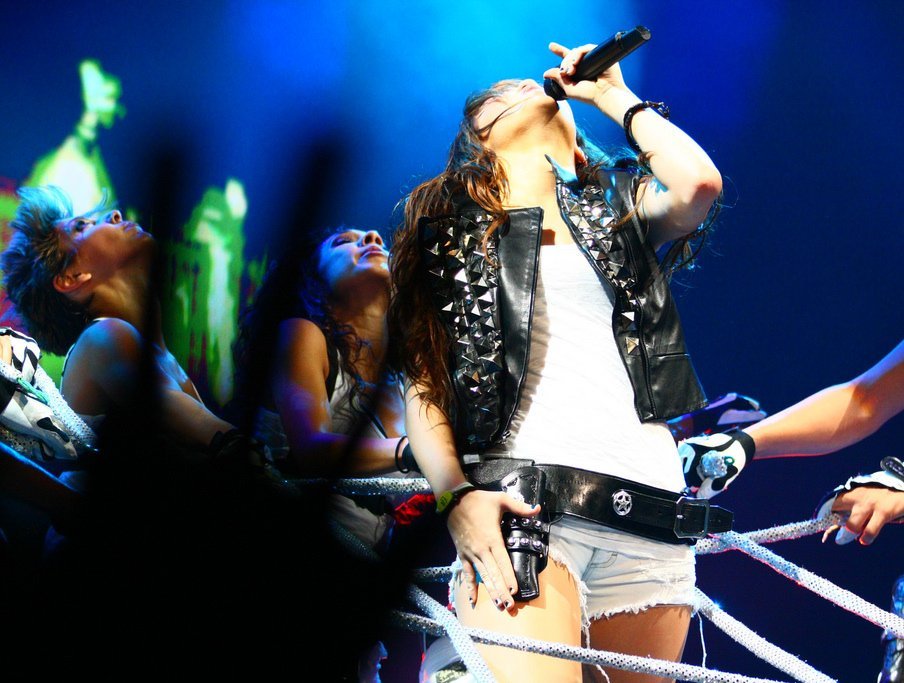
Miley Cyrus rose as teen pop Hannah Montana. Can’t Be Tamed pushed dance-pop rebellion. Bangerz fused hip-hop and EDM.
Miley Cyrus & Her Dead Petz went psychedelic experimental. Younger Now returned to country pop. Endless Summer Vacation mixed disco and hip-hop. Plastic Hearts added rock covers. She embraced controversy in changes.
Metallica
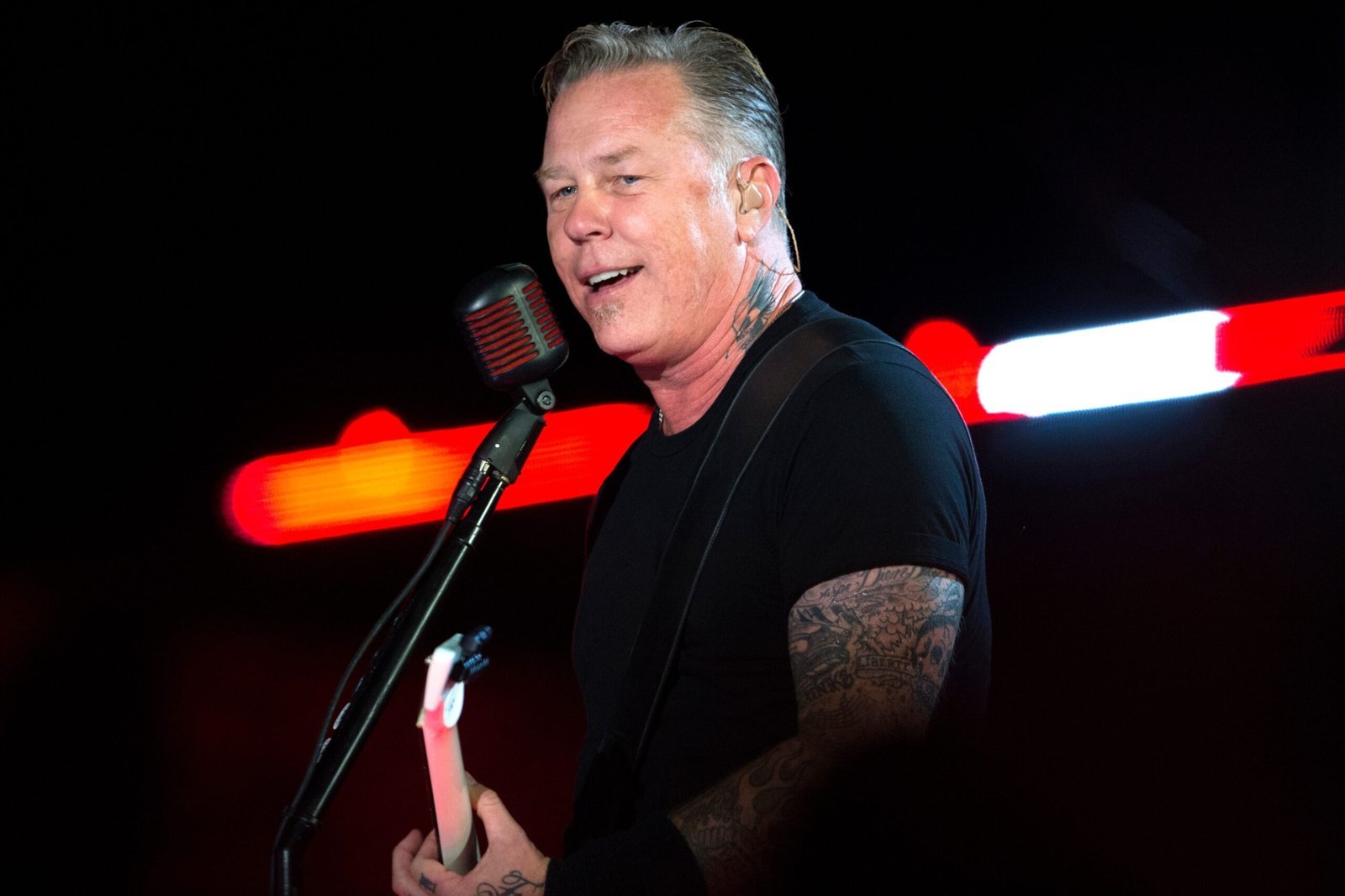
Metallica defined thrash metal with Kill ‘Em All and Master of Puppets. The Black Album polished into mainstream heavy metal. Load and Reload leaned hard rock grooves.
St. Anger rawed nu-metal aggression. Death Magnetic recaptured thrash speed. Hardwired… to Self-Destruct blended modern production with classics. Their shifts broadened metal appeal.[1][2]
Kanye West
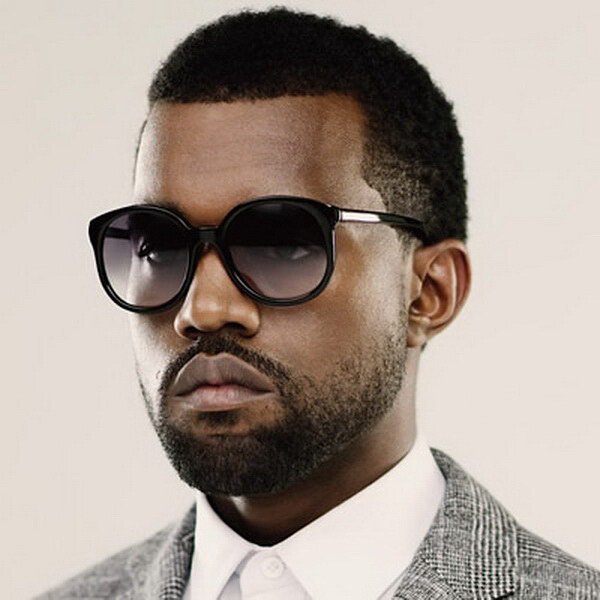
Kanye West debuted with soul-sampled hip-hop on The College Dropout. Late Registration refined chipmunk soul. 808s & Heartbreak pioneered autotune R&B.
My Beautiful Dark Twisted Fantasy layered maximalist epics. Yeezus stripped to industrial minimalism. The Life of Pablo mixed gospel trap. Donda deepened spiritual choirs. His production innovations redefined rap.
The Power of Musical Adaptability
These artists show reinvention demands risk, often alienating fans initially. Yet platinum success followed bold moves, proving evolution sustains careers. Flexibility lets musicians outlast trends.
In a fast-changing industry, adaptability remains key. Static sounds fade, but chameleons endure. Their legacies inspire ongoing experimentation.[3][4]

Besides founding Festivaltopia, Luca is the co founder of trib, an art and fashion collectiv you find on several regional events and online. Also he is part of the management board at HORiZONTE, a group travel provider in Germany.
