


- 8 Gardening Hacks That Will Make Your Roses Bloom Like Never Before - August 11, 2026
- 8 Incredible Beaches Around the World You Won’t Believe Are Real - August 11, 2026
- 10 Classical Music Masterpieces That Will Transport You Through Time - August 11, 2026
Literature has a unique power to distill the raw essence of human feelings into stories that resonate across generations. From the quiet ache of unrequited love to the storm of rage and redemption, novels capture emotions in ways that feel both intimate and universal.
These works transcend their original settings, speaking to readers from different cultures and eras through shared experiences of joy, sorrow, and everything in between. They remind us that certain emotional truths remain constant, no matter the time or place.
Pride and Prejudice by Jane Austen
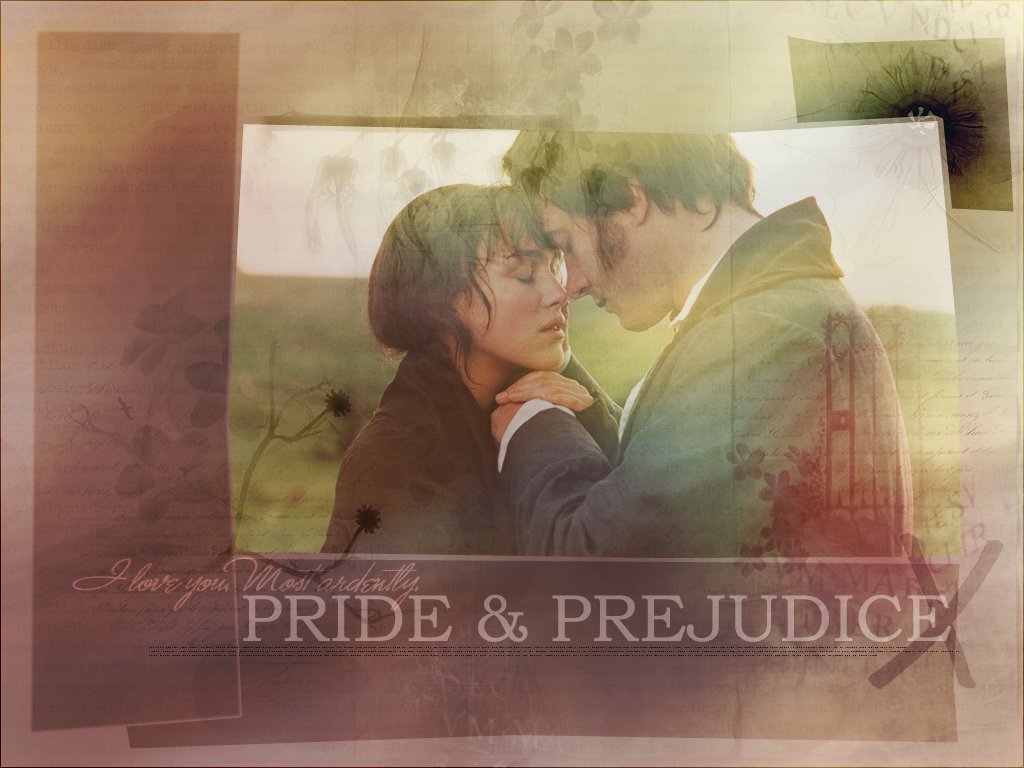
Jane Austen’s masterpiece delves into the turbulence of love, pride, and social expectation. Elizabeth Bennet navigates misunderstandings and prejudices that stir frustration and self-doubt, while Darcy’s internal struggle with arrogance reveals vulnerability beneath his stoic exterior. The novel portrays the slow burn of attraction turning into deep affection, laced with humor that lightens the heavier moments of embarrassment and regret.
Its literary significance lies in Austen’s sharp wit and keen observation of human folly, making it a cornerstone of the romantic genre. The book influenced countless stories of personal growth through emotional honesty. Readers still find mirrors to their own relational missteps in its pages.
Wuthering Heights by Emily Brontë
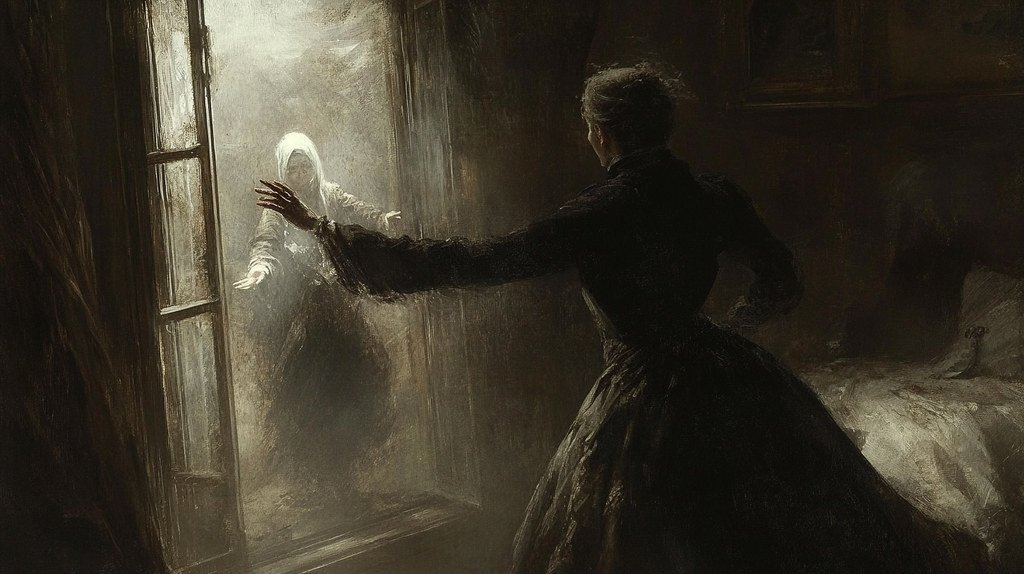
This gothic tale unleashes the wild fury of obsessive love and vengeful hatred on the Yorkshire moors. Heathcliff’s tormented soul drives a cycle of pain, where loss fuels bitterness that spans generations. Catherine’s restless spirit embodies the agony of divided loyalties, torn between passion and societal duty.
Brontë’s raw portrayal broke conventions, blending supernatural elements with psychological depth. The novel’s nonlinear structure heightens emotional intensity, cementing its place as a profound study of destructive desire. It challenges readers to confront the darker sides of attachment.
Jane Eyre by Charlotte Brontë

Charlotte Brontë crafts a journey through isolation, longing, and fierce independence. Jane’s orphaned childhood breeds resilience amid rejection, evolving into a quest for love that tests her moral fiber. Her bond with Rochester stirs passion shadowed by secrets, forcing confrontations with betrayal and self-worth.
The novel’s significance stems from its bold feminist undertones and introspective narrative voice. It pioneered the bildungsroman with emotional authenticity, inspiring waves of gothic romance. Jane’s unyielding spirit continues to empower readers facing adversity.
Anna Karenina by Leo Tolstoy
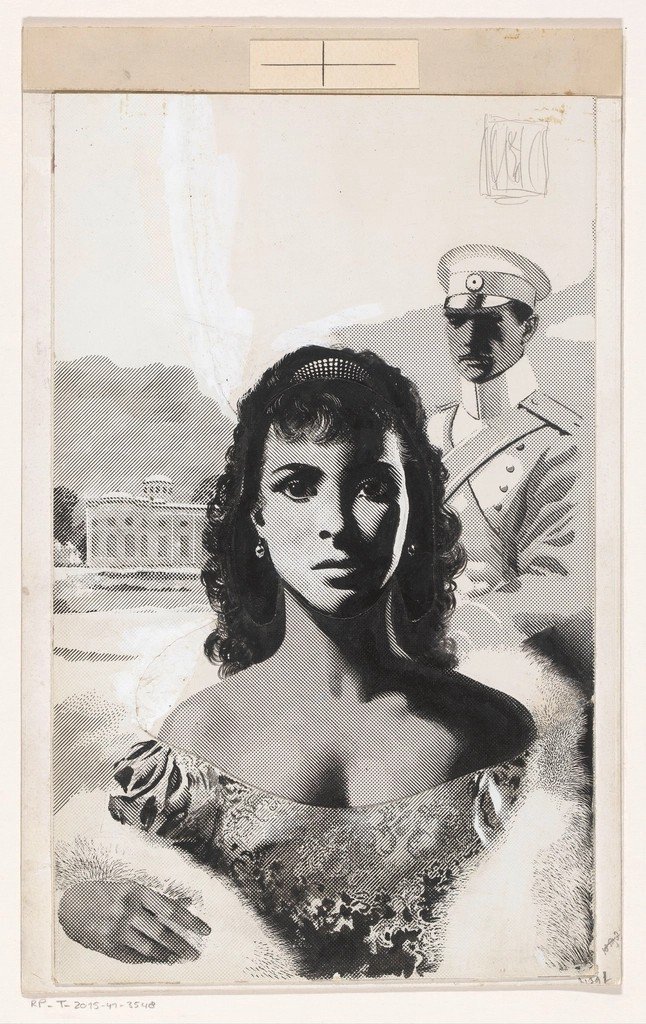
Tolstoy examines the ecstasy and devastation of adulterous love alongside familial devotion. Anna’s affair ignites bliss that crumbles into despair under judgment and isolation. Levin’s parallel search for meaning grapples with doubt, faith, and the quiet joys of rural life.
Renowned for its panoramic realism, the book weaves personal turmoil with societal critique. Tolstoy’s psychological insight revolutionized character development in fiction. It remains a benchmark for exploring love’s dual capacity to elevate and destroy.
Crime and Punishment by Fyodor Dostoevsky

Dostoevsky plunges into guilt, paranoia, and the quest for redemption after a murder born of desperation. Raskolnikov’s tormented conscience unravels his mind, blending intellectual pride with visceral remorse. Encounters with suffering others awaken empathy he once suppressed.
The novel’s significance is its pioneering dive into criminal psychology and moral philosophy. Dostoevsky’s stream-of-consciousness style anticipated modernism. It forces reflection on the human cost of rationalizing evil.
Les Misérables by Victor Hugo
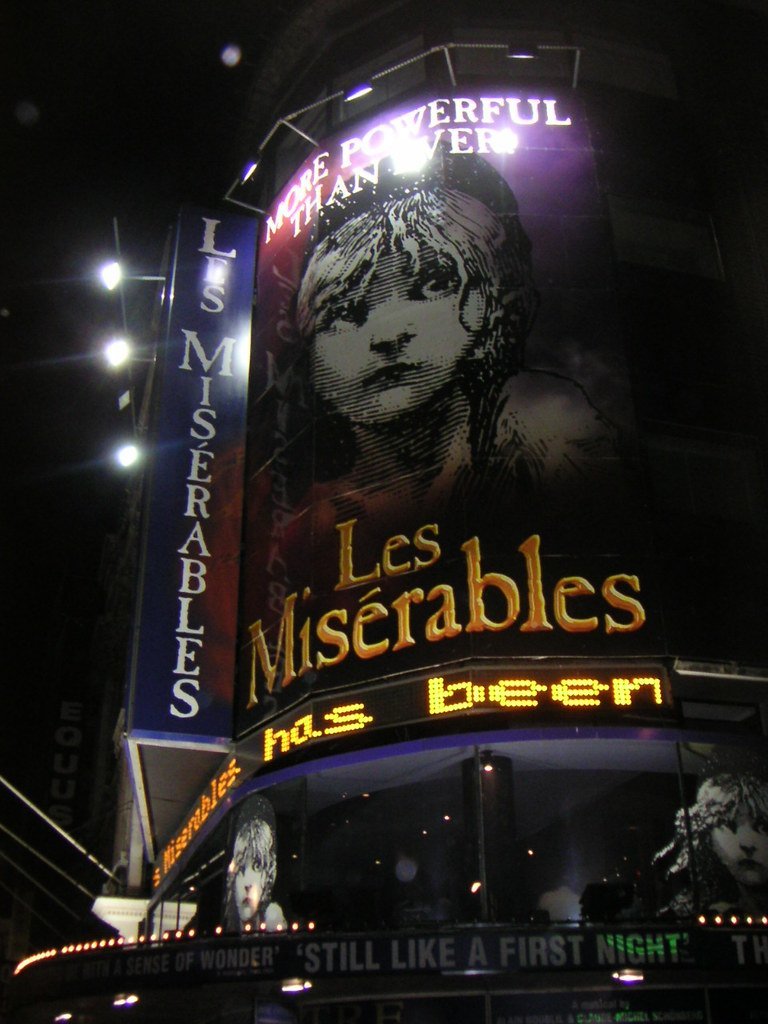
Hugo chronicles redemption amid poverty, injustice, and unyielding compassion. Jean Valjean’s transformation from convict to savior highlights forgiveness’s healing power. Cosette’s innocence contrasts the era’s brutality, stirring protective love and sacrifice.
Its epic scope and social advocacy elevated the historical novel. Hugo’s vivid prose immortalized emotional stakes in revolution and grace. The story’s themes of mercy endure in adaptations worldwide.
The Great Gatsby by F. Scott Fitzgerald
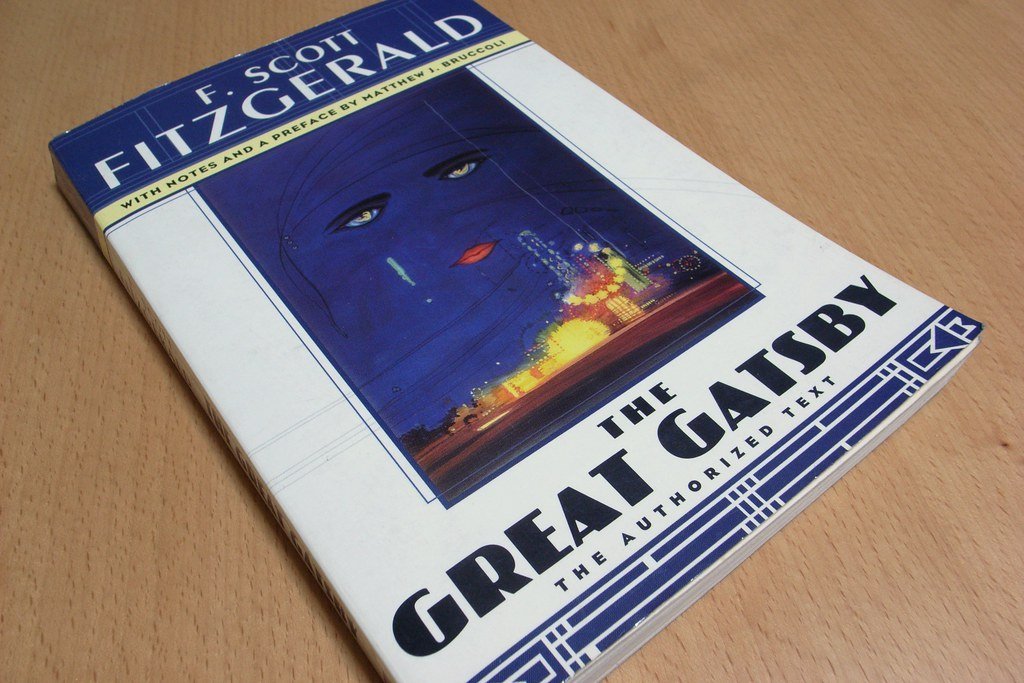
Fitzgerald captures the hollow ache of unattainable dreams and lost innocence in the Jazz Age. Gatsby’s obsessive pursuit of Daisy reveals longing twisted by illusion. Nick’s disillusionment mirrors the era’s fleeting glamour masking deeper loneliness.
The novel’s lyrical beauty and critique of American excess define modernist literature. Its green light symbol endures as an emblem of aspiration’s pain. Fitzgerald’s economy of language amplifies emotional resonance.
To Kill a Mockingbird by Harper Lee
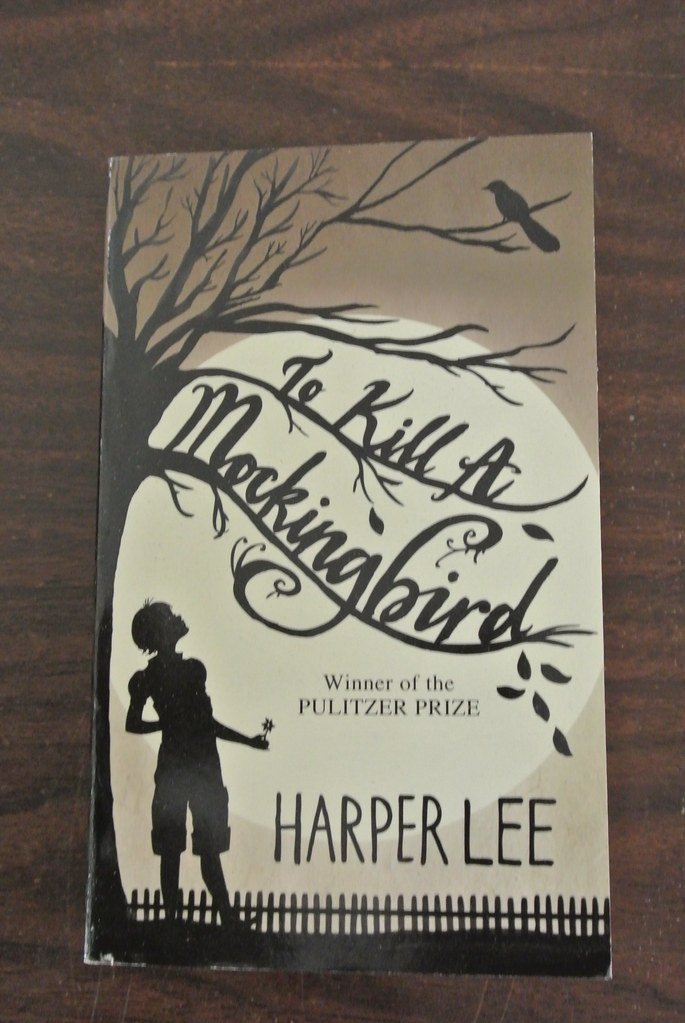
Lee explores innocence lost to prejudice, empathy, and moral courage in the Depression South. Scout’s childlike view confronts racism’s ugliness, evoking confusion and righteous anger. Atticus’s quiet integrity teaches compassion amid hatred.
Its significance lies in accessible yet profound lessons on humanity. The single-narrator perspective builds intimate emotional bonds. It shaped discussions on justice and remains a classroom staple.
1984 by George Orwell

Orwell depicts totalitarian despair, fear, and the erosion of love under surveillance. Winston’s rebellion sparks fleeting hope crushed by betrayal and brainwashing. Julia’s defiance highlights desire’s fragility in oppression.
The novel’s dystopian warnings on truth and control influence political discourse. Its stark prose strips emotion to survival’s core. Orwell’s foresight keeps it urgently relevant.
The Catcher in the Rye by J.D. Salinger
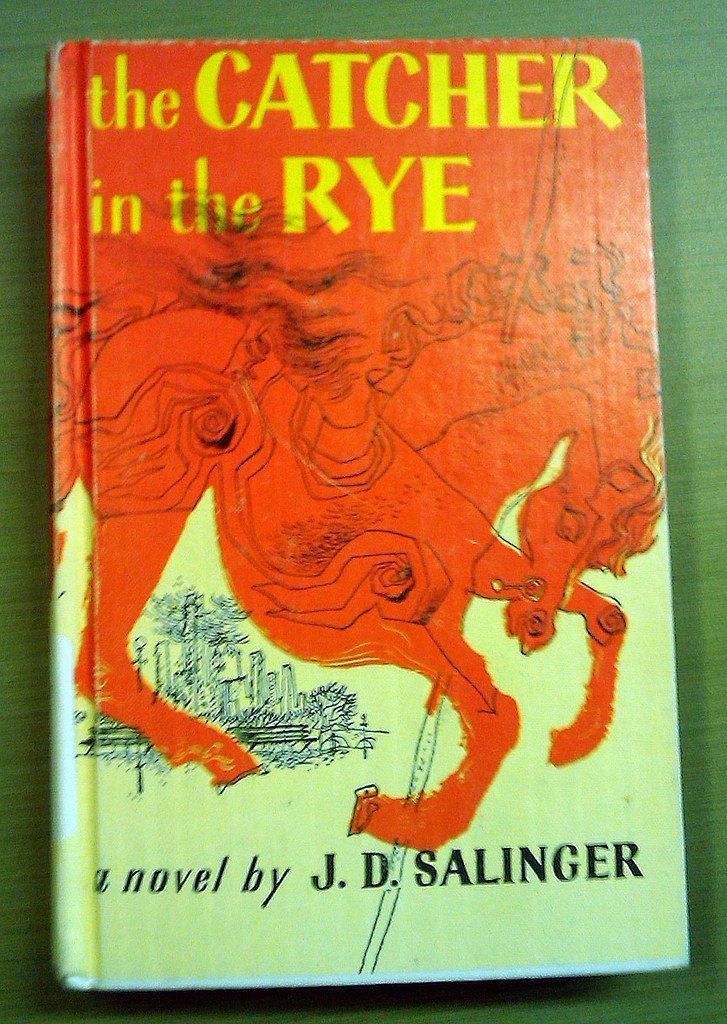
Salinger’s narrative voices adolescent angst, alienation, and phony facades. Holden’s grief over loss propels phoniness hatred and protective instincts. His breakdown reveals vulnerability beneath cynicism.
It captured postwar youth disillusionment, birthing the teen novel genre. The stream-of-consciousness monologue feels confessional and raw. Holden’s voice echoes eternal growing pains.
Beloved by Toni Morrison
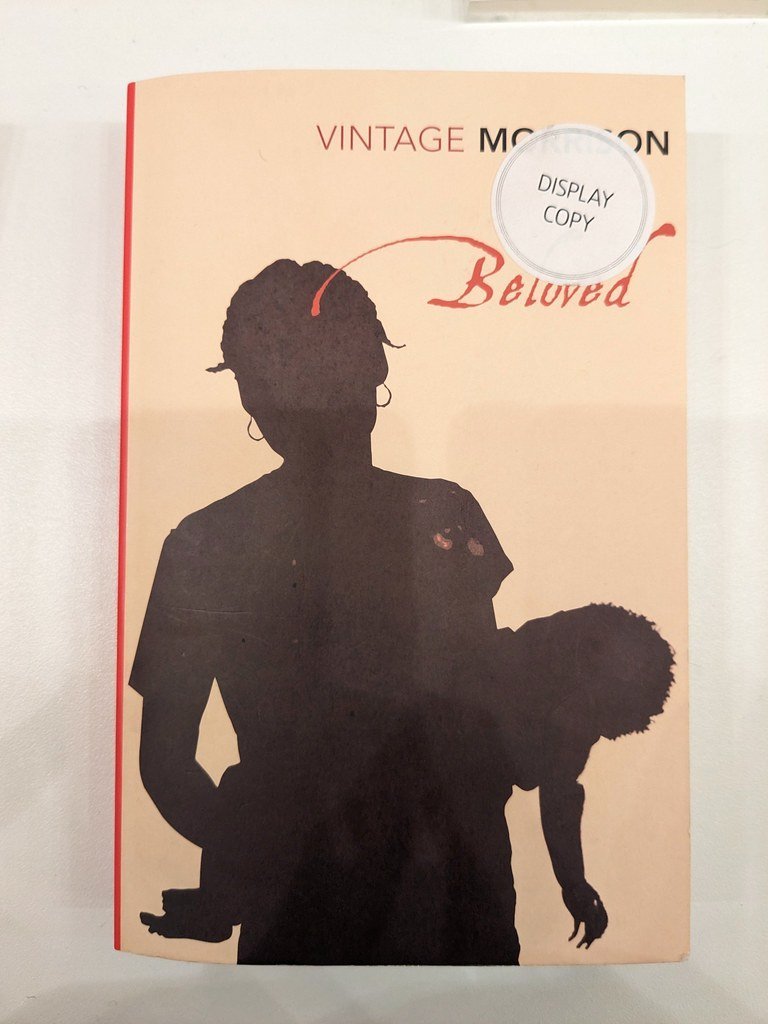
Morrison confronts slavery’s haunting trauma, grief, and maternal love’s extremes. Sethe’s infanticide stems from desperate protection, pursued by memory’s ghost. Denver’s isolation yields to fragile connections.
Its magical realism and nonlinear hauntings redefined historical fiction. Morrison’s Nobel-winning prose layers emotional complexity. The novel demands reckoning with inherited pain.
One Hundred Years of Solitude by Gabriel García Márquez

García Márquez weaves love, fate, and solitude across the Buendía generations in Macondo. Incestuous passions and forgotten histories breed cyclical despair. Joyous discoveries clash with inevitable decay.
Magical realism’s pinnacle, it blends myth with human frailty. The novel’s scope captures Latin America’s soul. Its final revelation lingers as emotional solitude’s truth.
The Enduring Power of Emotional Storytelling

These novels prove that plumbing human emotion creates bonds unbroken by time. They invite us to feel deeply, question ourselves, and recognize our shared vulnerabilities.
In an era of fleeting distractions, such stories ground us. Their truths about joy and sorrow offer solace and insight for generations to come.

Besides founding Festivaltopia, Luca is the co founder of trib, an art and fashion collectiv you find on several regional events and online. Also he is part of the management board at HORiZONTE, a group travel provider in Germany.
