

- 8 Gardening Hacks That Will Make Your Roses Bloom Like Never Before - August 11, 2026
- 8 Incredible Beaches Around the World You Won’t Believe Are Real - August 11, 2026
- 10 Classical Music Masterpieces That Will Transport You Through Time - August 11, 2026
Personal struggles have long fueled the fire behind some of classical music’s most powerful works. Composers faced illness, loss, exile, and rejection, pouring raw emotion into their symphonies and sonatas. These hardships often mirrored the stormy drama in their scores.
Trials like deafness or poverty sharpened their inner worlds. That intensity resonates through the ages, turning notes into confessions of the human spirit.
Ludwig van Beethoven
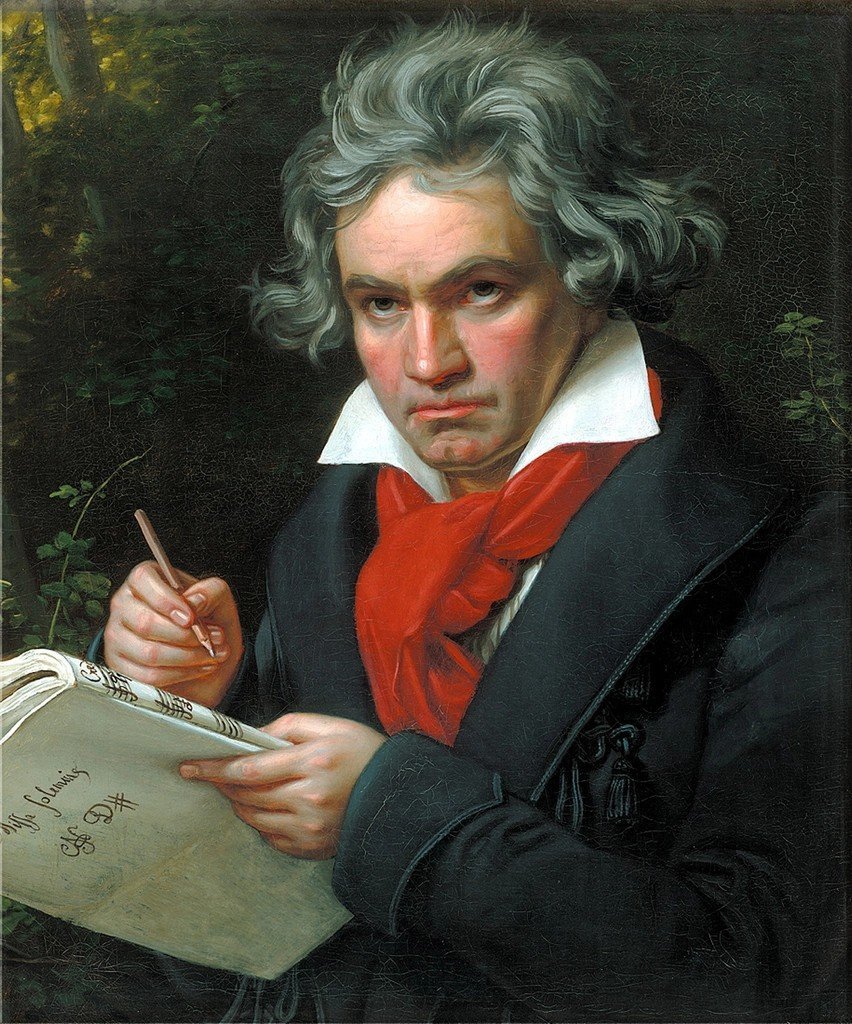
Beethoven endured a brutal childhood under his father’s drunken tyranny, who forced grueling practice sessions from age four. Alcoholism claimed his father early, leaving young Ludwig to support the family. Deafness crept in during his late twenties, isolating him from the sounds he loved most. He contemplated suicide in his Heiligenstadt Testament yet chose to persist.
These battles infused his music with heroic defiance. The Eroica Symphony captures revolutionary fervor amid personal turmoil. His late quartets, composed stone deaf, probe profound inner depths. That unyielding struggle echoes in every thunderous chord.
Wolfgang Amadeus Mozart
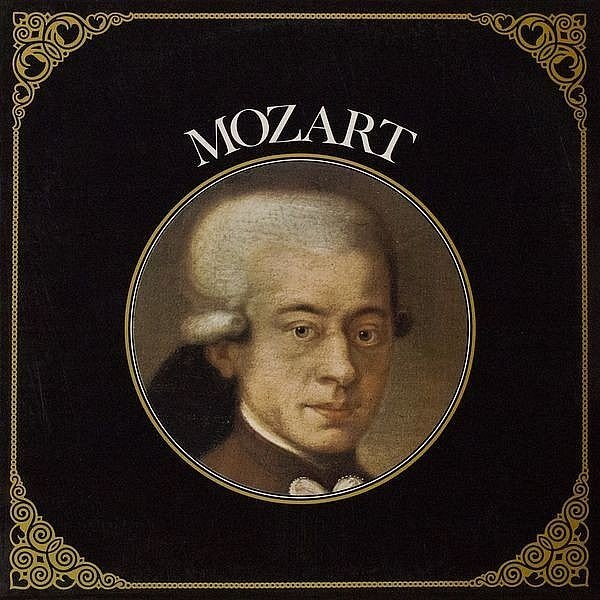
Mozart’s prodigy status brought relentless pressure from his father, Leopold, who dragged him across Europe as a child performer. Financial woes plagued his adulthood; despite genius output, he racked up debts from lavish spending and poor investments. Court intrigues and rivalries blocked stable patronage. He died at 35, buried in a pauper’s grave.
His operas brim with human frailty drawn from life. Don Giovanni wrestles dark passions and moral chaos. Requiem’s unfinished anguish reflects his own looming end. That turbulent path lent sparkle and shadow to his melodies.
Pyotr Ilyich Tchaikovsky
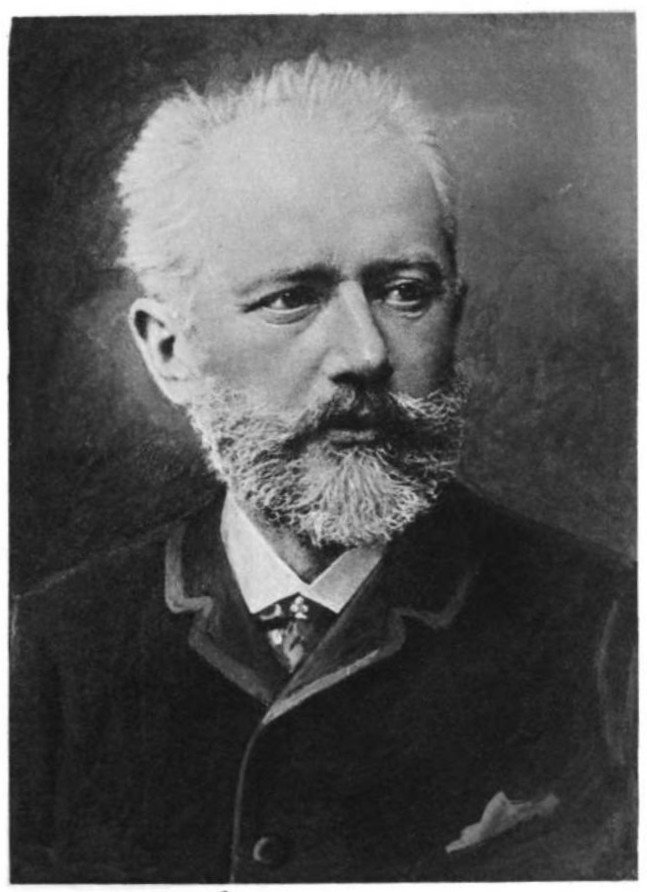
Tchaikovsky lost his mother to cholera at age 14, a trauma that haunted him lifelong. Rumors of his sexuality forced a sham marriage that nearly broke him mentally. Family deaths compounded his doubts; he battled depression and self-doubt constantly. Cholera claimed him too, amid scandal whispers.
Swan Lake evokes tragic beauty from personal grief. His Sixth Symphony surges with fatalistic passion. Pathétique’s brooding finale mirrors inner storms. Those pains deepened his lyrical confessions.
Frédéric Chopin
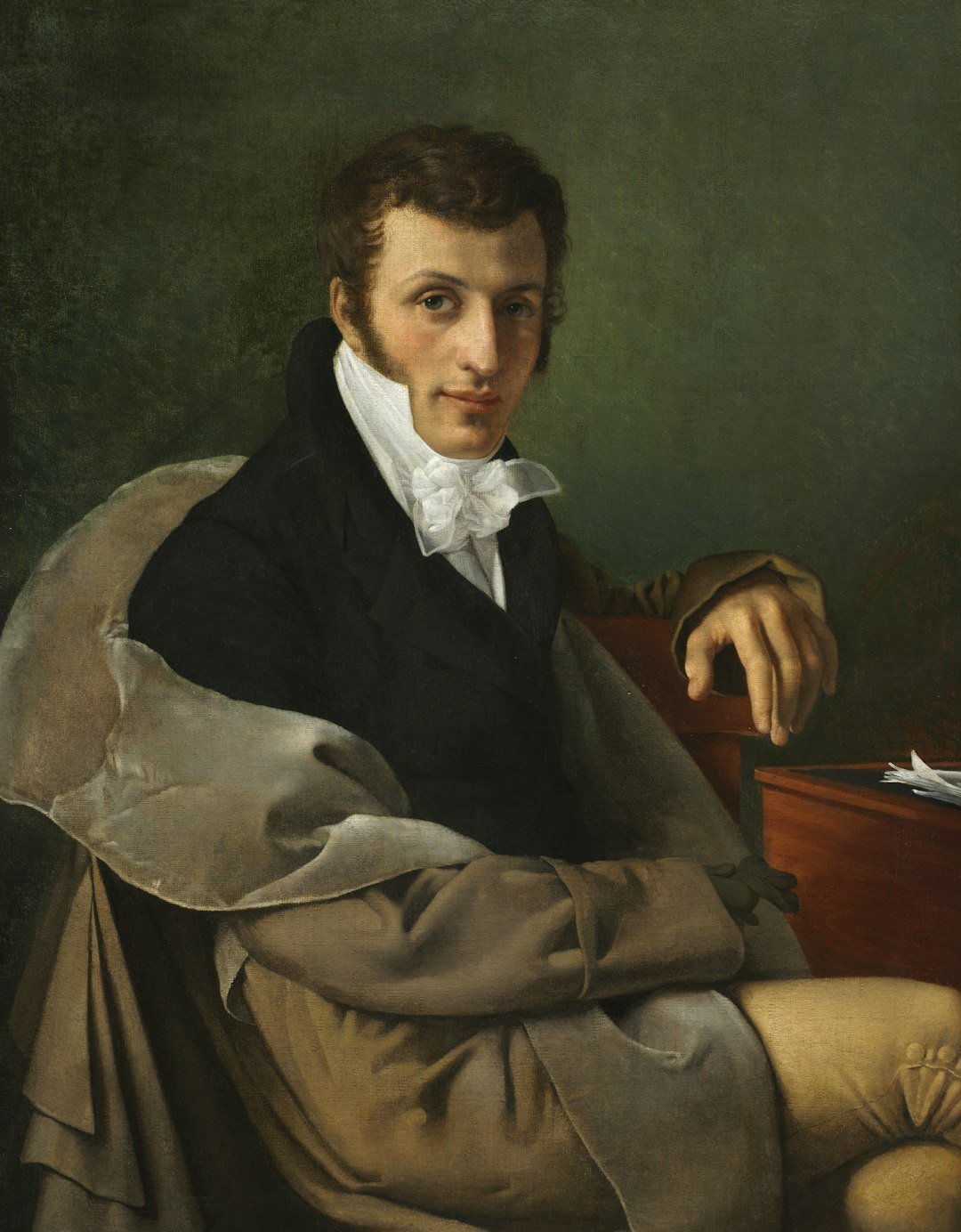
Exile struck Chopin after Poland’s failed uprising against Russia in 1830; he never returned home. Tuberculosis ravaged his frail body from his twenties, confining him to salons over concert halls. Turbulent romances, especially with George Sand, drained his spirit. He withered away at 39.
Nocturnes whisper nocturnal longings born of isolation. Ballades rage with national fury and loss. His etudes demand technical fire amid physical frailty. Exile’s ache pulses through every polished phrase.
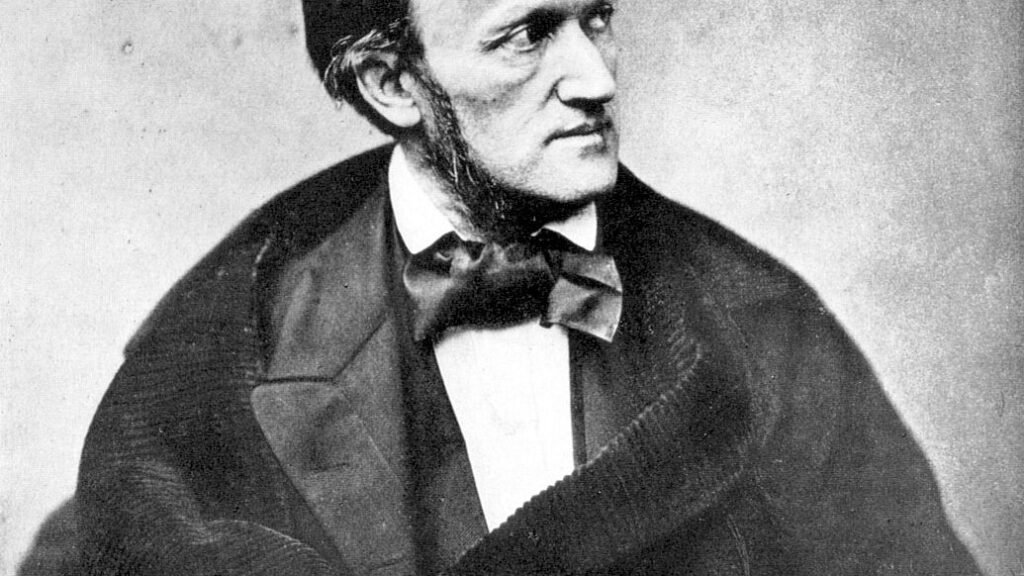
Richard Wagner
![Richard Wagner (Third party reproduction from Die Bildnisse Richard Wagners (The Portraits of Richard Wagner), a 1970 publication reproducing all the known portraits (photographs, drawings, paintings, likenesses) of Wagner made during his lifetime (1813-1883); Charles Ferdinand Reinwald, commissioner of the French Library wrote that this photo was first published in Théodore Pelloquet (ed), Galerie des hommes du jour (Gallery of the Men of the Days).[3], Public domain)](https://festivaltopia.com/wp-content/uploads/2026/04/1776939932246_1776939927071_richard_wagner-2c_paris-2c_1861.jpeg)
Wagner fled political exile after revolutionary uprisings in 1849, dodging arrest across Europe. Crippling debts from extravagance dogged him; he fled creditors repeatedly. Steamy affairs culminated in eloping with Franz Liszt’s daughter. Anti-Semitism shadowed his later years.
The Ring cycle sprawls with mythic gods’ downfall, echoing his own chaos. Tristan und Isolde throbs with forbidden love’s torment. His leitmotifs weave fate’s threads like life’s tangles. Turbulence forged epic scale.
Hector Berlioz
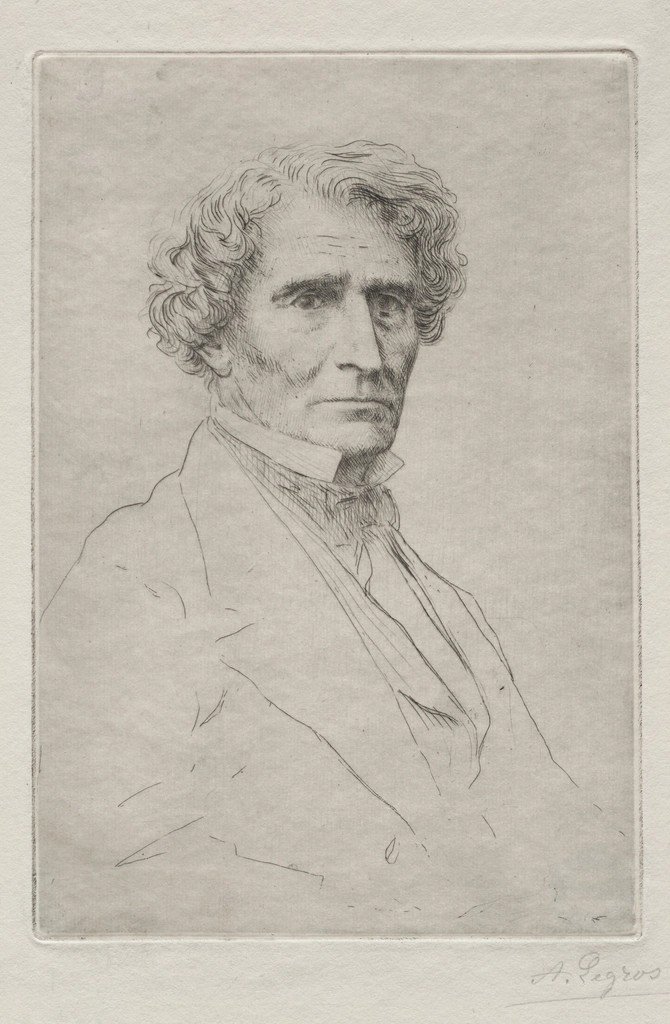
Berlioz fixated on actress Harriet Smithson, stalking her until rejection drove a suicide attempt with opium and morphine. Failed medical studies left him adrift; poverty gripped Paris years. Multiple marriages crumbled amid jealousy. He wandered Europe as critic and conductor.
Symphonie fantastique stalks with obsessive idée fixe, straight from his mania. Damnation of Faust rages with demonic bargains. That frenzy birthed orchestral innovation. Personal fever fueled romantic excess.
Robert Schumann
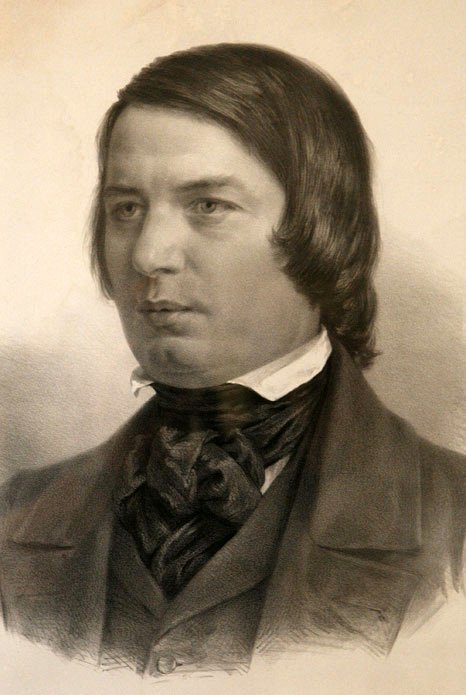
A mechanical device to stretch his fingers for piano virtuosity backfired, crippling his right hand permanently. Mental illness brewed; manic highs birthed works, lows drowned him in despair. He attempted suicide by leaping into the Rhine. Asylum claimed his final two years.
Carnaval dances with split psyches, Clara and Florestan. Dichterliebe bleeds romantic heartbreak. His symphonies whirl between ecstasy and torment. Madness sharpened lyrical edges.
Franz Schubert
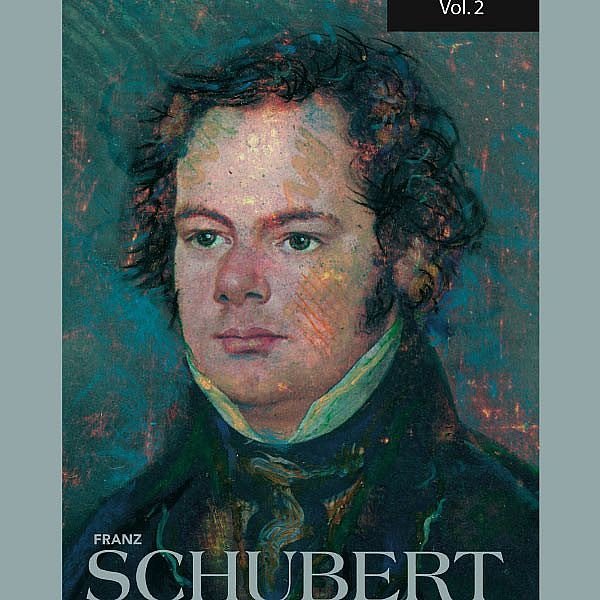
Syphilis gripped Schubert at 26, sapping his health amid Vienna’s poverty. He churned out songs and symphonies unrecognized in life. Friends buried him; fame came posthumously. Early death at 31 cut genius short.
Winterreise wanders bleak despair’s frozen paths. Unfinished Symphony broods in minor keys. Lieder capture fleeting joys amid decay. Illness lent poignant brevity.
Gustav Mahler
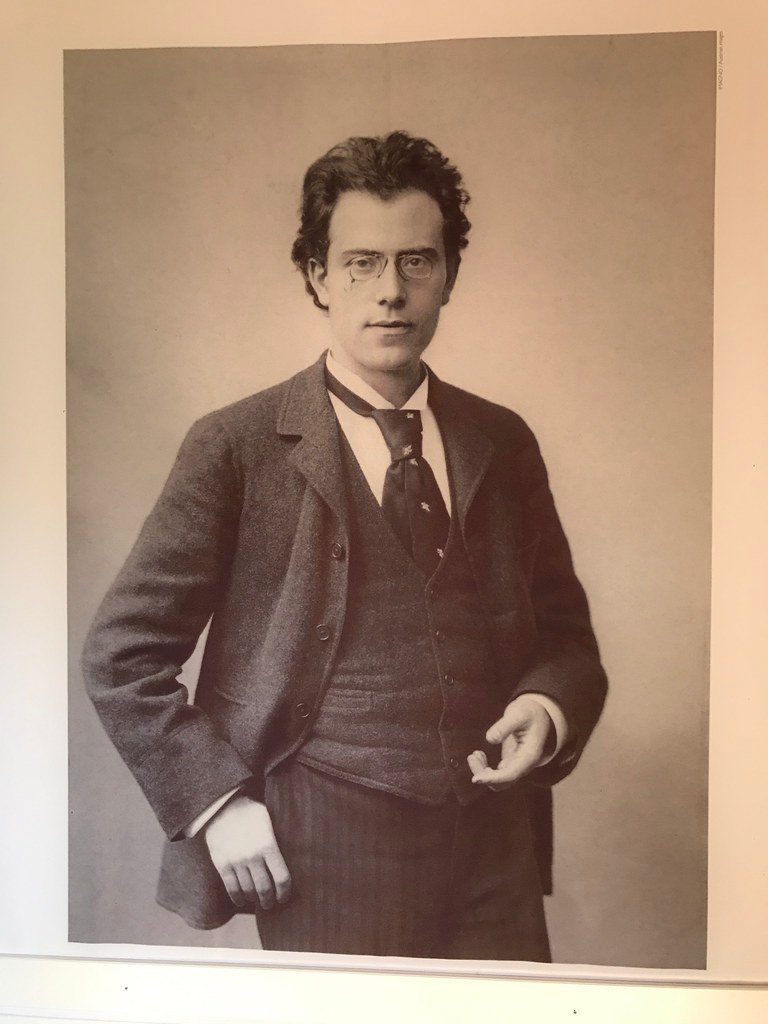
Mahler lost 11 of 13 siblings young; his brother suicide scarred him. Daughter Maria died at four from scarlet fever and diphtheria. Wife Alma’s affair shattered him. Antisemitism barred Vienna opera directorship fully.
Kindertotenlieder mourns children’s graves directly. Ninth Symphony fades in valedictory sighs. Das Lied von der Erde blends resignation and transcendence. Losses carved symphonic vastness.
Johann Sebastian Bach
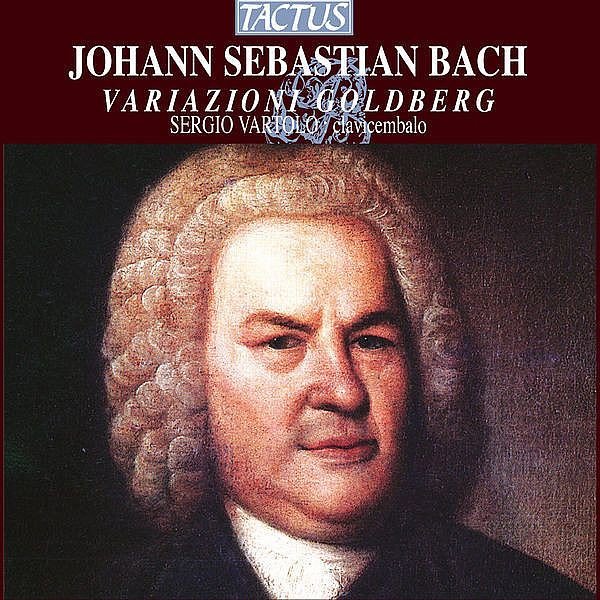
Bach buried 10 children; first wife Maria Barbara died suddenly after 13 years marriage. Employer Duke Wilhelm jailed him a month for job dispute. Second wife Anna Magdalena outlived trials. Rigorous church posts demanded output amid grief.
St. Matthew Passion weeps Christ’s suffering, echoing family pains. Goldberg Variations soothe insomnia’s grip. Art of Fugue delves intricate order from chaos. Bereavement honed contrapuntal depth.
Conclusion
These composers turned life’s gales into enduring soundscapes. Biography bleeds into bars, hardships honing emotional truth. Their legacies prove adversity forges art’s raw power.
Listeners still feel those echoes, a testament to shared human storms. Music endures as biography’s bridge.

Besides founding Festivaltopia, Luca is the co founder of trib, an art and fashion collectiv you find on several regional events and online. Also he is part of the management board at HORiZONTE, a group travel provider in Germany.
