

- 8 Gardening Hacks That Will Make Your Roses Bloom Like Never Before - August 11, 2026
- 8 Incredible Beaches Around the World You Won’t Believe Are Real - August 11, 2026
- 10 Classical Music Masterpieces That Will Transport You Through Time - August 11, 2026
In the ever-shifting landscape of popular music, artists often face the challenge of staying relevant amid changing tastes. Genre transitions offer a bold way to evolve, sometimes breathing new life into a career while challenging fans’ preconceived notions. These moves can expand an artist’s reach or risk alienating loyal supporters, yet when they land, they redefine legacies.
Such pivots highlight the music industry’s fluidity, where creativity trumps rigid categorization. Successful shifts not only boost sales but also earn critical acclaim, proving adaptability’s power.
Taylor Swift
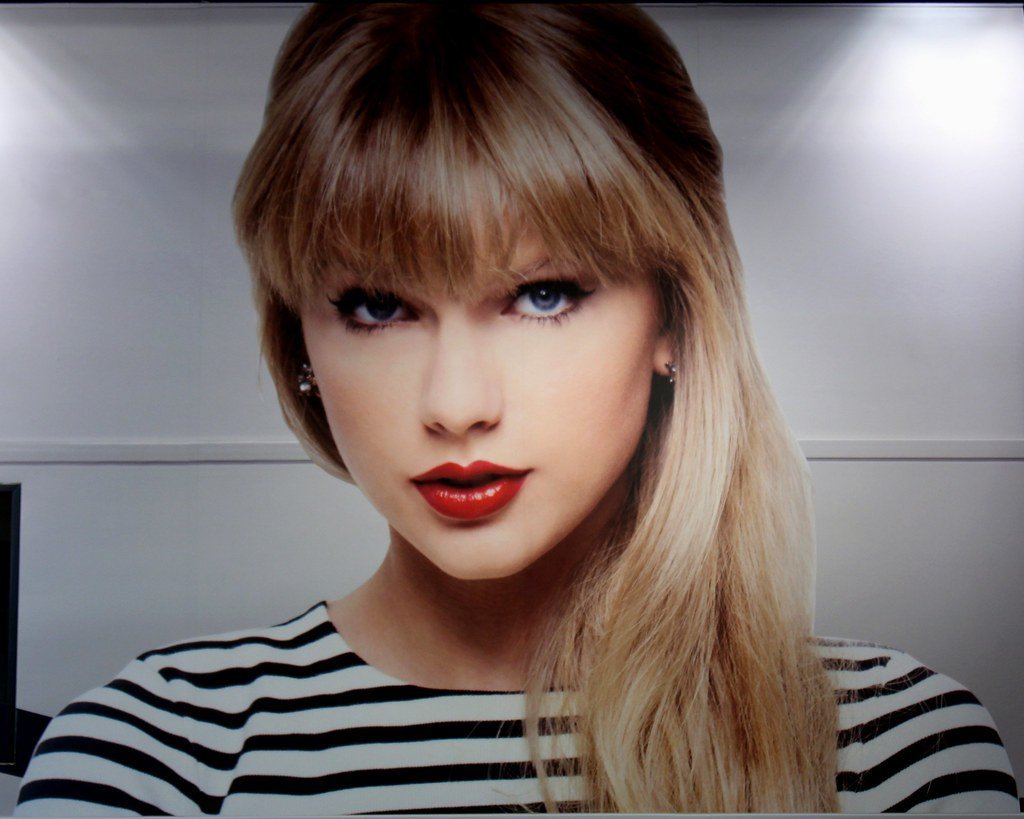
Taylor Swift first captivated audiences with her country roots, drawing from Nashville traditions in early albums like her self-titled debut. Twangy guitars and heartfelt tales of young love defined her sound, earning her a devoted fanbase in the country scene.[1][2]
She pivoted dramatically to pop with 1989 in 2014, partnering with producers like Max Martin for synth-driven hits such as Shake It Off. This risked backlash from country purists who felt betrayed by the glossy production. Instead, it sold over a million copies in its first week, reshaping her into a global pop icon with widespread critical praise.[3]
Katy Perry
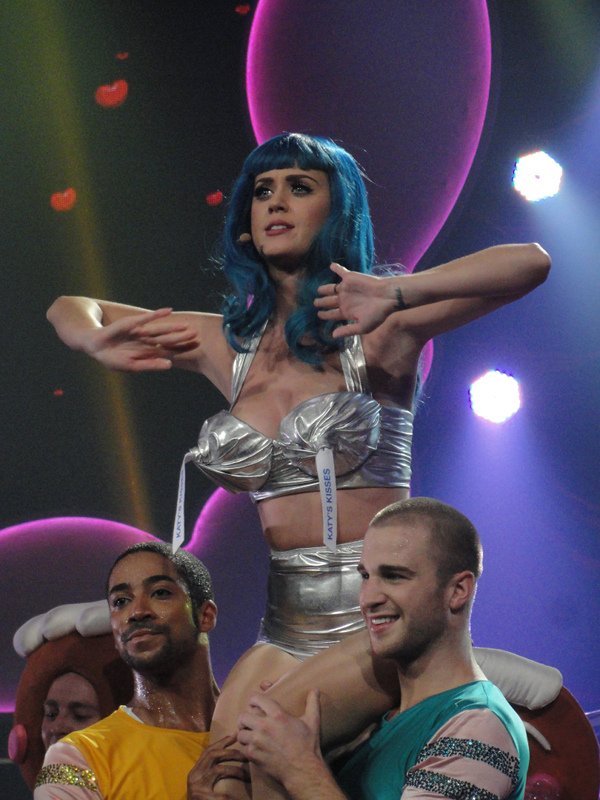
Katy Perry began in contemporary Christian rock under her birth name Katy Hudson, releasing an album filled with gospel influences and acoustic elements. Her style reflected faith-based themes, appealing to a niche audience in the early 2000s.[2]
She shifted to mainstream pop with One of the Boys in 2008, embracing colorful, anthemic tracks like I Kissed a Girl. Leaving her Christian roots posed risks of fan alienation and label skepticism. The move exploded commercially, turning her into a technicolor pop sensation with massive radio dominance and sold-out tours.
Gwen Stefani
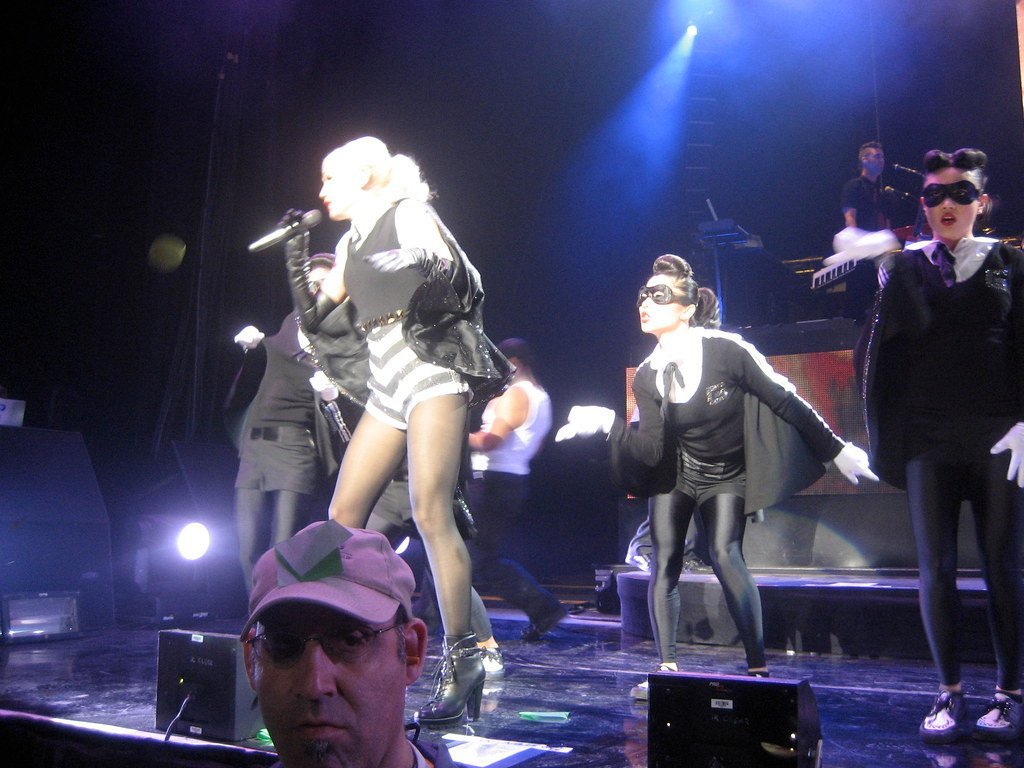
Gwen Stefani rose through ska-punk with No Doubt, blending upbeat rhythms, horns, and punk energy in albums like Tragic Kingdom. Her vocal style mixed playful aggression with ska flair, defining the band’s alt-rock appeal.[1][2]
Solo, she dove into electro-pop with Love. Angel. Music. Baby., highlighted by Hollaback Girl’s marching beats and hip-hop edges. Fans of No Doubt’s raw sound might have resisted the polished glamour. Critics and audiences embraced it, propelling her to pop stardom with chart-toppers and fashion icon status.[3]
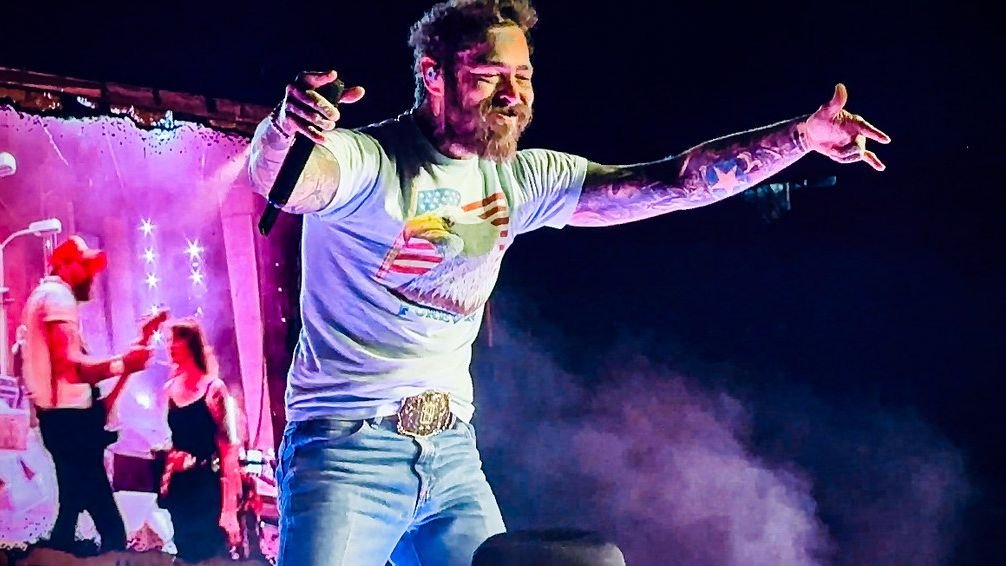
Post Malone
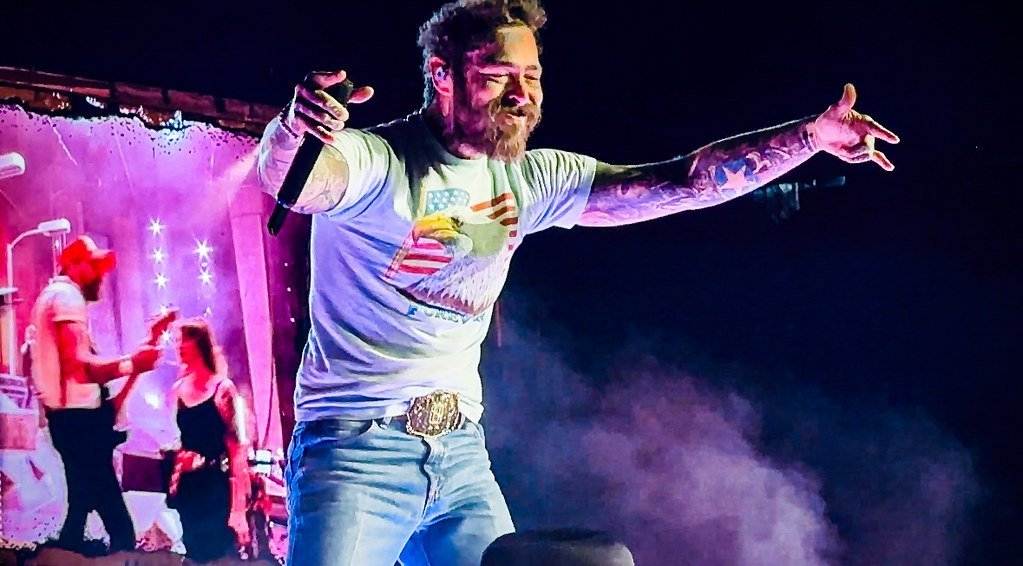
Post Malone broke out in hip-hop with melodic rap tracks like White Iverson, heavy on auto-tune and trap beats. His early work fit snugly into the SoundCloud rap wave, attracting a young urban crowd.[1]
He ventured into rock and country with albums like Hollywood’s Bleeding and F-1 Trillion, featuring guitars and collaborations with Luke Combs. Abandoning 808s threatened his rap fanbase. Country radio embraced him, and tracks like I Had Some Help became massive hits, solidifying his genre-blending dominance.[3]
Machine Gun Kelly
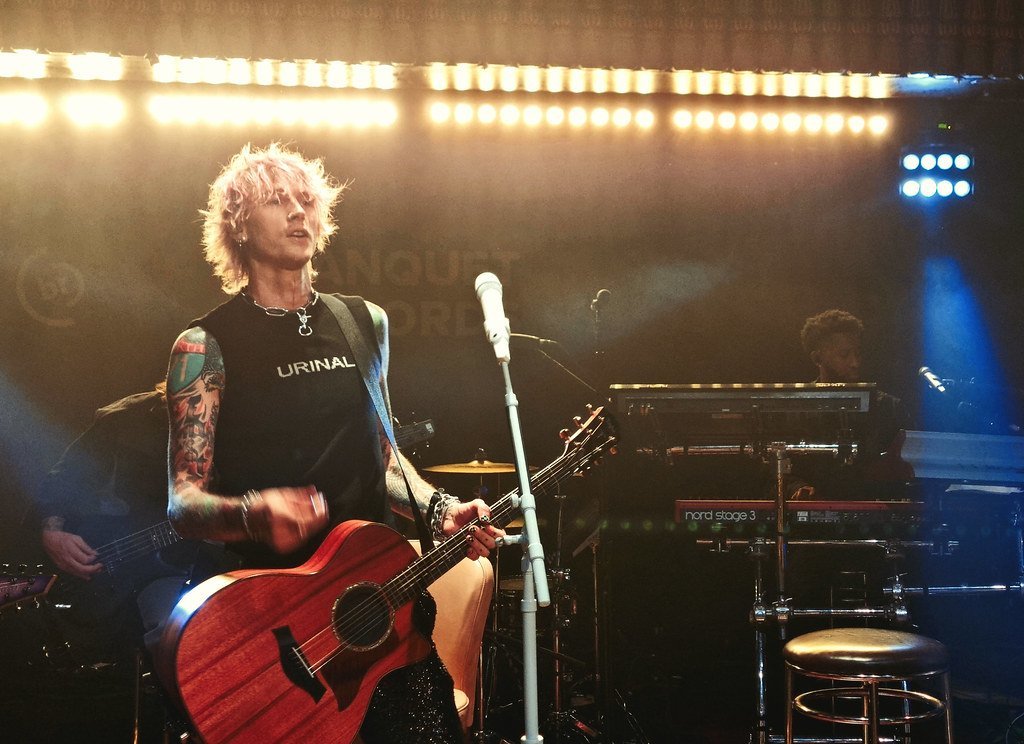
Machine Gun Kelly started in rap, delivering fast-paced flows over booming beats in mixtapes and albums like Lace Up. His aggressive lyricism targeted hip-hop purists and emo-rap fans alike.[1]
With Tickets to My Downfall in 2020, produced by Travis Barker, he embraced pop-punk riffs and screamed choruses. This pivot risked ridicule from rap peers. It debuted at number one, won awards, and revived pop-punk nostalgia, drawing in rock enthusiasts.[3]
Miley Cyrus
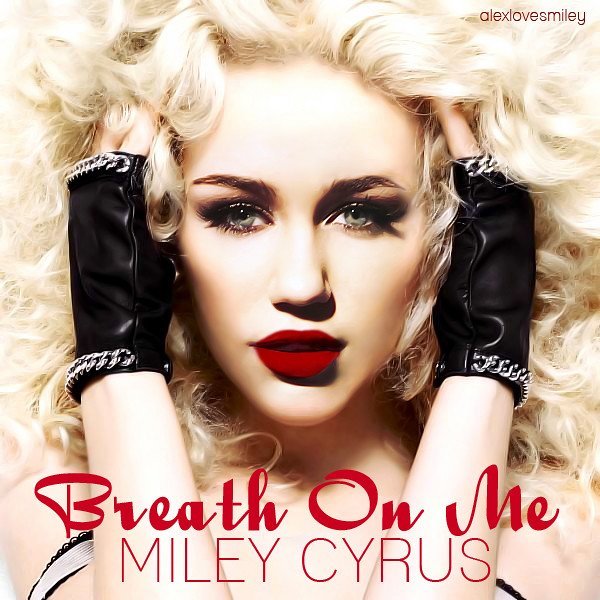
Miley Cyrus launched as a teen pop star via Hannah Montana, mixing bubbly pop with country twang in soundtracks full of upbeat, youthful anthems. Her image screamed family-friendly entertainment.[2]
She evolved into genre-blending adult pop with Bangerz and later rock-infused Plastic Hearts, shedding the clean persona for edgier vibes. The drastic image overhaul invited scandal and doubt. Over time, hits like Flowers proved her staying power, earning mature fan appreciation and Grammy nods.
Bee Gees
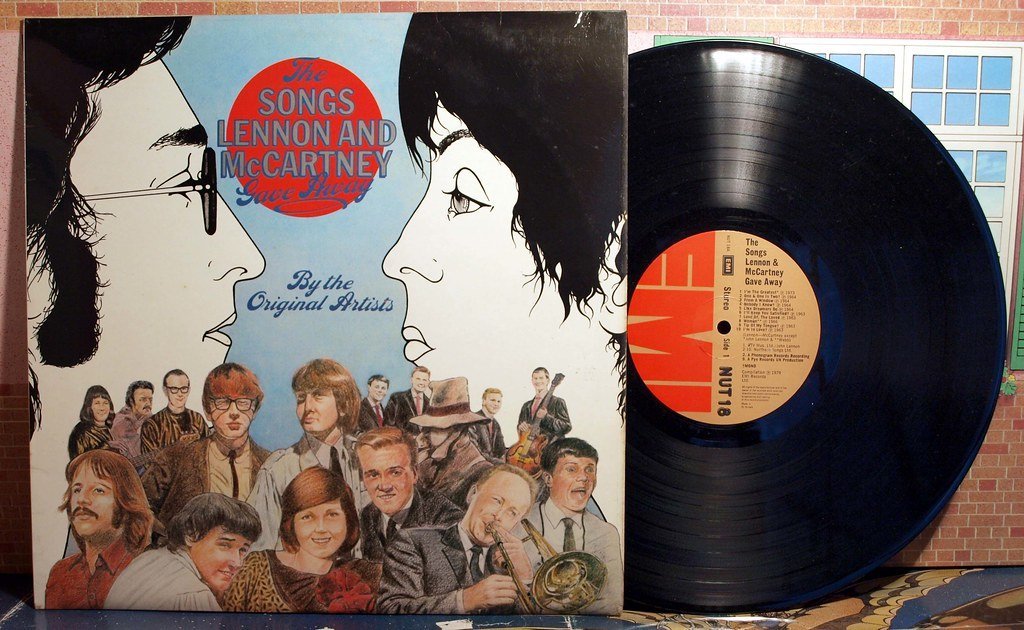
The Bee Gees kicked off in rock and roll as young performers, channeling 1950s energy before settling into folk-pop ballads. Their harmonies shone in softer, introspective tracks.[2]
Mid-1970s saw their disco explosion via Saturday Night Fever, with falsetto hooks in Stayin’ Alive. Disco’s fad status posed obsolescence risks. They defined the era, selling millions and becoming synonymous with the genre’s peak.
Darius Rucker
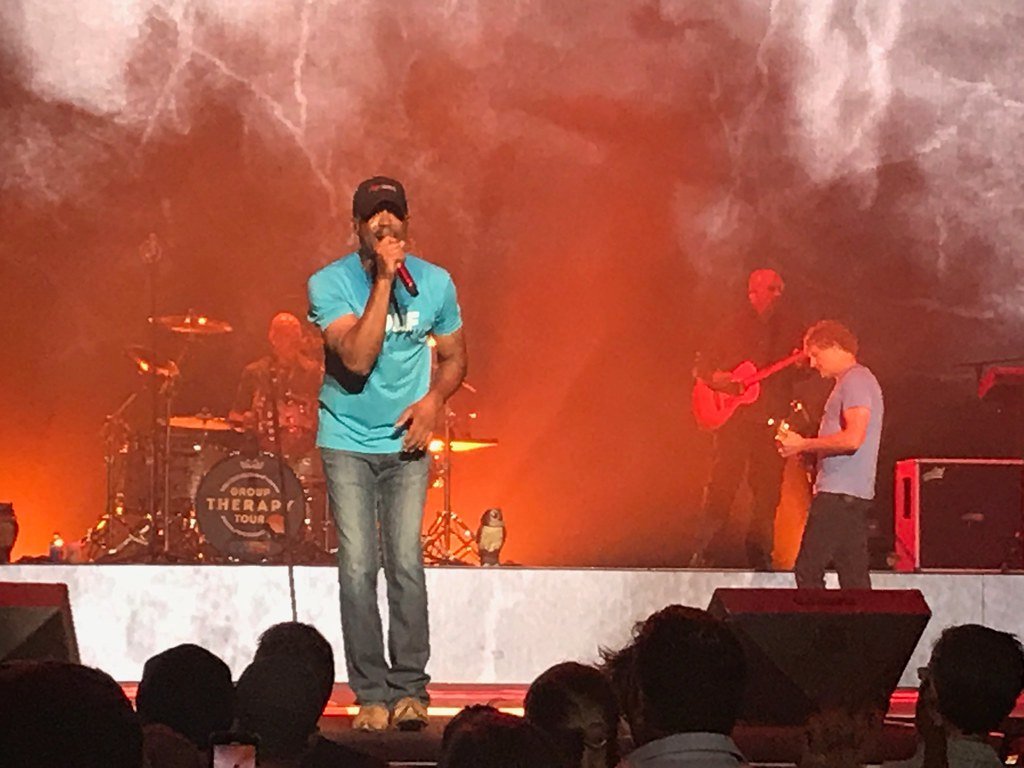
Darius Rucker fronted Hootie & the Blowfish in pop-rock, with jangly guitars and feel-good anthems like Only Wanna Be with You. Their sound epitomized 90s radio rock.[2]
He transitioned to country solo in 2008, scoring with Wagon Wheel’s heartfelt storytelling. Country fans might have dismissed the rocker. He topped charts as the first Black artist in decades to do so, building a thriving solo path.[4]
Lady Gaga
![Lady Gaga ([1], CC BY 2.0)](https://festivaltopia.com/wp-content/uploads/2026/04/1776939404302_1776939388603_lady_gaga_performing_hair_for_the_good_morning_america_s.jpeg)
Lady Gaga debuted in dance-pop with The Fame, packed with electro beats and theatrical hooks like Just Dance. Her outrageous persona amplified the club-ready sound.[3]
She explored jazz on Cheek to Cheek with Tony Bennett and soft rock on Joanne. Ditching shock-pop risked losing her edge. Vocals earned raves, expanding her artistry while maintaining pop relevance.[1]
Lil Nas X
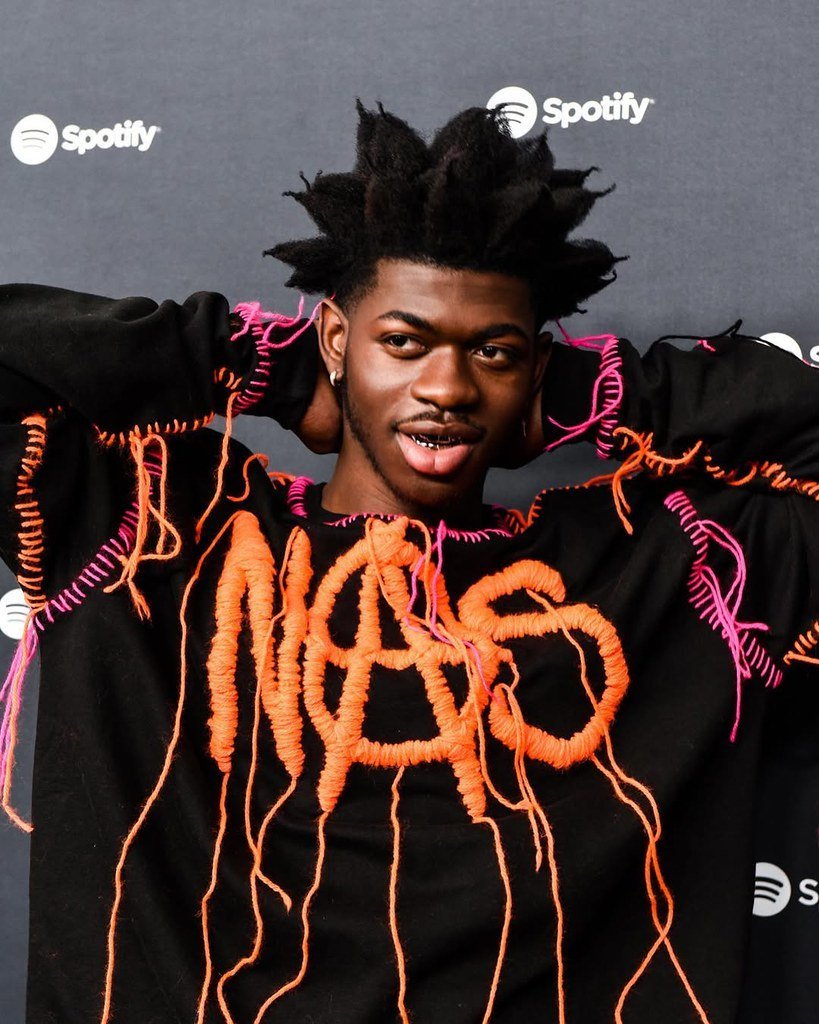
Lil Nas X surged with country-rap hybrid Old Town Road, mashing banjos and trap. It blurred lines but leaned country initially.[2]
Montero shifted to pure pop and R&B experimentation. Country gatekeepers could have shut him out further. Streaming records and bold visuals cemented his pop ascendancy.
Beyoncé
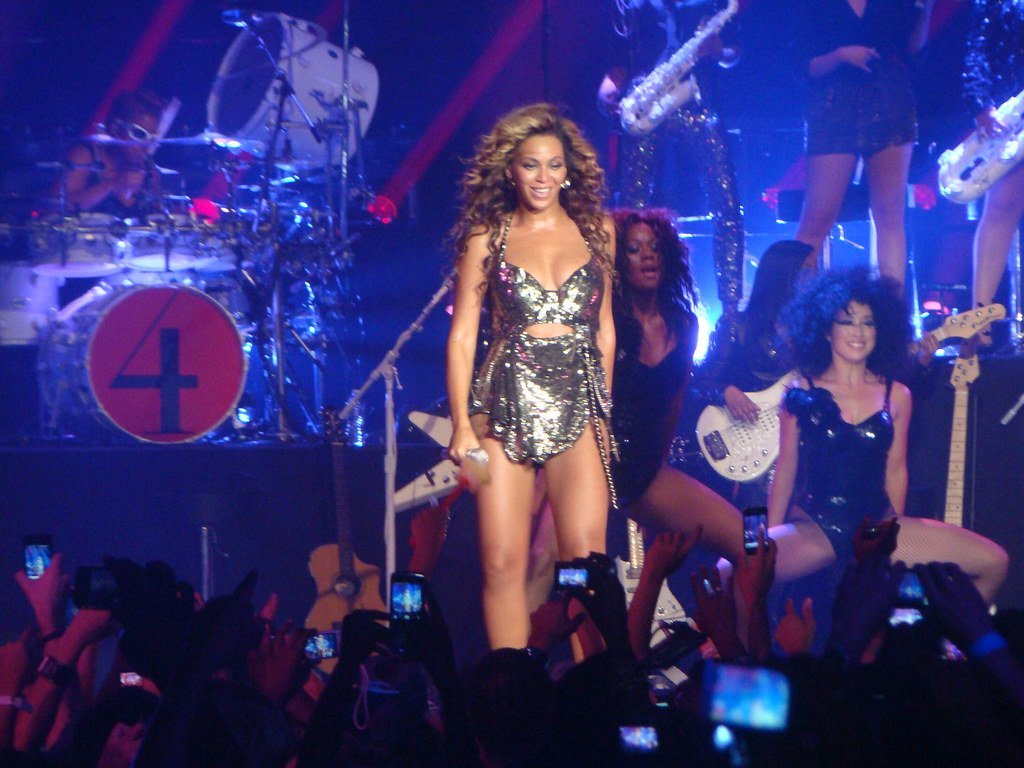
Beyoncé built her solo career on R&B and pop with Destiny’s Child roots, emphasizing powerful vocals and sleek production. Albums like Lemonade blended soulful depth.[4]
Cowboy Carter in 2024 embraced country with Texas Hold ‘Em’s fiddles and guests. Country’s traditionalism threatened rejection. It garnered Grammy wins, proving her command across divides.[3]
Childish Gambino
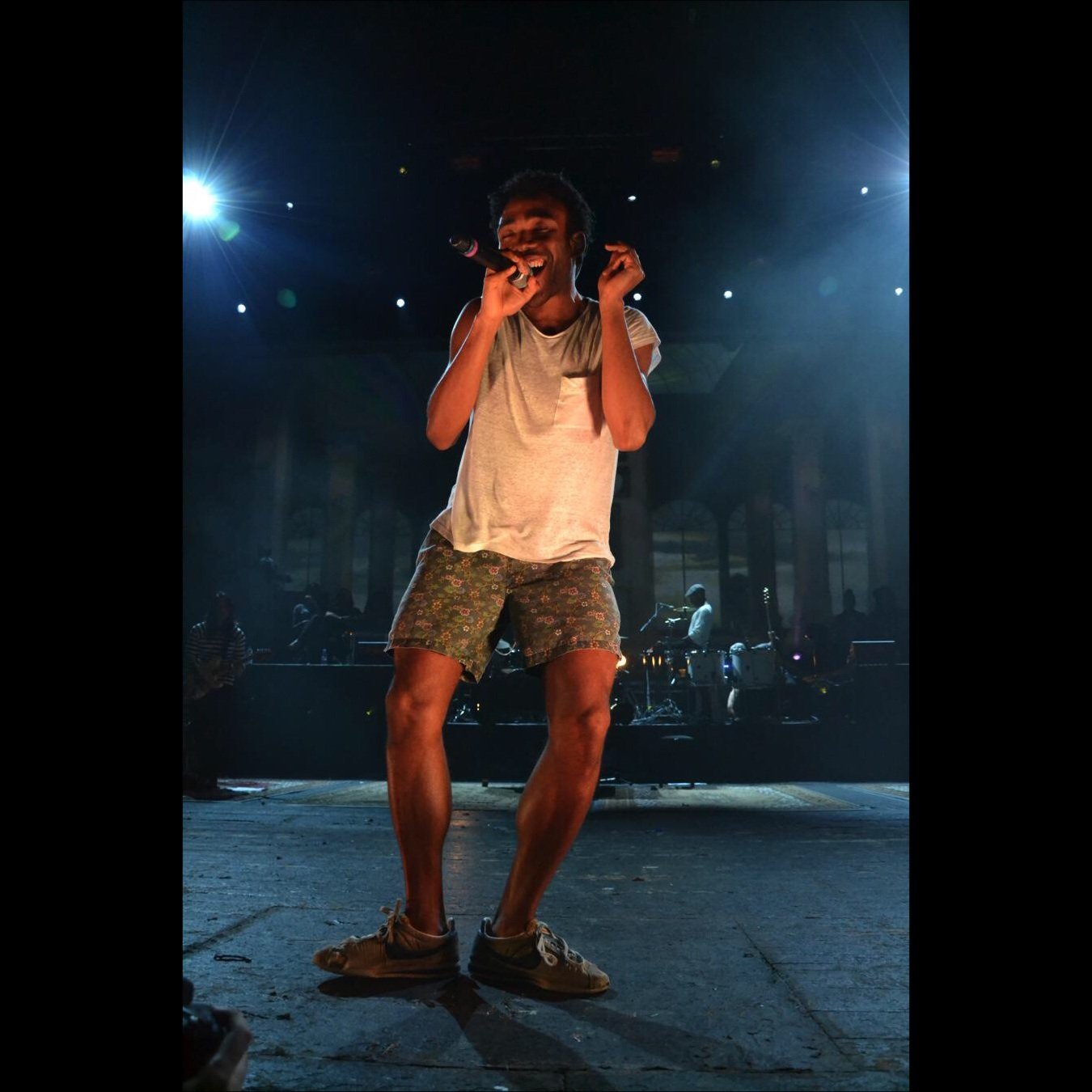
Childish Gambino started in rap, with clever wordplay over hip-hop beats in Camp. His style mixed humor and introspection.[3]
Awaken, My Love! brought funky R&B and soul grooves. Rap fans might have seen it as abandonment. Grammy sweeps for This Is America hailed his evolution as genius.
Panic! at the Disco

Panic! at the Disco emerged in pop-punk with A Fever You Can’t Sweat Out’s emo urgency and piano flourishes. Brendon Urie’s pipes defined the chaos.[1]
Pretty Odd veered into folk-rock, then EDM-pop hybrids. Core fans risked drifting away. Mainstream breakthroughs followed, with Urie thriving as a pop chameleon.
Alanis Morissette
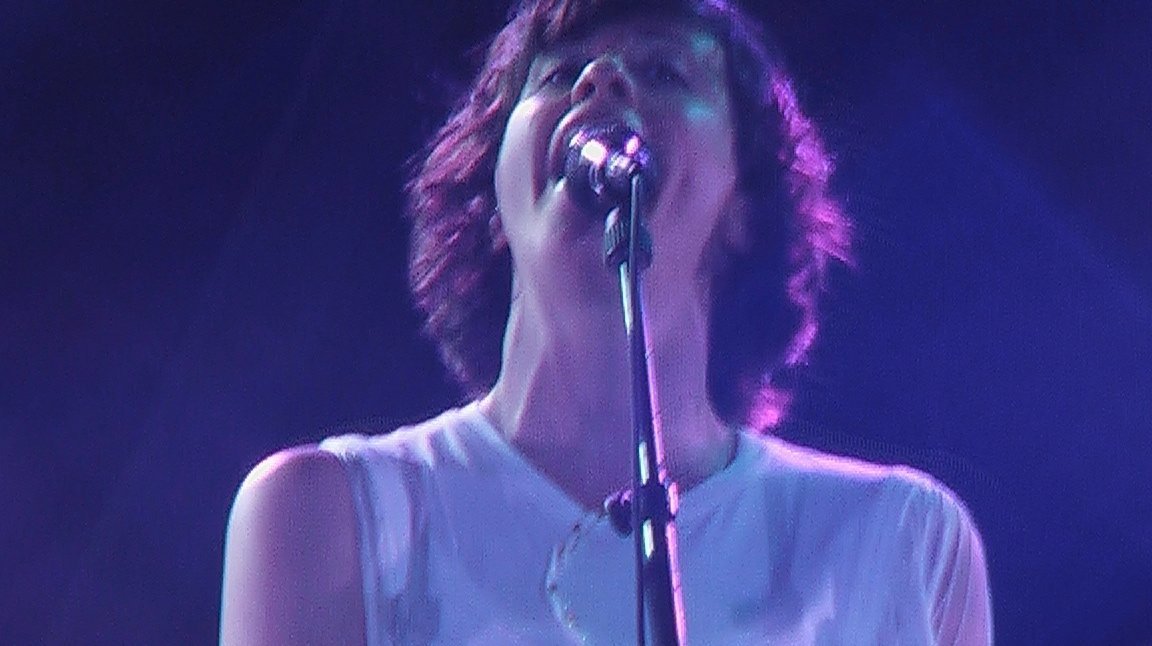
Alanis Morissette began in dance-pop as a teen, with upbeat Canadian hits full of synths. It showcased her early pop polish.[4]
Jagged Little Pill unleashed alternative rock rage in You Oughta Know. The raw shift could have flopped post-pop. It went multi-platinum, launching her as a 90s icon.
Michael Bolton
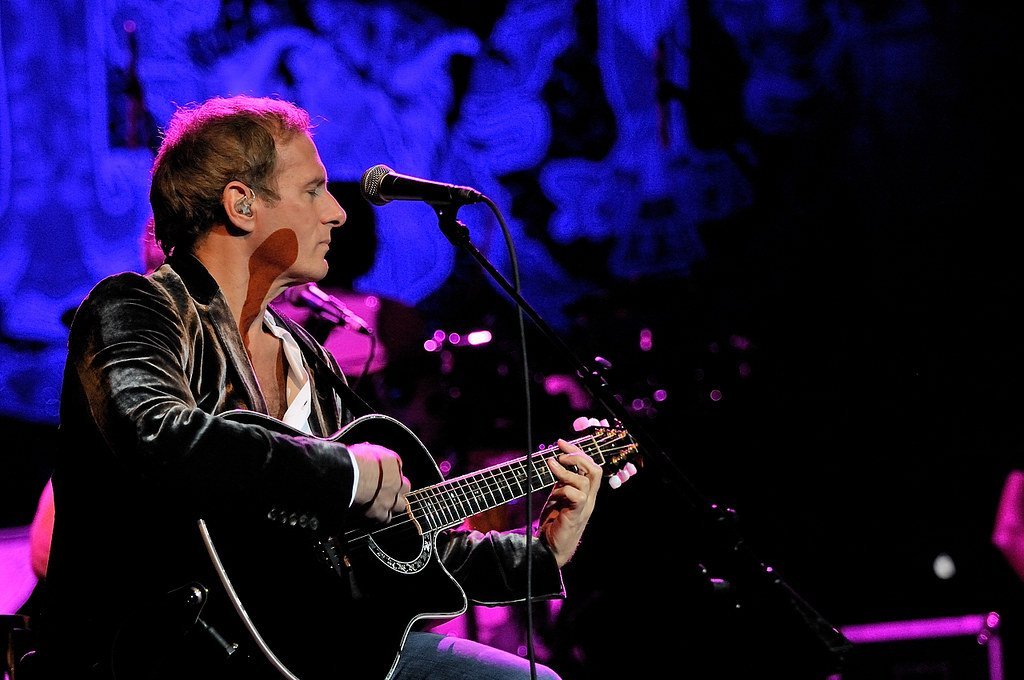
Michael Bolton rocked hard in Blackjack, belting over guitar riffs in arena style. His voice suited the heavy energy.[2]
He softened into pop ballads like How Am I Supposed to Live Without You. Rock credibility hung in balance. Ballads conquered charts, rebranding him a vocal powerhouse.
Conclusion
These transitions reveal reinvention as a core survival tactic in pop music’s relentless churn. Artists who dare to leap often find broader horizons, turning potential pitfalls into triumphs.
While not every shift guarantees success, the wins underscore boldness’s rewards. In an industry demanding freshness, adaptability keeps stars shining longest.

Besides founding Festivaltopia, Luca is the co founder of trib, an art and fashion collectiv you find on several regional events and online. Also he is part of the management board at HORiZONTE, a group travel provider in Germany.
