

- 15 Rock Anthems That Defined a Generation and Still Sound Amazing Today - August 11, 2026
- 12 Unforgettable Movie Quotes You Can Still Use in Everyday Conversation. - August 11, 2026
- 10 Music Festivals That Changed the World - August 11, 2026
Instrumental music spins narratives through clever structure and orchestration alone. Recurring motifs stand in for characters, while dynamic swells mimic rising action or climactic tension. Vivid instrumental colors, from fluttering flutes for birds to thunderous timpani for storms, paint scenes that unfold in the listener’s mind.
These programmatic masterpieces prove sound can rival words in evoking emotion and drama. Composers craft journeys where harmony and rhythm guide the tale, leaving space for personal interpretation.
Vivaldi’s The Four Seasons
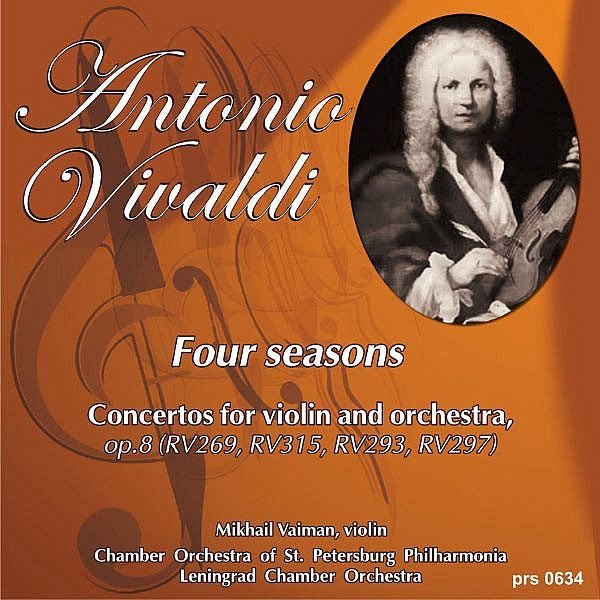
Vivaldi captures the cycle of seasons with vivid contrasts, from Spring’s joyful birdsong to Winter’s chattering teeth. Solo violin leads the narrative, depicting storms in Summer’s furious presto and hunters chasing prey in Autumn’s allegro. Orchestration brings nature alive, with viola barking dogs and string tremolos for wind.[1])
Composed around 1720 and published in 1725, this set of violin concertos pioneered program music with accompanying sonnets. Its innovative sound effects influenced generations, becoming one of the most recorded and adapted works in classical history.[1])
Beethoven’s Symphony No. 6 “Pastoral”
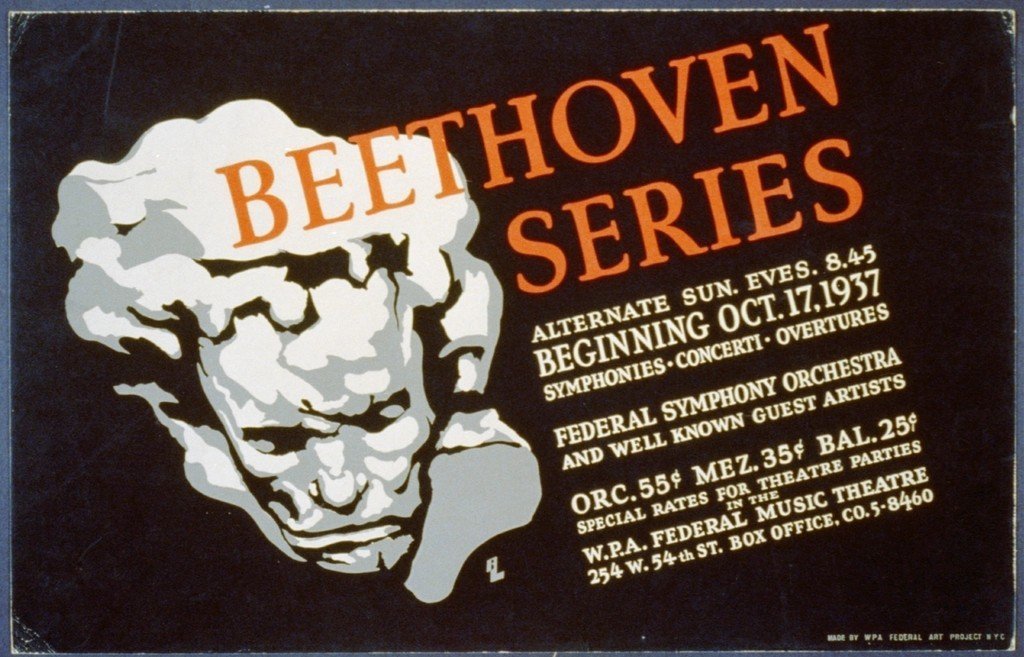
The symphony traces a day in the countryside, from cheerful arrival to a raging storm and grateful aftermath. Bird calls in woodwinds and flowing brook motifs evoke serenity, while the thunderous finale builds terror through expanded brass and timpani. Emotional renewal shines in the shepherd’s hymn, blending joy with nature’s power.[2])
Written between 1802 and 1808, it premiered in Vienna in 1808 alongside the Fifth Symphony. Beethoven’s love of rural walks inspired this explicit program, bridging Classical form with Romantic expression and influencing later nature depictions.[2])
A nature lover himself, he sketched it amid personal struggles, emphasizing feeling over literal painting.
Berlioz’s Symphonie Fantastique
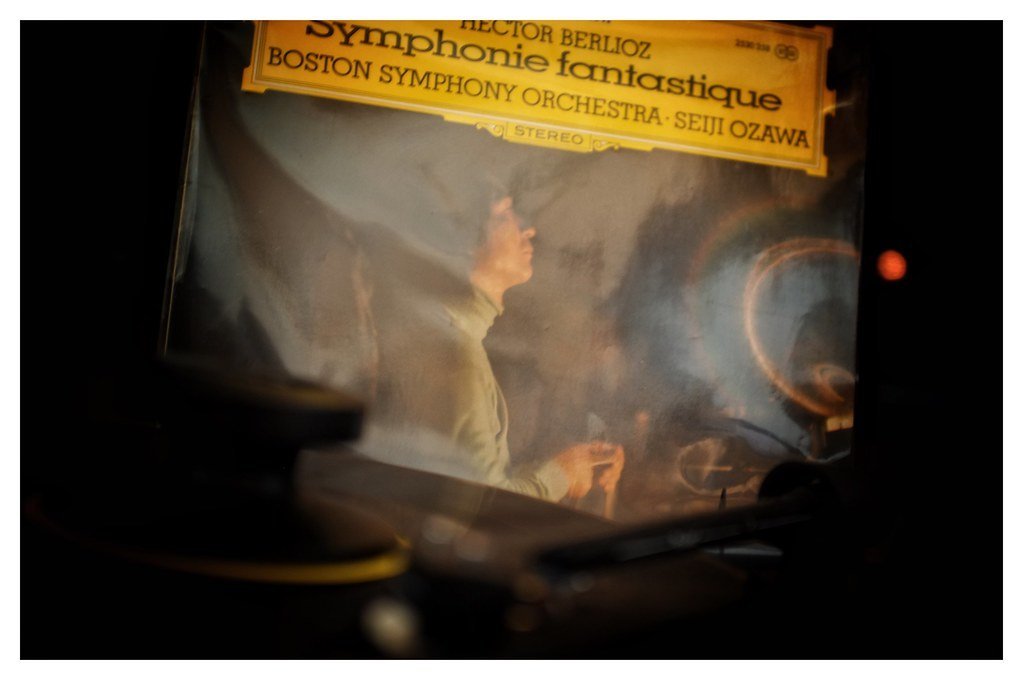
An artist’s opium-fueled obsession drives the tale, with the idée fixe melody pursuing him through ballrooms, fields, scaffold, and sabbath orgy. Hallucinations surge via offstage oboes, muffled drums for execution, and col legno strings for witches’ frenzy. Themes shift from tender love to grotesque horror, capturing unrequited passion’s torment.[3]
Composed in 1830, inspired by Berlioz’s fixation on actress Harriet Smithson, it premiered that year in Paris. This expanded orchestra and detailed program shocked audiences, defining Romantic programmatic innovation.[3]
Rimsky-Korsakov’s Scheherazade
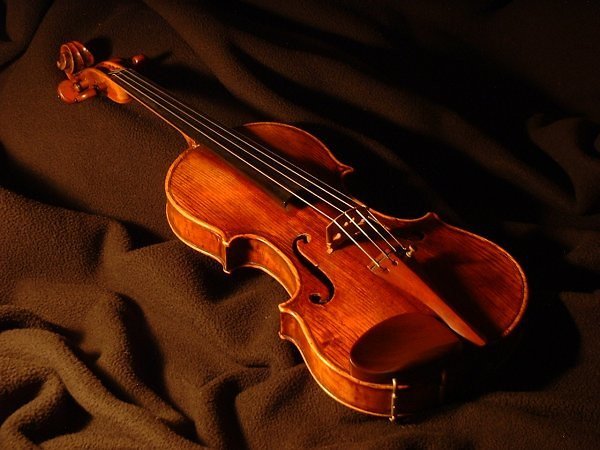
Scheherazade’s violin weaves Arabian Nights tales of seas, princes, romance, and shipwrecks, softening the Sultan’s grim theme. Emotional arcs flow from majestic unrest to serene love, climaxing in festival chaos and peaceful resolution. Harp and percussion add exotic color to the narrative’s vivid wonders.[4])
Finished in 1888, it premiered in Saint Petersburg that year. Rooted in Russian Orientalism, its orchestral brilliance made it a staple, evoking fairy-tale escapism without rigid plots.[4])
Mussorgsky’s Pictures at an Exhibition
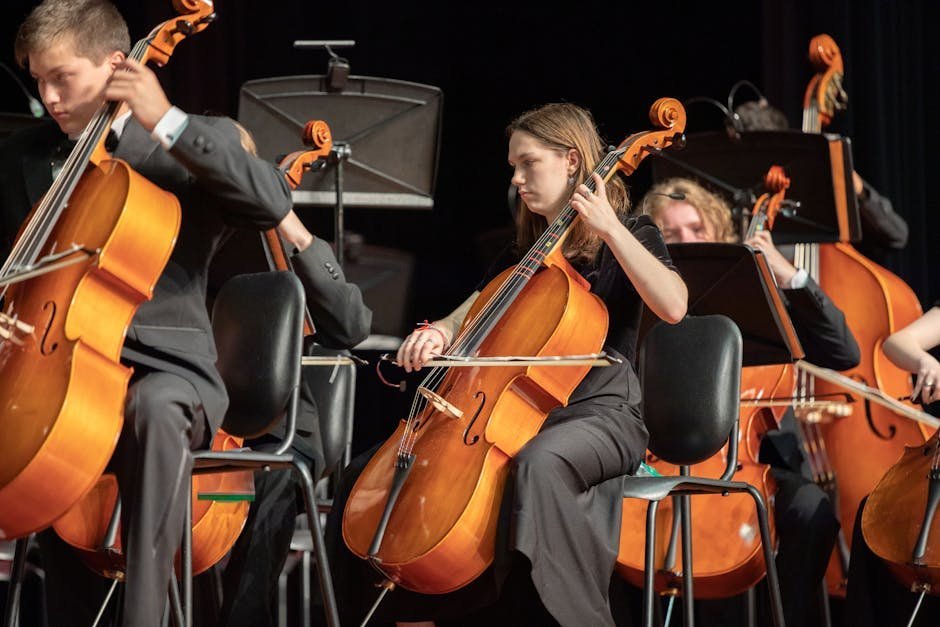
A wanderer strolls through an art show, with promenades linking grotesque gnomes, melancholic castles, playful children, and Baba Yaga’s hut. Contrasts jolt from whimsy to gloom, using heavy rhythms for oxen and scurrying for markets. The finale’s gates erupt in triumphant hymn, mirroring emotional diversity.[5]
Composed in 1874 for piano after Viktor Hartmann’s death, Ravel’s 1922 orchestration popularized it. This virtuoso suite captures visual storytelling’s power, inspiring endless adaptations.[5]
Strauss’s Till Eulenspiegel’s Merry Pranks

Till’s horn and clarinet themes spark mischief, mocking clergy, scholars, and lovers before a tragic execution. Playful rondos build to funeral march and snap, blending irreverence with sudden pathos. Large orchestra paints the rogue’s indestructible spirit.[6]
Created in 1894-95, it premiered in Cologne in 1895. Drawing from German folklore, it exemplifies tone poem mastery, balancing humor and fate.[6]
Grieg’s Peer Gynt Suites
Suites from Ibsen’s play chart Peer’s adventures: dawn serenity, mother’s death, seductive dances, troll chases, and stormy homecoming. Menacing builds in Mountain King contrast Solveig’s longing fidelity. Folk flavors heighten emotional wanderlust.[7])
Incidental music from 1875, suites extracted in 1888 and 1891. Grieg’s Norwegian essence made these globally iconic, outshining the play.[7])
Smetana’s Vltava (The Moldau)
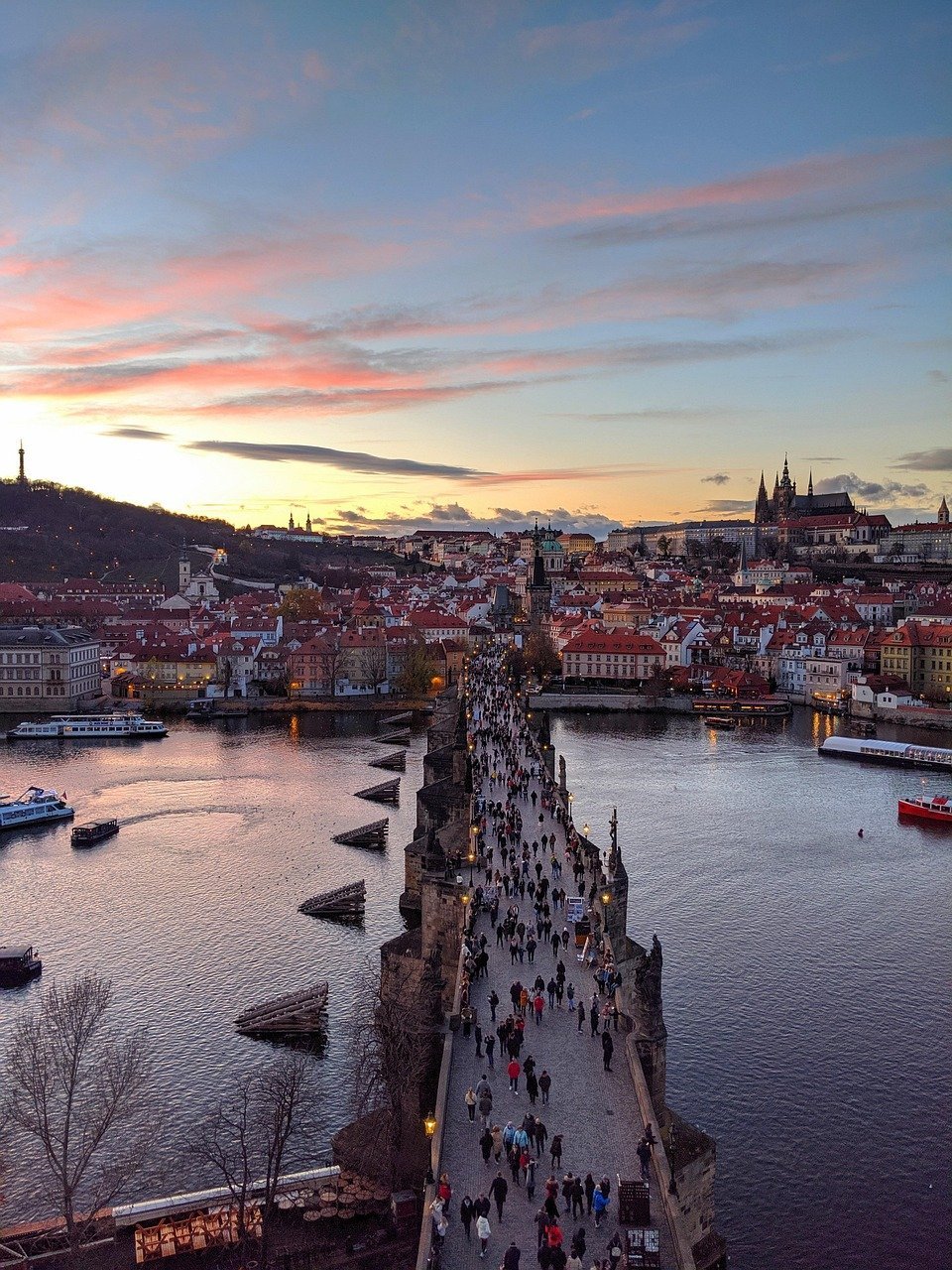
The river flows from springs through hunts, weddings, and moonlit nymphs to Prague’s grandeur. Pastoral vitality swells to majestic unity, evoking national pride. Woodwinds and horns mimic birds and hunts.[8]
Part of 1874’s Má Vlast cycle, it fueled Czech identity. Smetana’s tone poem symbolizes enduring spirit amid turmoil.[8]
Dvořák’s Symphony No. 9 “New World”
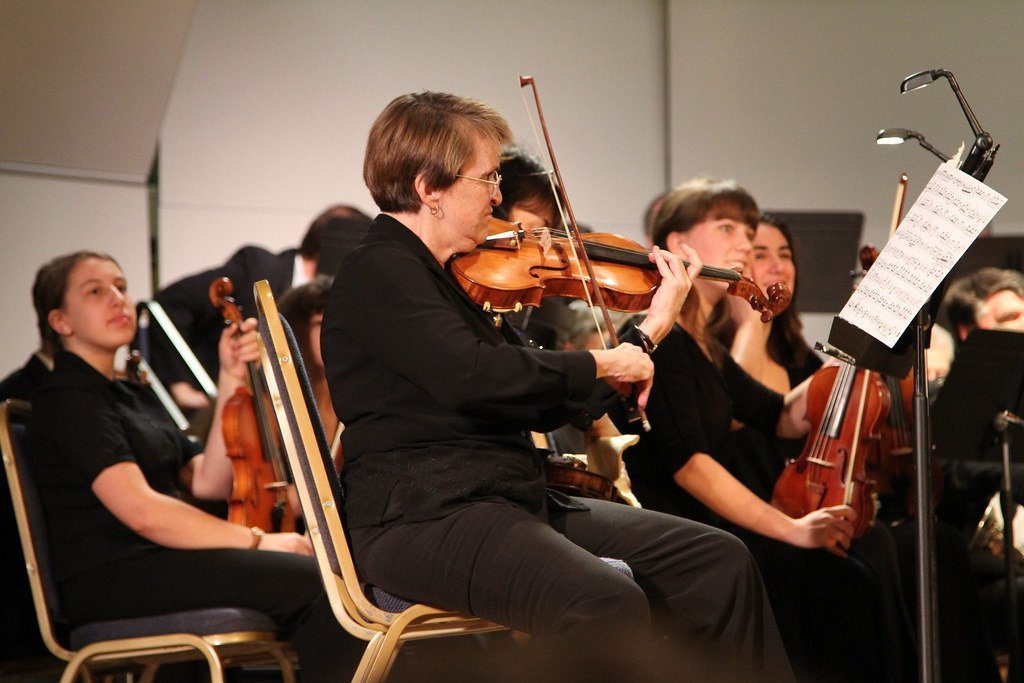
American impressions blend discovery and homesick longing, with English horn’s Largo evoking spirituals and prairies. Scherzo dances like Native feasts, finale triumphs with bold motifs. Pentatonic scales weave nostalgia into exploration.[9])
Composed in 1893 during his U.S. stay, premiered in New York. Dvořák urged American music from folk roots, birthing a classic.[9])
Tchaikovsky’s 1812 Overture
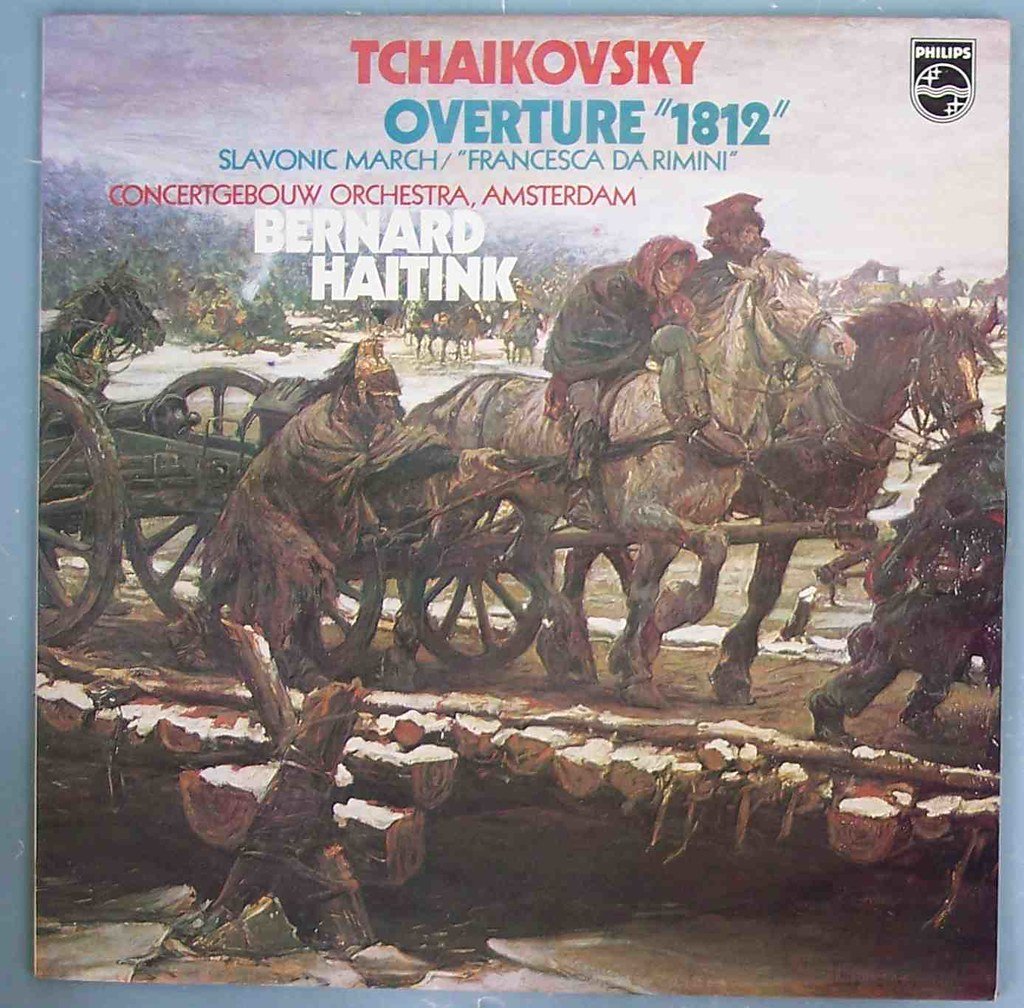
Russian prayers clash with French anthems, cannon blasts mark Borodino, then retreat yields to bells and tsarist triumph. Tension builds from peril to divine victory. Effects drive the patriotic saga.[10]
Commissioned in 1880, premiered in Moscow in 1882. Honoring Napoleon’s defeat, its spectacle endures in celebrations worldwide.[10]
The Magic of Music’s Silent Tales
These pieces show instrumental music’s unique gift: stories shaped by ear, not page. Listeners supply faces and places, making each hearing personal.
Across centuries, they remind us sound alone stirs the soul profoundly. In a word-filled world, their drama whispers eternally.
CEO-Co-Founder
