


For any feedback please reach out to info@festivalinside.com
- 12 Literary Feuds So Intense, They Changed the Course of Literature - August 11, 2026
- 10 Mysterious Disappearances of Famous Figures That Still Puzzle Experts - August 11, 2026
- 10 Foods We Thought Were American But Were Actually Invented Somewhere Else. - August 11, 2026
Few films capture the magic of cinema quite like those that earn near-universal praise. They excel in storytelling that grips from the first frame, direction that innovates without distraction, acting that feels profoundly real, and influence that echoes through decades. These elements combine to create works that critics score at 99 percent or 100 percent on Rotten Tomatoes, drawing audiences back time and again.[1][2]
Such acclaim stems from precision in every detail. Directors balance emotion and technique. Performers inhabit roles completely. The result feels effortless, almost inevitable.
Singin’ in the Rain (1952)
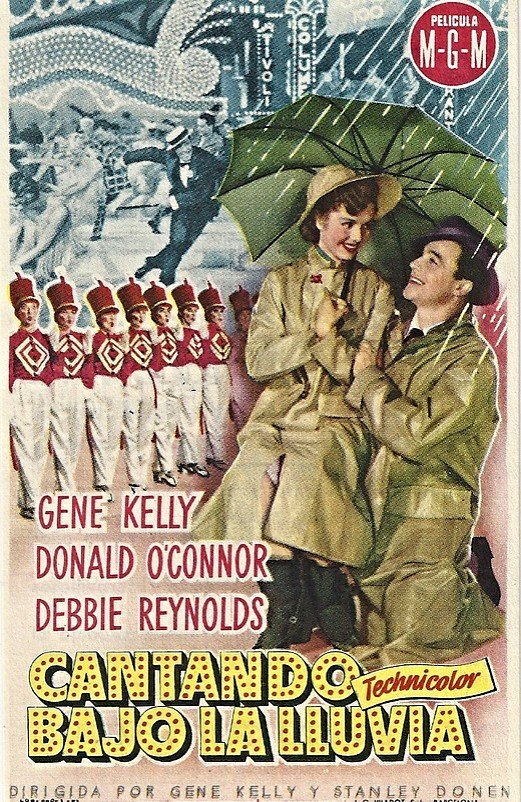
This musical comedy captures Hollywood’s chaotic shift from silent films to talkies. Gene Kelly, Debbie Reynolds, and Donald O’Connor shine through exuberant dance numbers and sharp satire. Stanley Donen’s direction blends joy with technical flair, making every sequence pop. The film’s energy never flags, turning potential pitfalls into pure delight. It holds a perfect 100 percent on Rotten Tomatoes.[3]
Critics praise its timeless choreography and witty script. Audiences love the heartfelt romance amid the laughs. Cultural icons like the title song endure in popular memory. No weak links mar its charm, cementing its flawless reputation.
Seven Samurai (1954)

Akira Kurosawa crafts an epic tale of villagers hiring warriors to fend off bandits. The story builds tension through character depth and strategic battles. His innovative editing and widescreen composition elevate action to art. Every fight feels earned, every alliance fraught with humanity. It boasts 100 percent on Rotten Tomatoes.[4]
Toshiro Mifune’s fiery performance anchors the ensemble. Themes of sacrifice and honor resonate universally. Hollywood remade it as The Magnificent Seven, proving its influence. Flawless pacing keeps three hours riveting.
Casablanca (1942)
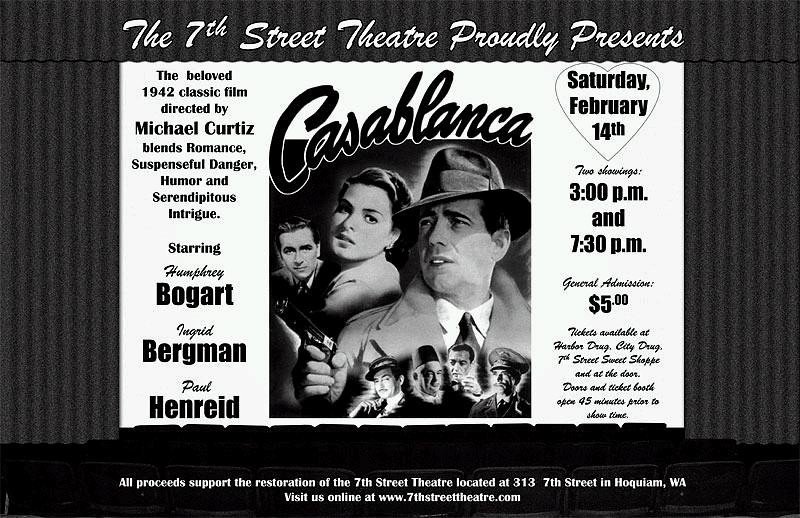
Michael Curtiz directs Humphrey Bogart and Ingrid Bergman in a tale of love and resistance during World War II. Rick’s nightclub becomes a nexus of intrigue and heartbreak. Dialogue crackles with wit, especially in the airport finale. Subtle visuals convey moral complexity. It earns 99 percent on Rotten Tomatoes.[5]
Bogart’s cynicism melts authentically. Bergman’s grace captivates. The score and supporting cast amplify every moment. Its blend of romance and politics feels pitch perfect, inspiring countless homages.
Citizen Kane (1941)

Orson Welles revolutionizes film with Charles Foster Kane’s rise and fall. Nonlinear storytelling unravels a media mogul’s life through flashbacks. Deep focus cinematography reveals layers in single shots. Bold sound design heightens isolation. A 99 percent Rotten Tomatoes score reflects its mastery.[5]
Welles acts and directs with unmatched vision at age 25. The ensemble brings nuance to power’s cost. It redefined narrative possibilities. Debates over its top ranking underscore enduring perfection.
L.A. Confidential (1997)

Curtis Hanson adapts James Ellroy’s novel into a noir thriller amid 1950s corruption. Detectives unravel scandals in sunny Los Angeles. Twisty plot interweaves ambition and betrayal. Period detail immerses without overwhelming. It tops lists at 99 percent on Rotten Tomatoes.[4]
Kevin Spacey, Russell Crowe, and Guy Pearce form a magnetic trio. Kim Basinger’s Oscar-winning role adds vulnerability. Sharp script delivers shocks organically. Moral ambiguity elevates it beyond genre.
Toy Story 2 (1999)
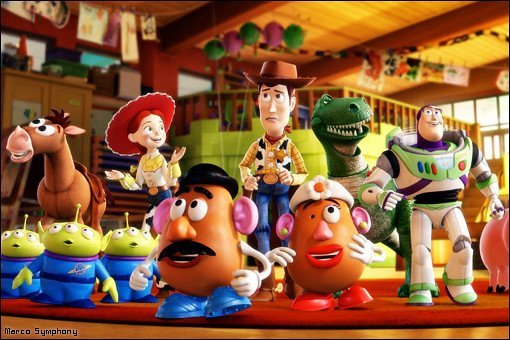
John Lasseter expands Pixar’s world as Woody faces abandonment. Toys grapple with purpose in a thrilling adventure. Seamless animation matches emotional stakes. Humor lands for all ages. Perfect 100 percent on Rotten Tomatoes.[1]
Voice work from Tom Hanks and Tim Allen breathes life into characters. Heartfelt themes of friendship endure. It improved on the original, setting sequel standards. Technical brilliance supports profound simplicity.
Paddington 2 (2017)

Paul King crafts a bear’s wrongful imprisonment tale full of warmth. Paddington’s optimism transforms a prison community. Whimsical visuals pair with clever gags. Every frame bursts with color and kindness. Sits at 99 percent on Rotten Tomatoes.[2]
Hugh Grant’s villainy sparkles with song and flair. Family bonds feel genuine. Critics hail its unforced joy. Sequel surpassing the first proves rare magic.
Finding Nemo (2003)
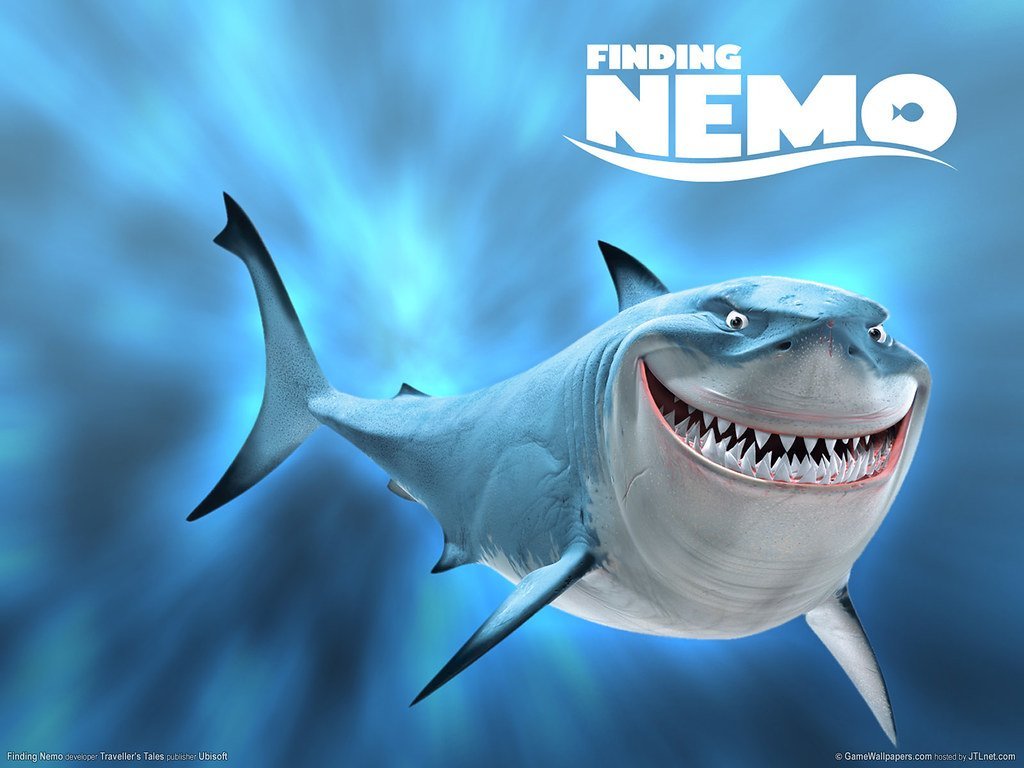
Andrew Stanton animates a father’s ocean quest for his son. Marlin’s journey with Dory builds through peril and humor. Underwater world stuns with detail. Emotional core drives every scene. 99 percent Rotten Tomatoes acclaim.[2]
Albert Brooks and Ellen DeGeneres voice unforgettable duo. Themes of letting go resonate deeply. Pixar’s peak creativity shines. Box office and awards confirm universal love.
Lady Bird (2017)
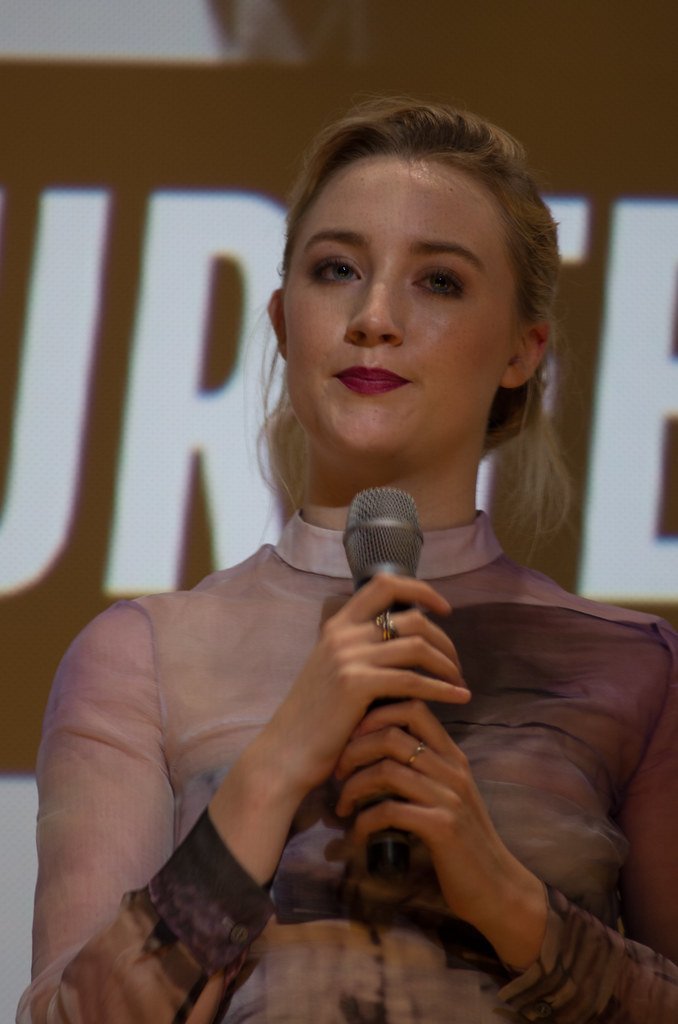
Greta Gerwig’s semi-autobiographical look at teen rebellion in Sacramento. Saoirse Ronan’s Christine chafes against her mother. Honest dialogue captures family friction. Coming-of-age feels raw yet tender. 99 percent on Rotten Tomatoes.[2]
Laurie Metcalf matches Ronan in layered conflict. Supporting quirks add realism. Directorial debut announces a voice. Audiences connect through specificity.
Parasite (2019)

Bong Joon-ho blends class satire with thriller in one house. Poor family infiltrates the wealthy, sparking chaos. Genre shifts stun organically. Visual motifs deepen social bite. 99 percent Rotten Tomatoes score.[6]
Ensemble cast sells every twist. Song Kang-ho leads with subtlety. Global success highlights universal truths. Palme d’Or and Oscars mark historic flawlessness.
12 Angry Men (1957)
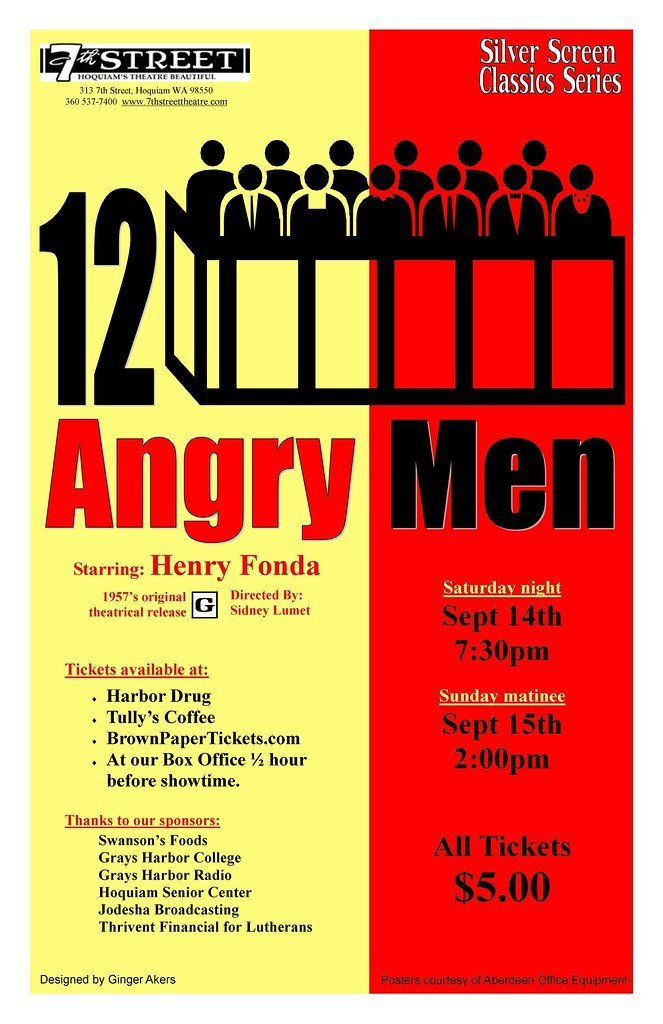
Sidney Lumet confines jurors debating a murder verdict. Tensions rise in one room over prejudice and doubt. Reginald Rose’s script peels back biases. Simple setup yields profound drama. 100 percent on Rotten Tomatoes.[1]
Henry Fonda anchors with quiet conviction. Ensemble dynamics evolve masterfully. Stage roots enhance intimacy. Justice theme timelessly grips.
The Philadelphia Story (1940)
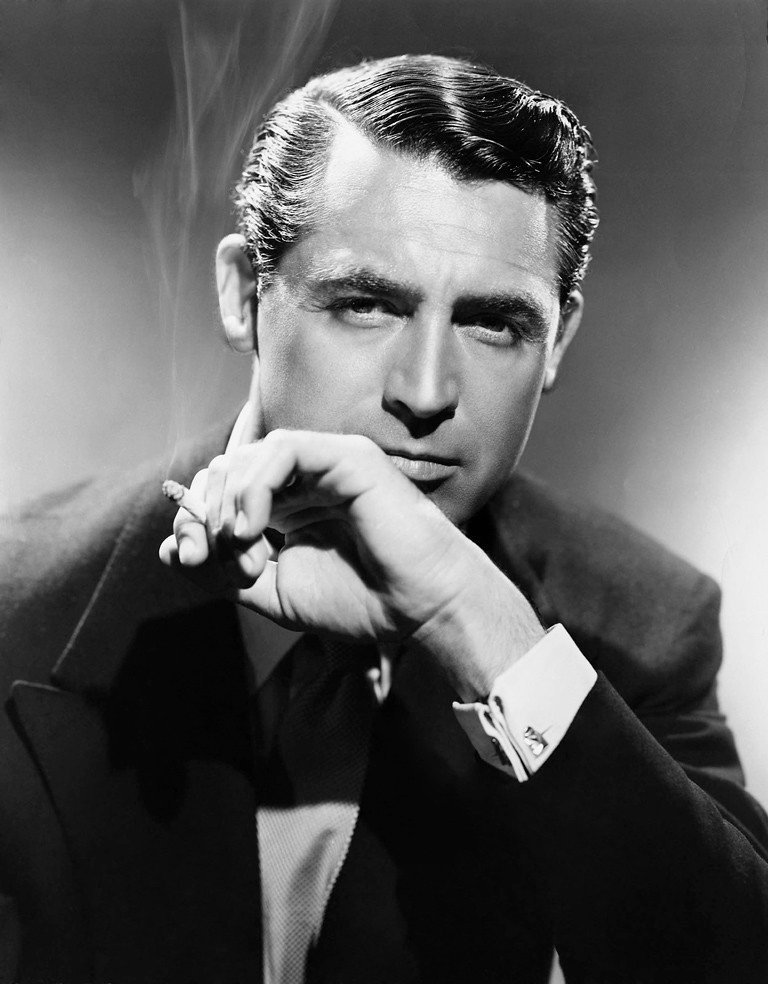
George Cukor unites Cary Grant, Katharine Hepburn, and James Stewart in romantic farce. Socialite’s wedding stirs ex-husband and reporter. Rapid wit sparkles in screwball style. Ensemble chemistry crackles. 100 percent Rotten Tomatoes.[3]
Hepburn rebounds triumphantly post-flop. Grant’s charm balances Stewart’s earnestness. Play adaptation flows seamlessly. Enduring blueprint for rom-coms.
Toy Story (1995)
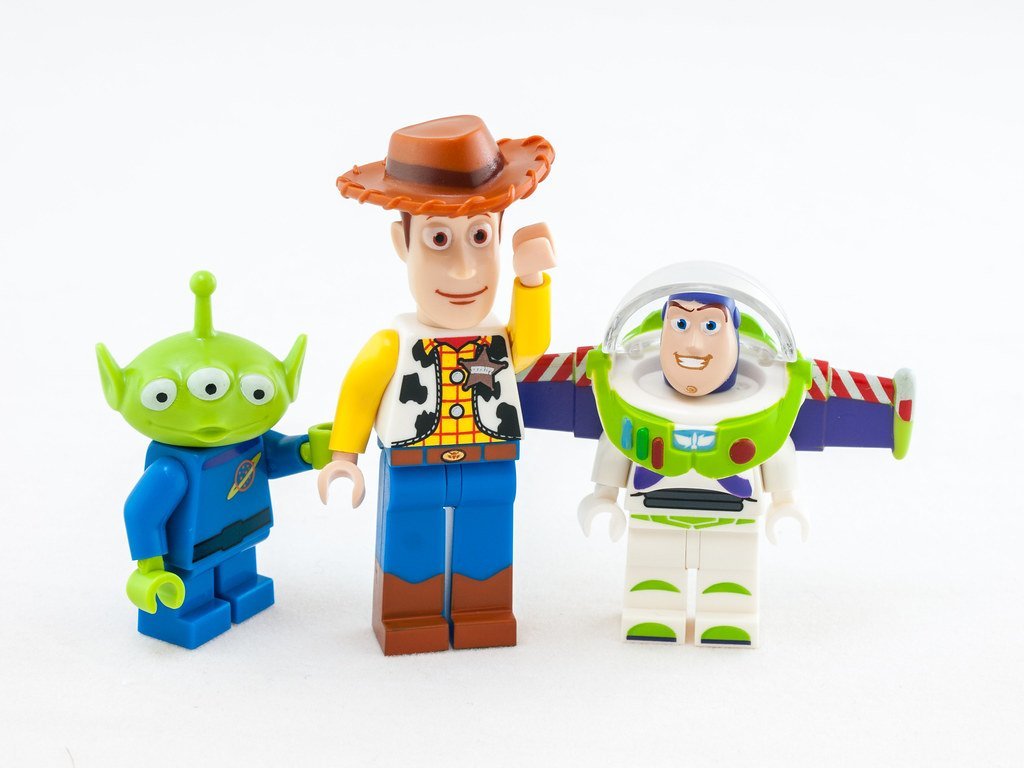
John Lasseter pioneers CGI with toys alive when humans leave. Woody and Buzz clash then unite. Friendship story charms simply. Animation milestone sets standards. 100 percent on Rotten Tomatoes.[7]
Tom Hanks and Tim Allen voice rivals turned pals. Heart laughs together. Revolutionized family films. Cultural touchstone endures.
The Terminator (1984)

James Cameron unleashes cyborg assassin on Sarah Connor. Relentless pursuit builds sci-fi tension. Low-budget effects impress still. Action propels emotional stakes. 100 percent Rotten Tomatoes.[1]
Arnold Schwarzenegger embodies machine menace. Linda Hamilton grows fierce. Franchise launch flawless. Practical thrills age gracefully.
Pinocchio (1940)
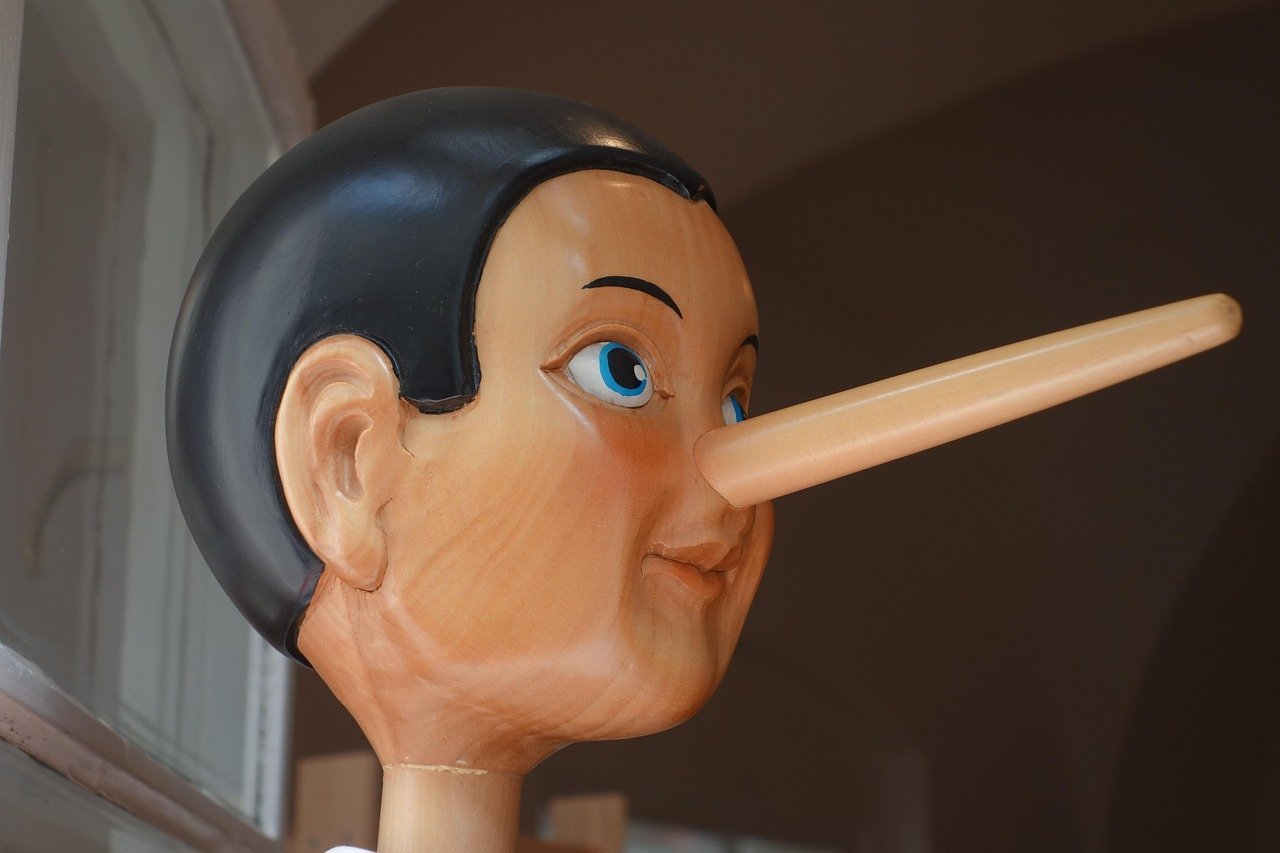
Disney animates puppet’s quest to become real boy. Geppetto’s creation faces temptations and monsters. Songs and scares balance perfectly. Hand-drawn wonder dazzles. 100 percent on Rotten Tomatoes.[8]
Voice cast brings whimsy and peril alive. Moral lessons embed joyfully. Animation pinnacle influences all after. Timeless fable captivates generations.
Conclusion

These films prove cinematic excellence lies in harmony of craft. Storytelling draws us in, direction guides unseen, acting convinces utterly, influence spreads wide. Near-perfect scores signal rare alignment.[2]
They remind us movies can transcend time. Flawlessness invites endless revisits. In a vast library, they shine brightest.

Christian Wiedeck, all the way from Germany, loves music festivals, especially in the USA. His articles bring the excitement of these events to readers worldwide.
For any feedback please reach out to info@festivalinside.com
