

For any feedback please reach out to info@festivalinside.com
- 12 Literary Feuds So Intense, They Changed the Course of Literature - August 11, 2026
- 10 Mysterious Disappearances of Famous Figures That Still Puzzle Experts - August 11, 2026
- 10 Foods We Thought Were American But Were Actually Invented Somewhere Else. - August 11, 2026
National parks across the United States serve as vital sanctuaries, safeguarding vast swaths of untouched wilderness while honoring deep cultural roots. These areas protect dramatic natural features like towering mountains and ancient forests alongside traces of indigenous peoples and early settlers.
Visitors find a rare blend here, where rugged beauty meets stories etched into the land over millennia. Preservation efforts ensure future generations can explore both the raw power of nature and the human narratives woven through it.
Yellowstone National Park
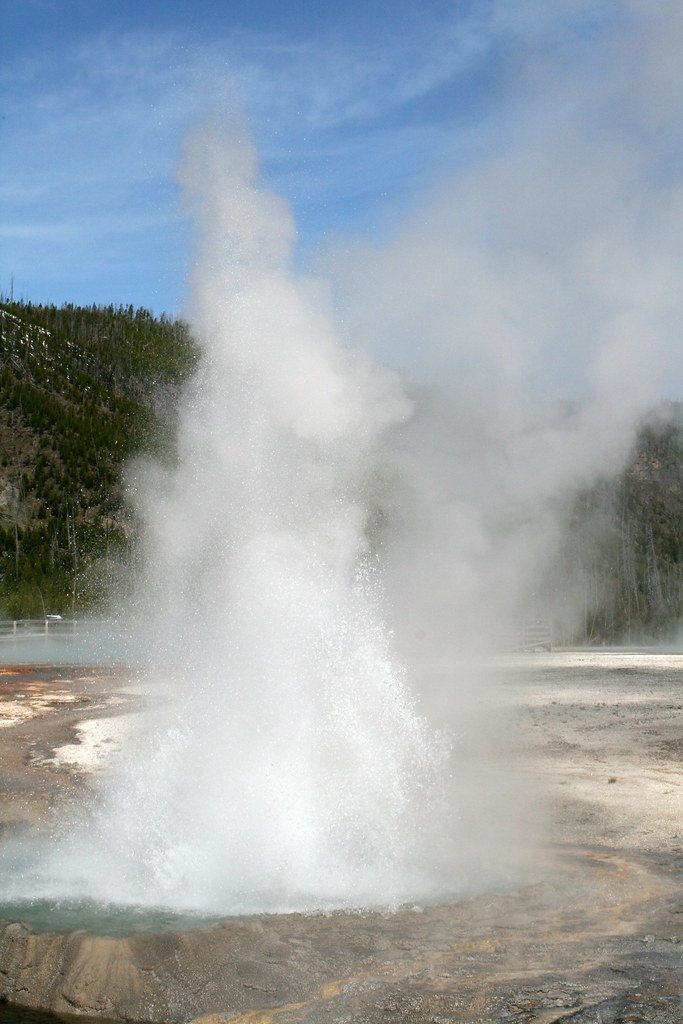
Yellowstone sprawls across Wyoming, Montana, and Idaho with geothermal wonders that define its allure. Geysers like Old Faithful erupt in rhythmic displays, while colorful hot springs and mud pots bubble amid vast meadows. Bison herds roam free, and crystal-clear rivers carve through lodgepole pine forests, offering vistas that shift with the seasons.
Established in 1872 as the world’s first national park, it arose from expeditions that mapped its geothermal features. Native tribes like the Shoshone and Crow held the area sacred long before, using it for hunting and spiritual sites. Early explorers faced harsh conditions to document its uniqueness, sparking the conservation movement that protects it today.
Yosemite National Park
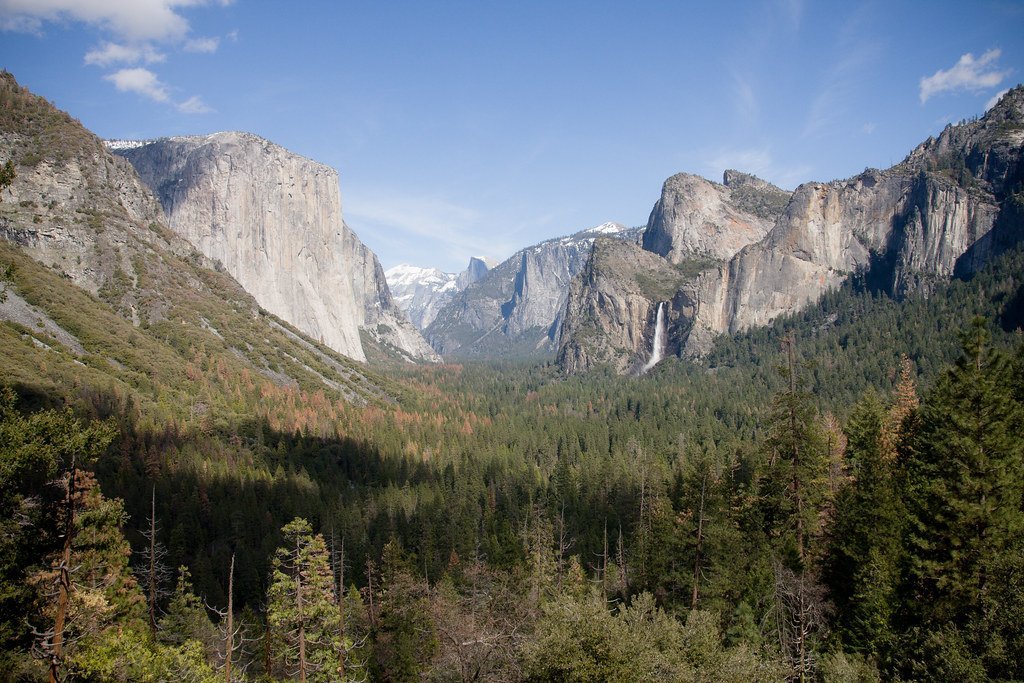
Yosemite Valley stuns with sheer granite cliffs rising thousands of feet, including El Capitan and Half Dome. Waterfalls like Yosemite Falls plunge in misty veils during spring thaw, fed by snowmelt from High Sierra peaks. Giant sequoias tower in the Mariposa Grove, their massive trunks a testament to enduring life amid alpine meadows and wild rivers.
The park gained protection in 1890, influenced by naturalist John Muir’s campaigns against logging and grazing. Ahwahneechee people lived here for centuries, leaving rock art and enduring place names. It became a symbol of wilderness preservation during the late 19th century push to create enduring public lands.
Grand Canyon National Park
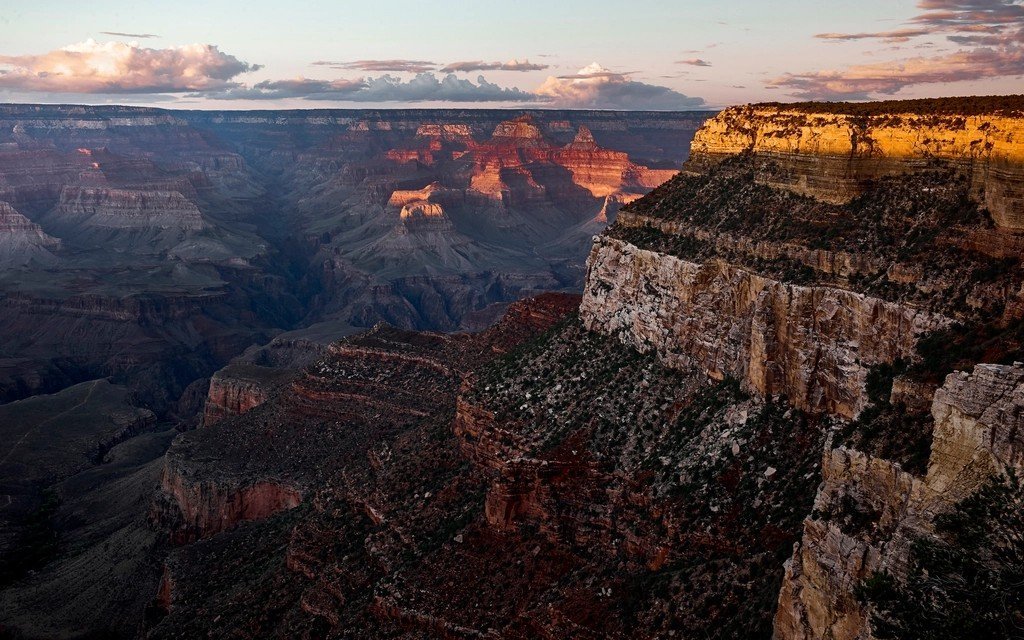
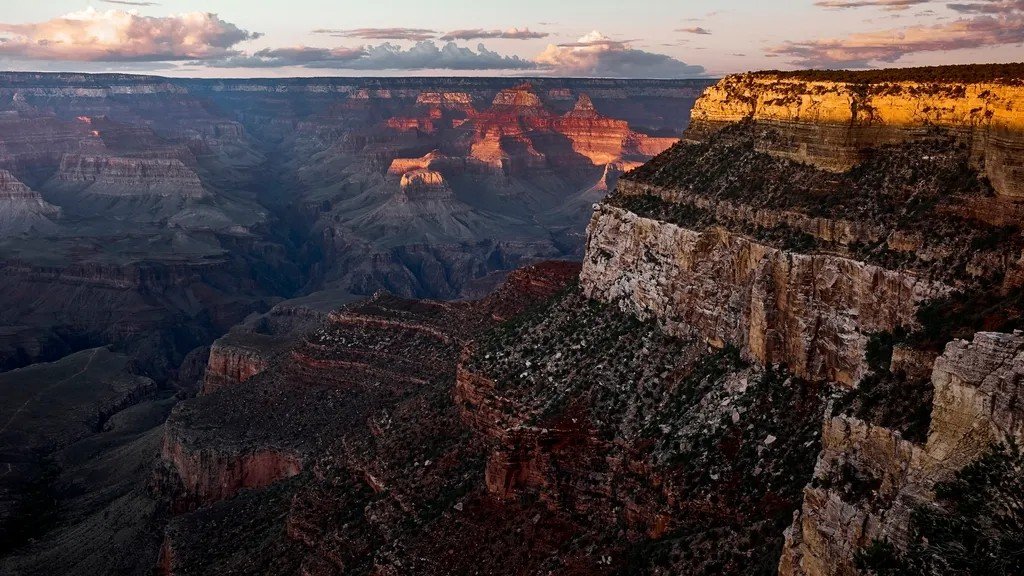
The Grand Canyon slices through Arizona’s high desert, exposing nearly two billion years of Earth’s history in layered rock walls. The Colorado River snakes below, its turquoise waters contrasting vivid reds and oranges at sunrise. Rim trails offer dizzying overlooks, while side canyons hide hidden oases and ancient fossils.
Designated in 1919, the canyon held profound meaning for tribes like the Havasupai and Navajo, who view it as a sacred birthplace. Spanish explorers first gazed into its depths in 1540, yet full recognition came later through railroad promotion and Teddy Roosevelt’s advocacy. Its protection highlights early 20th-century battles to save iconic landscapes from exploitation.
Zion National Park
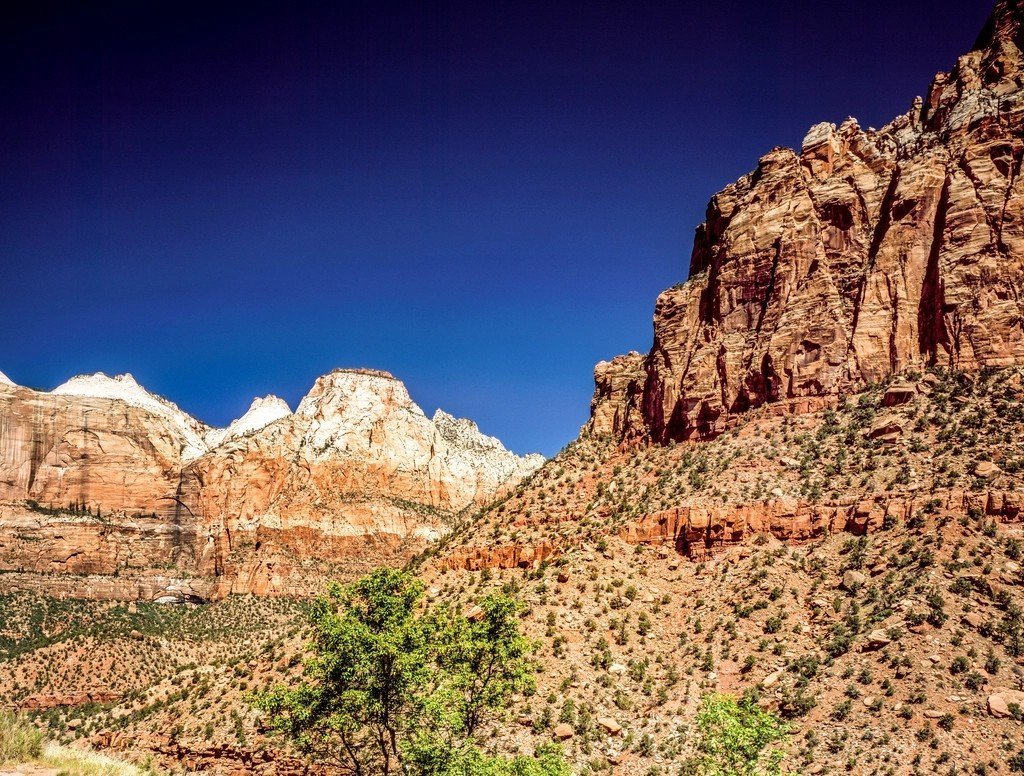
Zion’s red Navajo sandstone cliffs tower over narrow slot canyons in southern Utah, carved by the Virgin River. Angels Landing provides a thrilling hike with chain-assisted paths and sweeping views of hanging gardens. Emerald pools shimmer under monoliths, where desert wildflowers bloom briefly after rare rains.
Created in 1919, Zion preserves sites used by Paiute peoples for millennia, including granaries tucked into alcoves. Mormon pioneers settled nearby in the 1860s, naming features from their faith. Its establishment reflected growing appreciation for desert ecosystems amid national park expansion.
Acadia National Park
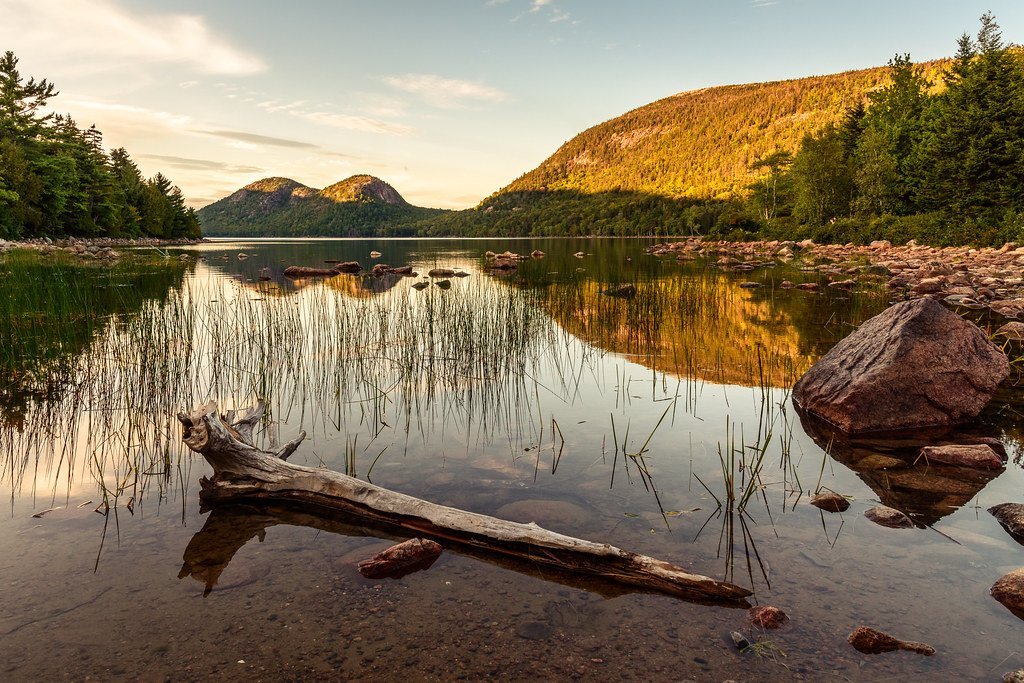
Acadia hugs Maine’s rocky coast, where Cadillac Mountain catches the nation’s first sunrise. Jagged granite shores meet Atlantic waves, framing carriage roads through hardwood forests. Bubble Rock perches improbably on a glacier-scoured dome, and sandy beaches contrast with pink granite peaks.
Formed in 1919 from land donated by wealthy families, it overlays Wabanaki territories used for fishing and trade routes. Rusticators in the Gilded Age built estates here, blending preservation with tourism. The park’s story underscores private philanthropy in early conservation efforts.
Great Smoky Mountains National Park
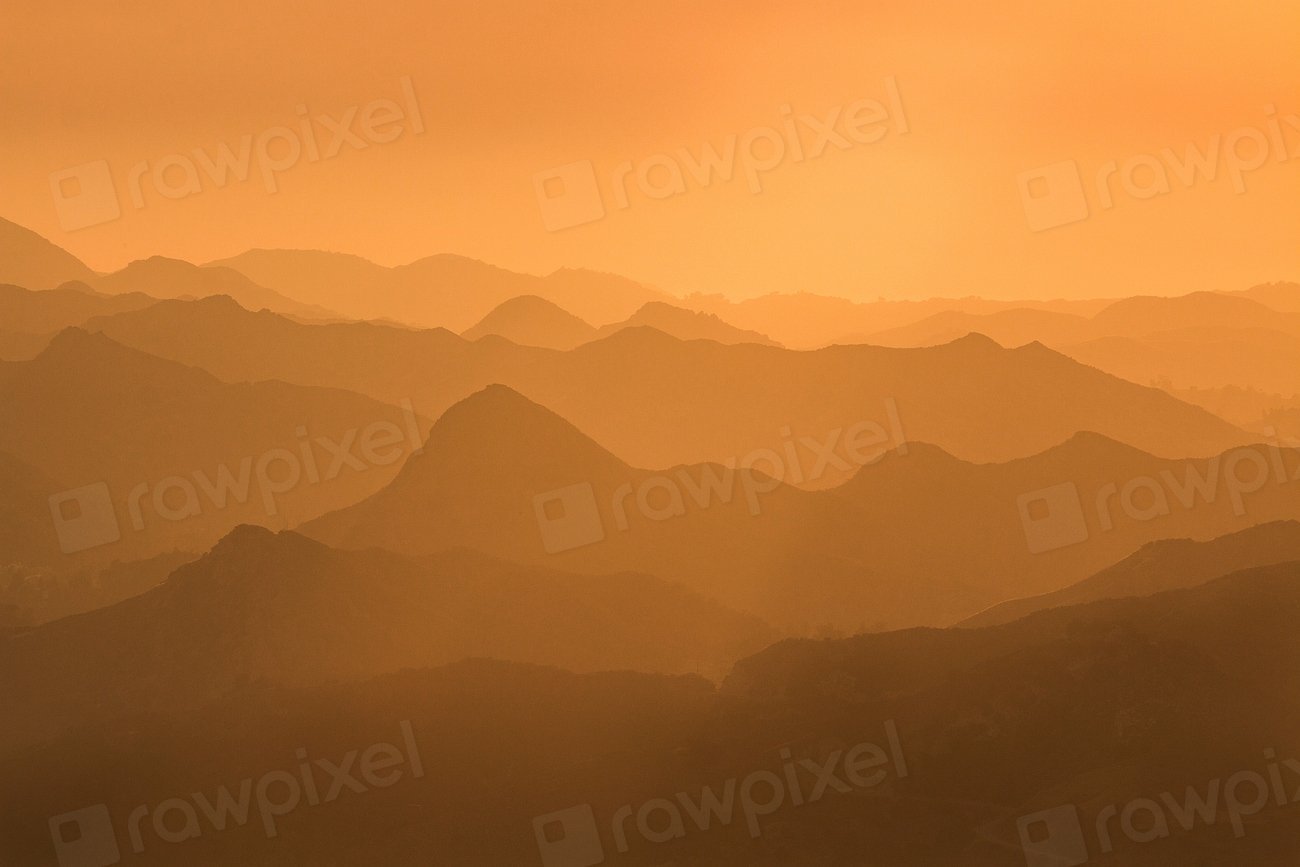
Straddling Tennessee and North Carolina, the Smokies feature misty blue ridges layered like a watercolor painting. Old-growth forests shelter synchronous fireflies and black bears, while rushing streams feed waterfalls in lush coves. Mount LeConte offers panoramic views from its rocky balds.
Dedicated in 1940, the park protects Cherokee homelands and Appalachian settler cabins from the 1800s. Logging threats prompted massive fundraising in the 1920s and 1930s. It stands as a model for community-driven land acquisition in the national park system.
The Conservation Legacy
America’s national parks embody a commitment to stewardship that began over 150 years ago. They balance recreation with protection, ensuring ecosystems recover from human impact. Countless visitors leave inspired, carrying forward the ethos of leaving no trace.
This legacy evolves with climate challenges and inclusive storytelling about native histories. Parks remind us that beauty and heritage demand ongoing vigilance. Their endurance invites everyone to connect with the land in meaningful ways.

Christian Wiedeck, all the way from Germany, loves music festivals, especially in the USA. His articles bring the excitement of these events to readers worldwide.
For any feedback please reach out to info@festivalinside.com
