

- 8 Gardening Hacks That Will Make Your Roses Bloom Like Never Before - August 11, 2026
- 8 Incredible Beaches Around the World You Won’t Believe Are Real - August 11, 2026
- 10 Classical Music Masterpieces That Will Transport You Through Time - August 11, 2026
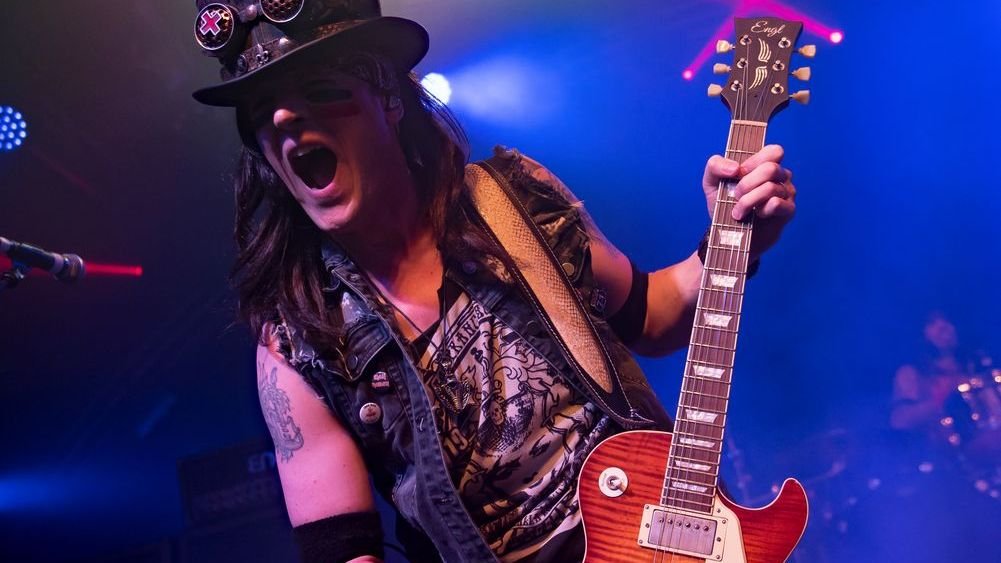
Rock ‘n’ roll burst onto the scene as a raw expression of teenage defiance against postwar conformity. Young listeners embraced its pounding rhythms and bold lyrics, rejecting the crooners favored by their parents. This music fused Black rhythm and blues with white country sounds, subtly challenging racial divides in a segregated society.[1][2]
Advancements like electric guitars and amplified records fueled its spread through radio and early TV. These innovations amplified not just sound but voices calling for civil rights and personal freedom. Rock became a soundtrack for change, mirroring America’s turbulent push toward equality and self-expression.[3]
The 1950s: Birth Amid Youth Rebellion
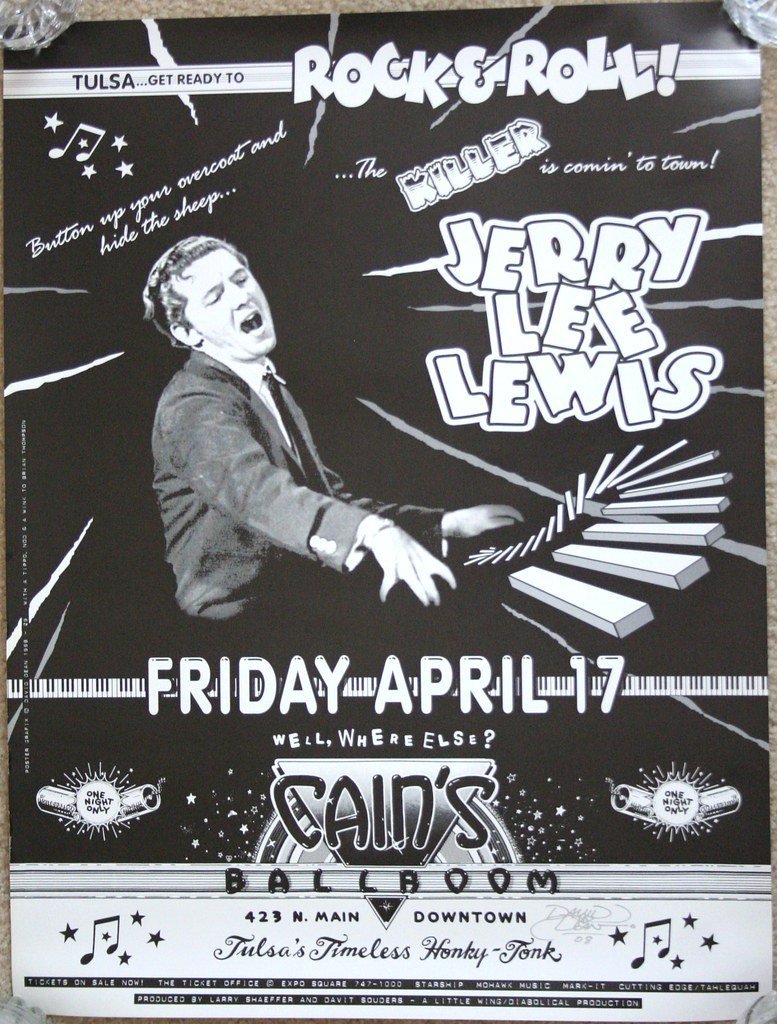
Rock ‘n’ roll emerged in the mid-1950s, blending blues, gospel, and country into an electrifying force. Teenagers flocked to its energetic beats, seeing it as a break from adult norms. The genre sparked widespread alarm among older generations, who viewed its sensuality as a threat to moral order.[4][5]
It also bridged racial gaps by popularizing Black artists among white audiences. This crossover softened some barriers during early civil rights struggles. Cities saw integrated concerts, fostering unexpected unity in a divided nation.[6]
The 1960s: British Invasion and Counterculture Surge
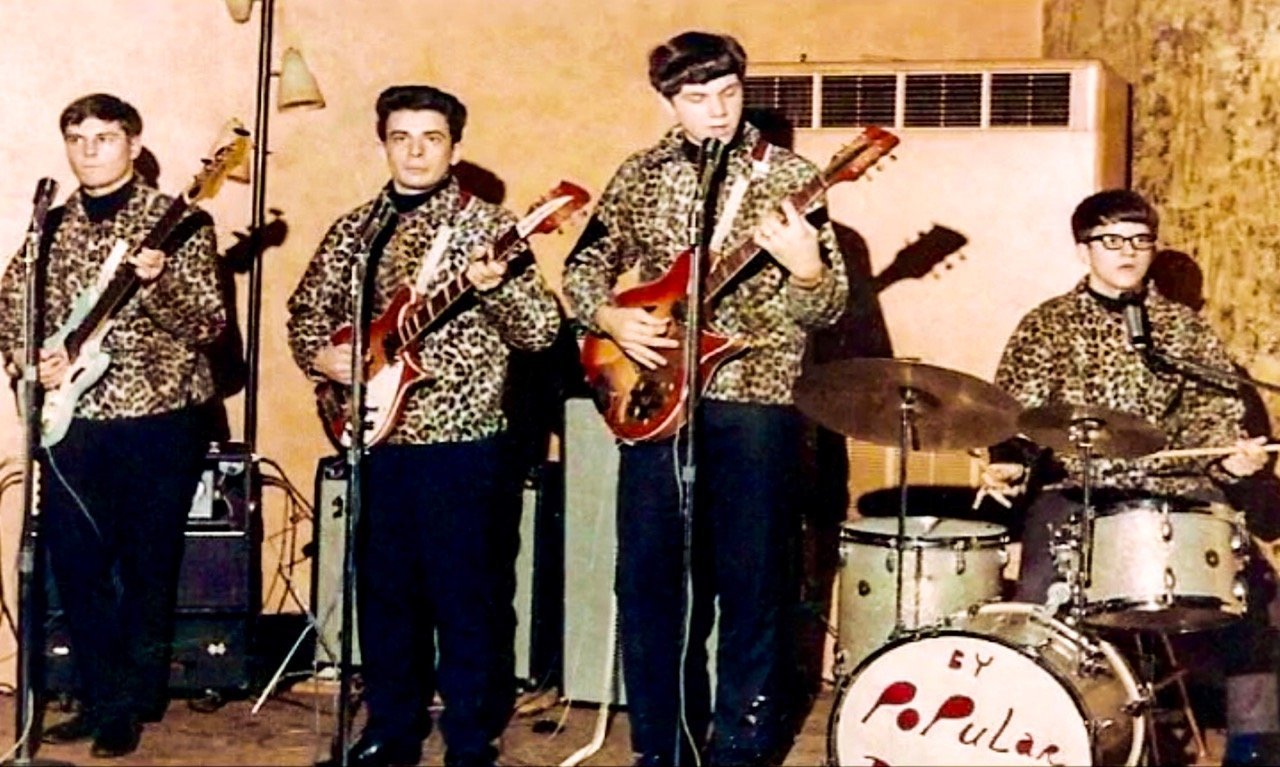
British bands revitalized American rock with fresh energy and sophisticated songcraft. They dominated airwaves, shifting tastes toward experimentation and social commentary. This invasion amplified rock’s role in the growing counterculture, where music fueled anti-war protests and free love ideals.[7][8]
Psychedelic sounds captured the era’s expanding minds and civil rights fervor. Festivals drew massive crowds, blending music with activism. Rock solidified as a voice for youth demanding societal overhaul.[9]
The 1970s: Punk, Hard Rock, and Disco Divide
Hard rock grew louder and more theatrical, reflecting economic unease and excess. Punk arose as a raw backlash, stripping music to basics and scorning corporate gloss. These styles captured disillusionment after the optimistic sixties.[10]
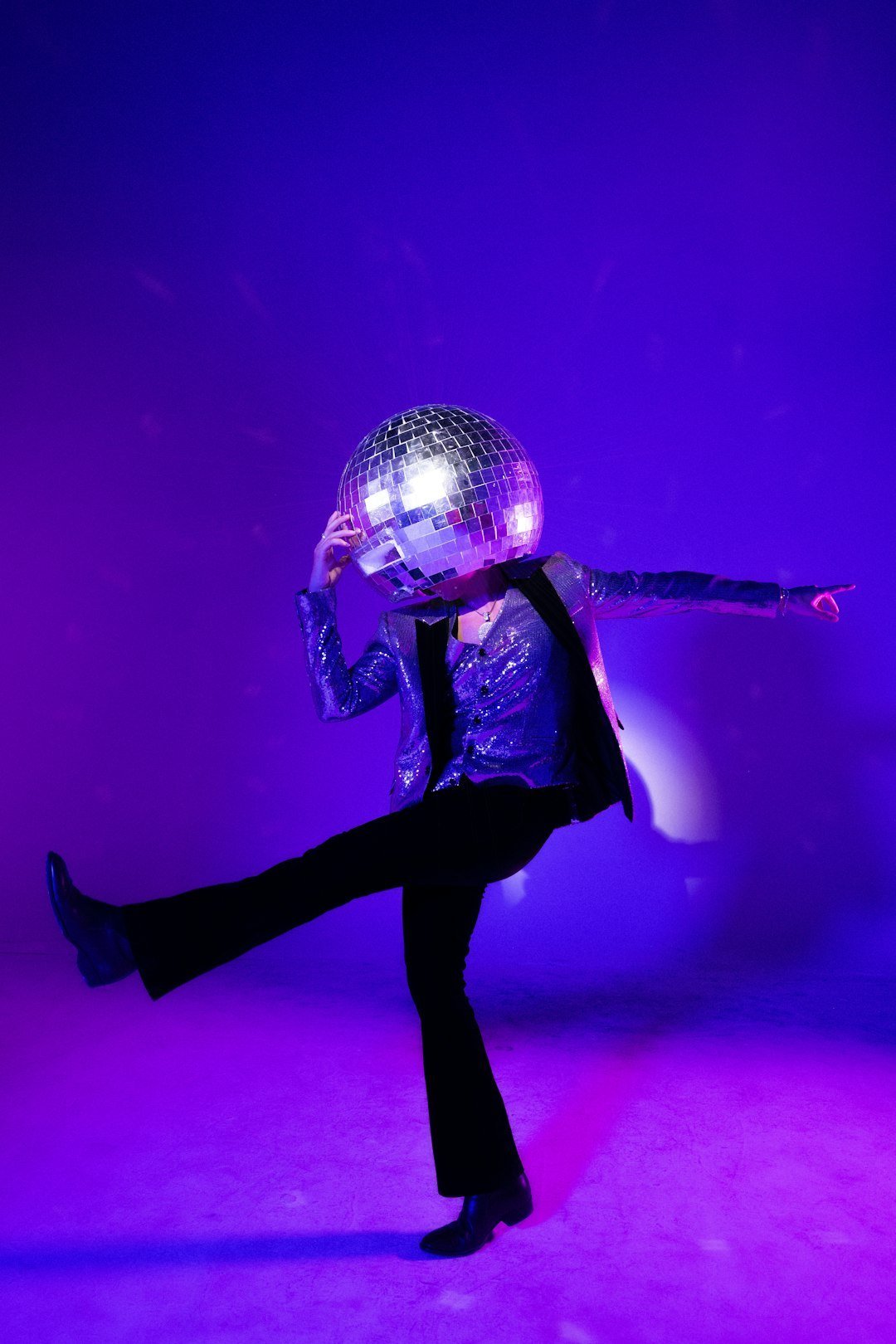
Disco offered escapist glamour, drawing in diverse crowds from gay clubs to mainstream dance floors. It highlighted liberation movements amid recession shadows. Tensions between punk’s grit and disco’s shine mirrored broader cultural clashes.[11]
The 1980s: MTV and Glam Spectacle
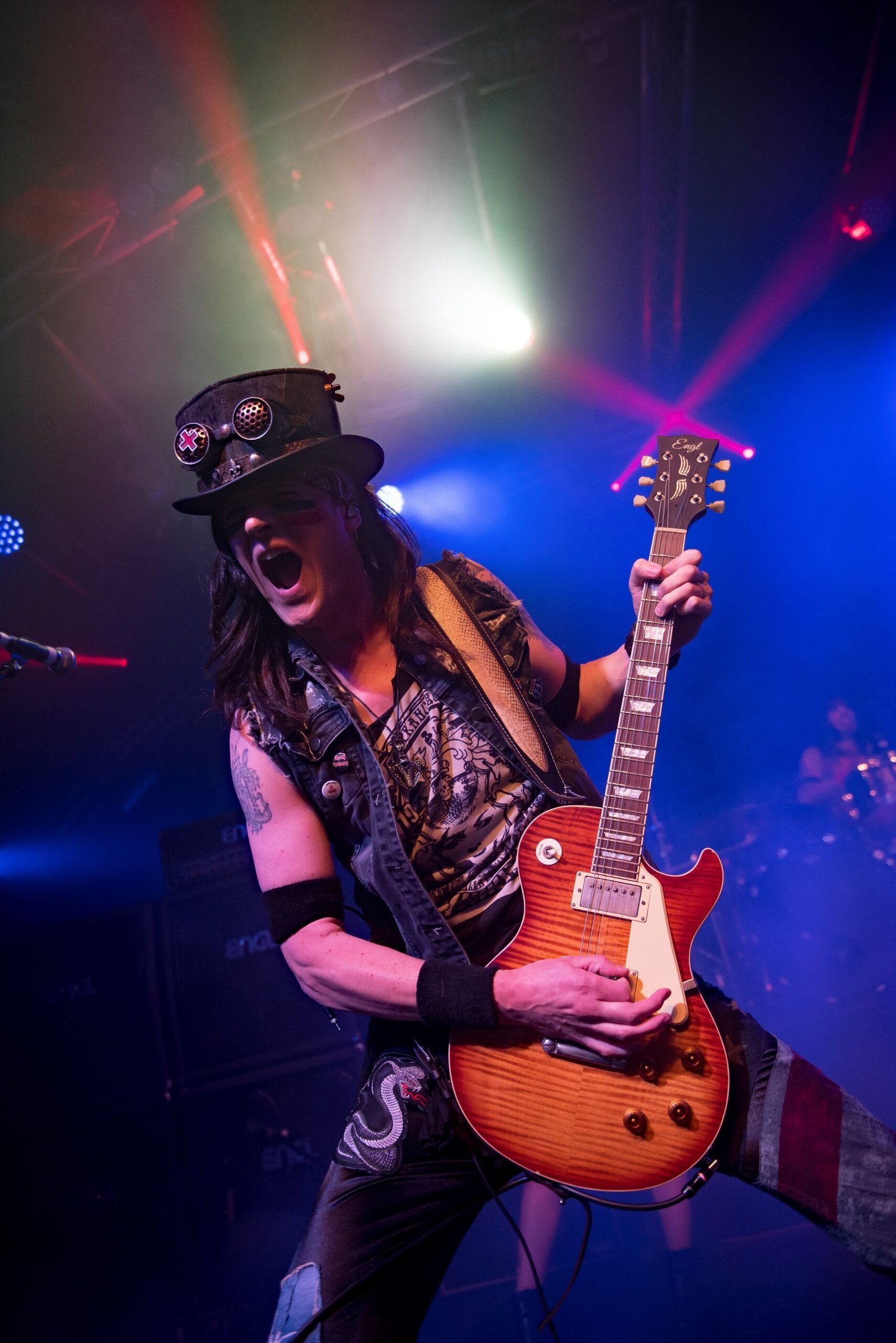
MTV launched in 1981, turning rock into a visual feast that shaped youth style and dreams. Hair metal bands with towering locks and shredding guitars filled screens, embodying Reagan-era bravado. Videos made stars overnight, blending music with fashion and fantasy.[12]
This era promoted excess amid growing conservatism, influencing everything from clothing to attitudes. Arena tours created communal rituals for suburban kids. Rock retained its rebellious spark, even in polished packages.[13]
The 1990s: Grunge and Alternative Awakening
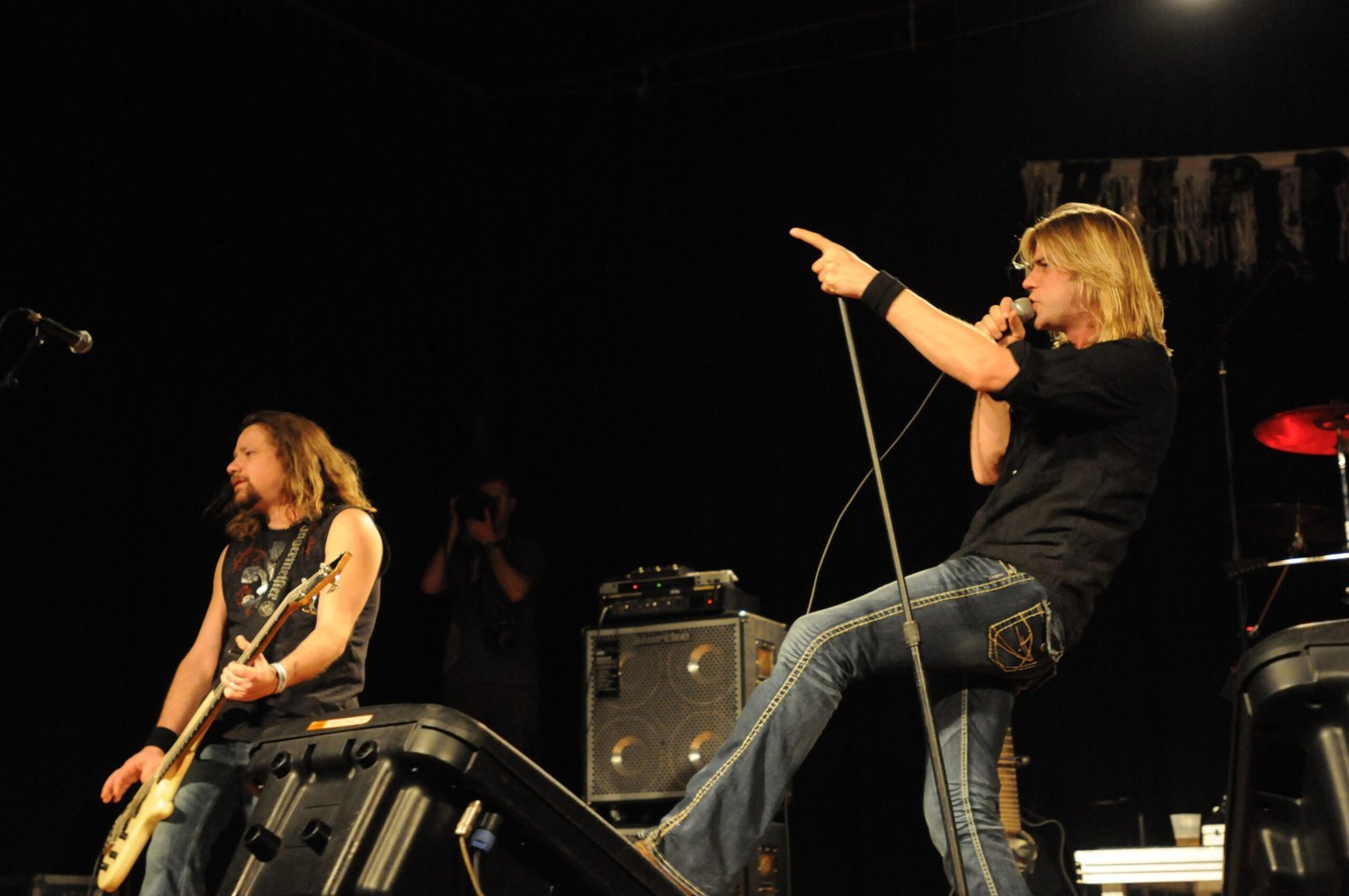
Grunge exploded from Seattle, raw and unpolished, rejecting eighties glamour. Flannel shirts and angst-ridden lyrics voiced Generation X alienation. It toppled hair metal, signaling a craving for authenticity.[14]
Alternative rock broadened into diverse sounds, tackling mental health and corporate critique. Fashion shifted to thrift-store vibes, democratizing cool. This movement reshaped media, proving underground could go mainstream.[15]
The 2000s and Beyond: Resilience in a Digital Age
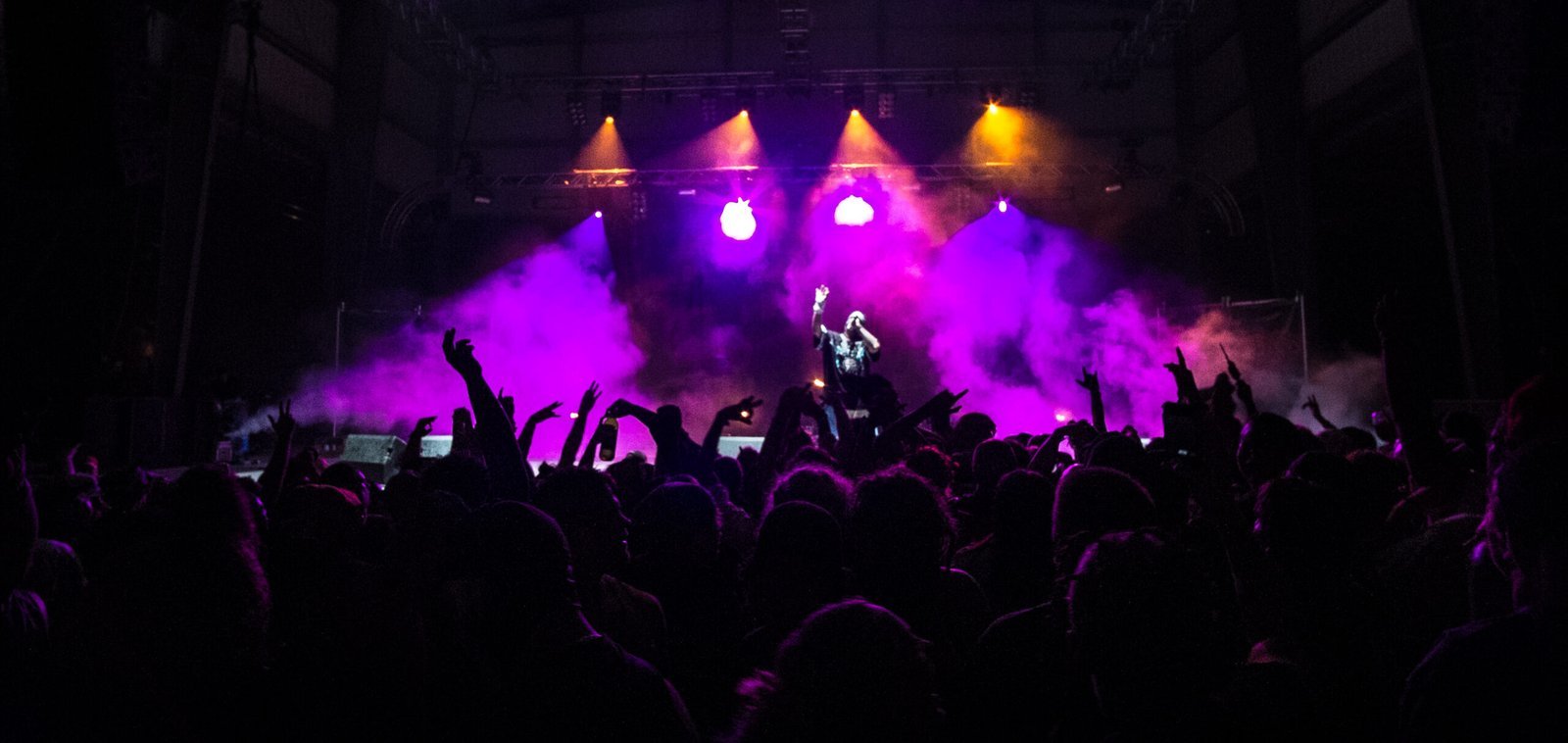
Rock adapted to file-sharing and emo’s emotional depth, reflecting post-9/11 introspection. Indie scenes thrived online, bypassing traditional gates. Garage revivals nodded to roots while exploring new fusions.[16]
Though pop dominated charts, rock influenced festivals and subcultures. It sustained activism on climate and equality. The genre proved enduring, evolving with technology and society.[17]
Rock ‘n’ Roll’s Enduring Societal Echo
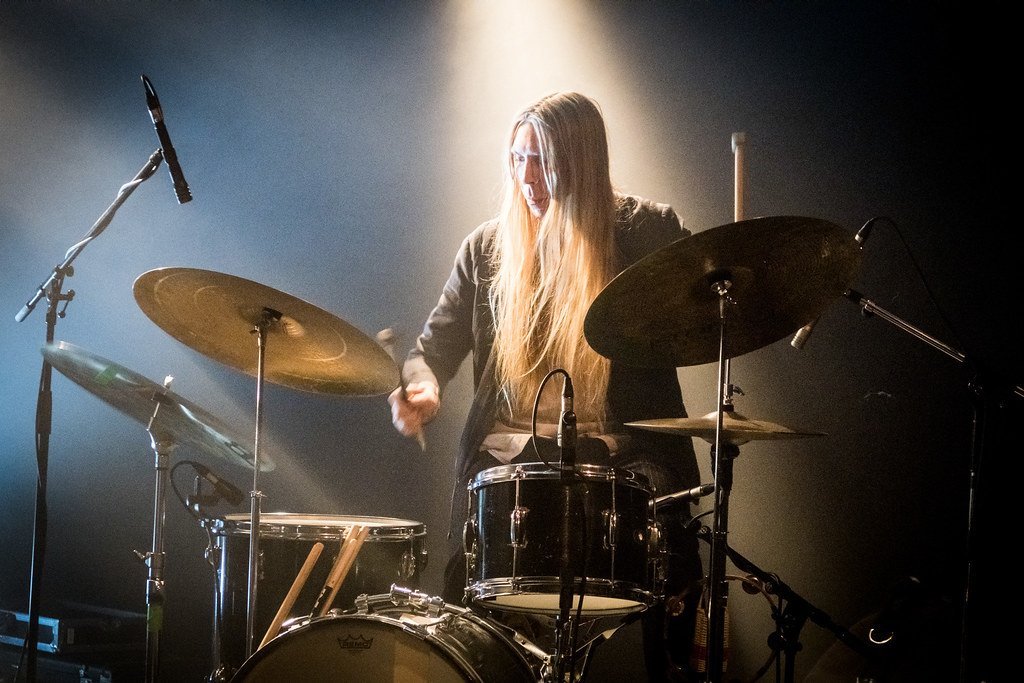
From its rebellious start, rock has mirrored and molded American identity. It challenged norms, united divides, and amplified marginalized voices. Each era’s sound captured the nation’s pulse, from integration fights to digital shifts.
Today, its legacy lingers in festivals and playlists. Rock reminds us music can drive real change. That raw energy still sparks the next generation’s fire.

Besides founding Festivaltopia, Luca is the co founder of trib, an art and fashion collectiv you find on several regional events and online. Also he is part of the management board at HORiZONTE, a group travel provider in Germany.
