

- 15 Rock Anthems That Defined a Generation and Still Sound Amazing Today - August 11, 2026
- 12 Unforgettable Movie Quotes You Can Still Use in Everyday Conversation. - August 11, 2026
- 10 Music Festivals That Changed the World - August 11, 2026
Censorship has a curious way of amplifying a book’s reach. When authorities move to suppress a work, they often spark curiosity and defiance among readers, turning quiet titles into cultural lightning rods.
This backlash effect shows up time and again. A banned book gains notoriety, drawing in audiences who might otherwise pass it by, and in the process, cements its place in the literary canon.[1][2]
Ulysses by James Joyce
![Ulysses by James Joyce (Immediate image source: [1], linked at [2]., Public domain)](https://festivaltopia.com/wp-content/uploads/2026/04/1776801879004_1776801874187_a_portrait_of_the_artist_as_a_young_man.jpeg)
James Joyce’s Ulysses faced swift backlash upon release in 1922. Customs officials in the US and UK seized copies, deeming its stream-of-consciousness style and frank sexual passages obscene under laws like the Comstock Act.[1]
Burnings and bans followed in Ireland and elsewhere. The novel’s explicit depictions of bodily functions and sexuality horrified censors who saw it as a threat to public morals.[2]
A landmark 1933 US court ruling declared it not obscene. Today, Ulysses stands as a modernist masterpiece, influencing generations of writers and earning a spot on countless must-read lists.[1]
Its innovative narrative techniques reshaped literature. Annual Bloomsday celebrations worldwide affirm its enduring grip on readers.[1]
The Great Gatsby by F. Scott Fitzgerald
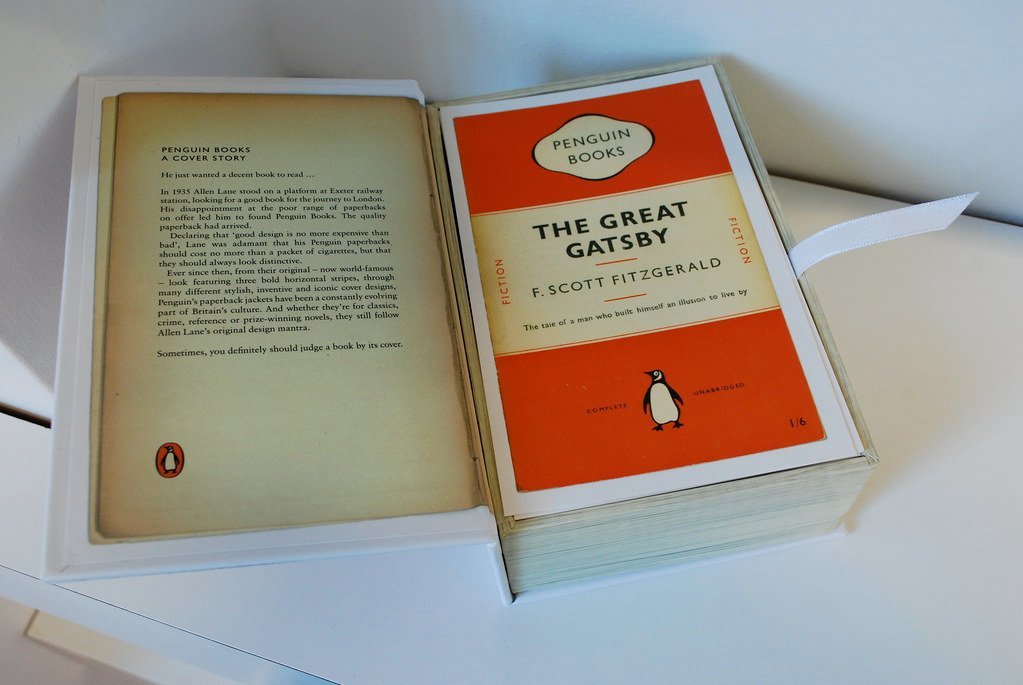
The Great Gatsby drew fire for its portrayal of the Jazz Age’s excesses. Challenged repeatedly for language and sexual references, critics labeled it vulgar and obscene.[1]
Schools and libraries pulled it from shelves over concerns about immorality. The book’s unflinching look at wealth and infidelity clashed with conservative values.[3]
Over time, its critique of the American Dream won acclaim. Now a high school staple, it sells millions and inspires films and adaptations.
Fitzgerald’s prose captures an era perfectly. Its themes of aspiration and loss resonate across decades.[2]
Lolita by Vladimir Nabokov
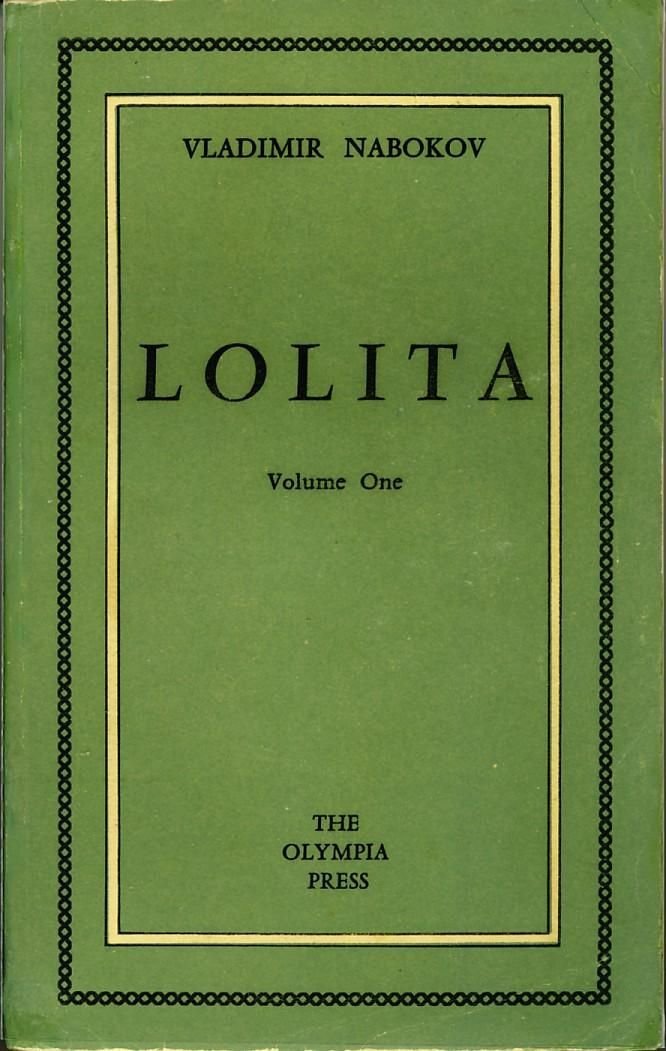
Vladimir Nabokov’s Lolita stunned readers in 1955 with its story of obsession and abuse. Banned in France, the UK, and parts of the US for obscenity and perversion, censors focused on its explicit content.[1]
The narrative voice of Humbert Humbert disturbed authorities. They feared it glamorized taboo subjects, leading to seizures and legal battles.
Courts eventually upheld its artistic merit. Lolita now ranks among the 20th century’s greatest novels, praised for its linguistic brilliance.
Nabokov’s wordplay and psychological depth endure. It prompts vital discussions on morality and art.[4]
The Catcher in the Rye by J.D. Salinger
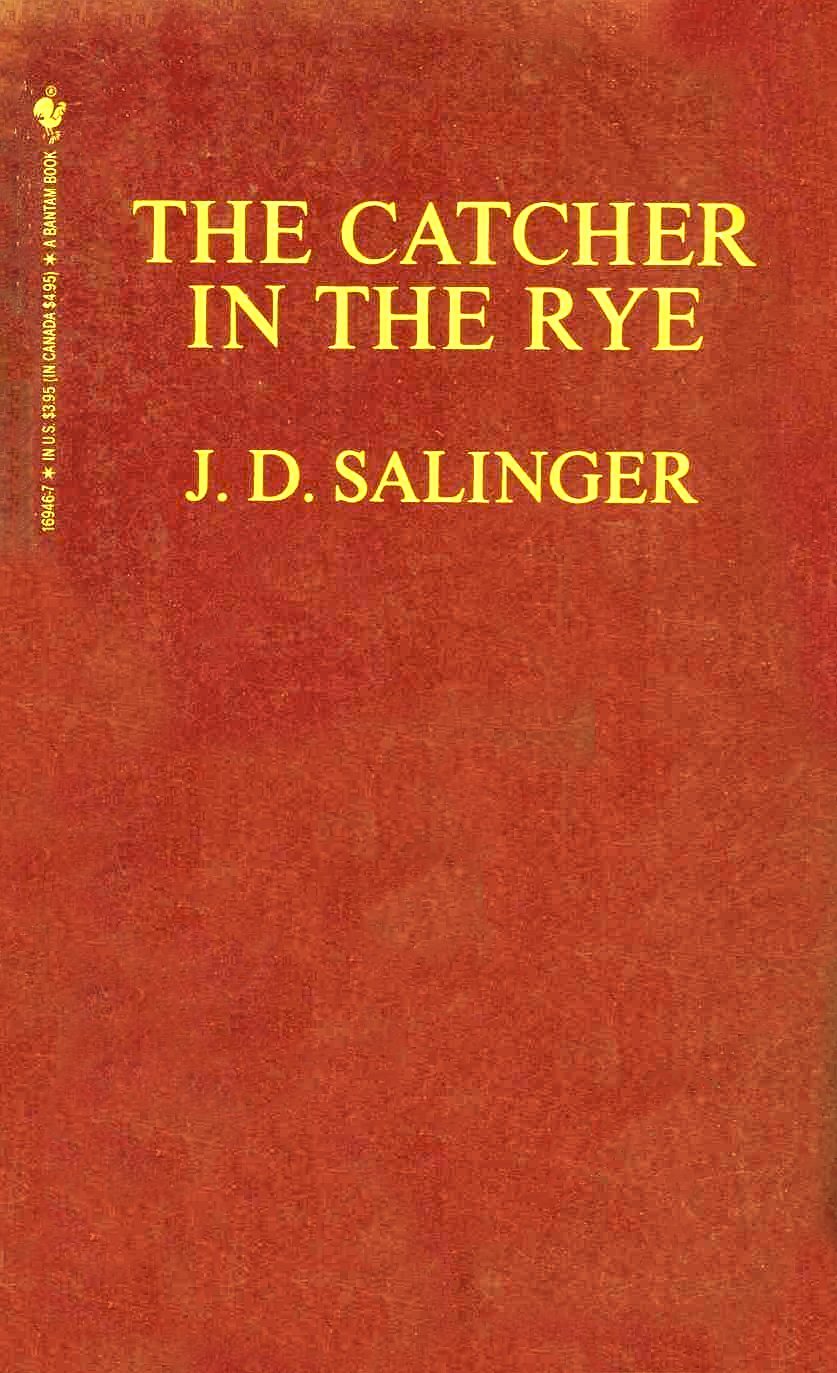
J.D. Salinger’s 1951 novel captured teenage angst but ignited outrage. Banned in schools for profanity, sexual references, and rebellion, it was seen as corrupting youth.[3]
Libraries challenged its “obscene” tone. Holden’s raw voice clashed with mid-century norms.[5]
Its honest portrayal of adolescence prevailed. The book became a rite of passage, influencing counterculture and modern YA literature.
Salinger’s work sells steadily decades later. It remains a touchstone for alienation.[2]
To Kill a Mockingbird by Harper Lee
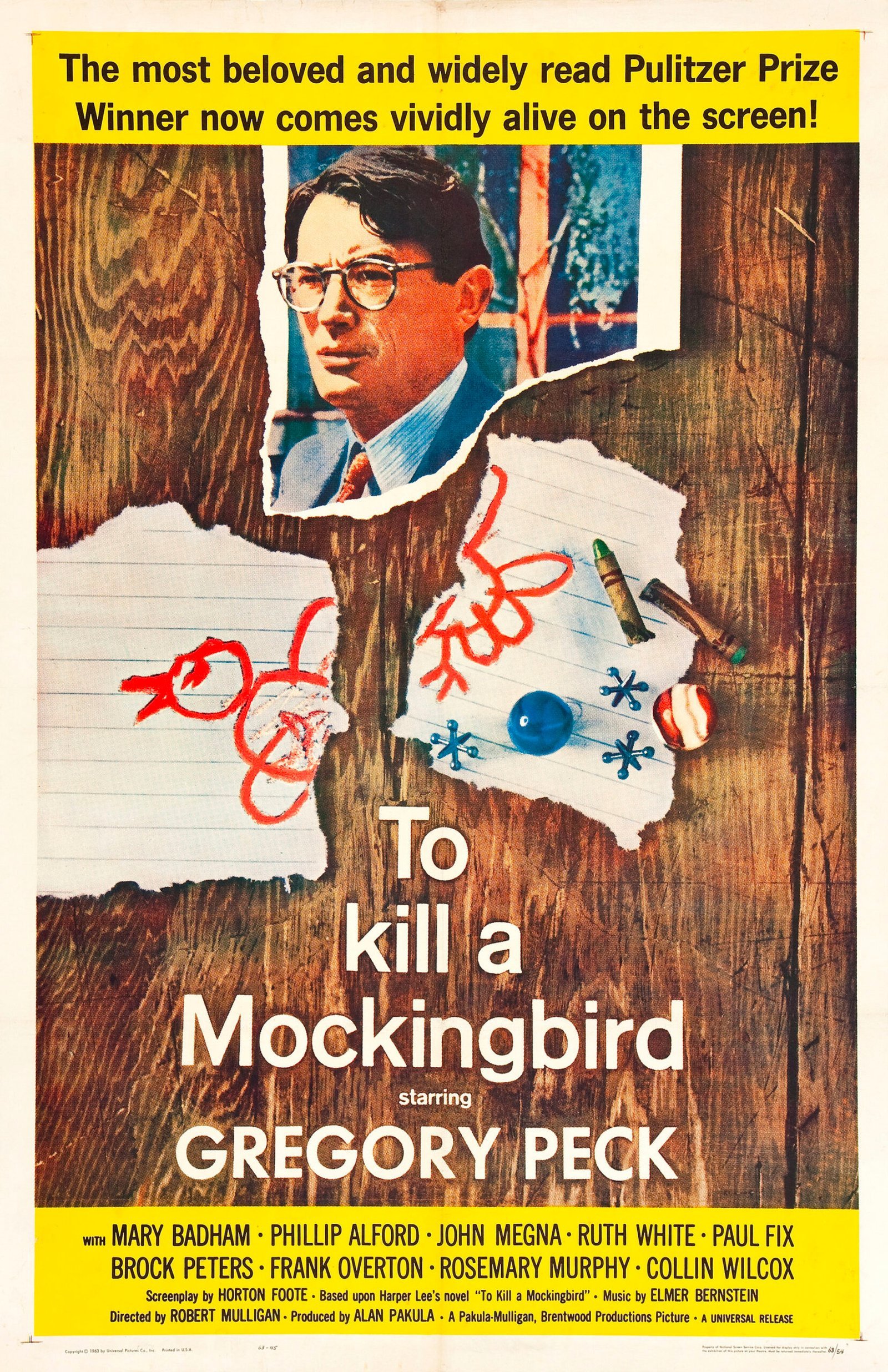
Harper Lee’s 1960 Pulitzer winner faced bans over racial themes and language. Southern schools objected to its depiction of injustice and use of slurs.[3]
Parents deemed it promoting sympathy for the wrong side. Profanity added to the controversy.
It endured as a moral compass on empathy. Now required reading nationwide, it shapes views on prejudice.
Lee’s story of Atticus Finch inspires activism. Films and awards solidify its legacy.[2]
The Grapes of Wrath by John Steinbeck
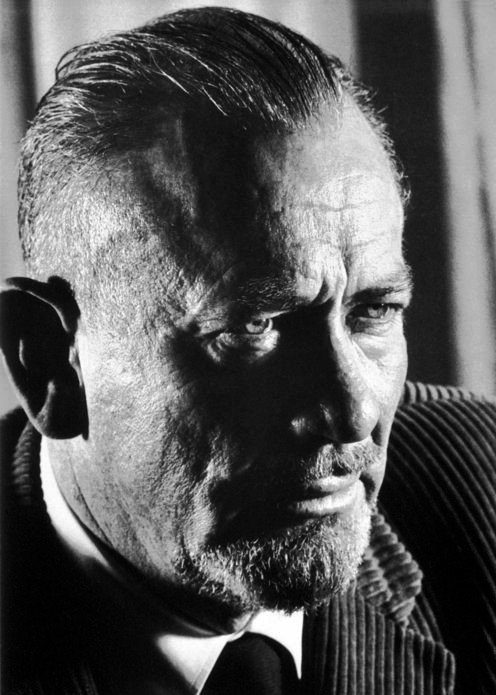
John Steinbeck’s 1939 epic on Dust Bowl migrants provoked fury. Banned for profanity, sexuality, and socialist leanings, California officials burned copies.[1]
Libraries rejected it as obscene. Its gritty realism offended the powerful.[5]
A Pulitzer and Nobel followed. The novel humanized the poor, influencing labor reforms.
Steinbeck’s saga endures in curricula. It captures resilience amid hardship.[3]
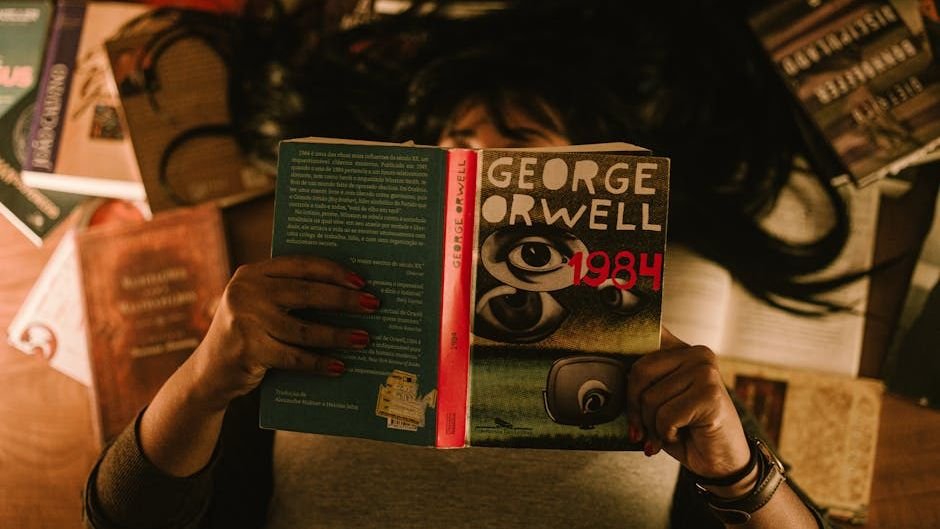
1984 by George Orwell
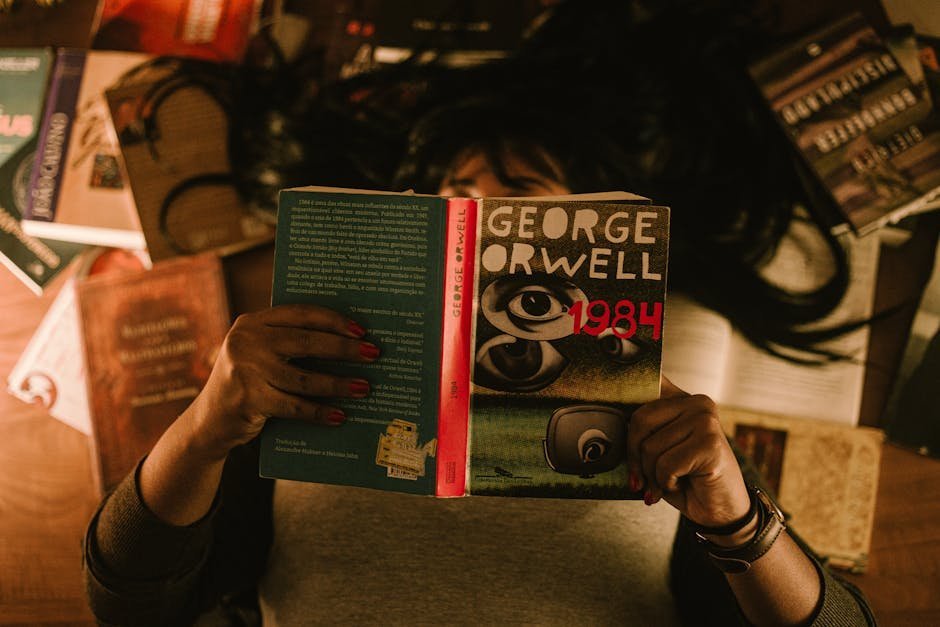
George Orwell’s 1949 dystopia warned of totalitarianism. Banned in the Soviet Union and elsewhere for political ideas and sexuality.[1]
Regimes saw its surveillance critique as subversive. Copies vanished under authoritarian rule.[2]
“Big Brother” entered the lexicon. It shapes debates on privacy and power today.
Orwell’s vision proves prescient. Schools teach it as essential prophecy.[6]
Animal Farm by George Orwell
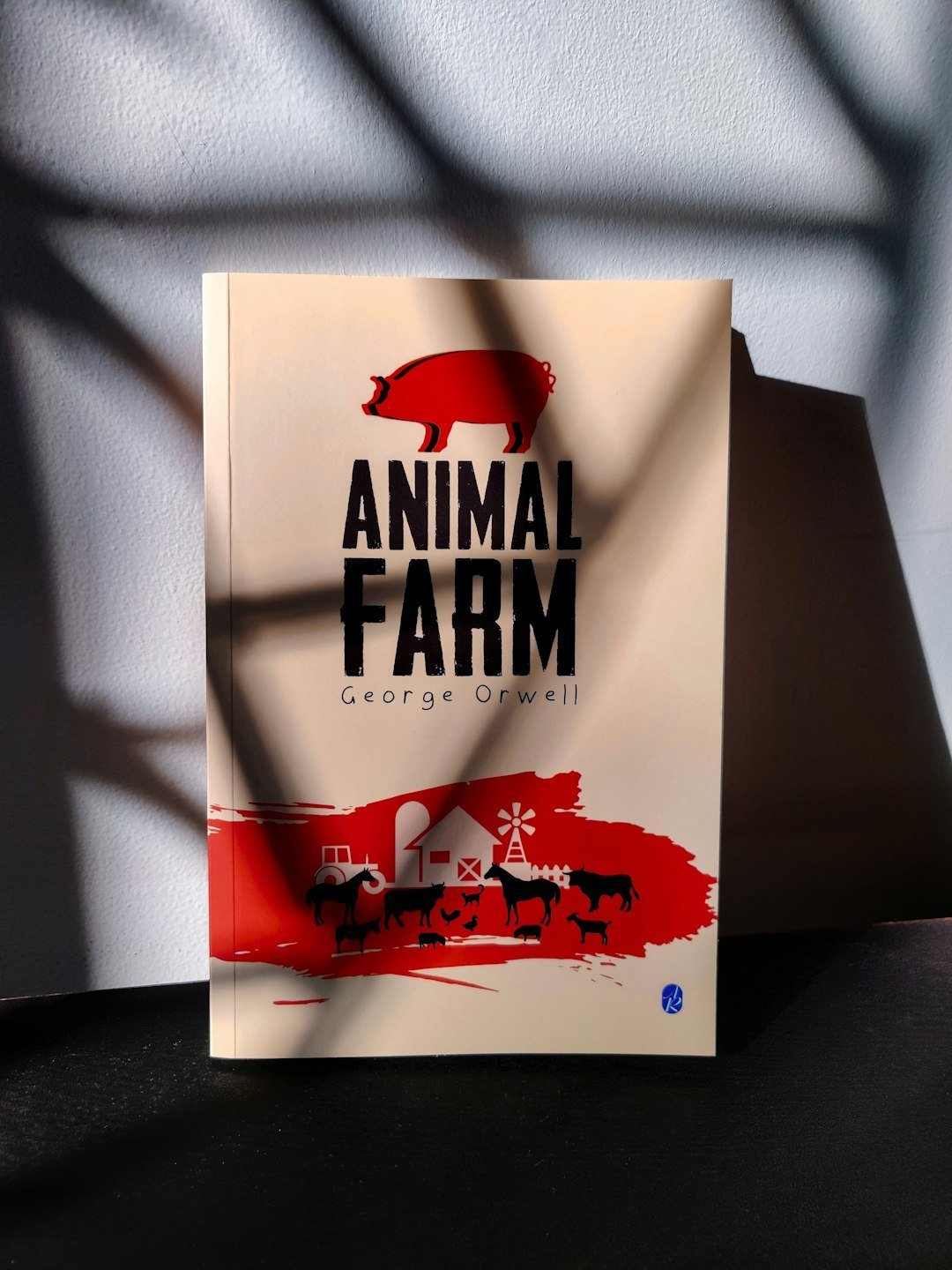
Orwell’s 1945 fable satirized Stalinism. Banned in the USSR and allied nations for its revolutionary allegory.[2]
Publishers hesitated over its bite. Pigs as leaders unnerved communists.[3]
It won acclaim for piercing insight. Now a staple, it warns against corruption.
The novella’s simplicity packs punch. It educates on power’s corruption.[6]
Brave New World by Aldous Huxley
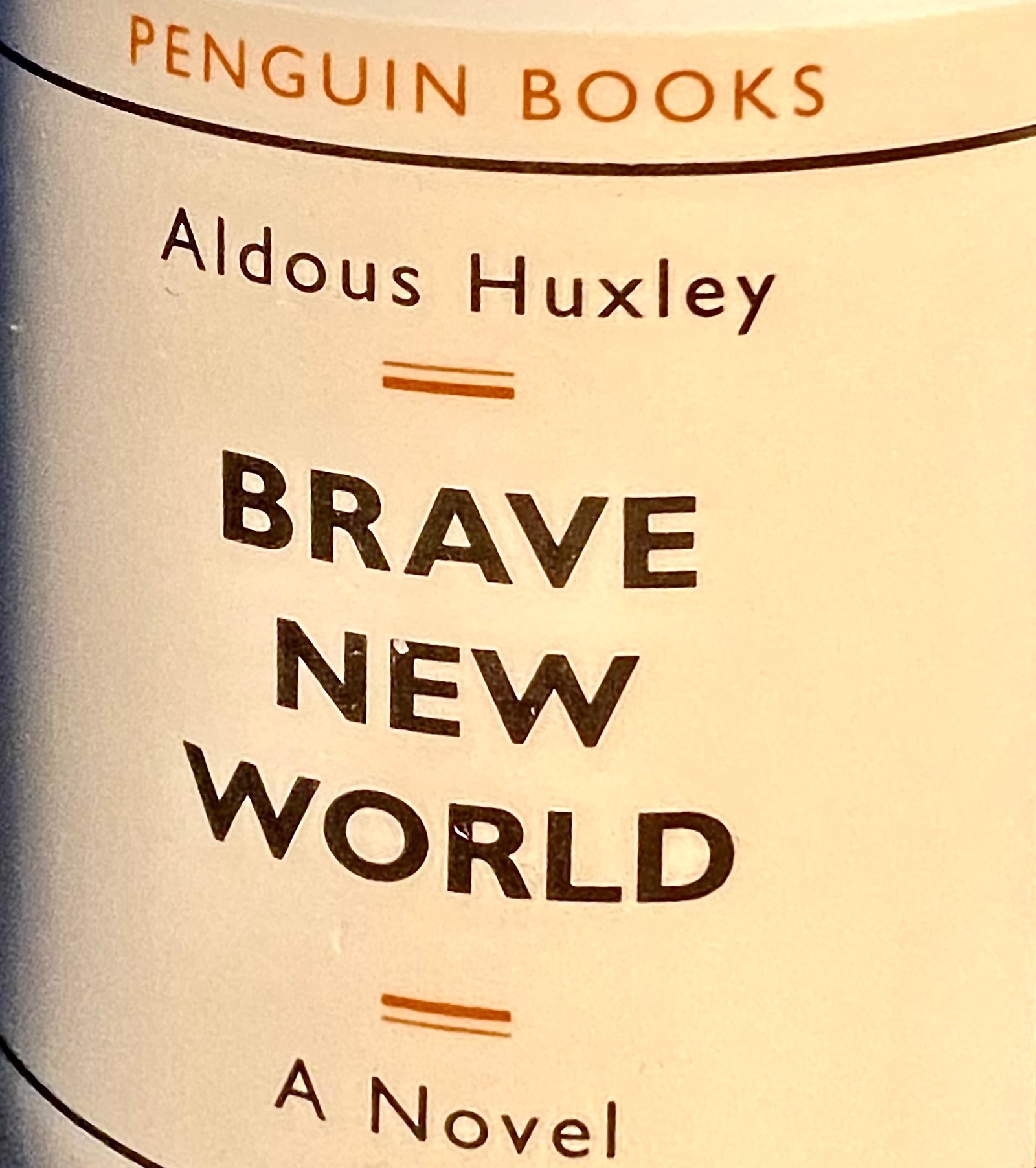
Aldous Huxley’s 1932 vision of hedonism shocked. Banned in Ireland and US schools for obscenity, drugs, and immorality.[1]
Sexuality and soma clashed with piety. Censors feared its futuristic vices.[2]
It contrasts with Orwell’s grimness. Huxley’s forecast influences bioethics talks.
The novel thrives in classrooms. Its questions on happiness linger.[3]
Fahrenheit 451 by Ray Bradbury
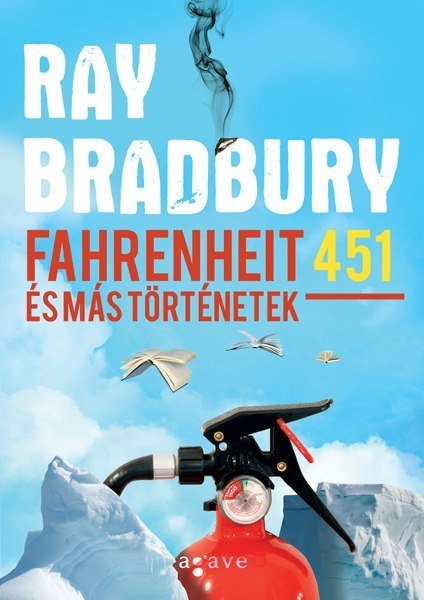
Ray Bradbury’s 1953 fireman tale ironically faced challenges. Banned for profanity, violence, and anti-Christian themes in some districts.[7]
Its book-burning plot hit too close. Schools pulled it amid censorship fears.[8]
The irony boosted its fame. It warns against suppressing ideas masterfully.
Bradbury’s work symbolizes free thought. Adaptations keep it alive.[2]
The Enduring Power of Banned Literature
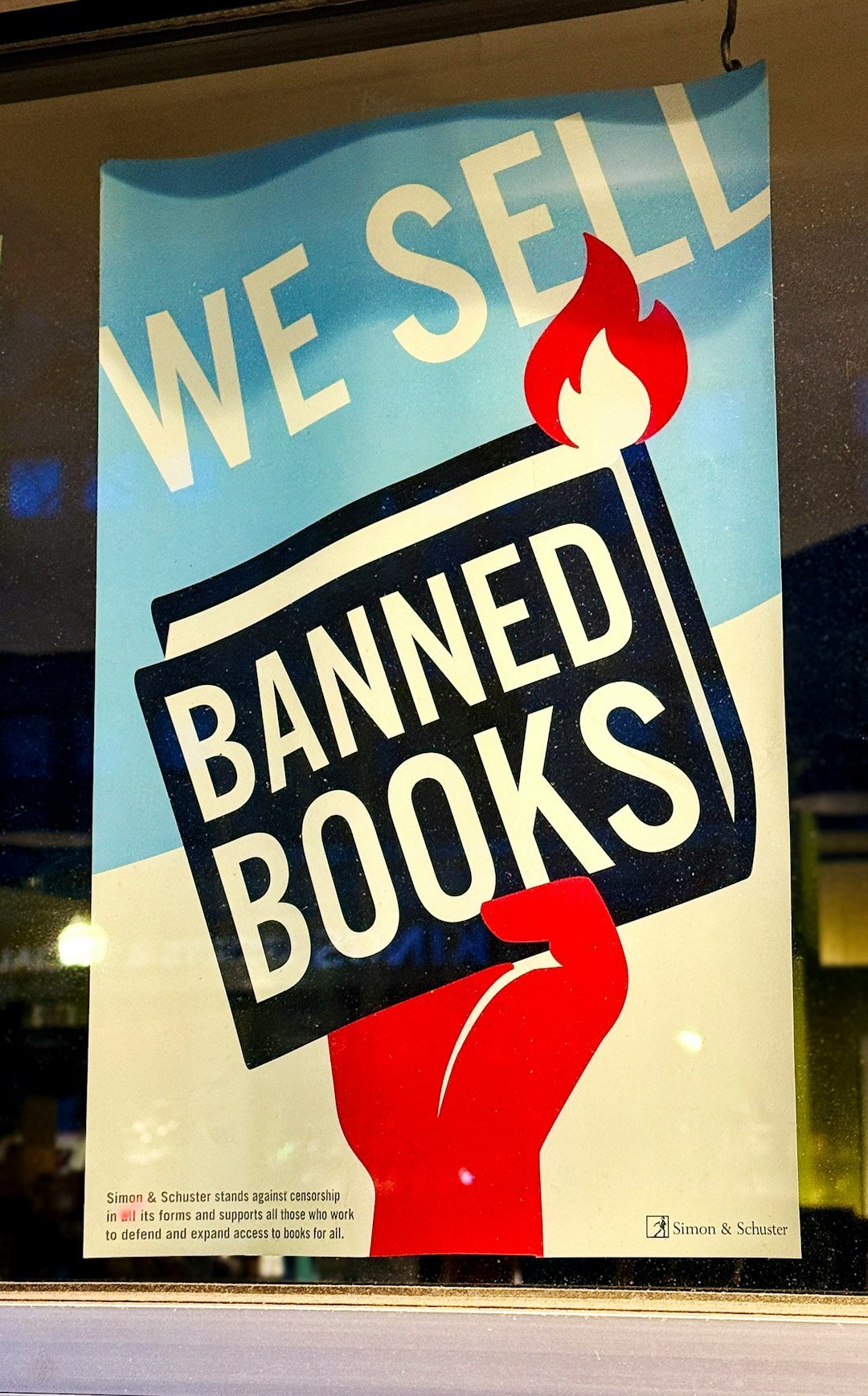
These stories outlast their suppressors. Attempts to silence them only amplified voices that needed hearing.
Literature bends but rarely breaks under pressure. Its quiet persistence reminds us why words matter most when they’re hardest to share.[2]
CEO-Co-Founder
