

For any feedback please reach out to info@festivalinside.com
- 12 Literary Feuds So Intense, They Changed the Course of Literature - August 11, 2026
- 10 Mysterious Disappearances of Famous Figures That Still Puzzle Experts - August 11, 2026
- 10 Foods We Thought Were American But Were Actually Invented Somewhere Else. - August 11, 2026
Weather has long played a pivotal role in human affairs. Storms at sea, relentless winters, and sudden fogs have intervened in critical moments, reshaping battles and empires.
These natural forces often arrive unbidden, turning the tide where strategy alone falls short. From ancient invasions to modern wars, climate patterns remind us of nature’s quiet power over history.[1][2]
The Spanish Armada’s Fateful Storms (1588)
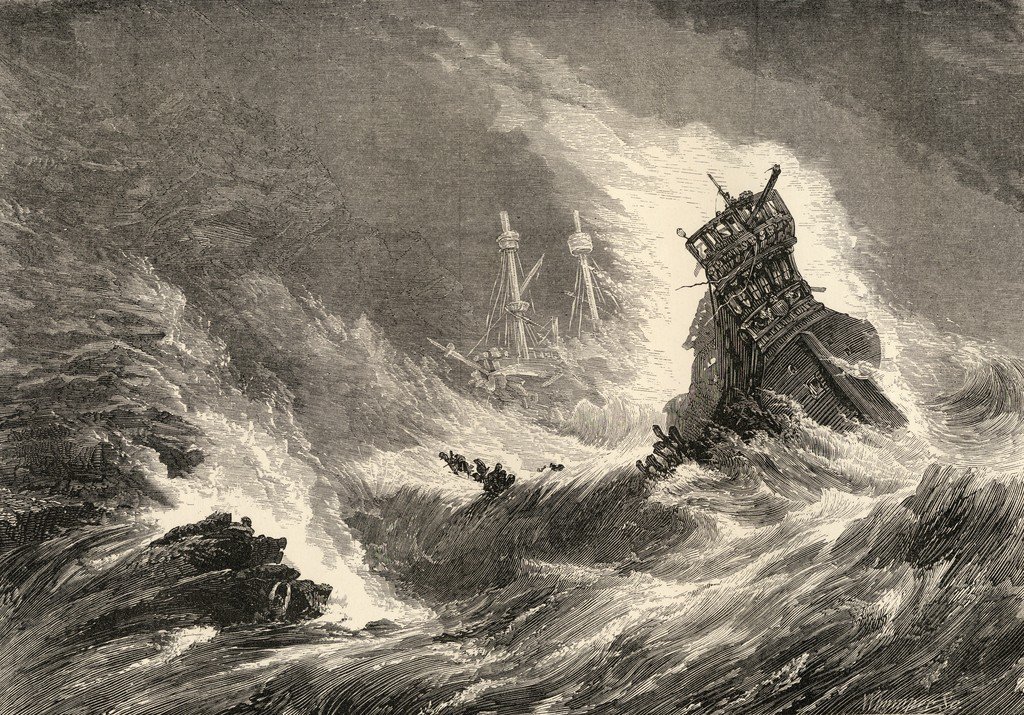
Spain launched its massive Armada of over 130 ships to invade England in July 1588. After clashes with English ships, the fleet anchored near Calais, France. Strong winds and waves from an Atlantic storm then struck, scattering the tightly packed vessels.[3]
The chaos forced the Spanish to cut anchors and flee northward. Subsequent gales off Ireland wrecked dozens of ships on rocky coasts. Fewer than half the fleet returned home, with thousands of sailors and soldiers lost. This disaster ended Spain’s naval supremacy and boosted England’s rise as a sea power.[1]
Mongol Typhoons Save Japan (1274 and 1281)

Kublai Khan sent huge invasion fleets from Korea toward Japan in both years. The first armada of about 900 ships neared the coast in 1274 before a typhoon battered it, sinking many vessels. Seven years later, an even larger force of thousands of ships faced another massive storm.[2]
Winds and waves destroyed much of the second fleet too, drowning tens of thousands. Japanese defenders repelled the survivors who made landfall. These “divine winds,” or kamikaze, halted Mongol expansion into the Pacific. The events fostered a legend of divine protection that echoed through Japanese history.[3]
Fog Shields Washington’s Retreat (1776)
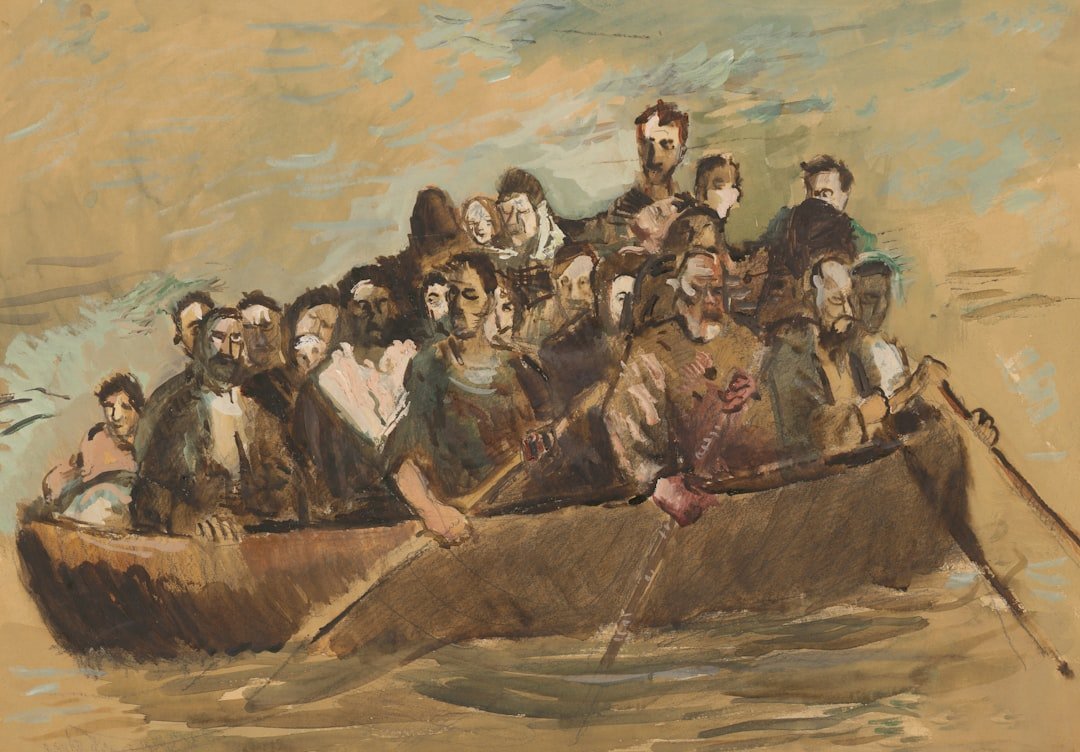
British forces trapped George Washington’s army in Brooklyn after a fierce battle in late August. Over two nights, Continental troops ferried across the East River to Manhattan. A thick fog blanketed the water, hiding the evacuation from British scouts and ships.[1]
Nearly 9,000 men escaped without detection or loss. Capture would have crippled the Revolution early on. This preserved American forces for later victories. Fog proved a silent ally in the fight for independence.[4]
Napoleon’s Army Crushed by Russian Winter (1812)
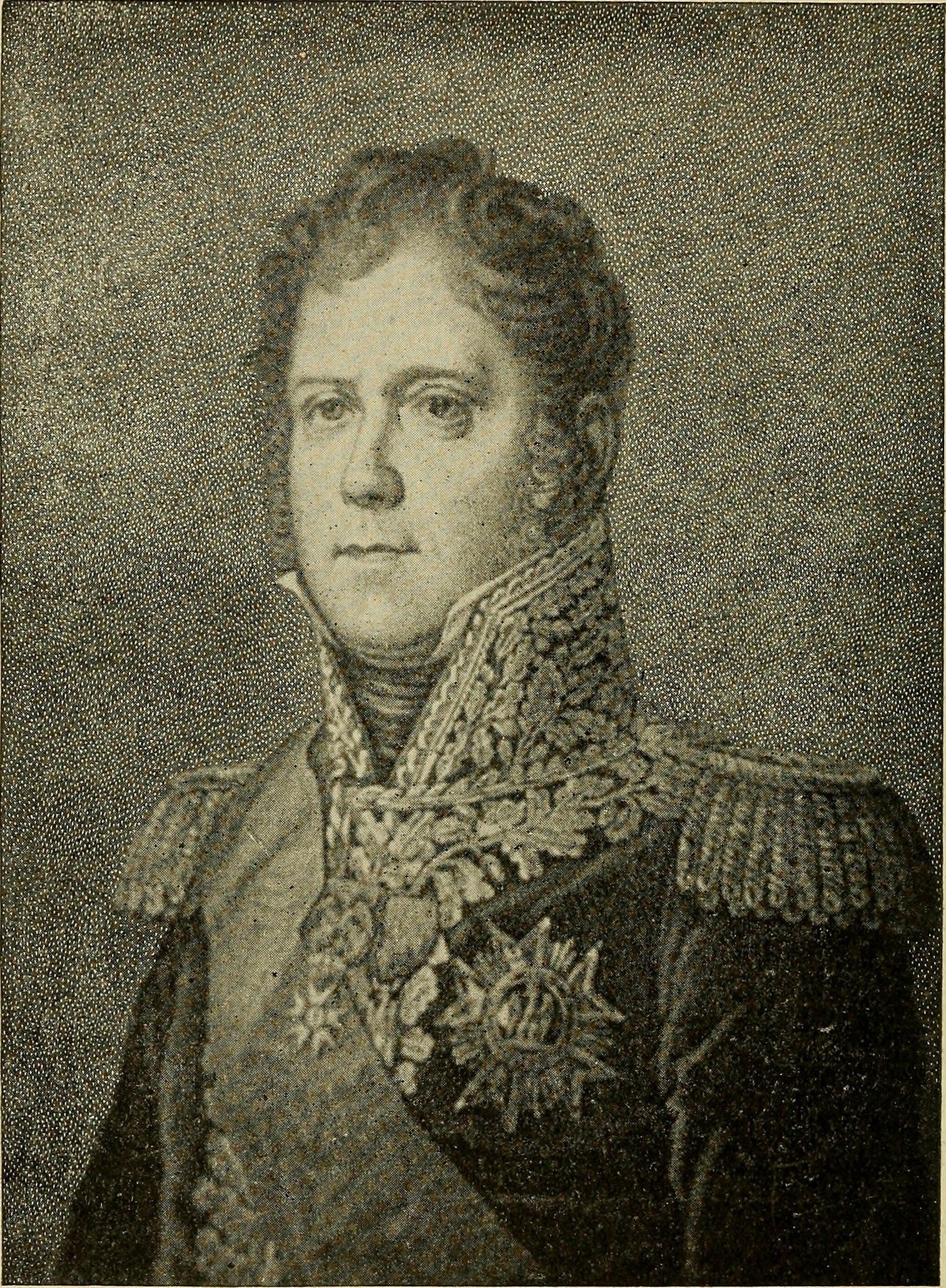
Napoleon invaded Russia with over 600,000 troops in June, reaching Moscow by September. Early frosts turned harsh as they retreated, with temperatures plunging to 40 degrees below zero. Snow buried roads, and ice claimed horses critical for supplies.[4]
Starvation, disease, and cold reduced the Grande Armée to about 100,000 survivors. Cossacks harried the stragglers amid blizzards. The campaign’s failure eroded Napoleon’s aura of invincibility. It paved the way for his eventual downfall and shifted European power balances.[3]
Waterloo’s Soaking Rains (1815)
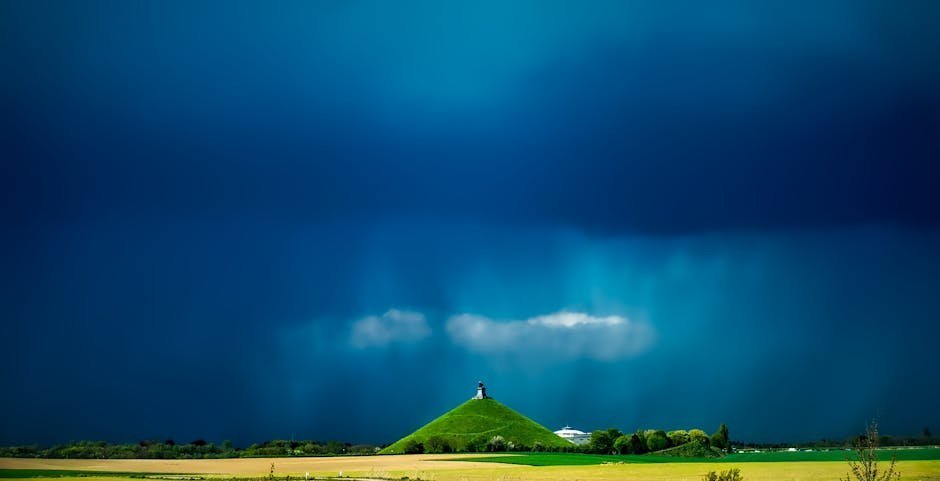
Heavy downpours drenched the Waterloo battlefield the night before the June 18 clash. Fields turned into quagmires, bogging down Napoleon’s artillery and cavalry charges. French troops delayed their morning assault, losing crucial hours.[2]
Prussian reinforcements arrived intact thanks to drier paths elsewhere. Mud hampered French maneuvers throughout the day. Defeat here ended Napoleon’s Hundred Days return. The rain-soaked ground sealed his final exile.[1]
Mud and Frost Halt Operation Barbarossa (1941)
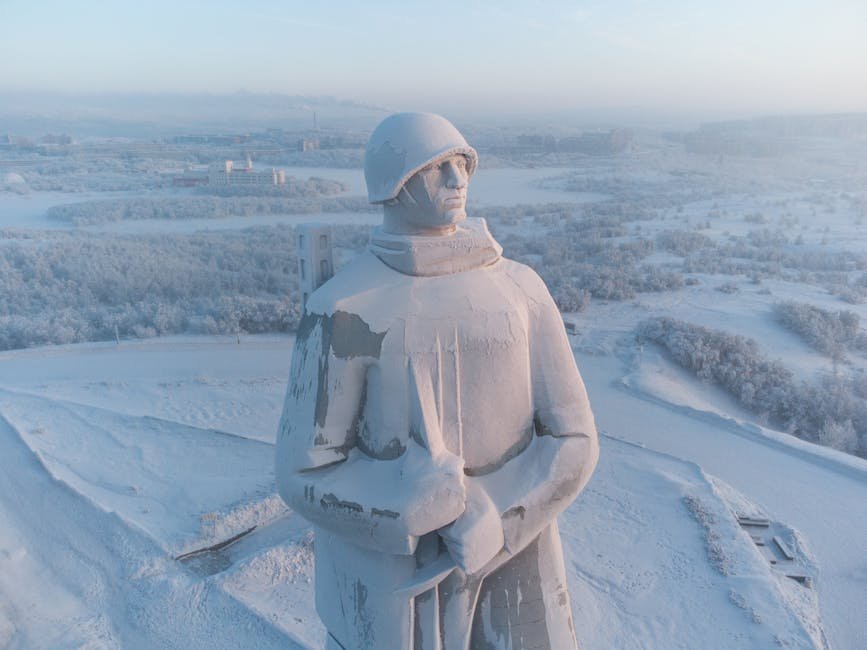
Germany launched its massive invasion of the Soviet Union in June with over 3 million troops. Autumn rains created the rasputitsa, vast mud fields that stalled tanks and trucks for weeks. An early, brutal winter followed, with temperatures to minus 30 degrees Fahrenheit.[5]
Germans lacked winter gear, suffering massive frostbite casualties. Soviet reserves counterattacked toward Moscow. The advance ground to a halt short of the capital. This marked the turning point on the Eastern Front.[1]
D-Day’s Narrow Weather Window (1944)
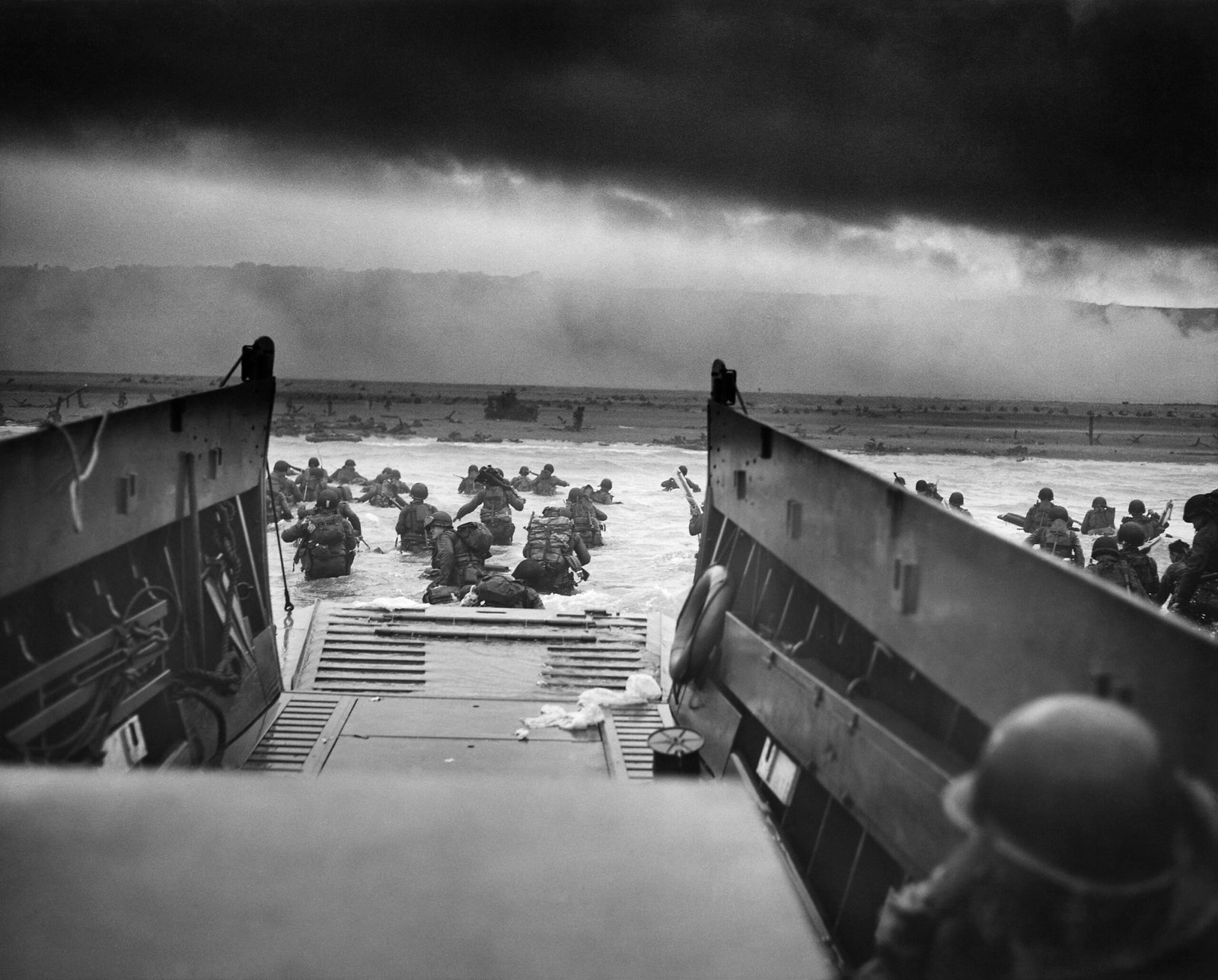
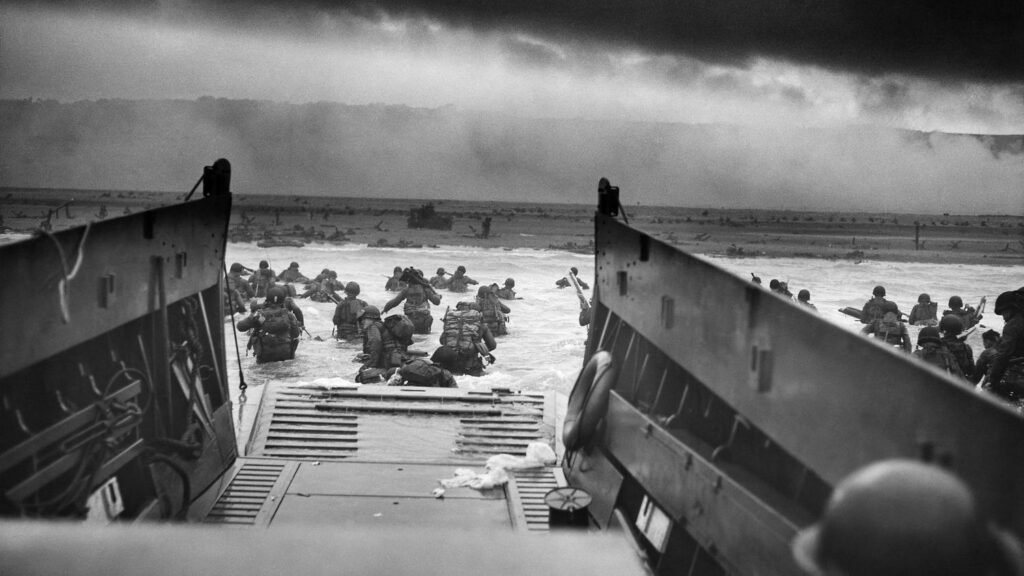
Allied planners eyed June 5 for Normandy landings, but fierce Channel storms forced a delay. Winds up to 40 mph and high waves threatened boats and paratroops. Meteorologists spotted a brief calm on June 6.[4]
Over 150,000 troops landed amid low clouds and rough seas, but success followed. A later gale from June 19 would have sunk landing craft. Superior forecasts outpaced German predictions. The invasion opened Europe’s second front against Hitler.[1]
Clouds Redirect Nagasaki Bombing (1945)
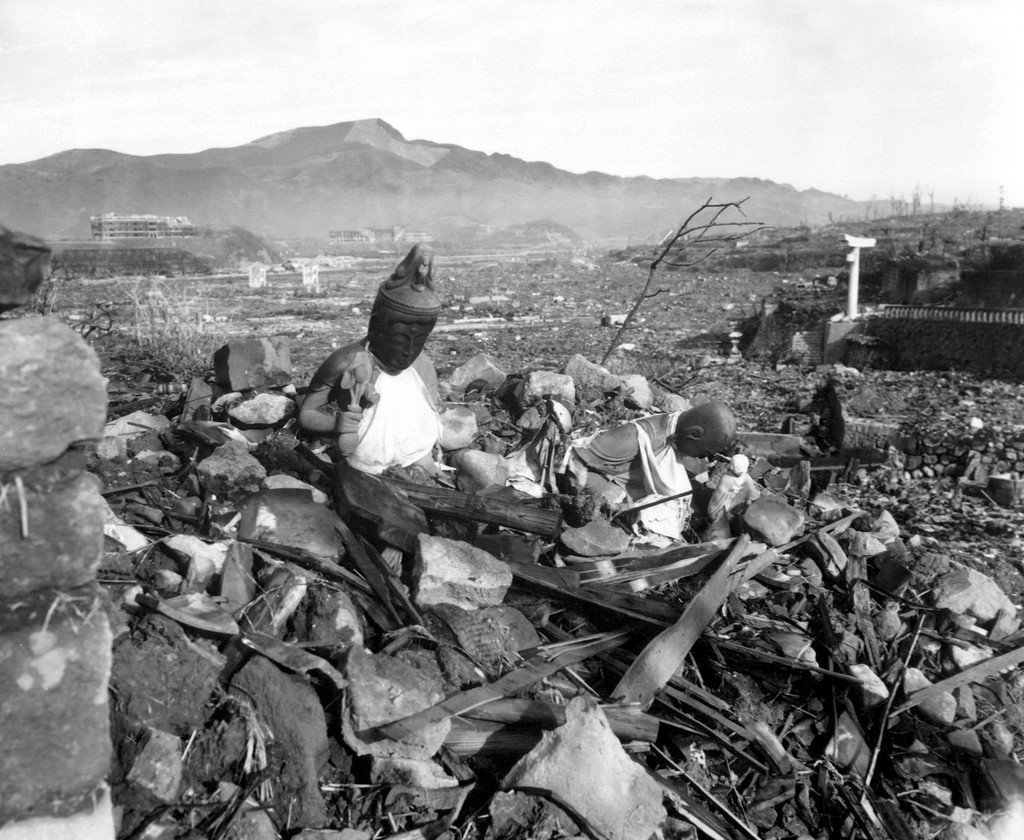
On August 9, the B-29 Bockscar targeted Kokura with its atomic bomb. Dense clouds and smoke from prior firebombings obscured the city after multiple passes. Fuel low, the crew shifted to secondary target Nagasaki.[3]
A momentary cloud break allowed the drop, devastating the city and killing tens of thousands. Kokura escaped destruction. This hastened Japan’s surrender, ending World War II. Weather chose which city bore the bomb’s horror.[5]
Nature’s Unpredictable Hand in History
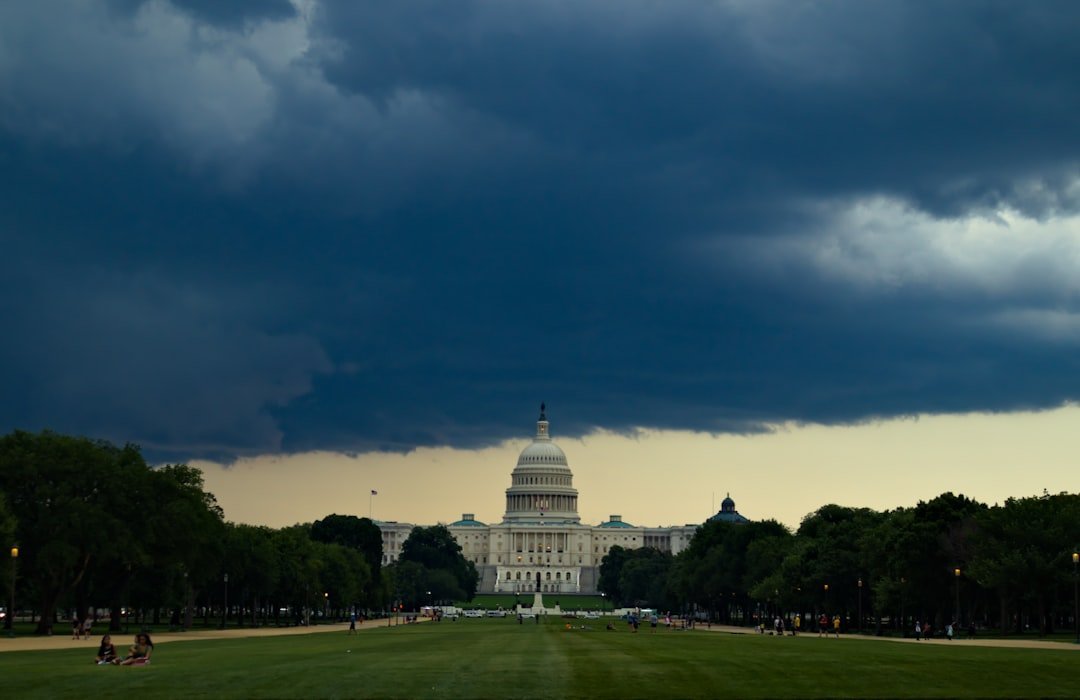
These episodes show weather as an impartial force, aiding underdogs or dooming the mighty. Armies planned meticulously, yet a storm or freeze upended fates.
Today, with advanced forecasts, leaders still grapple with nature’s whims. History whispers that human ambition bends to the skies. Understanding this humbles our view of progress.[2]

Christian Wiedeck, all the way from Germany, loves music festivals, especially in the USA. His articles bring the excitement of these events to readers worldwide.
For any feedback please reach out to info@festivalinside.com
