

- 15 Rock Anthems That Defined a Generation and Still Sound Amazing Today - August 11, 2026
- 12 Unforgettable Movie Quotes You Can Still Use in Everyday Conversation. - August 11, 2026
- 10 Music Festivals That Changed the World - August 11, 2026
Philosophy has long served as the bedrock for how humans understand their place in the world. Certain ideas, born from intense questioning, have rippled through ethics, politics, and science, challenging assumptions and forging new paths.
These concepts did not merely spark debates in dusty academies. They reshaped laws, inspired revolutions, and even influenced the scientific method, proving that abstract thought can drive concrete change.
Plato’s Theory of Forms
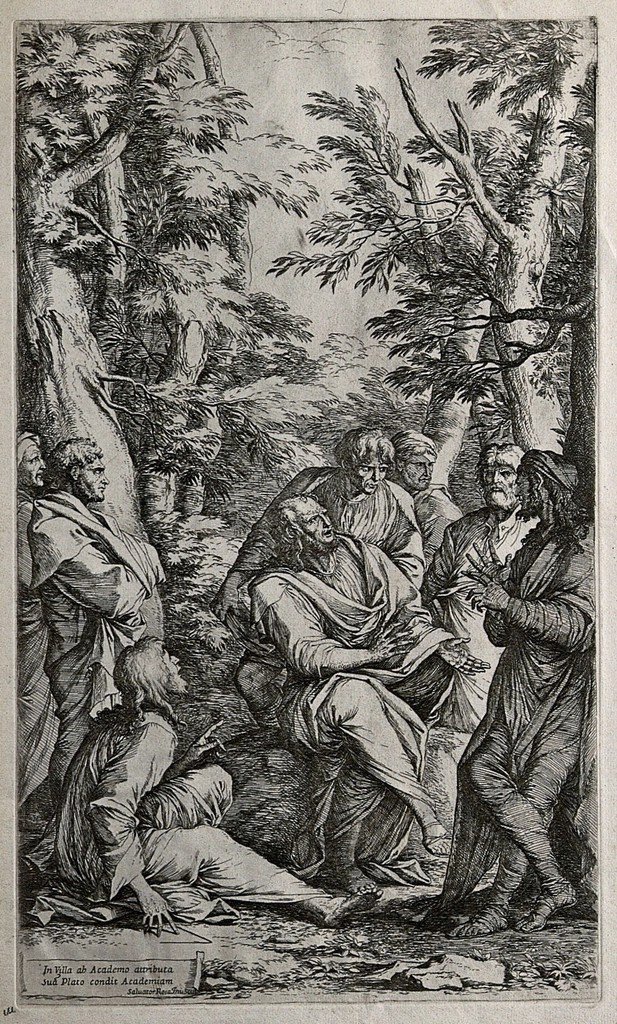
Plato proposed that the physical world we perceive is merely a shadow of perfect, eternal Forms or Ideas existing in a higher realm. True knowledge, he argued, comes from grasping these unchanging ideals through reason rather than sensory experience. This dualism separated the imperfect material world from the realm of pure truth.
The Theory of Forms profoundly influenced Western metaphysics and epistemology. It laid groundwork for Christian theology, with its perfect divine realm, and inspired later idealists like Hegel. In politics, Plato’s Republic envisioned a society ruled by philosopher-kings attuned to these Forms, echoing in utopian visions ever since. Science, too, borrowed this pursuit of underlying principles, from geometry to modern physics.
Aristotle’s Logic and Empiricism
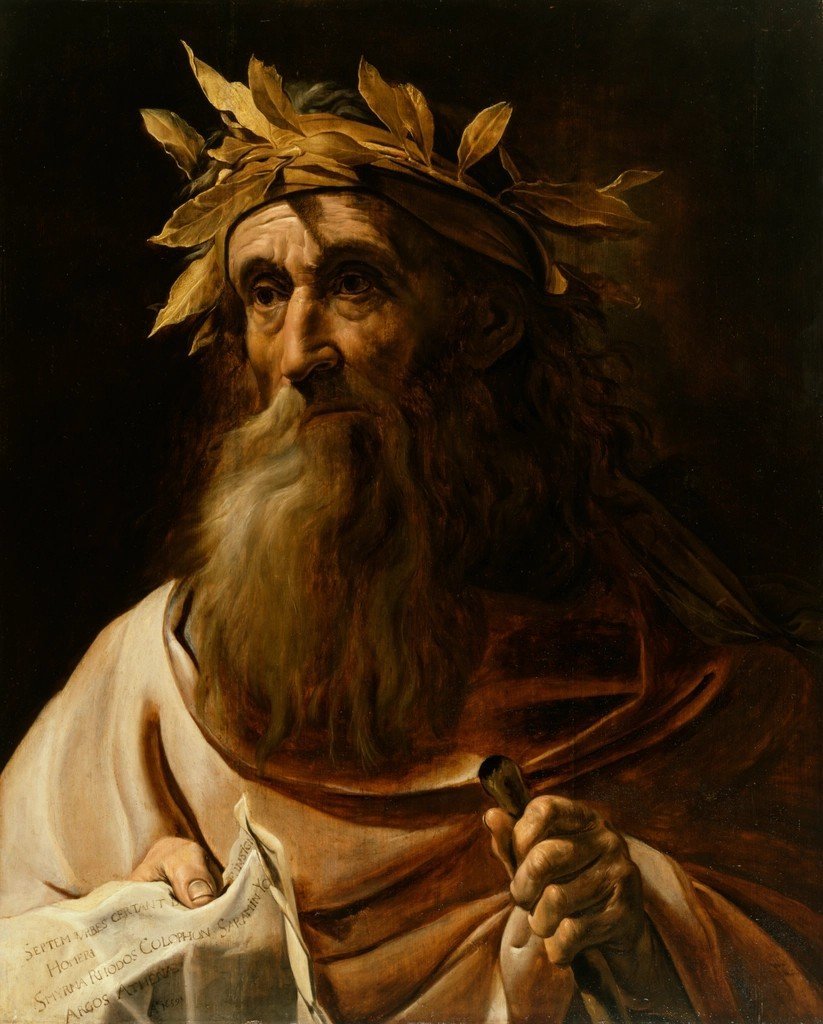
Aristotle developed syllogistic logic, a system for deductive reasoning that structured arguments into premises leading to conclusions. He emphasized empirical observation, categorizing natural phenomena and seeking causes through methodical study. This blend of logic and experience marked a shift from pure speculation.
His work became the foundation of formal logic, enduring through medieval scholasticism into the scientific revolution. Thinkers like Galileo and Newton built on Aristotelian methods, refining them for experimentation. In ethics and politics, his golden mean and classification of governments influenced constitutional thought. Even today, his categories shape taxonomy in biology and computer science algorithms.
Descartes’ Methodical Doubt and Cogito
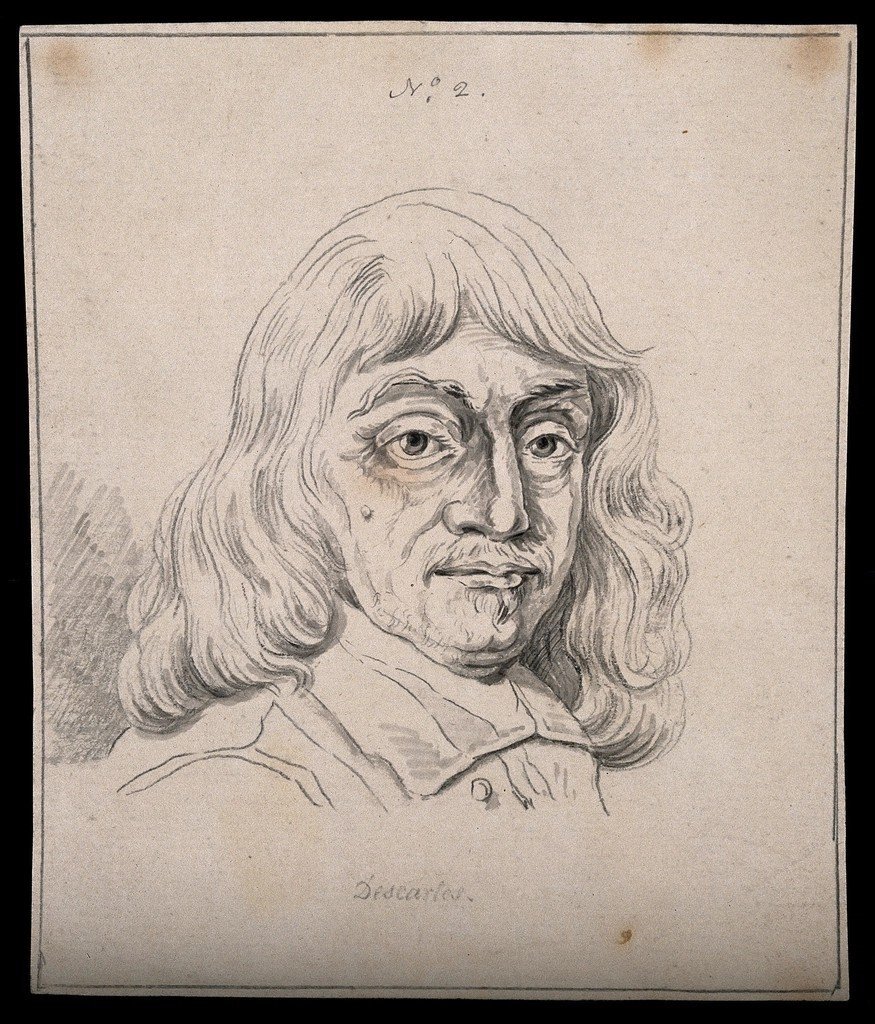
René Descartes began with radical doubt, questioning all beliefs that could possibly be false, including senses and even mathematics. Amid this skepticism, he arrived at “I think, therefore I am,” establishing the self as the indubitable foundation of knowledge. From there, he rebuilt certainty through clear and distinct ideas.
This cogito revolutionized philosophy by prioritizing the thinking subject, birthing modern rationalism and subjectivism. It influenced epistemology, from epistemology’s focus on mind-body dualism to psychology’s exploration of consciousness. Politically, it supported individual autonomy against dogma. Science gained a model for rigorous skepticism, echoing in hypothesis testing.
John Locke’s Tabula Rasa
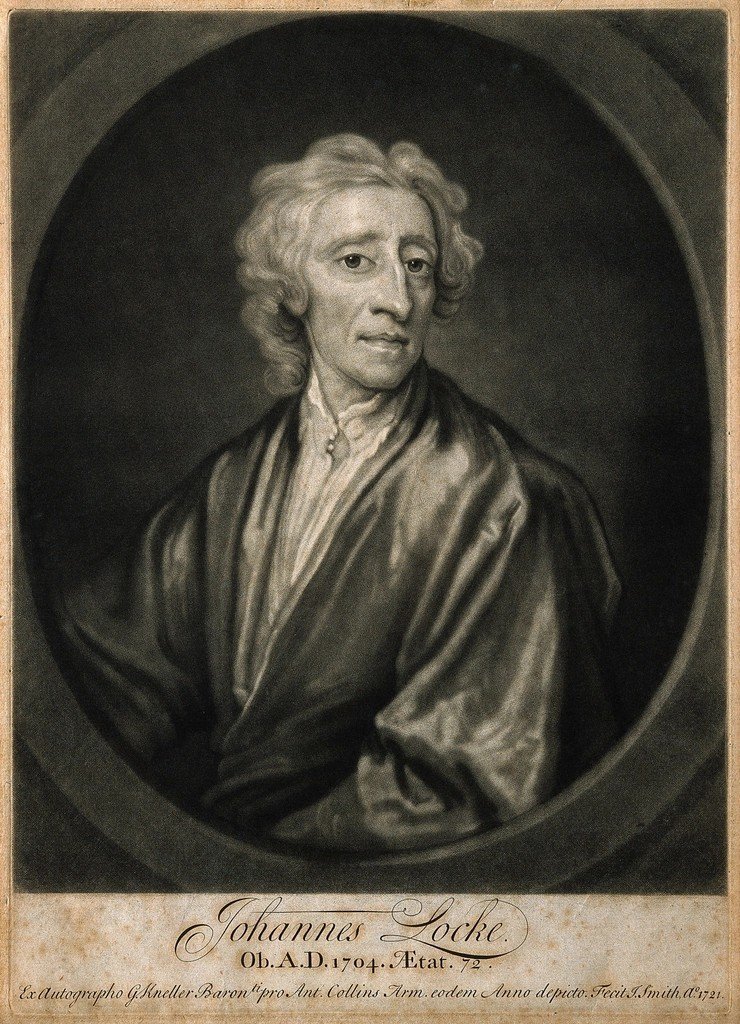
Locke viewed the human mind as a blank slate at birth, filled through sensory experience and reflection. Rejecting innate ideas, he argued knowledge arises from empiricism, with simple ideas combining into complex ones. This empiricist stance challenged rationalist innatism.
Locke’s idea transformed education, emphasizing environment over heredity, and inspired progressive schooling. In politics, it underpinned social contract theory and natural rights, fueling the Enlightenment and American Revolution. Psychology adopted it as a basis for behaviorism. Even neuroscience today probes how experiences wire the brain.
Immanuel Kant’s Categorical Imperative
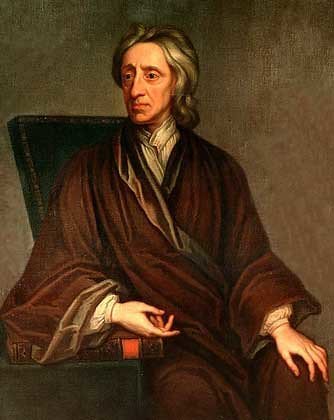
Kant distinguished the phenomenal world of appearances, shaped by our minds, from the noumenal world of things-in-themselves. His categorical imperative demanded acting only on maxims universalizable as laws, grounding ethics in reason rather than consequences or divine command. Duty, not inclination, defines morality.
This deontological ethics reshaped moral philosophy, influencing human rights declarations and legal theory. It countered utilitarianism by prioritizing individual dignity. Politically, it supported cosmopolitanism and perpetual peace. Science benefited from Kant’s critiques, clarifying limits of reason in metaphysics versus empirical inquiry.
John Stuart Mill’s Utilitarianism
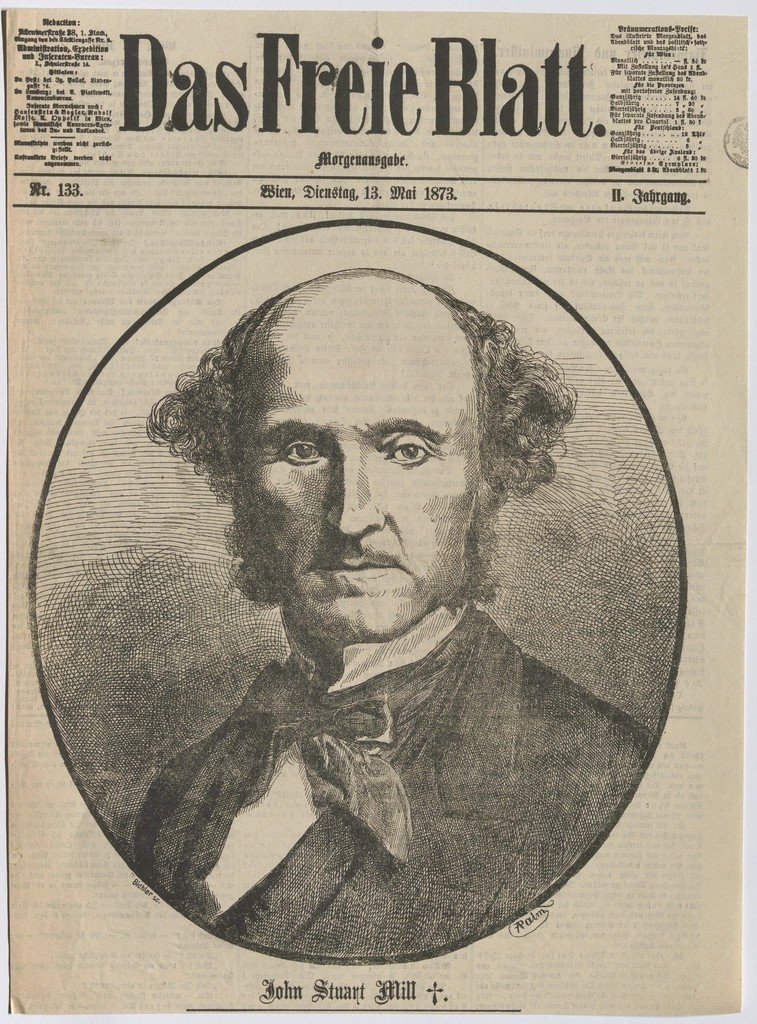
Mill refined utilitarianism, measuring right actions by their tendency to promote happiness for the greatest number. He distinguished higher intellectual pleasures from base ones, advocating liberty as essential for utility. Harm principle limited interference to prevent damage to others.
Utilitarianism permeated economics, policy, and law, from welfare systems to cost-benefit analysis. It drove social reforms like abolition and women’s suffrage. Critiques spurred virtue ethics revivals, yet its calculus persists in public health and AI ethics. Politically, it justified democracy as maximizing collective welfare.
Friedrich Nietzsche’s Will to Power
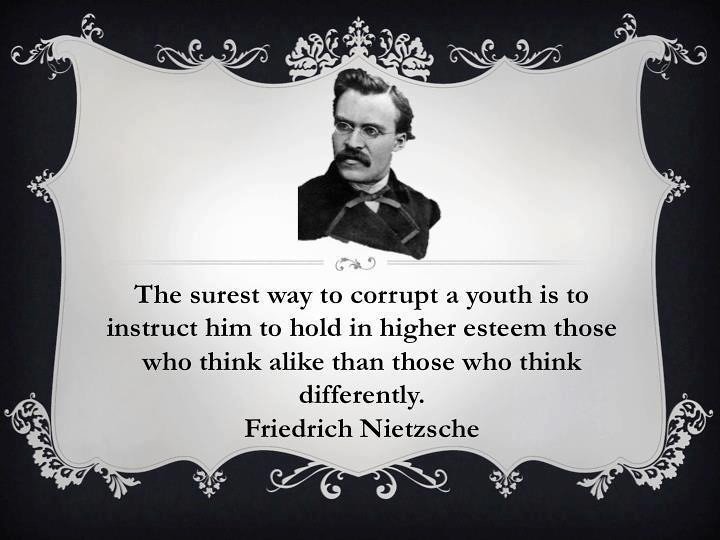
Nietzsche declared God dead, critiquing slave morality rooted in resentment and pity. He posited the will to power as life’s fundamental drive, urging affirmation of existence through creativity and overcoming. Eternal recurrence tested living as if life repeats forever.
His ideas disrupted traditional values, inspiring existentialism and postmodernism. Existentialists like Sartre explored freedom amid nihilism. Politically, they influenced both fascist misappropriations and libertarian individualism. Psychology drew on them for self-actualization theories, while culture embraced Dionysian vitality over Apollonian order.
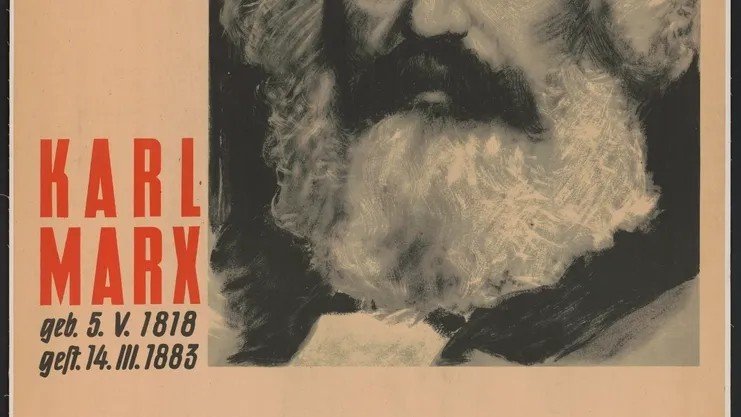
Karl Marx’s Historical Materialism
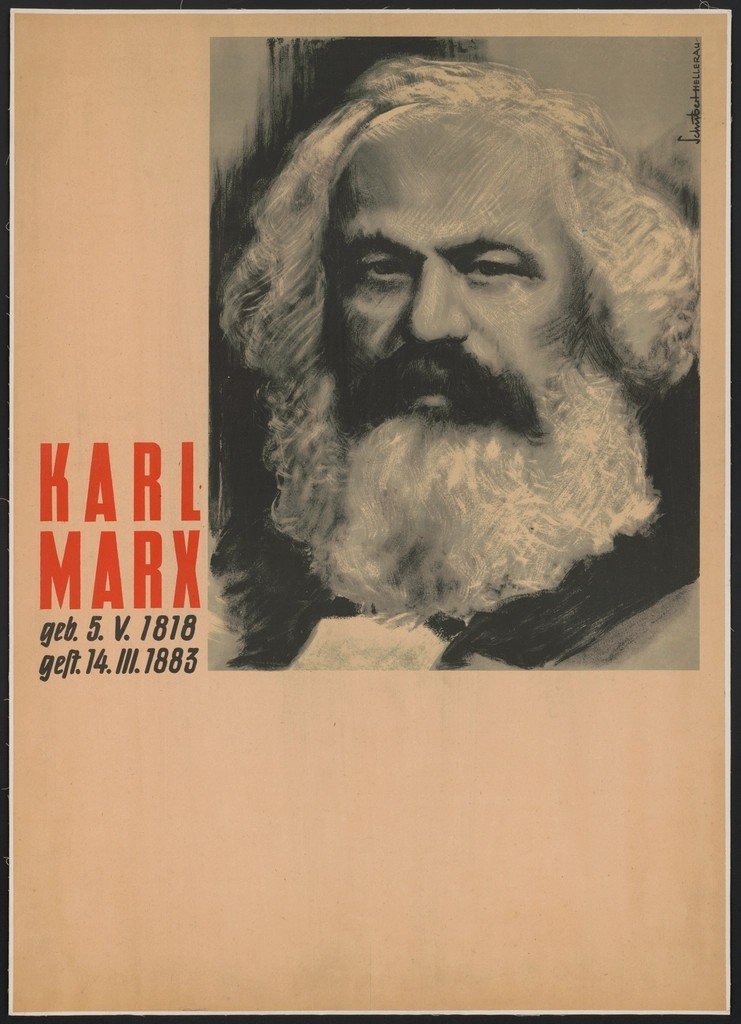
Marx saw history as class struggle driven by material conditions, with economic base determining superstructure of ideas and institutions. Capitalism’s contradictions would lead to proletarian revolution and communism. Alienation from labor marked modern suffering.
This framework revolutionized social sciences, from sociology to economics. It inspired labor movements, revolutions in Russia and China, and decolonization. Critiques birthed analytic Marxism and neoliberal responses. Today, it informs inequality debates and critiques of globalization.
Philosophy’s Enduring Legacy

These ideas demonstrate philosophy’s power to redefine human possibilities. They continue evolving, adapting to new challenges like technology and climate.
By questioning fundamentals, philosophy ensures thought remains alive and civilization progresses. Its quiet revolutions remind us that ideas, once unleashed, shape destinies long after their originators fade.
CEO-Co-Founder
