
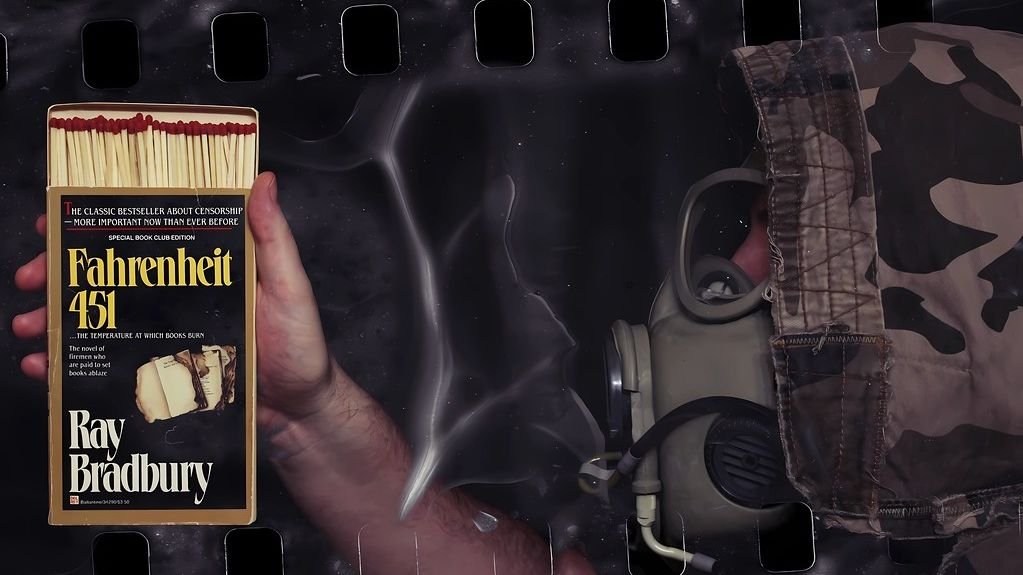
Speculative fiction has a knack for peering into the future. Writers imagine worlds that echo our own realities, often spotting political shifts, technological leaps, and social changes decades ahead.
These stories serve as mirrors and warnings. They capture the essence of human innovation and folly, making the unbelievable feel all too familiar today.[1]
1984 by George Orwell

George Orwell’s 1949 novel depicts a totalitarian regime where telescreens monitor every citizen’s actions and thoughts. Big Brother’s watchful eye enforces absolute loyalty through constant surveillance and propaganda. The regime manipulates language itself with Newspeak to limit rebellious ideas.
Today’s digital age mirrors this vision with smartphones and smart devices tracking movements and conversations. Governments and corporations harvest data on a massive scale, raising concerns over privacy erosion. Cancel culture and misinformation campaigns evoke the thought police, where dissent faces swift backlash.[2]
Brave New World by Aldous Huxley

Aldous Huxley’s 1932 dystopia features a society engineered for stability through genetic castes, mood-altering drugs like Soma, and endless consumerism. Citizens embrace shallow pleasures over deep reflection, conditioned from birth to accept their roles. Reproduction happens in labs, erasing natural family bonds.
Social media feeds deliver dopamine hits much like Huxley’s feelies and Soma, fostering addiction to instant gratification. Genetic editing tools like CRISPR echo the novel’s Bokanovsky Process. Consumer culture dominates, where happiness trumps critical thinking in daily life.[3]
Privacy yields to comfort in this engineered bliss.
Fahrenheit 451 by Ray Bradbury
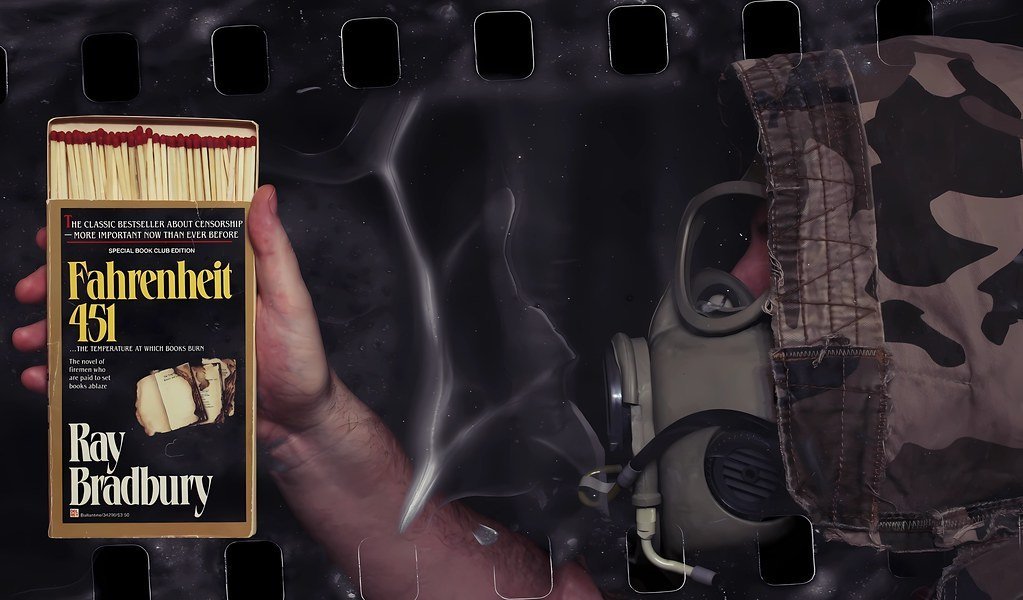
Ray Bradbury’s 1953 tale shows firemen burning books in a world addicted to interactive wall screens and seashell earbuds. Society shuns deep reading for fast entertainment, leading to shallow interactions. Books spark dangerous independent thought, so they must vanish.
Streaming services and social media prioritize short-form videos over long reads today. Attention spans shrink amid constant notifications and earbuds piping endless audio. Intellectual pursuits fade as visual media dominates leisure time.[4]
Neuromancer by William Gibson

William Gibson’s 1984 cyberpunk classic introduces cyberspace, a virtual realm where hackers jack in via neural interfaces. Corporations wield immense power, blurring lines between physical and digital worlds. AI entities operate beyond human control in this matrix.
The internet exploded soon after, with virtual reality and hacking central to modern life. Tech giants like Google shape global information flows. Online identities and cyber threats make Gibson’s visions strikingly current.[2]
The Handmaid’s Tale by Margaret Atwood

Margaret Atwood’s 1985 novel portrays Gilead, a theocracy born from environmental collapse and religious extremism. Fertile women become handmaids, stripped of rights for reproductive purposes. Power consolidates through gradual erosion of freedoms.
Debates over reproductive rights and authoritarian rises parallel the story’s warnings. Climate crises amplify social tensions, much like the novel’s backstory. Women’s autonomy remains a flashpoint in politics worldwide.[4]
Parable of the Sower by Octavia E. Butler

Octavia E. Butler’s 1993 work follows a young woman in a crumbling America ravaged by climate disasters and inequality. Wildfires, corporate greed, and populist demagogues fuel chaos. Communities fracture amid resource scarcity.
California wildfires and wealth gaps reflect these prophecies today. Populism surges with familiar slogans, as in the sequel’s “Make America Great Again.” Global warming drives migration and unrest, underscoring the novel’s foresight.[1]
Snow Crash by Neal Stephenson
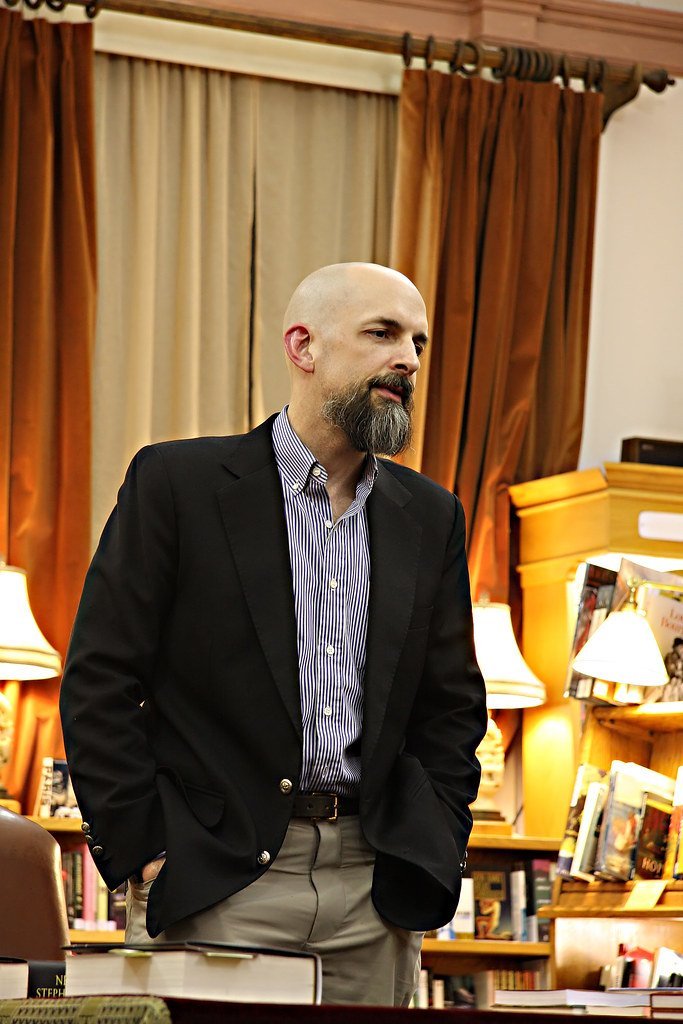
Neal Stephenson’s 1992 novel coins the Metaverse, a virtual world accessed via avatars and franchises. A virus spreads through language and code, exploiting brain-computer links. Governments fragment into corporate enclaves.
Platforms like Meta’s Horizon Worlds bring the Metaverse to life. Cryptocurrencies and digital economies thrive in decentralized spaces. Linguistic hacks evoke modern memes and info viruses online.[4]
Stand on Zanzibar by John Brunner

John Brunner’s 1968 epic forecasts overpopulation, corporate governments, and data surveillance by 2010. Terrorism, mass shootings, and cultural shifts like gay marriage legalization appear. A president named Obomi leads amid global tensions.
World population tops eight billion, straining resources. Surveillance states track citizens via algorithms. Geopolitical predictions, from EU to China’s rise, hit close to home.[3]
Paris in the Twentieth Century by Jules Verne
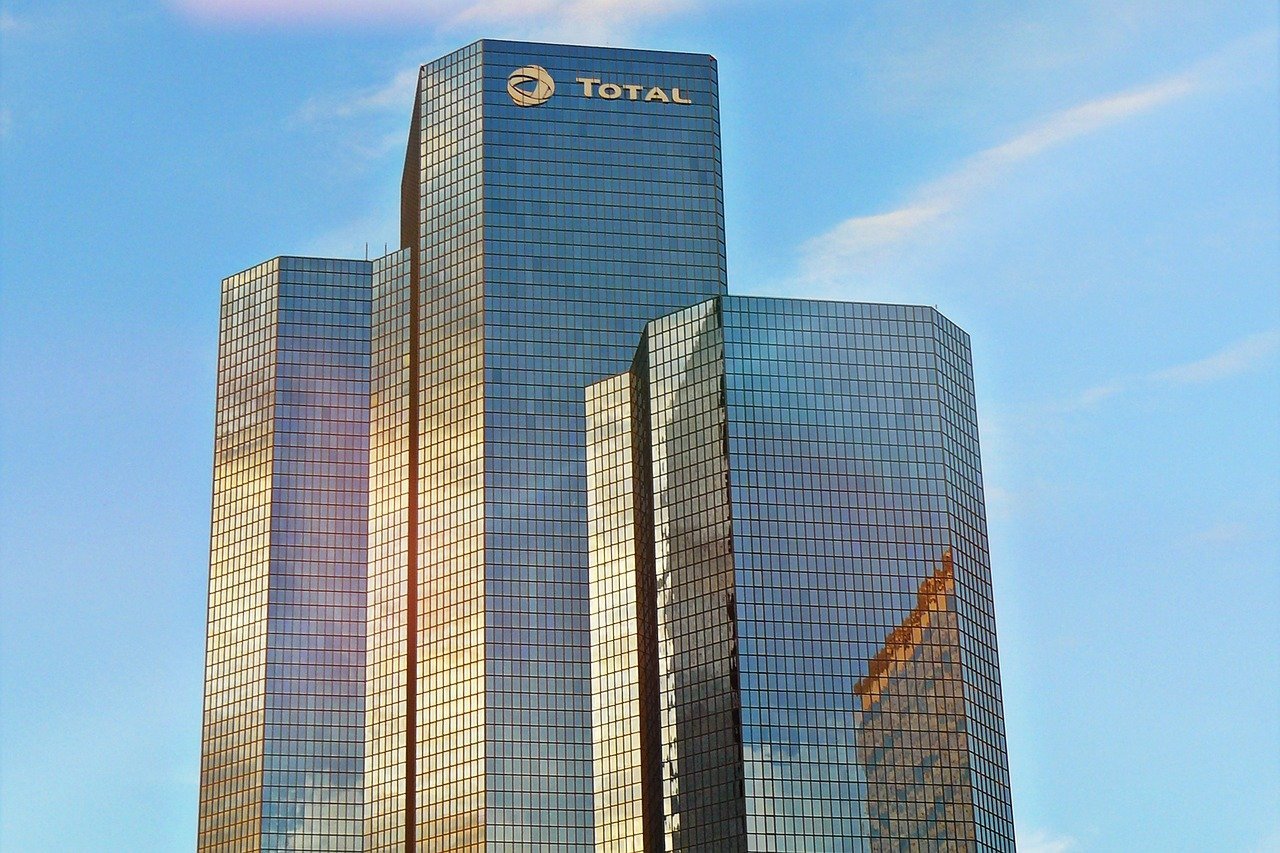
Jules Verne’s 1863 manuscript, published later, envisions skyscrapers, internal combustion cars, and fax machines in 1960s Paris. Asphalt roads, elevators, and networked computers transform society. Tech overshadows humanities.
Urban landscapes match with glass towers and highways. The internet resembles Verne’s communication grids. Shift to STEM dominance echoes educational trends today.[3]
The World Set Free by H.G. Wells
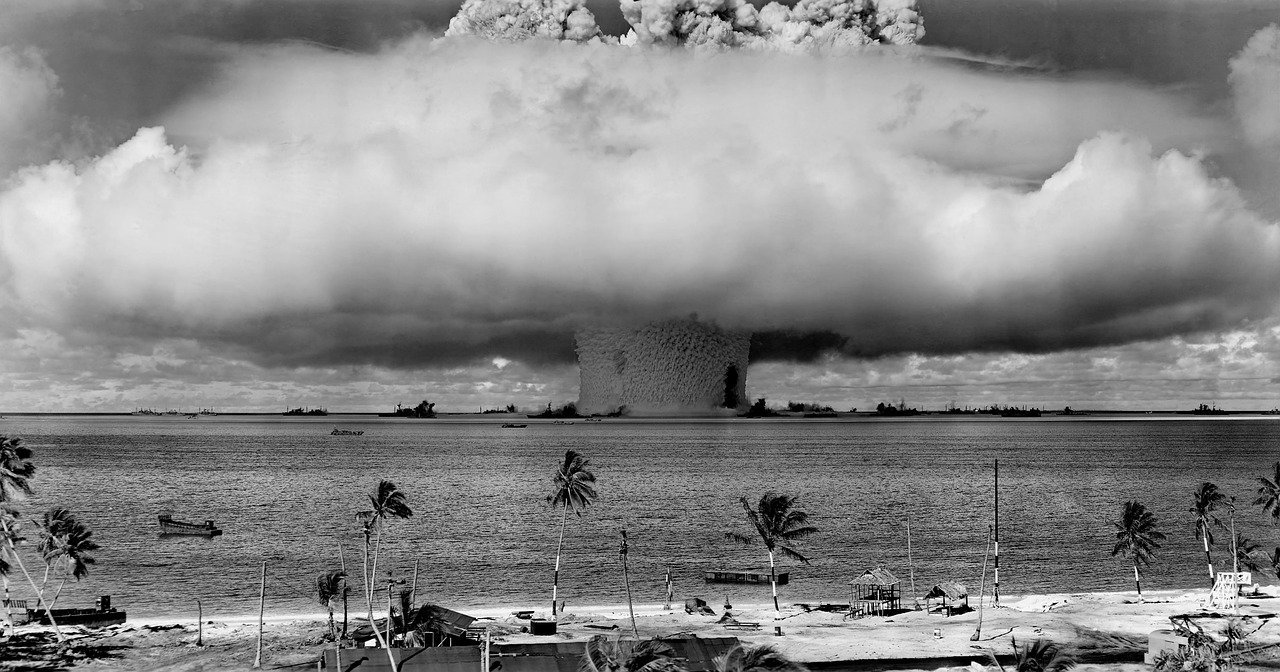
H.G. Wells’s 1914 novel invents atomic bombs, detailing chain reactions and aerial warfare. Nations race to weaponize energy, leading to devastation. International bodies emerge to prevent repeats.
Nuclear arsenals and arms races define geopolitics. Wells’s “atomic bomb” term predates reality by decades. Treaties like the UN reflect post-war cooperation efforts.[4]
When the Sleeper Wakes by H.G. Wells

In H.G. Wells’s 1899 story, a man awakens to moving sidewalks, aircraft, and labor unrest. Oligarchs control society via media and wealth. Urban sprawl dominates with elevated trains.
Escalators and airports mirror the transport innovations. Corporate media sways public opinion today. Inequality fuels protests, akin to the novel’s uprisings.[5]
It Can’t Happen Here by Sinclair Lewis
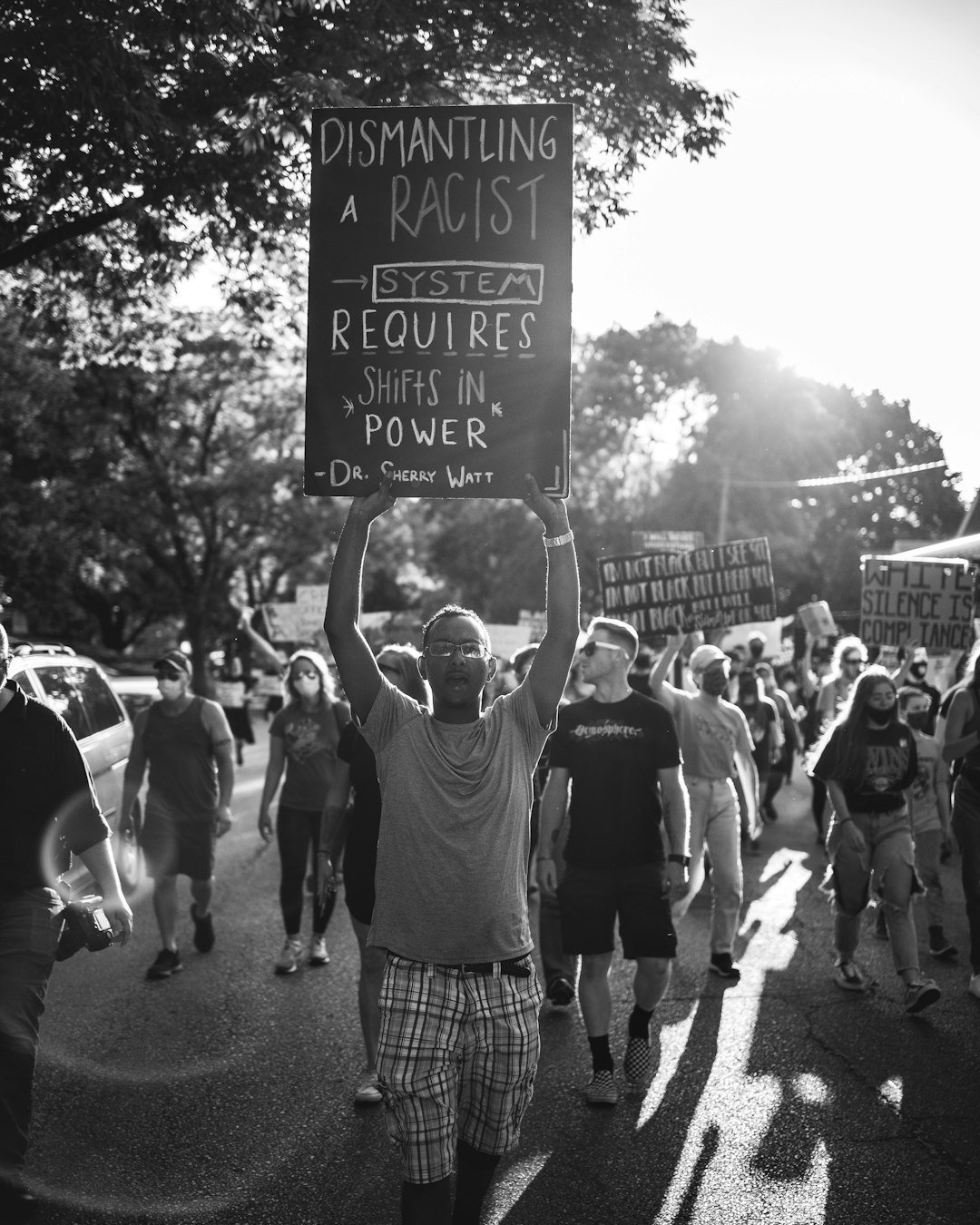
Sinclair Lewis’s 1935 novel charts a populist’s rise to fascist power in America. Buzz Windrip promises prosperity to the forgotten, attacks the press, and builds a cult of personality. Democracy crumbles through legal maneuvers.
Populist leaders rally crowds against elites and media. Erosion of norms threatens institutions. The story warns of authoritarianism’s subtle creep.[1]
Literature’s Foresight

These novels reveal how imagination grapples with humanity’s trajectory. Authors dissect trends invisible in their time, blending warning with wonder.
Their enduring relevance lies in timeless insights. Fiction not only predicts but provokes us to shape a wiser path forward.


