

- 8 Gardening Hacks That Will Make Your Roses Bloom Like Never Before - August 11, 2026
- 8 Incredible Beaches Around the World You Won’t Believe Are Real - August 11, 2026
- 10 Classical Music Masterpieces That Will Transport You Through Time - August 11, 2026
Children’s literature often wraps profound lessons in whimsical tales. These stories introduce young readers to emotions and ideas through adventure and imagination. Yet beneath the surface, many classics carry layers of moral and emotional depth that resonate differently with grown-ups.
Authors craft these books to spark wonder in kids while embedding complexities that unfold over time. A simple plot might hide explorations of loss or identity. Adults revisit them and uncover fresh insights shaped by life experience.
Alice’s Adventures in Wonderland

Lewis Carroll’s tale follows Alice tumbling into a chaotic world of talking animals and mad hatters. Children delight in the absurdity and wordplay. The story’s nonsense masks themes of identity loss and reality’s fragility, as Alice constantly questions who she is amid shifting rules.[1][2]
Adults often spot critiques of Victorian logic and authority in the trial scenes or the Queen’s tyranny. Over rereads, the Queen’s “off with their heads” echoes political oppression. Some interpret the potions and mushrooms as nods to altered states, reflecting Carroll’s own eccentricities. These layers reveal a story far more philosophical than first glances suggest.
Peter Pan
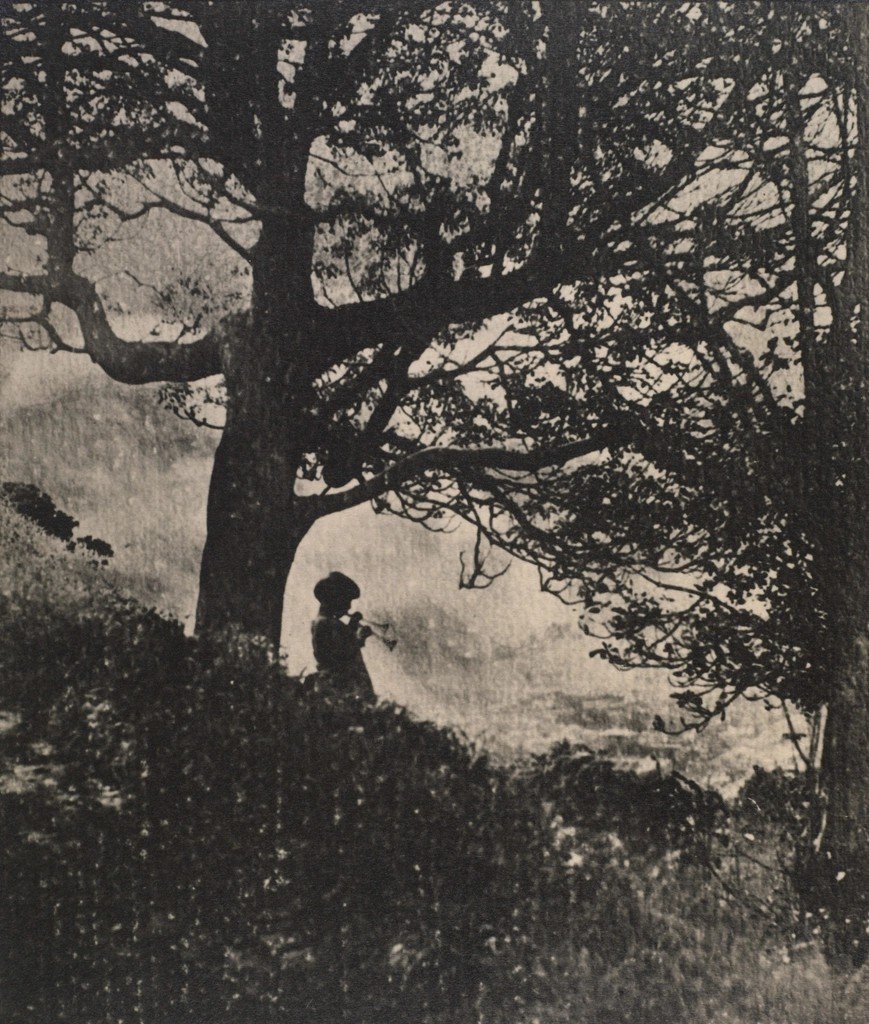
J.M. Barrie’s adventure stars a boy who never grows up, luring children to Neverland. Kids revel in flying and pirates. Hidden beneath lies a meditation on mortality, with the Lost Boys as stand-ins for Barrie’s deceased brother.[3]
Grown readers see Peter as a symbol of arrested development, his refusal to mature hinting at depression or escapism. Wendy’s eventual return home underscores the pull of adulthood’s responsibilities. The ticking crocodile evokes inevitable death chasing eternal youth. Time shifts these whims into poignant warnings about clinging to childhood.
The Giving Tree
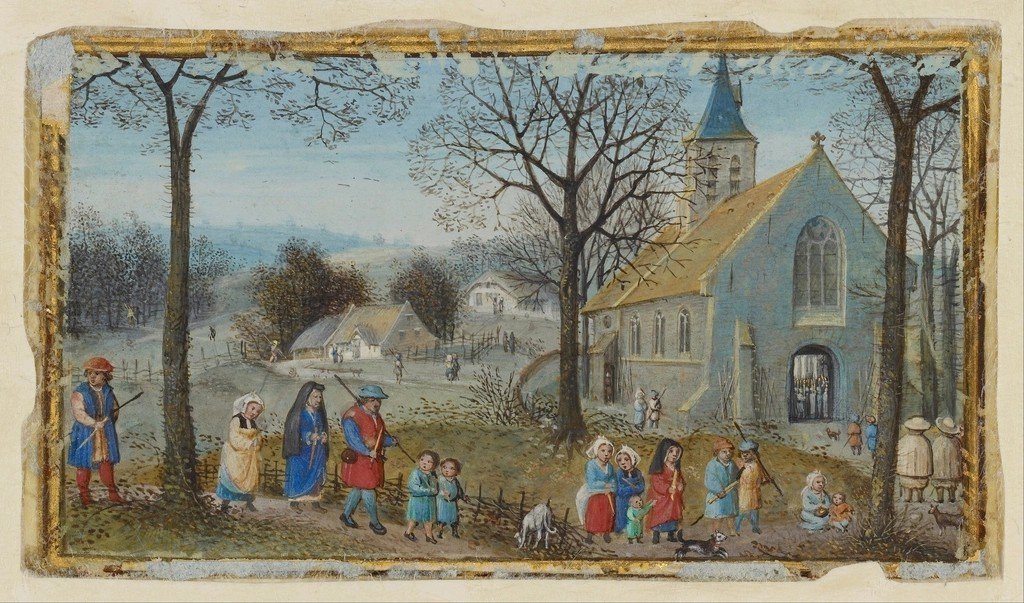
Shel Silverstein’s picture book shows a tree that gives everything to a boy until nothing remains. Youngsters see selfless friendship. The narrative probes codependency, with the tree enabling the boy’s selfishness across life stages.[4]
Adults debate its message, some viewing it as a parable of parental sacrifice, others as toxic exploitation. The boy’s demands mirror adult relationships drained by neediness. Rereading highlights the stump’s quiet acceptance, prompting reflection on boundaries. Perspectives evolve with personal experiences of giving and loss.
Charlotte’s Web
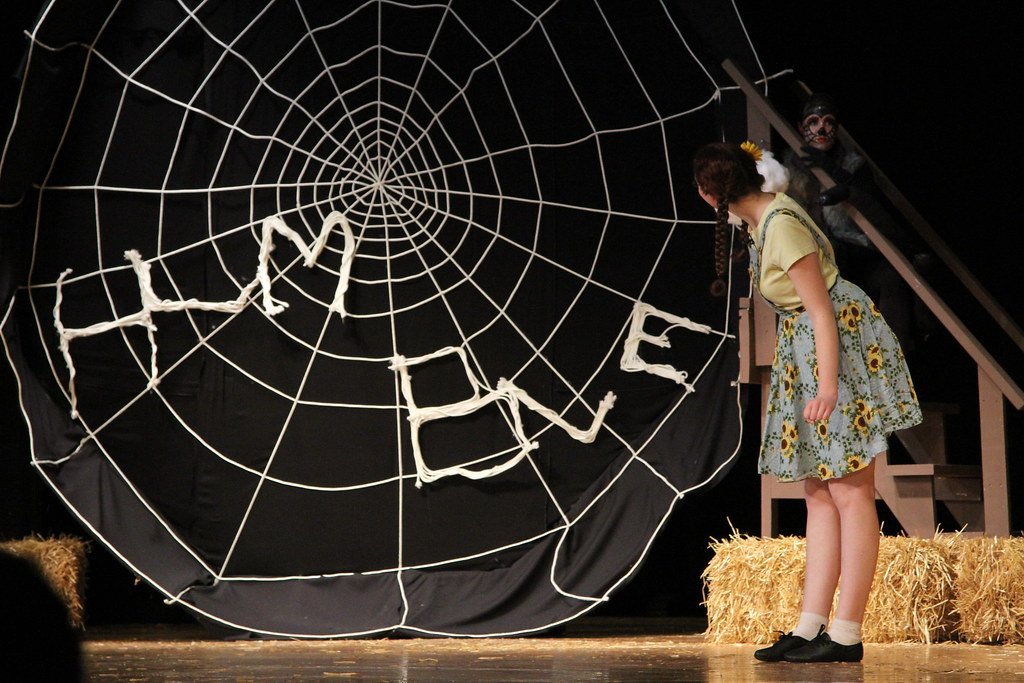
E.B. White’s farmyard saga centers on a pig saved by a spider’s words. Children bond with Wilbur and Charlotte’s cleverness. Themes of friendship shine, but death permeates as Charlotte fades after motherhood.[4]
Grown-ups confront mortality head-on, seeing life’s cycles in the barn’s routines. Charlotte’s pragmatic acceptance of her end teaches impermanence. Templeton’s self-interest adds cynicism to innocence. Over years, the story comforts while challenging denial of aging and goodbye.
Where the Wild Things Are
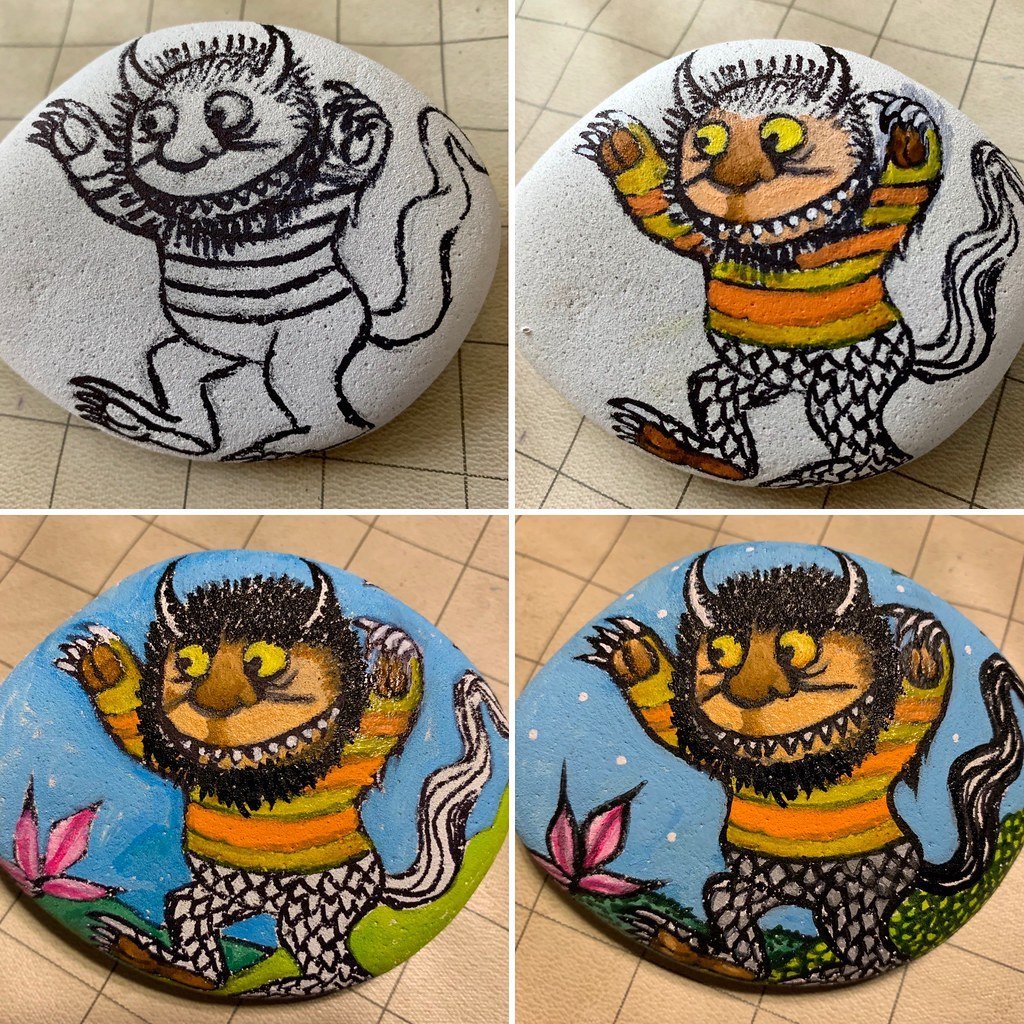
Maurice Sendak’s Max sails to rule wild creatures after a tantrum. Kids identify with his mischief and monsters. The book explores rage management and parental reconciliation through imaginative escape.[5]
Adults recognize emotional regulation in Max’s journey home to supper. The wild rumpus mirrors inner turmoil tamed by love. Sendak drew from his own childhood fears, adding authenticity. Maturity reveals it as a blueprint for handling anger without suppression.
The Little Prince
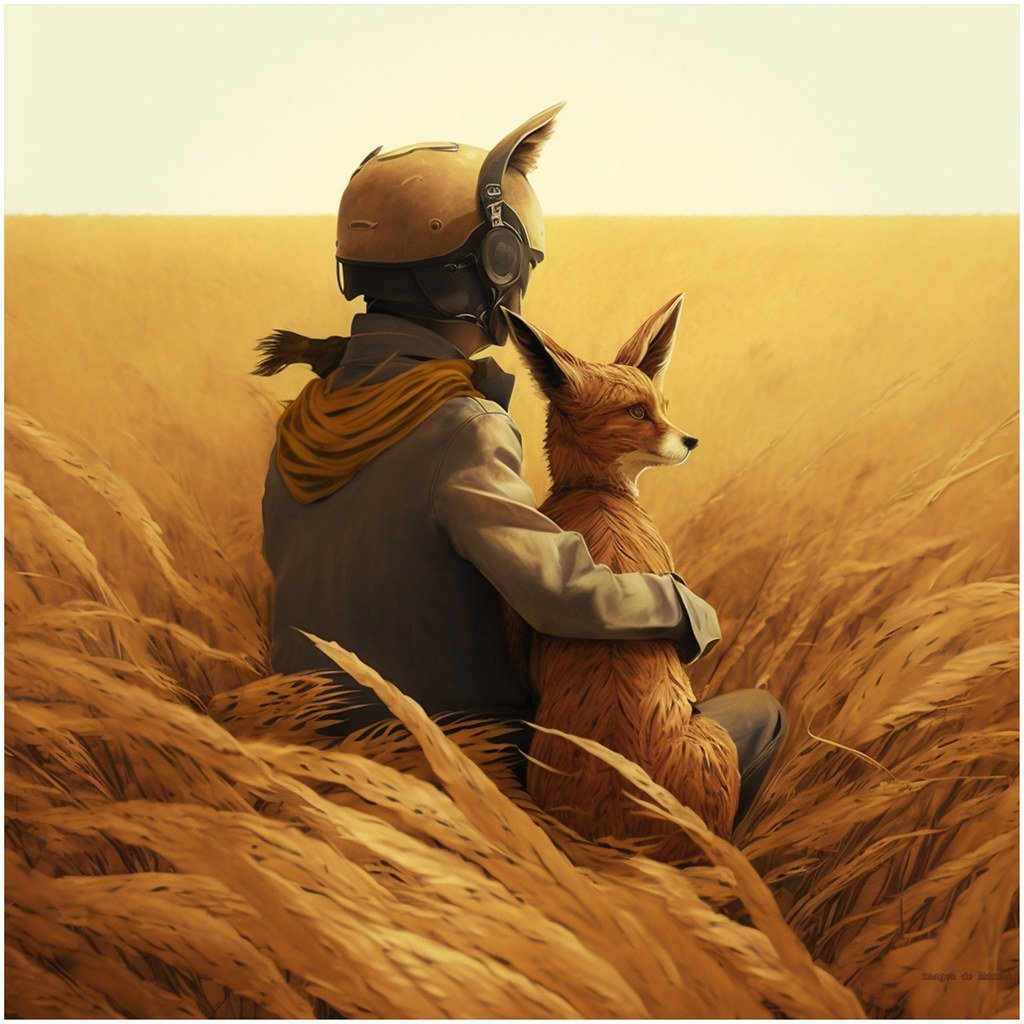
Antoine de Saint-Exupéry’s prince travels planets, meeting odd grown-ups. Children enjoy the drawings and fox friendship. Loneliness and unrequited love drive the rose’s attachment and the prince’s wanderings.[6]
Adults grasp critiques of adult absurdities, like the businessman counting stars. The fox’s taming lesson speaks to meaningful bonds lost in busyness. The prince’s return via snake bite symbolizes sacrifice. Life’s heartaches make its melancholy wisdom profound.
Coraline
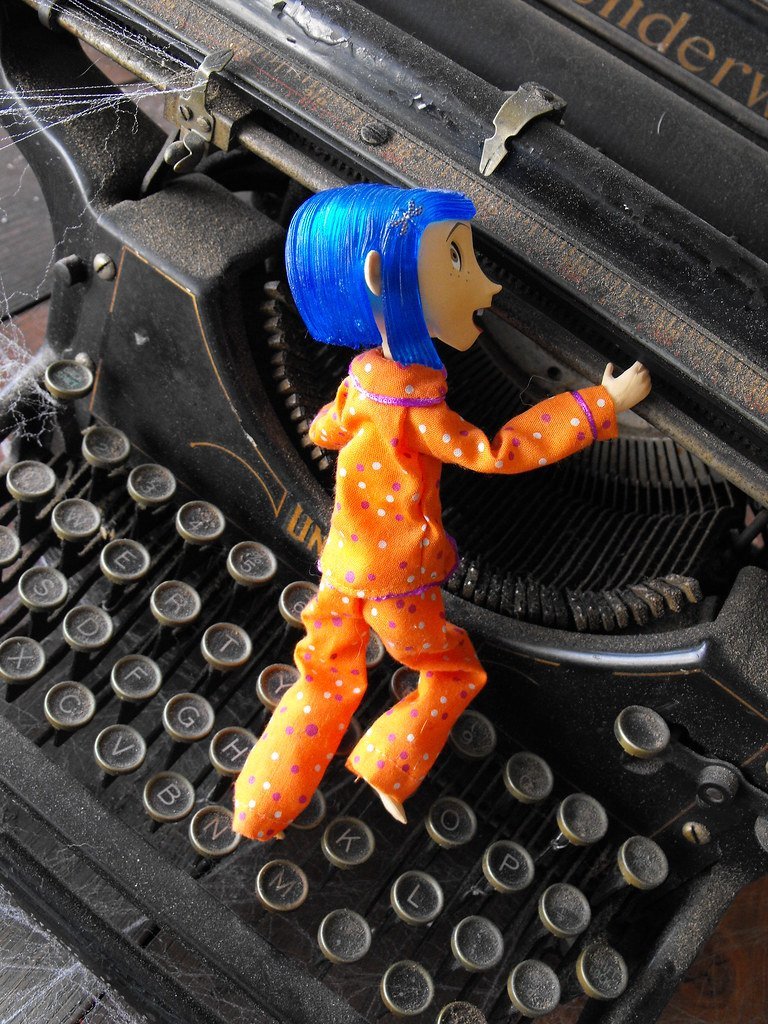
Neil Gaiman’s girl discovers a creepy alternate world with button-eyed parents. Young readers thrill at bravery against the Other Mother. Neglect and temptation underlie the tale, with the beldam preying on unmet needs.[7]
Grown interpretations frame it as allegory for emotional abuse and addictive lures. The ghost children warn of soulless existence. Coraline’s agency highlights resilience amid parental flaws. Adulthood uncovers its chills as metaphors for toxic dynamics.
The Velveteen Rabbit
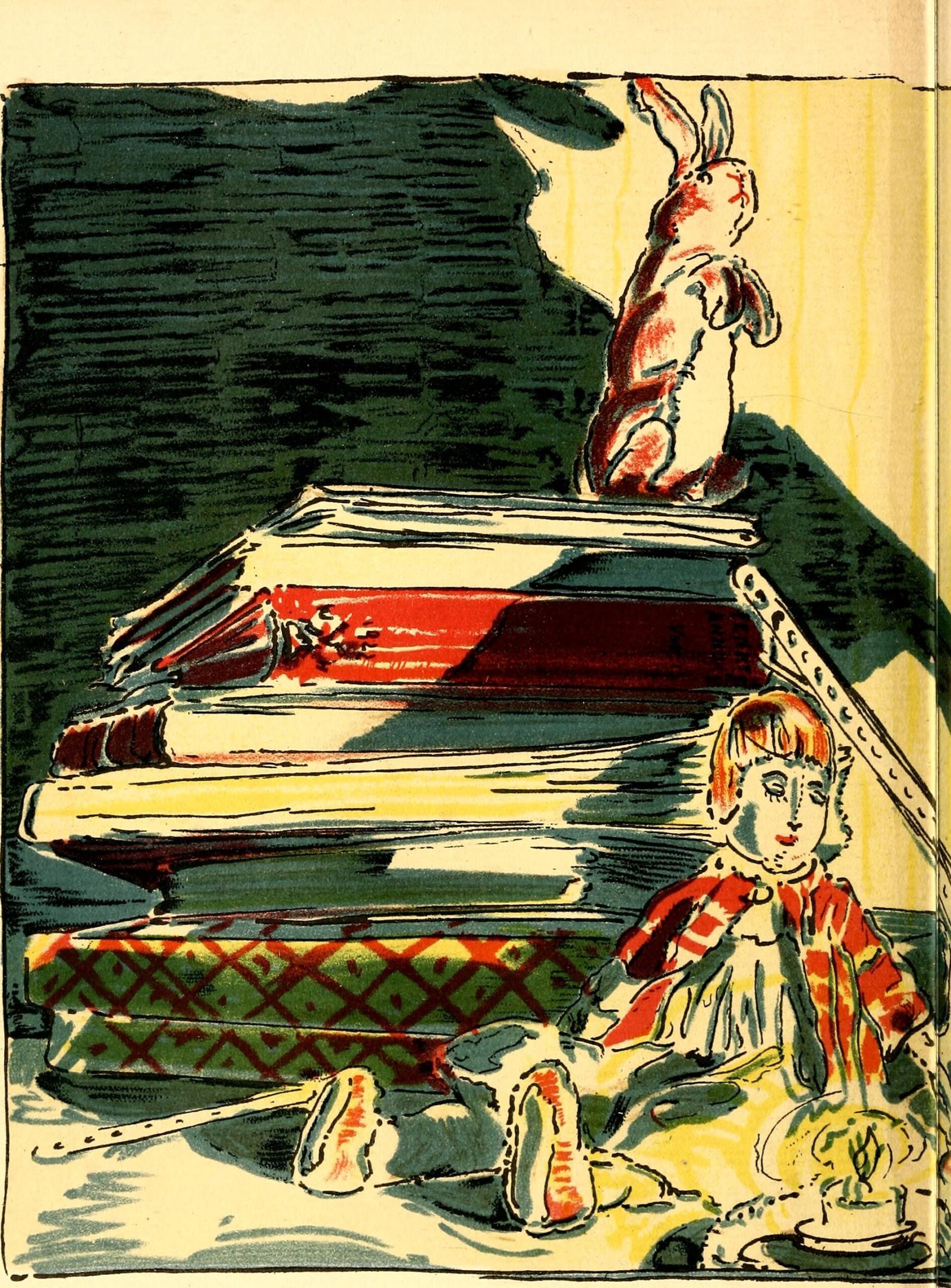
Margery Williams tells of a toy becoming real through love. Children dream of magic transformation. Illness and loss strike when the boy sickens, forcing the rabbit’s burning.[8]
Adults see profound takes on authentic love’s transformative pain. The doctor’s quarantine evokes isolation’s cruelty. Becoming real demands vulnerability and risk. Rereads evoke nostalgia laced with grief’s inevitability.
Bridge to Terabithia

Katherine Paterson’s friends build an imaginary kingdom. Kids love their fantasy play. Sudden death shatters Jess when Leslie drowns, thrusting grief’s rawness.[9]
Grown readers process survivor’s guilt and faith’s role in coping. Jess’s anger mirrors real bereavement stages. Terabithia endures as memorial to enduring bonds. Experience amplifies its unflinching look at irreplaceable loss.
The Wonderful Wizard of Oz
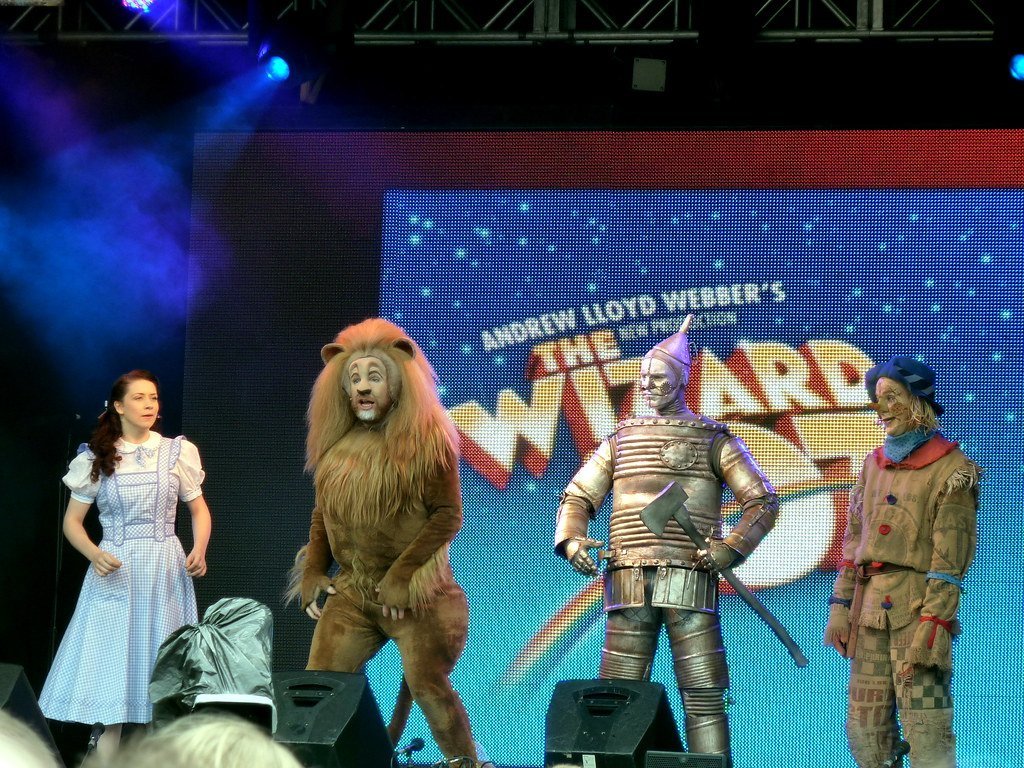
L. Frank Baum’s Dorothy seeks home via yellow brick road. Children cheer Toto and witches. Political satire abounds, with Emerald City as bimetallism critique.[9]
Adults uncover self-reliance themes, as companions hold needed traits already. Scarecrow’s “brain” mocks empty politicians. Dorothy’s slippers symbolize power within. Eras reveal fresh allegories for empowerment and illusion.
The Depth of Children’s Storytelling
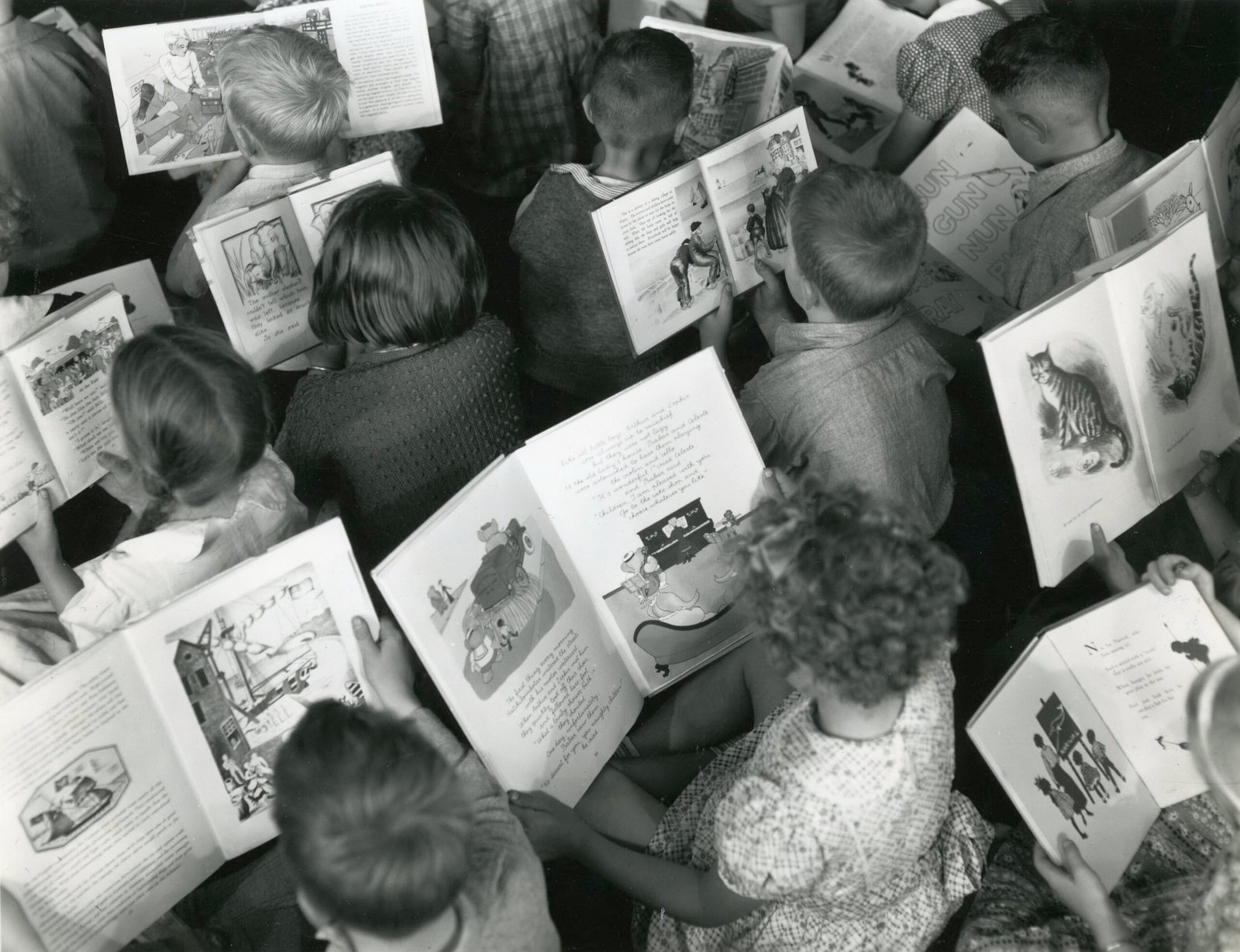
These books prove young minds can handle nuance when veiled in story. Traditions endure because simplicity invites repeated discovery. Layers ensure timeless appeal across ages.
Storytellers honor complexity by trusting readers’ growth. Childhood wonder evolves into adult reflection. Such narratives bridge generations, reminding us stories shape understanding lifelong.

Besides founding Festivaltopia, Luca is the co founder of trib, an art and fashion collectiv you find on several regional events and online. Also he is part of the management board at HORiZONTE, a group travel provider in Germany.
