


For any feedback please reach out to info@festivalinside.com
Long before they gained recognition, small clusters of writers on the edges of society experimented with form and content in ways that challenged every rule of traditional narrative. These fringe groups rejected linear plots and reliable narrators, favoring chaos, dreams, and constraints instead. Their ideas trickled into the mainstream, altering how stories unfold in novels, films, and even digital media today.[1]
Operating in cafes, manifestos, and self-published zines, these movements proved that storytelling thrives on disruption. What started as rebellion became the foundation for techniques we now take for granted, from fragmented timelines to unreliable voices.
Dada
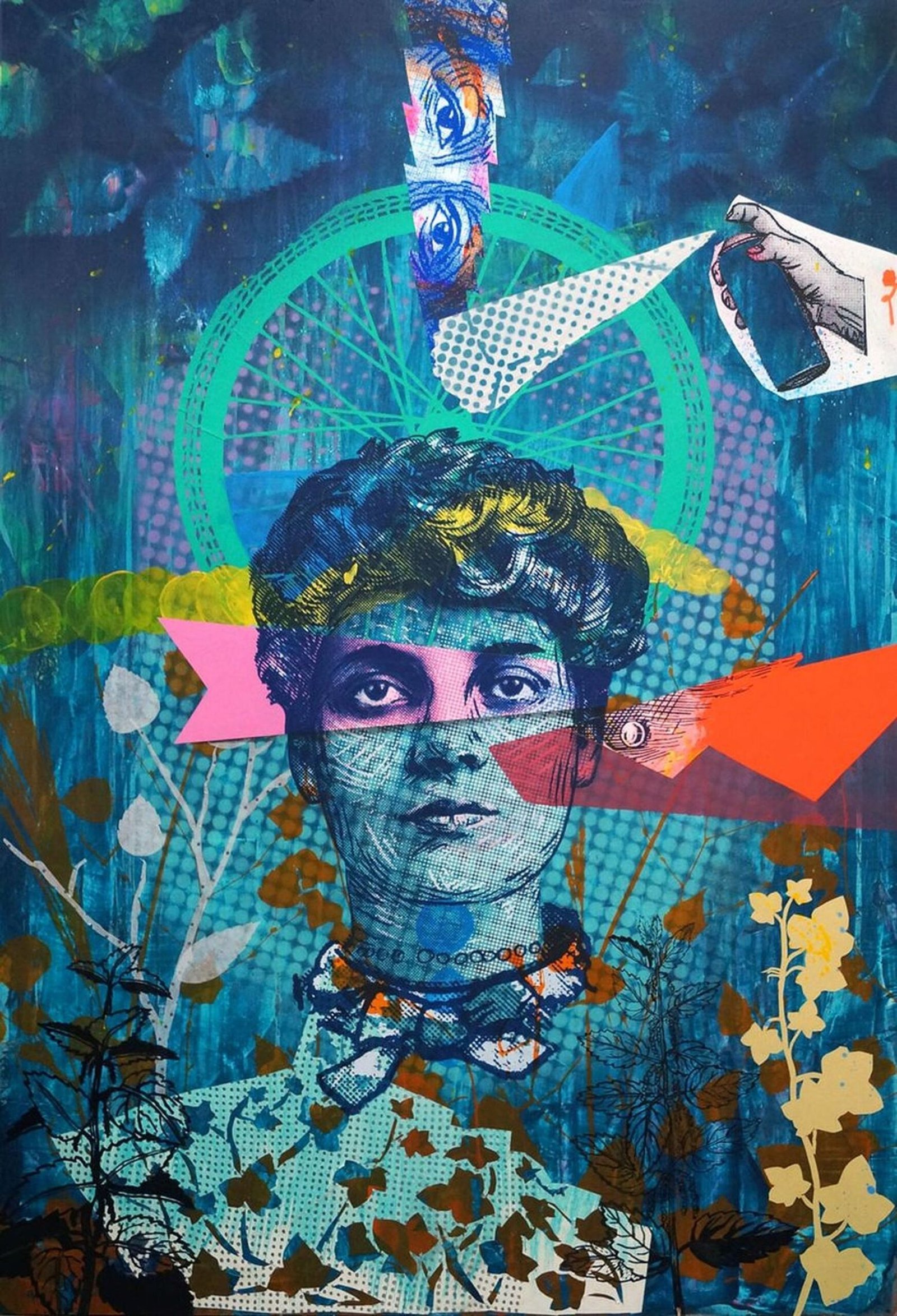
Dada emerged amid World War I’s horrors, with artists in Zurich turning to absurdity and nonsense to mock rational thought. Members like Tristan Tzara created cut-up poems by slicing texts and rearranging them randomly, shattering coherent plots. This stylistic anarchy rejected syntax and meaning, embracing simultaneity and chance in language.[1]
The movement’s influence lingers in postmodern fiction’s collage techniques and fragmented narratives. Authors like William S. Burroughs adopted cut-ups for nonlinear storytelling, paving the way for experimental structures in contemporary novels. Dada’s disdain for convention freed writers to play with form, making disjointed timelines a staple of modern literature.[2]
Surrealism
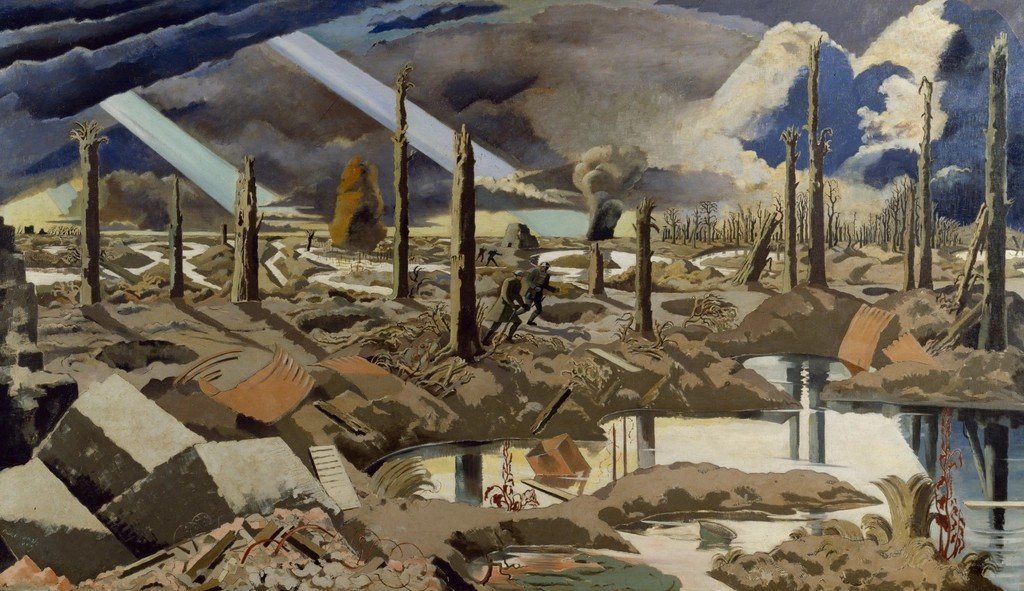
Founded by André Breton in 1924, Surrealism delved into the unconscious through automatic writing, where pens flowed without conscious control. This produced dreamlike sequences blending reality and hallucination, defying logical progression. Techniques like exquisite corpse games layered contributions from multiple writers, creating hybrid, illogical tales.[3]
Its legacy shapes magic realism and stream-of-consciousness narration in works by Gabriel García Márquez and Toni Morrison. Surrealism normalized exploring inner psyches over external plots, influencing how mainstream stories weave subjectivity into plot. Even today, its irrational leaps appear in psychological thrillers and speculative fiction.
Lettrism

In 1940s Paris, Isidore Isou launched Lettrism, prioritizing letters and sounds over words through hypergraphy. Practitioners painted phonetic poems and dissected language into primal elements, abandoning semantic meaning for sonic experiments. This reduced narrative to raw phonemes, challenging readers to reconstruct sense from noise.[1]
Lettrism’s focus on language’s materiality inspired concrete poetry and visual novels. It influenced sound-based narratives in multimedia works and experimental prose that treats text as image. Modern authors draw on its deconstruction to innovate typography and pacing in digital storytelling.
Beat Generation

The Beats of the 1950s, including Jack Kerouac and Allen Ginsberg, championed spontaneous prose and jazz-inflected rhythms. Kerouac typed On the Road in three weeks on a continuous scroll, capturing unfiltered thought flows without revision. Their style favored oral energy, long breaths, and raw confession over polished plots.[1]
This rawness birthed confessional poetry and road-trip narratives dominating counterculture literature. Beats normalized first-person immediacy, seen in memoirs and urban fiction today. Their influence extends to hip-hop lyrics and flash fiction, emphasizing voice over structure.
Oulipo

Formed in 1960 by Raymond Queneau and François Le Lionnais, Oulipo explored literature under constraints like lipograms, omitting letters such as ‘e’. Georges Perec’s A Void wrote an entire novel without that vowel, forcing inventive syntax and wordplay. These self-imposed rules turned limitations into creative engines for narrative invention.[4]
Oulipo’s games reshaped puzzle-like plots in postmodern novels like House of Leaves. Constraints now appear in interactive fiction and ergodic literature, where readers navigate structures. Its legacy encourages writers to rethink possibility through restriction, enriching genre-bending tales.
Situationist International
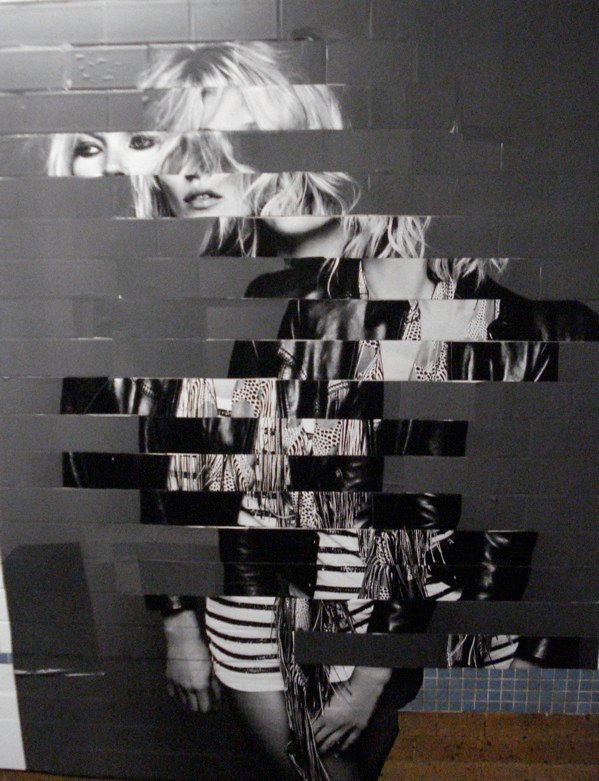
Starting in 1957, the Situationists practiced détournement, hijacking existing texts and images for subversive ends. Guy Debord’s theory of the spectacle critiqued consumer narratives, using psychogeography to map emotional city drifts. Their manifestos blended collage and theory, disrupting passive reading.[1]
This approach fueled punk zines and remix culture in contemporary fiction. Situationist tactics inform pastiche and appropriated narratives in authors like Kathy Acker. They taught storytellers to subvert media, making critique a core narrative tool in today’s satirical works.
The Hidden Roots of Literary Change

These movements operated in shadows, yet their innovations quietly rewired how we tell stories. From Dada’s fragments to Oulipo’s games, they proved disruption breeds vitality. Mainstream literature absorbed their edges, turning once-radical tools into everyday craft.
Literary evolution often hides in underground lairs. Today’s narratives, rich with subjectivity and play, owe a debt to those forgotten rebels. Their spirit reminds us that true change starts small, unconventional, and defiant.

Christian Wiedeck, all the way from Germany, loves music festivals, especially in the USA. His articles bring the excitement of these events to readers worldwide.
For any feedback please reach out to info@festivalinside.com
