
- 12 Unforgettable TV Shows From Your Youth That Deserve A Modern Reboot. - August 22, 2026
- The Golden Age of Radio Dramas Still Holds a Powerful Spell Over Audiences. - August 21, 2026
- 15 Historical Figures Who Were Far More Eccentric Than You Learned in School - August 21, 2026
Behind the spotlight of famous vocalists and bands, a cadre of producers, session musicians, arrangers, and engineers quietly forged the sonic landscapes of entire genres. These craftsmen worked in studios, tweaking rhythms, layering harmonies, and perfecting mixes that defined decades from the 1950s onward. Their innovations in backbeats, bass lines, and production techniques elevated raw ideas into timeless hits, often without a single credit on the label.
Recognition rarely came their way, as the era demanded the myth of self-contained bands playing every note. Yet their fingerprints linger in the grooves of rock, soul, and pop. Figures like drummers who locked in the shuffle and bassists who wove melodic threads transformed simple songs into cultural anthems.[1][2]
Hal Blaine: The Drummer Who Powered 1960s Pop
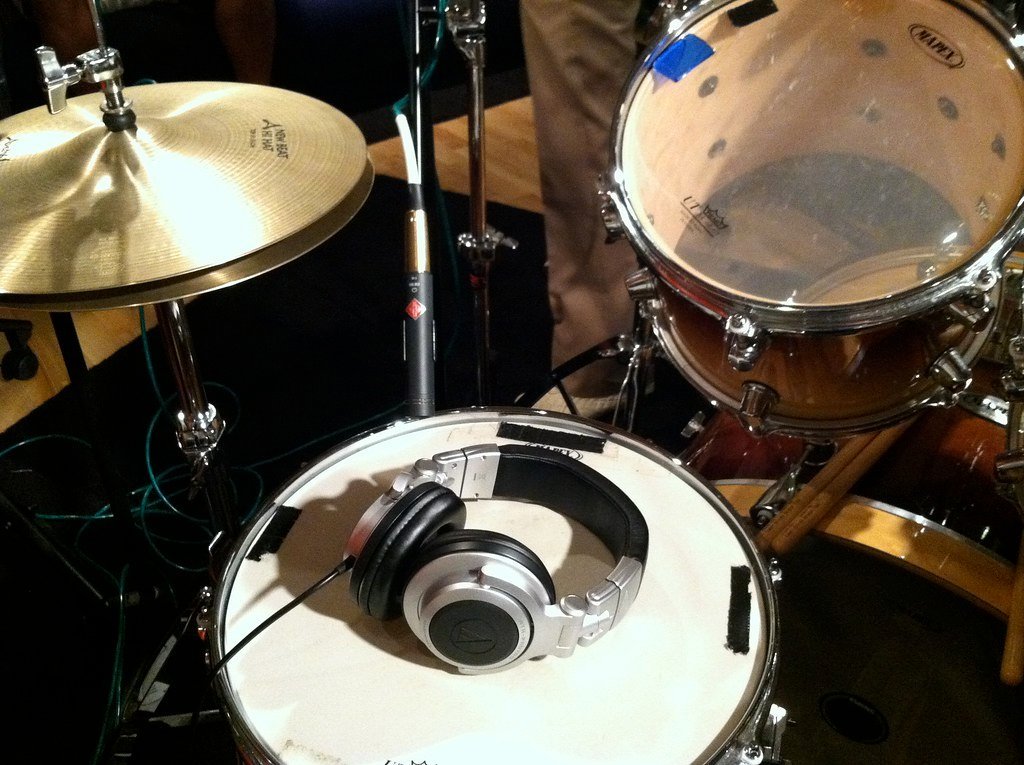
Hal Blaine anchored the Wrecking Crew, a loose collective of Los Angeles session players who backed countless hits in the 1960s. He drummed on over 35,000 tracks, including Beach Boys classics like “California Girls” and Simon & Garfunkel’s “Bridge Over Troubled Water.” His steady, jazz-inflected grooves provided the polished pulse that defined sunny California pop and early rock.
Blaine’s influence stretched to TV themes and film scores, blending swing-era finesse with rock energy. Producers relied on his reliability during marathon sessions, where he shaped the bright, layered sound of the era. Today, his rhythms still drive nostalgia playlists, proving one drummer’s touch can echo across generations.[1]
Carol Kaye: Bassist Behind Blockbuster Hits
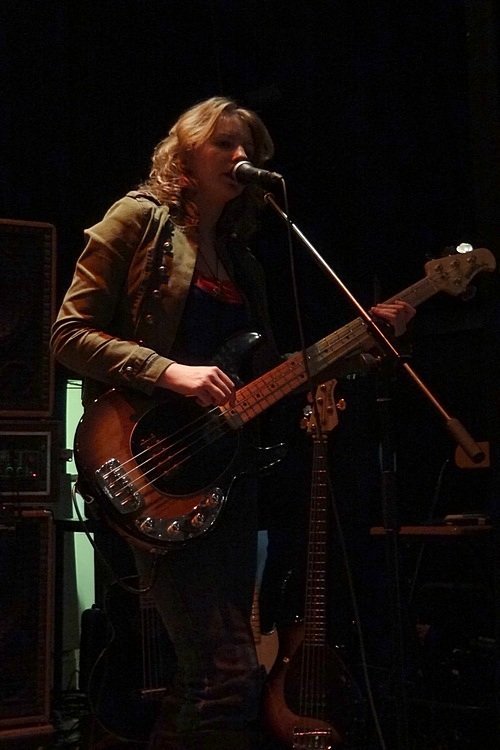
Carol Kaye contributed to around 10,000 sessions as a Wrecking Crew bassist and guitarist, crafting lines for Sonny & Cher’s “The Beat Goes On” and Isaac Hayes’ “Theme From Shaft.” Her electric bass work added depth to pop arrangements, often improvising to fit producers’ visions on the fly. She brought jazz agility to rock tracks, elevating them beyond basic root notes.
Kaye’s versatility touched Frank Sinatra, Stevie Wonder, and the Supremes, helping define the multifaceted 1960s sound. Her subtle fills and walking lines influenced bass playing in pop and funk long after. Without fanfare, she helped build the era’s infectious grooves that still hook listeners.[1]
James Jamerson: Motown’s Melodic Bass Master
James Jamerson defined the Motown sound as the Funk Brothers’ bassist, playing on over 60 top pop singles like the Supremes’ “You Can’t Hurry Love” and Marvin Gaye’s “I Heard It Through the Grapevine.” His chromatic runs, ghost notes, and syncopated lines turned bass into a lead voice, locking tightly with drums in the Snakepit studio. Drawing from jazz roots, he improvised from chord sheets, making every track feel alive and danceable.
Jamerson’s style revolutionized soul and funk, inspiring players from Paul McCartney to Flea. He powered 23 number-one hits without credits until the 1970s, embodying the anonymous genius of session work. His legacy endures in the melodic bass foundation of modern R&B.[2]
Earl Palmer: Pioneer of the Rock Backbeat
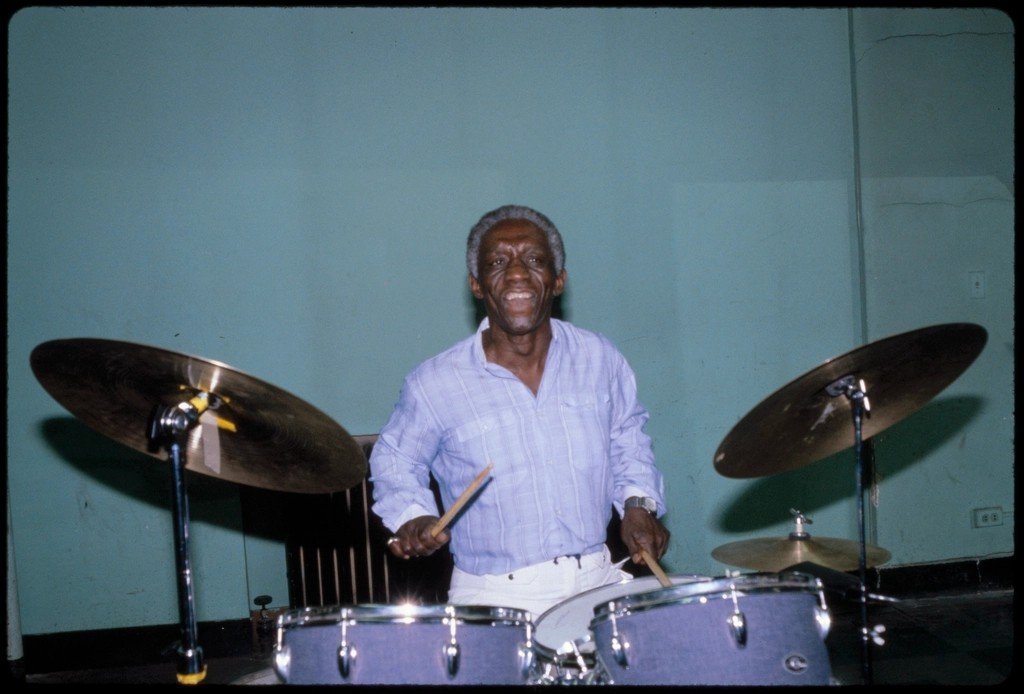
Earl Palmer laid the rhythmic groundwork for rock n roll in the 1950s, drumming on Fats Domino’s “The Fat Man” and nearly all Little Richard hits like “Tutti Frutti.” From New Orleans R&B, he emphasized the backbeat – snapping snares on two and four – to create that irresistible shuffle. His parade-style bass drum added swing, distinguishing rock from swing jazz.
Palmer’s work extended to Ritchie Valens’ “La Bamba” and the Wrecking Crew, influencing over 60 years of sessions. He shaped the driving pulse of early rock, making it primed for dancing and rebellion. That foundational beat still propels garage bands worldwide.[3]
Nelson Riddle: Arranger of Swinging Standards
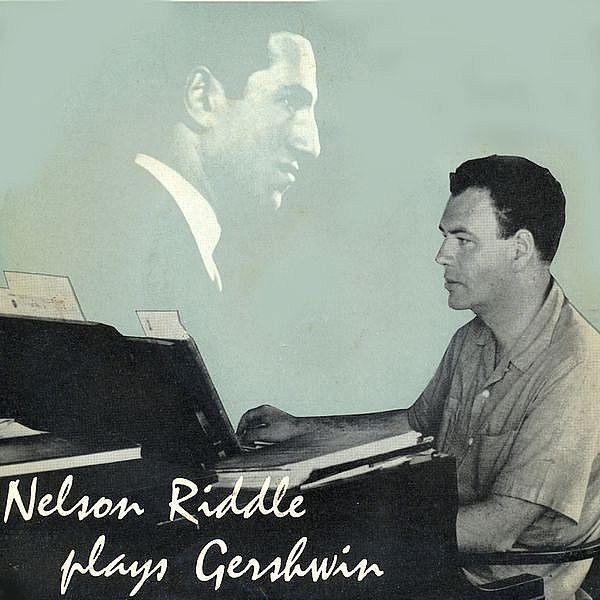
Nelson Riddle orchestrated Frank Sinatra’s Capitol era albums like “I’ve Got The World On A String,” blending big-band swing with intimate pop in the 1950s. His charts for Nat King Cole and Ella Fitzgerald added lush strings and brass, refining vocal jazz into sophisticated lounge sounds. Riddle’s precise voicings captured cool sophistication amid post-war optimism.
As Capitol’s music director, he influenced TV and film scores too, setting templates for orchestral pop. His arrangements revived standards, bridging jazz and mainstream appeal. Riddle’s elegance lingers in easy-listening revivals today.[4]
Larry Levine: Engineer of the Wall of Sound
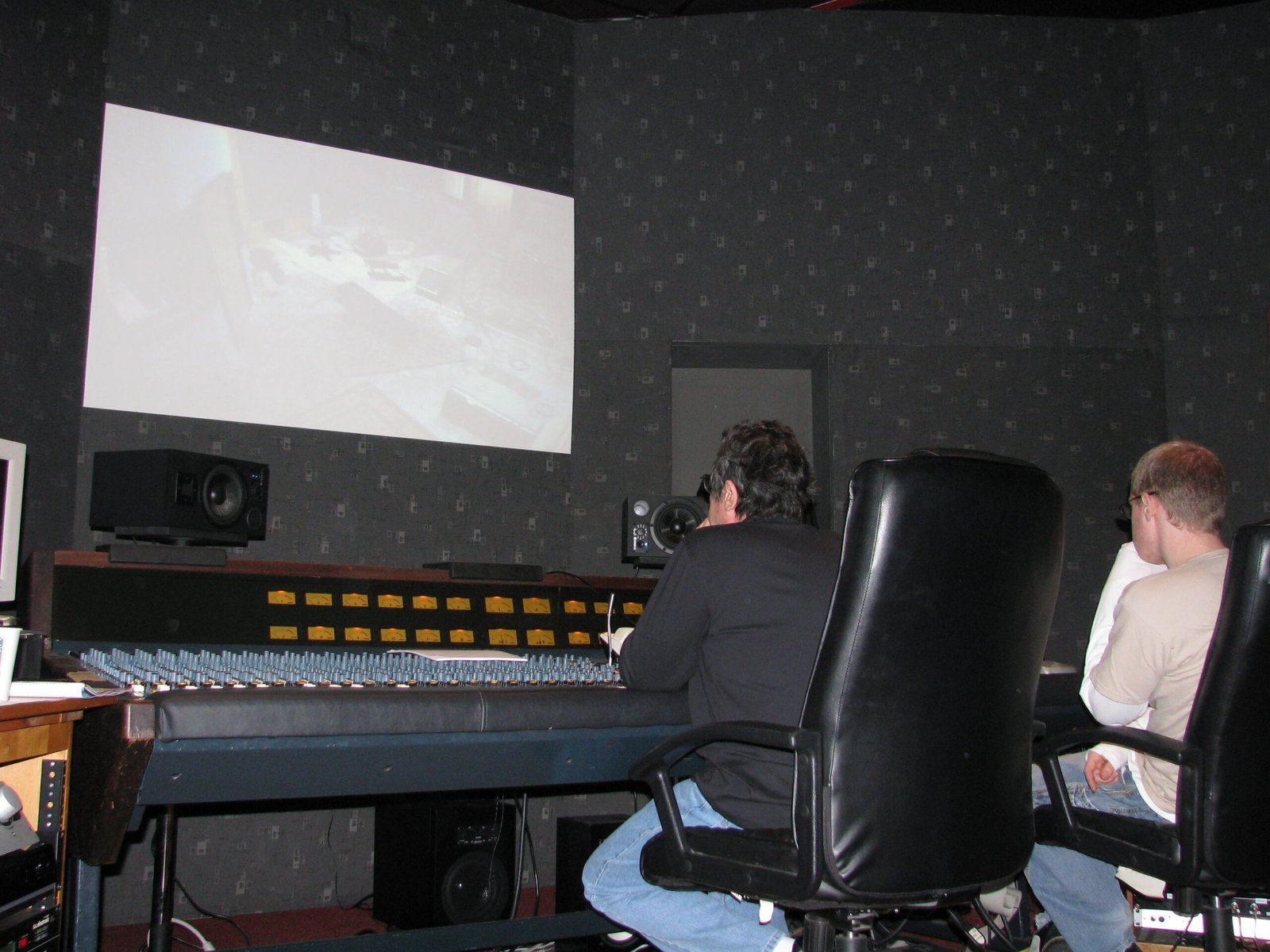
Larry Levine engineered Phil Spector’s dense “Wall of Sound” in the early 1960s, using echo chambers to carve space in massive sessions packed with guitars and percussion. He captured the Righteous Brothers’ “You’ve Lost That Lovin’ Feelin'” and the Ronettes’ “Be My Baby,” turning clutter into symphonic pop power. Levine’s tweaks made the chaos cohesive and radio-ready.
His patient handling of Spector’s perfectionism defined girl-group and teen symphony eras. Techniques like chamber reverb influenced layered production for decades. Levine proved engineering could sculpt emotion from overload.[5]
Tom Dowd: Innovator in Soul and Rock Mixing
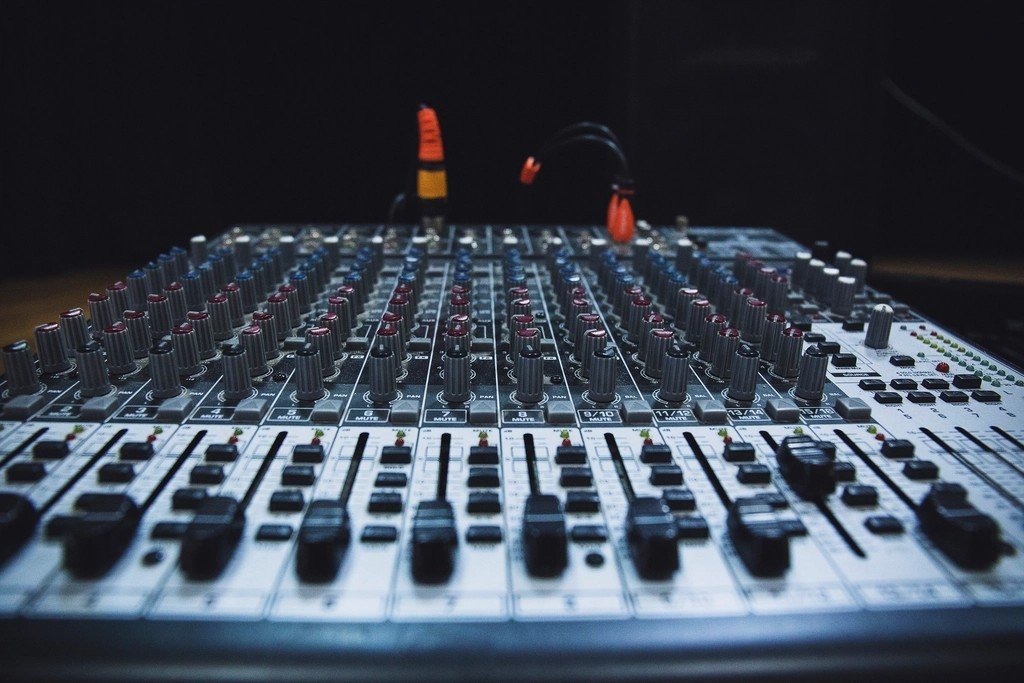
Tom Dowd pioneered console faders and multi-tracking at Atlantic Records, engineering Ray Charles crossovers and Derek & The Dominos’ “Layla.” His clear mixes highlighted soul grit and rock fire, working from Clovers R&B to Cream’s psychedelia. Dowd fixed gear on-site, ensuring hits flowed from raw talent.
He shaped 1960s soul-rock fusion, blending technical smarts with artist rapport. Innovations like sliders sped up blending, standardizing modern desks. Dowd’s boards built the blueprint for album-oriented sounds.[6]
The Hidden Architecture Behind Iconic Sounds
These figures constructed the frameworks that stars inhabited, from backbeats to bass melodies and echo-drenched walls. Their choices in studios across decades quietly dictated how music moved bodies and stirred souls. Without them, eras might have sounded thinner, less alive.
Next time a classic track grabs you, listen deeper. The real architects hum in the shadows, their handiwork eternal. Music’s grandest hits owe everything to these overlooked builders.

Besides founding Festivaltopia, Luca is the co founder of trib, an art and fashion collectiv you find on several regional events and online. Also he is part of the management board at HORiZONTE, a group travel provider in Germany.
