

For any feedback please reach out to info@festivalinside.com
- 10 Hollywood Scandals From The Golden Age That Shocked The Nation - August 22, 2026
- 10 Architectural Wonders Of The Modern World That Defy All Expectations. - August 22, 2026
- 15 Unsung Heroes Of Rock And Roll Who Deserve Their Place In History. - August 22, 2026
Scientific breakthroughs often arrive quietly in labs or through patient observation. Yet they ripple outward, reshaping how we heal, connect, and build our world. Medicine gains new weapons against illness, communication speeds across continents, industries hum with unprecedented power, and daily routines shift in subtle but lasting ways.[1]
These moments remind us that curiosity can alter the course of human life. From warding off ancient plagues to lighting modern cities, a handful of discoveries stand out for their depth of change.
Germ Theory Transforms Health
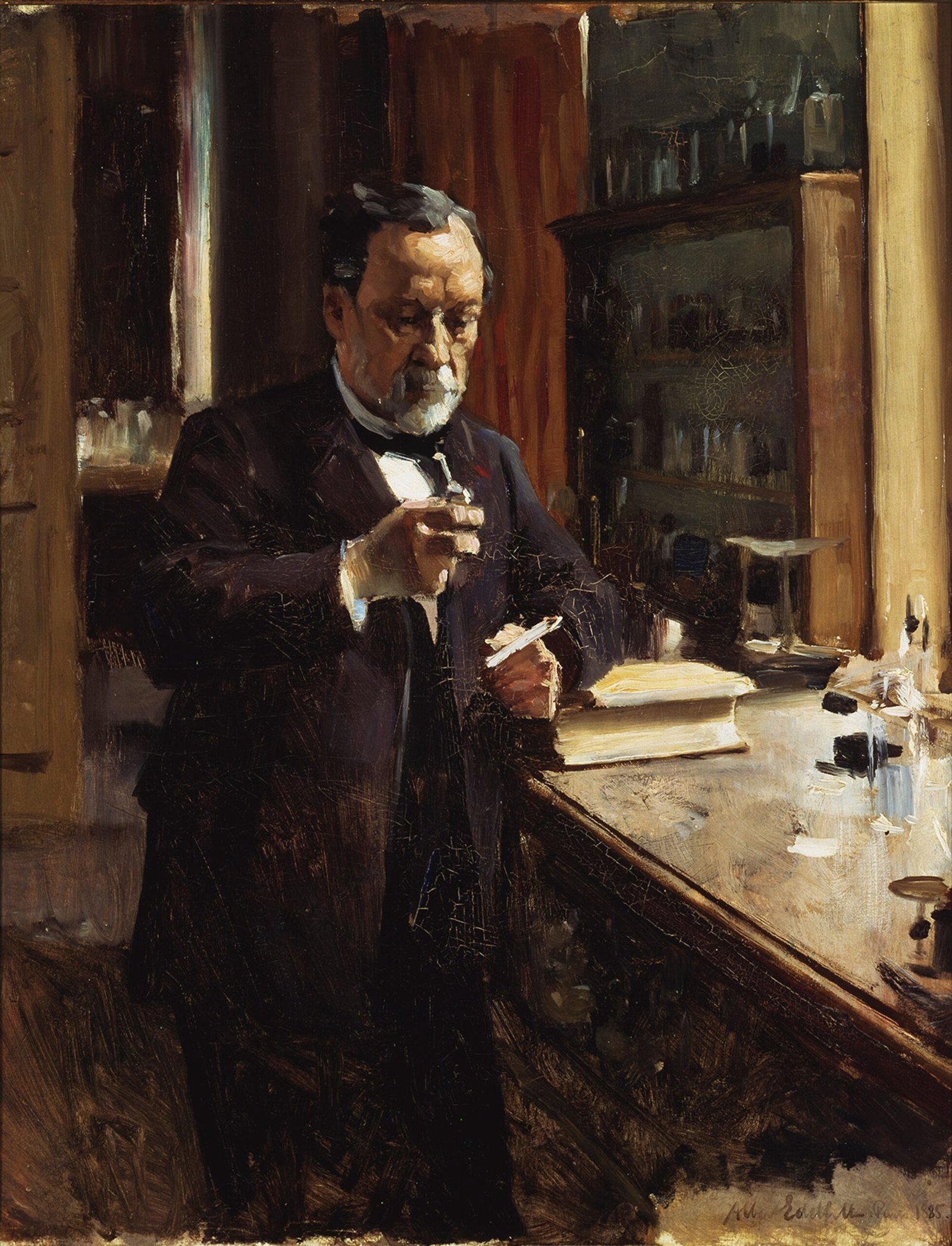
Louis Pasteur and Robert Koch laid the groundwork in the late 1800s by showing microbes cause fermentation and disease. Pasteur’s experiments linked bacteria to spoilage, while Koch identified specific pathogens for tuberculosis and cholera. Their work established that tiny invaders, not bad air or imbalance, spark infections.[1]
This shift prompted hygiene reforms, sterilization in hospitals, and safer food handling. Surgeries became routine without rampant post-op deaths. Public health systems worldwide adopted these ideas, slashing mortality from epidemics and extending average lifespans by decades.[2]
Penicillin Ushers in the Antibiotic Era

Alexander Fleming noticed in 1928 that mold from a petri dish killed nearby bacteria. This Penicillium notatum produced a substance he called penicillin, the first true antibiotic. Though it took wartime urgency to mass-produce it, Fleming’s accidental find cracked open bacterial defenses.[1]
Infections once fatal, like pneumonia or wounds, turned treatable overnight. Soldiers survived battlefield injuries, and routine operations proliferated. Everyday life gained security as childhood diseases lost their terror, though resistance now challenges this legacy.[3]
Vaccines Conquer Ancient Scourges

Note: Not all PHIL images are public domain; be sure to check copyright status and credit authors and content providers.
العربية | Deutsch | English | македонски | slovenščina | +/−, Public domain)
Edward Jenner pioneered the smallpox vaccine in 1796 using cowpox material to build immunity. Later, Jonas Salk’s 1955 polio shot and Albert Sabin’s oral version followed suit. These introduced weakened pathogens, training the body to fight without full illness.[1]
Smallpox vanished globally by 1980, and polio nearly followed. School mandates and campaigns boosted herd immunity, freeing generations from iron lungs and scars. Travel and gatherings became safer, weaving protection into community fabric.[2]
X-rays Reveal the Body’s Secrets
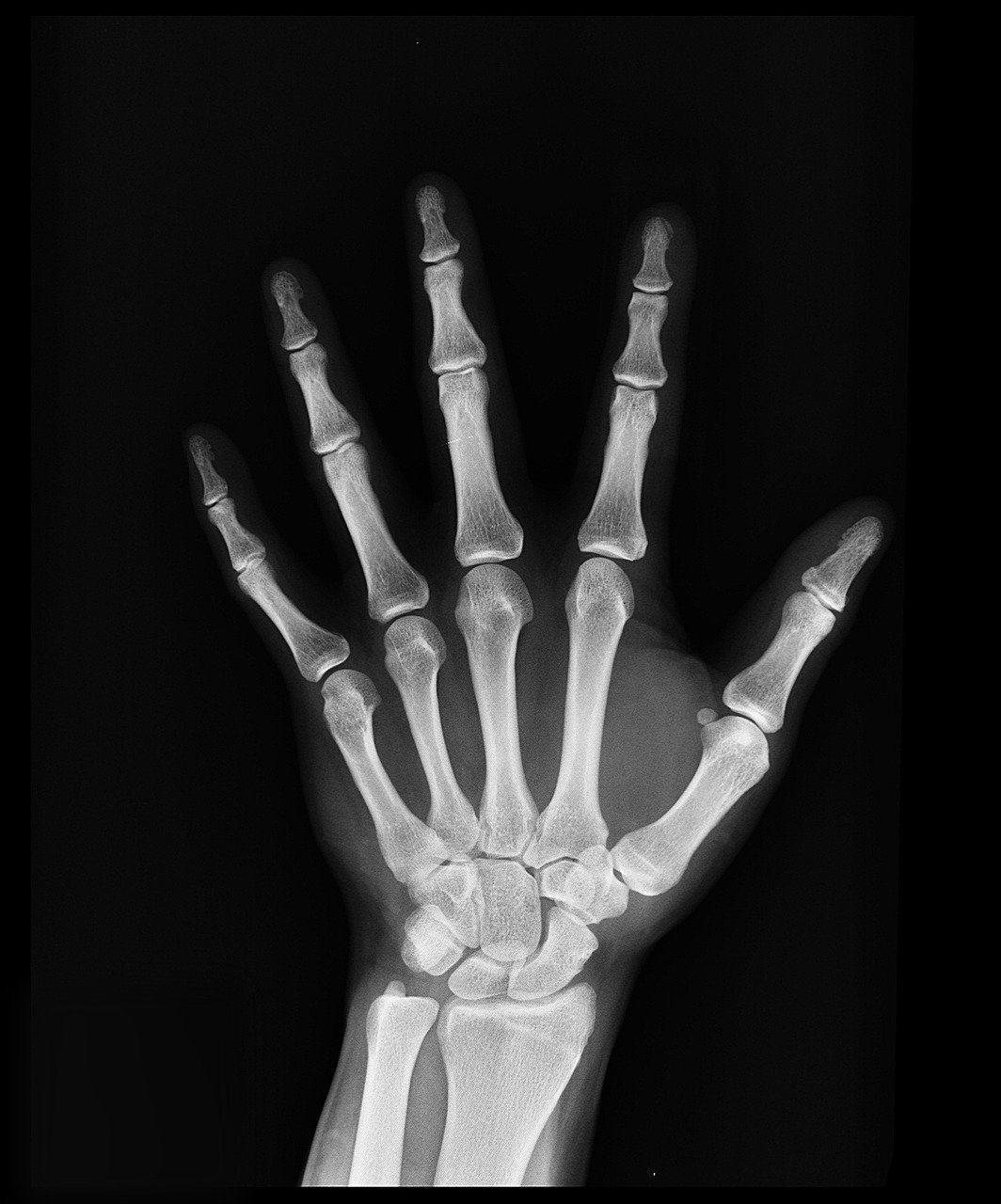
Wilhelm Roentgen stumbled on X-rays in 1895 while experimenting with cathode rays. A glowing screen and his wife’s hand bones appeared through flesh on photographic plates. These invisible rays pierced soft tissue but stopped at denser bone.[1]
Doctors gained tools to spot fractures, tumors, and bullets without cutting. Diagnostics sped up, treatments targeted precisely, and survival rates climbed. Industry adapted them for flaw detection in materials, bolstering safety in manufacturing.[3]
Electricity Powers Modern Life

Ancient static sparks evolved into Alessandro Volta’s 1800 battery and Michael Faraday’s electromagnetic induction. These showed electricity as a controllable flow from chemical or magnetic sources. Practical generators followed, lighting homes by the late 1800s.[1]
Factories ran nonstop, cities glowed at night, and telegraphs linked distant points. Appliances entered kitchens, extending work and leisure hours. This energy backbone fueled communication revolutions and industrial booms, defining urban existence.[2]
DNA’s Double Helix Unlocks Heredity
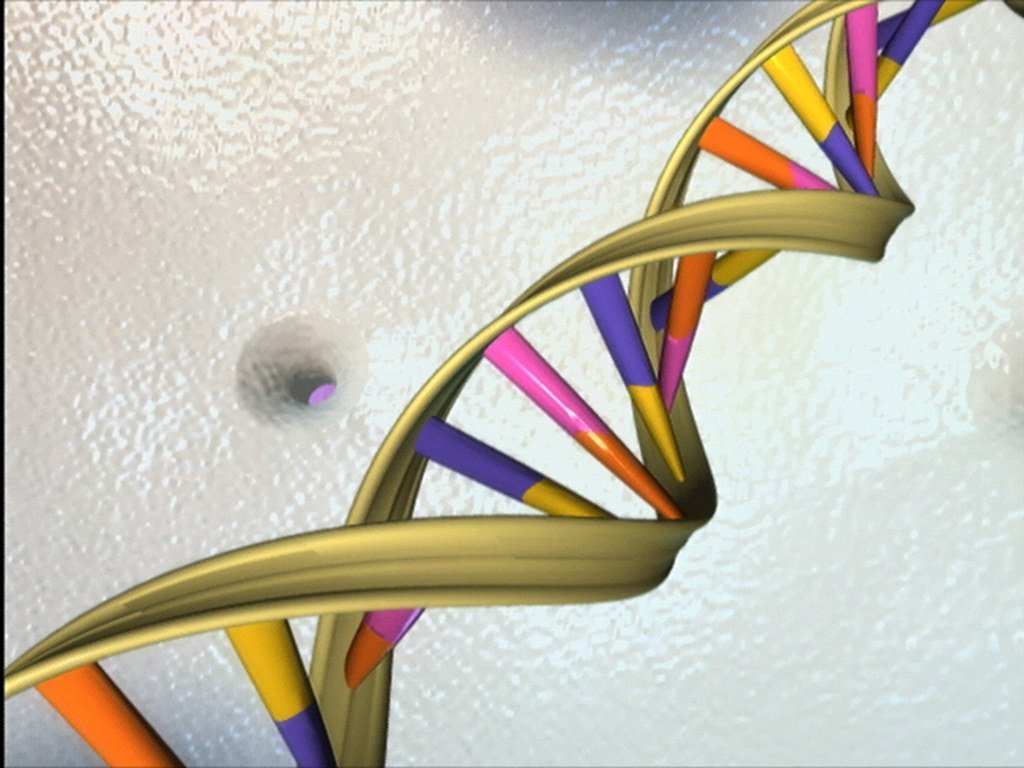
James Watson and Francis Crick modeled DNA’s structure in 1953, building on Rosalind Franklin’s X-ray images. The twisting ladder of base pairs explained how genes replicate and code life. This molecule held the blueprint for every trait and function.[1]
Genetics exploded into forensics, ancestry tests, and tailored drugs. Crops improved yields, diseases traced to mutations. Medicine personalized, promising cures for inherited ills and reshaping family planning.[2]
Conclusion: Science Propels Civilization Forward
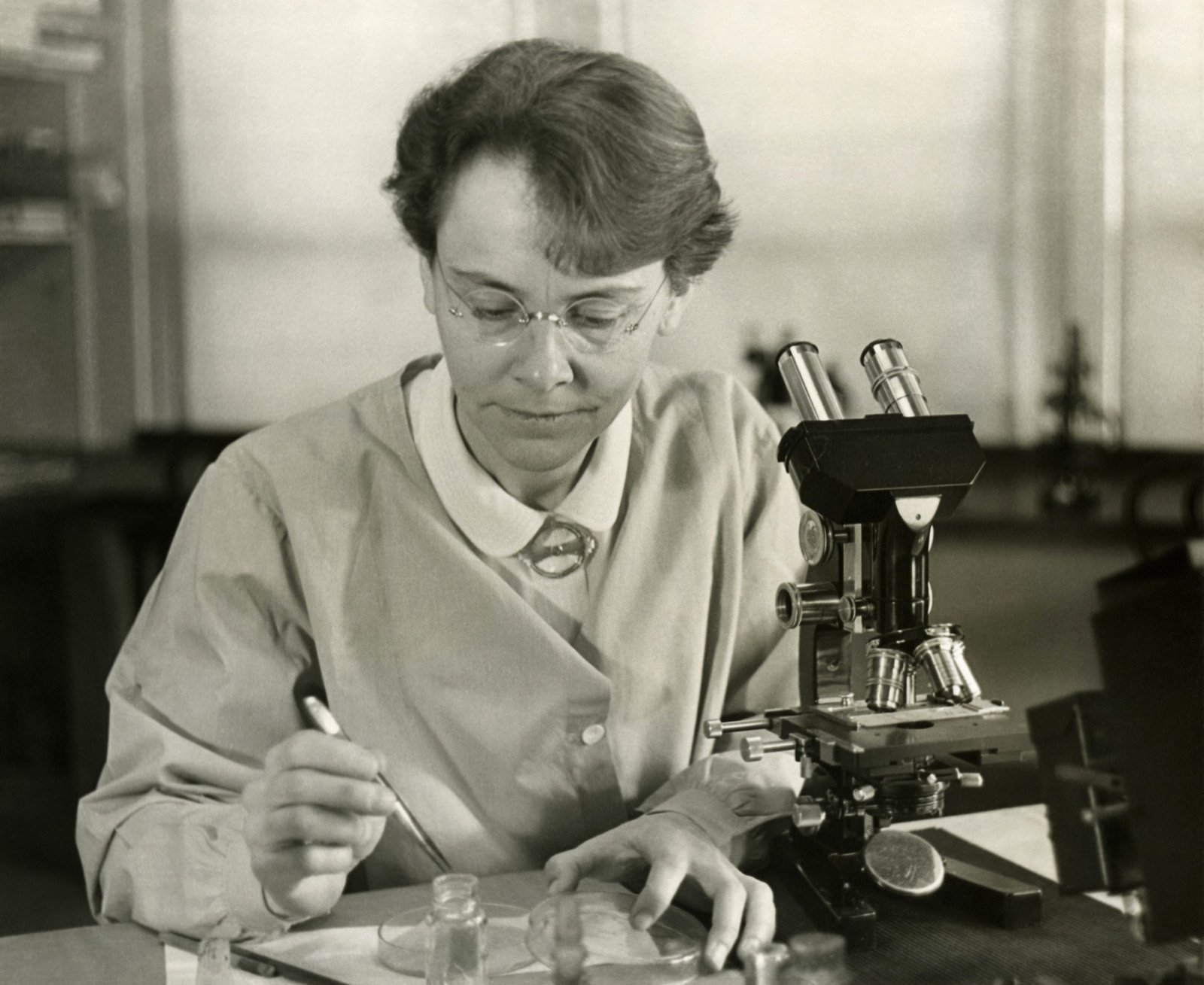
These discoveries prove science does not merely explain. It rebuilds society from the ground up, turning peril into progress.
Each step forward invites the next, a chain reaction of human ingenuity. Civilization thrives when we nurture that spark.[4]

Christian Wiedeck, all the way from Germany, loves music festivals, especially in the USA. His articles bring the excitement of these events to readers worldwide.
For any feedback please reach out to info@festivalinside.com
