

For any feedback please reach out to info@festivalinside.com
- 10 Hollywood Scandals From The Golden Age That Shocked The Nation - August 22, 2026
- 10 Architectural Wonders Of The Modern World That Defy All Expectations. - August 22, 2026
- 15 Unsung Heroes Of Rock And Roll Who Deserve Their Place In History. - August 22, 2026
Historical photographs freeze split-second moments that hint at deeper turmoil. A weary expression or a defiant gesture pulls viewers in, but the full context reveals tangled emotions and political forces at play.
These images transcend their frames. They document individual lives caught in broader upheavals, from economic collapse to wartime sacrifice, reshaping how we remember pivotal eras.[1][2]
Migrant Mother
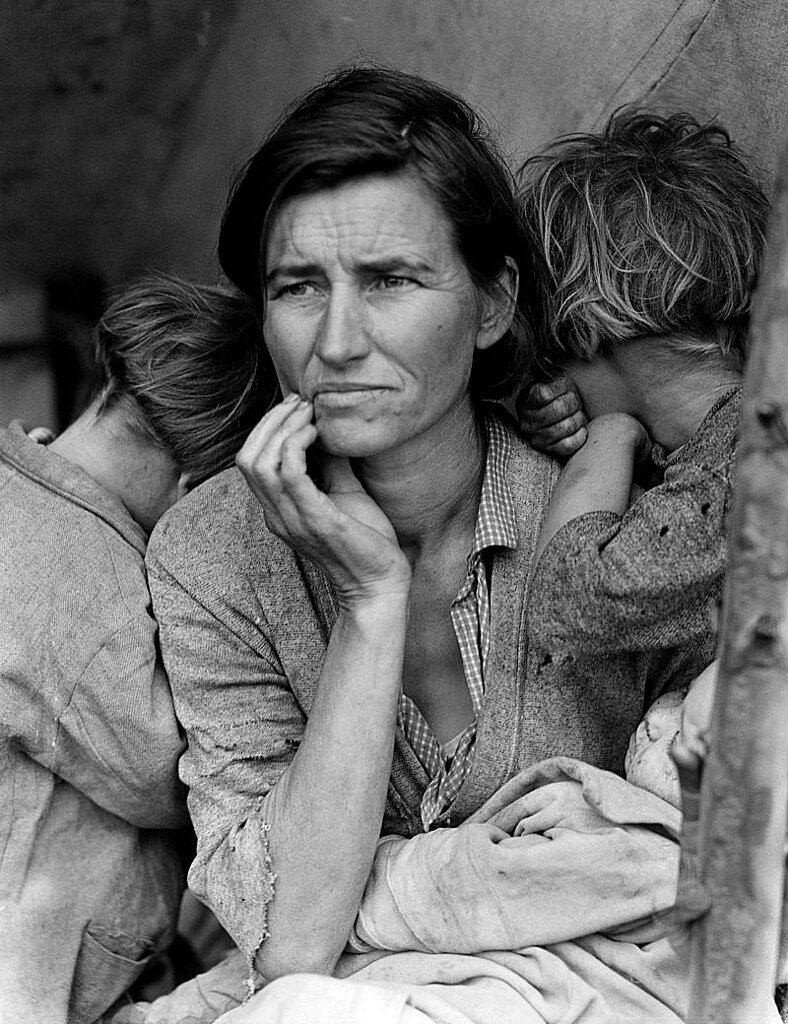
Dorothea Lange spotted Florence Owens Thompson in a Nipomo, California, pea-pickers camp in 1936. Thompson, a 32-year-old widow with seven children, sat exhausted as her family huddled close after their car broke down. Lange, working for the New Deal’s Resettlement Administration, snapped several frames without noting her name, capturing raw desperation amid the Great Depression.[1][2]
The image hit newspapers and spurred immediate government aid of food to the camp, though Thompson’s family had already moved on. Thompson later expressed resentment, feeling exploited as a symbol without compensation; she died in 1983 at age 80. This photo endures as the face of Depression-era hardship, influencing public support for relief programs and defining Lange’s legacy in documentary photography.[2]
Raising the Flag on Iwo Jima
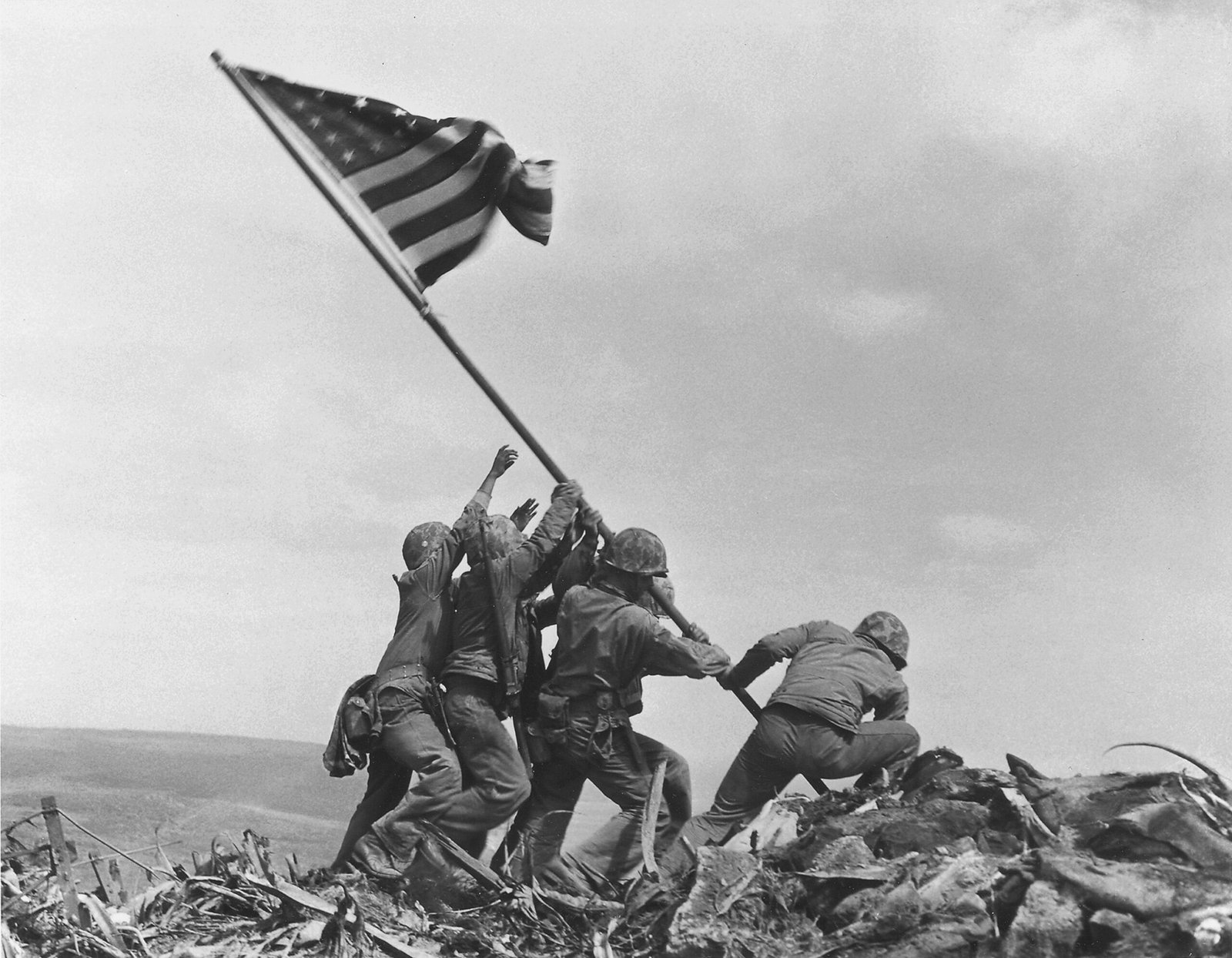
Joe Rosenthal climbed Mount Suribachi on February 23, 1945, during the brutal Battle of Iwo Jima. U.S. Marines replaced a small flag with a larger one for better visibility, and Rosenthal captured six men straining to hoist it amid ongoing combat. Three of them – Ira Hayes, Franklin Sousley, and Harlon Block – died before the battle ended a month later.[1][2]
The photo won a Pulitzer Prize and became a rallying symbol for American resolve, adorning war bond posters and inspiring the Marine Corps War Memorial. Accusations of staging arose, but witnesses confirmed its authenticity as the second raising. It galvanized home-front support during World War II and honors all Marines since 1775 at the Arlington statue.[2]
V-J Day in Times Square
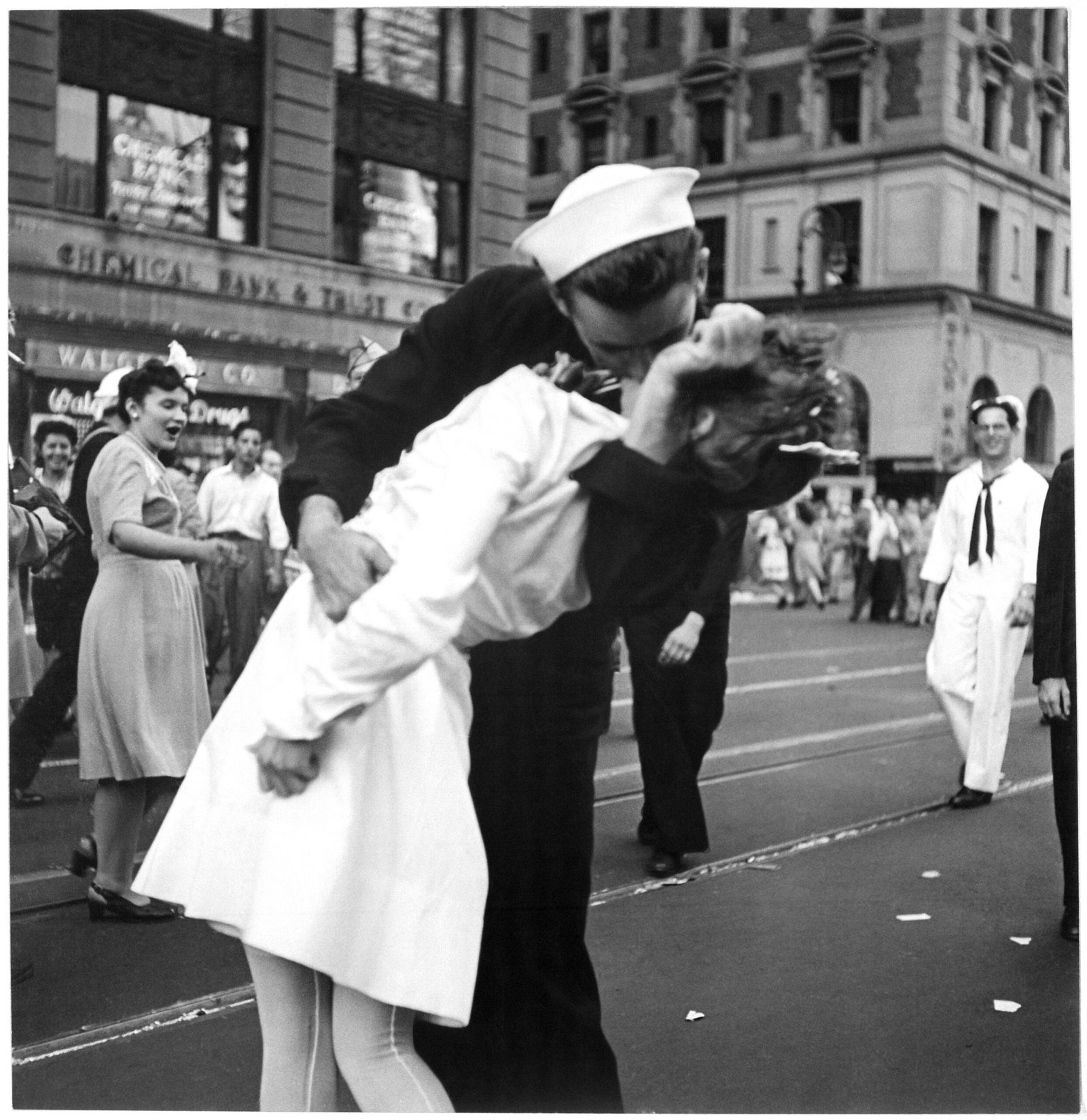
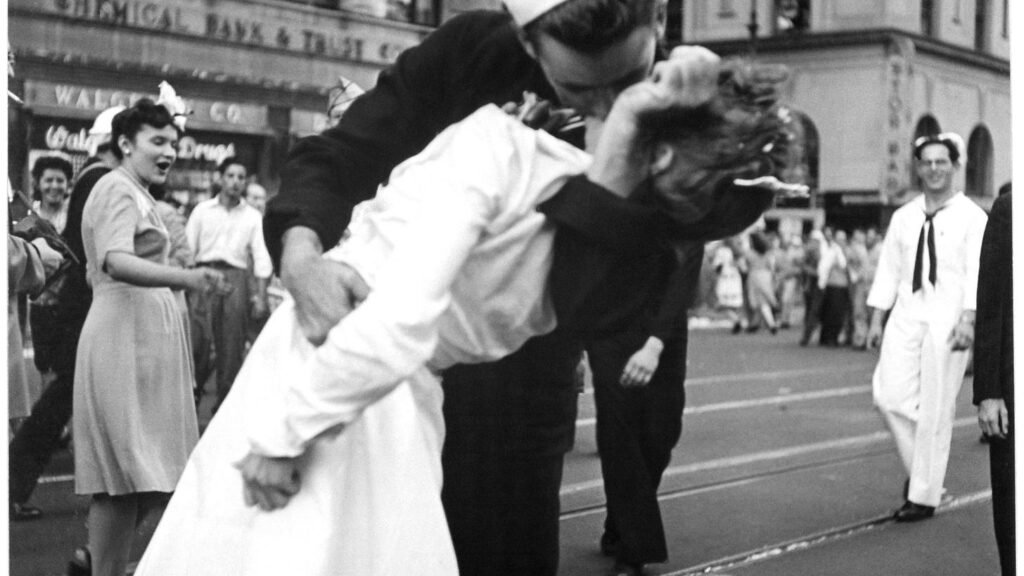
On August 14, 1945, Alfred Eisenstaedt roamed Times Square as crowds erupted over Japan’s surrender. A sailor grabbed a white-clad dental assistant in exuberant celebration, planting a kiss amid the chaos; neither knew the other. Eisenstaedt fired his Leica without asking names in the frenzy.[2]
Published in Life magazine, the image captured wartime relief but sparked decades of identity debates, with a 2012 book claiming sailor George Mendonsa and Greta Zimmer. It symbolizes victory’s joy yet reflects unscripted human impulses in historic shifts. The photo endures as a snapshot of World War II’s end, evoking both romance and raw emotion across generations.[2]
Tank Man
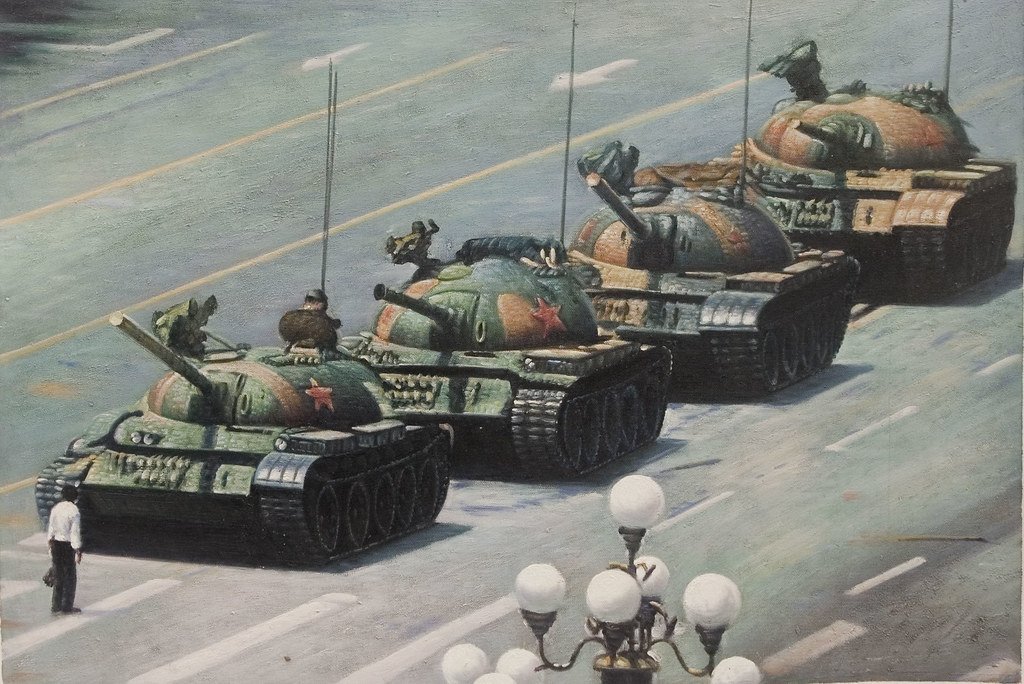
Jeff Widener perched on a Beijing Hotel balcony on June 5, 1989, after troops crushed pro-democracy protests in Tiananmen Square. A lone man in a white shirt stepped before a column of tanks, blocking the lead vehicle with shopping bags in hand. He repeatedly shifted to halt it, even climbing aboard briefly before bystanders pulled him away.[3]
His identity and fate remain unknown amid China’s information blackout, but the image circled the globe after Widener smuggled film out. It embodies individual courage against oppression, nominated for a Pulitzer and named among history’s top photos. The protests, sparked by Hu Yaobang’s death, drew millions demanding reform, ending in hundreds to thousands dead and mass arrests.[3]
The Terror of War (Napalm Girl)
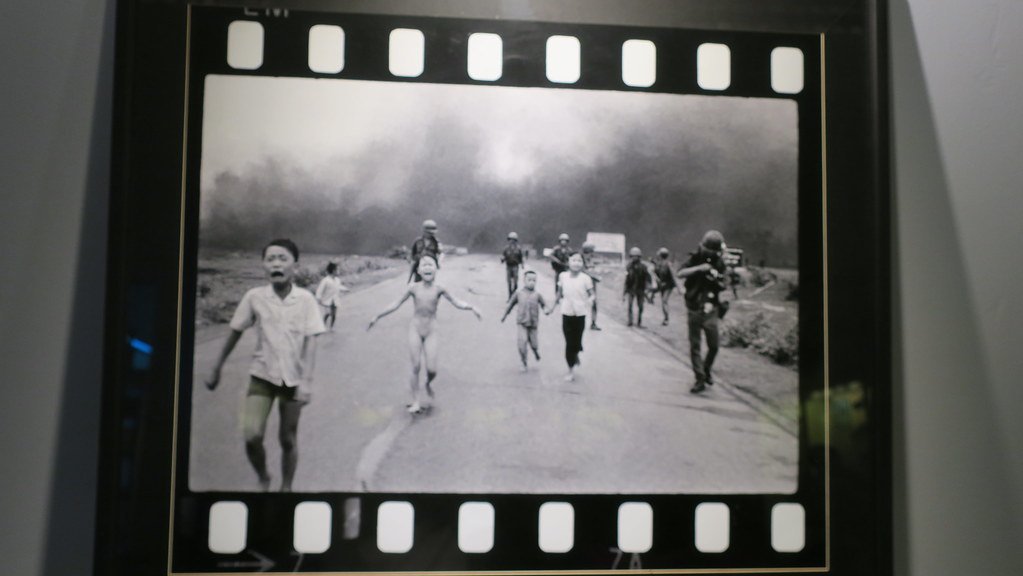
Nick Ut raced toward a village near Saigon on June 8, 1972, after a South Vietnamese plane dropped napalm. Nine-year-old Phan Thi Kim Phuc fled naked and screaming, clothes burned off, with other children in terror. Ut rushed her to a hospital, photographing the raw agony that won a Pulitzer the next year.[4]
The image pierced American complacency, amplifying anti-war voices and hastening U.S. withdrawal from Vietnam. Newspapers bent nudity policies to run it, highlighting civilian suffering over combat glory. Phuc survived severe burns and later became a Canadian advocate for peace, turning personal trauma into global reconciliation efforts.[4]
Guerrillero Heroico
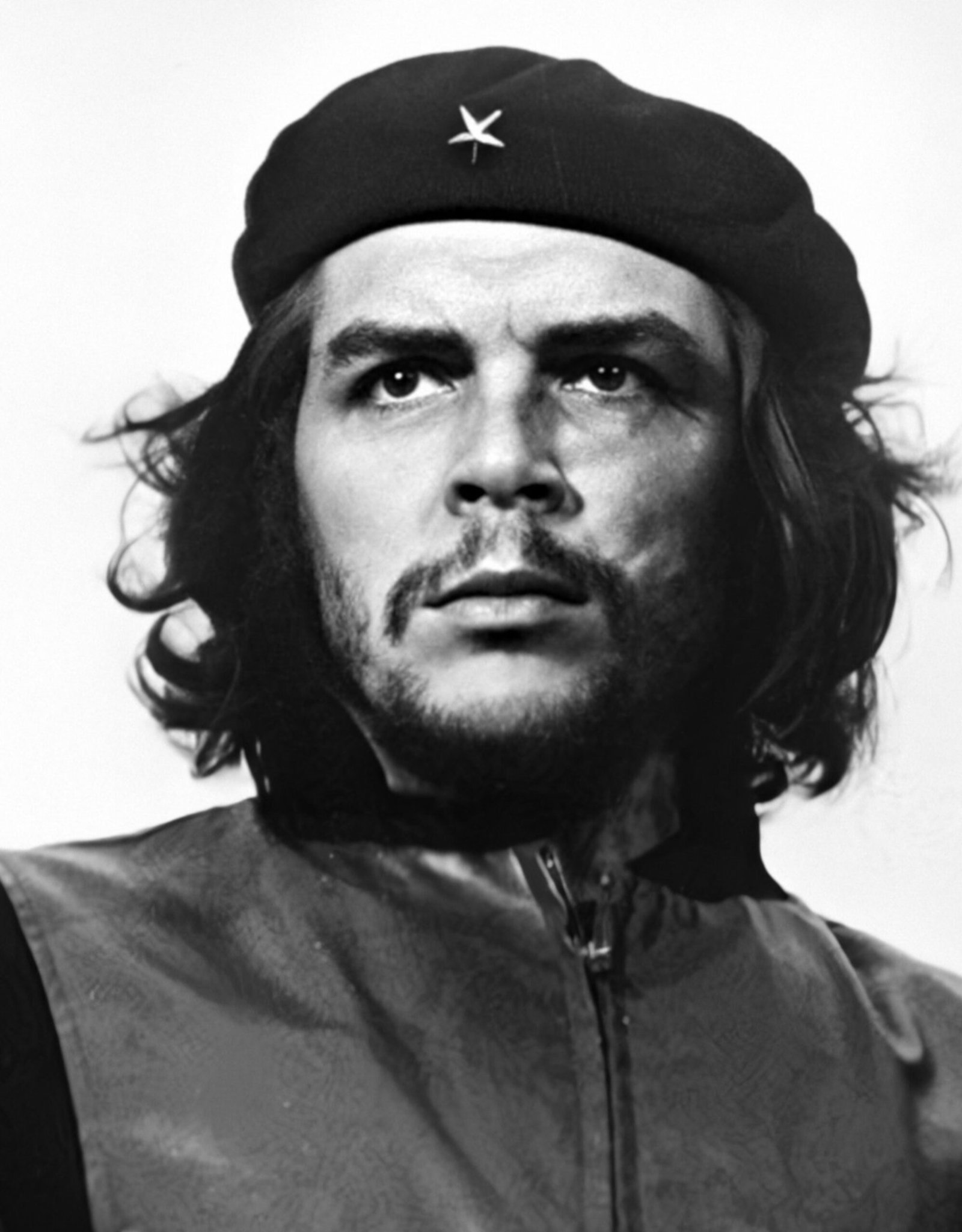
Alberto Korda framed Che Guevara on March 5, 1960, at a Havana memorial for explosion victims aboard the La Coubre ship. Guevara’s gaze mixed fury and resolve as he mourned the dead, blamed on U.S. sabotage by Fidel Castro. Korda cropped the shot tightly, though his paper passed it over.[1][2]
After Guevara’s 1967 death in Bolivia, Italian publisher Giangiacomo Feltrinelli spread posters worldwide, birthing a revolutionary icon rivaling corporate logos. It fueled leftist causes yet graces capitalist merchandise, ironic given Che’s ideals. The image reshaped modern iconography, outliving its subject as a perpetual emblem of rebellion.[2]
The Scourged Back
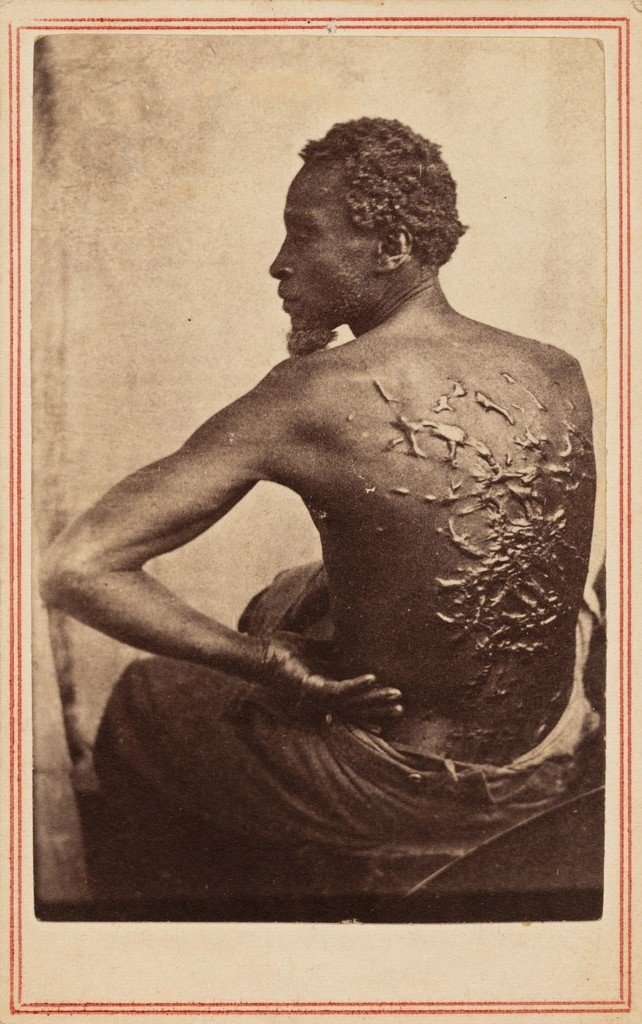
In 1863, an unknown photographer captured a Union recruit’s back, scarred from brutal whippings as an escaped slave. Published in Harper’s Weekly as “Gordon” from Mississippi, it shocked Northern eyes during the Civil War. Details varied – some called him Peter from Louisiana – but the wounds spoke volumes.[1]
The image galvanized abolitionist fervor, impossible to dismiss slavery’s horrors amid debates. It bolstered Union support and recruitment, tipping moral scales in the war. Though the man’s full story fades, the photo remains a stark testament to human endurance and injustice’s toll.[1]
Photography’s Role in Shaping Collective Memory
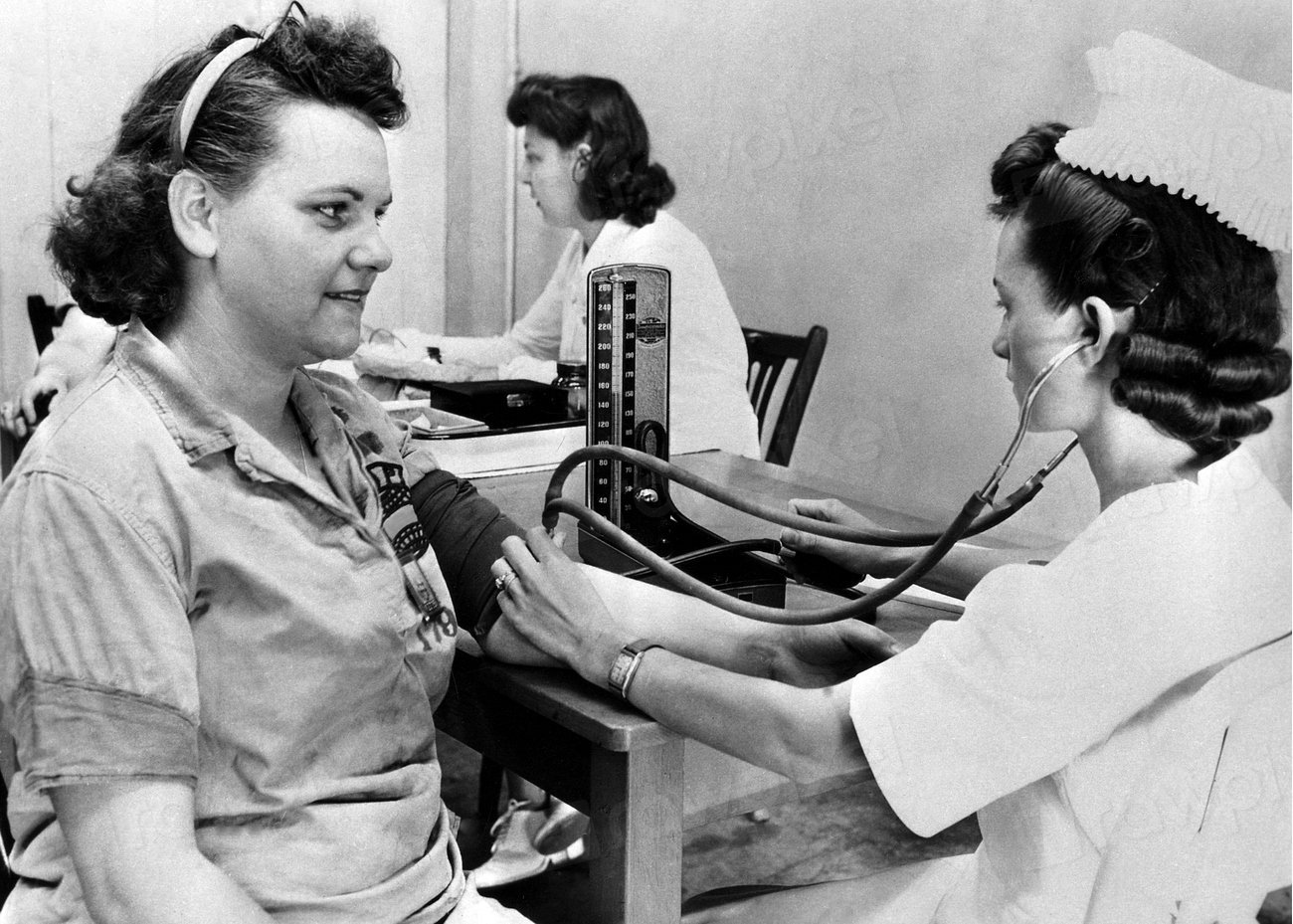
These photographs embed personal stakes into history’s sweep. They stir empathy, challenge narratives, and preserve truths that words alone cannot convey.
By etching defiance, suffering, and triumph into shared consciousness, photography ensures pivotal moments linger. It reminds us that behind every frame lies a human story demanding attention long after the shutter clicks.[5]

Christian Wiedeck, all the way from Germany, loves music festivals, especially in the USA. His articles bring the excitement of these events to readers worldwide.
For any feedback please reach out to info@festivalinside.com
