
Television spinoffs often start with familiar elements from their parent shows. Yet some break free, crafting distinct worlds that draw larger audiences or earn sharper praise.
These successes stem from bold shifts in tone, deeper character arcs, or timely themes. They prove a simple premise can evolve into something richer when given room to breathe.[1][2]
Frasier
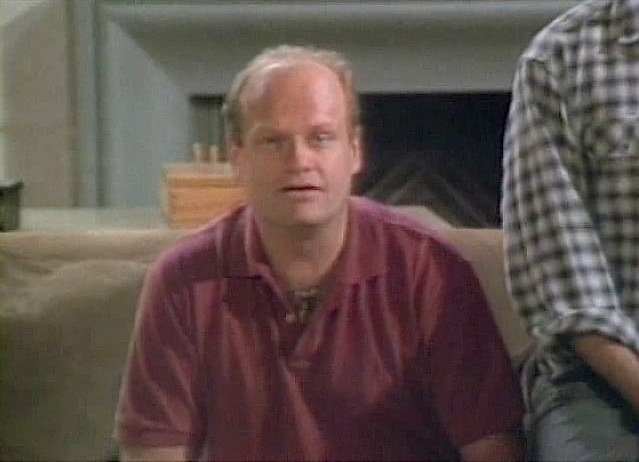
Frasier Crane left the Boston bar of Cheers for a radio booth in Seattle, trading barstool banter for sophisticated neuroses. This shift allowed sharper intellectual humor, blending highbrow references with physical comedy alongside his brother Niles and father Martin. The series ran 11 seasons, matching Cheers but surpassing it with 37 Emmy Awards, including Outstanding Comedy five times in a row.[1][2]
Critics hailed its witty dialogue and family dynamics, while a 2023 revival showed lasting appeal. Frasier became a cultural staple, often ranked among the best sitcoms for its character depth and Seattle vibe.[1]
Happy Days
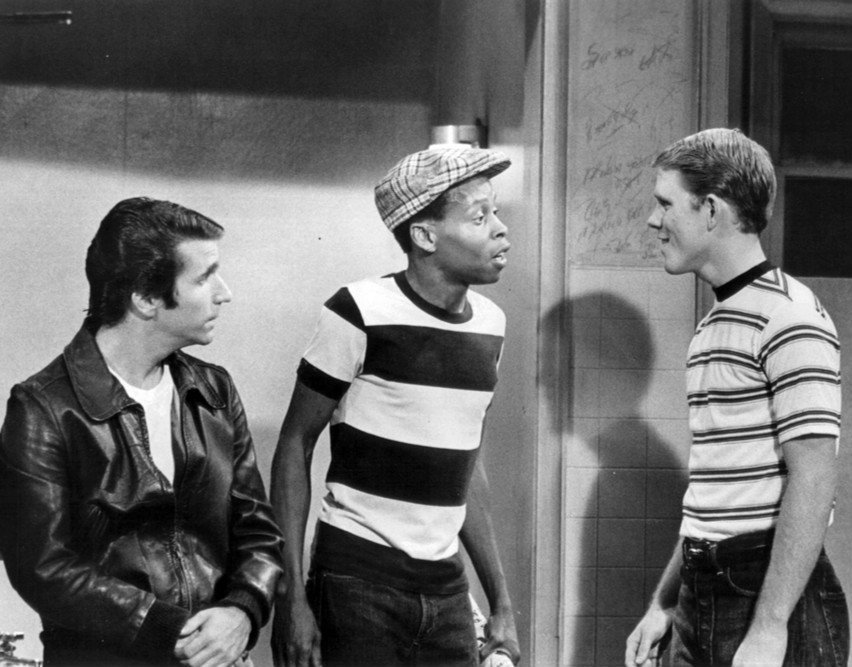
photo front
photo back
Transferred from en.wikipedia by SreeBot, Public domain)
What began as a segment on Love, American Style blossomed into a nostalgic 1950s Midwest portrait with Happy Days. Fonzie’s cool leather jacket and the Cunningham family’s warmth captured America’s heart, running 11 seasons and 255 episodes against the original’s five. It spawned hits like Laverne & Shirley, cementing its place in TV history and even coining “jumping the shark.”[1][3]
Henry Winkler’s Fonzie became an icon, influencing pop culture archetypes. The show’s down-to-earth feel ensured endless syndication and enduring fondness.[1]
The Simpsons
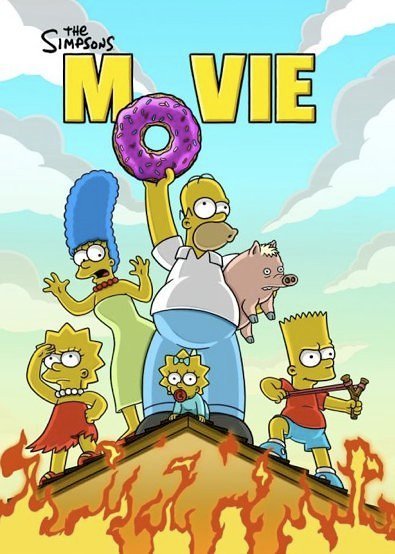
Short sketches on The Tracey Ullman Show evolved into The Simpsons, a full animated satire of family life. Homer, Marge, Bart, Lisa, and Maggie tackled everyday absurdities with biting commentary, exploding into over 700 episodes across 35 seasons. This dwarfed the original’s four seasons, building a billion-dollar empire with movies, parks, and merchandise.[3][2]
Its revolutionary animation and cultural predictions earned it the longest-running scripted series title. The Simpsons redefined primetime cartoons for generations.[4]
Law & Order: Special Victims Unit
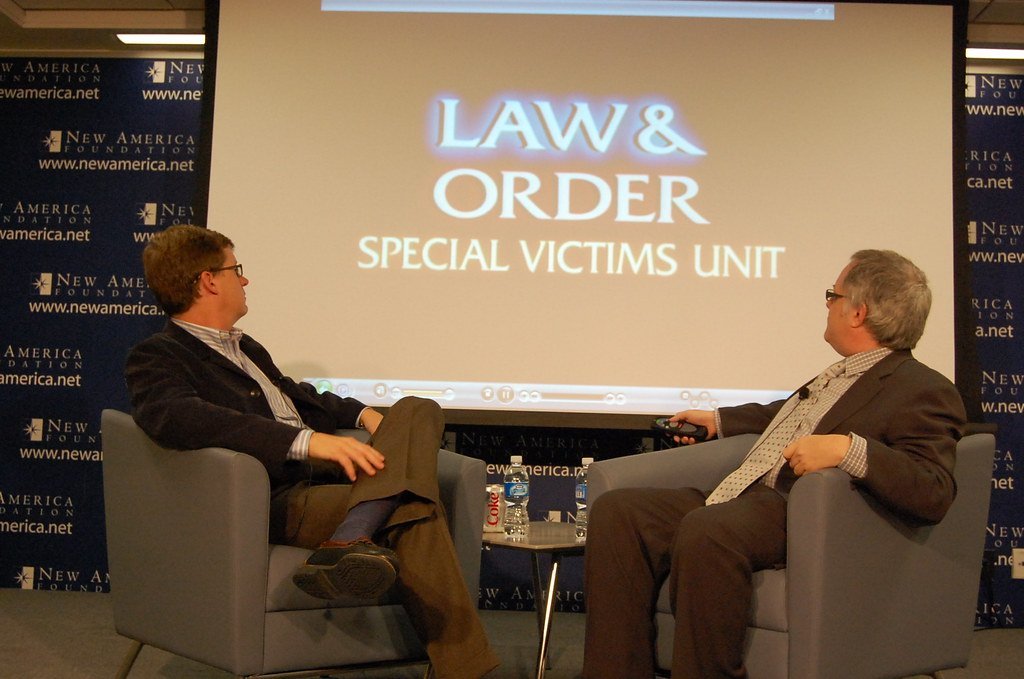
Building on Law & Order’s procedural formula, SVU zeroed in on sex crimes with emotional depth and guest stars. Olivia Benson’s arc anchored gripping cases, leading to over 566 episodes in 25 seasons. It perfected the genre, outpacing the original in episodes and cultural resonance.[1][2]
Mariska Hargitay’s performance drew massive viewership and launched careers. SVU’s intensity shaped true crime fascination.[1]
NCIS

NCIS sprang from JAG’s military world, focusing on naval crime-solving with team banter. Mark Harmon’s Gibbs led a 20-plus season juggernaut, blending procedurals with character bonds. It topped ratings consistently, spawning multiple spin-offs like Los Angeles and New Orleans.[1][3]
Its military angle broadened appeal, ensuring loyal fans. NCIS became a broadcast powerhouse.[2]
The Jeffersons
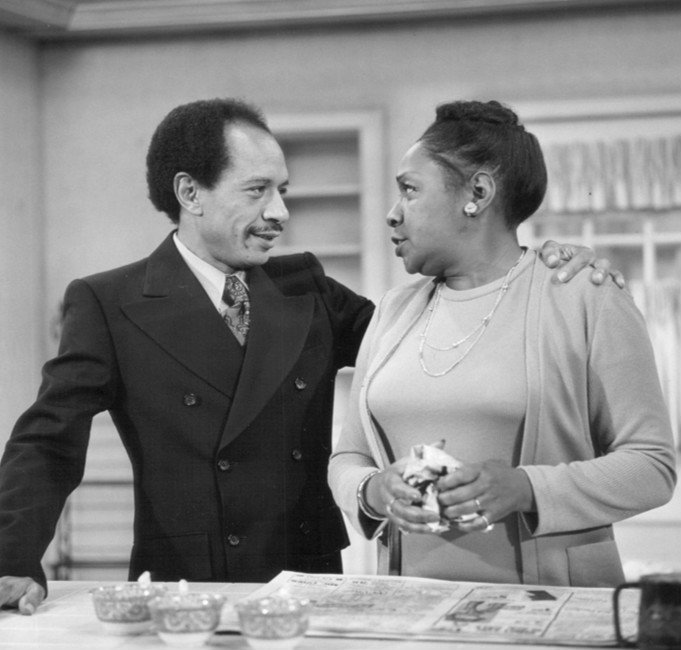
photo front
photo back
Transferred from en.wikipedia by SreeBot, Public domain)
The Jeffersons took Archie Bunker’s neighbors to a luxury high-rise, flipping All in the Family’s working-class lens. George and Weezy’s upward mobility tackled race and class with vibrant humor over 11 seasons. It ran longer than many peers, featuring early trans representation and interracial dynamics.[1]
Sherman Hemsley’s George became a comedy legend. The show showcased Black excellence boldly.[2]
Family Matters

From Perfect Strangers’ Winslow came Family Matters, centering a Black middle-class clan. Steve Urkel’s nerdy chaos stole the show, sustaining nine seasons and 215 episodes. Syndication kept it alive into the 2000s, outshining the original’s seven seasons.[1][3]
Urkel’s physical comedy made him iconic. It offered positive family portrayals.[1]
Star Trek: The Next Generation
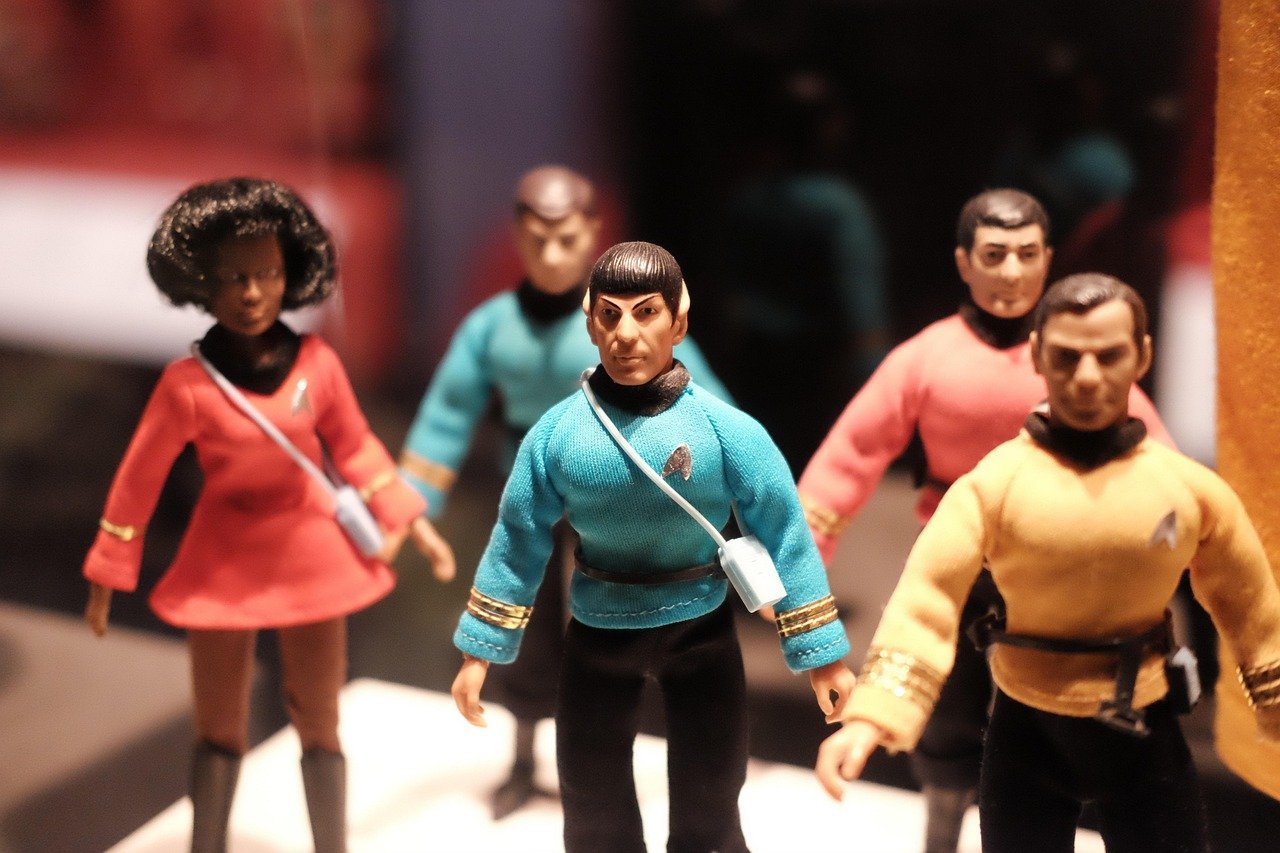
Star Trek: The Next Generation updated the original’s voyages with Picard’s Enterprise, deeper plots, and effects. It ran seven seasons, won 19 Emmys, and revived the franchise for new fans. Complex arcs and less campy acting aged better.[1][2]
It spawned Deep Space Nine and more. TNG solidified Trek’s legacy.[4]
A Different World
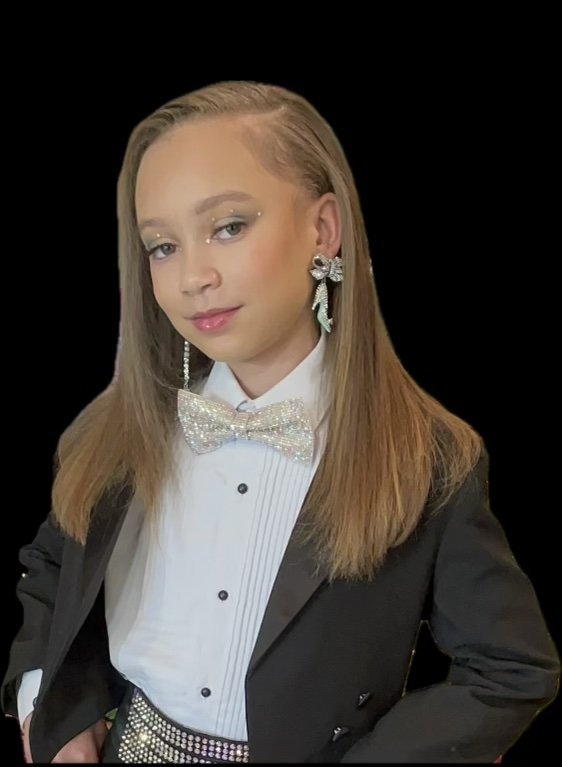
A Different World moved The Cosby Show’s daughter to college, diving into Black experiences. It addressed racism, AIDS, and riots with substance, blueprinting campus sitcoms. Deeper development outdid the family focus.[1]
Its social edge resonated widely. The cast grew into stars.[1]
Good Times
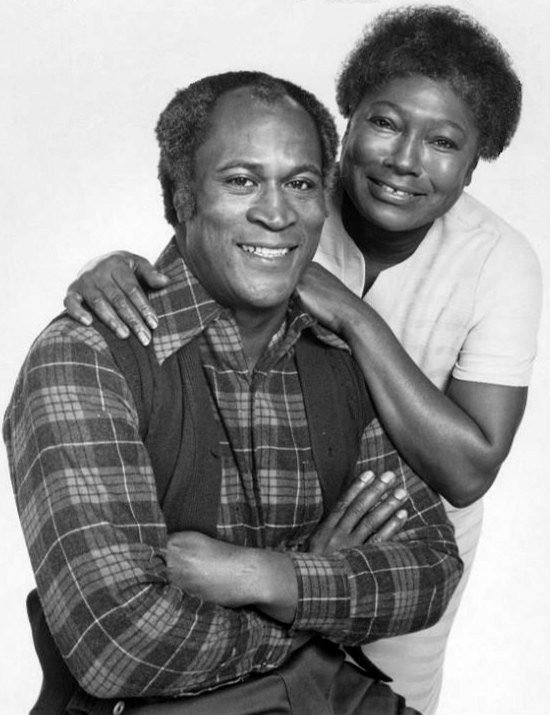
photo front
photo back
Transferred from en.wikipedia by SreeBot, Public domain)
Good Times followed Maude’s Florida to Chicago projects, highlighting poverty and family grit. The Evans’ two-parent Black household broke ground, tackling gangs and abuse. It connected more viscerally than Maude’s elite satire.[1][4]
Enduring themes kept it relevant. Jimmie Walker’s J.J. endured.[1]
The Andy Griffith Show
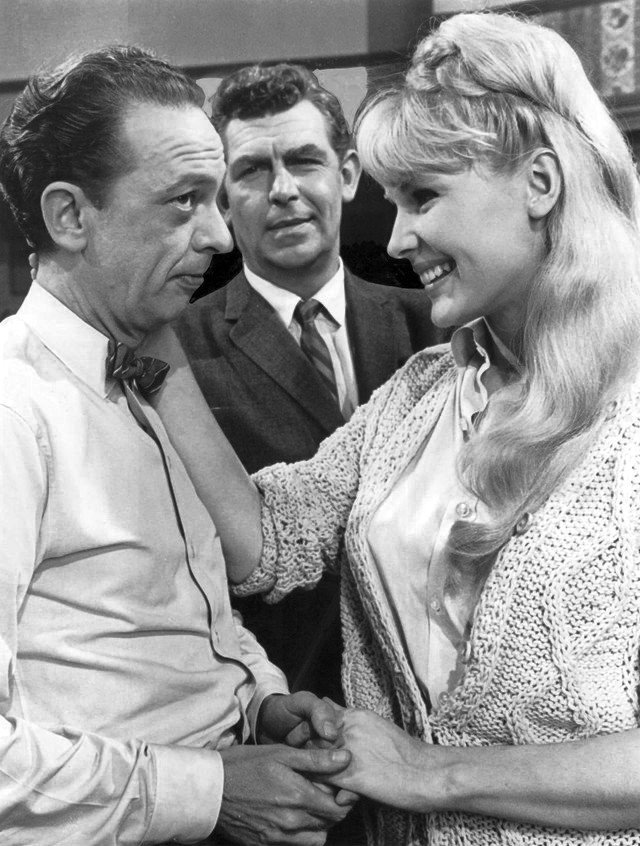
photo front
photo back, Public domain)
Mayberry’s sheriff spun from Danny Thomas into a gentle small-town tale. Eight seasons and 249 episodes captured 1960s America, thriving in syndication. It eclipsed the original’s memory with wholesome charm.[3]
Andy and Opie’s fishing trips became timeless. Its nostalgia endures.[3]
Xena: Warrior Princess

Xena leaped from Hercules villainy to heroic quests with Gabrielle. Action, emotion, and queer subtext drew broader crowds, topping ratings. Six seasons and feminist icon status outshone Hercules.[1][3]
Comics and games expanded its world. Lucy Lawless shone.[1]
Creative Reinvention in Television
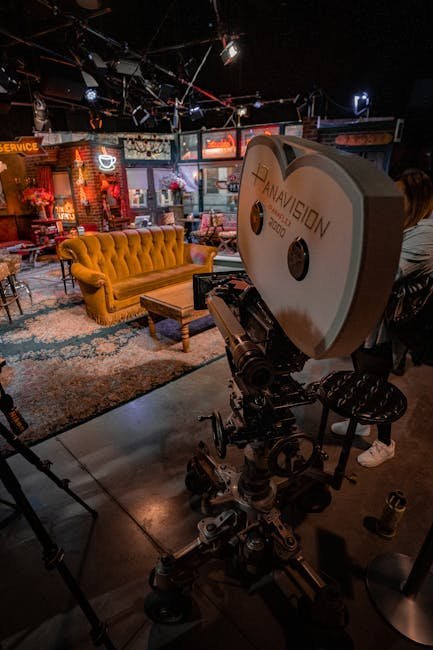
Spinoffs thrive when they honor roots yet forge ahead. These 12 remind us television rewards fresh takes on proven ideas.
Risking change often pays off, turning side characters into stars. In a crowded landscape, reinvention keeps stories alive.[1]

- 10 Celebrities Who Started Out on ‘The Mickey Mouse Club’. - August 22, 2026
- 12 Rock Anthems From The 70s And 80s That Still Pack A Punch Live - August 22, 2026
- 15 Famous Quotes Misattributed To Historical Figures That Everyone Believes. - August 22, 2026

