

- 12 Unforgettable TV Shows From Your Youth That Deserve A Modern Reboot. - August 22, 2026
- The Golden Age of Radio Dramas Still Holds a Powerful Spell Over Audiences. - August 21, 2026
- 15 Historical Figures Who Were Far More Eccentric Than You Learned in School - August 21, 2026
In cinema, everyday objects often transcend their simplicity to embody profound narratives. Certain props evolve into symbols that linger in collective memory, carrying the weight of a film’s themes long after the credits roll.
These items spark recognition across generations, influencing how stories are told and remembered. They mark turning points in genres and techniques, from noir mysteries to epic fantasies.[1][2]
The Rosebud Sled from Citizen Kane
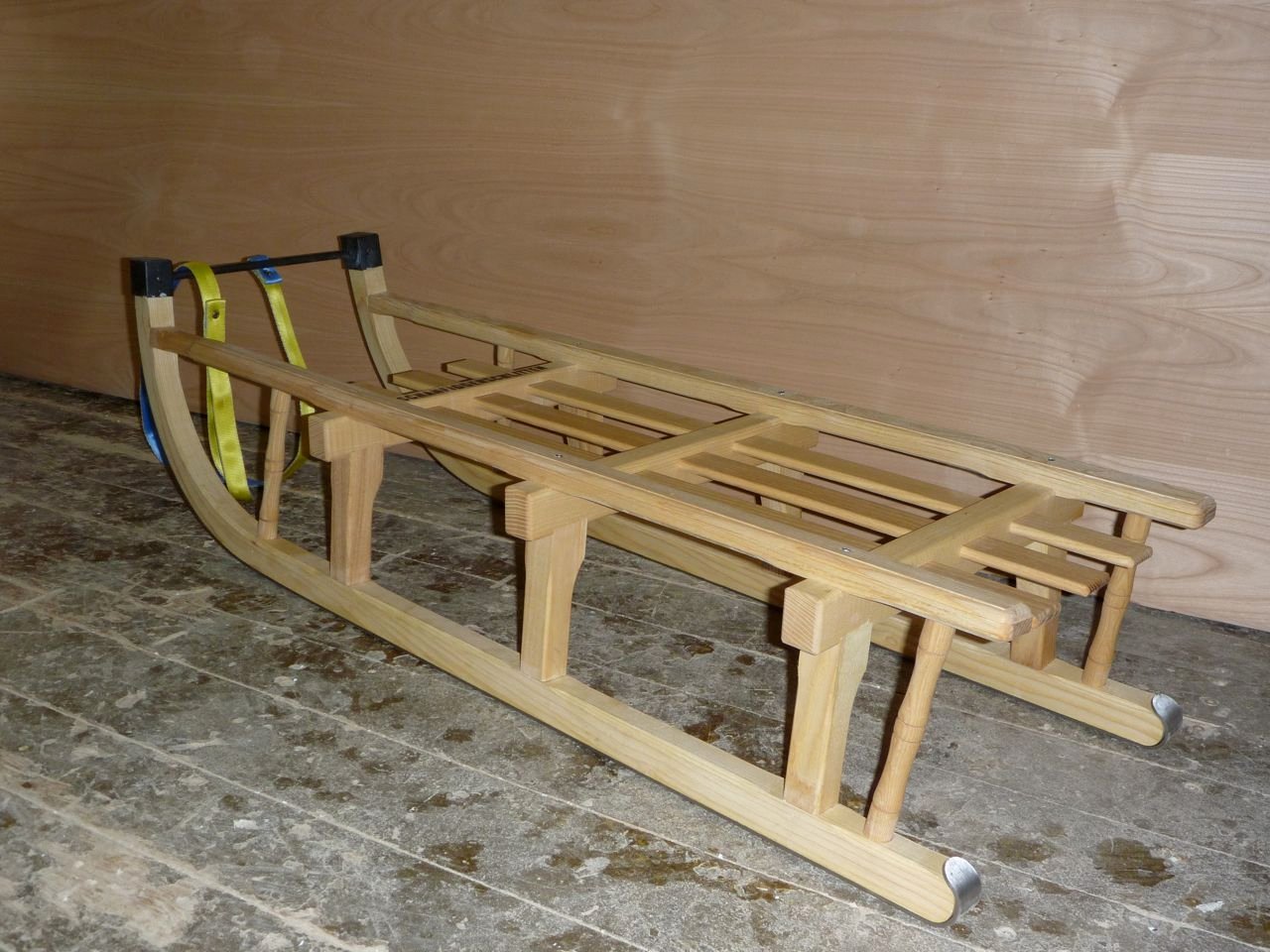
The Rosebud sled serves as the enigmatic core of Citizen Kane’s nonlinear structure. It reveals Charles Foster Kane’s lost childhood innocence in the film’s final moments, driving the investigative narrative that unravels his life. This twist redefined storytelling by prioritizing psychological depth over linear plots.
Culturally, Rosebud symbolizes unattainable happiness and the futility of power. Its image endures as cinema’s ultimate MacGuffin, shaping how audiences interpret ambiguous endings. Even those unfamiliar with the film know its impact on film history.[1][2]
The Ruby Slippers from The Wizard of Oz
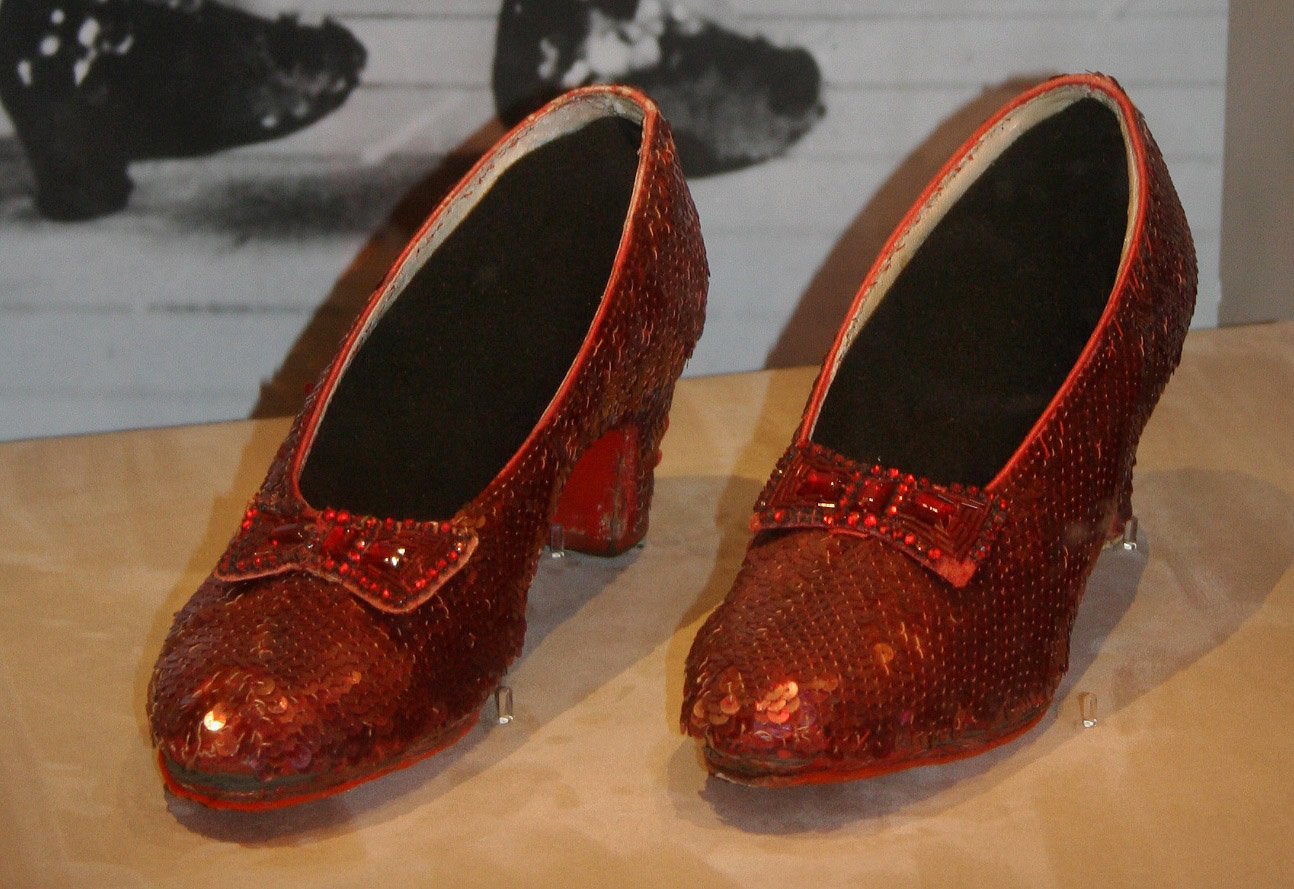
Dorothy’s ruby slippers hold the power to transport her home, central to her journey through Oz. They highlight themes of self-reliance and the magic within, contrasting the film’s Technicolor spectacle with black-and-white reality. This prop propelled the musical fantasy genre forward.
As symbols of desire and protection, the slippers entered global iconography. Their auction value underscores lasting appeal, recovered after thefts that captivated headlines. They remain benchmarks for production design in Hollywood’s golden age.[1][3]
The Maltese Falcon from The Maltese Falcon
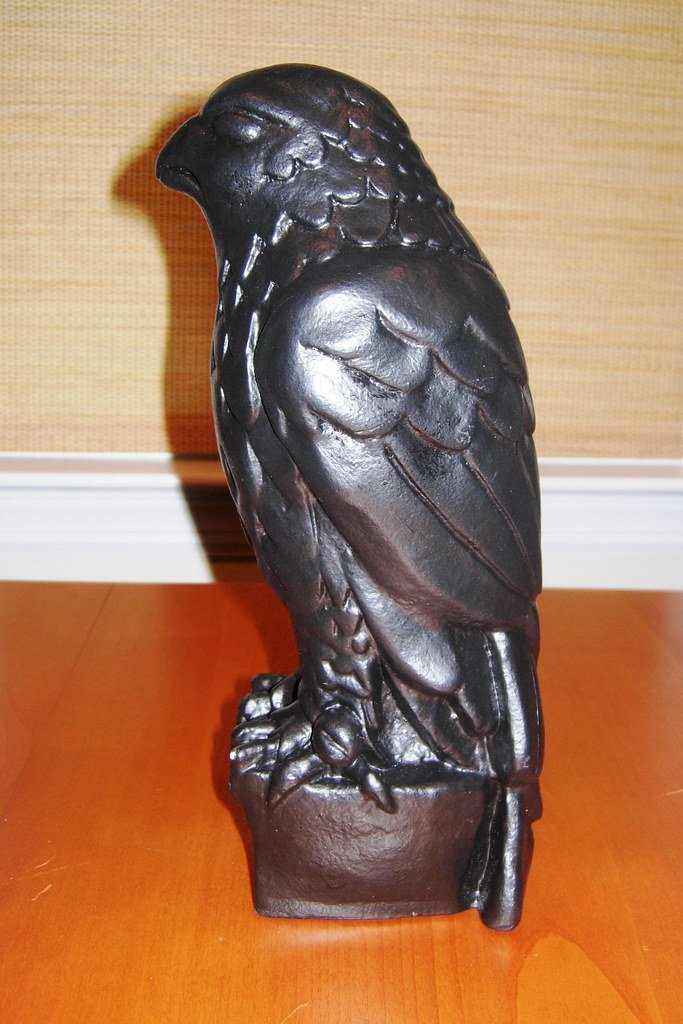
The black bird statuette drives the film’s web of deceit among detectives and criminals. As a priceless artifact, it functions as the ultimate MacGuffin, propelling noir’s moral ambiguity. Its quest exposes greed’s corrosive nature.
Symbolizing unattainable treasure, it cemented film noir’s visual style and cynical worldview. High auction prices reflect its status in genre history. The prop influences countless mystery tales that followed.[1][3]
Lightsabers from Star Wars
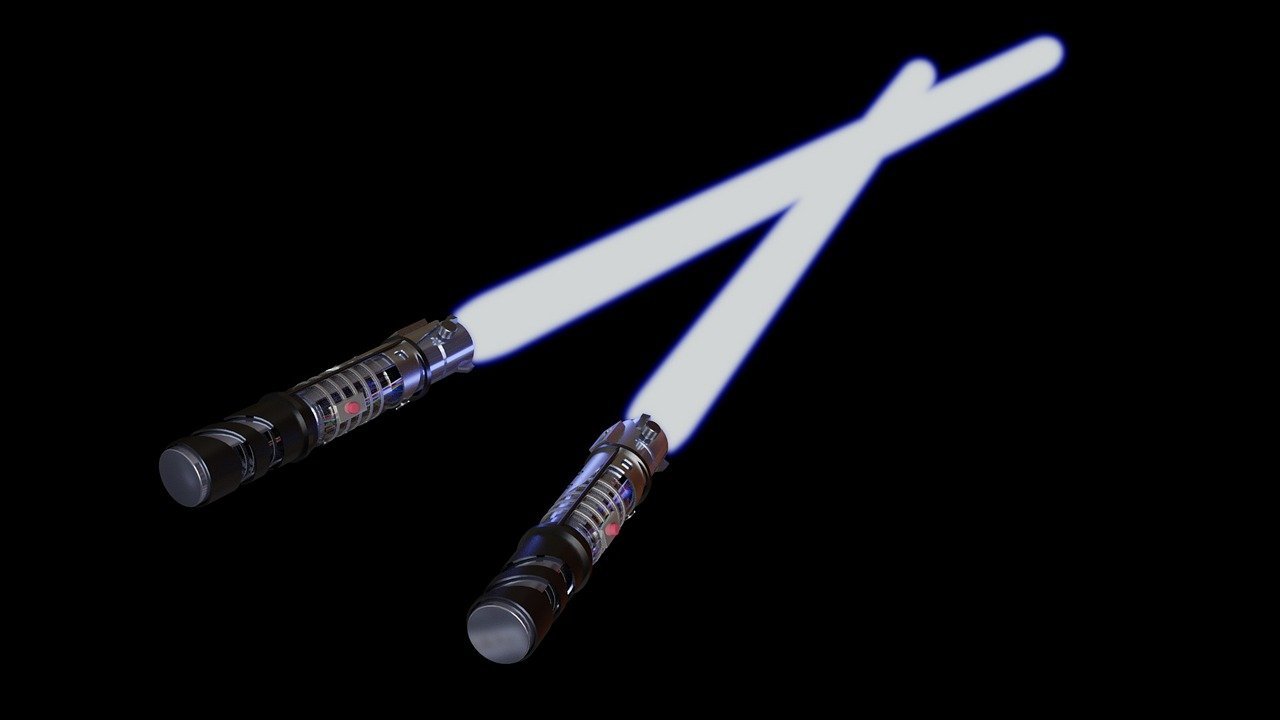
Lightsabers enable Jedi and Sith duels, embodying the force’s light and dark sides. Their humming blades revolutionized action choreography in sci-fi. Practical effects made epic battles feel intimate and visceral.
These weapons symbolize moral conflict, spawning a merchandising empire. They shaped visual effects innovation across blockbusters. Generations wield replicas, etching them into cultural battles.[1][3]
The One Ring from The Lord of the Rings
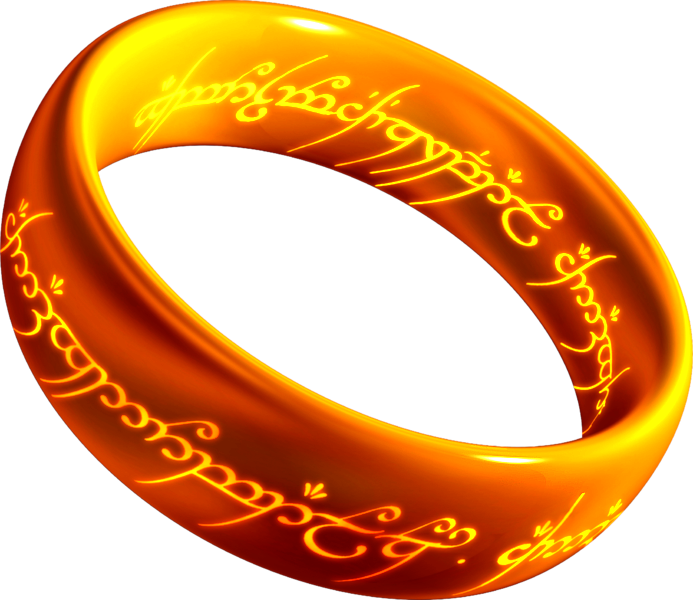
The One Ring tempts with power and invisibility, corrupting bearers and uniting foes against Sauron. It propels the fellowship’s quest, testing bonds of friendship. Its subtle design amplifies epic stakes.
Representing absolute power’s ruin, it defined modern fantasy cinema. Cultural replicas abound, mirroring its allure. The prop elevated practical effects in large-scale storytelling.[1][3]
Wilson the Volleyball from Cast Away
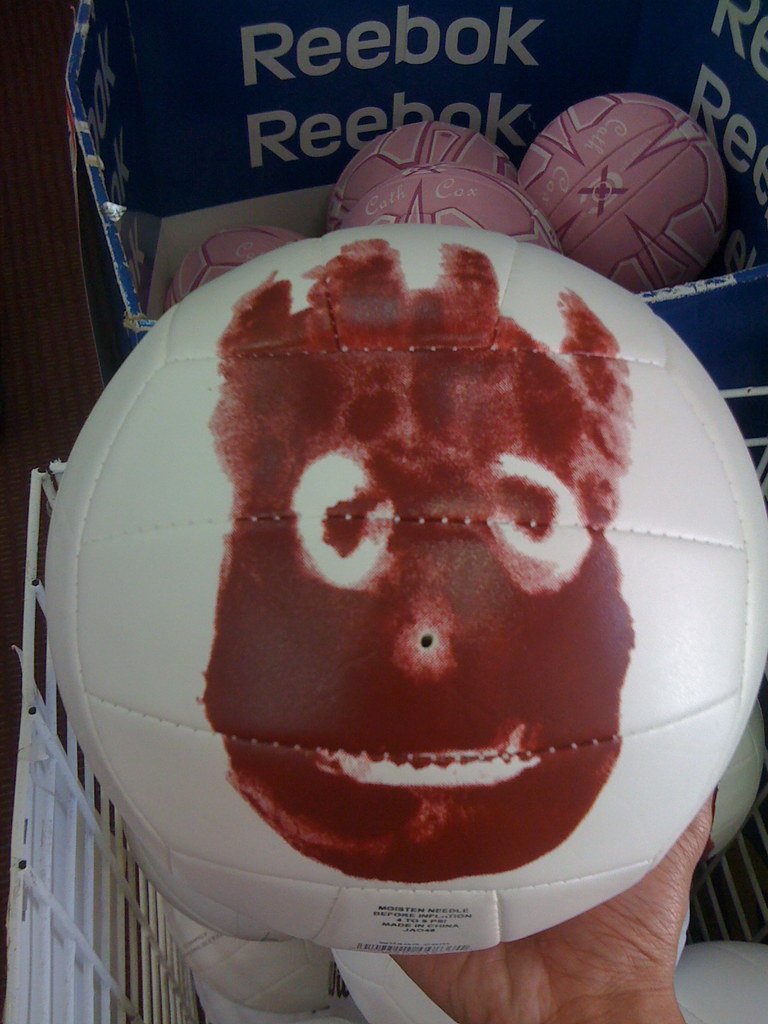
Wilson becomes Chuck Noland’s sole companion on a deserted island, facilitating one-man conversations. It humanizes isolation, marking survival’s psychological toll. The painted face conveys emotion without words.
Symbolizing human connection’s necessity, it reshaped survival drama tropes. Viewers mourn its loss, embedding it in memory. Wilson influenced props that convey companionship in solitude.[1][2]
The Spinning Top from Inception
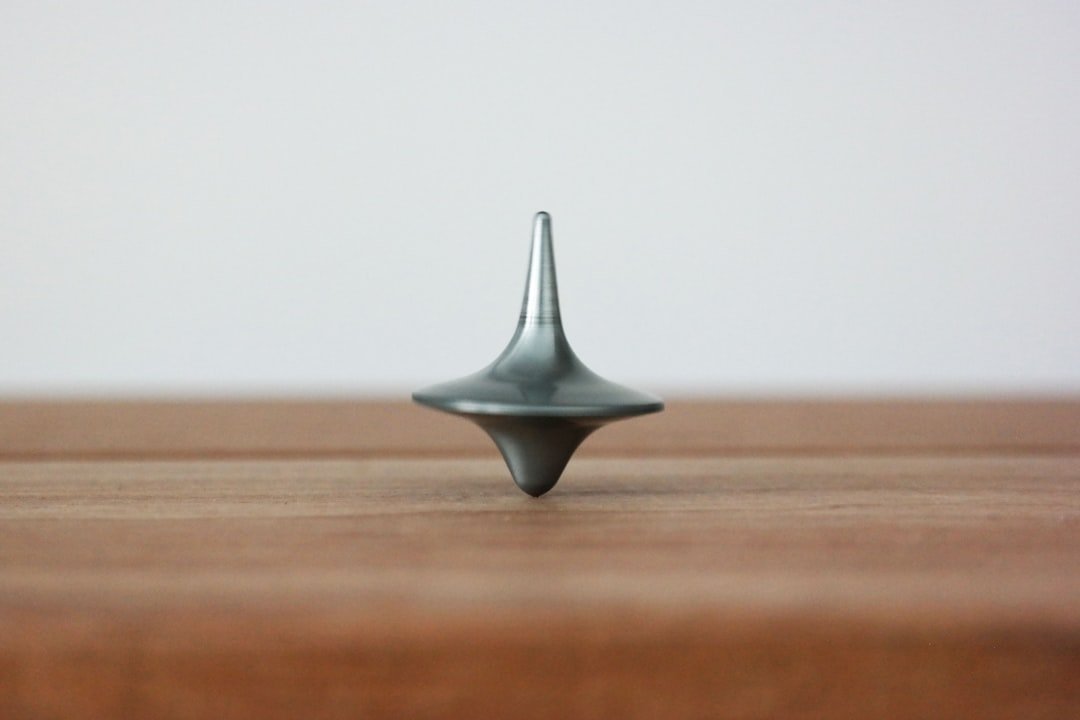
Cobb’s spinning top tests dream versus reality, anchoring the film’s layered heists. Its final wobble leaves audiences questioning truth. This device innovated mind-bending narratives.
As a totem of perception, it sparked endless debates on endings. It symbolizes film’s power to blur boundaries. The prop endures in discussions of cinematic ambiguity.[1]
The Briefcase from Pulp Fiction
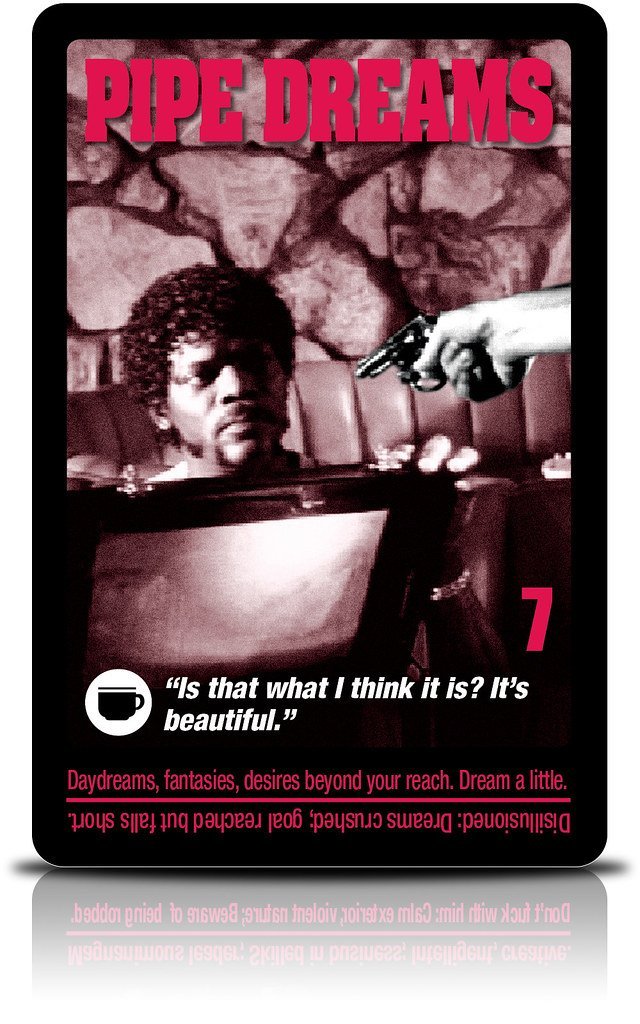
The glowing briefcase’s mysterious contents motivate hitmen and drive intersecting stories. Its allure ties nonlinear plots together. Ambiguity heightens tension without revelation.
Symbolizing forbidden desire, it captured ’90s cool and myth-making. Debates on its nature fuel the film’s legacy. It influenced enigmatic objects in postmodern cinema.[1]
The Hoverboard from Back to the Future Part II
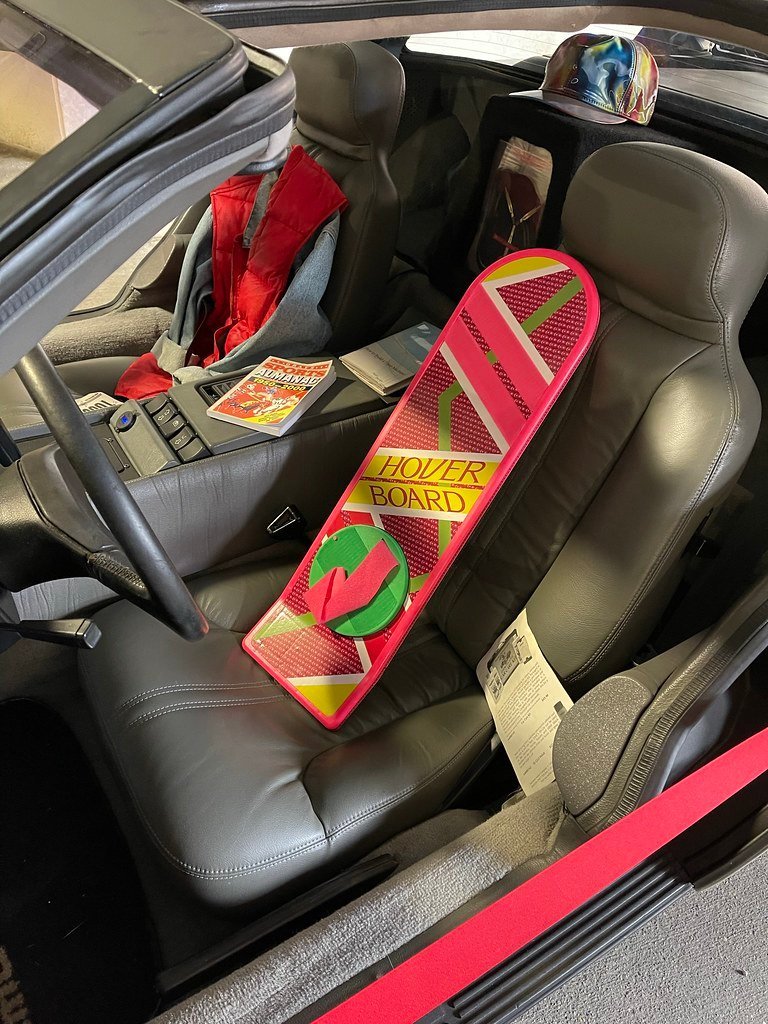
Marty’s hoverboard aids escapes in futuristic 2015, embodying time-travel whimsy. It sparks chases that blend eras seamlessly. Practical rigs made flights believable.
Representing youthful invention, it fueled real-world tech dreams. Cultural frenzy anticipated hover tech booms. The prop shaped sci-fi’s playful futurism.[4]
The Leg Lamp from A Christmas Story
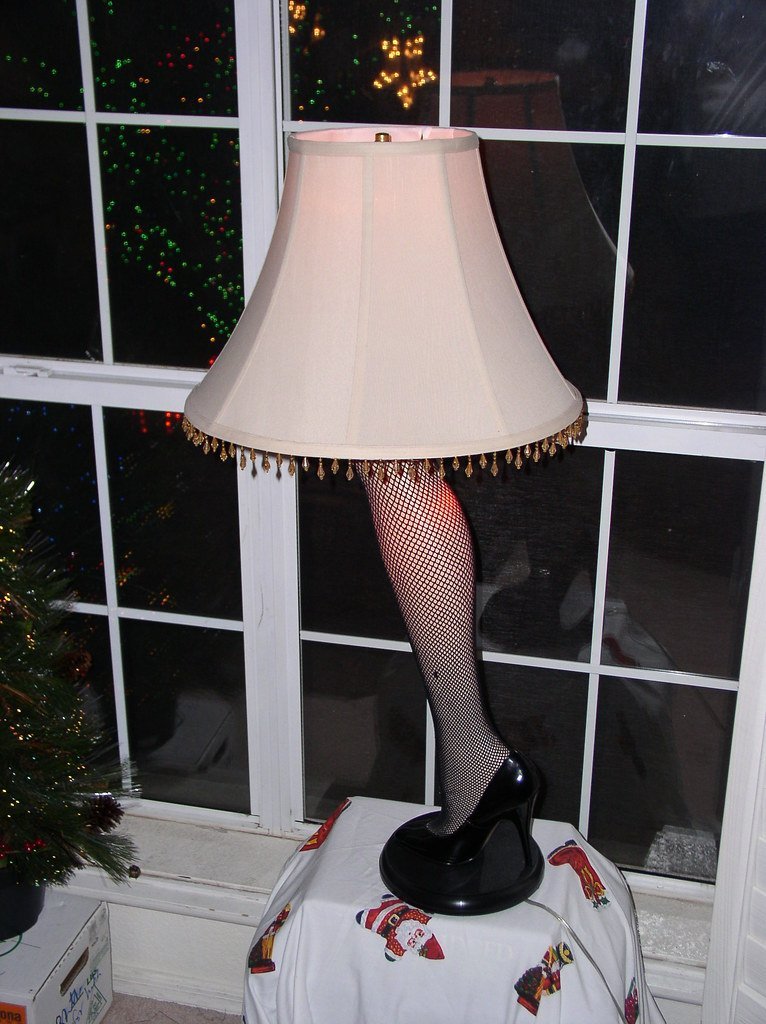
The fragile leg lamp wins a contest, sparking family humor and holiday chaos. It contrasts fragility with festive spirit. Breakage scenes cement comedic timing.
Symbolizing quirky nostalgia, it defines Christmas viewing rituals. Window displays persist seasonally. This prop solidified feel-good family films.[1]
The Heart of the Ocean from Titanic
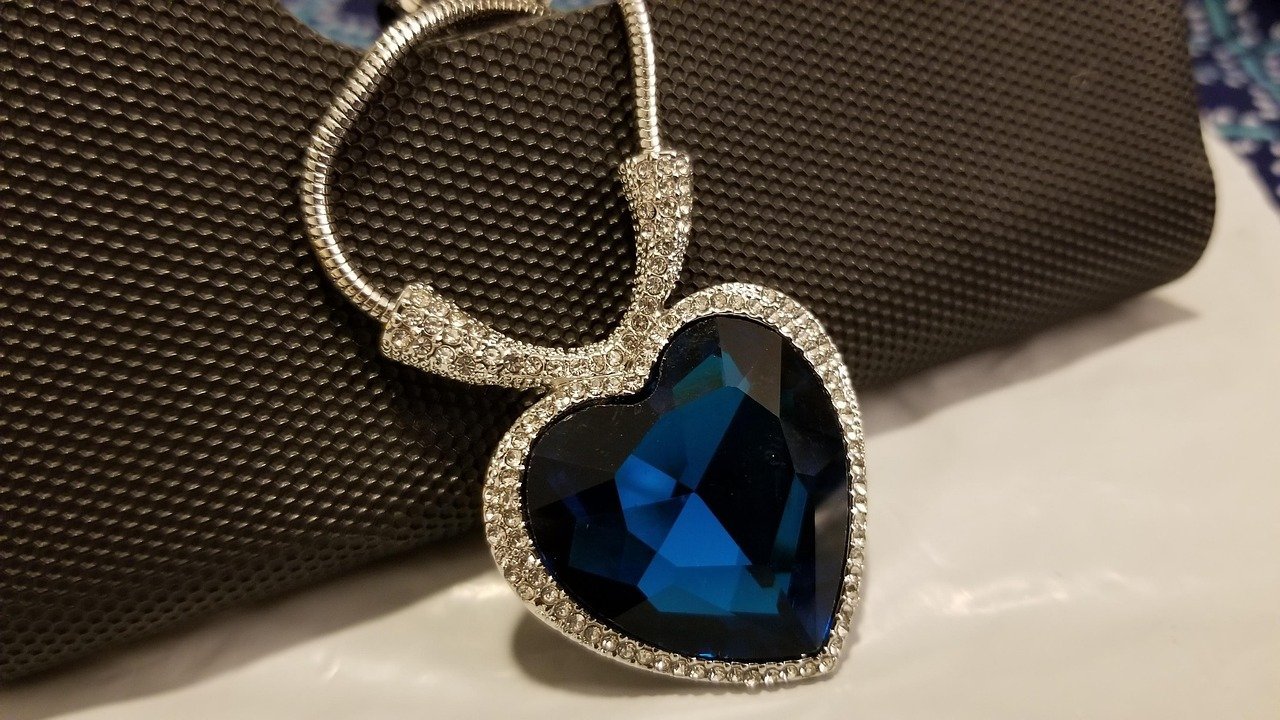
The necklace links Rose’s past romance to present discovery, framing epic disaster. Its blue diamond evokes opulence amid tragedy. Theft subplot adds intrigue.
Embodying doomed love, it amplified emotional resonance. Replicas symbolize the film’s scale. It marked romance epics’ visual grandeur.[1][3]
Conclusion: The Enduring Magic of Cinematic Objects
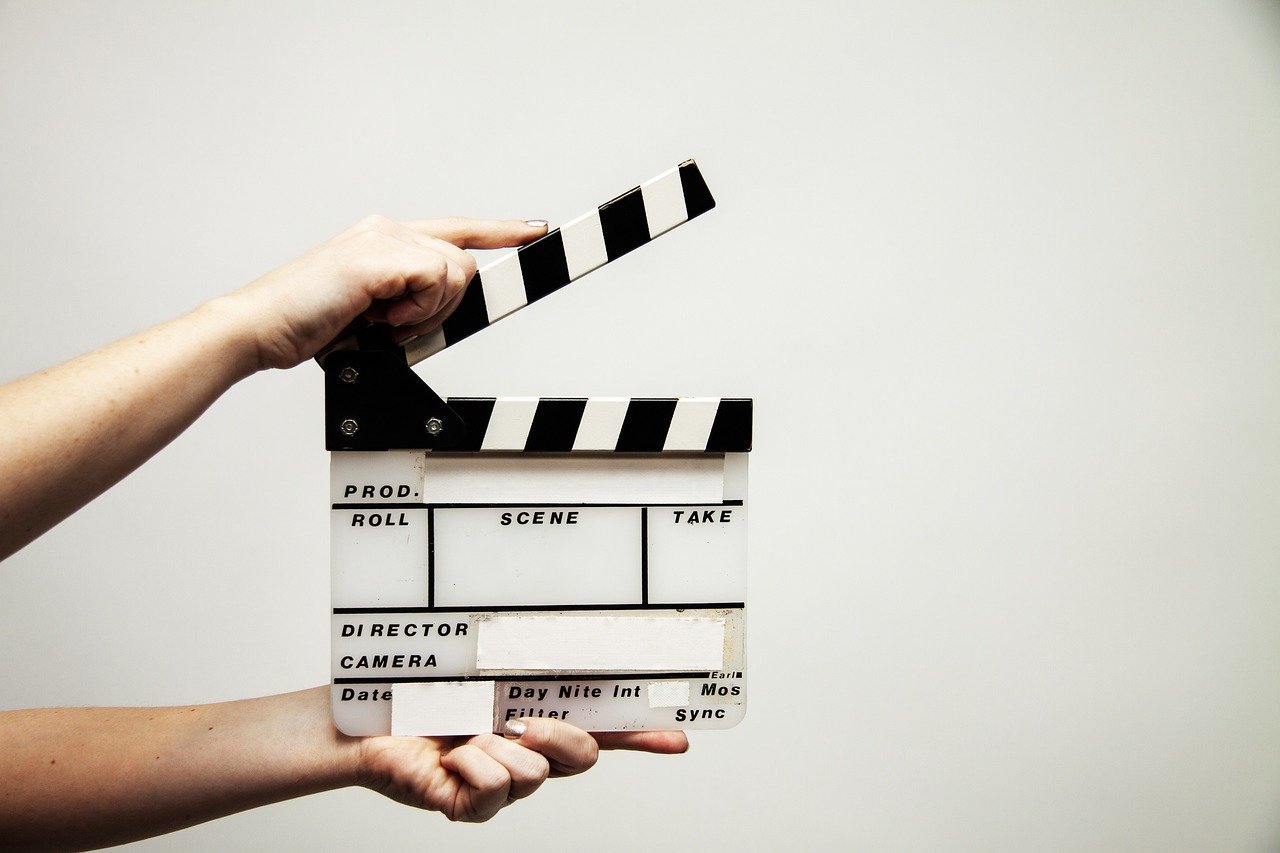
Props like these prove objects can carry stories deeper than dialogue. They anchor emotions and ideas, evolving into shared cultural touchstones.
From sleds to sabers, their legacy reminds us cinema thrives on tangible symbols. Visual storytelling persists through such quiet powerhouses, inviting endless reinterpretation.

Besides founding Festivaltopia, Luca is the co founder of trib, an art and fashion collectiv you find on several regional events and online. Also he is part of the management board at HORiZONTE, a group travel provider in Germany.
