

- 12 Unforgettable TV Shows From Your Youth That Deserve A Modern Reboot. - August 22, 2026
- The Golden Age of Radio Dramas Still Holds a Powerful Spell Over Audiences. - August 21, 2026
- 15 Historical Figures Who Were Far More Eccentric Than You Learned in School - August 21, 2026
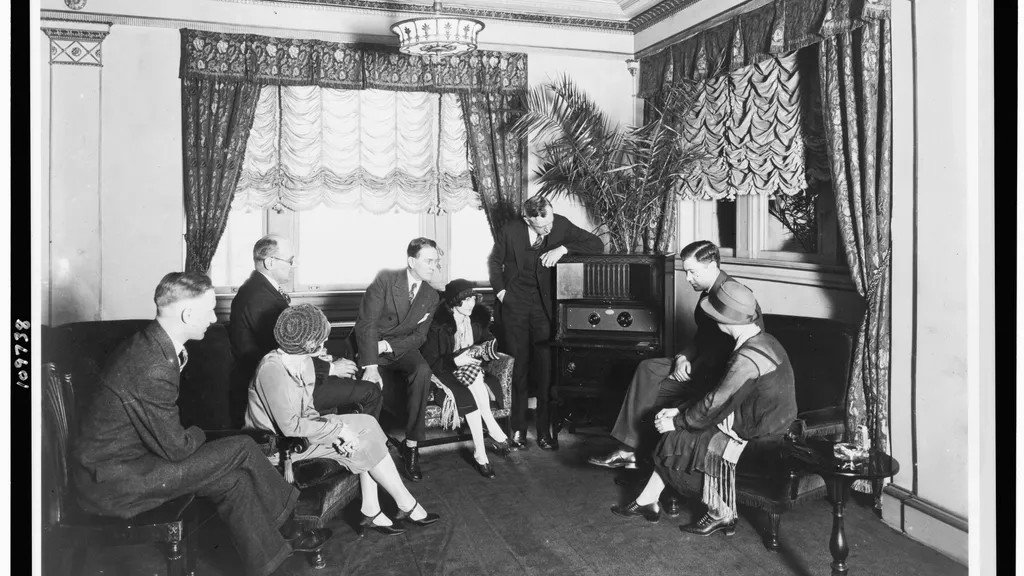
Before television screens lit up living rooms, radio ruled as the heart of American entertainment. From the early 1930s through the 1940s, families huddled around bulky sets, letting voices and sounds transport them to distant worlds.
This era, often called the Golden Age of Radio, turned everyday evenings into shared adventures. Dramas dominated the airwaves, proving that stories needed no pictures to grip millions.[1][2]
The Shadow: Master of Mystery
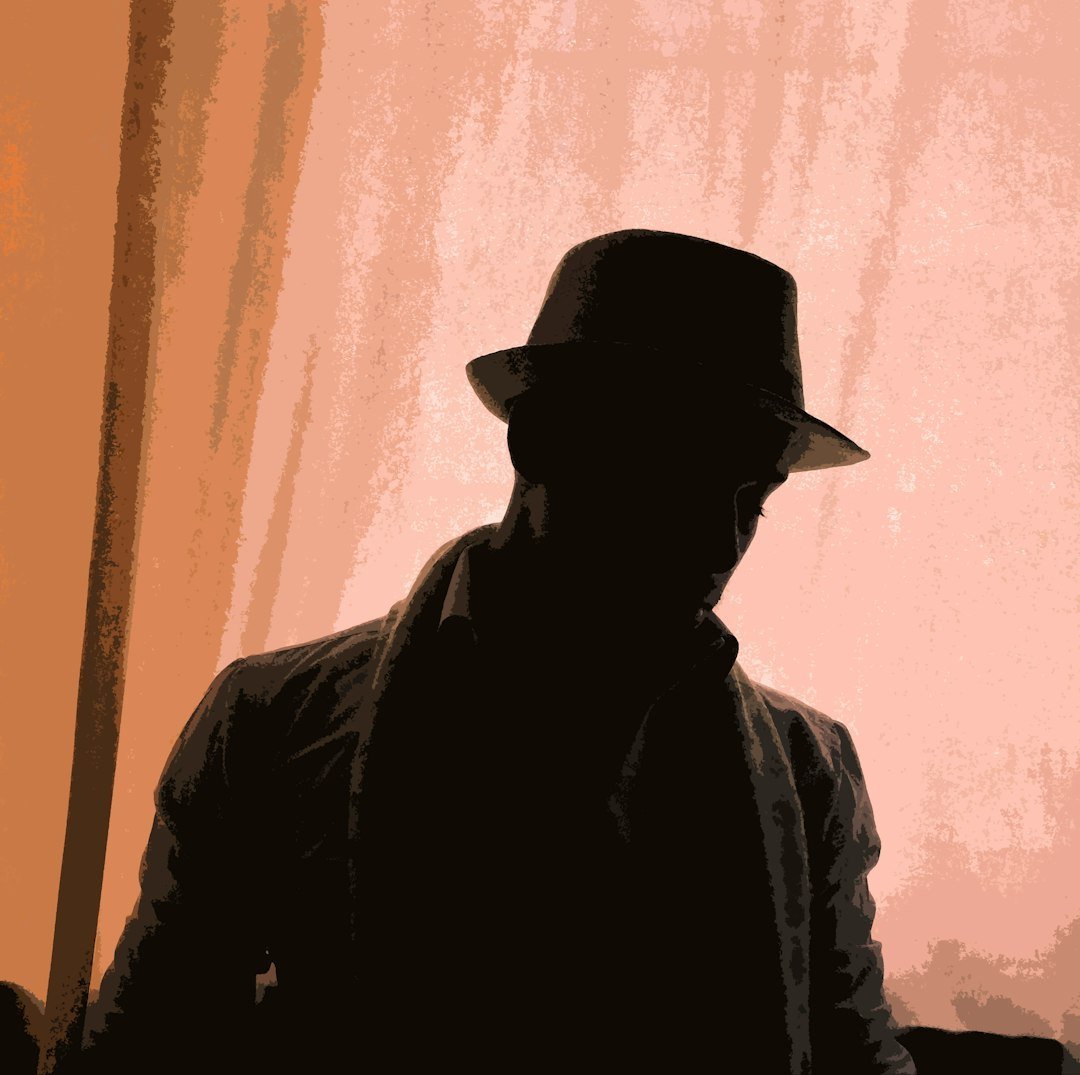
The Shadow debuted in 1930 as a narrator for detective stories, evolving into a full-fledged crime fighter by the late 1930s. Listeners knew him through that chilling tagline whispered into homes nationwide. Orson Welles lent his voice to Lamont Cranston, the Shadow’s alter ego, adding layers of intrigue.[3][4]
The show ran for nearly two decades, blending pulp adventure with psychological depth. Its use of hypnosis and invisibility powers captivated audiences craving escapism during tough times. Simple yet effective, it set the template for radio thrillers that followed.[5]
War of the Worlds: A Broadcast That Shook the Nation
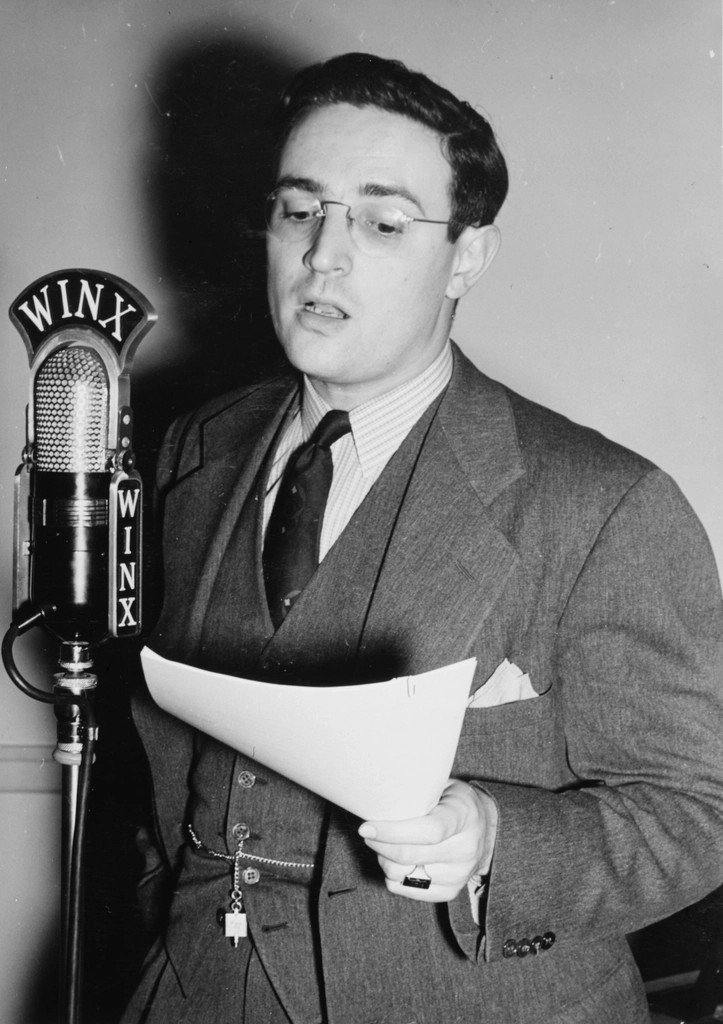
![War of the Worlds: A Broadcast That Shook the Nation ([1], Public domain)](https://festivaltopia.com/wp-content/uploads/2026/04/1776525769790_1776525766262_announcer_carl-erik_creutz_at_work_in_the_radio_studio-2.jpeg)
Orson Welles’ 1938 adaptation of H.G. Wells’ novel aired on Halloween eve, framed as breaking news bulletins. Martian cylinders crashed in New Jersey, unleashing chaos through realistic soundscapes. Many tuned in late, mistaking it for actual events, sparking reports of panic.[6])[7]
Though the hysteria grew in legend, the broadcast highlighted radio’s raw power over the imagination. It reached millions, proving a single show could mimic reality convincingly. Welles’ Mercury Theatre pushed boundaries, influencing how stories unfolded on air.[8]
Suspense and Inner Sanctum: Chills in the Dark
Suspense launched in 1942, delivering twist-filled tales with top Hollywood stars. Inner Sanctum Mysteries creaked open doors to horror from 1941, famous for its echoing laugh and coffin lids slamming shut. Both shows thrived on psychological tension, keeping listeners on edge week after week.
These programs drew huge audiences through clever plotting and star power. They adapted popular films and originals, making radio a proving ground for scripts. Their success showed dramas could rival comedies in popularity during wartime.[1]
Sound Effects: Painting Pictures with Noise
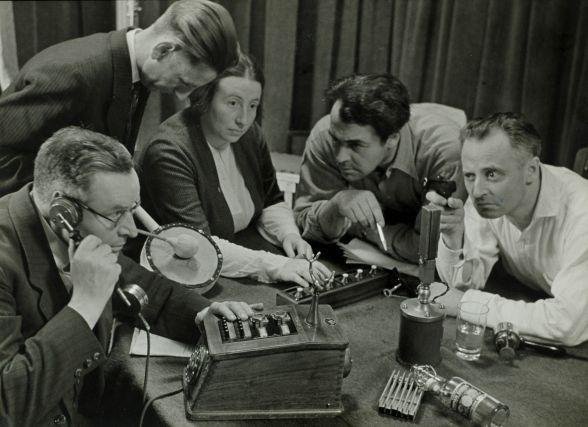
Radio relied on foley artists to create worlds from household items – coconut shells for horse hooves, cellophane for fire. Music swelled for drama, while echoes built eerie atmospheres. These techniques turned invisible scenes into vivid mental images.
Pioneers like Orson Welles layered sounds innovatively, blending realism with suggestion. Sound design made up just a fraction of airtime but carried the heaviest load. Listeners filled in visuals themselves, forging personal connections to the stories.[9][10]
Voice Acting: The Stars of the Invisible Stage
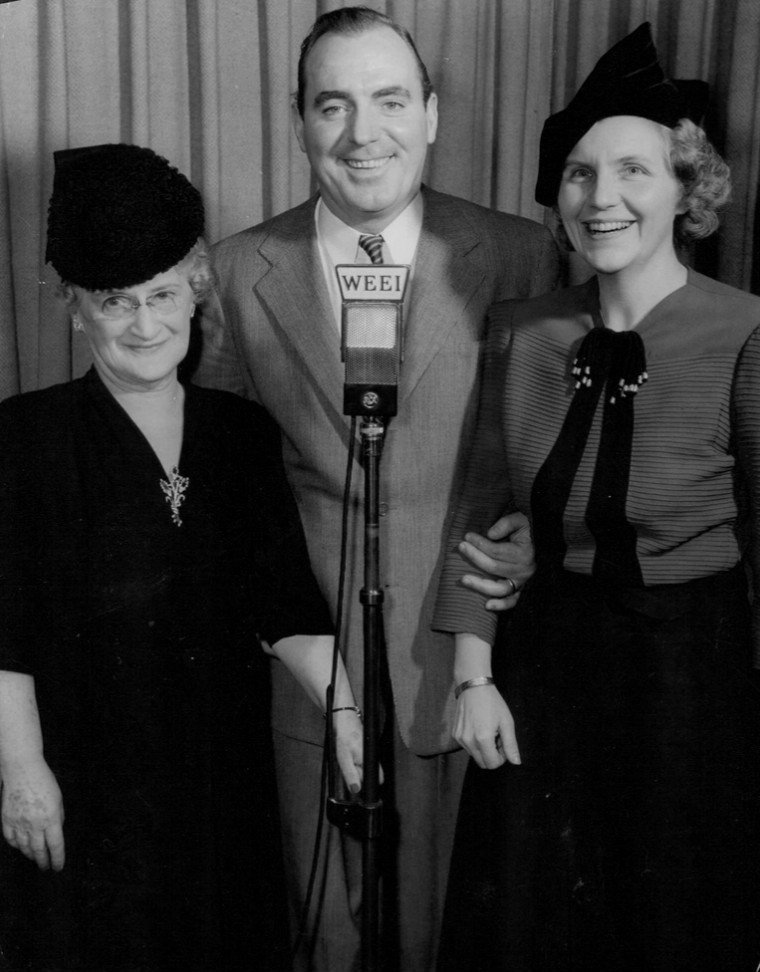
photo front
photo back, Public domain)
Actors like Welles mastered multiple roles, shifting accents and emotions seamlessly. A single voice conveyed age, menace, or heartbreak through inflection alone. This demanded skill beyond visuals, honing talents that later shone in film.
Repertory casts built chemistry over episodes, becoming household names. Their performances drove immersion, making characters feel alive in the mind’s eye. Radio elevated voice work to an art form all its own.[11]
Cliffhangers and Serial Storytelling
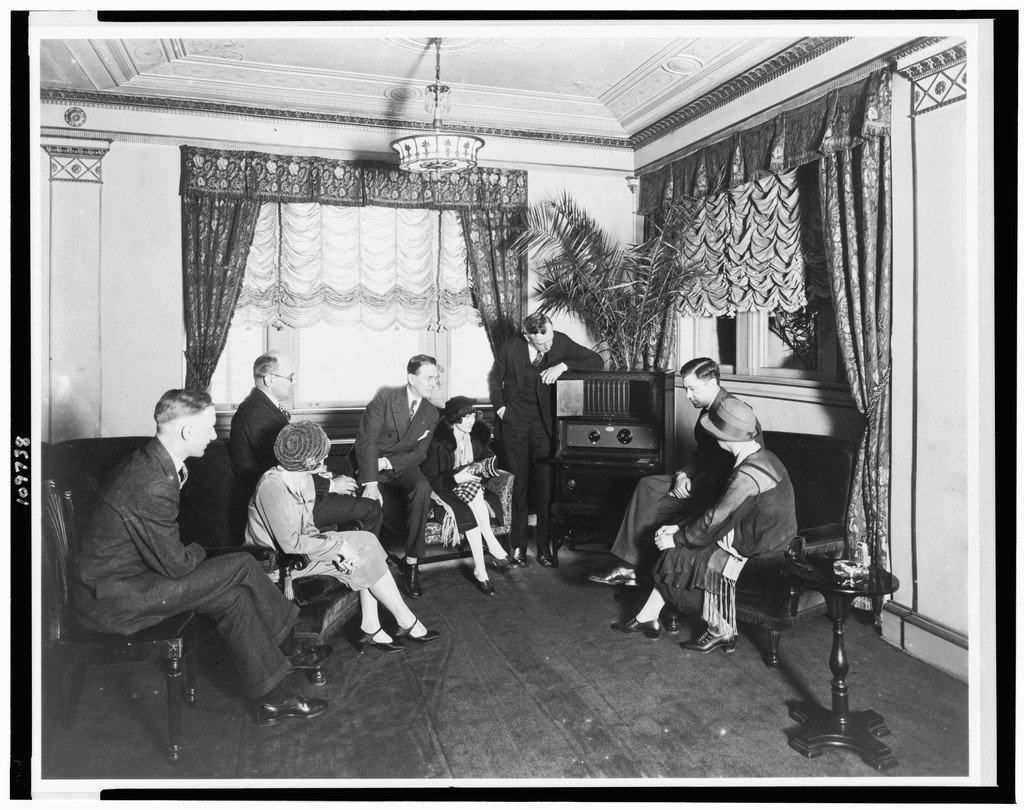
Weekly episodes ended on suspenseful notes, hooking families for the next broadcast. Serialized adventures built ongoing sagas, much like modern TV seasons. This format maximized retention in a competitive landscape.
Shows mixed standalone tales with arcs, balancing novelty and familiarity. Cliffhangers mirrored life’s uncertainties, especially during the Depression and war. They turned passive listening into active anticipation.[12]
Gathering Families and Shaping Culture
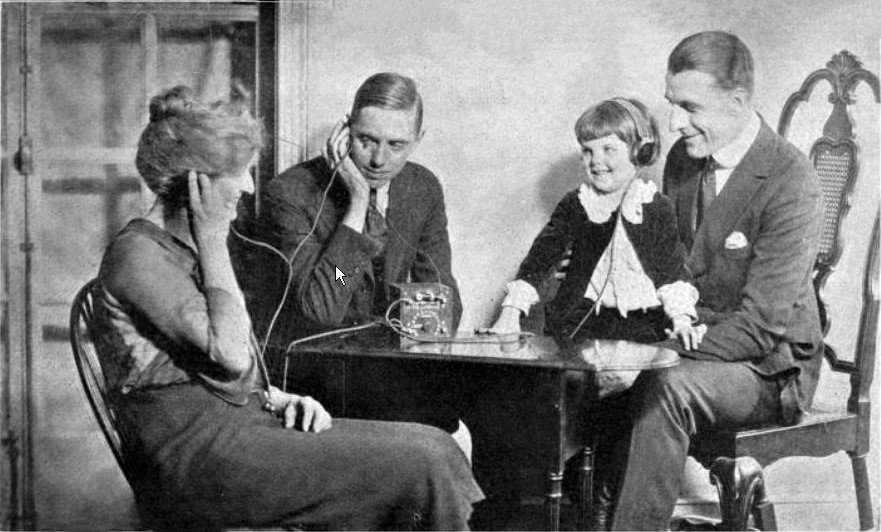
By 1939, nearly 28 million U.S. homes had radios, up from 12 million a decade earlier. Families tuned in together, creating rituals around dinner-hour dramas. This fostered shared narratives across the country.[13]
Radio bridged divides, delivering escapism amid hardship. It influenced slang, fears, and dreams, embedding stories in the national psyche. Surveys showed over four in five Americans listened regularly by the late 1940s.[1]
The Legacy of Audio Storytelling
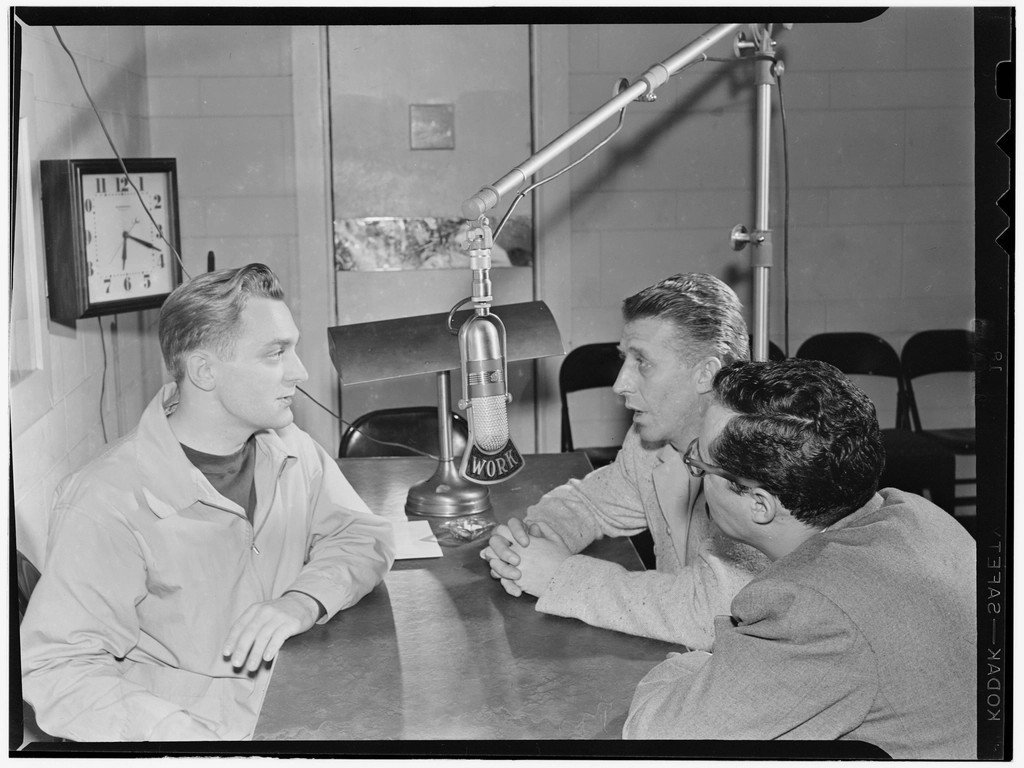
Radio dramas paved the way for television while leaving a blueprint for podcasts today. Their emphasis on sound and suggestion endures in audiobooks and immersive audio. Though screens won out, the era proved stories thrive without sight.
Those crackling broadcasts remind us imagination remains the ultimate special effect. In a visual age, their quiet power lingers, inviting us to close our eyes and listen once more.

Besides founding Festivaltopia, Luca is the co founder of trib, an art and fashion collectiv you find on several regional events and online. Also he is part of the management board at HORiZONTE, a group travel provider in Germany.
