

For any feedback please reach out to info@festivalinside.com
Fictional characters that linger in the mind often do so because their inner worlds resist simple labels. Layers of motivation, contradiction, and ambiguity draw readers back, each generation uncovering fresh angles through cultural shifts and new critical lenses. Scholars, directors, and everyday enthusiasts alike revisit these figures, debating their essence in essays, performances, and classrooms.
Such depth turns literature into a living dialogue. What starts as a story on the page evolves into a mirror for human struggles, ensuring these personalities fuel interpretation long after their creators put down the pen.
Hamlet
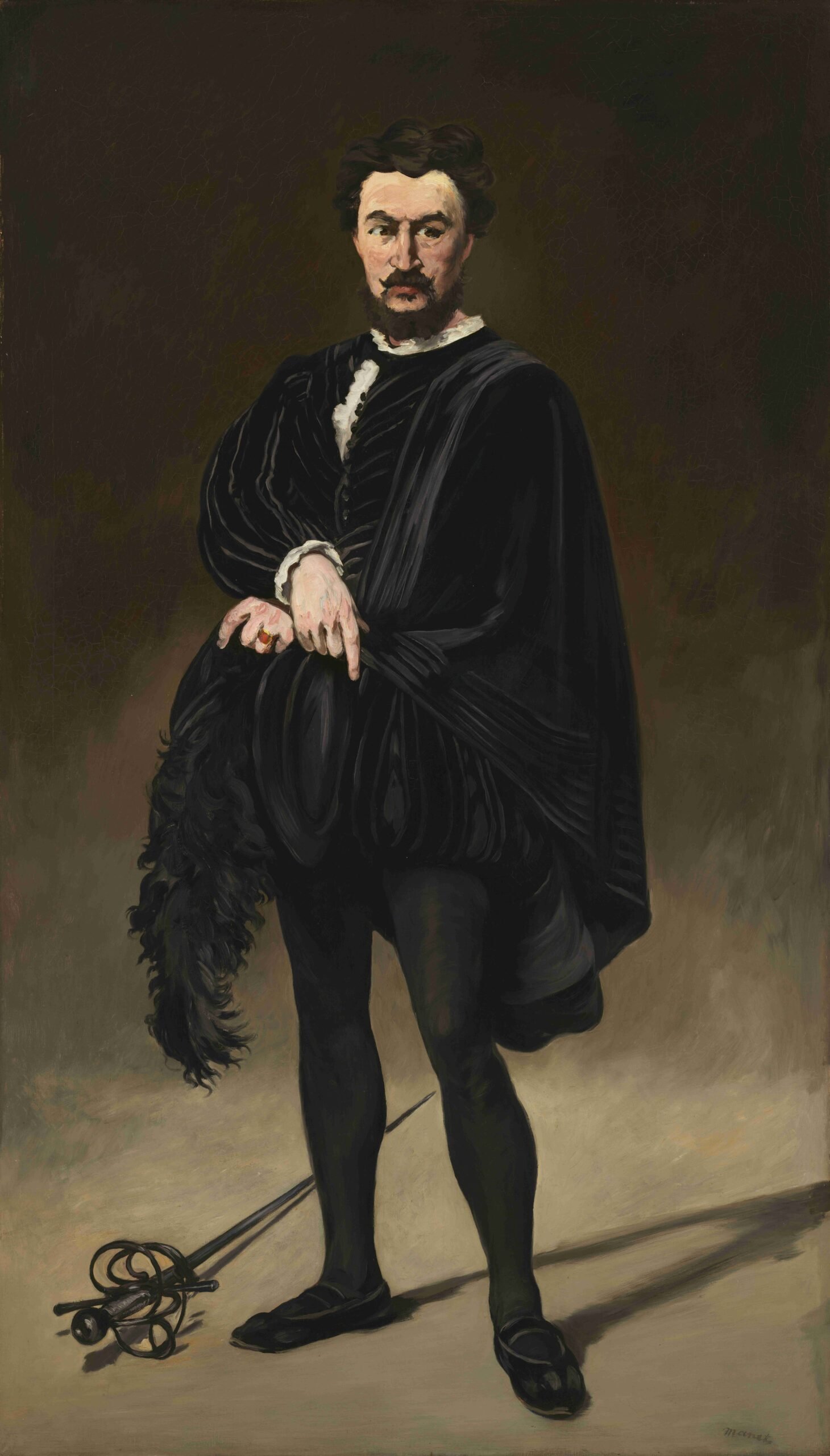
Prince Hamlet embodies paralyzing introspection, torn between revenge and moral doubt. His soliloquies reveal a mind fractured by grief, feigned madness, and existential questioning, making him a puzzle of rationality clashing with emotion. Psychologically, he grapples with filial duty versus personal integrity, a tension that mirrors real human hesitation.
Symbolically, Hamlet represents the human condition’s core uncertainties, from mortality to action’s consequences. Interpretations evolve with eras, Freud seeing Oedipal undercurrents while modern views highlight colonial guilt or mental health struggles. Directors stage him as hero, antihero, or tragic fool, keeping debates alive across centuries.
Lady Macbeth
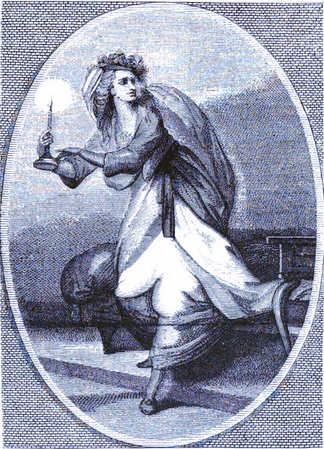
Lady Macbeth drives her husband toward regicide with ruthless ambition, yet cracks emerge under guilt’s weight. Her psychological arc shifts from iron-willed manipulator to sleepwalking specter, haunted by imagined bloodstains. This descent exposes vulnerability beneath steely resolve, a stark portrayal of suppressed conscience.
As a symbol of unchecked power’s corrosion, she challenges gender norms of her time. Early readings cast her as villainess incarnate; feminists later reclaim her as victim of patriarchal pressures. Performances vary her from seductive force to broken soul, reflecting ongoing arguments about agency and remorse.
Jay Gatsby
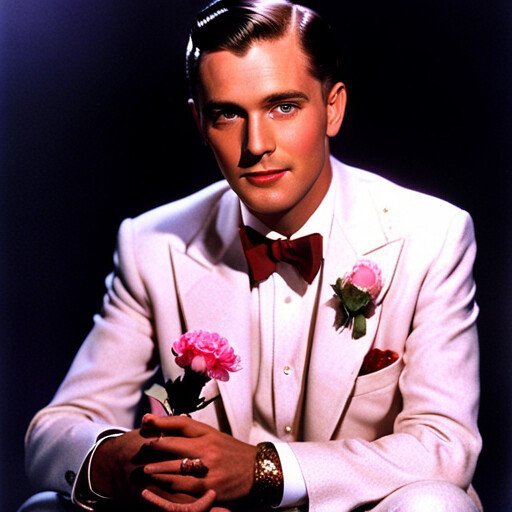
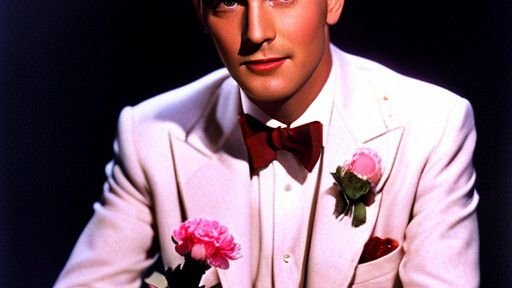
Jay Gatsby chases an illusory American Dream, his lavish parties masking profound loneliness. Psychologically complex, he reinvents himself from poor James Gatz into enigmatic millionaire, fueled by obsessive love for Daisy. Yet his charm hides self-deception, blending hope with delusion.
Symbolizing the era’s hollow materialism, Gatsby endures as critique of aspiration’s dark side. Critics debate his romantic purity against corruption, with some viewing him through class warfare lenses. Film adaptations amplify his allure or pathos, ensuring reinterpretations track societal views on success.
Humbert Humbert
Humbert Humbert narrates his obsession with young Dolores Haze, blending eloquence with predatory instinct. His psyche unravels through rationalized perversion, childhood loss fueling lifelong distortion. Readers confront his charisma veiling moral abyss, a masterful study in unreliable narration.
Symbol of forbidden desire’s grip, he provokes ethical quandaries about art versus monstrosity. Nabokov-era shock yields to postmodern sympathy or condemnation; recent lenses scrutinize consent and power dynamics. This evolution mirrors cultural reckonings with abuse, sustaining fierce scholarly divides.
Raskolnikov
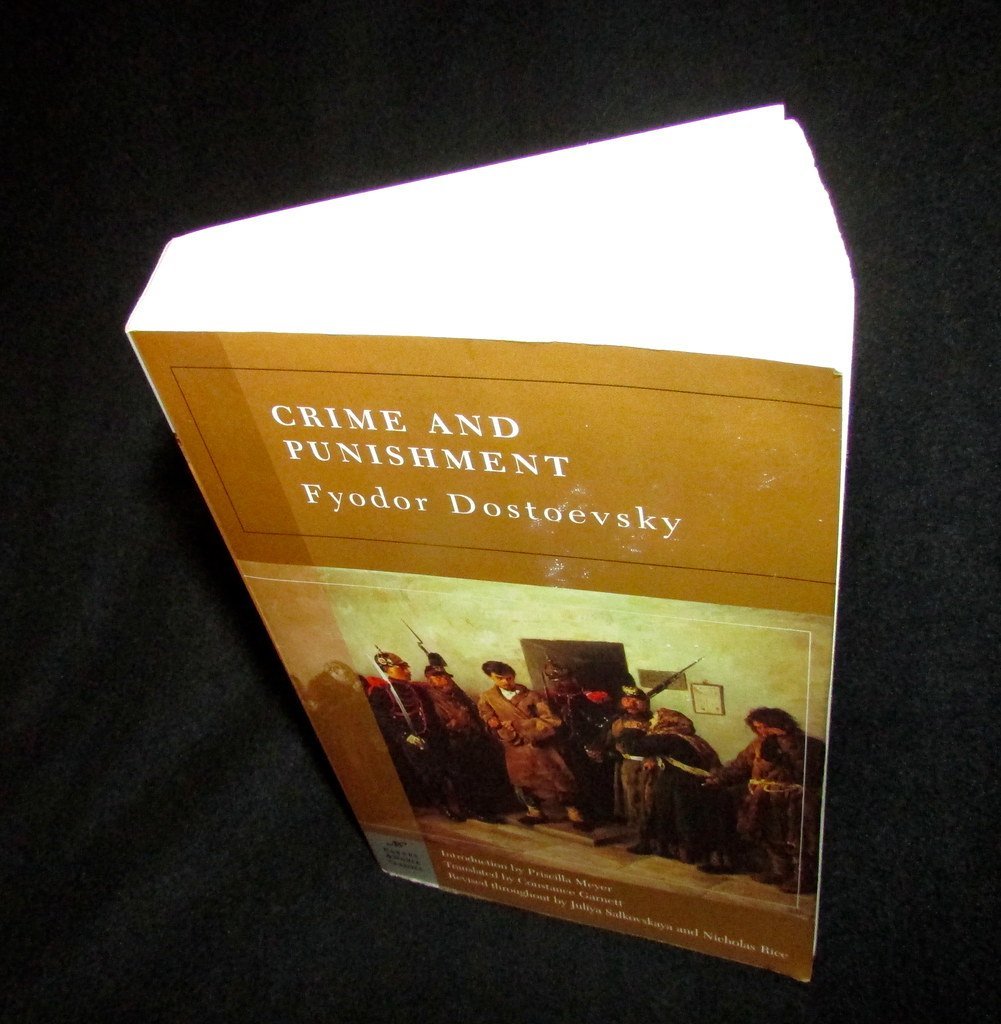
Rodion Raskolnikov murders an exploitative pawnbroker, justifying it via extraordinary man theory. His tormented conscience spirals into feverish paranoia, exposing ideological hubris crumbling under empathy. Poverty and isolation amplify his internal war, humanizing the intellectual killer.
Symbolizing nihilism’s perils, he questions morality’s foundations in a godless world. Dostoevsky’s Christian redemption clashes with atheist readings; revolutionaries once hailed him, psychologists now probe sociopathy. Translations and adaptations keep his dilemmas relevant to ethical debates today.
Captain Ahab
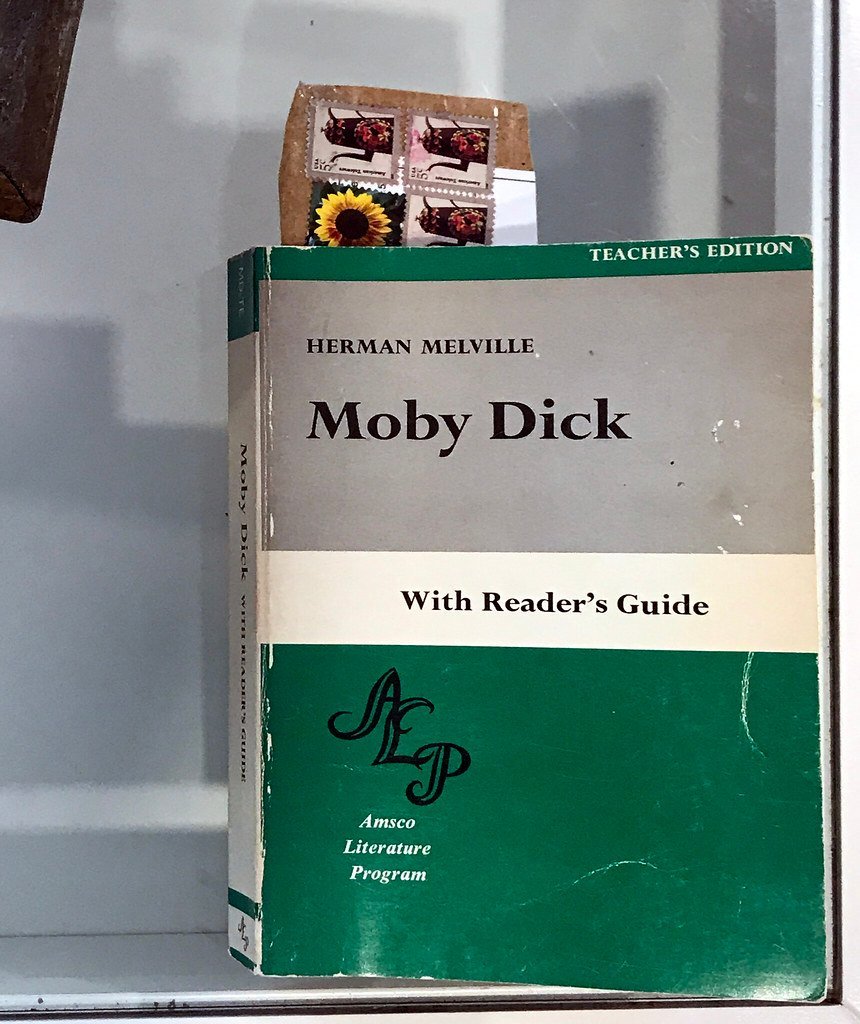
Captain Ahab pursues the white whale Moby Dick with monomaniacal fury, his peg leg emblem of obsession’s scars. Psychologically, vengeance consumes his humanity, blurring captaincy with tyranny. Crew loyalty frays against his prophetic rage, a portrait of fixation’s isolation.
Symbol of humanity defying nature, Ahab evokes Promethean rebellion or hubristic folly. Melville’s allegory shifts from racial metaphors to environmental hubris in modern eyes. Queer readings highlight his intensities, while eco-critics see whale as planet avenging exploitation, fueling endless analysis.
Heathcliff
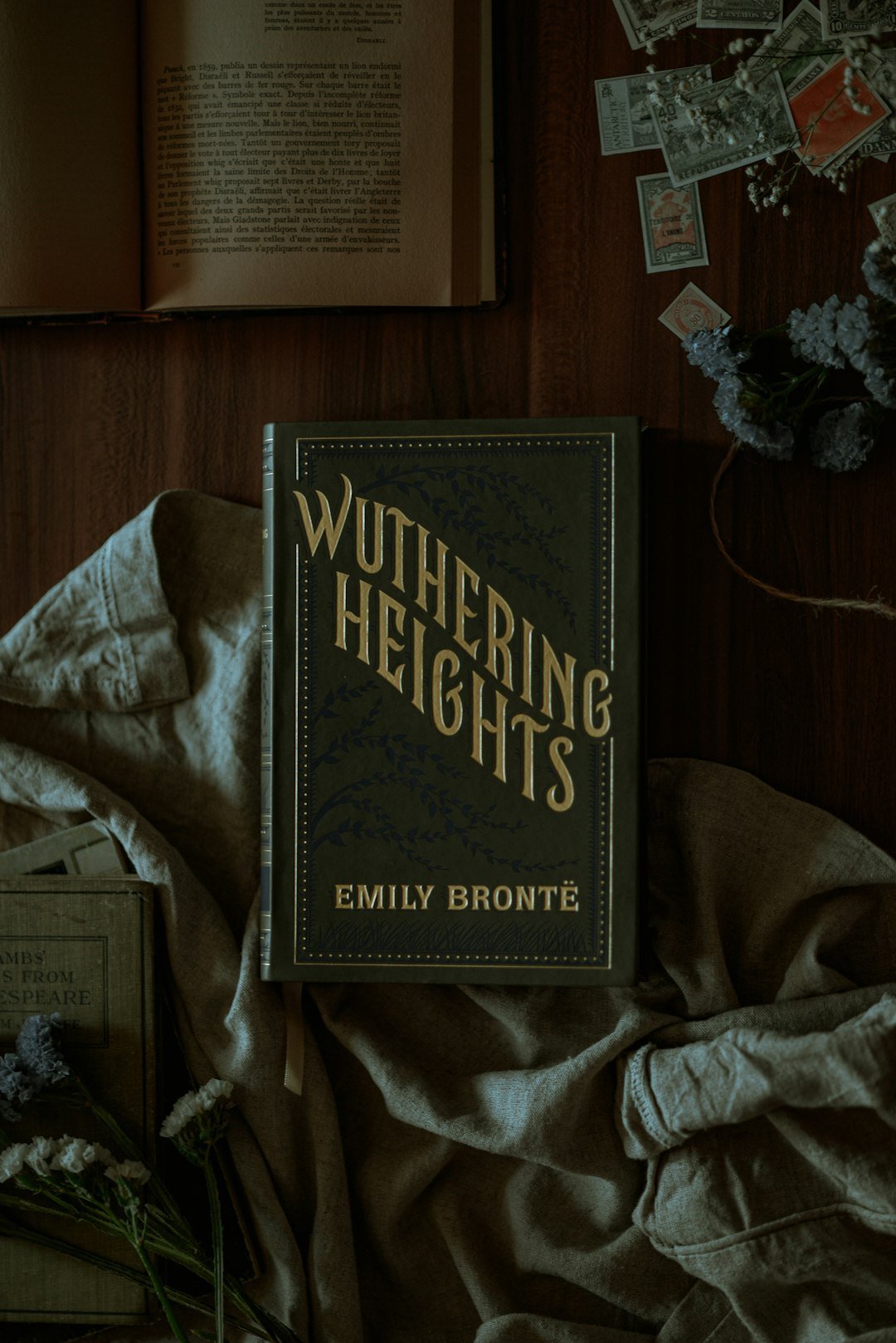
Heathcliff transforms from mistreated orphan to vengeful landowner, his love for Catherine twisted into cruelty. Psychological scars from abandonment breed sadistic cycles, yet raw passion hints at redeemable depth. His brooding intensity captivates, defying easy hero-villain lines.
Symbolizing class rage and gothic excess, he embodies love’s destructive force. Victorian moralists demonized him; romantics exalted his fervor. Contemporary views explore trauma’s legacy or toxic masculinity, with adaptations softening or sharpening his edges to match evolving sensibilities.
Anna Karenina
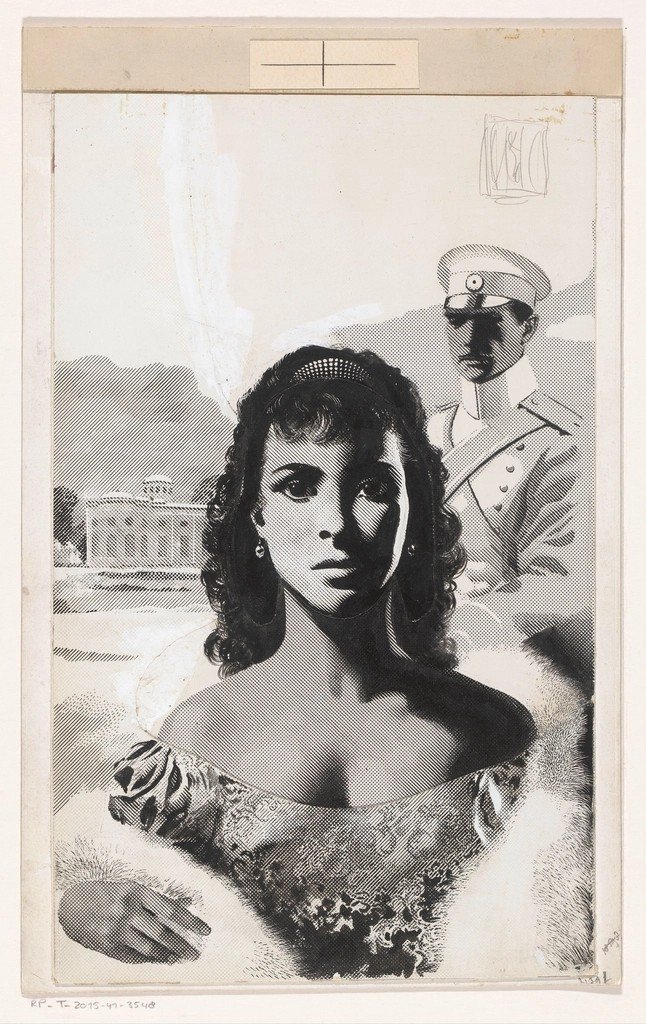
Anna Karenina defies societal bonds for passion with Vronsky, her elegance masking mounting despair. Psychologically, motherhood conflicts with autonomy, isolation breeding suicidal ideation. Tolstoy layers her with societal pressures, rendering choices tragically inevitable.
Symbol of women’s constrained freedoms, she critiques marriage’s hypocrisies. Early pity contrasts with slut-shaming; feminists reclaim her agency amid oppression. Russian versus Western readings diverge on fate versus will, while films probe her psyche anew, mirroring gender discourse shifts.
Holden Caulfield
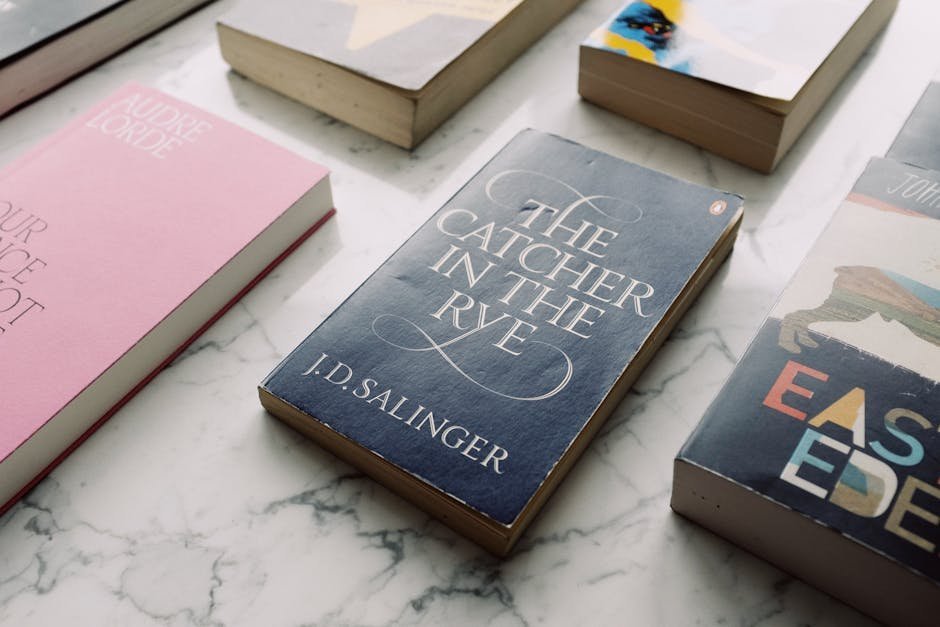
Holden Caulfield wanders New York in alienation, railing against phoniness while craving connection. His psyche fractures from trauma, depression masked by cynical bravado. Adolescence’s raw confusion makes him eternally relatable, a voice of disillusioned youth.
Symbolizing innocence’s loss, he guards the rye field’s children from adulthood’s cliffs. Postwar rebel yields to millennial icon; critics debate neurodivergence or privilege. Adaptations capture his angst across generations, as phoniness evolves with cultural phonies.
Kurtz

Kurtz descends into ivory-trading savagery, his eloquence curdling into horror. Psychologically, civilization’s thin veneer cracks under power’s allure, “The horror! The horror!” echoing his void. Marlow’s encounter reveals colonialism’s heart of darkness within.
Symbol of imperial hypocrisy, Kurtz indicts European superiority myths. Conrad’s era focused racism; postcolonial theory amplifies exploited voices. Psychological readings trace his madness, while recent views link to global exploitation, perpetuating interpretive layers.
The Enduring Allure of Literary Depth

These characters thrive because their ambiguities echo life’s messiness. No final verdict satisfies; each reread invites personal projection amid scholarly evolution. Literature’s power lies here, in figures who grow with us.
Their complexity reminds us stories outlive pages. Generations reinterpret, finding fresh truths in old shadows, a testament to fiction’s boundless mirror.

Christian Wiedeck, all the way from Germany, loves music festivals, especially in the USA. His articles bring the excitement of these events to readers worldwide.
For any feedback please reach out to info@festivalinside.com
