
- 12 Classic Board Games That Secretly Taught Us Life Lessons and Strategic Thinking - August 24, 2026
- These Unsung Heroes of History Made Profound Impacts Without Seeking the Limelight. - August 24, 2026
- The Most Dramatic Plot Twists in Literary History That Still Leave Readers Stunned. - August 24, 2026
History often spotlights kings, generals, and inventors who grabbed headlines. Yet quieter figures, working in labs, offices, or crisis moments, steered the course of events just as decisively.
These individuals tackled overlooked problems with persistence. Their actions rippled outward, saving lives and reshaping societies, all without chasing glory.[1][2]
Ignaz Semmelweis
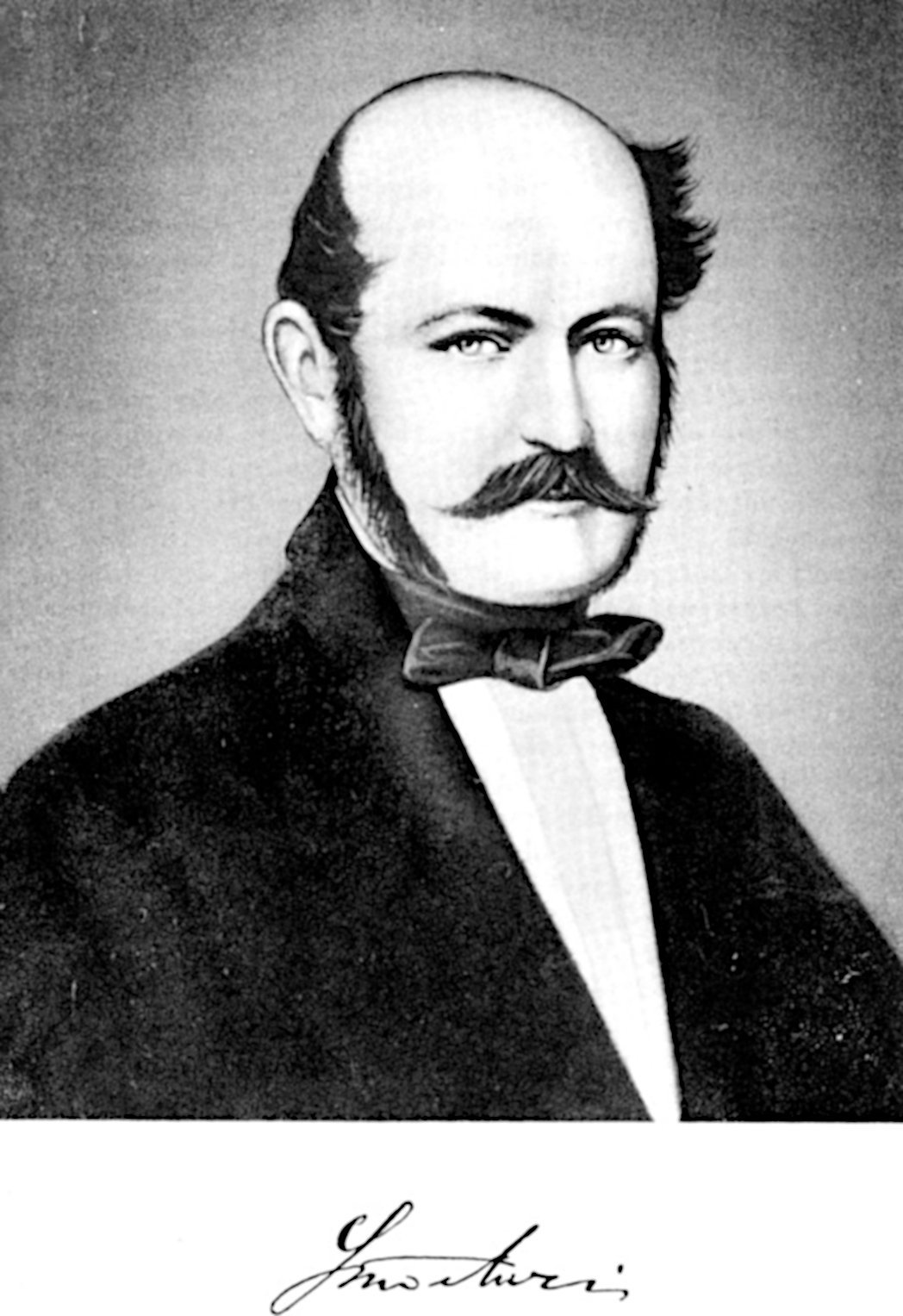
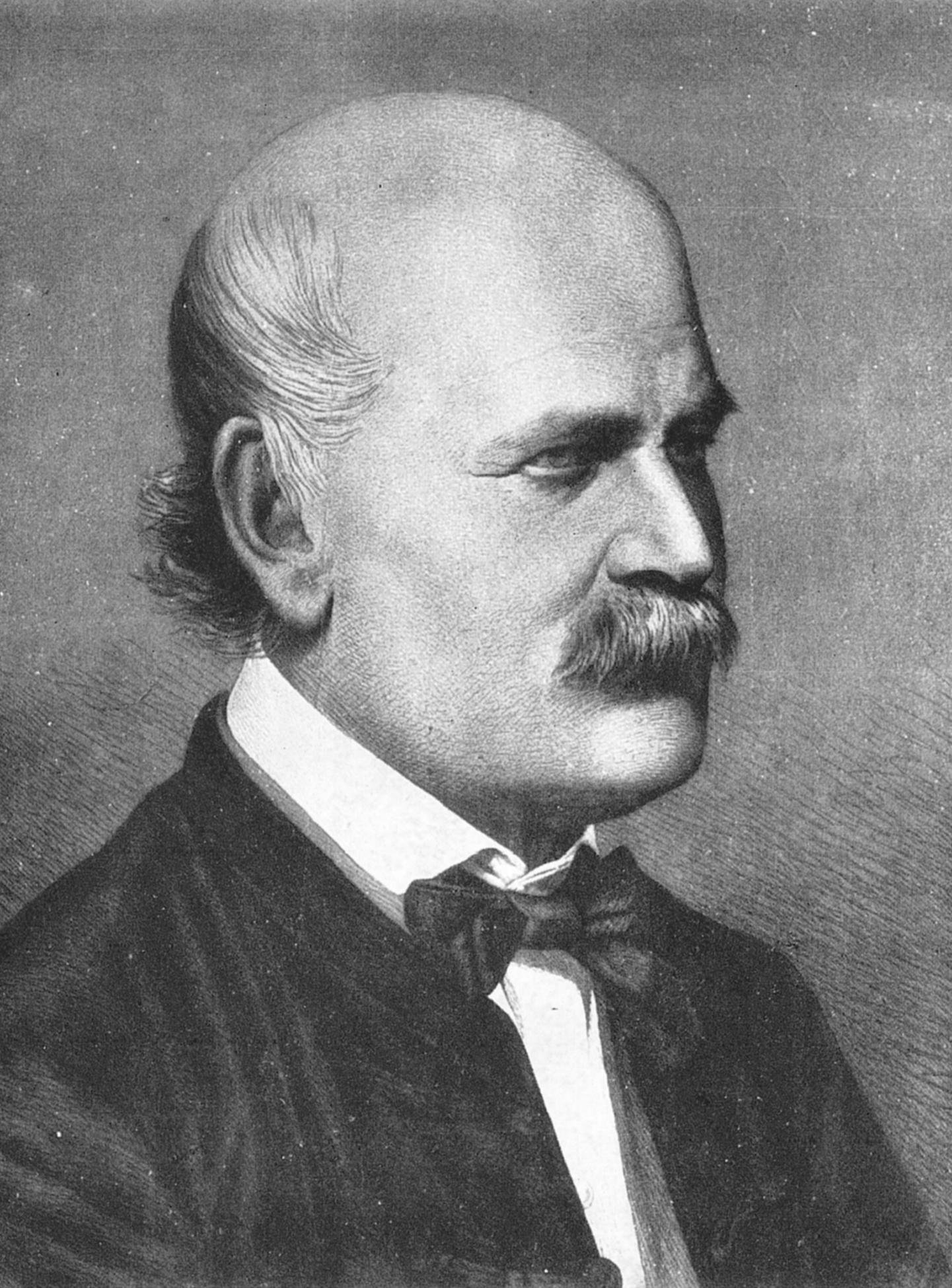
In the 1840s, Hungarian physician Ignaz Semmelweis worked in a Vienna hospital where childbirth fever killed many mothers. He noticed doctors moved straight from autopsies to deliveries, while midwives did not. Mandating handwashing with chlorinated lime solution slashed mortality from nearly 18 percent to under two percent in his ward. Resistance from peers, who mocked his lack of germ theory explanation, cost him his job. He died in an asylum after a beating, his ideas vindicated decades later by Pasteur and Lister.[1][2]
Semmelweis’s quiet insistence on hygiene laid groundwork for modern antisepsis. Hospitals worldwide adopted similar practices, preventing countless infections. His story highlights how one doctor’s observation in a maternity ward transformed global healthcare. Though unrecognized in life, his legacy endures in every scrubbed hand before surgery.
Henrietta Lacks
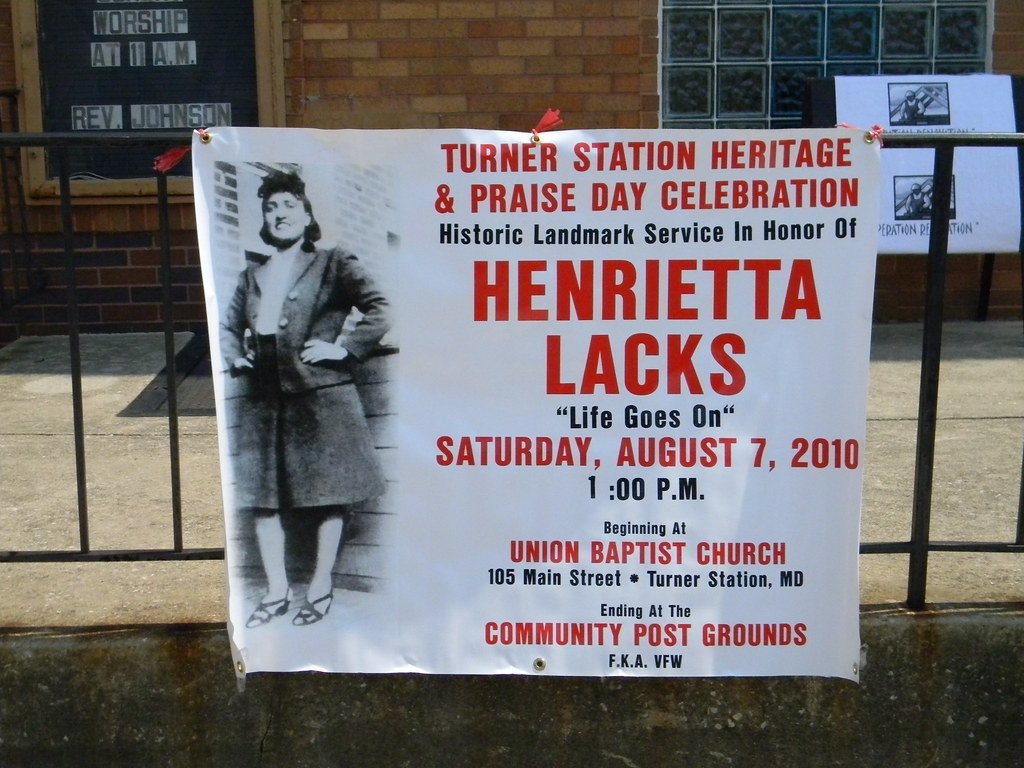
Henrietta Lacks, a Black tobacco farmer from Virginia, sought treatment for cervical cancer at Johns Hopkins in 1951. Doctors took cells from her tumor without consent; unlike others, these HeLa cells multiplied indefinitely. They fueled breakthroughs like the polio vaccine, cancer research, and gene mapping, leading to over 20,000 patents and two Nobel Prizes. Her family learned of this decades later, sparking debates on medical ethics and consent. Lacks died at 31, buried in an unmarked grave until 2010.[2][3]
Today, trillions of HeLa cells support labs studying AIDS, influenza, and more. Lacks never sought credit, yet her unwitting donation advanced medicine profoundly. Her case prompted policies on patient rights. It reminds us how ordinary lives can yield extraordinary scientific legacies.
Mary Anning
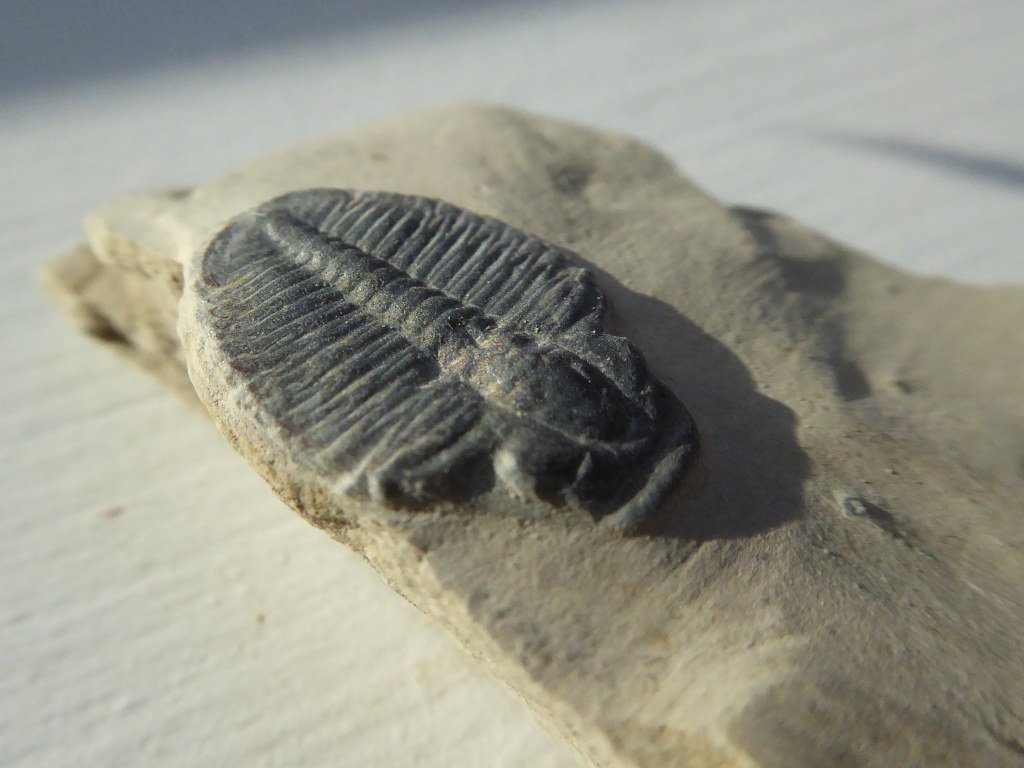
Mary Anning grew up poor in Lyme Regis, England, selling fossils to support her family after her father’s death. At 12, she unearthed the first complete ichthyosaur skeleton, challenging ideas of extinction. Her finds, including plesiosaurs and pterosaurs, reshaped paleontology and proved ancient creatures differed vastly from modern ones. Self-taught, she braved dangerous cliffs despite gender barriers keeping her from scientific societies. Anning died of breast cancer at 47, her work often credited to men.[1][2]
Geologists relied on her expertise, calling her the top fossilist of her era. Her discoveries influenced Darwin’s evolution theory. Lyme Regis cliffs still yield treasures tied to her legacy. Anning showed how curiosity from humble beginnings could rewrite Earth’s history.
Alice Ball
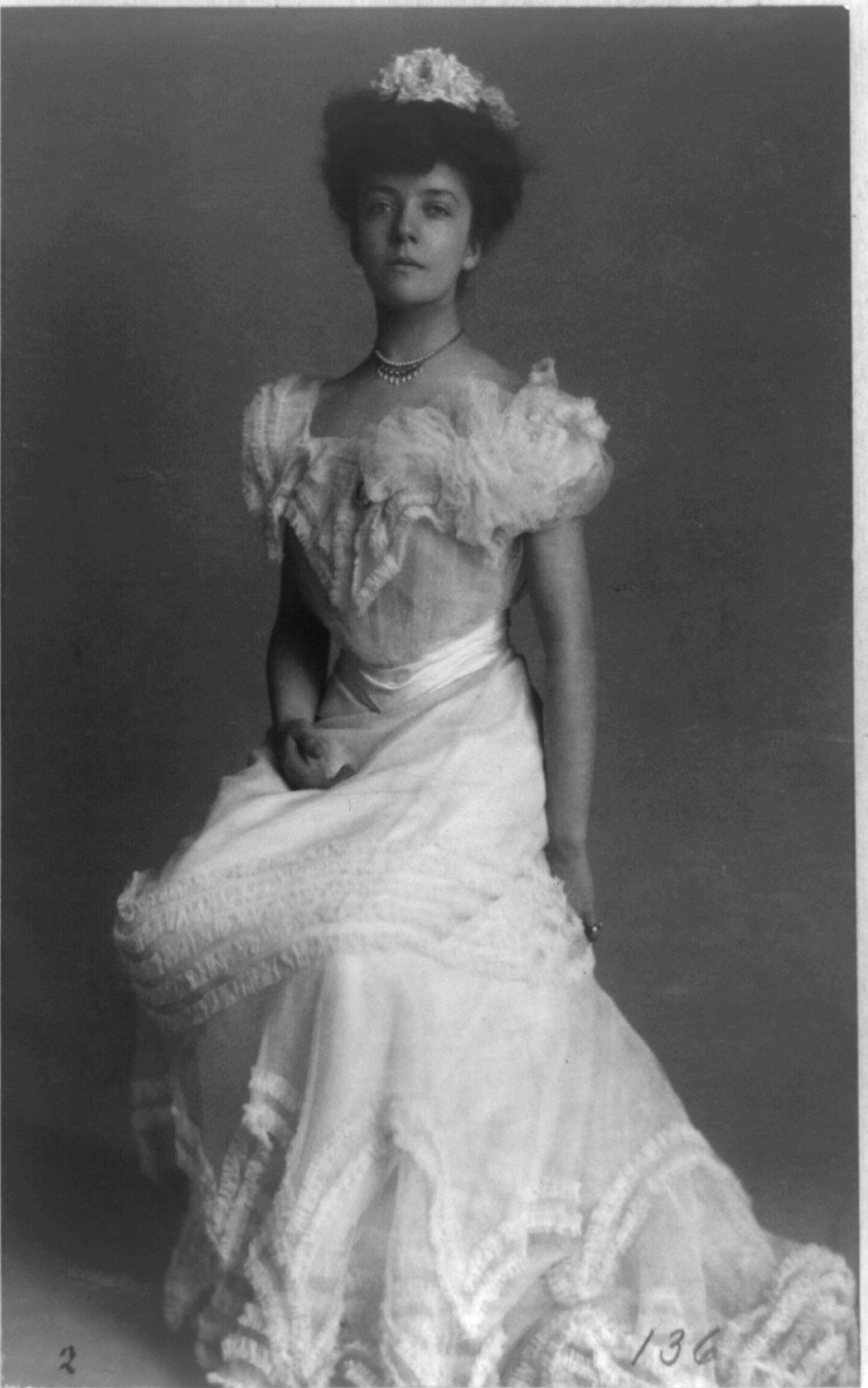
Catalog: https://lccn.loc.gov/96514246
Image download: https://cdn.loc.gov/service/pnp/cph/3b30000/3b37000/3b37200/3b37274r.jpg
Original url: https://www.loc.gov/pictures/item/96514246/, Public domain)
Alice Ball, the first Black woman to earn a chemistry master’s from the University of Hawaii, tackled leprosy in 1915. She refined chaulmoogra oil into an injectable treatment, the most effective until sulfones decades later. This “Ball Method” freed thousands from Hawaii’s isolated leper colonies, earning praise from sufferers. At 24, she died from chlorine poisoning lab exposure; a colleague claimed her work as his own for years. Her role surfaced in the 1970s through a former student’s advocacy.[1]
Ball’s innovation marked a leap in tropical disease care. Hawaii honored her with a plaque and plaque. Her brief career demonstrated brilliance amid racial and gender hurdles. Quietly, she eased suffering for society’s outcasts.
Chiune Sugihara
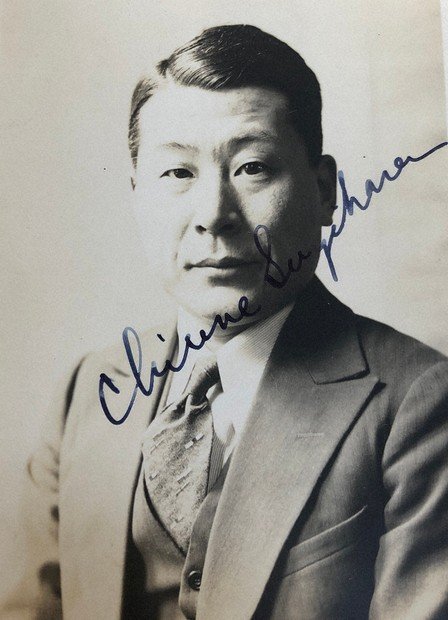
In 1940, Japanese diplomat Chiune Sugihara served in Lithuania amid Nazi advances. Jews desperate for escape begged visas; defying Tokyo’s orders, he issued over 6,000 transit documents by hand, prioritizing families. He stamped them at his hotel window even after closure, telling applicants to travel first and seek forgiveness later. Dismissed from service, he faced poverty in Japan post-war. Survivors he saved called him their Moses.[1]
Sugihara’s act preserved lineages now thriving worldwide. Israel named him Righteous Among the Nations in 1985. He worked menial jobs humbly, never boasting. His conscience averted a corner of the Holocaust’s shadow.
Vasili Arkhipov
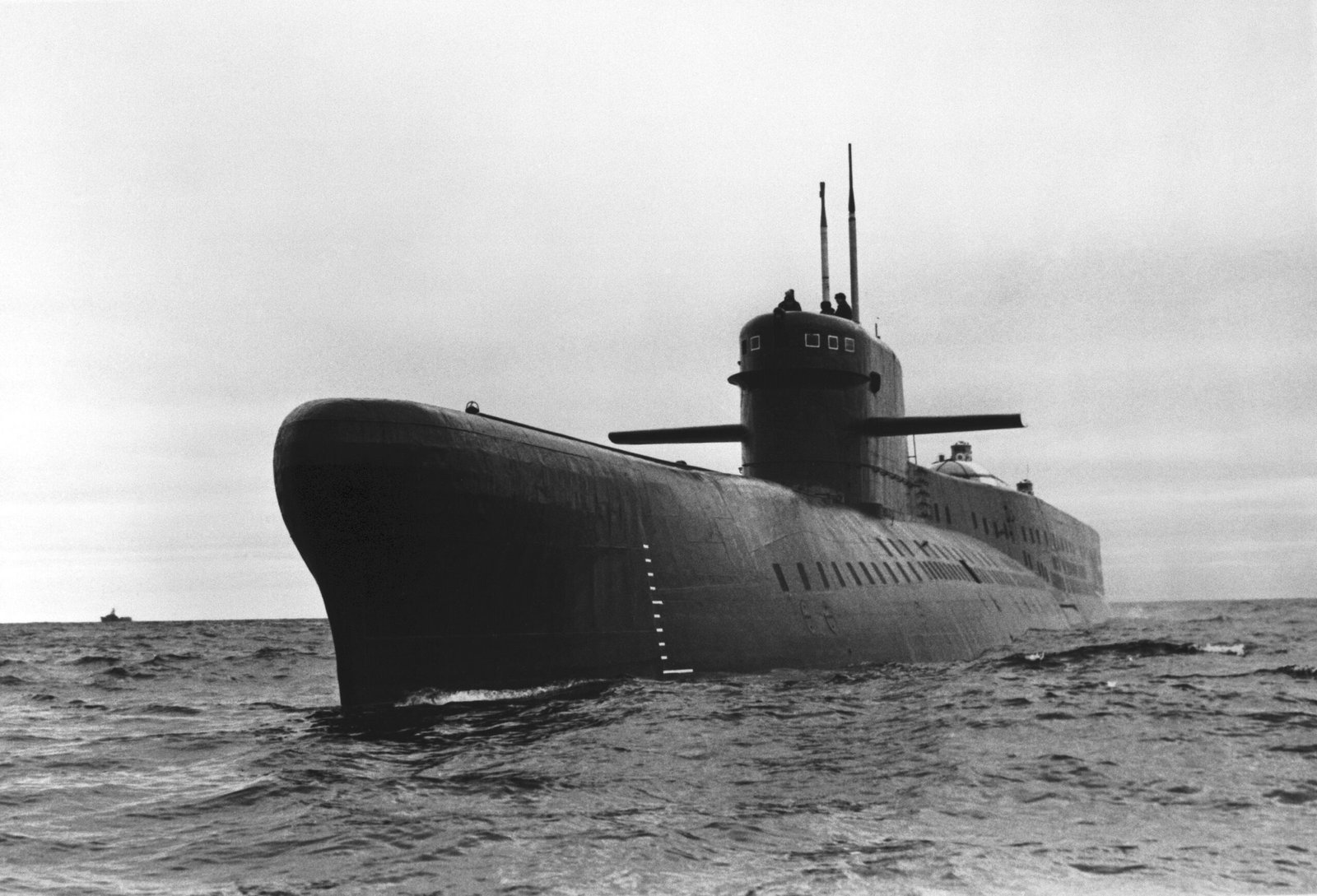
During the 1962 Cuban Missile Crisis, Soviet submarine officer Vasili Arkhipov sailed amid U.S. depth charges. His B-59 sub lost contact with Moscow; the captain and political officer urged launching a nuclear torpedo. Arkhipov alone vetoed it, insisting on surface confirmation first. This calm decision prevented escalation to nuclear war. He received no Soviet honors, only quiet respect from peers.[1]
Historians credit him with averting global catastrophe. The world teetered unaware on his judgment. Arkhipov later advanced submarine safety protocols. One man’s restraint in the deep preserved peace.
Stanislav Petrov
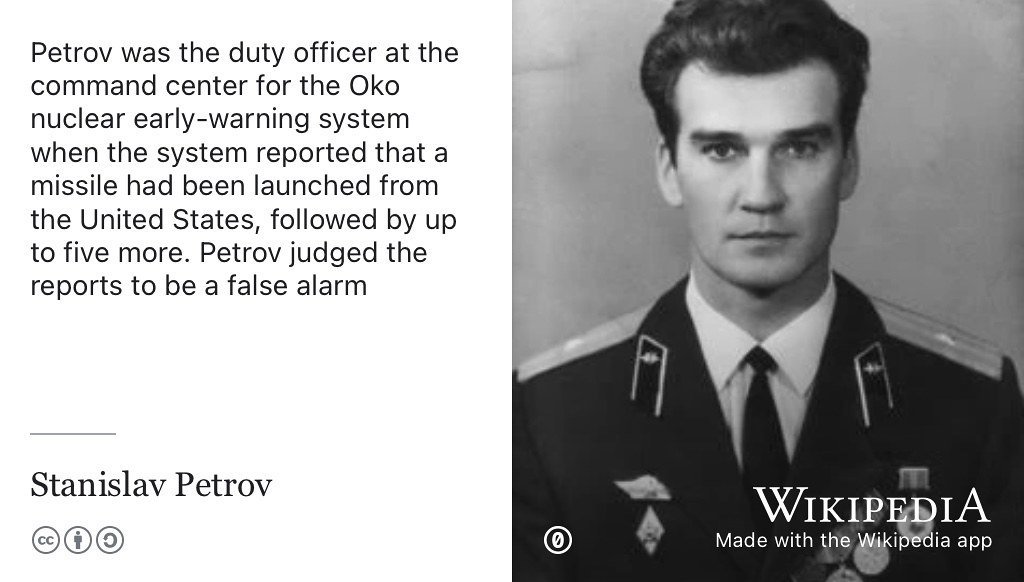
On September 26, 1983, Soviet officer Stanislav Petrov monitored early-warning satellites detecting U.S. missiles. Protocol demanded reporting a nuclear attack; he deemed it a false alarm from sunlight reflection. Choosing doubt over escalation, he reported a glitch, averting retaliation. Reprimanded initially for bypassing procedure, he retired quietly. The incident surfaced publicly in 1998.[1]
Petrov’s instinct likely spared millions. Awards came late from the UN and others. He lived modestly, uninterested in fame. Tension peaked unseen, diffused by one watchful shift.
Frances Perkins
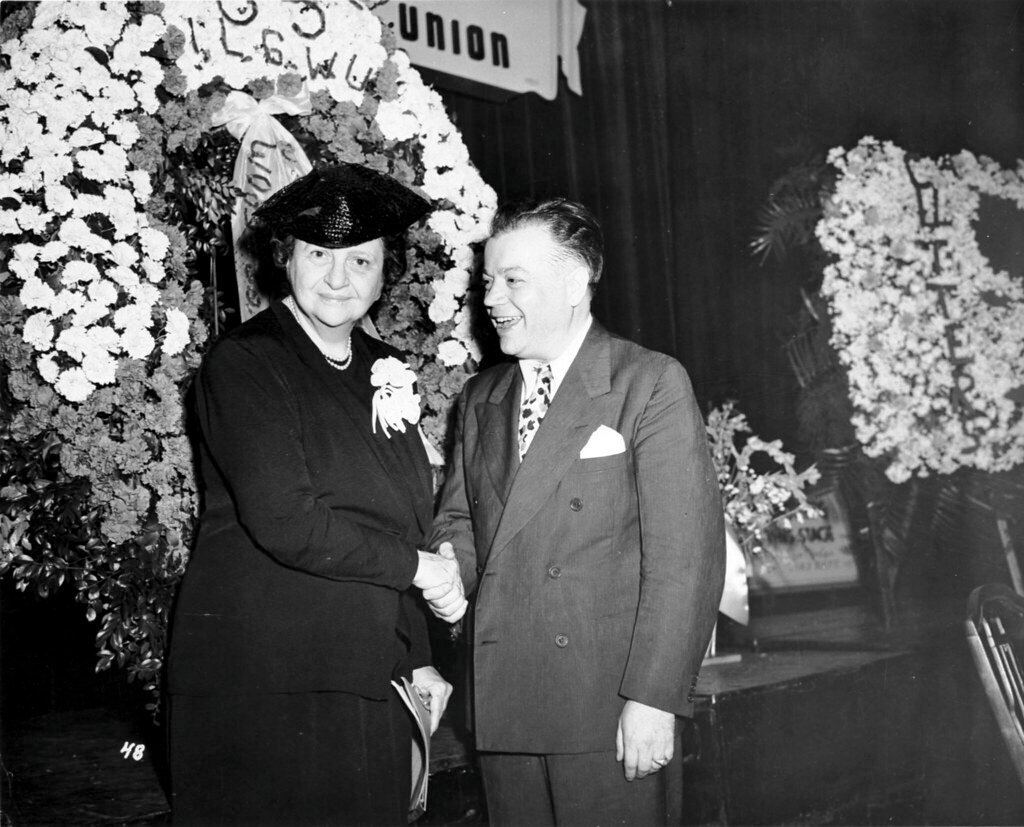
Frances Perkins witnessed the 1911 Triangle Shirtwaist fire, killing 146 workers, fueling her labor advocacy. As FDR’s Labor Secretary from 1933-1945, the first woman in cabinet, she shaped the New Deal. Key achievements included minimum wage, 40-hour week, unemployment insurance, and Social Security. Industrialists opposed her fiercely, yet she persisted through 12 years of service. Perkins avoided personal spotlight, focusing on policy.[1]
Her reforms buffered the Great Depression and endure today. Workers gained protections she envisioned. Perkins’s tenure marked women’s federal rise. Steadfastly, she built safeguards for the vulnerable.
The Quiet Force of Overlooked Influence
These figures prove profound change often stems from unheralded resolve. They faced dismissal, danger, or obscurity yet altered medicine, war’s brink, and justice.
History favors the loud, but real progress whispers through such lives. Their shadows lengthen across time, urging us to value the unseen hands at work.[1][2]

Besides founding Festivaltopia, Luca is the co founder of trib, an art and fashion collectiv you find on several regional events and online. Also he is part of the management board at HORiZONTE, a group travel provider in Germany.
