

Rivalries among writers have long fueled the fire of literary innovation. These clashes often exposed deep divides in style, politics, and philosophy, pushing authors to sharpen their craft or defend their legacies.
Such feuds reshaped movements like modernism and the Harlem Renaissance. They tarnished reputations, sparked public debates, and even influenced how we read classics today.[1][2]
Hemingway vs. Faulkner: Simplicity Meets Complexity

Ernest Hemingway and William Faulkner traded barbs over writing styles for years. Faulkner once ranked himself above contemporaries and jabbed at Hemingway for avoiding big words, saying he lacked the courage to challenge readers. Hemingway fired back, claiming Faulkner hid behind verbose prose while he aimed for precision.[1]
This exchange highlighted tensions in modernist fiction. It elevated debates on clarity versus depth, influencing how critics viewed their Nobel-winning works. Both men later softened, but the rivalry cemented their icons in American literature.[2]
Norman Mailer vs. Gore Vidal: From Words to Fists
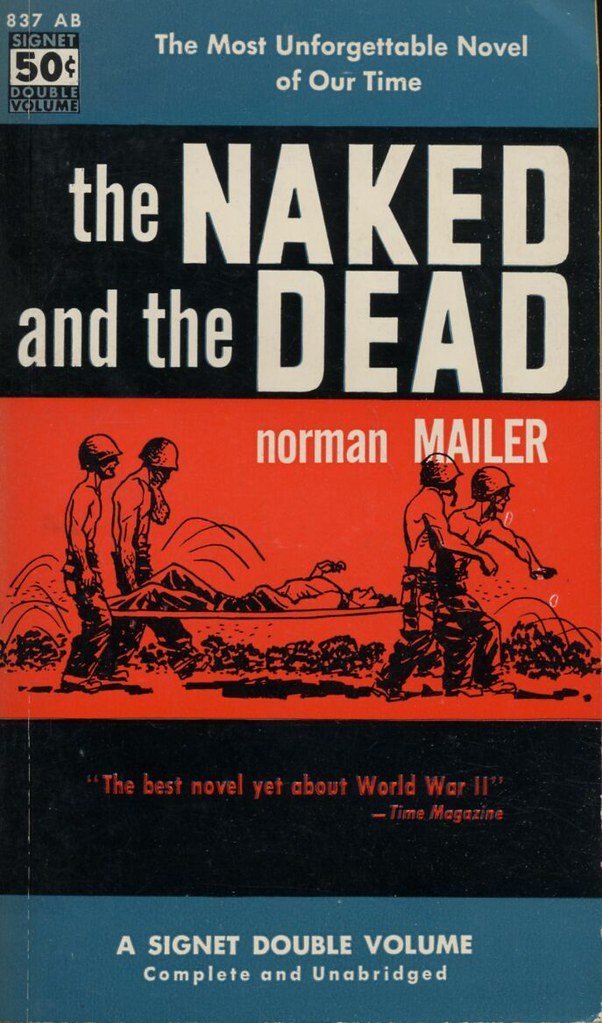
The bad blood between Norman Mailer and Gore Vidal boiled over in the 1970s. Vidal linked Mailer to violent figures in a review, prompting Mailer to headbutt him backstage before a TV appearance. Punches flew again at a party, turning personal gripes into spectacle.[1]
These antics overshadowed their novels but drew eyes to macho postwar writing. The feud amplified their public personas, shaping views of New Journalism. Years later, they called a truce, yet it lingered as a symbol of literary machismo.[3]
Mary McCarthy vs. Lillian Hellman: Lies on Trial

Ideological rifts from the 1930s exploded when Mary McCarthy dismissed Lillian Hellman as dishonest on national TV in 1980. Hellman sued for defamation, seeking millions and dragging the case through courts for years. Revelations during discovery questioned Hellman’s memoirs.[2]
The lawsuit chilled literary criticism and exposed memoir fabrications. It damaged Hellman’s legacy posthumously while boosting McCarthy’s sharp reputation. This clash redefined trust in autobiographical writing.[3]
Gabriel García Márquez vs. Mario Vargas Llosa: A Punch Heard Round the Boom

Friends in the Latin American literary boom turned foes in 1976. Vargas Llosa socked García Márquez outside a cinema, reportedly over his wife amid an affair scandal. They never spoke again despite shared Nobel paths.[1]
The split fractured Boom solidarity, mirroring political drifts. It humanized magical realism giants and fueled gossip. Their silence underscored personal costs in collective triumphs.[2]
Truman Capote vs. Gore Vidal: Petty Snubs to Slander Suits
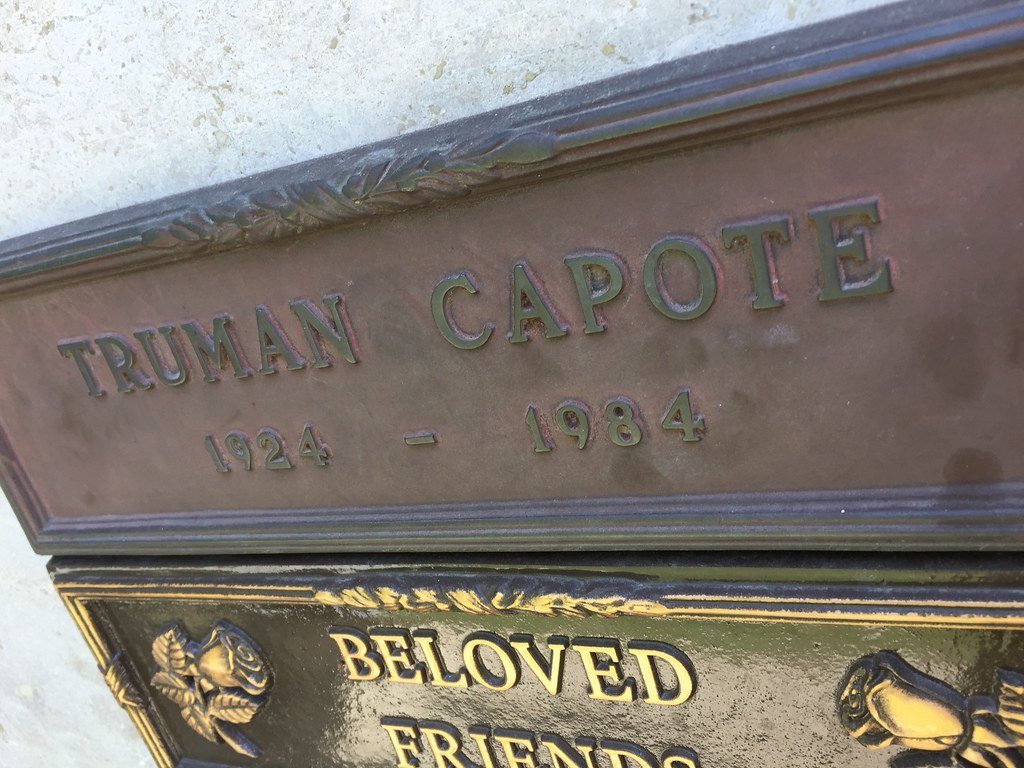
Truman Capote and Gore Vidal clashed at parties and in print from the 1950s. Vidal mocked Capote’s rise and sued over alleged White House tales. Mutual loathing persisted until Capote’s death.[1]
This rivalry spotlighted midcentury social climbers in letters. It contrasted Capote’s confessional style with Vidal’s essays, enriching gossip-lit canon. Their barbs entertained while revealing era vanities.[3]
Mark Twain vs. James Fenimore Cooper: Rules of Bad Writing
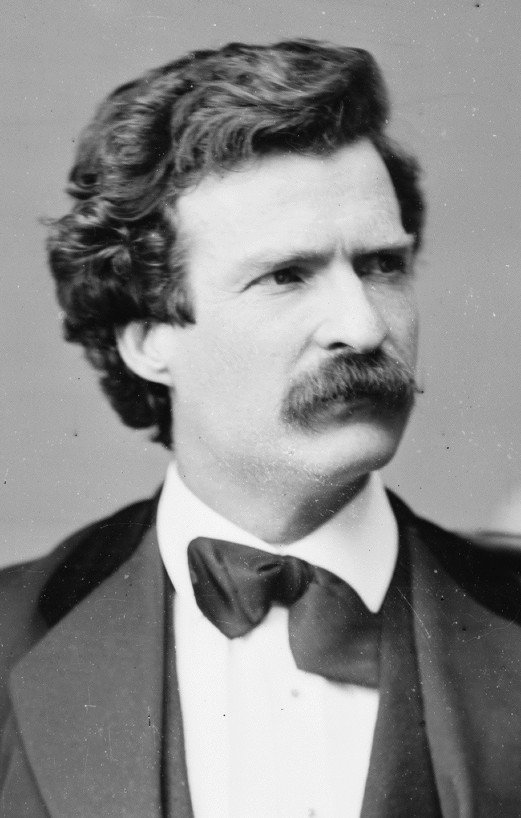
Mark Twain dissected James Fenimore Cooper’s novels in a savage 1895 essay. He listed eighteen breaches of literary decorum, from plot holes to grammar sins. Cooper, long dead, couldn’t reply.[4]
Twain’s takedown shifted views on frontier tales. It popularized critique as humor, influencing American humor traditions. Cooper’s stature dimmed in Twain’s shadow.[5]
H.G. Wells vs. Henry James: Art or Utility?
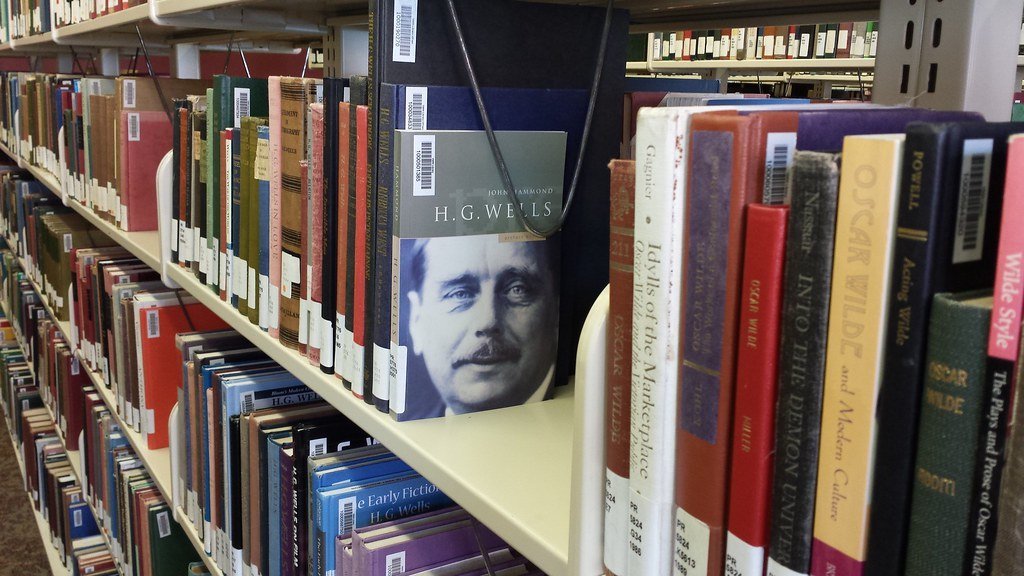
H.G. Wells mocked Henry James’s dense prose in his 1915 novel Boon. James defended his “house of fiction” against Wells’s push for relevant stories. Their letters traded salvos on fiction’s role.[1]
This debate pitted sci-fi futurism against psychological depth. It framed early 20th-century novel splits, aiding modernism’s rise. Wells later regretted his tone, but ideas endured.[3]
Zora Neale Hurston vs. Langston Hughes: Harlem Heartbreak
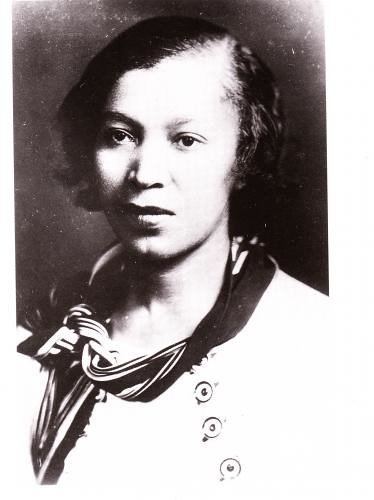
Harlem Renaissance stars Zora Neale Hurston and Langston Hughes co-wrote a play in 1930. Disputes over credits and a mutual acquaintance tore it apart before staging. Hurston claimed sole ownership, halting production.[2]
The fallout dimmed their collaborations and spotlighted Black lit tensions. Mule Bone debuted decades later, reviving interest. It exposed patronage pitfalls in the era.[3]
Lord Byron vs. John Keats: Aristocrat vs. Upstart
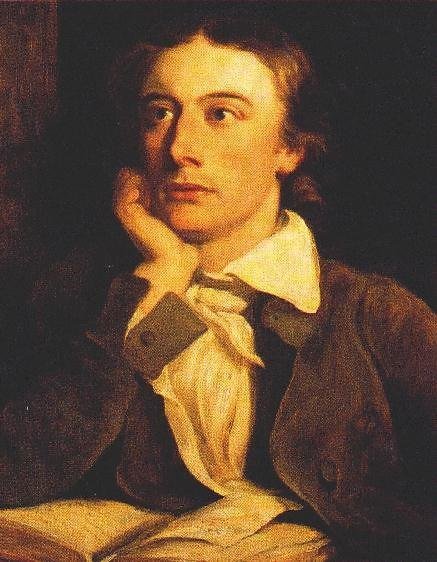
Lord Byron scorned John Keats as a “Cockney” poet unfit for greatness. Keats envied Byron’s lordly success amid his struggles. Byron jabbed even after Keats’s early death.[1]
This Romantic rift questioned class in poetry. Keats’s tragedy boosted his myth, outshining Byron long-term. It marked era shifts from aristocratic verse.[2]
Sinclair Lewis vs. Theodore Dreiser: Nobel Slap
Sinclair Lewis won the 1930 Nobel over Theodore Dreiser, igniting old plagiarism gripes. At a dinner, Dreiser slapped Lewis amid shouts. Tabloids dubbed it literature’s fight night.[1]
The brawl humanized Naturalist pioneers. Lewis kept his prize; Dreiser gained sympathy. It underscored award rivalries in realism’s peak.[3]
Competition’s Creative Edge

These feuds remind us rivalry sharpens pens and ideas. Though bitter, they drove innovation from modernism to the Boom.
Competition stirs literature forward, turning foes into footnotes of progress. In the end, the work outlives the wrath.[3][1]

Besides founding Festivaltopia, Luca is the co founder of trib, an art and fashion collectiv you find on several regional events and online. Also he is part of the management board at HORiZONTE, a group travel provider in Germany.
