


- 12 Iconic TV Commercials That Defined a Generation and Became Pop Culture Cornerstones - August 23, 2026
- Classic literature often reveals more about our society’s lost values than any history book. - August 23, 2026
- 15 Musical Instruments So Strange, You Won’t Believe They Exist (or How They Play). - August 23, 2026
Traveling to China offers a chance to experience one of the world’s oldest civilizations, but navigating its customs requires care. Missteps in etiquette can unintentionally offend hosts or locals, turning a memorable trip into an awkward one. Understanding these nuances shows respect and smooths interactions across cultures.[1]
Many rules stem from deep-rooted traditions emphasizing harmony and face-saving. Visitors who adapt quickly find warmer welcomes and richer experiences. Simple awareness goes a long way in any international journey.
Never Stick Chopsticks Upright in Rice
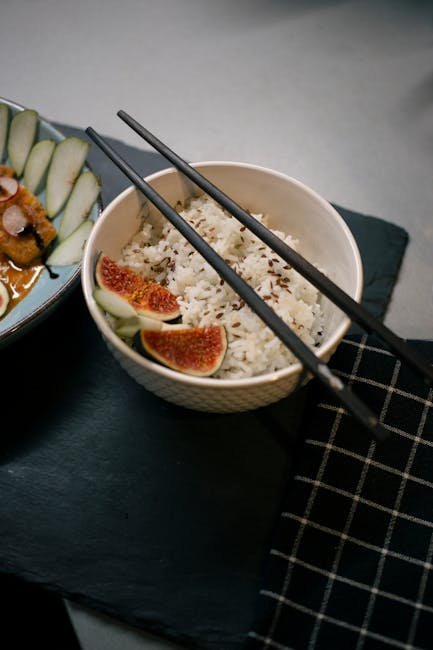
At the dinner table, resist the urge to plant your chopsticks straight up in a bowl of rice. This position mimics incense sticks burned at funerals, an image no one wants during a meal. Instead, rest them flat on the bowl’s edge or a chopstick holder when pausing.[1][2]
Chinese dining etiquette prioritizes avoiding death associations to keep gatherings joyful. Such a gesture signals bad luck and disrespect for the dead, disrupting harmony. Locals notice these details, and avoiding them builds goodwill effortlessly.
Never Give Clocks as Gifts
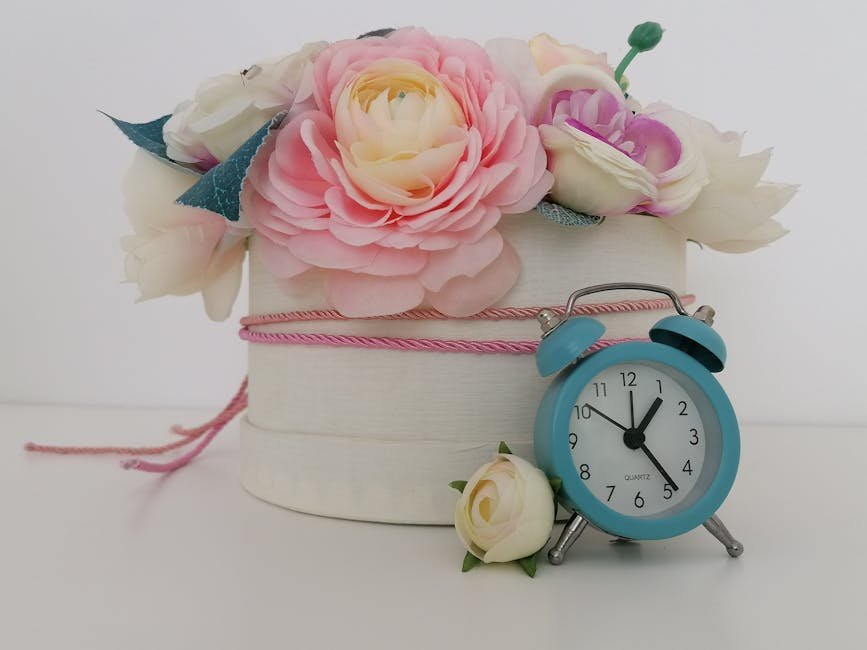
Avoid presenting a clock to friends or hosts, no matter how practical it seems. The word for clock sounds like “end” or “death” in Chinese, turning a thoughtful item into an omen. Opt for tea, fruit, or small souvenirs instead.[1][2]
Gift-giving carries symbolic weight, with certain items linked to separation or misfortune. Clocks evoke funerals, clashing with customs that value longevity and unity. Thoughtful choices reflect cultural sensitivity and strengthen bonds.
Never Discuss Sensitive Political Topics

Steer clear of chats about Taiwan, Tibet, Tiananmen, or government critiques with new acquaintances. These subjects stir strong emotions and can sour conversations fast. Stick to neutral ground like food, travel, or scenery.[1][3]
Harmony drives social interactions, and broaching taboos risks embarrassment or conflict. Public discourse favors positivity to preserve face for everyone involved. Respecting this boundary fosters trust and deeper connections.
Never Point with Your Index Finger

When directing attention, use an open palm rather than jabbing your index finger at people or objects. Pointing singles out individuals aggressively, which feels rude in close quarters. A gentle hand wave works better every time.[4]
This habit stems from beliefs that the finger gesture accuses or curses. Collectivist values emphasize group comfort over directness. Adopting the palm method aligns with subtle communication styles.
Never Blow Your Nose in Public

Excuse yourself to a private spot if your nose needs clearing, rather than honking into a tissue amid company. Public nose-blowing disrupts the calm atmosphere valued in social settings. Carry tissues and handle discreetly.[5]
Bodily functions stay private to maintain decorum and face. Loud noises draw unwanted focus, clashing with harmony-focused etiquette. Quiet resolution keeps interactions pleasant for all.
Never Wear Shoes Indoors
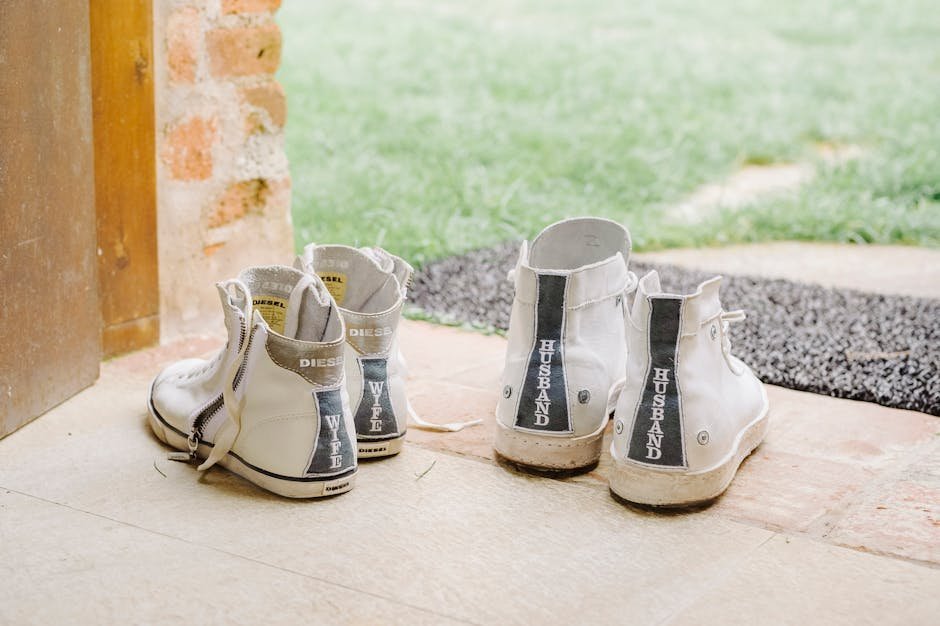
Remove your shoes at the threshold of homes or traditional spaces without prompting. Hosts often provide slippers, signaling cleanliness and respect. Walking in with street shoes dirties the space.[6]
Floors represent purity in Confucian-influenced homes, separate from outside dirt. This ritual honors hospitality and family sanctity. Following suit shows immediate cultural adaptation.
Never Tip Service Staff

Leave the bill as is after a meal or ride, skipping extra cash on the table. Tipping confuses locals accustomed to fixed prices. In tourist areas, it might happen, but elsewhere it feels off.[1]
Service forms part of the wage, not an add-on like in the West. Offering tips implies poor service otherwise, risking offense. Gratitude comes through words or return visits instead.
Never Hug or Kiss as a Greeting

Greet with a nod, smile, or light handshake instead of embracing newcomers. Physical closeness reserves for family, not casual meets. Keep a respectful distance in crowds too.[1][2]
Affection displays privately align with reserved public norms. Overfamiliarity invades personal space, tied to modesty values. Verbal warmth suffices for positive first impressions.
Never Write Names in Red Ink

Use black or blue pens for notes or signatures involving people’s names. Red ink evokes official death records or corrections, carrying grim weight. Everyday writing stays neutral.[2][4]
Historical uses link red to mourning or punishment, clashing with celebratory tones. Precision avoids unintended slights in personal exchanges. Simple swaps prevent mix-ups.
Never Publicly Embarrass Someone

Avoid correcting mistakes or raising voices in group settings. Address issues privately to spare feelings. Praise publicly builds rapport instead.[7]
Losing face damages social standing in a harmony-centric society. Indirect approaches preserve dignity and relationships. This restraint earns respect from locals.
Mastering these etiquette points transforms travel from good to exceptional. Respectful behavior opens doors to authentic encounters and lasting memories. Carry this awareness forward, wherever your journeys lead.
CEO-Co-Founder
