

For any feedback please reach out to info@festivalinside.com
- 10 Hollywood Scandals From The Golden Age That Shocked The Nation - August 22, 2026
- 10 Architectural Wonders Of The Modern World That Defy All Expectations. - August 22, 2026
- 15 Unsung Heroes Of Rock And Roll Who Deserve Their Place In History. - August 22, 2026
Modern engineering has shattered the limits of what buildings can achieve. Advanced materials, computational design, and bold visions allow structures to twist, lean, and soar in ways once thought impossible.
These innovations blend artistry with science. They challenge gravity, weather extreme conditions, and transform cityscapes worldwide.
Burj Khalifa, Dubai
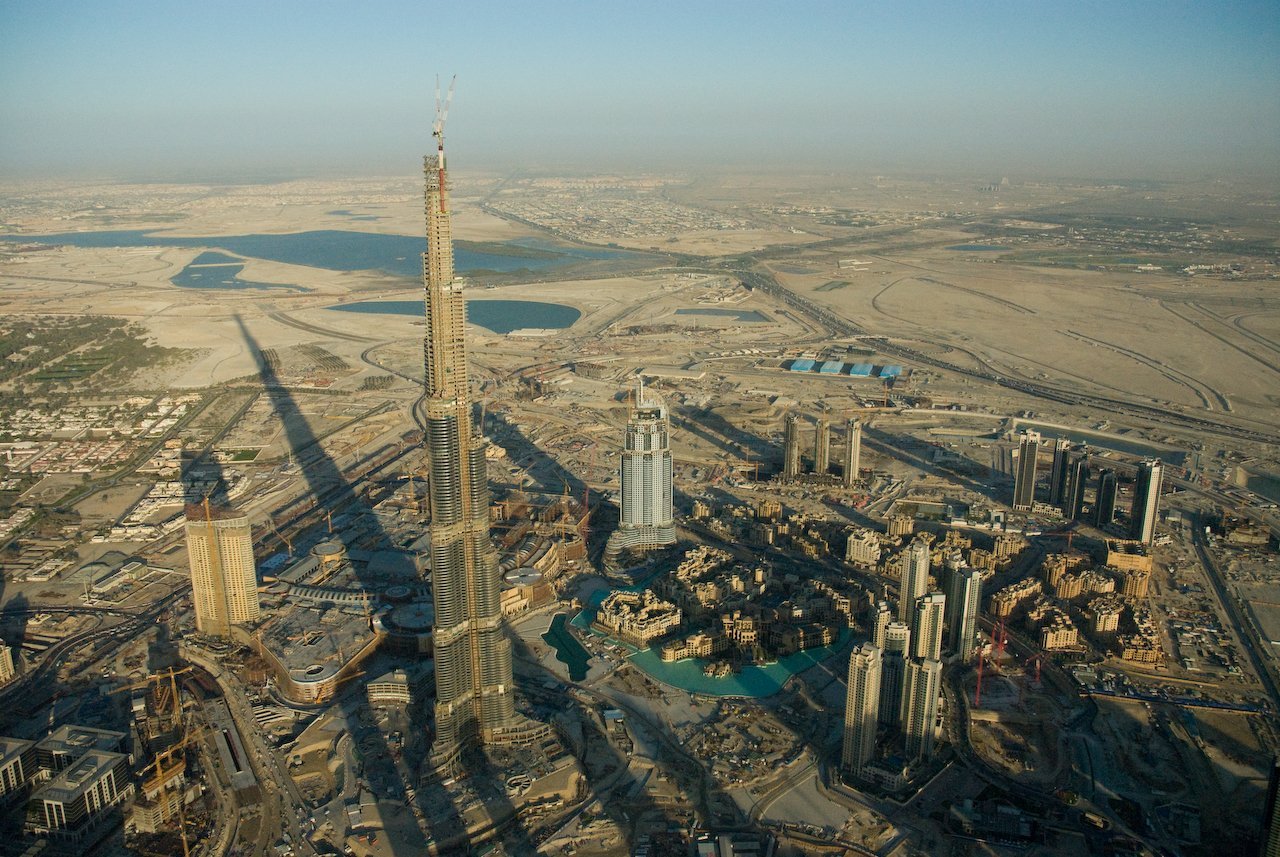
The Burj Khalifa stands as the tallest building ever made. Its tiered design, inspired by desert flowers and Islamic architecture, uses a buttressed core to resist wind forces at unprecedented heights. Engineers employed cutting-edge damping systems to minimize sway.
This skyscraper redefined urban ambition. It houses residences, offices, and a hotel, proving mixed-use towers can thrive vertically. Globally, it symbolizes human ingenuity pushing skyward.
Marina Bay Sands, Singapore
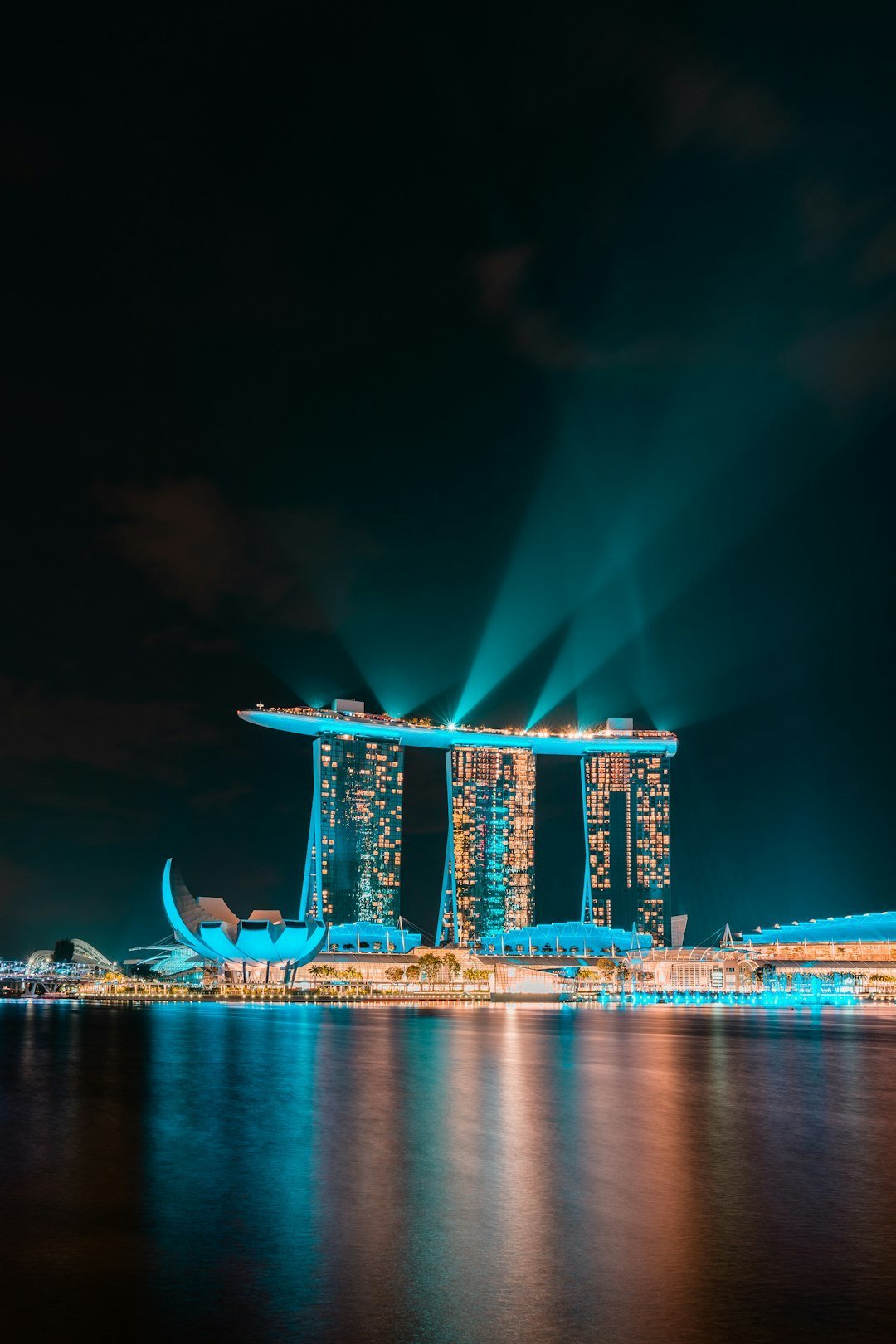
Three towering hotels connect via a massive sky park that cantilevers over the edge. This engineering feat relies on reinforced concrete and steel trusses to support the weight of gardens, pools, and an observation deck. The design evokes a surfboard skimming the skyline.
Singapore’s landmark boosts tourism and luxury hospitality. It integrates entertainment, shopping, and nature in a humid climate. The structure highlights how architecture can create iconic destinations.
Beijing National Stadium (Bird’s Nest), China
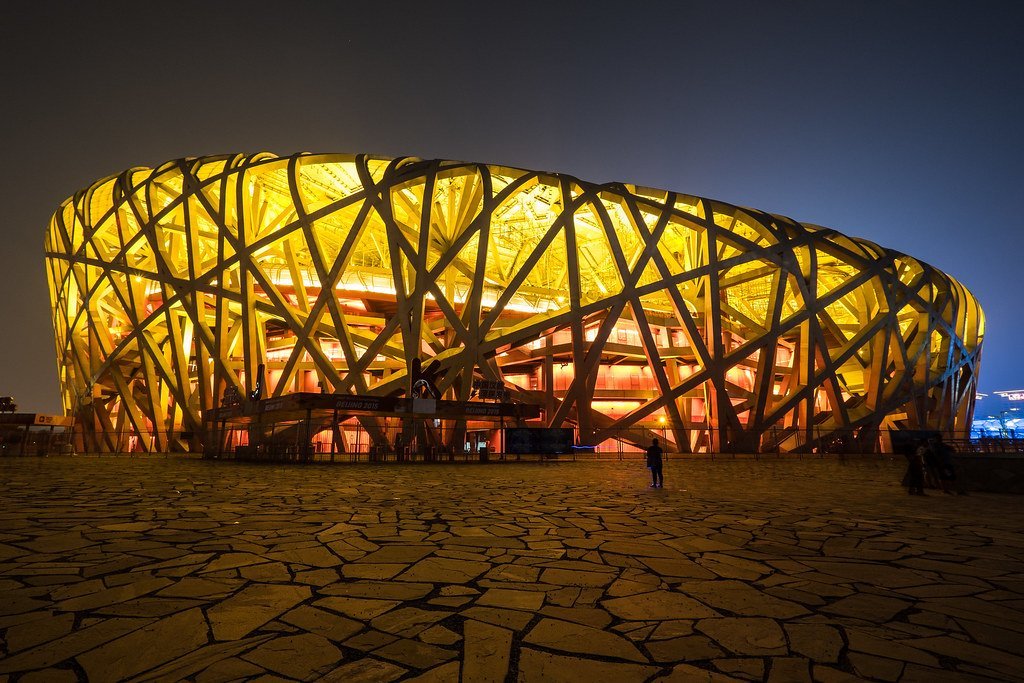
The interwoven steel lattice mimics a nest, enclosing the Olympic venue. Over 36 kilometers of cable create a porous shell that diffuses light and sound. Seismic considerations shaped its irregular form during construction.
Built for the 2008 Games, it now hosts events year-round. The stadium elevated China’s global image through spectacle. Its adaptability shows multifunctional design in public spaces.
The Shard, London
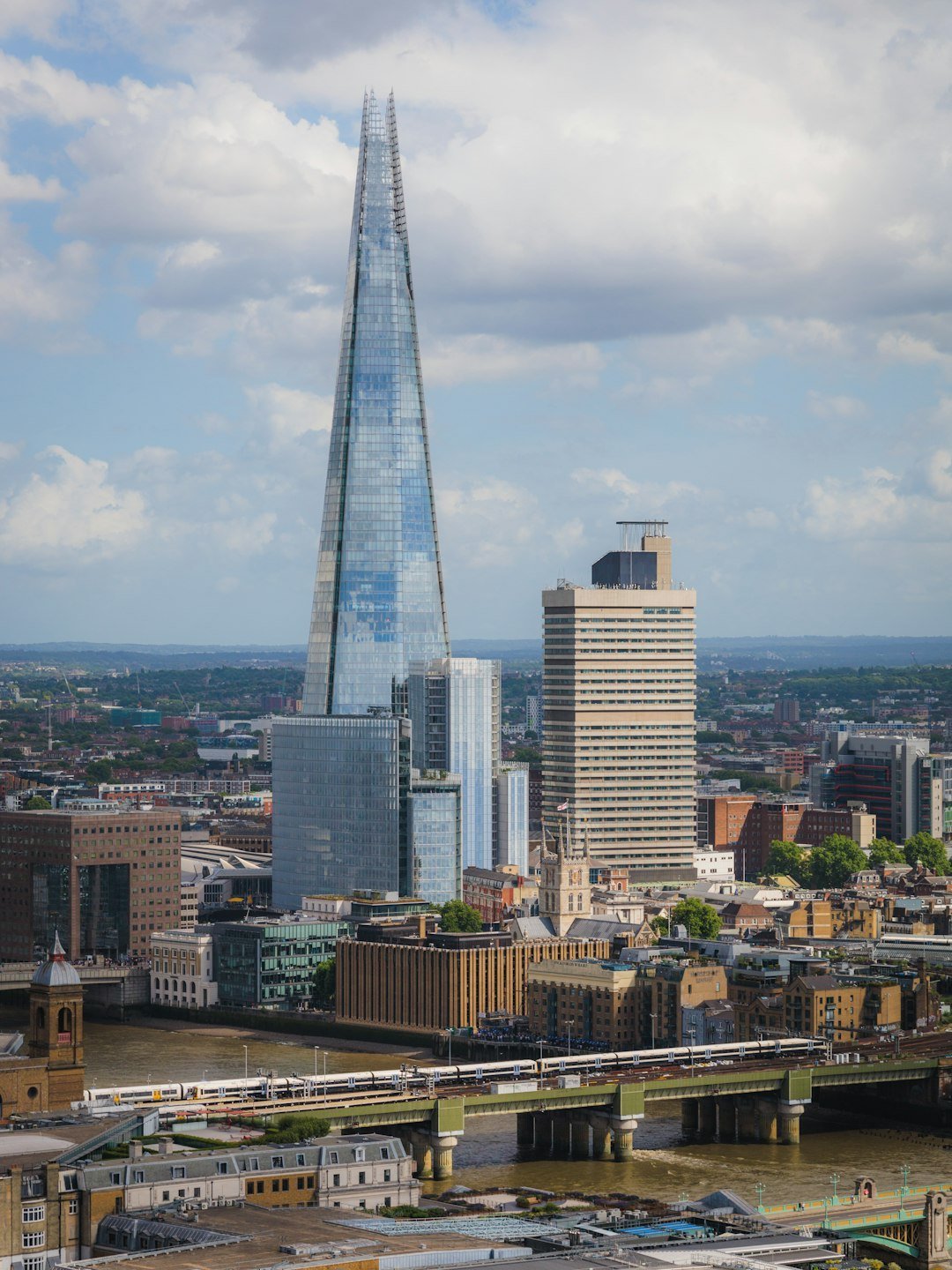
A glass pyramid piercing the clouds, the Shard tapers to a needle point. Its diagrid structure distributes loads efficiently, allowing vast open floors. Cladding reflects the Thames, blending with the horizon.
Europe’s tallest building mixes offices, residences, and a public viewing gallery. It revitalized London’s South Bank. The project demonstrates vertical density in historic contexts.
Guggenheim Museum Bilbao, Spain
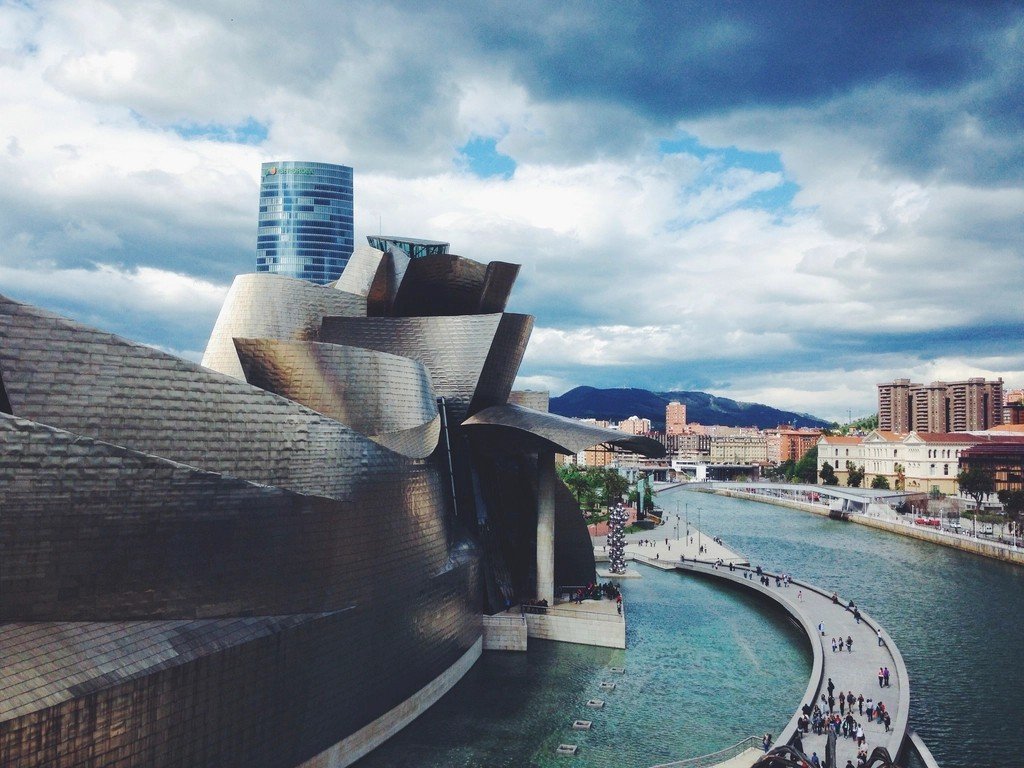
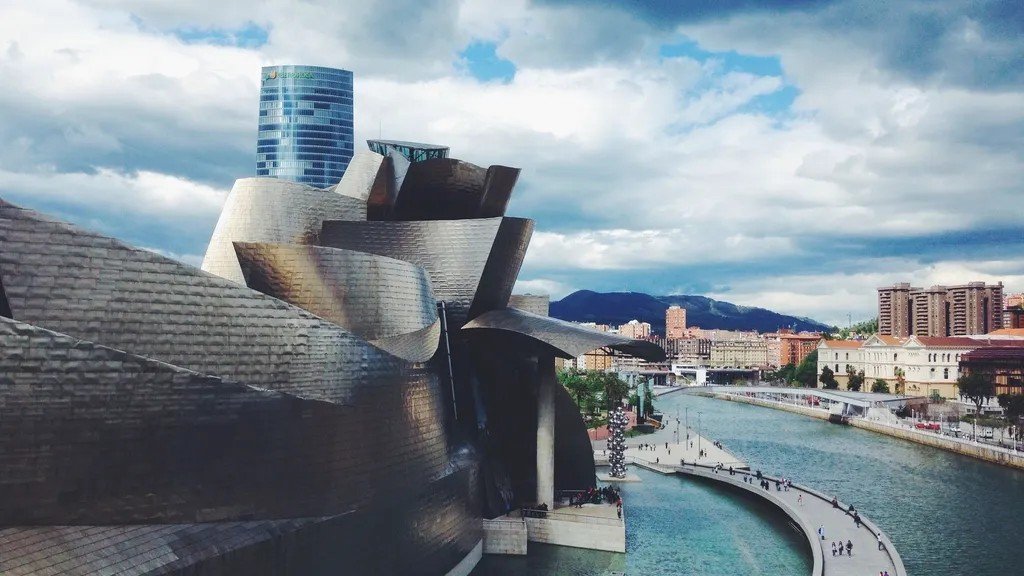
Frank Gehry’s titanium curves flow like a living organism. Computer modeling enabled the chaotic forms, with panels varying by millimeters. The museum sits on the river, drawing light into its galleries.
Opened in 1997, it sparked urban renewal in Bilbao. Visitors flock for art and architecture alike. It proved bold design can regenerate economies.
Heydar Aliyev Center, Baku, Azerbaijan
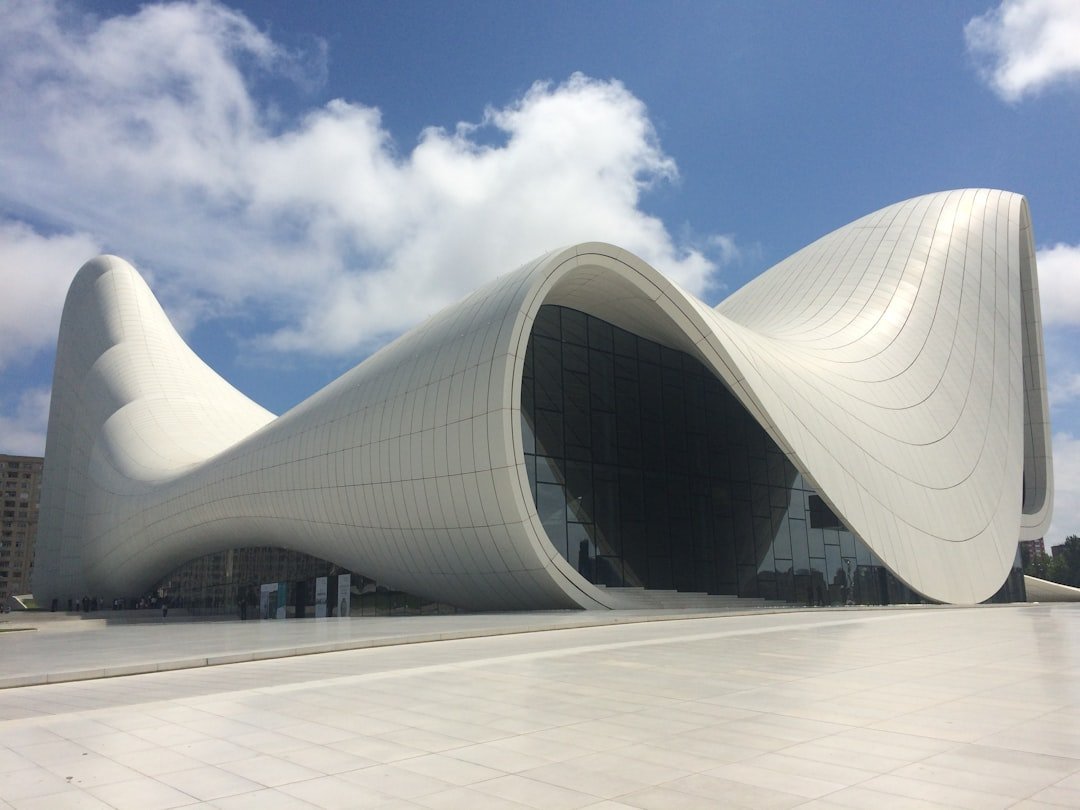
Zaha Hadid’s fluid waves eliminate straight lines entirely. A double-skinned facade manages climate while undulating interiors flow seamlessly. Parametric design optimized every surface.
This cultural hub hosts exhibitions and events. It symbolizes modern Azerbaijan on the world stage. The building reimagines public spaces as continuous experiences.
Capital Gate, Abu Dhabi
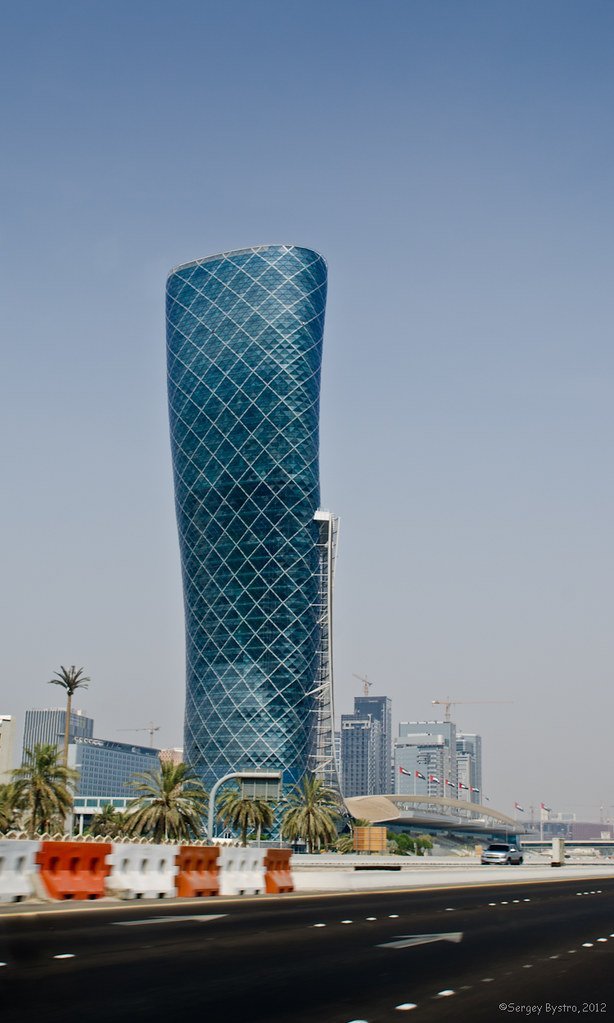
Leaning 18 degrees, it surpasses the Pisa Tower’s tilt. A rigid core and five tuned mass dampers counter the slant against winds. Glass fins enhance its aerodynamic profile.
Home to an ADNOC headquarters, it attracts daring travelers. The structure showcases precision engineering in the desert. It expands possibilities for non-vertical towers.
CCTV Headquarters, Beijing
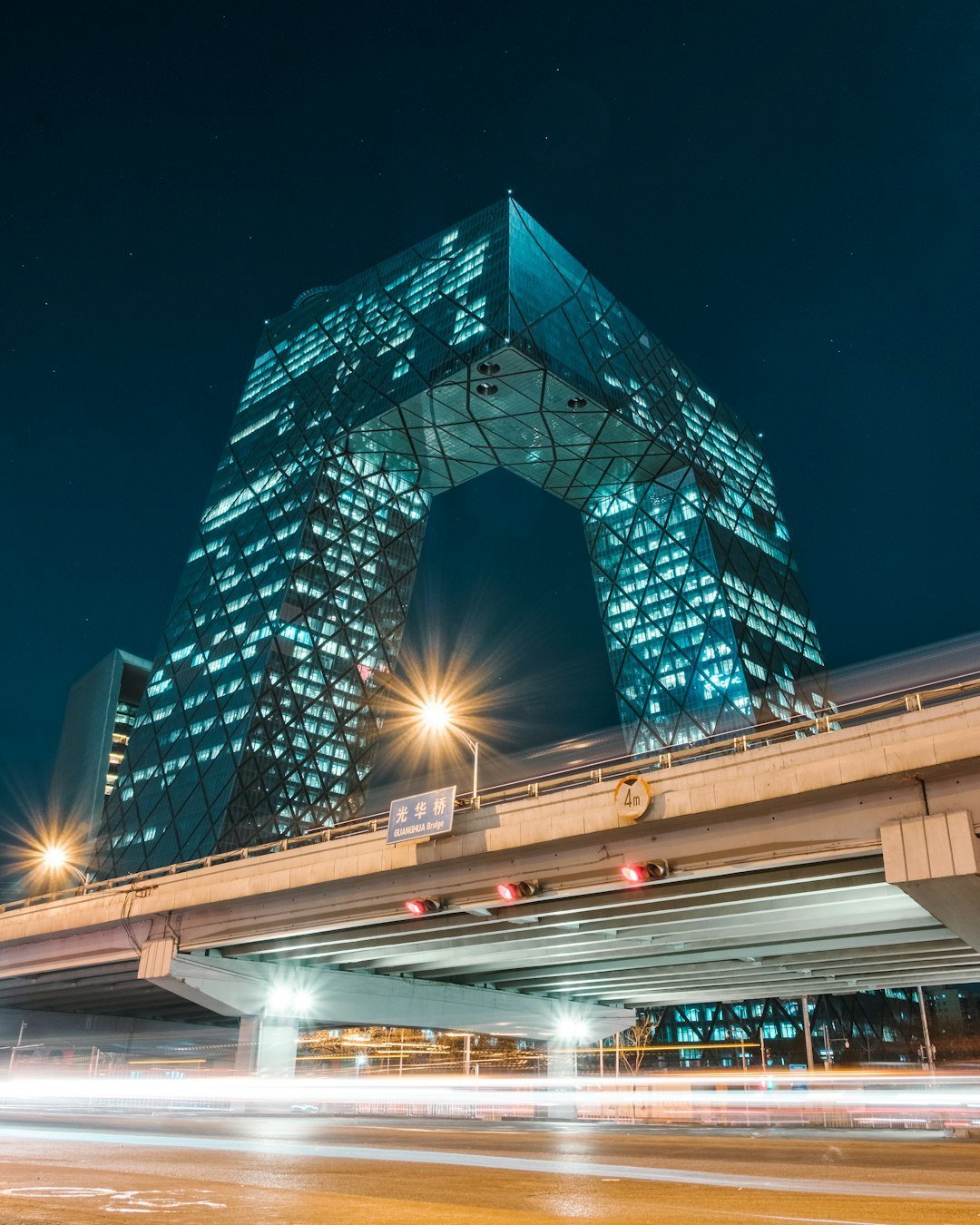
A 45-degree loop defies gravity with overhung towers braced by steel. The design avoids traditional columns, creating open broadcast spaces. Wind tunnel tests refined its stability.
China Central Television’s base transformed Beijing’s skyline. It pioneered looped skyscrapers. Globally, it influences media architecture.
Elbphilharmonie, Hamburg, Germany
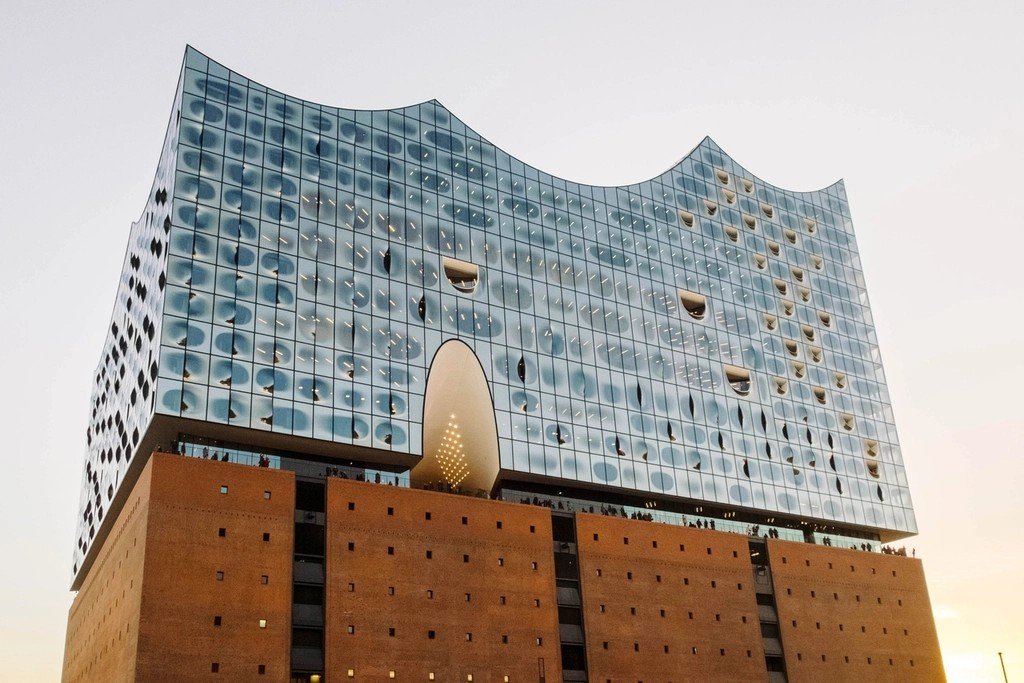
Glass waves atop a brick warehouse evoke ocean sails. 10,000 panes form a translucent roof with acoustic precision. Vibration isolation protects the concert hall below.
Germany’s premier venue draws musicians worldwide. It bridges old and new harbor districts. The project underscores acoustic innovation in culture.
Shanghai Tower, China
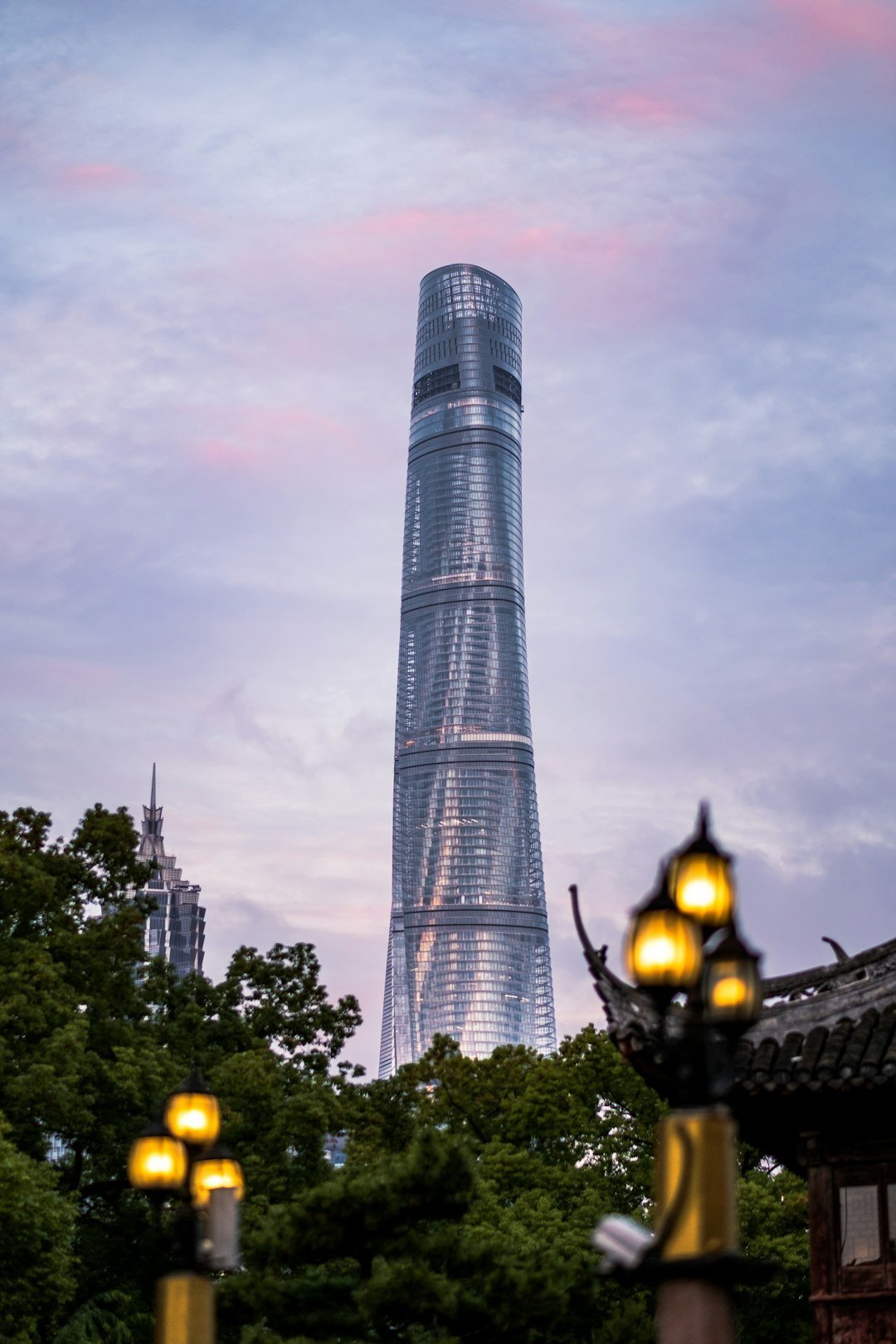
A double-twist skin reduces wind loads by 24 percent. Nine cylindrical zones stack inward, with sky gardens for ventilation. Elevators reach record speeds.
Tallest in China, it promotes sustainable offices. The tower sets benchmarks for green supertall design. It shapes future megacities.
The Future of Architecture
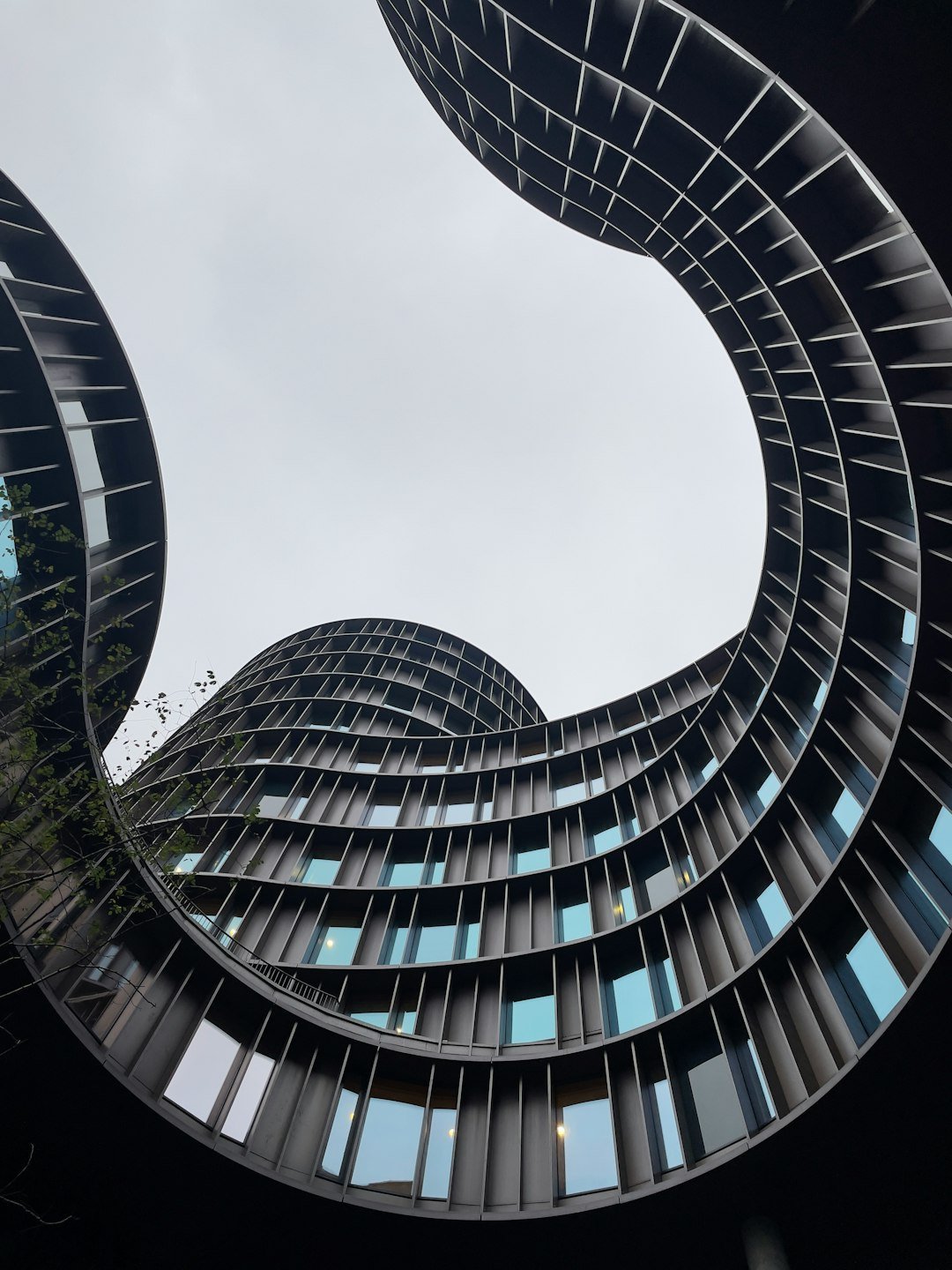
These wonders preview bolder horizons. Sustainable tech, AI modeling, and bio-inspired forms will craft resilient cities. Boundaries keep expanding.
Yet challenges like climate and equity persist. Architecture evolves with society, promising structures that inspire and sustain.

Christian Wiedeck, all the way from Germany, loves music festivals, especially in the USA. His articles bring the excitement of these events to readers worldwide.
For any feedback please reach out to info@festivalinside.com
