

For any feedback please reach out to info@festivalinside.com
- The 20 Songs You Didn’t Realize Were Written as Apologies - July 22, 2026
- The Cowboys of Hollywood – Actors Who Defined the Western Genre - July 22, 2026
- From Holiday Classics to Timeless Anthems – 12 Songs That Make Cash Forever - July 22, 2026
Rock and roll burst onto the scene in the 1950s, but its roots run deeper. Countless musicians in the 1940s and early 1950s laid the groundwork with raw energy, innovative sounds, and boundary-pushing performances.
These artists blended blues, gospel, boogie-woogie, and jump blues into something electric. Yet fame often eluded them, overshadowed by later stars who built on their foundations.[1][2]
Sister Rosetta Tharpe
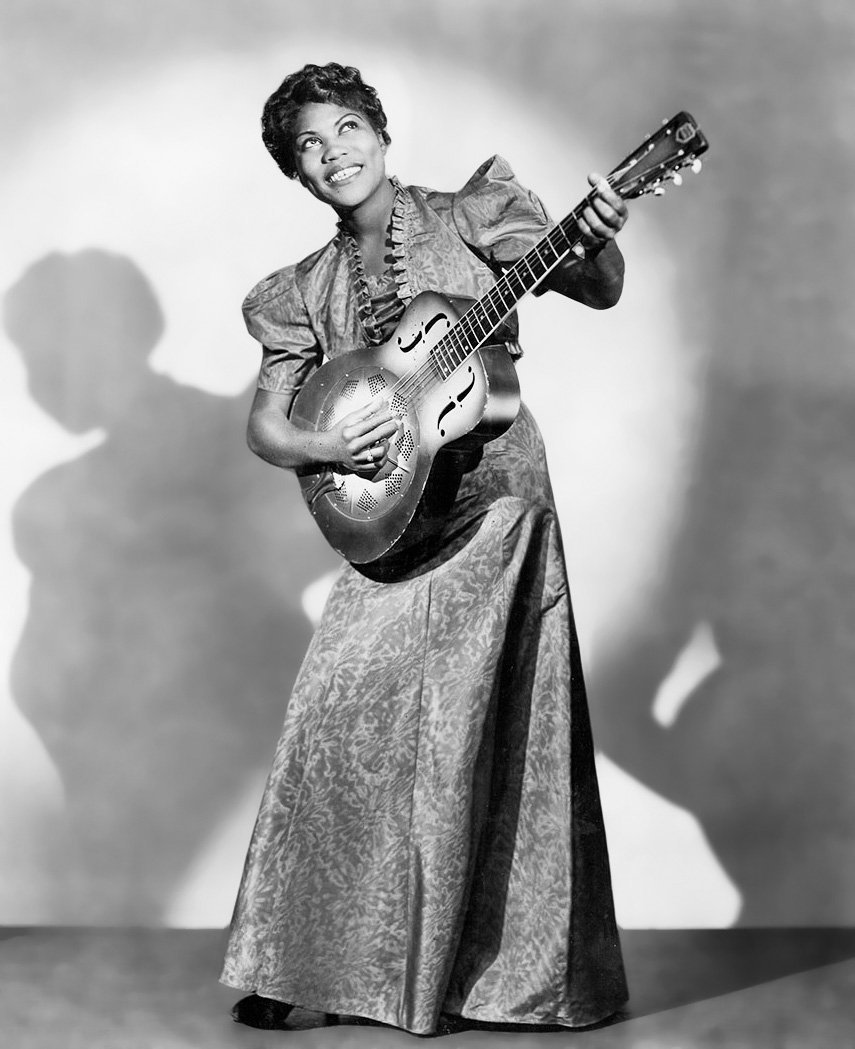
Sister Rosetta Tharpe earned the title Godmother of Rock and Roll for her fiery blend of gospel, blues, and swing. She wielded an electric guitar with a slashing style that few matched in her era. Her live shows packed spiritual punch into secular venues, drawing huge crowds.
Tharpe’s innovative riffs and stage charisma directly inspired Chuck Berry and Little Richard. Her boundary-blurring sound showed how gospel fervor could fuel popular music. Even Elvis Presley drew from her playbook, proving her reach across generations.[1]
Big Mama Thornton
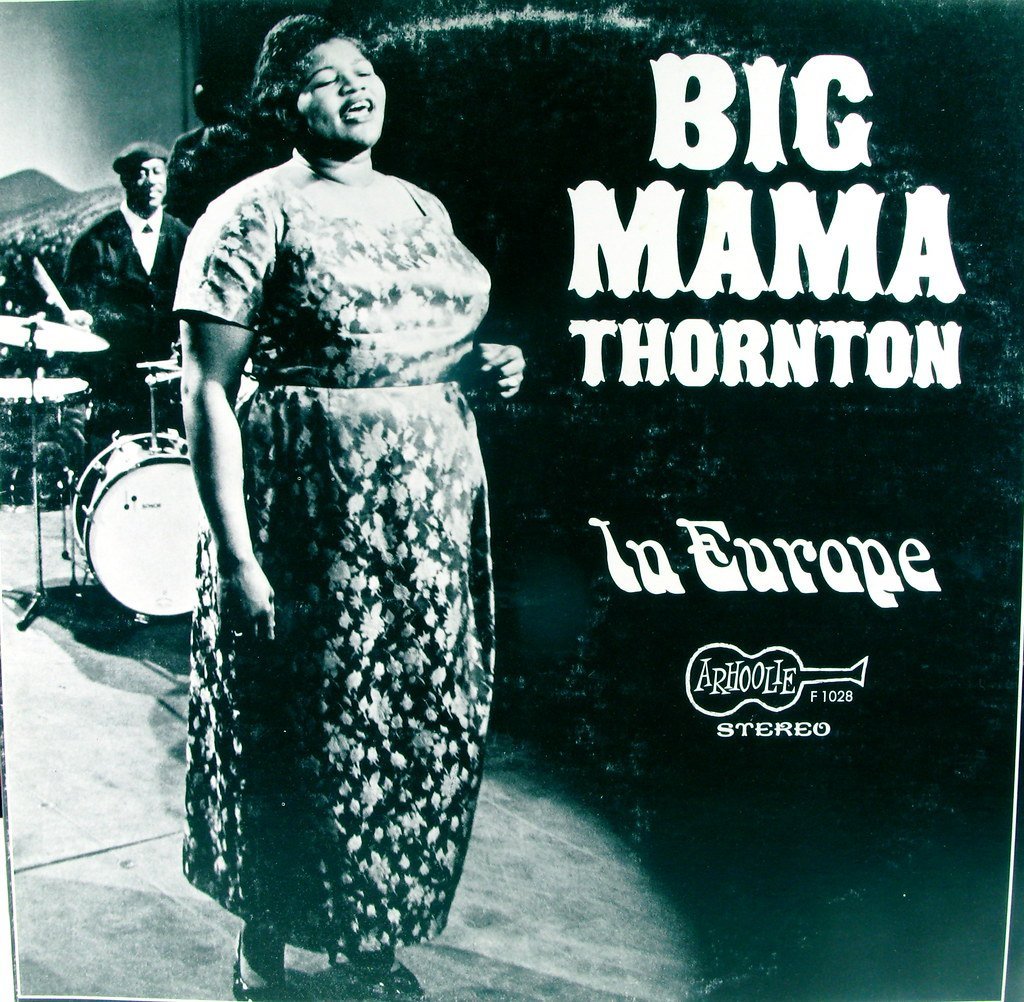
Big Mama Thornton delivered the original Hound Dog in 1952 with thunderous vocals that captured rock’s raw edge. Her powerful presence and bluesy howl defined emotional intensity on stage. She commanded attention with songs that mixed grit and rebellion.
Elvis Presley’s cover skyrocketed Hound Dog to fame, but Thornton’s version set the attitude standard. Her influence echoed in rock singers who prized soul and swagger. Later artists adopted her unfiltered style to convey deep feeling.[1]
Big Joe Turner
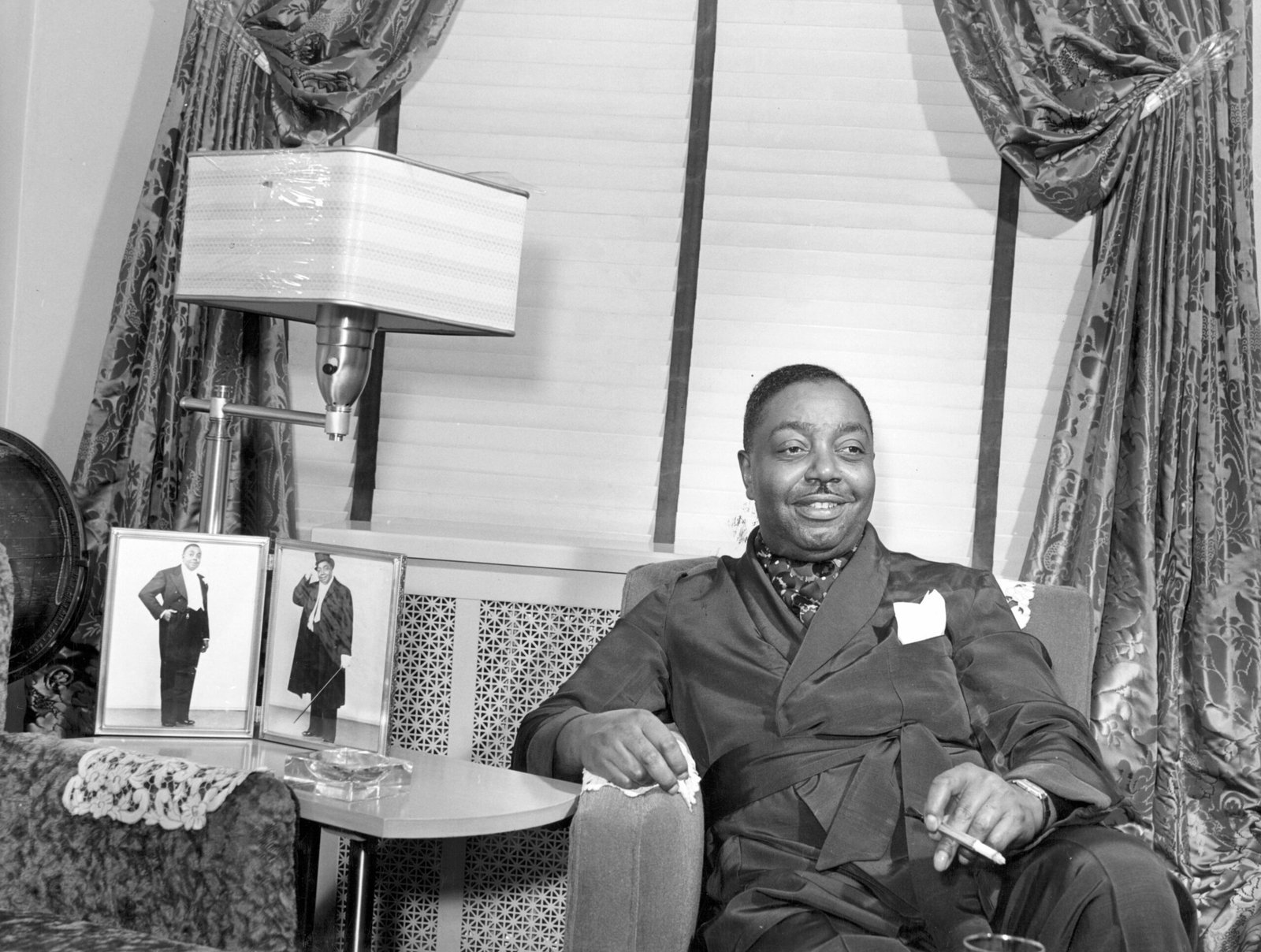
Big Joe Turner shouted blues anthems like Shake, Rattle and Roll years before they became rock staples. His massive voice powered jump blues tracks that swung hard and fast. He bridged big band and the rawer sounds to come.
Bill Haley and Elvis turned his songs into hits, highlighting Turner’s foundational role. His phrasing shaped rock vocalists who chased that booming delivery. The energy in his records fueled the genre’s early fire.[2][3]
Wynonie Harris
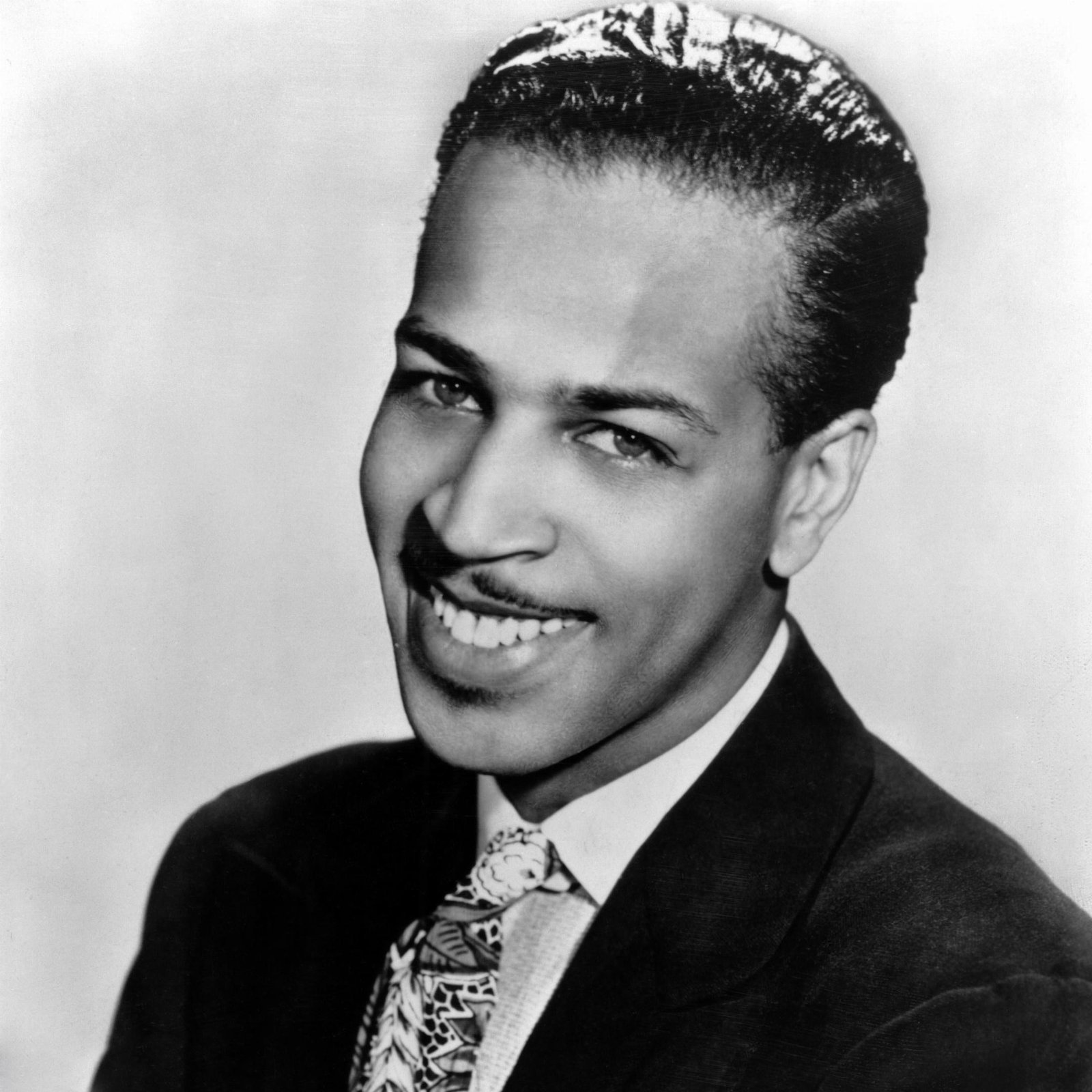
Wynonie Harris brought boisterous energy to jump blues with tracks like Good Rockin’ Tonight. His suggestive lyrics and driving rhythms lit up the postwar scene. Known as Mr. Blues, he packed stages with his larger-than-life persona.
Elvis covered Good Rockin’ Tonight, carrying Harris’s blueprint forward. His sound influenced the rowdy spirit of early rock performers. Harris helped turn R&B into the powerhouse that birthed rock.[1]
Louis Jordan
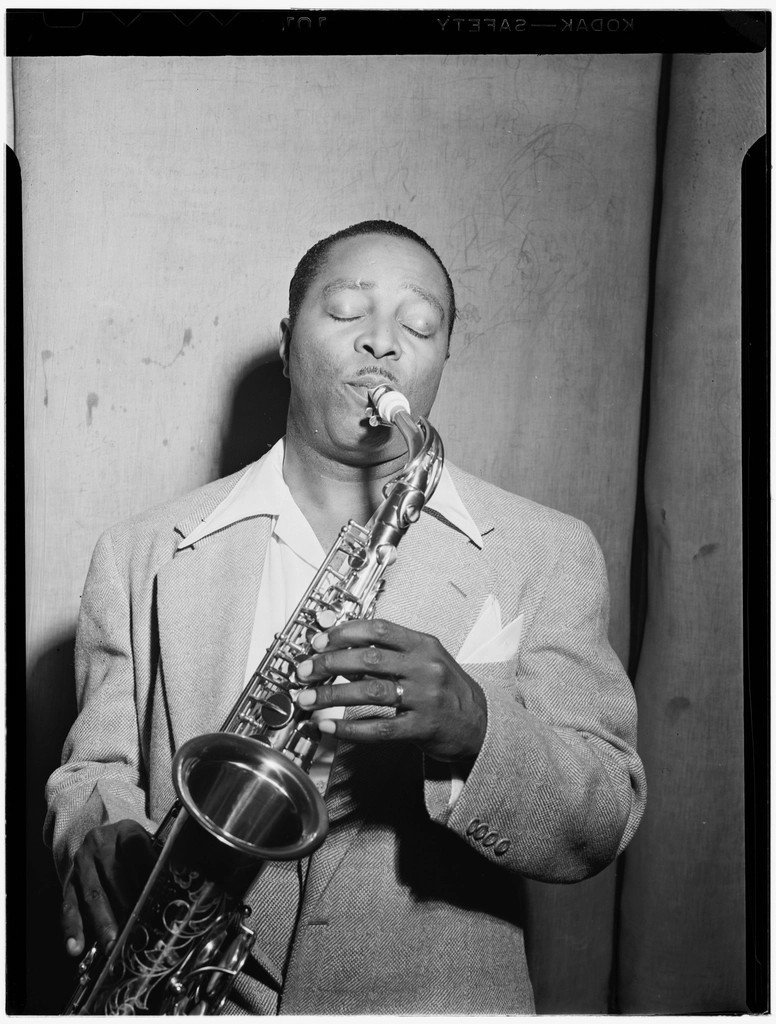
Louis Jordan ruled the jukebox with jump blues hits like Caldonia and Choo Choo Ch’Boogie. His tight band and witty songs mixed sax blasts with sly humor. He sold millions, proving the style’s pop appeal.
Rock pioneers like Bill Haley echoed Jordan’s rhythmic punch and humor. His template for horn-driven energy shaped rockabilly and beyond. Jordan’s crossover success opened doors for the genre.[2]
Ruth Brown
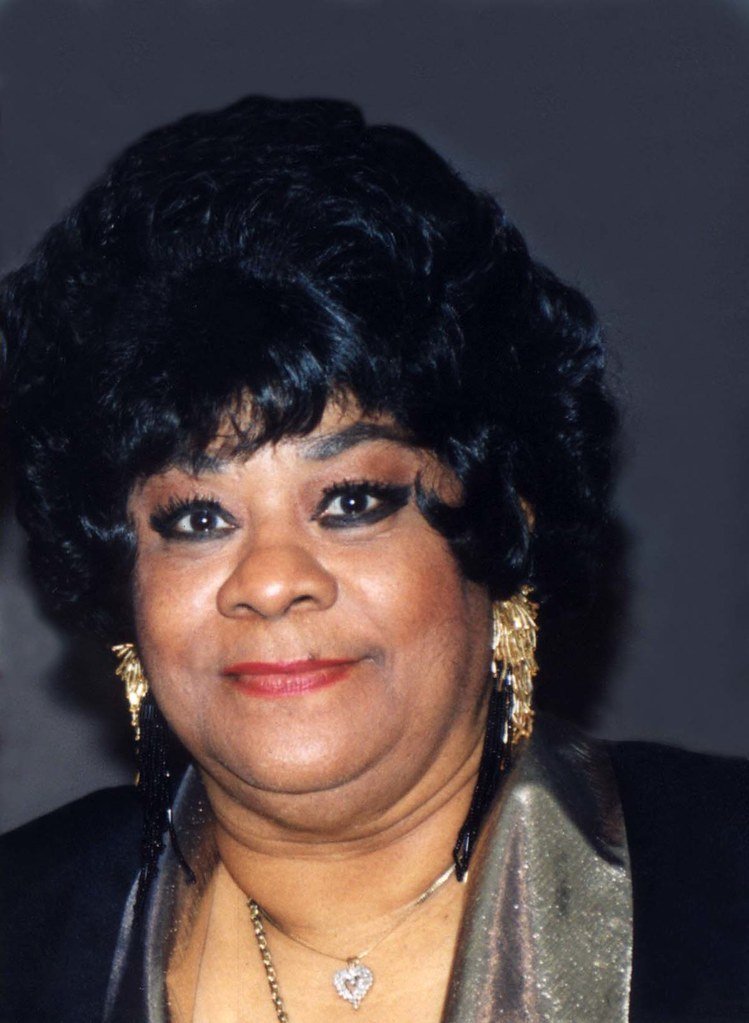
Ruth Brown stacked Atlantic Records hits like Mama, He Treats Your Daughter Mean in the 1950s. Her soulful voice and expressive delivery built the label’s fame. She brought emotional depth to upbeat R&B.
Brown’s vocal style inspired rock and soul singers for decades. Her work bridged R&B and the rock explosion. Atlantic’s early success rested on her shoulders.[1]
Jackie Brenston
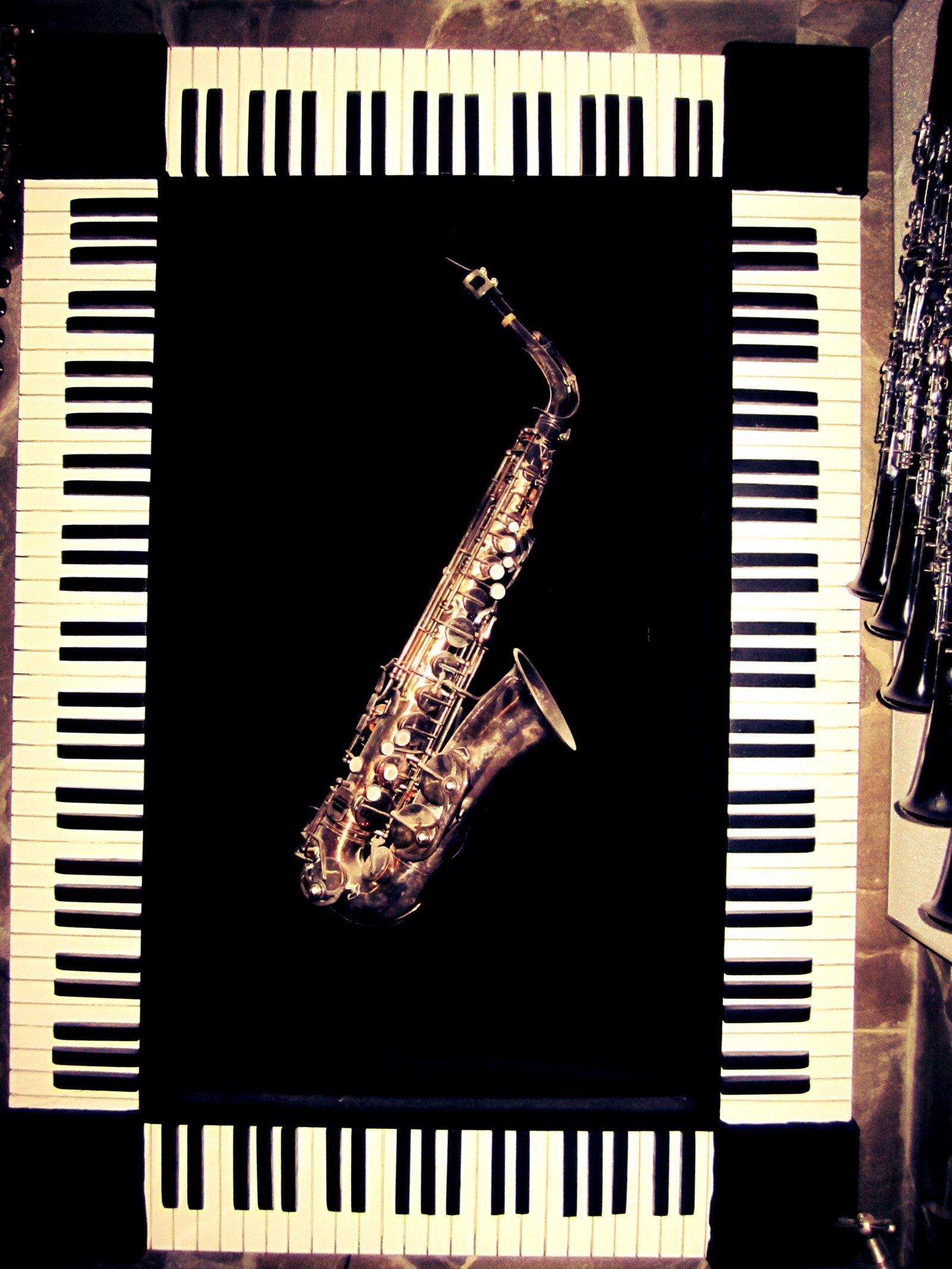
Jackie Brenston fronted Rocket 88 in 1951, a track many call the first rock and roll record. His gritty vocals and sax rode Ike Turner’s fuzzy guitar and urgent beat. The song’s distorted sound broke new ground.
Rocket 88 influenced Sun Records’ raw aesthetic. Its template rippled through Chuck Berry and beyond. Brenston helped define rock’s driving pulse.[1]
Roy Brown
Roy Brown penned and sang Good Rocking Tonight, a jump blues rocker from 1947. His fervent delivery and upbeat tempo captured postwar exuberance. He influenced the shouters who followed.
Elvis and Fats Domino revived his song, spreading Brown’s energy wide. His compositions fueled rock’s party vibe. Brown’s work bridged blues and the rock dawn.[3]
Arthur Crudup
Arthur Crudup wrote That’s All Right Mama, a blues rocker Elvis turned into his debut single. His guitar-driven songs carried heartfelt swing. Known as the Father of Rock and Roll in some circles.
Elvis’s cover launched his career, but Crudup’s original set the mold. His style bridged blues and rock for many white artists. Crudup’s riffs echoed long after.[1]
Professor Longhair
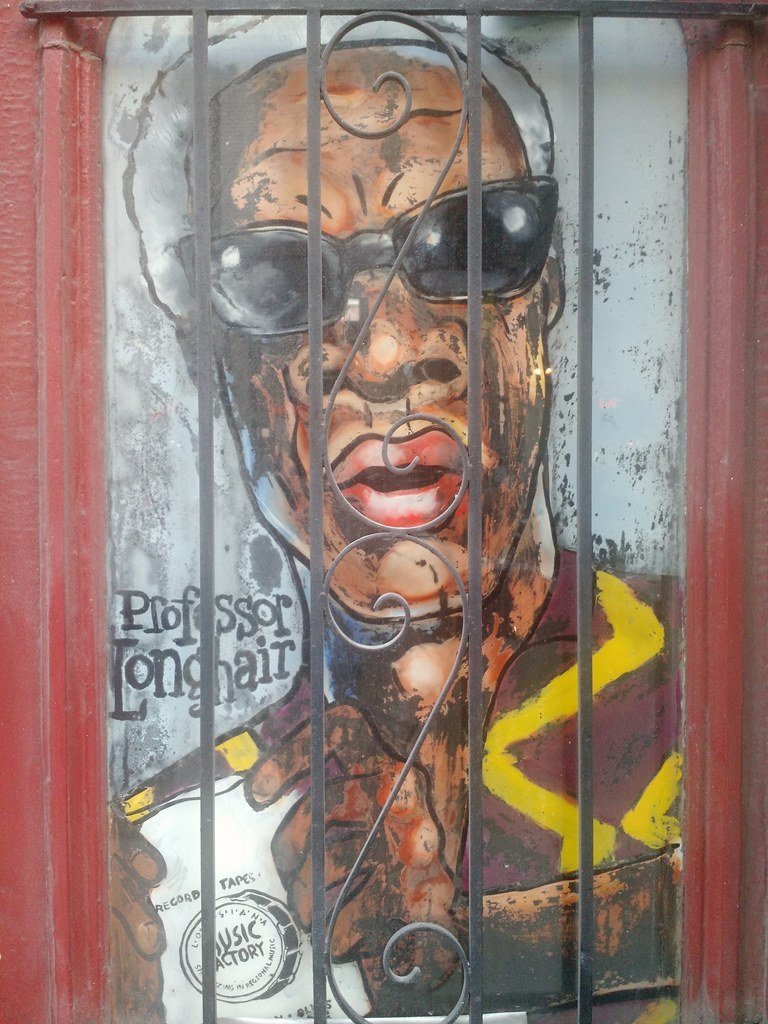
Professor Longhair fused blues piano with Caribbean rhythms in New Orleans classics like Mardi Gras in New Orleans. His syncopated grooves pulsed with city flair. He shaped the local sound uniquely.
His playful style influenced Dr. John and the Meters. Longhair’s rhythms fed into rock’s rhythmic evolution. New Orleans rock owes him a debt.[1]
Johnny Otis

Johnny Otis led bands and scouted talent as the Godfather of Rhythm and Blues. He brought R&B to wider ears with hits like Willie and the Hand Jive. His multi-instrumental work glued it together.
Otis nurtured stars like Etta James, paving rock’s path. His productions bridged Black music to mainstream. He spotted the trends early.[1]
Sister Wynona Carr
Sister Wynona Carr merged gospel fire with R&B bounce in songs ahead of their time. Her passionate vocals carried spiritual intensity into secular territory. She blurred sacred and profane lines boldly.
Carr’s energy anticipated rock’s raw emotion. Her style influenced genre-blenders later on. She proved gospel’s rock potential.[1]
Lloyd Price
Lloyd Price hit with Lawdy Miss Clawdy, mixing New Orleans R&B flair. His voice and songcraft defined early rock spirit. He crossed over successfully.
Price’s sound inspired countless covers and followers. His New Orleans punch shaped rock’s regional flavors. He helped define the era.[1]
Hardrock Gunter

Hardrock Gunter rocked Birmingham Bounce, an early boogie hit. His piano pounding and wild lyrics captured rockabilly’s spirit pre-Elvis. He performed with raw enthusiasm.
Gunter’s bounce influenced Sun Records’ sound. His energy fed into rockabilly’s wild side. Early rock owed his bounce.[3]
Stick McGhee
Stick McGhee sang Drinkin’ Wine Spo-Dee-O-Dee, a jivey blues that rocked hard. His casual delivery swung with postwar fun. The song became a party staple.
Jerry Lee Lewis and others revived it, spreading McGhee’s vibe. His lighthearted rockers influenced barroom anthems. McGhee added joy to the mix.[3]
Reflecting on Rock’s Overlooked Pioneers
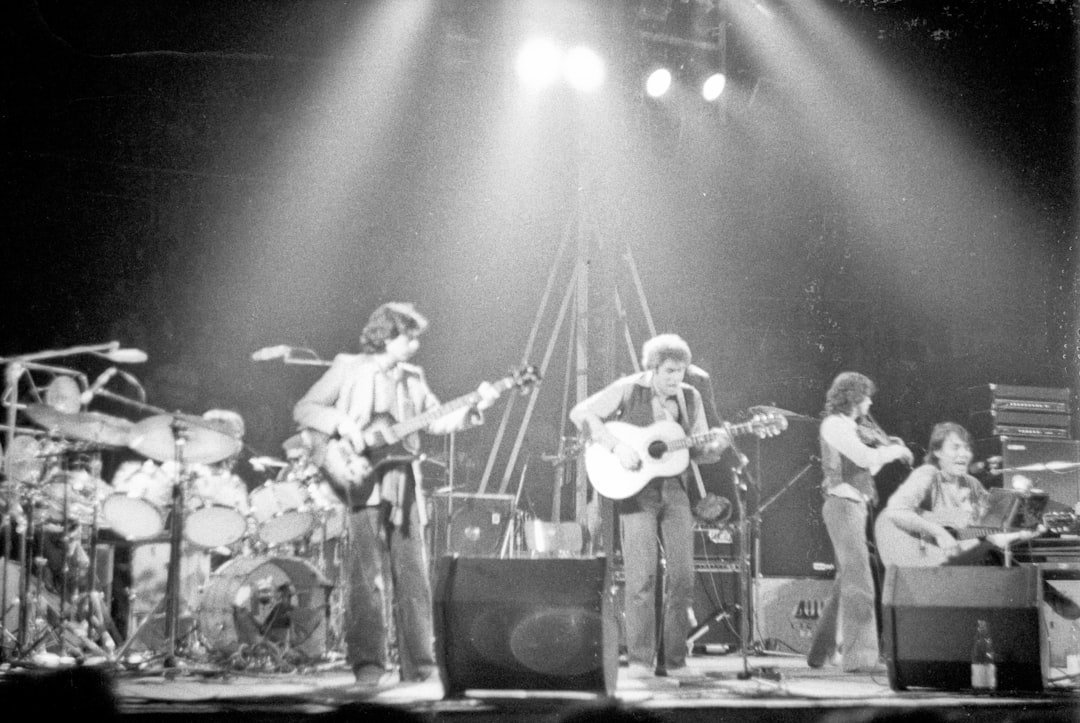
These 15 figures forged rock and roll from blues and gospel fires. Their songs and styles lived on through covers and homages, even if spotlights passed them by.
History favors the famous, yet true innovation often hides in shadows. Recognizing these heroes enriches the story, reminding us rock’s roots run wide and deep.

Christian Wiedeck, all the way from Germany, loves music festivals, especially in the USA. His articles bring the excitement of these events to readers worldwide.
For any feedback please reach out to info@festivalinside.com
