

For any feedback please reach out to info@festivalinside.com
- These 10 Country Legends and Their Biggest Hits Defined the Genre - July 22, 2026
- The 10 Formula 1 Legends Who Redefined Racing Greatness - July 22, 2026
- 7 Mind-Blowing Discoveries That Changed History—But Were Ignored or Forgotten - July 22, 2026
Everyday objects surround us, from kitchen staples to bathroom essentials. Yet many trace back to unexpected chapters in history, born from medical necessities, wartime innovations, or sheer accidents. These stories reveal how practicality and chance reshaped simple items into modern must-haves.
The Chainsaw
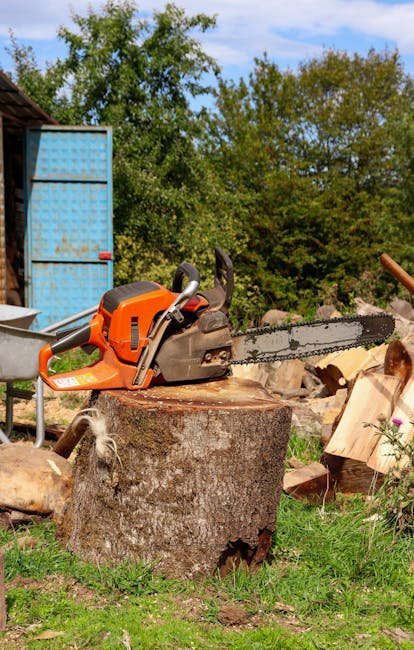
Two Scottish doctors invented the chainsaw in the late 1780s as a hand-cranked medical tool.[1][2] They designed it for symphysiotomy, a gruesome procedure to widen a mother’s pelvis during difficult childbirths when babies got stuck. The small, flexible chain cut through bone and cartilage with less damage than knives, though it still terrified patients.
Over time, steam power enlarged it for logging in the early 1900s. Electric and gas versions followed, turning it into a lumberjack essential by mid-century. Today, it powers forestry, rescues, and even horror films, far from its surgical roots.[1]
High Heels

High heels originated with 10th-century Persian cavalry riders.[1][2] The elevated soles locked their feet into stirrups, steadying them for accurate archery on horseback. European nobility adopted them in the 1600s to signal status and virility, with men like Louis XIV favoring red heels to match his short stature.
By the 18th century, heels slimmed for women, shifting from function to fashion. They symbolized power in courts before becoming runway staples. Now, they grace red carpets, though debates over comfort persist.[2]
Corn Flakes
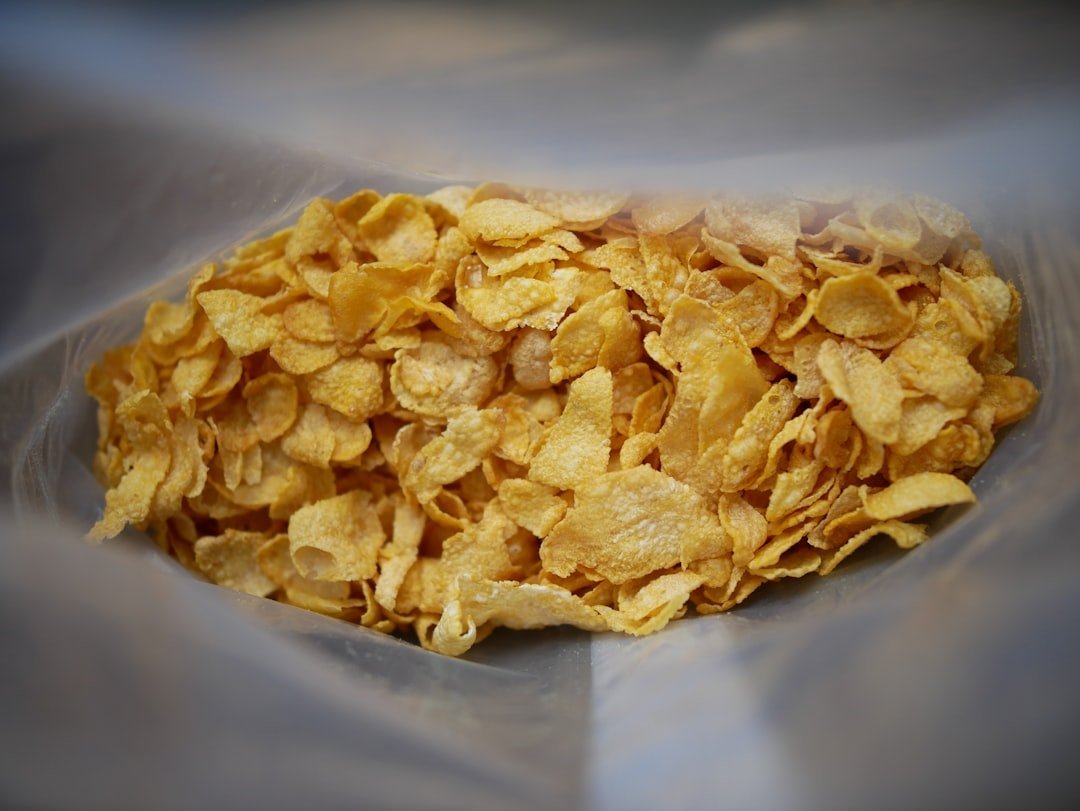
John Harvey Kellogg created corn flakes in the late 1800s at his Battle Creek Sanitarium.[1][2] He baked bland grains to suppress patients’ libidos, believing spicy foods fueled sinful urges. The plain flakes fit his health regime of simple eating to promote purity and digestion.
His brother commercialized them in 1906, adding sugar for appeal. Kellogg resisted sweetness, but the sweetened version exploded in popularity. Today, corn flakes anchor breakfast routines worldwide, sweetened and varied.[2]
Listerine
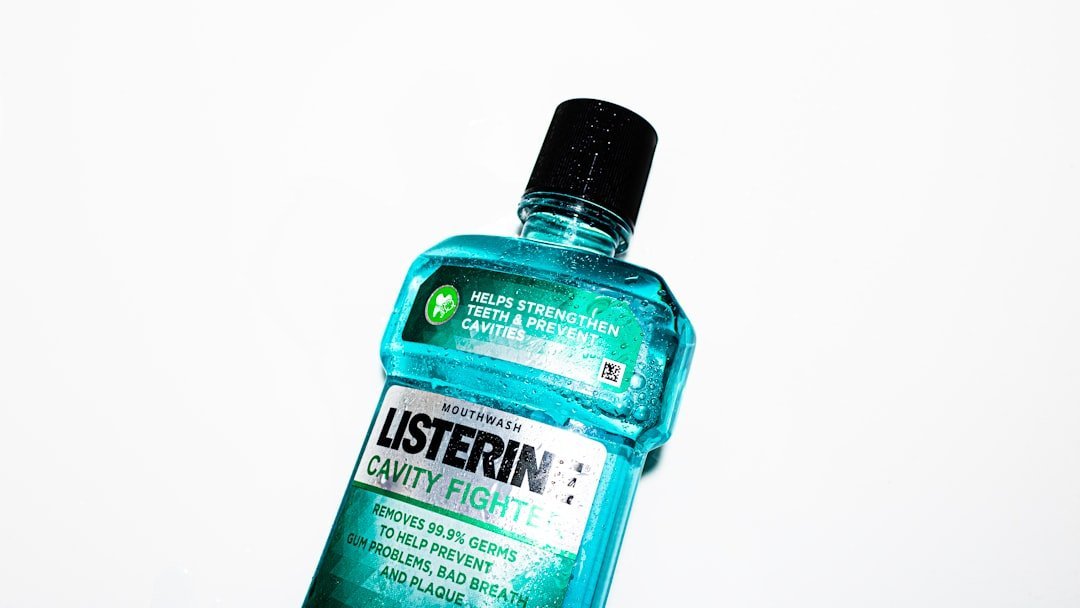
Listerine debuted in the 1870s as a surgical antiseptic and powerful cleaner.[1][2] Doctors used it to sterilize wounds, treat gonorrhea, and scrub floors or furniture. Its strong formula killed germs effectively in hospitals and homes alike.
In the 1920s, marketers coined “halitosis” to sell it as a mouthwash cure. Sales soared after targeting self-conscious consumers. It remains a staple for fresh breath, with its medical past largely forgotten.[1]
Kleenex
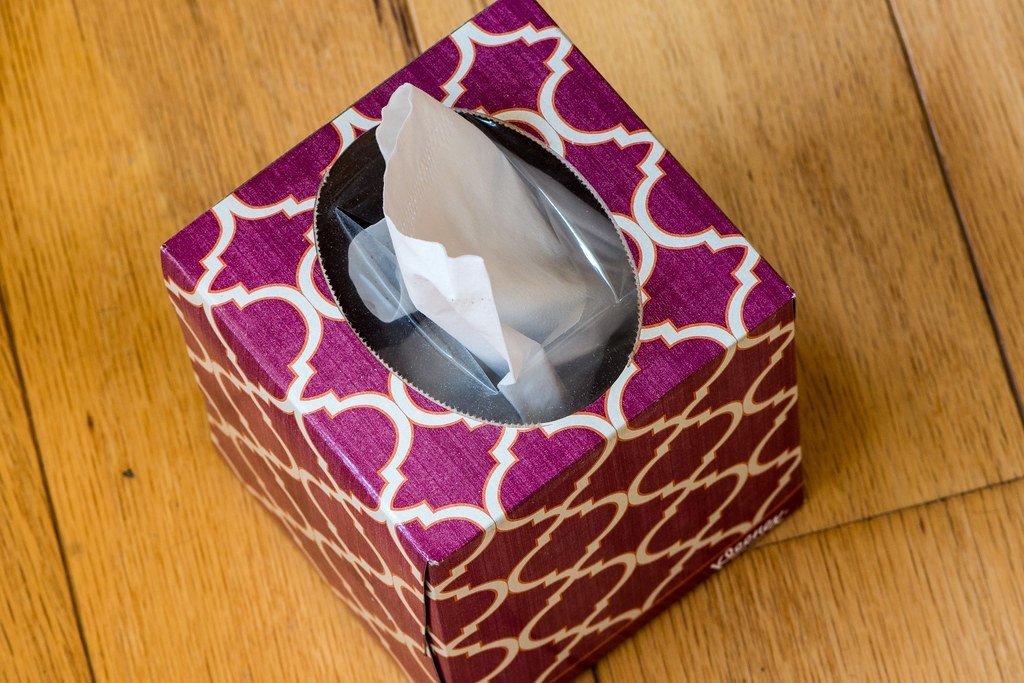
Kimberly-Clark developed Kleenex during World War I as Cellucotton for gas mask filters.[3] The absorbent material also became bandages and Kotex pads. Post-war surplus led to marketing it as disposable makeup removers in the 1920s.
A hay fever sufferer preferred it over cloth handkerchiefs, sparking its tissue evolution. The pop-up box boosted convenience. Now, Kleenex dominates disposables for noses and faces everywhere.[3]
Play-Doh
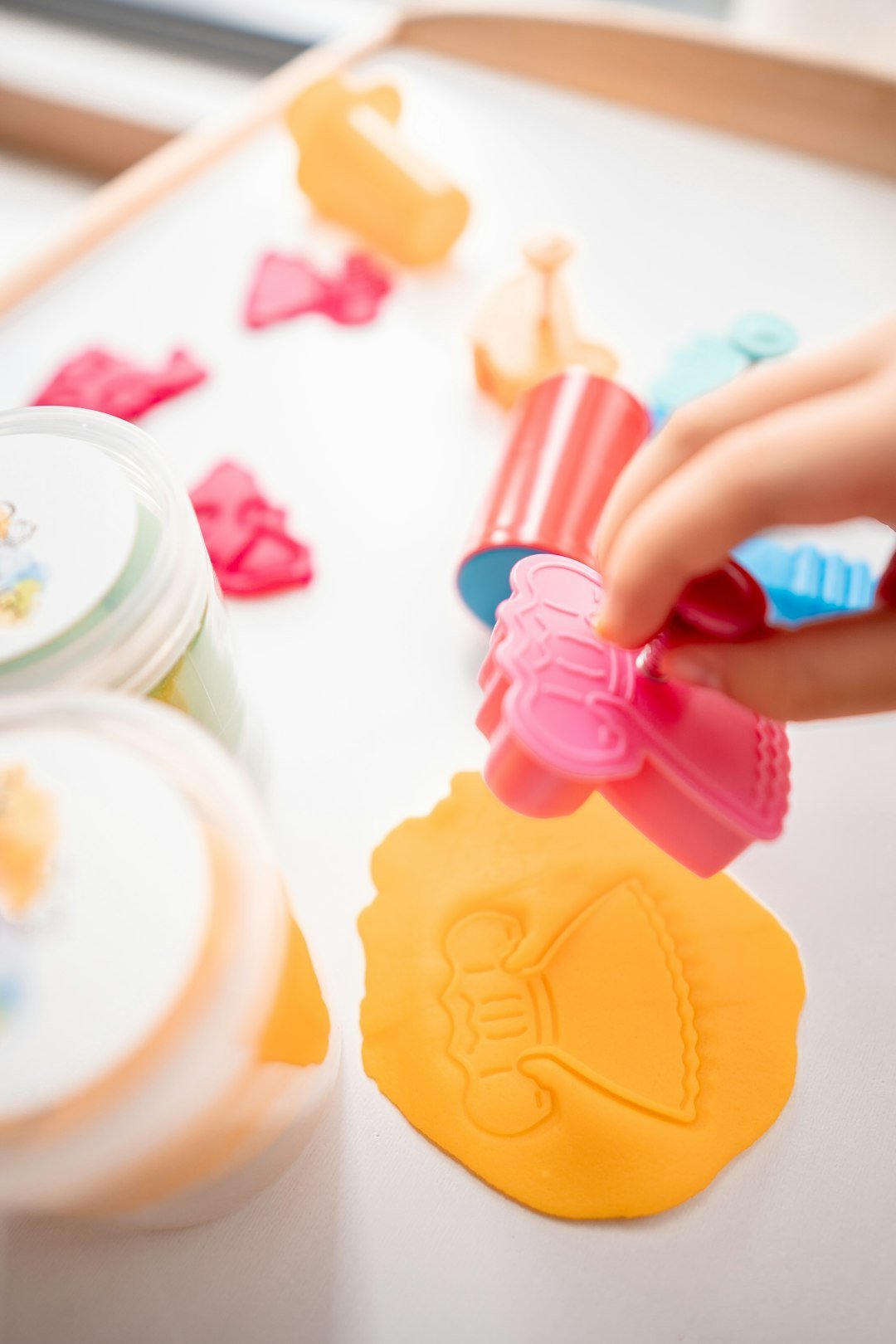
Play-Doh started in the 1930s as a wallpaper cleaner for coal soot residue.[1][4][2] Homes heated by coal left toxic grime that regular soaps couldn’t touch. The pliable putty, made from flour, salt, and chemicals, wiped it away effectively.
The 1950s gas heating shift killed demand, nearly bankrupting the company. A relative noticed kids molding it like clay, inspiring a toy pivot with safe scents and colors. It became a childhood classic by 1956.[4]
The Treadmill
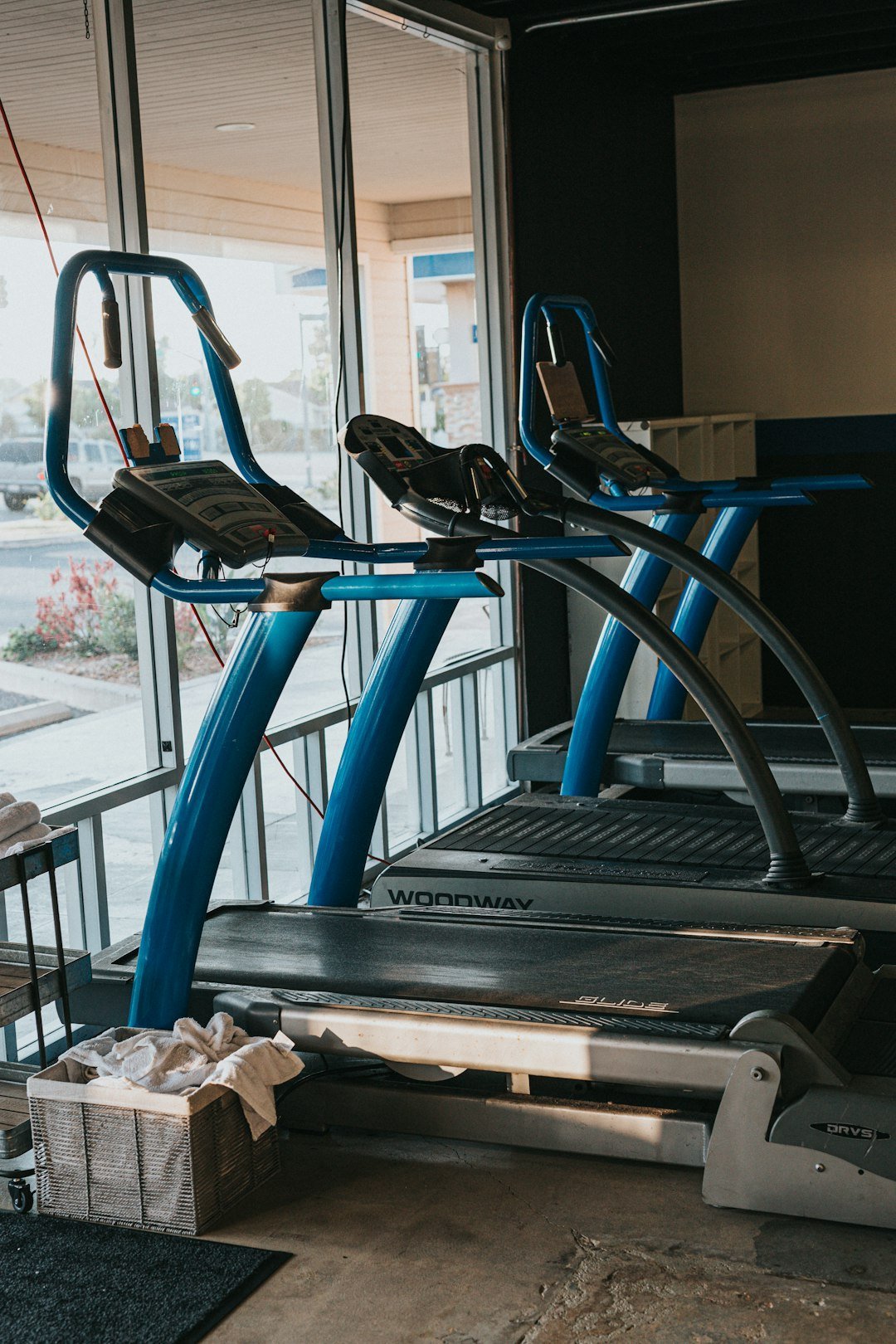
Treadmills emerged in 19th-century British prisons as punishment devices.[1][2] Inmates climbed giant wheels for hours, grinding grain or pumping water in brutal monotony. Reformers banned them by 1902 for cruelty.
Modern versions powered up in the 1960s for cardiac rehab. Fitness booms made them gym fixtures. They now track runs indoors, a far cry from penal labor.[2]
Velcro
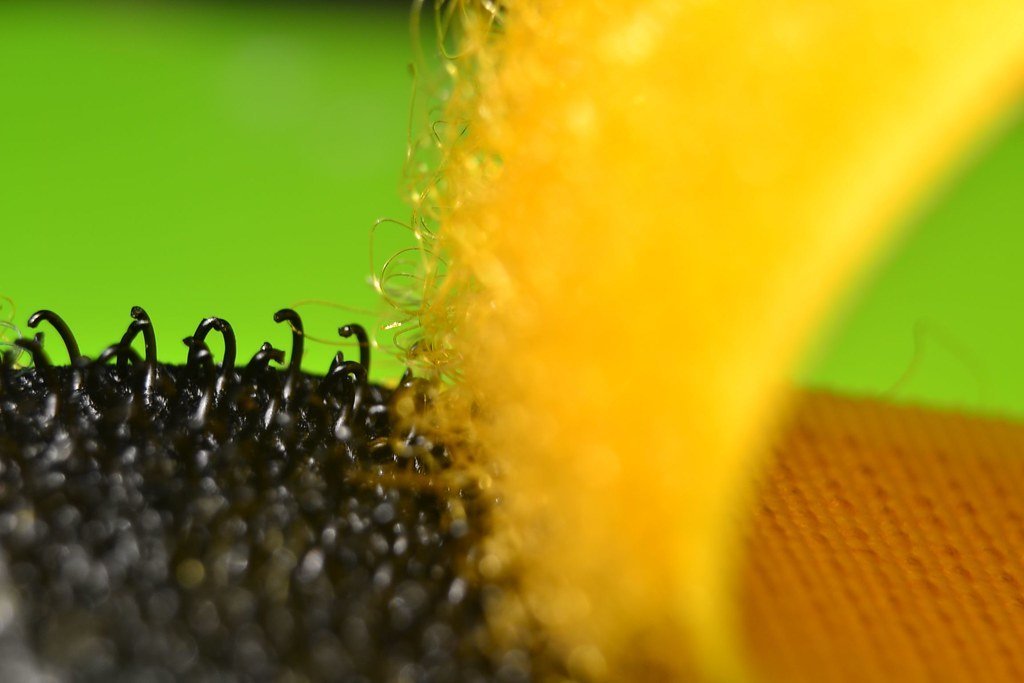
Swiss engineer George de Mestral got the idea in 1941 from burdock burrs sticking to his dog.[3] Microscopic hooks inspired nylon fasteners that peeled apart cleanly. He perfected it over years with French textile experts.
NASA adopted it in the 1960s for space gear. It entered fashion and kids’ binders by the 1970s. Velcro now secures shoes, bags, and gear effortlessly.[3]
Hidden Histories in Plain Sight

These tales show how necessity drives invention, often in dark corners of medicine or war. What starts as a grim tool morphs through adaptation and marketing.
Next time you grab corn flakes or lace up heels, consider the twists behind them. Daily life brims with such overlooked legacies, waiting for a curious glance.[3][1]

Christian Wiedeck, all the way from Germany, loves music festivals, especially in the USA. His articles bring the excitement of these events to readers worldwide.
For any feedback please reach out to info@festivalinside.com
